一文带你走进Decentraland举办的首届元宇宙时装周,看看有哪些有趣的东西!

元宇宙之道Pubblicato 2022-03-28Pubblicato ultima volta 2022-03-28

Introduzione

很不幸,疫情让2022秋冬上海时装周延期,但是元宇宙中的时尚潮流永不停歇。这不,Decentraland正在举办首届元宇宙时装周中!

首届元宇宙时装周

很不幸,疫情让2022秋冬上海时装周延期,但是元宇宙中的时尚潮流永不停歇。这不,Decentraland正在举办首届元宇宙时装周中!

随着全球实体品牌以及数字时尚品牌参与本次时装周,纷纷带来了自家的可穿戴式NFT。(想要了解什么是可穿戴式NFT戳→这里)

01首届元宇宙时装周有点东西!

从2022年3月24日到3月27日,Decentraland将举办前所未有的元宇宙时装周(下文简称MVFW)。

这是一个以人工智能和机器人、豪华可穿戴式NFT、实体商品和沉浸式体验为特色,知名品牌、艺术家和设计师将齐聚一堂的盛大活动,也将成为全球时尚行业里程碑事件。全球任何人都可以免费观赏这场元宇宙时装周,只需要一台电脑,用户登录Decentraland即可成为时尚史上新篇章的一部分。

与在伦敦、纽约、巴黎和米兰等时尚之都举办的任何其他时装周一样,MVFW除了时装秀外,这四天还将举办许多活动,像展示、快闪店、派对和沉浸式体验活动等。
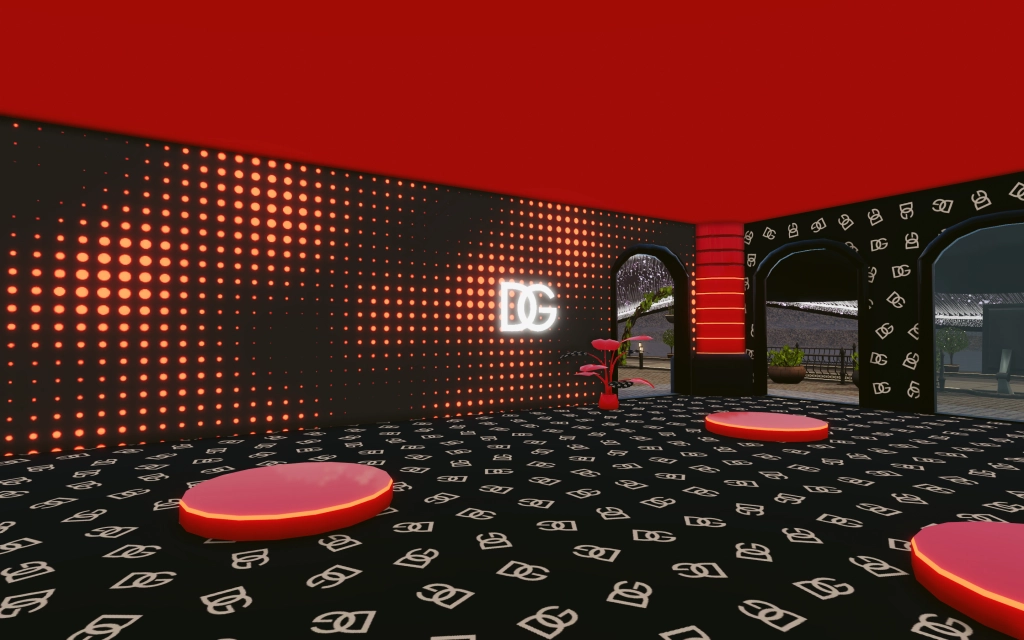
超过60个顶级品牌将参加这“有史以来第一次”时装秀。雅诗兰黛、TommyHilfiger、ElieSaab、HugoBoss、DolceandGabbana、Etro、Dundas、GarrettLeight、RobertoCavalli、PacoRabanne和FaithConnexion等品牌将展示他们的系列。

DeadFellaz、TheSevens、8SIAN、FangGang和TheMortiverse等流行的数字Web3品牌也将参与其中。

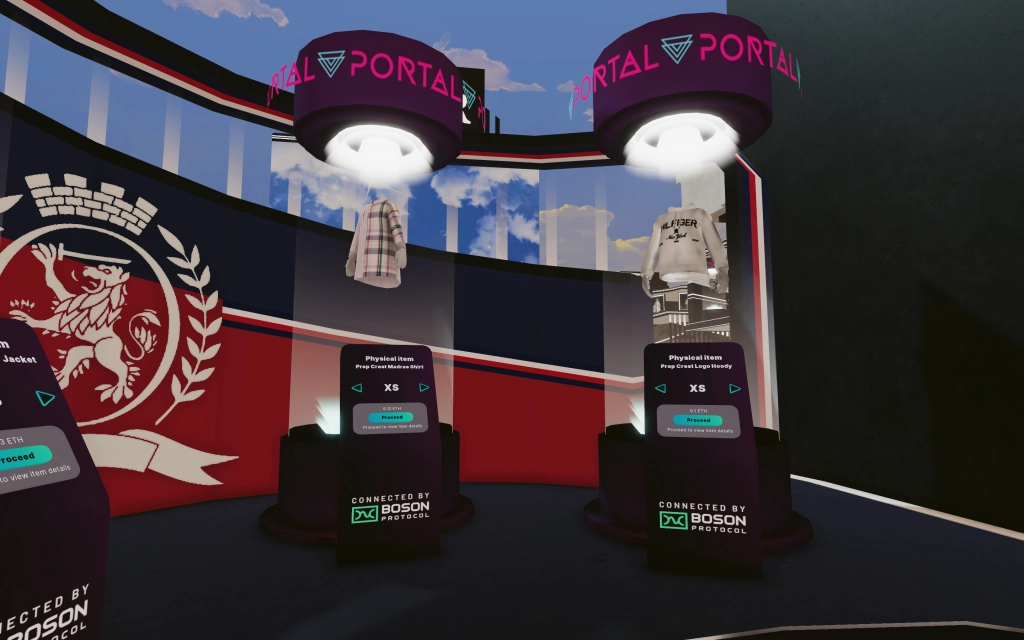
参观者们可以扫描QR码以查看该商品的渲染图,再使用其加密钱包中的资金购买自己喜爱的时尚NFT商品。购买之后,你可以将这些NFT穿戴在你们的虚拟形象之上。有些NFT商品,还有其对应的实体坂本,像HugoBoss这样的一些品牌已经和MVFW的合作伙伴BosonProtocol合作,让用户不仅可以购买可穿戴NFT,还可以获得其实物版本的衣服。

02首届元宇宙时装周有什么看点?

在时装周期间,Decentraland将在新创建的时尚区内首次亮相几个社区。品牌和设计师都将这些社区内展示他们的时装秀、画廊等。

1️奢华时尚区

Decentraland最新的奢华时尚区由Tokens.com的子公司MetaverseGroup拥有。奢华时尚区这的活动由UNXD和Vogue联合举办时装屋、品牌、设计师和时尚爱好者的巡回演出。这里还会在MVFW22闭幕秀,由超级巨星Grimes带来的一场身临其境的DJ表演。
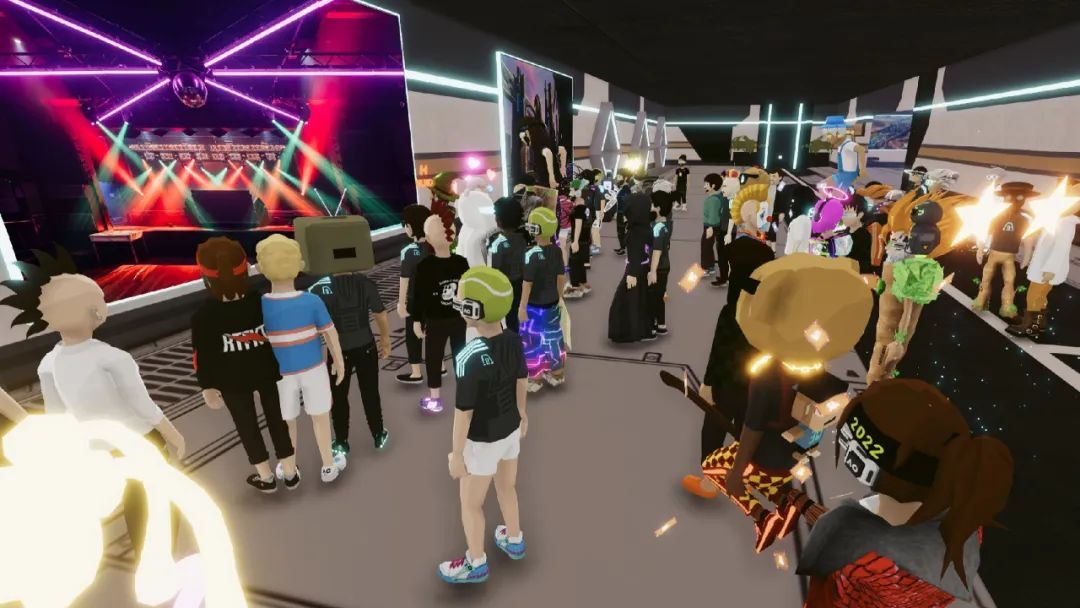
2️RaribleStreet

这里将变成一条时尚街区,有一系列品牌的快闪店。数字时尚品牌TheFabricant将举办一场时装秀,展示从其新推出的数字时尚共同创作平台TheFabricantStudio中千挑万选的作品。

3️Parcel-MetaParty社区

这里是一个庆祝Decentraland创造者的社区,将会呈现时装秀、小组讨论、迷你游戏、DJ、音乐表演和跑酷。3月26日晚,可穿戴NFT大赛的10名优胜者将在Parcel时装秀上展示他们的设计。

4️DragonCity

DragonCity将带来Parcel-MetaParty社区的多个设计师和品牌,以支持那些每天在虚拟世界中不断突破可穿戴NFT设计界限的创作者。

5️BosonProtocol

BosonProtocol技术正在展示他们的元宇宙市场BosonPortal,它使品牌能够以NFT的形式销售奢侈品和独家实体产品。对于MVFW里说,Boson已经建立了一条Metaverse商店林荫大道,领先品牌和NFT项目将在这里出售他们的产品。
6️CashLabs

Web3AgencyCashLabs将在MVFW期间推出其混合媒体艺术画廊。超过20位艺术家和设计师将在画廊展出名为“艺术与时尚的交汇点”的展览。画廊的三层楼的墙上挂满了图像和视频作品。

SHOWstudio还将在CashLabs画廊的屋顶上每天放映五部电影。这些电影来自NickKnight的杰出档案馆,涵盖从AlexanderMcQueen和CommedesGarçons等知名品牌到新兴设计师的作品,为期四天的时尚电影盛会将带领观众穿越历史和未来电影中的时尚。

7️Metaloop

Metaloop是一个Web3创新工作室,这里有个活动空间设有一个虚拟上层平台,供品牌举办afterparty,这长达一小时的派对将扩展元宇宙中的社交活动。

8️Threedium

Threedium社区将带来一系列品牌商店,其中包括来自全球品牌的3D可穿戴设备,包括通用汽车,他们展示最新的电动汽车。雀巢的Liongrain品牌将展示他们虚拟可穿戴睡衣。DKNY,CHARLES&KEITH,Prive'Porter&PhygicodebyWyldflwr也将在MVFW期间在Threedium广场展示他们的3D产品。

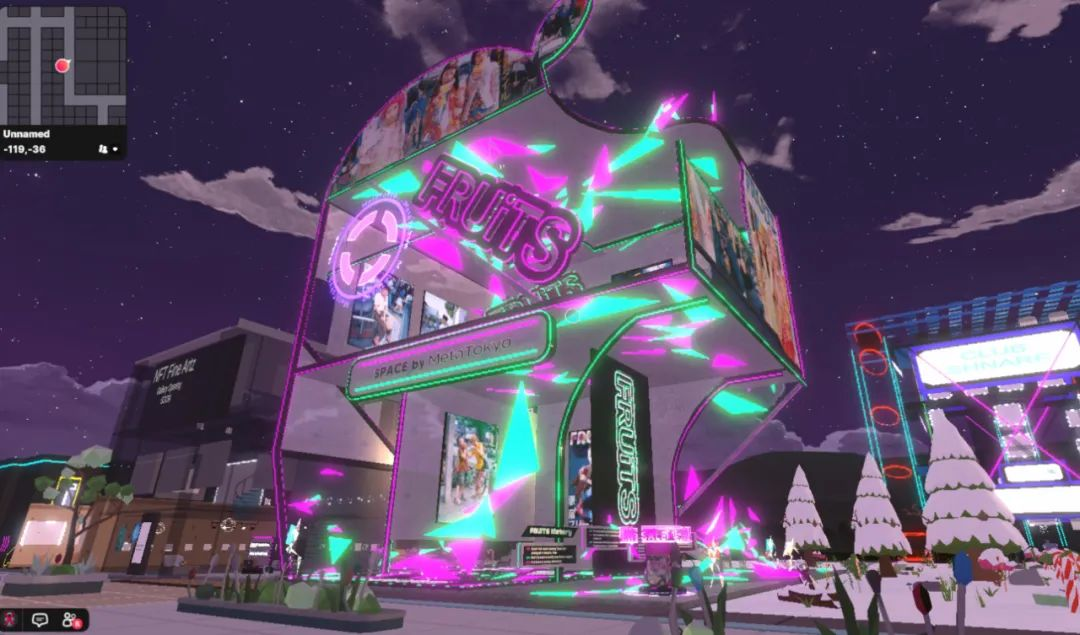
9️MetaTokyo

MetaTokyo社区推出“SPACEbyMetaTokyo”博物馆展出可穿戴系列NFT,AMIAYAxSTREET时尚摄影也将在这个空间推出其NFT系列。
03这些品牌永久入驻元宇宙,推出可穿戴式NFT

不少品牌已经在Decentraland购买了虚拟土地,并在元宇宙时装周上开设了旗舰店。这些品牌正在突破他们的创意界限,并设计定制的数字空间,这与用户以前见过的任何东西都不同。下面这些品牌,就永久入驻了Decentraland:

英国著名百货公司Selfridges于3月23日推出其标志性旗舰店。Decentraland商店在灵感来自Selfridges标志性伯明翰商店的空间内,将与PacoRabanne和艺术家FondationVasarely展开身临其境的旅程。这座建筑本身就是一个巨大的时间胶囊,在时装周开始的前一天秘密地抵达Decentraland,包含了过去的重要艺术作品。

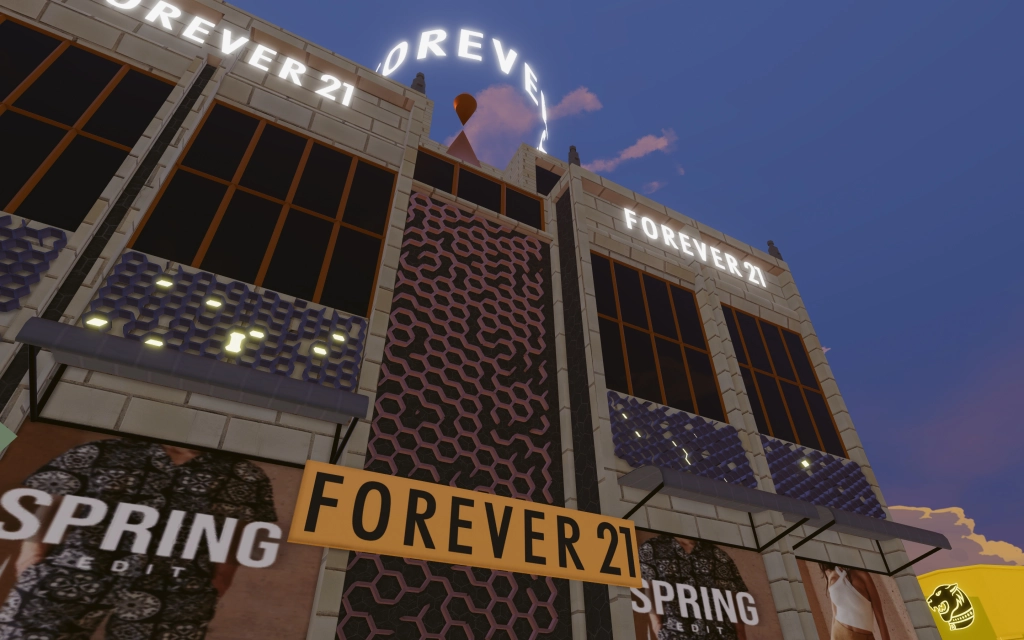
美国服饰品牌Forever21也在元宇宙中破土动工,在时装周期间推出全新系列,其中包含可穿戴NFT。Forever21的3D虚拟服装将在品牌店面展出,该店面由Forever21团队和MetaverseGroup的虚拟建筑师合作设计。在Decentraland时装秀之后,Forever21将在其虚拟商店中举办一场派对。
德国服饰品牌PhilippPlein首次亮相PleinPlaza,这是一个覆盖65个Decentraland地块的黄金地段,由NFTAuctionHouse和MetaverseDevelopmentStudioPortion开发。在PleinPlaza内,用户将能够参观PhilippPlein创立的NFT艺术博物馆(MONA)。此外,PhilippPlein将推出他的首个元宇宙系列,其中包括与3D艺术家AntoniTudisco合作的时装秀。NFT系列将在Portion上发布,独家可穿戴NFT可在Decentraland或plein.com上购买。

雅诗兰黛也将成为参加MVFW的独家美容品牌。雅诗兰黛与Decentraland合作,在3月24日至28日免费奖励受其主打产品“AdvancedNightRepair”(高级夜修精华液小棕瓶)启发的1万个NFT。用户还能够进入“小棕瓶”的瓶身内,获得可穿戴的NFT,为用户的虚拟形象提供“焕亮面容”。雅诗兰黛公司集团总裁StephanedeLaFaverie表示:“我们很高兴成为参与元宇宙时装周的独家美妆品牌。它标志着雅诗兰黛如何在元宇宙中吸引老消费者方面的关键点。”

D-CAVE是面向数字社区的生活方式虚拟世界市场,最近与BulovaWatch合作,将可穿戴豪华手表带入虚拟世界。D-CAVE将展示可穿戴NFT并发布限量版产品,D-CAVE的联合创始人兼首席执行官StefanoRoss说:“我们想成为元界的柯莱特(一家IT服务供应)。”

意大利知名品牌Tod's旗下的休闲鞋品牌Hogan也将在Decentraland内首次推出元宇宙商店,该商店将推出该品牌的首个NFT产品“HoganUntraditional”系列,该品牌标志性运动鞋的再版。Hogan与Exclusible合作,将3月26日举办“HoganX”派对,该活动将呈现虚拟世界中的第一次舞蹈比赛,并将由著名的DJ巨星BobSinclar主持。

如今,越来越多的品牌深入元宇宙,推出服装、包包、鞋子等可穿戴式NFT。可穿戴NFT为当今市场上的各大品牌都提供了新思路,将帮助品牌打开500亿美元的新市场。值得注意的是像Gucci、巴黎世家等全球品牌一直在提供可穿戴式NFT。

NFT技术允许我们的虚拟服装在许多数字世界中转移,在未来拥有一个可以在不同平台移动的虚拟衣橱。当用户购买可穿戴式NFT时,不只是买了一件数字商品,而且还拥有其独一无二的所有权。不管是可穿戴式NFT、还是头像NFT,都将成为大家在元宇宙中展示与炫耀的资本。


Letture associate

Cardano Price Forecast: Can Hoskinson's $1B RealFi Bet Stop ADA's Fall to $0.14?

Cardano Price Forecast: Can Hoskinson's $1B RealFi Bet Halt ADA's Drop to $0.14? Cardano (ADA) gained 1% on July 28, testing a key Fibonacci support level at $0.1618 after breaking below a consolidating triangle. Technical analysis shows a descending trend line from May's peak maintaining resistance, with the 20-day and 50-day EMAs also capping upside moves. A daily close below $0.1618 could see ADA fall towards the June low of $0.1386. During a recent AMA, founder Charles Hoskinson identified RealFi as Cardano's most likely product to achieve $1 billion in Total Value Locked (TVL) within a year, citing the operational independence of the Real5 Foundation and its team's microfinance experience. Other development updates included the beta launch of 'Midnight City,' the public testnet for Ouroboros Leios, and commentary on the unlikely passage of the CLARITY Act in the US. Following a June exploit that drained 16.1 million ADA, SecondFi launched a recovery roadmap featuring a ZK-proof-based fund return portal, allowing users to claim compensation without exposing private keys. Derivatives data shows a 159% surge in trading volume as ADA tested support, accompanied by a drop in open interest. The liquidation ratio was 58:1 in favor of longs, indicating leveraged long positions were being washed out. Retail traders are net short, creating potential for a short squeeze if a price rebound occurs. The bullish scenario targets a rebound to the 20-day EMA at $0.1650 and the 0.382 Fibonacci level at $0.1762. The bearish case envisions a breakdown below $0.1618, leading to a test of the June low at $0.1386.

cryptonews.ru3 min fa

Cardano Price Forecast: Can Hoskinson's $1B RealFi Bet Stop ADA's Fall to $0.14?

cryptonews.ru3 min fa

Stablecoin Market Sees Significant Contraction for First Time in Four Years

For the first time in four years, the stablecoin market's total capitalization has contracted significantly, dropping by over $10 billion from its May peak to around $310 billion in late July. This represents the largest monthly outflow since the collapse of Terra in May 2022. Paradoxically, while the supply shrank, adjusted transaction volume in June 2026 surged to a record $1.79 trillion, a 63% monthly increase. A key driver of this divergence is the **$GENIUS Act**, passed in July 2025, which prohibited stablecoin issuers from paying interest on payment-focused stablecoins. This did not eliminate the demand for yield but redirected capital towards alternatives like tokenized U.S. Treasury funds, DeFi lending protocols, and offshore stablecoin issuers. The shift is evidenced by the rapid growth of the Real-World Asset (RWA) sector, where tokenized Treasury funds grew from $11 billion to $16 billion in five months. The changing dynamics have reshaped the competitive landscape. **$USDC** has become the dominant instrument for institutional transactions, accounting for approximately 70% of transaction volume in the first half of 2026 and $1.21 trillion in adjusted transfer volume for June. Meanwhile, **$USDT** retains its lead in overall market capitalization, serving as a "savings account" in developing economies. The industry's fundamental economics are transforming: the old issuer model reliant on yield from reserves is diminishing; revenue is shifting towards infrastructure providers like payment networks and blockchains that charge transaction fees; and corporate (B2B) payments, while still a small fraction of total volume, are experiencing explosive growth.

cryptonews.ru3 min fa

Stablecoin Market Sees Significant Contraction for First Time in Four Years

cryptonews.ru3 min fa

LeCun Continuously Endorses, New Work VISReg Tackles the Core Challenge of 'Representation Collapse' in JEPA World Models

"VISReg: A New Self-Supervised Learning Method Tackles Representation Collapse in JEPA World Models" Yann LeCun has highlighted the new self-supervised learning (SSL) work VISReg (Variance-Invariance-Sketching Regularization), which addresses the core challenge of "representation collapse" in JEPA-based world models. SSL often collapses, mapping different inputs to similar vectors, losing discriminative power. While methods like VICReg and SIGReg attempted to regularize the representation distribution, they suffered from issues like vanishing gradients during collapse or coupled scale and shape optimization. VISReg overcomes these by decoupling the regularization into independent "scale" and "shape" objectives. It uses a variance term to prevent amplitude collapse (providing constant gradient even during collapse) and a sliced Wasserstein distance (SWD) based sketching target with stop-gradient to align the distribution shape to an isotropic Gaussian, without interfering with scale. This approach, requiring only ~15 lines of PyTorch core code, offers linear computational complexity and scales efficiently across multiple GPUs. Evaluated across 15 datasets (in-domain, out-of-distribution/OOD, dense prediction), VISReg outperforms 7 mainstream SSL methods (MoCoV3, DINO, iBOT, I-JEPA, MAE, data2vec) without relying on heuristic tricks like EMA or stop-gradient. Key results include: superior average OOD accuracy; matching DINOv2's OOD performance using only ~1/10 of the data (ImageNet-22K vs. LVD-142M); better transfer learning fine-tuning results across multiple datasets; and competitive performance in semantic segmentation and generative guidance. VISReg also demonstrates robustness on low-quality data like long-tailed or low-rank datasets where other methods fail. The work provides a more stable, efficient, and generalizable regularization solution for SSL and JEPA models.

marsbit12 min fa

LeCun Continuously Endorses, New Work VISReg Tackles the Core Challenge of 'Representation Collapse' in JEPA World Models

marsbit12 min fa

Argentine Banking Groups Quietly Develop Peso-Pegged Stablecoins for the Institutional Market

Argentine banking groups are quietly developing peso-pegged stablecoins for the institutional market. While US dollar-linked stablecoins like USDC and USDT are popular in Argentina, fintech companies are now focusing on local alternatives. Two major initiatives are underway. The BIND Group, through its virtual asset service provider BEN, is developing a peso stablecoin and has partnered with Circle to offer institutional clients payment and treasury use cases. Separately, the Petersen Group is developing a stablecoin called DIPE via a subsidiary, supported by crypto-as-a-service company Lirium. Both projects are being advanced by entities backed by banking conglomerates, not the banks themselves, due to a Central Bank of Argentina ban from May 2022 prohibiting private banks from offering crypto services to clients. The primary target is the institutional sector, which could benefit from the programmable features of a digital peso for treasury management, event-triggered blockchain payments, and collateralized lending management. These initiatives could expand to private banks in the future if the central bank lifts its crypto ban. This development comes as regulators scrutinize existing crypto offerings; in March, the national securities regulator highlighted that the "argt peso" stablecoin was being offered as a security without proper compliance.

cryptonews.ru19 min fa

Argentine Banking Groups Quietly Develop Peso-Pegged Stablecoins for the Institutional Market

cryptonews.ru19 min fa

Trading

Spot
活动图片