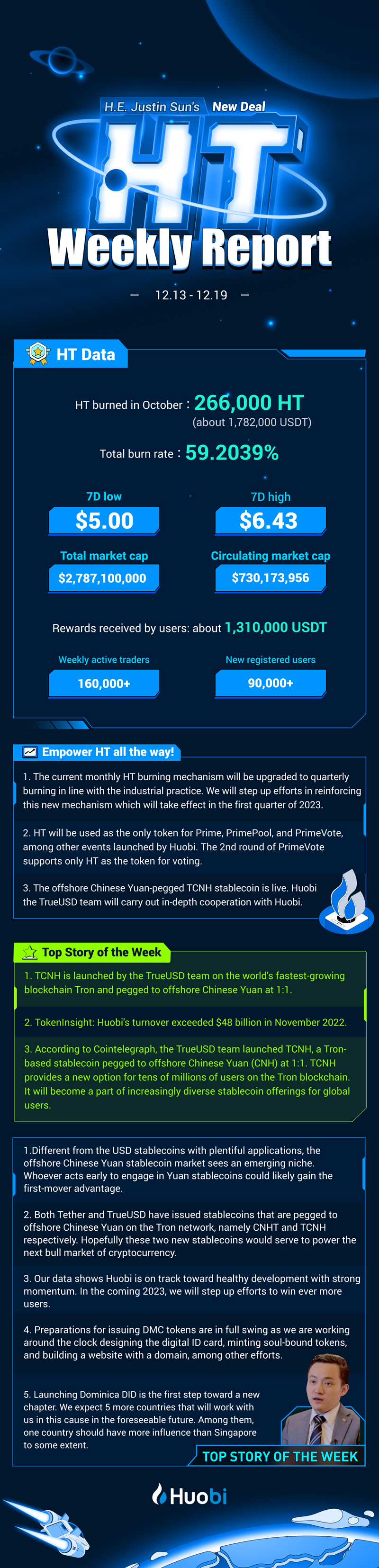
HT Weekly Report(12.13-12.19)

HuobiPubblicato 2022-12-20Pubblicato ultima volta 2022-12-23

Introduzione

When HT Prospers,Huobi Will Also Prosper.

Letture associate

NeoCloud Three Giants: NBIS, IREN, CRWV – Which One Has More Investment Value?

This conversation analyzes the three leading "Neocloud" companies—NBIS (Nebius), IREN, and CRWV (CoreWeave)—in the context of the AI compute boom. The core thesis is that a severe GPU shortage will persist for 3-5 years, creating a massive, durable opportunity for specialized GPU cloud providers to supplement hyperscalers like AWS and Azure. Key differentiators are highlighted: CoreWeave is the early leader with the highest activated power and revenue, focusing on high-value AI training. IREN possesses the largest locked-in power capacity (4.5 GW) but has only secured Microsoft as a major customer so far. Nebius is positioned as the long-term pick due to its unique focus on building an inference-focused software stack ("token factory") and its exceptional engineering-centric team, led by a mathematician CEO with a proven track record. The discussion debunks bearish narratives, noting that Nebius recently raised prices for H100/B200 GPUs by 30-70%, indicating strong pricing power and contradicting fears of rapid GPU depreciation. A simple revenue model is presented: 1 MW of power equates to ~$10M in annual revenue. Nebius's guidance of 5 GW by 2030 implies $50B in revenue, vastly exceeding current consensus. All three companies are expected to succeed in the near-to-medium term due to overwhelming demand. However, for long-term (5+ year) investment, the preference is for Nebius due to its team, software strategy, and valuable stakes in subsidiaries like ClickHouse. The conversation also identifies the networking layer (e.g., Arista Networks) as a critical, underappreciated adjacent opportunity in the AI infrastructure build-out.

marsbit20 min fa

NeoCloud Three Giants: NBIS, IREN, CRWV – Which One Has More Investment Value?

marsbit20 min fa

Google Cracks Down on 'AI Poisoning'

Google has taken a strong stance against "AI poisoning," a new form of manipulation where advertisers subtly feed information to influence AI-generated answers like those in Google's AI Overview. Unlike traditional SEO, which aims for higher website rankings, Generative Engine Optimization (GEO) seeks to have a brand or product recommended within the AI's response itself. This is particularly valuable as AI summaries, often perceived as neutral and comprehensive, can shorten the consumer decision path and directly influence purchases. The article illustrates the issue with a "hot dog experiment," where fabricated content was quickly picked up and presented as fact by AI. GEO exploitation is potent because AI models aggregate information from various sources—reviews, articles, forums—and can mistake coordinated marketing campaigns for genuine consensus. This threatens the core credibility of search engines. While Google's updated spam policy now explicitly covers attempts to manipulate AI-generated content, enforcement faces challenges. Google can leverage its long experience fighting SEO spam, using penalties like ranking demotion. However, sophisticated "gray area" tactics, such as sponsored third-party reviews or industry reports, are harder to distinguish from legitimate promotion. Other AI players, like Microsoft, have taken a more open approach to GEO, viewing it as a new channel for brands. Ultimately, as AI becomes a primary information source, maintaining the trustworthiness of its answers is a critical challenge for all platforms.

marsbit42 min fa
Google Cracks Down on 'AI Poisoning'

marsbit42 min fa

When Futu Turns into a Matchmaking Corner: Overseas Identity Becomes the Hard Currency for the Middle Class

When Futu Becomes a Matchmaking Corner: Overseas Status as the New Hard Currency for China's Middle Class Following a severe penalty announcement from Chinese regulators on May 22nd targeting offshore brokerages like Futu, its app community unexpectedly transformed into an impromptu matchmaking platform. Users posted相亲 (matchmaking) requests, explicitly seeking partners with overseas residency or citizenship, revealing a stark new reality: for China's middle class, an overseas identity has become a crucial asset. The regulatory crackdown, which restricts mainland Chinese residents from opening new accounts to buy overseas securities like US stocks, has sharply escalated the value of a foreign passport or permanent residency. This status now acts as a gateway to global asset allocation—including US equities, offshore property, and foreign currency deposits—effectively becoming a new form of "hard currency." Its scarcity, non-transferability (except through marriage, inheritance, etc.), and role as a hedge against domestic uncertainty have driven its premium. The article traces the evolution of how China's middle class views overseas resources: from an investment for opportunity (2000s), to risk diversification (2010s), and now to a mandatory "insurance policy" for financial access. With the regulatory window closing for many, the demand is shifting towards securing such status for the next generation through international education. The surreal scene of high-performing investors posting dating resumes underscores a 2026 where financial talent can be secondary to the right passport.

marsbit1 h fa

When Futu Turns into a Matchmaking Corner: Overseas Identity Becomes the Hard Currency for the Middle Class

marsbit1 h fa

Trading

Spot
Futures
活动图片