多空分歧激化,机构思路同样出现背离 | CFTC 比特币持仓周报

FPubblicato 2022-10-03Pubblicato ultima volta 2022-10-08

Introduzione

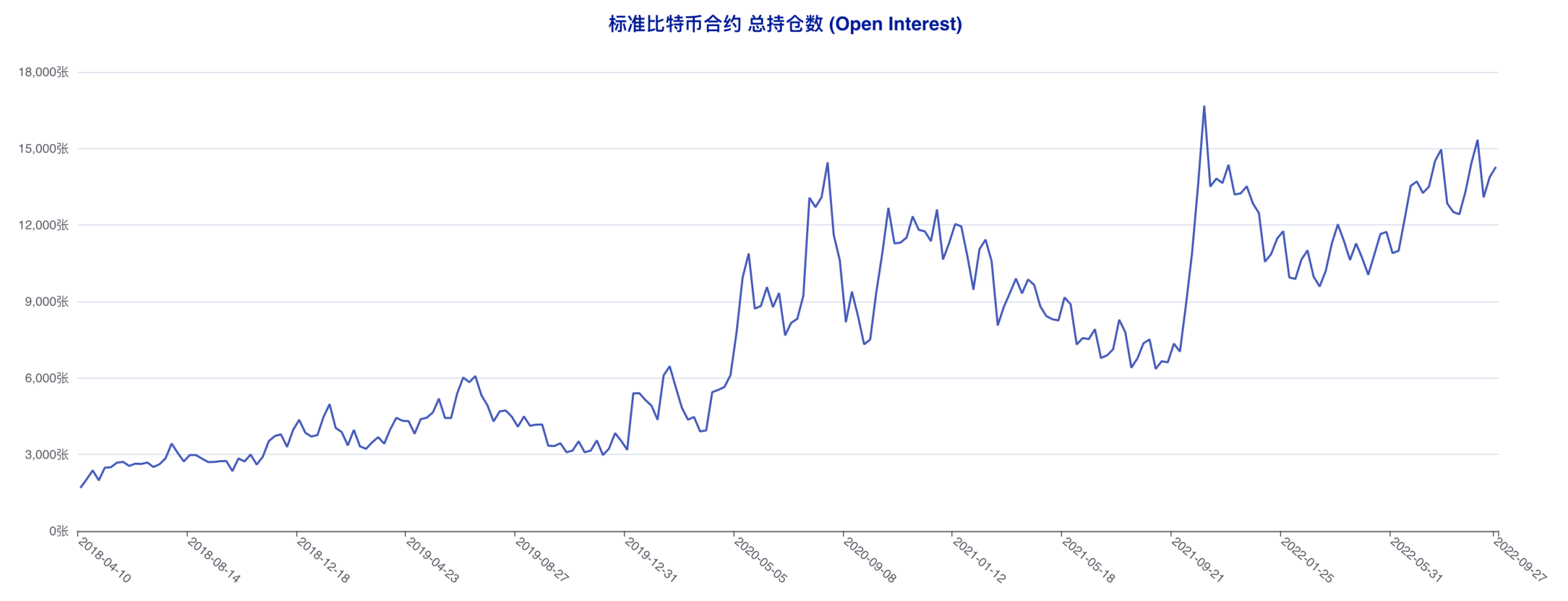
比特币标准合约总持仓量自 13880 进一步上涨至 14271。

10 月 1 日公布的最新一期 CFTC CME 比特币持仓周报( 9 月 21 日 - 9 月 27 日)显示,比特币标准合约总持仓量自 13880 进一步上涨至 14271,该统计周期前几个交易日行情波动幅度有限,不过末段的一波快速反弹一定程度上「激励」到了市场情绪,市场总体持仓量连续第二个统计周期上涨。
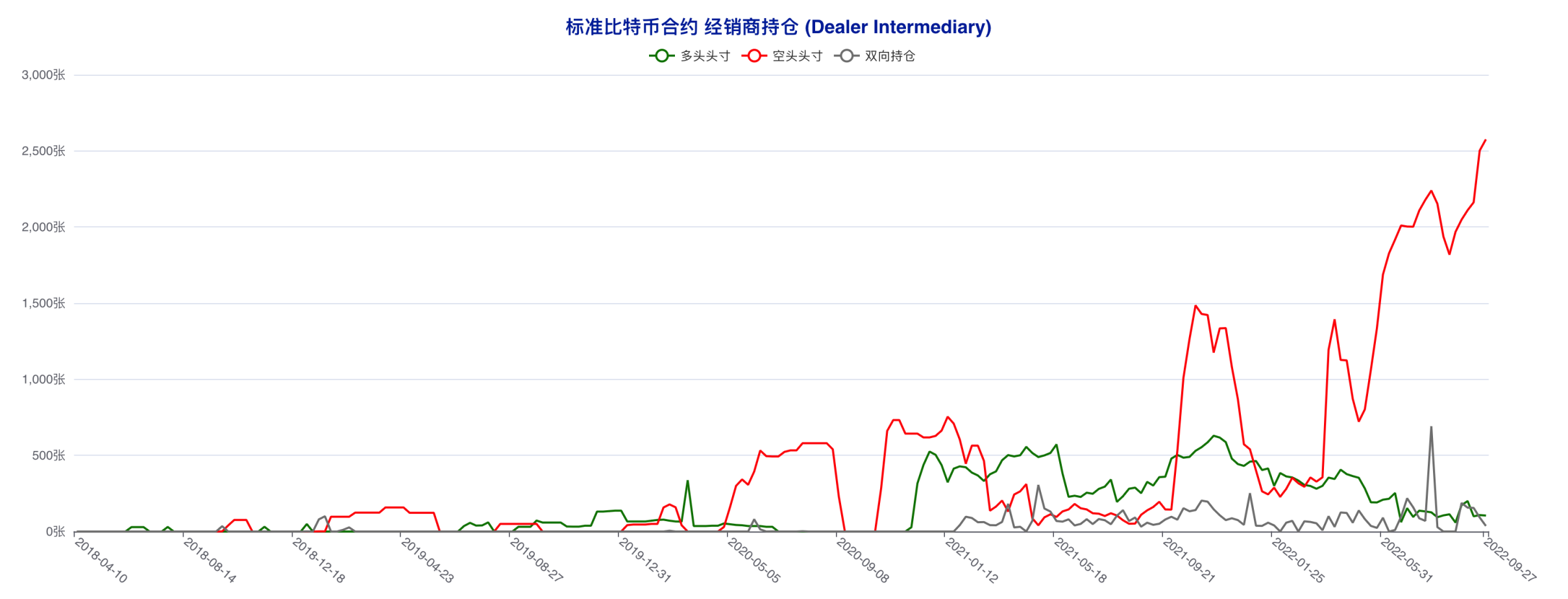
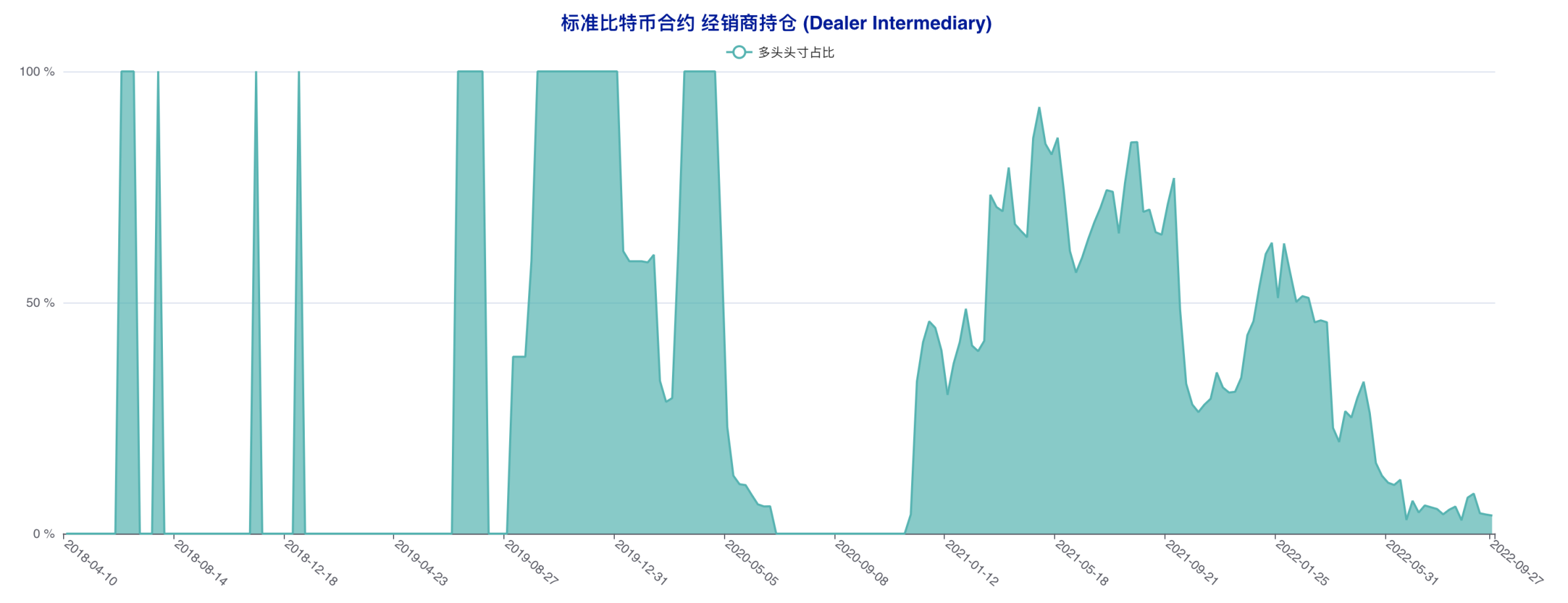
规模最大的经销商账户多头头寸自 108 微降至 105,空头头寸自 2502 上升至 2574,规模最大的机构账户在最新统计周期内又一次进行了净空调仓,虽然调仓幅度有限,但是在市场震荡并取得小幅上涨的大背景下,这种「逆势」调仓进一步明确了这类账户看空后市的态度。
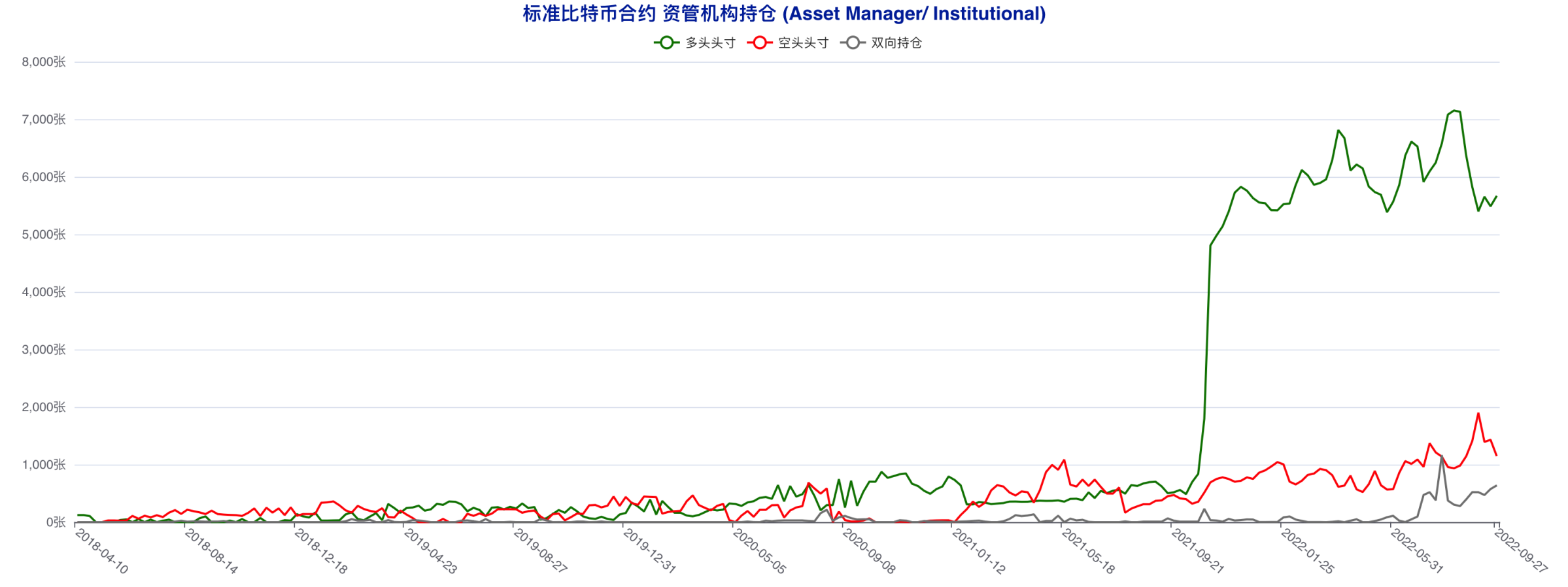
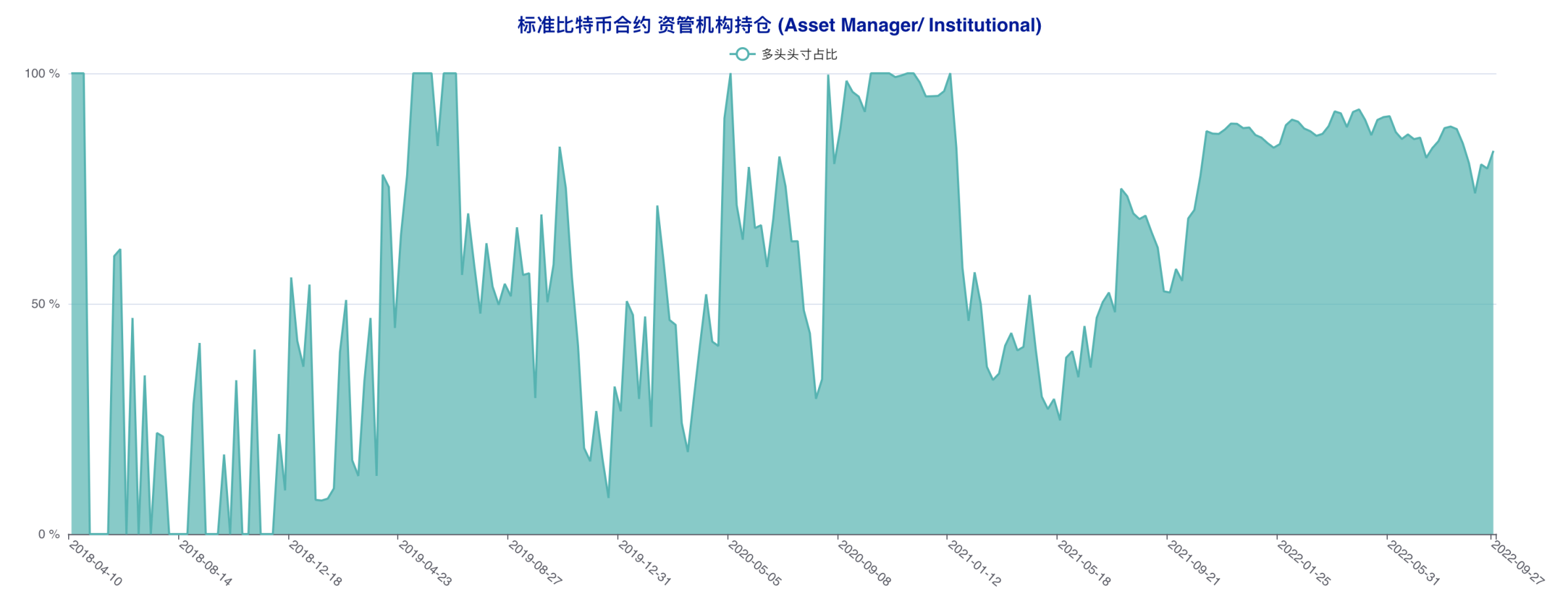
资管机构多头头寸自 5488 上升至 5666,空头头寸自 1431 下降至 1151,资管机构在最新统计周期内再度转向,上一统计周期内大举做空之后,在最新统计周期内进行了反向的净多调仓。对于这类账户来说,上一统计周期虽然针对此前行情大跌进行了弥补性的操作,但是行情出现短暂反弹后迅速转回做多,实际上是一种很清晰的看涨态度表达。资管机构与经销商账户的判断出现了明显的背离。
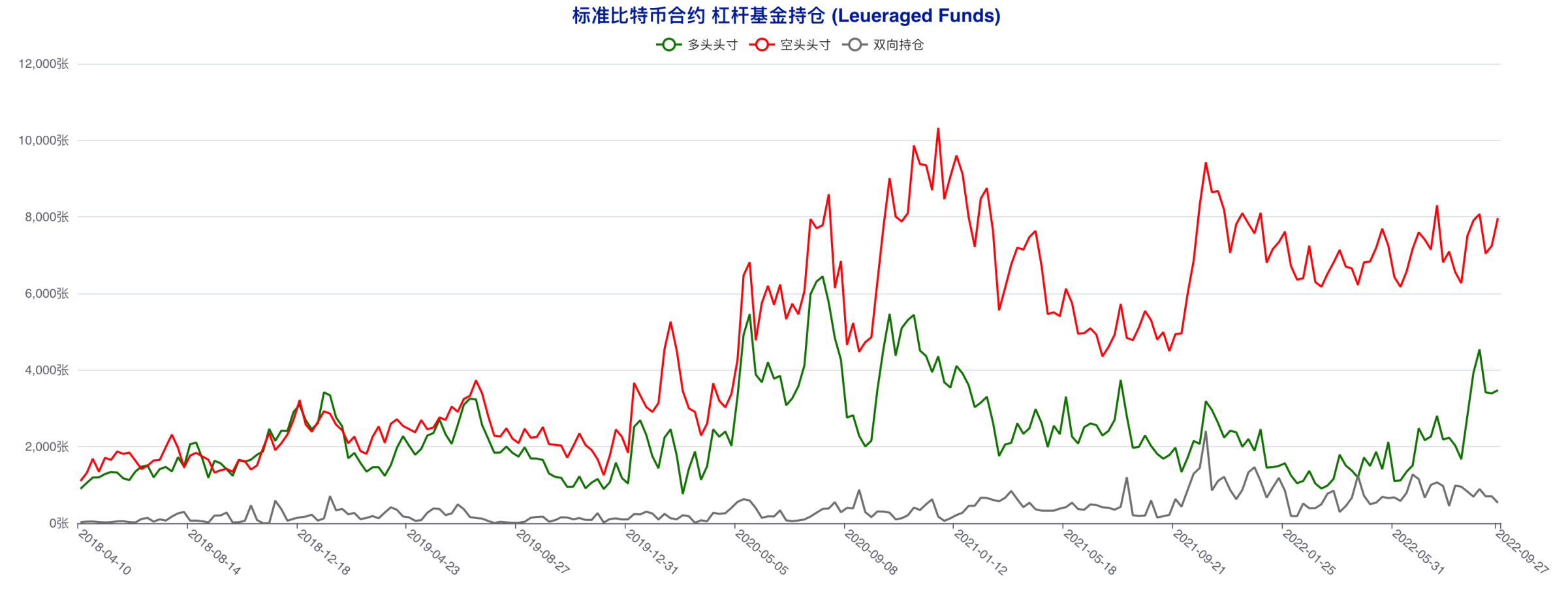
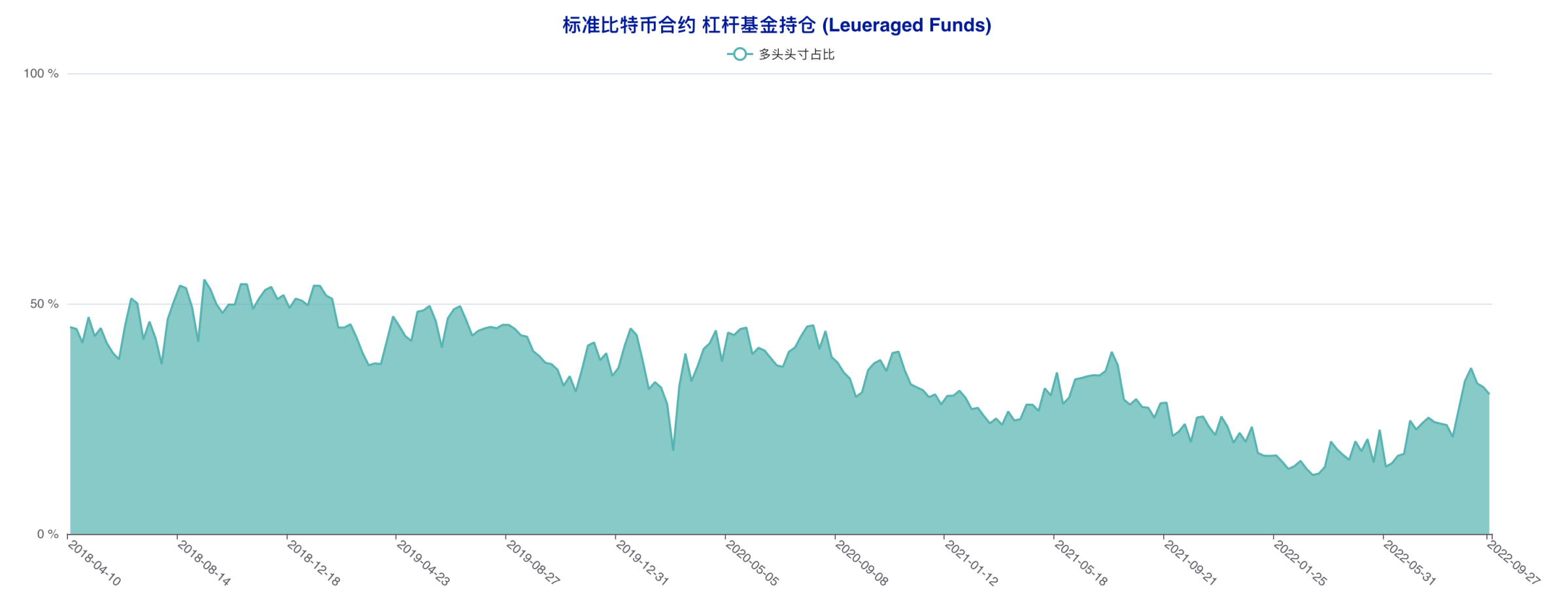
杠杆基金多头头寸自 3390 上升至 3472,该数值两周连降的势头告一段落,空头头寸自 7241 上升至 7962。杠杆基金在最新统计周期内进行了多空双向同步增持,不过在增持过程中多单持仓占比进一步下降,这类账户整体上的看空倾向依旧明显,这也是杠杆基金对于过去几个统计周期思路的延续。
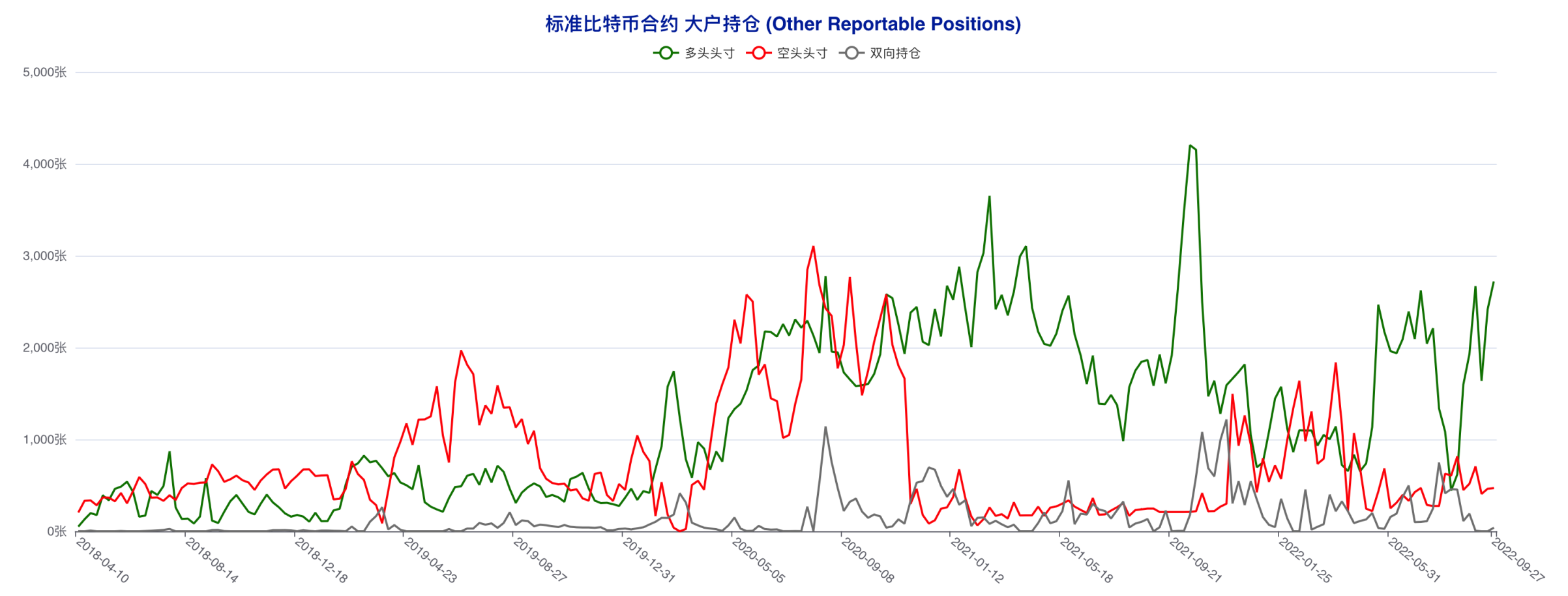
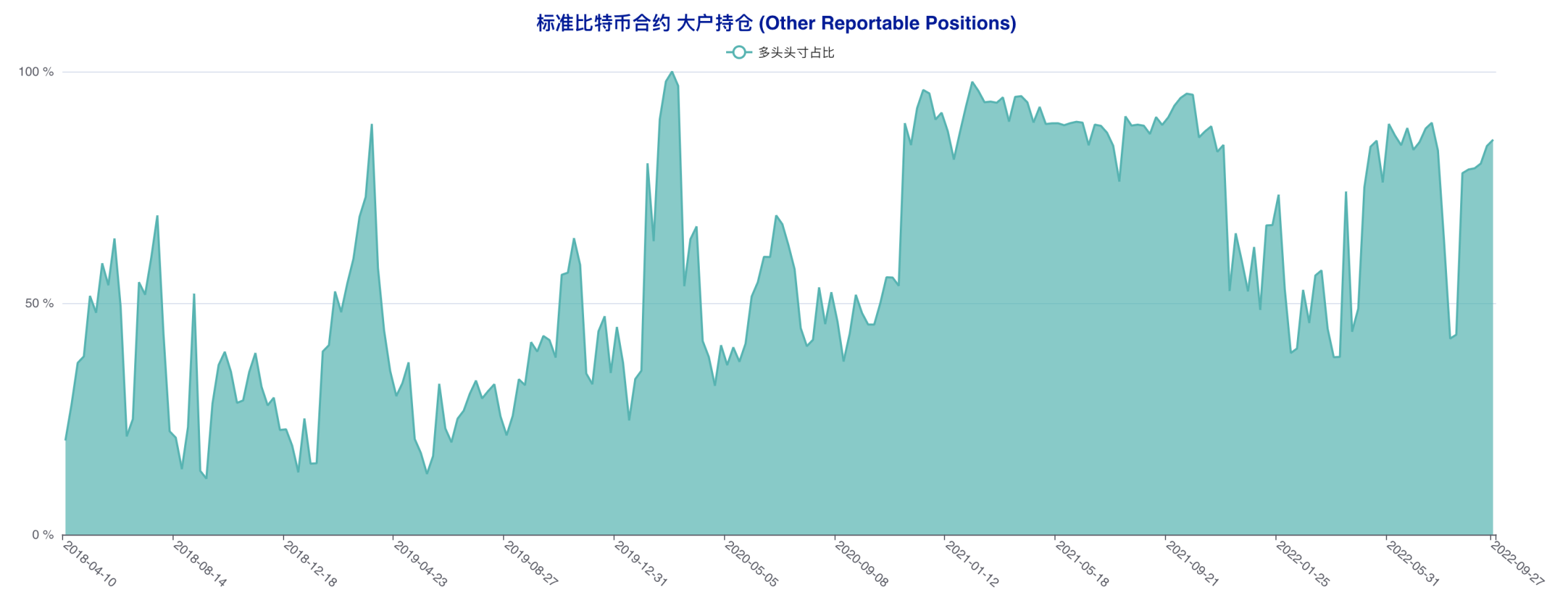
大户账户多头头寸自 2416 上升至 2717,空头头寸自 463 上升至 470,大户账户在最新统计周期内同样进行了多空双向同步增持,不过这类账户的多单持仓占比进一步上升,因此对于大户账户来说,这种增持实际上是偏多的表达,这与杠杆基金的判断存在明显的不同。
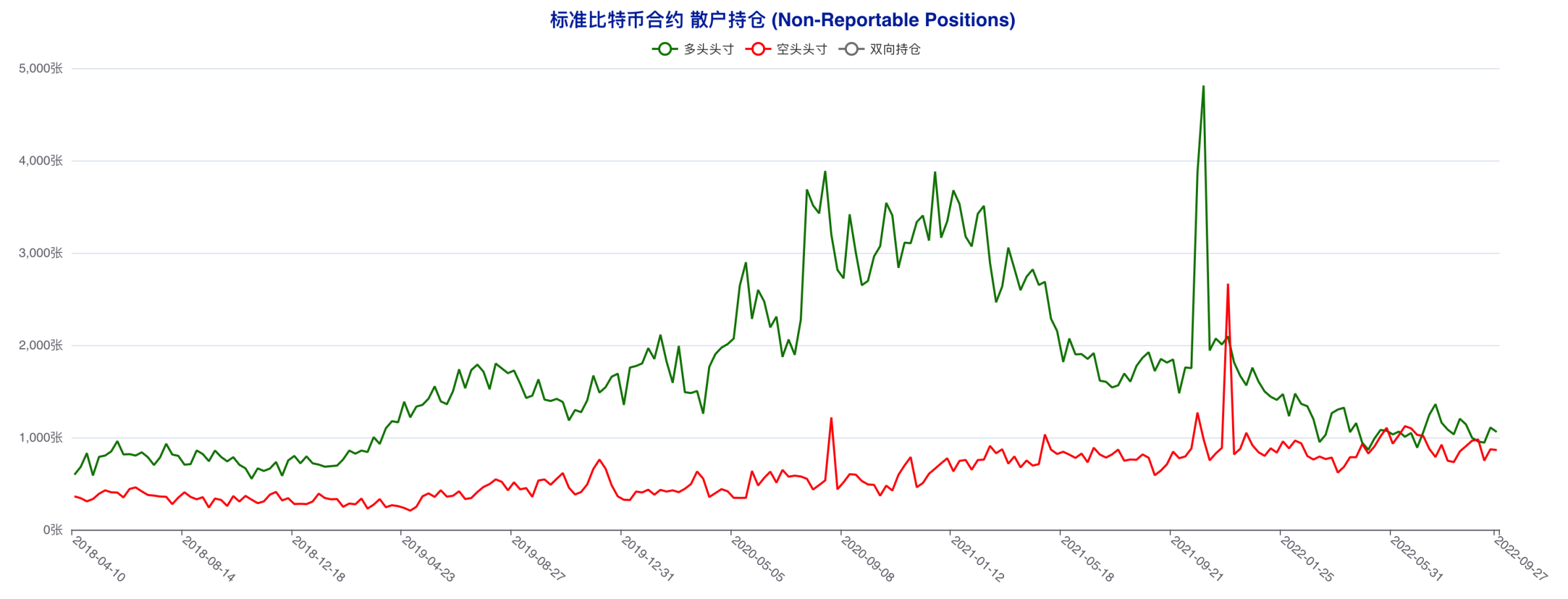
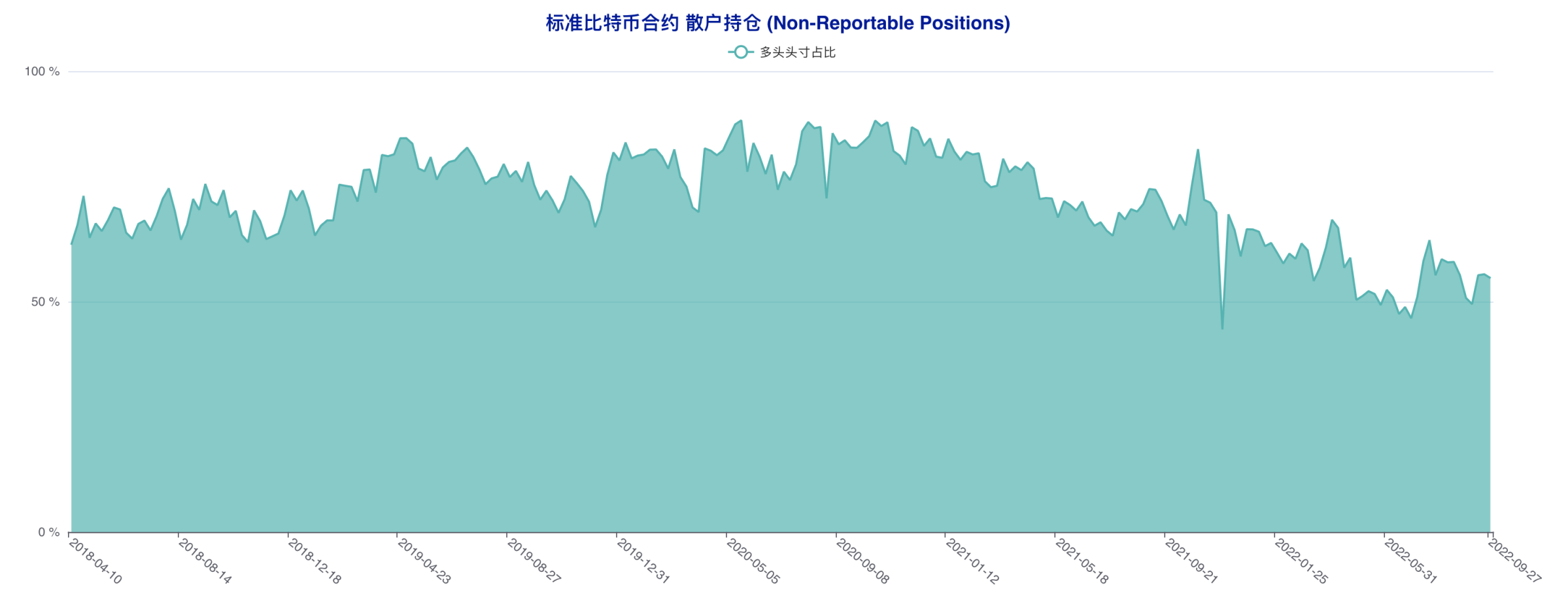
散户多头头寸自 1107 下降至 1061,空头头寸自 872 下降至 864,散户在最新统计周期内进行了多空双向同步减持,行情没有出现明显的单边波动,散户账户没有顺势追进机会的情况下,进行了小幅风控处理。
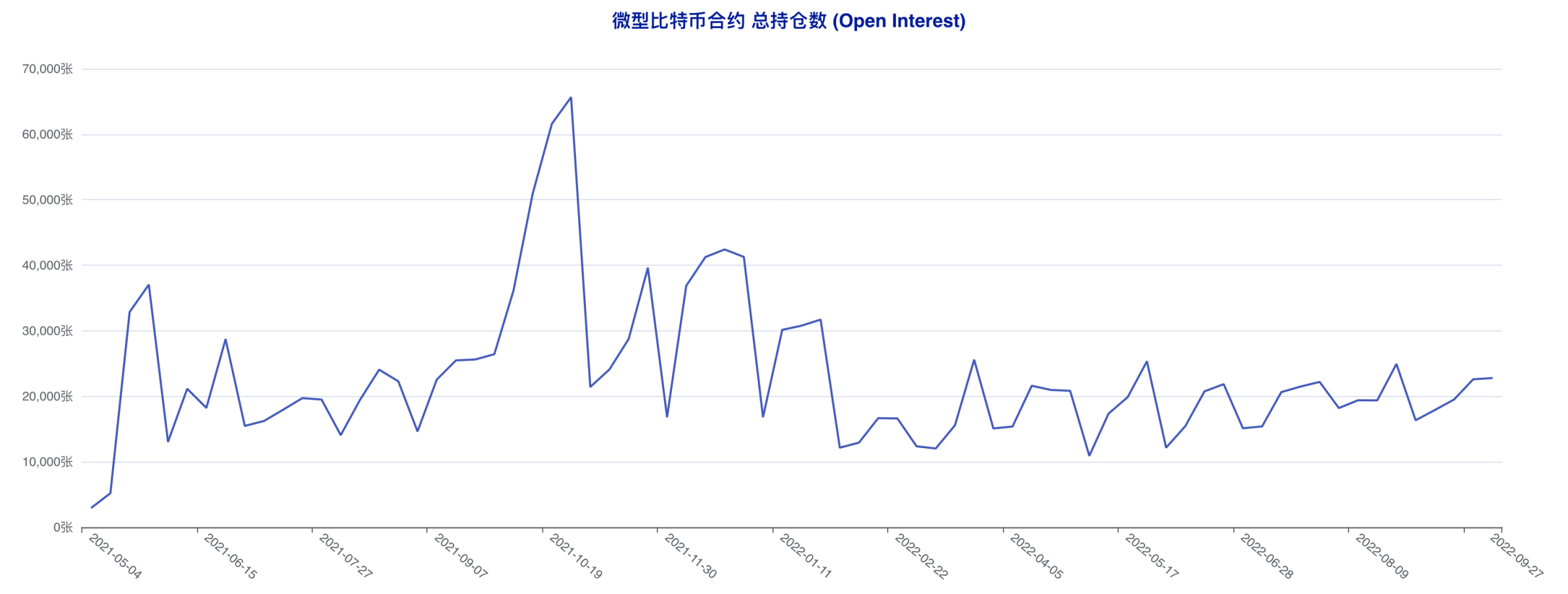
比特币微型合约总持仓量自 22595 上升至 22790。
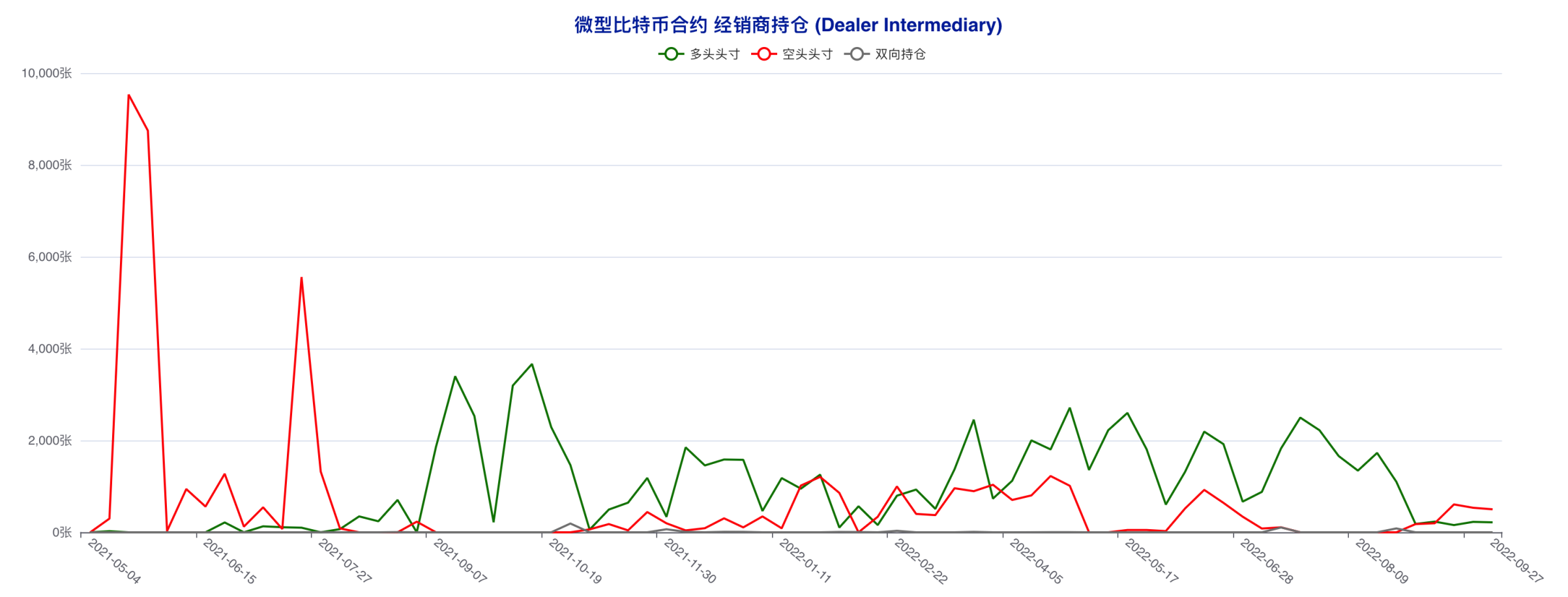
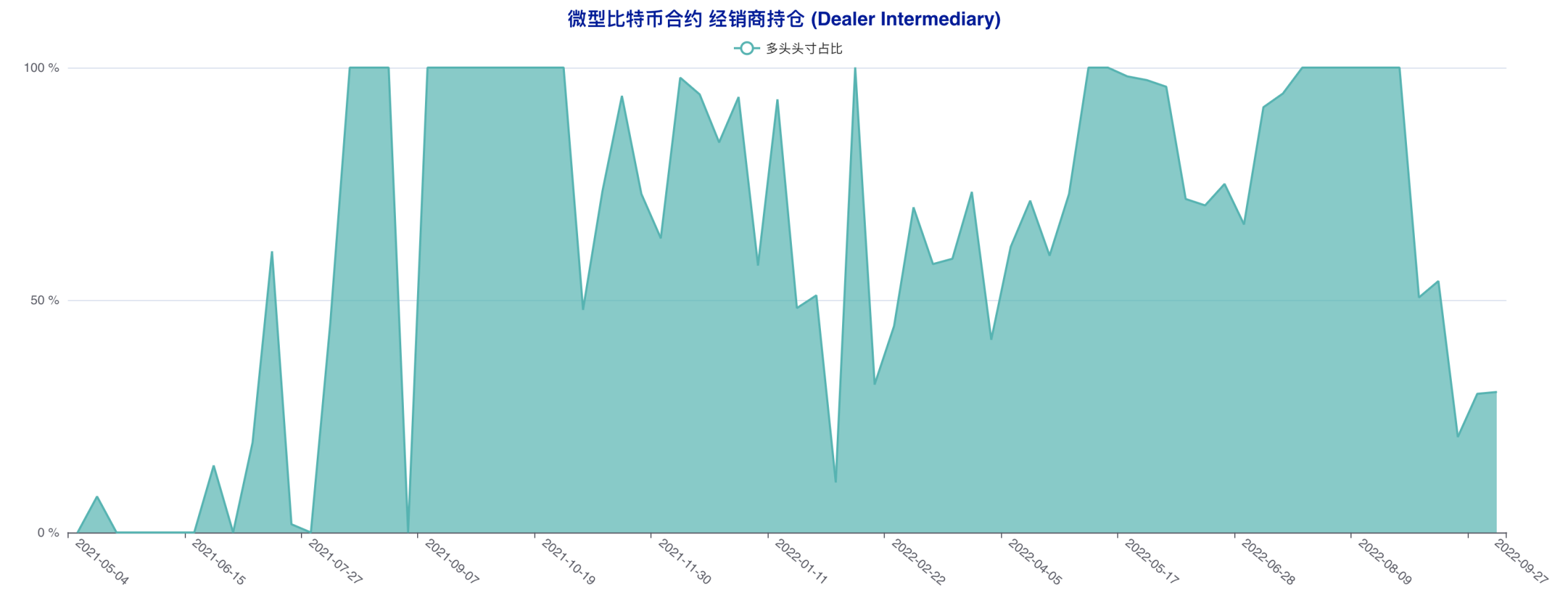
经销商账户多头头寸自 227 下降至 217,空头头寸自 534 下降至 501,经销商账户在微型合约中进行了多空双向同步减持,这类账户在两大类账户中的调仓幅度都比较有限,微型合约的小幅度多空双向同步减持对于这类账户在标准合约中表达出的偏空态度没有影响。
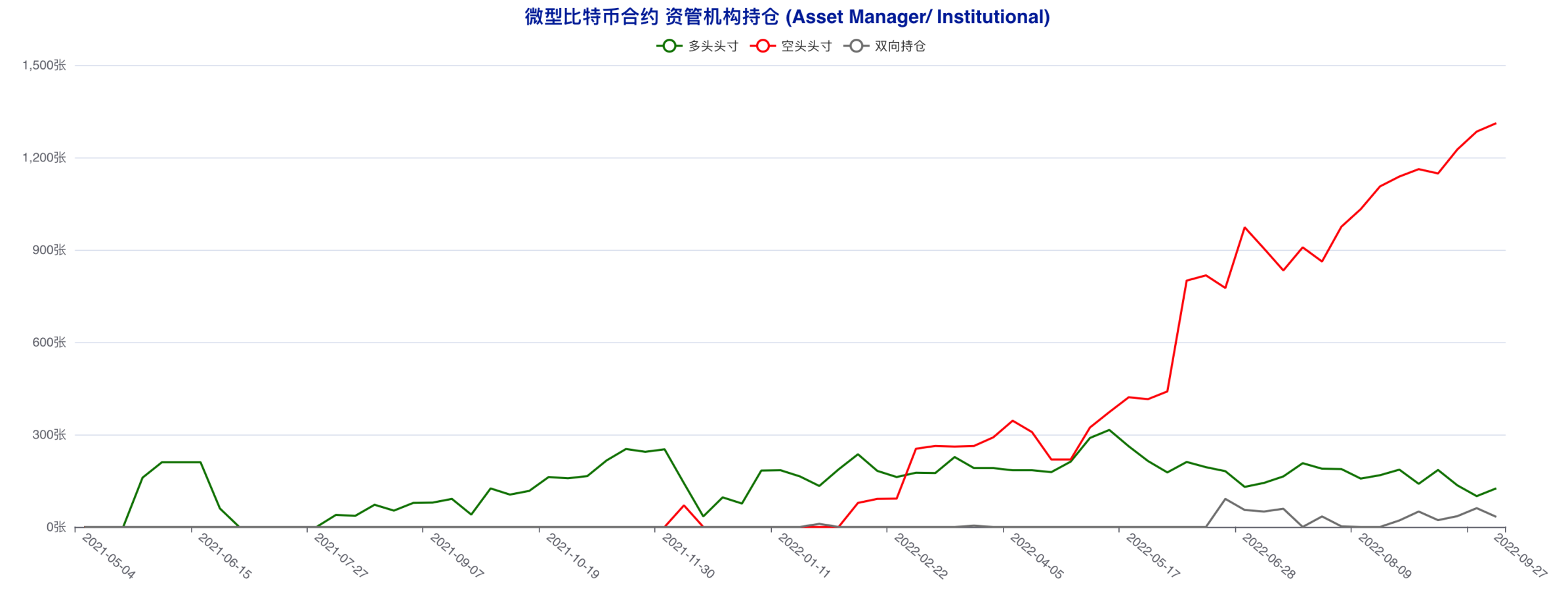
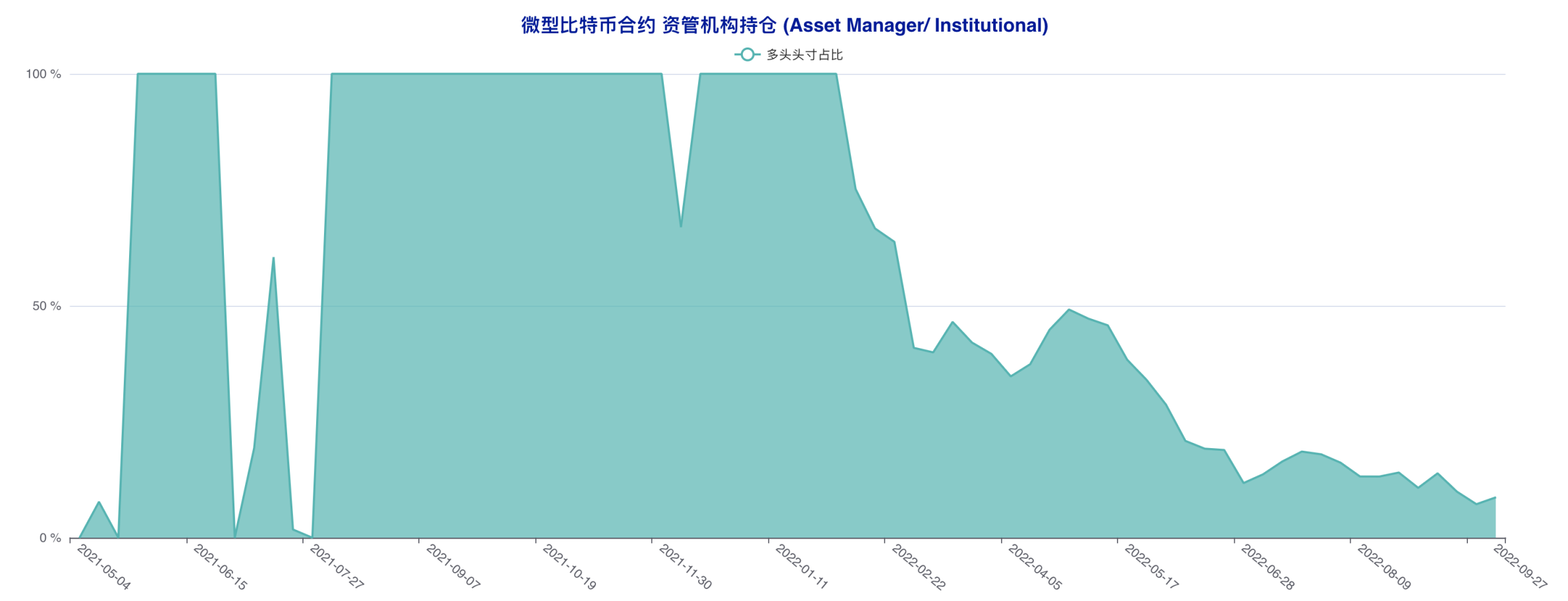
资管机构账户多头头寸自 100 张上升至 125 张,空头头寸自 1284 张上升至 1311 张,资管机构在微型合约中进行了多空双向同步增持,微型合约中的这种调仓进一步巩固了这类账户的偏多态度。
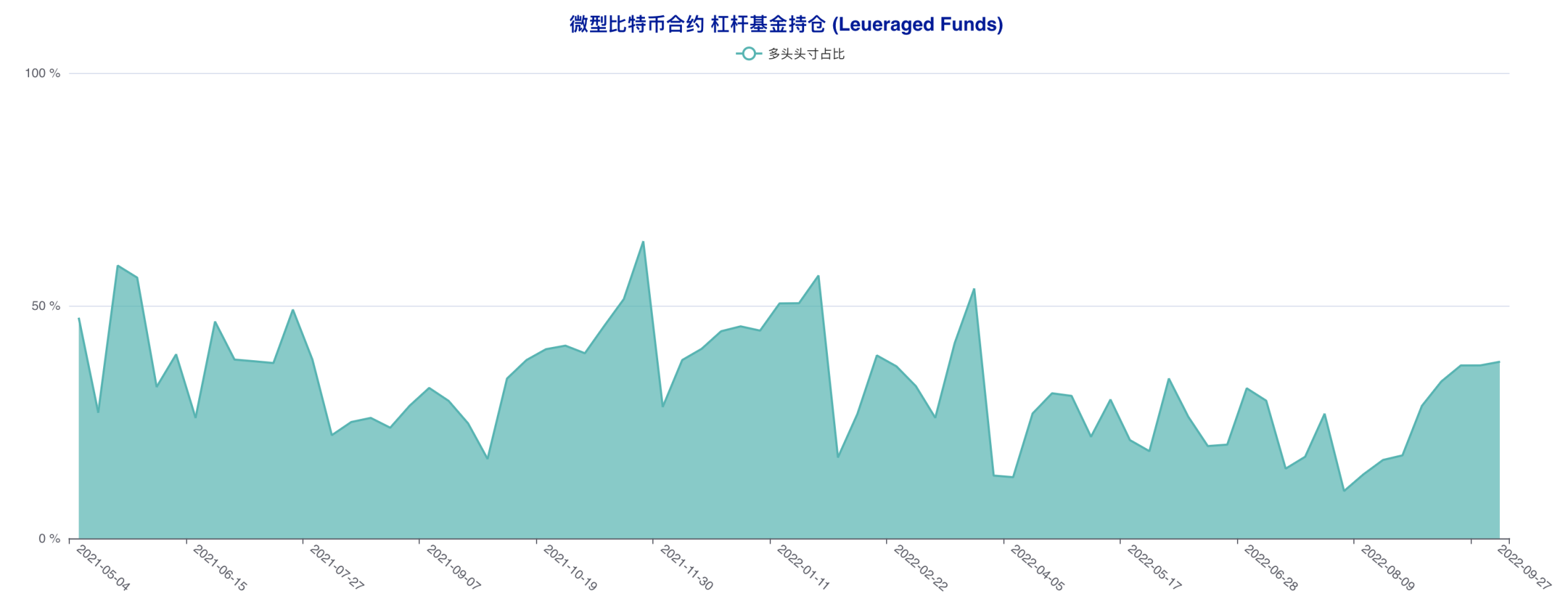
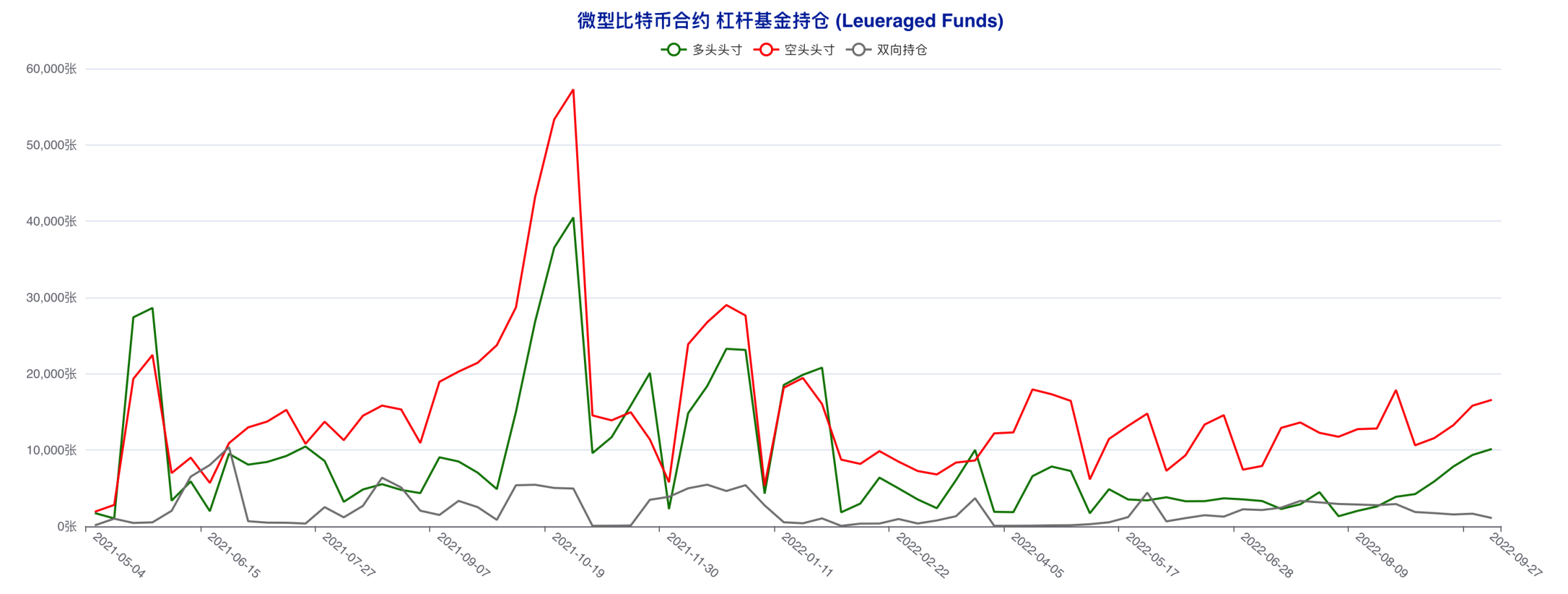
杠杆基金多头头寸自 9359 上升至 10139,空头头寸自 15820 上升至 16578,杠杆基金在微型合约中延续多空双向同步增持操作,这已经成为了这类账户在微型合约中调仓的常态。
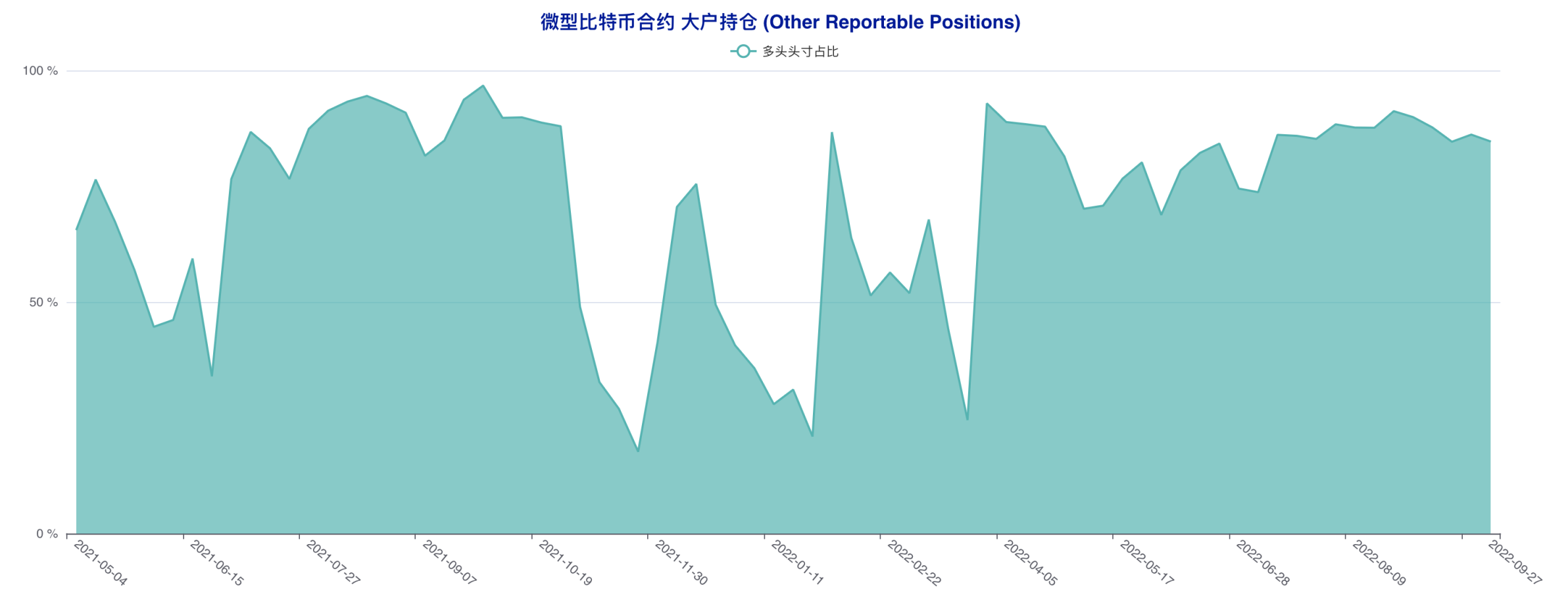
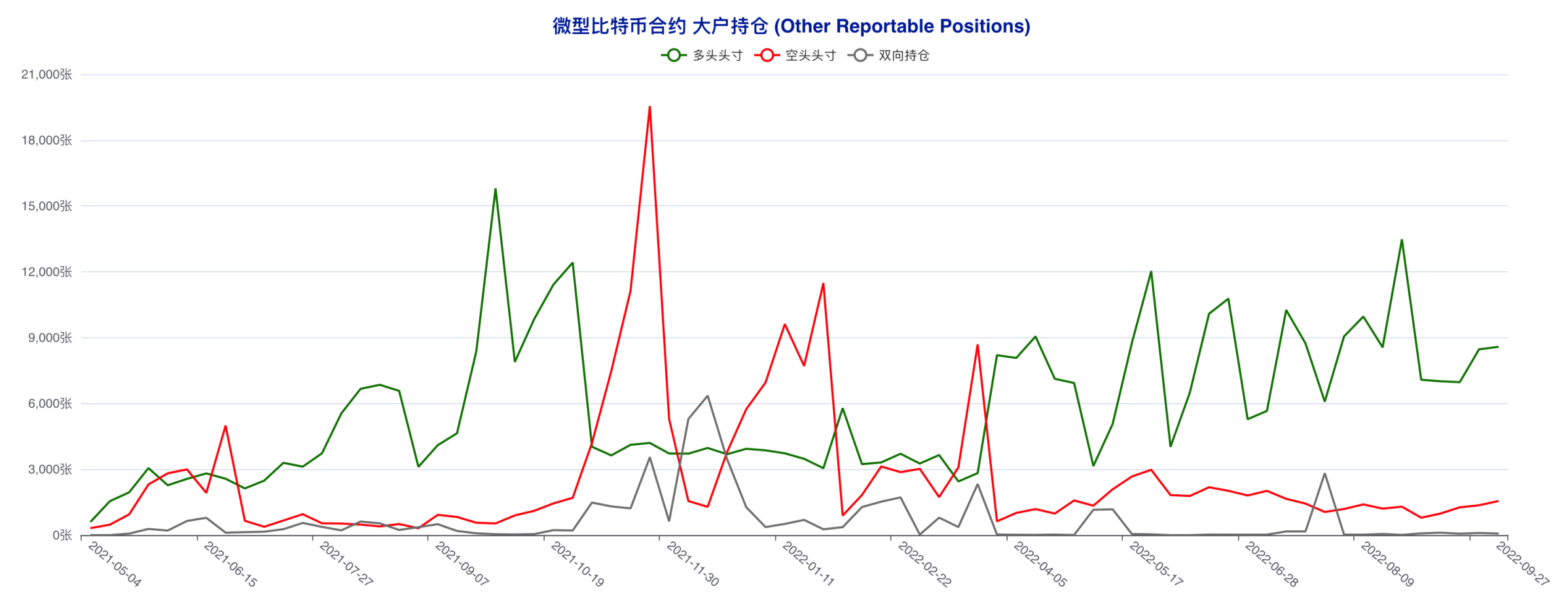
大户多头头寸自 8469 上升至 8580,空头头寸自 1360 上升至 1553,大户账户在微型合约中继续进行多空同步增持,调仓思路与标准合约相仿。
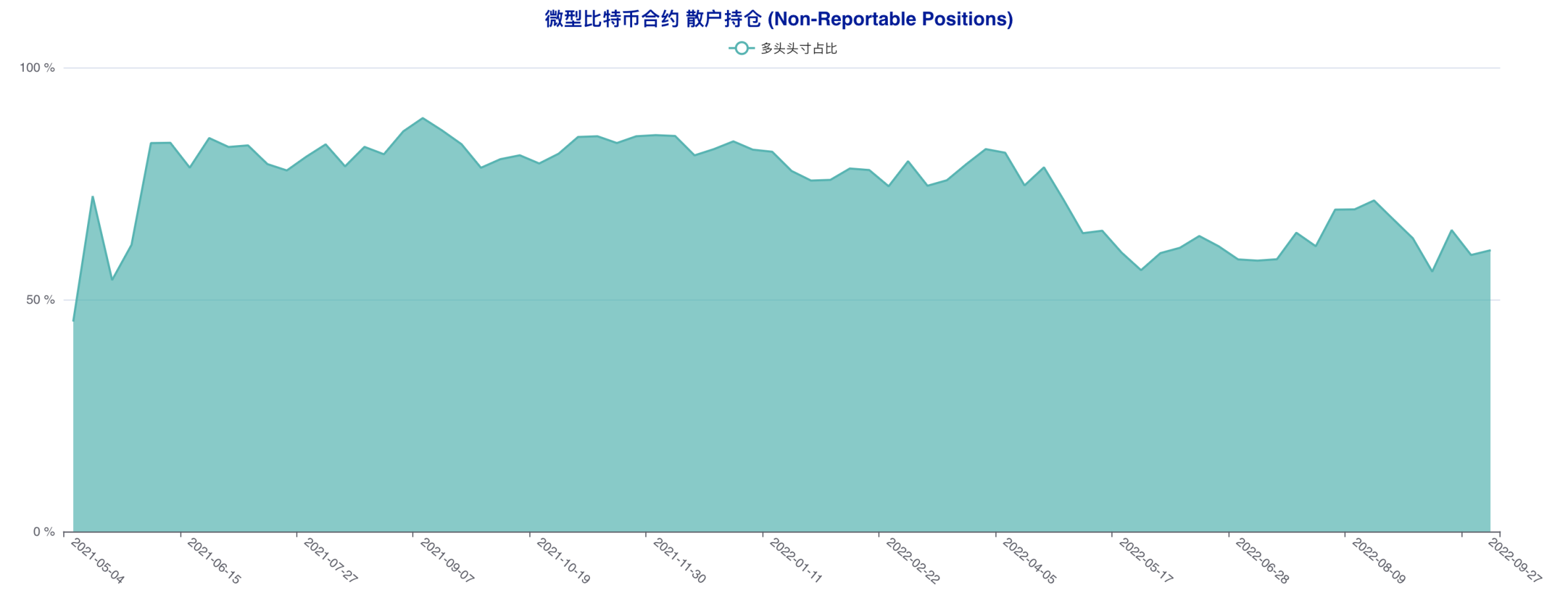
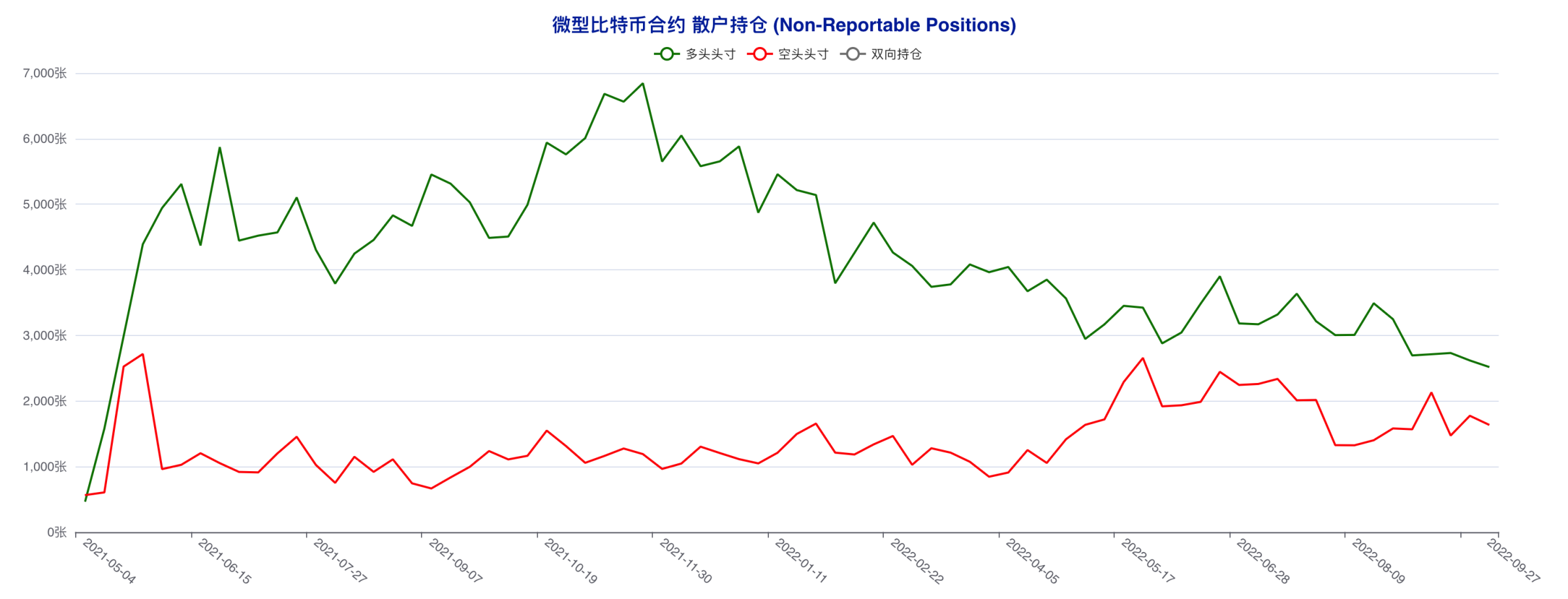
散户多头头寸自 2618 下降至 2519,空头头寸自 1775 下降至 1637,散户在微型合约中进行了与标准合约相似的多空双向同步减持。
Letture associate

a16z: In the AI Era, Company Competition for Talent Starts with Job Title Naming

The article discusses how companies in the AI era are competing for talent through strategic "title arbitrage," or the renaming of key roles to reflect and attract new, high-value capabilities. It uses Palantir's creation of the "Forward-Deployed Engineer" (FDE) as a prime example. This title reframed client-facing technical work from a peripheral "implementation" role into a core, high-status engineering function. The move was strategic, allowing Palantir to attract talent that blended technical skill with business acumen and to dominate the market's perception of this capability. The piece argues that job titles are an organizational language that signals the value and authority of certain work. Effective new titles, like "Data Scientist" or "Site Reliability Engineer," emerge when a role's strategic importance genuinely outgrows its old name. Conversely, mere title inflation without substantive change is ineffective. For AI companies, particularly in B2B, this is a crucial strategy. AI transformation creates new high-leverage roles (e.g., "Legal Engineer," "GTM Engineer") that combine domain expertise with technical automation. By naming these roles, a company can help clients internally legitimize these change-makers. This, in turn, builds market mindshare, associating the company with the new capability. In conclusion, as AI blurs the lines between product and service, the ability to accurately name and organize the critical, client-adjacent work that defines product learning will be a key competitive advantage. The first to define this new organizational language plants a flag in the market's mind.

marsbit52 min fa

a16z: In the AI Era, Company Competition for Talent Starts with Job Title Naming

marsbit52 min fa

Interview with Strategy CEO: Can STRC Recover After Selling Bitcoin?

Interview with Strategy CEO Phong Le on the recent sale of 32 Bitcoin and its impact. He clarifies the move was a small, strategic action to demonstrate liquidity to debt holders, test internal processes, and prove operational discipline—not a response to fears of a "death spiral" from DeFi protocols leveraging STRC (Strategy's preferred stock product), which he notes holds less than 10% of STRC. Le emphasizes Strategy’s long-term focus as the largest corporate Bitcoin holder, using the adage that markets are a "voting machine" short-term but a "weighing machine" long-term. Decision-making is data-driven, involving the board, complex modeling, and multiple stakeholder considerations, moving beyond a founder-centric model. He outlines various capital options but stresses the strategic importance of "doing nothing" as a valid choice, citing resilience built during the 2022 bear market. Le expresses unwavering belief in Bitcoin's foundational value for global sovereignty and its future role in an AI-driven economy with trillions of autonomous agents. Addressing STRC's current price below its $100 face value, Le explains recent pressure was due to using dollar reserves for bond buybacks. He expects STRC to return to par as reserves are replenished and its semi-monthly dividend payments begin, noting the product is heavily over-collateralized. Finally, Le confirms the company sold Bitcoin the week prior to May 31st, as disclosed in an 8-K filing, leaving prediction market interpretations to others. The overarching philosophy remains "Spread Bitcoin with love," embracing all methods of gaining Bitcoin exposure.

marsbit1 h fa

Interview with Strategy CEO: Can STRC Recover After Selling Bitcoin?

marsbit1 h fa

Trading

Spot
Futures
活动图片