火币一周大事件总结(09.26-10.02)

火必Pubblicato 2022-10-02Pubblicato ultima volta 2022-10-05

Introduzione

1. 比特币挖矿难度下调2.14%至31.36 T,为近两月来首次难度下调; 2. 韩国检方:Do Kwon被列入国际刑警组织通缉名单; 3. 美联储主席鲍威尔:有必要对加密货币进行适当的监管,支持包括加密在内的负责任的创新; 4. 数据:美联储上周实现缩表逾159亿美元。

1. 比特币挖矿难度下调2.14%至31.36 T,为近两月来首次难度下调;

2. 韩国检方:Do Kwon被列入国际刑警组织通缉名单;

3. 美联储主席鲍威尔:有必要对加密货币进行适当的监管,支持包括加密在内的负责任的创新;

4. 数据:美联储上周实现缩表逾159亿美元。

“”

#政策

1. 数据:美联储上周实现缩表逾159亿美元;

2. 俄议会金融市场委员会主席:俄罗斯交易所准备加入数字货币出口结算服务;

3. 韩国国会将于10月对Luna-Terra事件展开国政监察;

4. 美国八个州对加密借贷平台Nexo采取执法行动;

5. 日本计划修订反洗钱法,要求加密交易运营商分享客户信息;

6. 俄罗斯计划在明年之前使用数字卢布与中国进行贸易结算;

7. 美联储主席鲍威尔:有必要对加密货币进行适当的监管,支持包括加密在内的负责任的创新;

8. 欧盟计划于2023年就数字欧元提出立法;

9. 美联储主席鲍威尔:DeFi 扩张到零售前需要适当监管;

10. CFTC 专员呼吁成立重点关注零售交易者的新办公室并保护加密市场;

11. 消息人士:欧盟将在俄罗斯举行独立投票后禁止其进行加密支付;

12. CFTC主席:良好的监管可能会促使加密行业的增长;

13. 欧洲AML规则可能涉及DeFi、DAO和NFT;

14. 哈萨克斯坦计划将加密货币合法化;

15. 美CFTC专员:尽管以太坊已转为PoS机制,但其仍是商品;

16. 俄罗斯将为哈萨克斯坦加密矿工提供电力。

“”

#币种项目

1. Protocol Labs:Filecoin虚拟机预计将于2023年初发布,测试网将于11月28日推出;

2. 韩国检方:Do Kwon被列入国际刑警组织通缉名单;

3. Messari CEO:熊市有利于筛选更合适的人,监管机构应该参与行业对话;

4. 数据:美元稳定币USDC市值自6月1日以来已蒸发超65亿美元;

5. 以太坊合并将中国GPU价格推至“最低水平”;

6. Cardano创始人抨击以太坊:技术不完善是以太坊社区追求合并的根本原因;

7. 澳大利亚将于2023年年中开始对eAUD进行CBDC试点测试;

8. 美国银行:加密货币将继续充当风险资产;

9. 以太坊开发人员:提议将EIP-4758纳入以太坊上海升级;

10. 韩国对Do Kwon发出逮捕令后不久,LFG钱包转移了3313枚BTC;

11. Galaxy Digital与Chainlink合作共同提供加密价格喂价;

12. Revolut获得FCA批准可以在英国提供加密服务;

13. 法国央行CBDC项目将管理DeFi流动性、清算代币化资产;

14. 比特小鹿设立2.5亿美元基金,以购买比特币矿工所持有的不良资产;

15. 比特币挖矿难度下调2.14%至31.36 T,为近两月来首次难度下调;

16. Do Kwon:Terraform Labs及LFG等实体的资金未被冻结;

17. Cardano主网已支持Vasil新功能和Plutus V2成本模型;

18. 瑞典、挪威和以色列央行将与BIS测试央行数字货币跨境支付;

19. Terraform Labs:韩国检方将案件高度政治化,LUNA 并未被归为证券;

20. Circle将推出专注于USDC支付的桥接协议;

21. Vitalik Buterin:可扩展性是以太坊合并后的重点;

22. 香港金管局总裁:香港将从第四季度开始测试e-HKD;

23. 资管巨头贝莱德为欧洲客户推出区块链ETF;

24. 德国电信提供以太坊区块链质押;

25. Harmony计划从10月开始为Horizon跨链桥恢复分配资金;

26. Messari:以太坊合并促使区块奖励较上一季度减少90%;

27. 谷歌前CEO:Chainlink比其竞争对手拥有“更好的技术”;

28. Terra Classic (LUNC) 核心开发者提议移除Terra Swap的稳定币交易模块。

“”

#NFT

1. UniSwap COO:今年秋季将推出一站式NFT交易产品;

2. 报告:第三季度NFT市场交易量减少75%至20亿美元;

3. 万事达卡推出可定制NFT主题借记卡;

4. 苹果新政策将允许NFT市场通过Apple Pay出售NFT;

5. OpenSea新增支持以太坊二层解决方案Optimism;

6. 联合国儿童基金会使用NFT为发展中国家筹集资金;

7. OpenSea与华纳音乐集团达成合作推出音乐NFT;

8. Meta支持用户在Instagram和Facebook上交叉发布数字收藏品。

“”

#元宇宙

1. 沃尔玛通过Roblox推出虚拟乐园和游戏世界;

2. 西班牙电信巨头Telefonica与高通合作开发元宇宙计划;

3. 汇丰银行将于10月24日起在The Sandbox举办虚拟橄榄球活动;

4. 《绝地求生》之父:下一款游戏将采用NFT、元宇宙和区块链技术;

5. 阿联酋经济部在元宇宙开设新总部;

6. Meta宣布冻结招聘并计划重组团队;

7. 资管巨头贝莱德计划推出元宇宙ETF。

“”

#DeFi

1. Acala关于恢复运营的第一阶段投票已通过,LP可提取流动性;

2. 数据:DeFi协议中的TVL跌破1000亿美元,较去年12月下跌68%;

3. MakerDAO联合创始人提议创建meta-DAO,并将协议的资金转移到以太坊上;

4. Acala已通过并执行恢复运营的第二阶段社区投票;

5. Loopring Layer 2上线“L2 DeFi Port”;

6. 跨链DEX聚合器Transit Swap遭黑客攻击,超2100万美元资产被盗,攻击者已归还约 70% 的被盗资产。

“”

#融资

1. Theta Capital推出第三支区块链投资基金,拟募资2.5亿美元;

2. Fasanara Capital推出3.5亿美元的金融科技和加密风险投资基金;

3. Further Ventures推出2亿美元新基金,专注于数字资产和金融科技等领域;

4. 加密投资公司Pantera Capital计划为第二支区块链基金筹集12.5亿美元;

5. Emurgo将投资2亿美元以促进Cardano生态发展。

“”

#Web 3

1. Pantera Capital CEO:Web3用户将达到10亿人;

2. 谷歌前CEO:Web3整体营销策略“有点超前”,加密监管为时尚早。
Letture associate

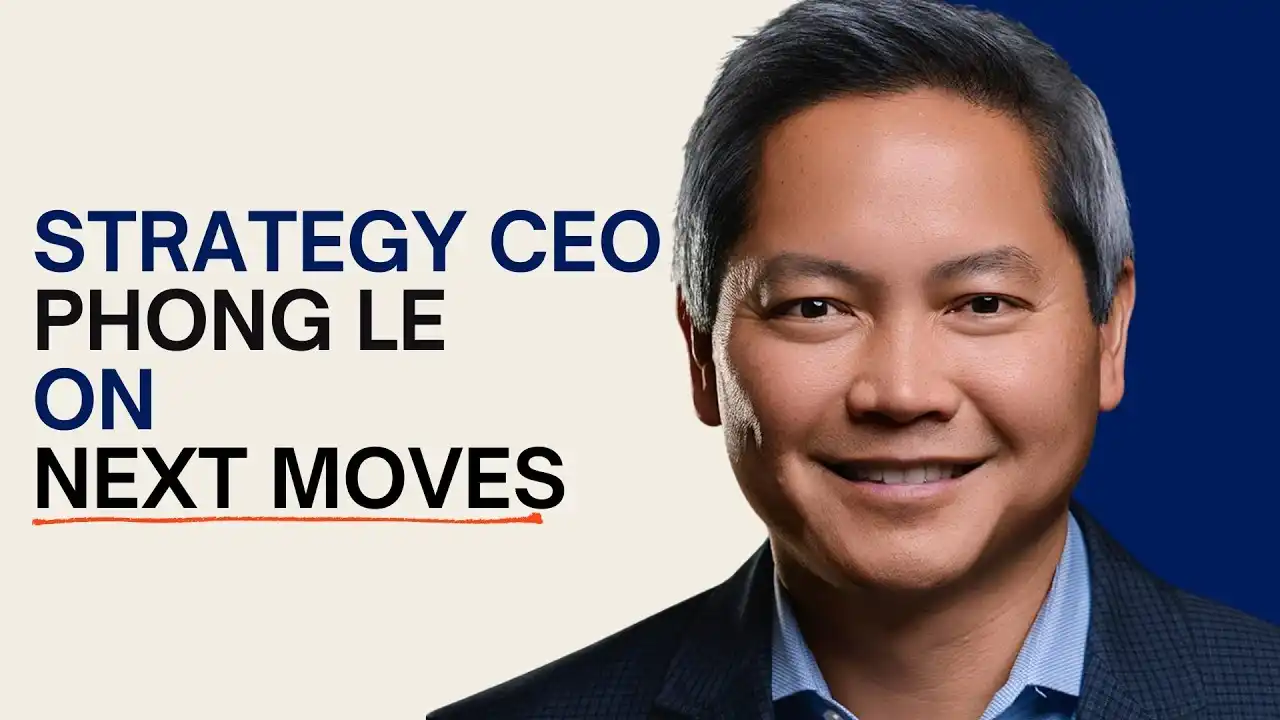
Interview with Strategy CEO: Can STRC Recover After Selling Bitcoin?

Interview with Strategy CEO Phong Le on the recent sale of 32 Bitcoin and its impact. He clarifies the move was a small, strategic action to demonstrate liquidity to debt holders, test internal processes, and prove operational discipline—not a response to fears of a "death spiral" from DeFi protocols leveraging STRC (Strategy's preferred stock product), which he notes holds less than 10% of STRC. Le emphasizes Strategy’s long-term focus as the largest corporate Bitcoin holder, using the adage that markets are a "voting machine" short-term but a "weighing machine" long-term. Decision-making is data-driven, involving the board, complex modeling, and multiple stakeholder considerations, moving beyond a founder-centric model. He outlines various capital options but stresses the strategic importance of "doing nothing" as a valid choice, citing resilience built during the 2022 bear market. Le expresses unwavering belief in Bitcoin's foundational value for global sovereignty and its future role in an AI-driven economy with trillions of autonomous agents. Addressing STRC's current price below its $100 face value, Le explains recent pressure was due to using dollar reserves for bond buybacks. He expects STRC to return to par as reserves are replenished and its semi-monthly dividend payments begin, noting the product is heavily over-collateralized. Finally, Le confirms the company sold Bitcoin the week prior to May 31st, as disclosed in an 8-K filing, leaving prediction market interpretations to others. The overarching philosophy remains "Spread Bitcoin with love," embracing all methods of gaining Bitcoin exposure.

marsbit11 min fa

Interview with Strategy CEO: Can STRC Recover After Selling Bitcoin?

marsbit11 min fa

IOSG Founder: Ethereum Doesn't Need Another Leap of Technical Faith, It Needs a Musk-style Compromise

Jocy, founder of IOSG Ventures, argues that Ethereum does not need renewed technological faith but a "Musk-like compromise." The recent formation of ETHLabs—funded by major ETH holders like BitMine and Lubin—highlights a market-driven move to fill a gap left by the Ethereum Foundation (EF), signaling a loss of confidence in its decentralized, hands-off approach. The core critique contrasts Vitalik Buterin's (V) idealistic, technology-first vision with Elon Musk's pragmatic, business-driven execution. The author asserts Ethereum's current shortage is not another technical roadmap but a clear, real-world application narrative and a leader willing to engage directly with commercial realities—like Musk. Internal issues are emphasized, citing EF's management problems and talent drain. While the new decentralized model with independent nodes like ETHLabs addresses the single foundation's limitations, it risks fragmentation without cohesive direction. True cohesion, the author suggests, must come from a shared, compelling narrative around ETH's value, not just from aligned financial interests. Independence claims for new entities are seen as aspirational, needing years of transparency to build trust. The ultimate threat is not competitors like Solana, but the broader shift of attention and talent toward AI. Ethereum has a limited window—12 to 18 months—to recapture focus by delivering tangible, real-world applications. The conclusion urges V to shift from abstract ideals to grounded, pragmatic leadership. The time for this crucial pivot is running out.

marsbit1 h fa

IOSG Founder: Ethereum Doesn't Need Another Leap of Technical Faith, It Needs a Musk-style Compromise

marsbit1 h fa

Google Starts Selling TPUs, Big Tech Aims to Produce "Low-Cost Tokens" with AI Chips

Google has begun selling its proprietary TPU chips and AI computing hardware directly to third-party data centers and clients, marking a strategic shift. Previously only accessible via cloud rentals, TPUs are specialized processors designed for the matrix and tensor operations central to AI models. By combining thousands into supercomputing clusters managed by CPUs, Google achieves high-efficiency AI processing. This move enables Google’s Gemini AI to offer competitive token pricing, challenging rivals like OpenAI. It also signals a broader industry trend where AI compute is becoming a commoditized resource like electricity. While NVIDIA remains dominant with its CUDA ecosystem and high-performance GPUs, the focus is shifting from raw power to cost efficiency and system integration. Google’s approach mirrors NVIDIA’s by selling an entire ecosystem—hardware, software, and data center expertise—rather than just chips. This threatens NVIDIA’s grip on the mid-range inference market, where lower-cost, efficient solutions are increasingly demanded. Similarly, cloud providers like Huawei Cloud and Alibaba Cloud in China are developing their own AI chip ecosystems (e.g., Ascend, Zhenwu), packaging chips, clusters, and tools into full-stack solutions. They aim to reduce token costs and capture market share through integrated systems. In summary, the AI infrastructure race is evolving from a competition for the strongest chips to a contest for the most efficient and cost-effective systems. Google’s TPU sales highlight this transition, emphasizing that future success lies in delivering affordable, scalable AI compute as a foundational service.

marsbit1 h fa

Google Starts Selling TPUs, Big Tech Aims to Produce "Low-Cost Tokens" with AI Chips

marsbit1 h fa

Trading

Spot
Futures
活动图片