世界杯在即 足球概念币掀起狂热投机

蜂巢TechPubblicato 2022-09-05Pubblicato ultima volta 2022-09-05

Introduzione

四年一度的世界杯足球赛将在今年11月21日开幕,届时来自世界各地的球迷将涌入卡塔尔,见证这届全球体育盛事。

四年一度的世界杯足球赛将在今年11月21日开幕,届时来自世界各地的球迷将涌入卡塔尔,见证这届全球体育盛事。每当世界杯来临,足球周边产业都将迎来一波爆发,近几年兴起的球迷代币也在世界杯开幕前掀起了一波炒作潮。

过去两个月间,以Chiliz(CHZ)为代表的足球概念加密资产在熊市中逆势上涨。CHZ从0.1美元最高涨至0.25美元,涨幅达到240%。基于Chiliz区块链发行的各球队粉丝代币也齐齐上涨,巴黎圣日耳曼、尤文图斯、巴萨等豪门俱乐部粉丝代币近期皆有50%左右的涨幅,葡萄牙国家队粉丝代币的涨幅更是超过700%。

狂热的炒作狂欢背后暗藏着暴跌风险。球迷代币在重磅赛事开赛前先暴涨再暴跌的「剧情」已上演过。去年欧洲杯开赛前,各球迷代币同样在距开赛4个月时开启涨势,但还没等赛事开幕就进入下跌行情,距离高点的下跌幅度最高达到80%。

当前,球迷代币主要的价值支撑在于球迷可以使用这类资产参与俱乐部的一些决策。但需要注意的是,球迷的权利仅限于对球队周边商品设计进行投票、获得一些会员福利等,无法影响球队的签约和实际运营,这降低了它的价值上限。此外,很多俱乐部在发行球迷代币后并没有大力推广,对球迷群体的渗透程度也有限。

有加密从业者观察到,购买球迷代币的人群不一定是俱乐部的球迷,大部分买家是加密爱好者。由于加密人群大多以投机获利为目的炒作足球概念代币,这类资产呈现暴涨暴跌的走势便不足为奇。

临近世界杯球迷代币普涨

在世界杯开赛预期下,Chiliz(CHZ)成为近期最受市场瞩目的足球概念区块链项目,也是这一概念下的市值龙头。根据CoinGecko 9月4日的数据,CHZ流通市值超过11.4亿美元,位列加密资产市值排行榜第50位。

Chiliz本身作为体育和娱乐区块链金融科技提供商,是众多足球俱乐部发行粉丝代币的基础区块链平台。基于该区块链底层平台,Chiliz推出了一款专门为体育粉丝服务的应用Socios.com。在Socios.com 上,球迷可以购买CHZ并兑换为某个俱乐部的粉丝代币,进而对俱乐部事务进行投票决策,甚至还可以直接参与管理或与球员交流。

目前,Chiliz已经与曼城、阿森纳、巴萨、马德里竞技、尤文图斯、罗马、AC米兰、国际米兰、巴黎圣日耳曼等诸多顶级足球俱乐部达成合作,并发行了各球队对应的粉丝代币。去年,该平台还与葡萄牙国家队达成合作,业务范畴从俱乐部扩展到国家队层面。

Chiliz通过粉丝令牌赋予粉丝与俱乐部互动、参与管理事务的权利,为各大球队拓展粉丝经济提供了解决方案,也拉近了球迷与球队间的距离。而在2022世界杯开赛前,CHZ不出意外受到了资金追捧。

CoinGecko数据显示,自7月底以来,CHZ代币在加密资产熊市中逆势上涨,从0.1美元最高涨至0.25美元,不到一个月翻了2.5倍。截至9月4日,CHZ相较近期高点有所回调,报价0.21美元。

除了CHZ之外,基于Chiliz发行的各大俱乐部粉丝代币也齐齐上涨。近两个月内,巴黎圣日耳曼俱乐部粉丝代币PSG涨幅达到48%,尤文图斯粉丝代币JUV涨幅超过50%,巴萨粉丝代币BAR涨幅超过65%。而由于世界杯属于国家队之间的较量,葡萄牙国家队粉丝代币POR涨幅更加惊人,两个月时间从0.6美元涨至5.05美元,涨幅达到741%。
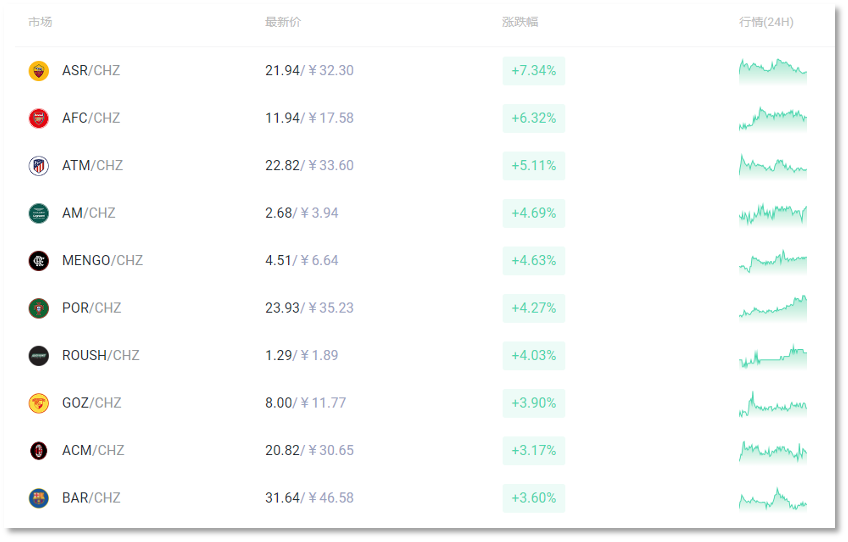
球迷代币近期普涨

在足球概念代币普涨的势头下,加密资产交易平台Binance也于近期推出了足球迷代币指数永续合约。根据公告,该价格指数将跟踪在Binance现货市场上市的足球俱乐部球迷代币的市场表现。

事实上,这个指数也为市场提供了一个新型的足球概念炒作标的。Binance行情页显示,该指数在9月1日上线当天,便由1008美元拉升至最高1541美元,短时涨幅达到52.8%,这表明市场的炒作情绪十分高昂。不过,随着获利盘开始抛售,这轮涨幅很快被填平,9月4日,该指数合约跌至1150美元,较高点下跌了25.4%。

炒作作祟 球迷币涨势止步欧洲杯赛前

各球迷代币在过去两个月中普遍上涨,最直接的动能源于世界杯开赛的预期,而随着世界杯开幕和赛事结束,球迷代币很可能会在赛事热度衰退中遭遇暴跌,这样的「剧情」已有先例。

2021年6月12日至7月12日间,有「小世界杯」之称的欧洲杯赛事开幕,各支欧洲豪强国家队参与冠军角逐。在该届欧洲杯开赛的4个月前,足球概念代币的「晴雨表」CHZ开始出现异动,在两个月内由0.02美元涨至最高0.9美元,涨幅高达4400%。但在距离欧洲杯开赛还有不到两个月时,CHZ开始由高点持续下跌,在欧洲杯举办期间,CHZ最低跌至0.18美元,相较前高下跌了80%。

再看本轮球迷代币整体走势,各足球概念加密资产同样在世界杯开赛前4个月开始「启动」,近两个月内都有较高的涨幅。但结合历史走势来看,随着世界杯临近开赛,早期参与炒作的资金可能会在高点抛售以了结利润,一众足球概念代币存在「挺不到世界杯开赛」就暴跌的风险。

分析人士认为,之所以足球概念代币在重大足球赛事举办前后呈现先暴涨后暴跌的规律,主要源于参与购买这类资产的用户大多数以投机为目的,而非真正的足球迷,他们往往不会长期持有这些资产,炒作获利是唯一目的。因此,足球代币的炒作往往难以持续。

在新一轮足球概念代币投机潮涌起时,足球迷和投资者更应思索这类资产背后的价值支撑。当前,CHZ以及在该平台发行的俱乐部粉丝代币作为主流的足球概念资产,存在的价值主要在于CHZ是这些粉丝代币发行的区块链底层设施,与各大豪门俱乐部保持着合作关系;各类粉丝代币则作为媒介赋予了球迷参与俱乐部决策的权利。

但需要注意的是,球迷只能借助粉丝代币在一些细微的层面参与俱乐部活动,比如对球队周边商品设计进行投票、获得一些会员福利等。在最关键的俱乐部签约球员和教练的选择以及发展策略制定上,粉丝代币无法发挥效用。这意味着,球迷代币的价值是相对有限的,它更像是一种球迷与球队互动的手段,并不能真正影响球队。
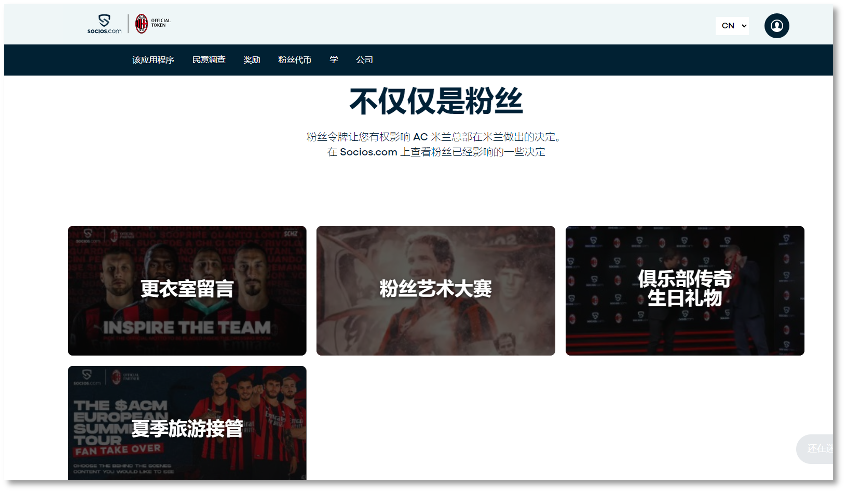
粉丝代币给球迷的决策权相对有限

事实上,各大俱乐部发行球迷代币,主要目的就是为了创收和增加与球迷互动的方式。有数据统计,上一年度欧洲前20大创收俱乐部的销售额下降12%至82亿欧元。为了弥补收入损失,越来越多的俱乐部发行球迷代币,但从后续的运营来看,大多数俱乐部似乎忽略了对这些代币的推广。

Web3项目XCAD Network的CEO Oliver Bell观察到,球迷代币的问题在于俱乐部没有积极推广它们或强调代币的效用,「购买它们的人根本不一定是俱乐部的球迷,大部分买家是加密爱好者。」

在价值支撑有限、真球迷不买单的情况下,加密领域的投机者操纵资金在球迷代币板块快进快出,也就勾勒出了暴涨暴跌的K线图。随着2022世界杯临近,用户们应对被狂热炒作的球迷代币提高警惕,以防资金损失。

Letture associate

Where Is the AI Infrastructure Industry Chain Stuck?

The AI infrastructure (AI Infra) industry chain is facing unprecedented systemic bottlenecks, despite the rapid emergence of applications like DeepSeek and Seedance 2.0. The surge in global computing demand has exposed critical constraints across multiple layers of the supply chain—from core manufacturing equipment and data center cabling to specialty materials and cleanroom facilities. Key challenges include four major "walls": - **Memory Wall**: High-bandwidth memory (HBM) and DRAM face structural shortages as AI inference demand outpaces training, with new capacity not expected until 2027. - **Bandwidth Wall**: Data transfer speeds lag behind computing power, causing multi-level bottlenecks in-chip, between chips, and across data centers. - **Compute Wall**: Advanced chip manufacturing, reliant on EUV lithography and monopolized by ASML, remains the fundamental constraint, with supply chain fragility affecting production. - **Power Wall**: While energy demand from data centers is rising, power supply is a solvable near-term challenge through diversified energy infrastructure. Expansion is further hindered by shortages in testing equipment, IC substrates (critical for GPUs and seeing price hikes over 30%), specialty materials like low-CTE glass fiber, and high-end cleanroom facilities. Connection technologies are evolving, with copper cables resurging for short-range links due to cost and latency advantages, while optical solutions dominate long-range scenarios. Innovations like hollow-core fiber and advanced PCB technologies (e.g., glass substrates, mSAP) are emerging to meet bandwidth needs. In summary, AI Infra bottlenecks are multidimensional, spanning compute, memory, bandwidth, power, and supply chain logistics. Advanced chip manufacturing remains the core constraint, while substrate, material, and equipment shortages present immediate challenges. The industry is moving toward hybrid copper-optical solutions and accelerated domestic supply chain development.

marsbit25 min fa

Where Is the AI Infrastructure Industry Chain Stuck?

marsbit25 min fa

Autonomy or Compatibility: The Choice Facing China's AI Ecosystem Behind the Delay of DeepSeek V4

DeepSeek V4's repeated delay in early 2026 has sparked global discussions on "de-CUDA-ization" in AI. The highly anticipated trillion-parameter open-source model is undergoing deep adaptation to Huawei’s Ascend chips using the CANN framework, representing China’s first systematic attempt to run a core AI model outside the CUDA ecosystem. This shift, however, comes with significant engineering challenges. While the model uses a MoE architecture to reduce computational load, it places extreme demands on memory bandwidth, chip interconnects, and system scheduling—areas where NVIDIA’s mature CUDA ecosystem currently excels. Migrating to Ascend introduces complexities in hardware topology, communication latency, and software optimization due to CANN’s relative immaturity compared to CUDA. The move highlights a broader strategic dilemma: short-term compatibility with CUDA offers practical benefits and faster adoption, as seen in CANN’s efforts to emulate CUDA interfaces. Yet, long-term over-reliance on compatibility risks inheriting CUDA’s limitations and stifling native innovation. If global AI shifts away from transformer-based architectures, strict compatibility could lead to technological obsolescence. Despite these challenges, DeepSeek V4’s eventual release could demonstrate the viability of a full domestic AI stack and accelerate CANN’s ecosystem growth. However, true technological independence will require building an original software-hardware paradigm beyond compatibility—a critical task for China’s AI ambitions in the next 3-5 years.

marsbit43 min fa

Autonomy or Compatibility: The Choice Facing China's AI Ecosystem Behind the Delay of DeepSeek V4

marsbit43 min fa

How Blockchain Fills the Identity, Payment, and Trust Gaps for AI Agents?

AI Agents are rapidly evolving into autonomous economic participants, but they face critical gaps in identity, payment, and trust infrastructure. They currently lack standardized ways to prove who they are, what they are authorized to do, and how they should be compensated across different environments. Blockchain technology is emerging as a solution to these challenges by providing a neutral coordination layer. Public ledgers offer auditable credentials, wallets enable portable identities, and stablecoins serve as a programmable settlement layer. A key bottleneck is the absence of a universal identity standard for non-human entities—akin to "Know Your Agent" (KYA)—which would allow Agents to operate with verifiable, cryptographically signed credentials. Without this, Agents remain fragmented and face barriers to interoperability. Additionally, as AI systems take on governance roles, there is a risk that centralized control over models could undermine decentralized governance in practice. Cryptographic guarantees on training data, prompts, and behavior logs are essential to ensure Agents act in users' interests. Stablecoins and crypto-native payment rails are becoming the default for Agent-to-Agent commerce, enabling seamless, low-cost transactions for AI-native services. These systems support permissionless, programmable payments without traditional merchant onboarding. Finally, as AI scales, human oversight becomes impractical. Trust must be built into system architecture through verifiable provenance, on-chain attestations, and decentralized identity systems. The future of Agent economies depends on cryptographically enforced accountability, allowing users to delegate tasks with clearly defined constraints and transparent operation logs.

marsbit1 h fa

How Blockchain Fills the Identity, Payment, and Trust Gaps for AI Agents?

marsbit1 h fa

Trading

Spot
Futures
活动图片