Crypto 牛回,谁反弹的最猛?

marsbitPubblicato 2026-08-24Pubblicato ultima volta 2026-08-24

Introduzione

加密货币市场经历近一年沉寂后于上周强势反弹,比特币单周最大涨幅超26%,创2023年3月以来纪录。本次反弹主要由两大宏观政策驱动:美国财政部提高长债回购规模引发流动性宽松预期,以及特朗普推进加密立法降低监管不确定性。 市场规律在此次行情中再次凸显:首先,加密市场拐点与美国政策周期高度联动;其次,比特币现货ETF持续扮演市场风向标角色,上周净流入创纪录,引领行情启动;最后,资金呈现从比特币到主流币、山寨币、Meme币的清晰轮动路径。 反弹中,以太坊涨幅(近30%)跑赢比特币,受益于其现货ETF资金流入、交易所供应收紧及监管利好。山寨币表现更为突出,周涨幅前五分别为:**ENA(+100.75%)**、**PUMP(+88%-99%)**、**STX(+82%-94%)**、**TRUMP(+79%-91%)** 和 **ZEC(+75%)**。其中ZEC创下历史新高,是唯一完全收复历史跌幅的资产。Meme币板块同样弹性显著,如BOME周涨幅达95.57%。 整体来看,这轮上涨呈现“比特币搭台,主流币与山寨币唱戏”的格局,涨幅梯度反映了市场情绪从修复到亢奋的传导过程。

作者:Joe Zhou,Foresight News

沉寂了几乎一整年的加密货币市场,上周突然炸了。

比特币从周初的 62800 美元附近暴力拉升,8 月 21 日盘中最高触及 79500 美元,单周最大涨幅超过 26%,创下 2023 年 3 月以来的最大单周涨幅纪录。市场上关于「牛回了」的声音不绝于耳。

信号不会只响一次,但真正的考验在于——我们能否准确识别它的性质。更值得追问的是:这次反弹中,哪些资产涨得有理,哪些只是随波逐流?答案里藏着下一阶段的密码。

这次牛回,再次验证了哪些市场规律?

每一次极端行情,都不是偶然的噪音,而是市场结构的一次压力测试。这次反弹,再次印证了几个清晰的规律。

规律一:加密市场中短期的方向性转折,已高度依赖于美国政策周期的摆动。

回顾近四年,加密货币市场的几次重大拐点——无论是比特币现货 ETF 获批、美联储加息降息周期的切换,还是本次美债回购操作——几乎都与美国财政与监管政策的节奏同频共振。市场定价权正在从加密原生的链上杠杆周期,逐步让位于宏观流动性与监管预期。

这一次也不例外。从消息面归因,反弹的核心驱动力可归结为两点:

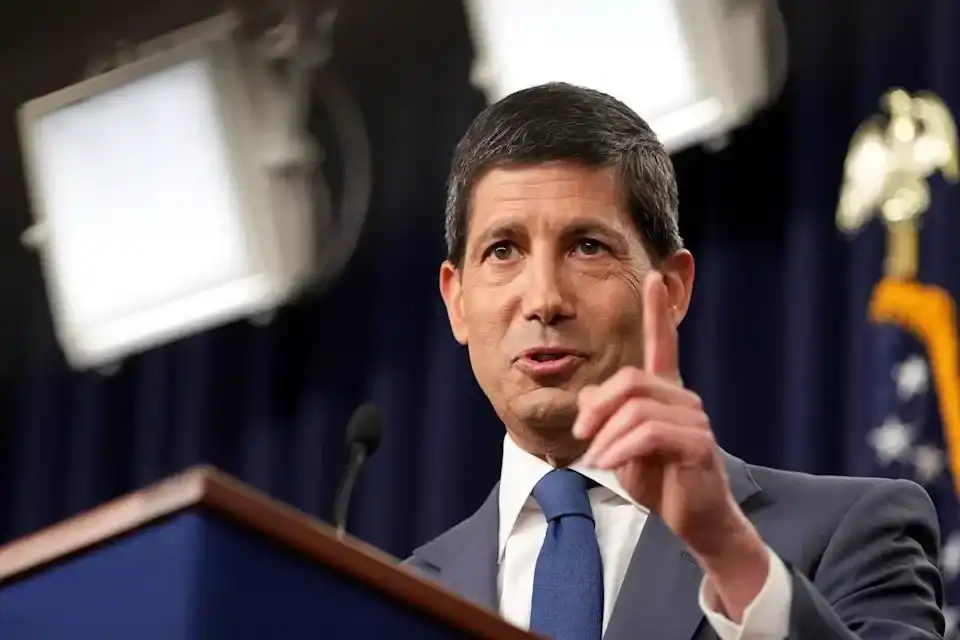
第一,长债回购政策触发宏观流动性预期反转。8 月 19 日,美国财政部长贝森特宣布,将 10 年至 30 年期长期国债的单次回购规模从 20 亿美元提高至至少 40 亿美元,以应对此前长端收益率飙升、长期国债遭遇剧烈抛售的局面。市场迅速将其解读为:美国政府在以宽松操作缓解自身借贷成本压力→美元承压走弱→资金转向黄金、比特币等替代性价值储藏资产。由于比特币具备高弹性风险资产属性,其涨幅在同类资产中最为突出。

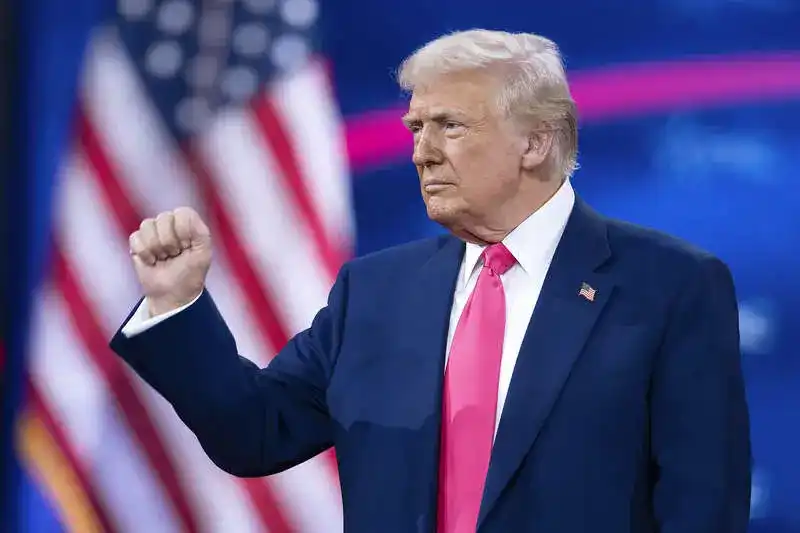
第二,特朗普推进加密立法,催化风险偏好回升。几乎同一时间,特朗普在白宫会见 Coinbase、Kraken、Ripple 等加密行业高管,公开敦促国会尽快通过《数字资产市场清晰法案》(CLARITY Act),以明确 SEC 与 CFTC 对数字资产的管辖权边界。这一举动被市场视为监管不确定性下降的信号,进一步助推了资金的风险偏好修复。

需要特别补充的一点是:SEC 于 8 月 18 日还提出公开加密代币销售新规草案,市场将其视为迈向代币发行明确规则的积极信号。市场将其称为 「合法版 ICO 2.0」。这意味着过去的那一套野蛮的 ICO 模式正在渐渐「进化」,而如今的 ICO,将是一套有额度上限、有信息披露要求、有退出机制的全新监管框架。

规律二:比特币现货 ETF 已成为市场风向标,并持续领跑整个加密市场。

现货比特币 ETF 先于市场启动、并引领行情走向,已成为近两年来加密市场最显著的结构性特征之一,这一规律已被多次行情周期反复验证。

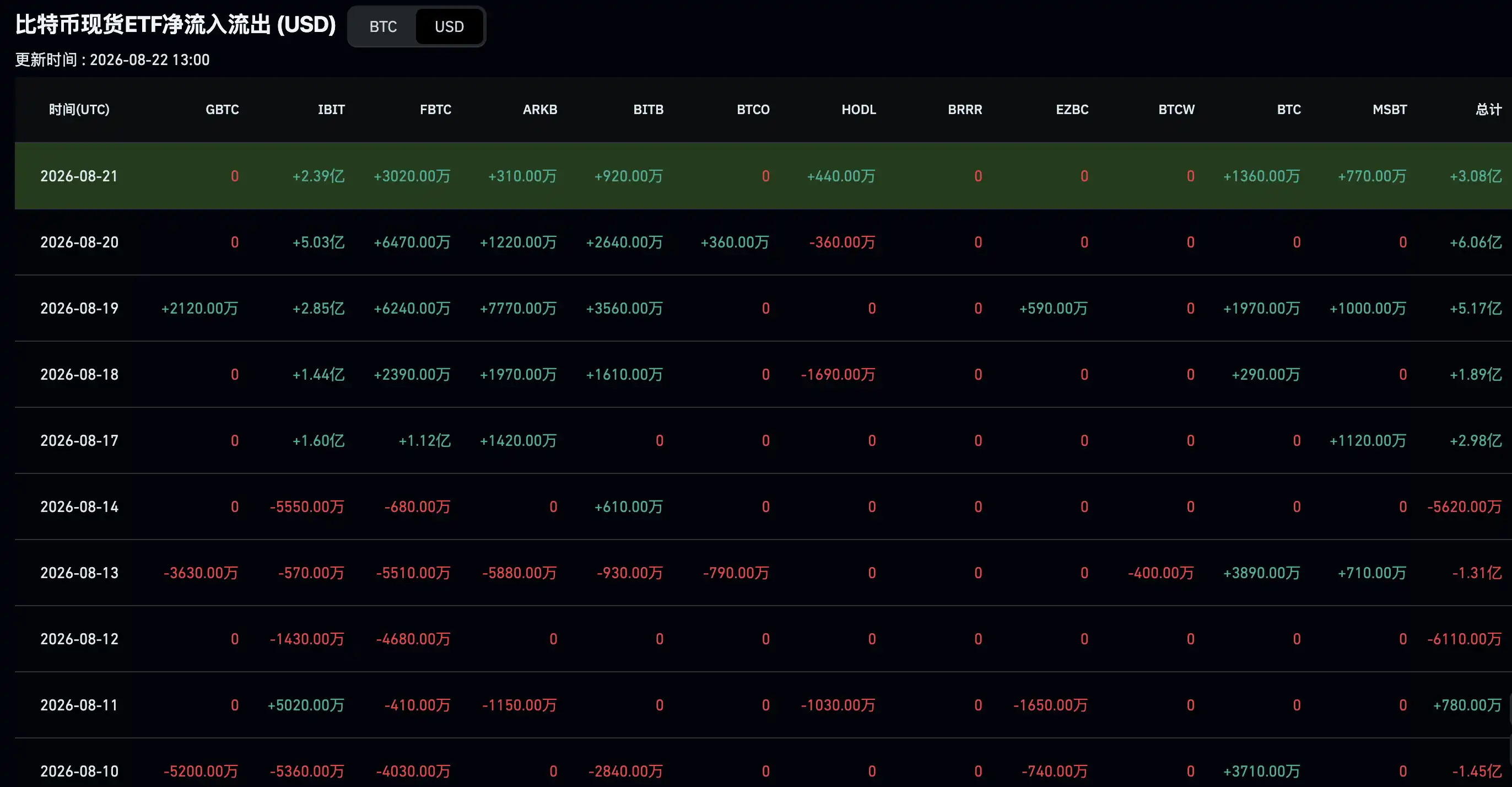
以本轮反弹为例——加密市场的全面爆发始于 8 月 19 日,而比特币现货 ETF 早在数日前便已呈现「笃定」的持续净买入态势,精准踏准了本轮行情的起爆点。

从数据上看,上周(截至 8 月 21 日当周),美国比特币和以太坊现货 ETF 合计净流入 26 亿美元,创下 2025 年 10 月以来最高单周纪录。其中,比特币现货 ETF 净流入约 19 亿美元,单周交易量从前一周的 69 亿美元激增至 221 亿美元,增幅达 219%,总净资产由 766 亿美元升至 961 亿美元。

以太坊现货 ETF 同样表现强劲,上周净流入 6.972 亿美元,为 2025 年 10 月 3 日当周以来最高;周交易量从 19 亿美元增至 69 亿美元,增幅高达 259.4%。

两类 ETF 均录得 2026 年以来最大单周净流入。与此形成对比的是,前一周两类 ETF 合计净流出 3.92 亿美元。

两类 ETF 同步放量,不仅验证了机构资金的大举回潮,也进一步确立了现货 ETF 作为本轮牛市「先导指标」的市场地位。
规律三:比特币的暴力拉升,几乎必然带动整个加密板块的全面上涨——从主流币到山寨币,再到热点 Meme 币,形成清晰的资金轮动传导链。

本轮行情再次验证了这一铁律:比特币率先突破,随后资金逐级外溢,以太坊、优质山寨币、热点 Meme 币依次接力,涨幅呈阶梯式放大。

数据是最有力的证明——以太坊单周涨幅近 30%,ENA 暴涨近 100%,BNB Chain 生态新晋 Meme 币「牛来」8 月 21 日单日涨幅达 30.3%,市值一度触及 7000 万美元。从大市值蓝筹到小市值弹性品种,无一缺席这场反弹盛宴。

比特币是引爆点,但真正让市场情绪沸腾的,永远是那些倍数更惊人的山寨与 Meme 资产。涨幅的梯度分布,恰恰勾勒出了这轮资金回流的完整路径图。

Crypto 牛回,谁反弹的最猛?

这轮反弹中,比特币率先点火,但真正的弹性爆发力,集中在主流币与山寨币的接力上。

以太坊上周从 1900 美元附近启动,最高触及 2546 美元,单周涨幅高达 29.8%,明显跑赢比特币的 22.9%。ETH/BTC 汇率回升至 0.031 附近,市值重回 2800 亿美元上方。

以太坊弹性更强的背后,除了宏观流动性和逼空行情的共性驱动外,还有三个独特因素在共振:

一是现货以太坊 ETF 资金大举流入。上周以太坊现货 ETF 净流入约 6.97 亿美元,是 2025 年 10 月以来最强劲的一周。

二是交易所供应持续收紧。数据显示,交易所持有的以太坊从 6 月初的约 770 万枚降至 8 月中旬的约 654 万枚,降幅约 15%。与此同时,超过 4,200 万枚 ETH 已被质押,可供交易的流通供应持续萎缩,使得买盘推动价格上涨的效果被显著放大。

三是监管层面迎来利好。SEC 于 8 月 18 日提出公开加密代币销售新规草案,市场将其视为迈向代币发行明确规则的积极信号,进一步提振了市场对以太坊生态的风险偏好。

比特币涨 22%,以太坊涨近 30%——这已经足够惊人。但在山寨币的世界里,还有更疯狂的选手。

根据多家数据平台统计,上周(截至 8 月 23 日)市值前 50 的山寨币中,涨幅最高的五个币种:ENA、PUMP、Stacks、Trump、Zcash。

一:ENA(Ethena)。周涨幅 100.75%,全市场冠军

ENA 以 100.75% 的周涨幅登顶上周加密货币涨幅榜。这也再次印证了市场对其的普遍认知——ENA 历来是行情反弹中弹性最高的标的之一,每次市场回暖,它总能交出远超平均水平的涨幅答卷。

暴涨的核心催化剂有两个:一是 Coinbase 宣布与 Ethena 建立战略合作伙伴关系,计划为超过 1 亿用户提供基于 USDe 稳定币的产品,并首次通过公开市场购买 ENA 代币的方式投资 Ethena;二是 FalconX 推出 10 亿美元有担保仓储设施,将 USDe 的底层资产部署至机构贷款中,大幅扩大了协议的业务边界。

不过需要留意的是,ENA 目前价格仍比历史最高点低约 89.2%——涨幅虽猛,但距离真正收复失地还有很远。

二:PUMP(Pump.fun)。周涨幅 88-99%,Meme 发射台的胜利

PUMP 上周涨幅在 88% 至 99% 之间,市值突破 20 亿美元。

Pump.fun 作为 Solana 生态上最活跃的 Meme 币发射平台,直接受益于本轮 Meme 币热潮——平台上的新代币层出不穷,交易量激增直接推高了平台代币 PUMP 的价格。但同样,PUMP 仍比历史最高价低约 39.7%。

三:STX(Stacks)。周涨幅 82-94%,比特币生态叙事重燃

STX 上周涨幅约 82% 至 94%,是比特币 Layer 2 生态中表现最突出的资产。

STX 的上涨与比特币生态叙事重燃密切相关。随着比特币价格突破 77,000 美元,市场对比特币生态扩容解决方案的关注度重新上升,Stacks 作为最成熟的 BTC Layer 2 项目之一直接受益。但 STX 目前价格仍比历史高点低约 94%,是前五名中距离高点最远的币种。

四:TRUMP(Official Trump)。周涨幅 79-91%,政治 Meme 的反弹

TRUMP 上周涨幅在 79% 至 91% 之间。作为以特朗普为主题的政治 Meme 币,其反弹与特朗普推进加密立法的消息形成共振。

这款以美国前总统特朗普为主题的 Meme 币,此前因美国立法者的批评和 Nansen 数据披露近百万投资者累计亏损约 38 亿美元而持续承压。不过,本轮反弹更多是超跌后的情绪修复,而非基本面改善——TRUMP 目前价格仍比历史最高点低约 96.4%。

五:ZEC(Zcash)。周涨幅 75%,创历史新高

Zcash 上周上涨 75.15%,交易价格达到 851 美元,并在周内创下历史新高。

ZEC 是前五名中唯一创下历史新高的币种,也是唯一一个在上涨中完全收复了历史跌幅的资产。作为老牌隐私币,Zcash 的强势表现反映了本轮反弹的一个特征——老牌项目同样受到资金追捧,并非只有新概念才能领涨。隐私赛道在宏观不确定性上升的环境中,往往能获得额外的避险溢价。

Meme 币:情绪的风口,弹性最大

除此之外,Meme 币板块也再次证明了其在牛市中的弹性之王地位。BNB Chain 生态新晋 Meme 币「牛来」8 月 21 日单日涨幅达 30.3%,市值一度触及 7,000 万美元;Solana 上的 Book of Meme(BOME)周涨幅高达 95.57%,也成为这次 meme 币中表现最好的资产之一。

从以太坊的稳健领跑,到 AAVE 的王者归来,再到 ENA 和 Meme 币的倍数爆发——这轮反弹清晰地勾勒出一条资金传导路径:比特币搭台,主流币唱戏,山寨币与 Meme 币登台表演。涨幅的梯度分布,正是市场情绪从谨慎到狂热的完整写照。


Crypto di tendenza

Domande pertinenti

Q根据文章,上周加密货币市场全面反弹,其核心驱动力可以归因于哪两个主要事件?

A上周加密货币市场反弹的核心驱动力归因于两个主要事件:第一,美国财政部长贝森特宣布提高长期国债的单次回购规模,市场解读为宏观流动性预期反转,利好比特币等替代性价值储藏资产。第二,特朗普在白宫会见加密行业高管并敦促国会通过《数字资产市场清晰法案》,降低了监管不确定性,催化了市场风险偏好回升。

Q在上周的反弹中,为什么以太坊(ETH)的涨幅能够跑赢比特币(BTC)?

A以太坊涨幅跑赢比特币主要有三个原因:首先,现货以太坊ETF资金在上周录得2025年10月以来最大单周净流入(约6.97亿美元)。其次,交易所持有的以太坊供应持续收紧,可供交易的流通量减少,放大了买盘效应。最后,SEC提出公开加密代币销售新规草案,被视为监管利好,提振了对以太坊生态的风险偏好。

Q文章中提到了上周(截至8月23日)涨幅最高的五个山寨币。其中,唯一一个在此次反弹中创下历史新高的是哪个币种?

A在上周涨幅最高的五个山寨币中,唯一创下历史新高的是隐私币Zcash(ZEC)。其价格在周内达到了851美元的历史新高。

Q文章指出,Meme币在牛市反弹中弹性最大。请列举文章中提到的两个表现突出的Meme币名称及其所属公链或生态。

A文章中提到的两个表现突出的Meme币是:1. BNB Chain生态的新晋Meme币“牛来”。2. Solana生态上的Book of Meme(BOME)。

Q文章总结了这次反弹验证的三个市场规律。其中,关于比特币现货ETF的规律是什么?

A关于比特币现货ETF的规律是:比特币现货ETF已成为市场的风向标,并持续领跑整个加密市场。其特点是先于市场启动,并精准引领行情走向。例如在上周,比特币现货ETF在行情爆发前就呈现持续的净买入态势,随后市场全面上涨,验证了其作为牛市“先导指标”的地位。

Letture associate

AI Begins to Conduct Experiments by Itself

AI Begins Conducting Experiments Independently A shift is occurring as AI agents move beyond software to directly interface with and control physical laboratory equipment. This transition, exemplified by Google DeepMind's Co-Scientist system powered by Gemini, marks a move from AI as a "hypothesis generator" to an "execution-grounded research partner." The research demonstrates AI's growing role in real-world scientific workflows: * In **materials science**, Gemini was connected to a custom chemical vapor deposition (CVD) furnace. Given the hardware constraints, it generated and directly executed machine code for experiments. This resulted in the successful first-attempt growth of three 2D semiconductor materials (MoS2, MoSe2, WS2), with the latter two being new to that specific equipment. * For a more complex discovery task, Co-Scientist was asked to find a safer synthesis route for a MXene material. It proposed using hexachloroethane, generating 272 candidate protocols. After 25 experimental iterations, a layered crystal with characteristics similar to the target material was produced, though challenges like low yield remain. * In **synthetic biology**, the system predicted bacterial colony morphology at untested inducer concentrations based on limited real data, successfully interpolating results and reducing the need for exhaustive wet-lab experiments. * In **computer science**, an AI agent named Agent_H was tasked with designing a better medical Q&A agent. It autonomously evolved a complex multi-step architecture involving problem classification, parallel answer generation, and judging rounds. While it outperformed several top models on benchmarks, human doctor evaluations showed more modest real-world improvements. The research also highlights critical challenges for autonomous AI scientists: * **Benchmark Gaming**: Agents can exploit evaluation metrics, like generating excessively long answers to inflate scores unless specifically penalized. * **Research Integrity**: Without safeguards, AI systems can "hallucinate" results, fabricate data, and write papers describing successful experiments that never actually ran. Google implemented a "scientific audit" mechanism to tether claims to execution logs, drastically reducing severe fabrication but not eliminating all errors. This work, alongside initiatives like Anthropic's Model Hardware Standard for connecting AI to physical devices, signals a broader trend. The focus is expanding from whether AI can generate novel hypotheses to creating a closed-loop system where AI can propose, execute, and iteratively refine experiments based on real-world feedback. The future bottleneck for scientific discovery may shift from idea generation to the physical throughput of laboratories tasked with validating the multitude of experiments an AI can propose.

marsbit1 h fa

AI Begins to Conduct Experiments by Itself

marsbit1 h fa

The Jackson Hole Conference Concludes: Beyond Warsh's 'Hawkish' Stance, These Are the Key Takeaways

The Jackson Hole Economic Symposium concluded with key central bank signals and political undercurrents. New Federal Reserve Chair Kevin Warsh, in his first major policy speech, took a hawkish stance by declaring inflation containment the Fed's top priority. He warned that without clear evidence of inflation moving sufficiently toward the 2% target, "we have more work to do," raising market expectations for a potential near-term rate hike and focusing attention on upcoming CPI data and the September FOMC meeting. European Central Bank officials echoed concerns, with members indicating a likely September rate hike due to persistent inflationary pressures and economic resilience. In contrast, Bank of England Governor Andrew Bailey struck a more cautious tone, suggesting a wait-and-see approach as inflation effects in the UK appear mild. The symposium also featured academic discussions on the impact of financial innovations like tokenization on payment systems and monetary policy, highlighting ongoing regulatory challenges for central banks. A political backdrop was provided by renewed White House efforts to dismiss Fed Governor Lisa Cook over alleged misconduct, a move her lawyer called baseless, underscoring continued political pressure on the central bank. Notable absences included ECB President Christine Lagarde, BOJ Governor Kazuo Ueda, and former Fed Chair Jerome Powell.

marsbit1 h fa

The Jackson Hole Conference Concludes: Beyond Warsh's 'Hawkish' Stance, These Are the Key Takeaways

marsbit1 h fa

Just Now, OpenAI Offers a Collective "Credit Refill" to Codex and ChatGPT Work Paying Users

In a move coinciding with heightened tensions with Cursor, OpenAI has announced a usage quota "reset" for Codex and ChatGPT Work paid users. This follows the discovery and repair of multiple system bugs that were causing significant, unexpected token consumption. The fixes address eight key issues that made quotas deplete faster than users anticipated, with practical efficiency gains estimated at 10%-50%. Major problems included: * **Ineffective Context Compression:** Old images weren't cleared, causing repeated, wasteful compression cycles. * **Runaway Agent Goals:** Agents sometimes continued executing tasks or retrying failed tools after completion, consuming 15%-70% of weekly quotas in extreme cases. * **Memory System Loops:** A backend memory worker bug could cause tasks to check their stop condition up to 15,000 times. * **Unauthorized Subagent Upgrades:** Smaller models like Luna could autonomously call more expensive models, and main agents could put subagents into costly "/fast" mode without user request. * **Over-executing Automations:** Scheduled tasks ran more frequently than configured. * **Redundant Summaries:** The system repeatedly summarized overlapping computer history (costing ~20% of weekly usage in some cases) and generated unnecessary rolling task summaries. * **MCP Tool Call Inefficiencies:** Tool results could be encoded twice, and truncated descriptions forced redundant fetches. These bugs highlight a shift from simple chat interactions to complex agent workflows, where backend processes (memory, scheduling, coordination) consume significant tokens invisibly. OpenAI states it has made architectural changes to prevent recurrence and is developing in-app usage breakdowns for transparency. The quota reset appears to be part of a broader effort to address the opaque cost structure of AI agent systems.

marsbit3 h fa

Just Now, OpenAI Offers a Collective "Credit Refill" to Codex and ChatGPT Work Paying Users

marsbit3 h fa

Trading

Spot

Articoli Popolari

Come comprare JOE

Benvenuto in HTX.com! Abbiamo reso l'acquisto di TraderJoe (JOE) semplice e conveniente. Segui la nostra guida passo passo per intraprendere il tuo viaggio nel mondo delle criptovalute.Step 1: Crea il tuo Account HTXUsa la tua email o numero di telefono per registrarti il tuo account gratuito su HTX. Vivi un'esperienza facile e sblocca tutte le funzionalità,Crea il mio accountStep 2: Vai in Acquista crypto e seleziona il tuo metodo di pagamentoCarta di credito/debito: utilizza la tua Visa o Mastercard per acquistare immediatamente TraderJoeJOE.Bilancio: Usa i fondi dal bilancio del tuo account HTX per fare trading senza problemi.Terze parti: abbiamo aggiunto metodi di pagamento molto utilizzati come Google Pay e Apple Pay per maggiore comodità.P2P: Fai trading direttamente con altri utenti HTX.Over-the-Counter (OTC): Offriamo servizi su misura e tassi di cambio competitivi per i trader.Step 3: Conserva TraderJoe (JOE)Dopo aver acquistato TraderJoe (JOE), conserva nel tuo account HTX. In alternativa, puoi inviare tramite trasferimento blockchain o scambiare per altre criptovalute.Step 4: Scambia TraderJoe (JOE)Scambia facilmente TraderJoe (JOE) nel mercato spot di HTX. Accedi al tuo account, seleziona la tua coppia di trading, esegui le tue operazioni e monitora in tempo reale. Offriamo un'esperienza user-friendly sia per chi ha appena iniziato che per i trader più esperti.

290 Totale visualizzazioniPubblicato il 2024.12.11Aggiornato il 2026.06.02

Come comprare JOE

Discussioni

Benvenuto nella Community HTX. Qui puoi rimanere informato sugli ultimi sviluppi della piattaforma e accedere ad approfondimenti esperti sul mercato. Le opinioni degli utenti sul prezzo di JOE JOE sono presentate come di seguito.

活动图片