Từ OpenSea Đến OpenRouter: Kịch Bản “Chốt Lời Đỉnh Cao” Của Alex Atallah Lại Lặp Lại?

链捕手Pubblicato 2026-07-24Pubblicato ultima volta 2026-07-24

Introduzione

Tác giả: Nancy, PANews Hơn bốn năm trước, Alex Atallah rời đi trước đỉnh bong bóng NFT; giờ đây, anh lại tỏa sáng trong cơn sốt AI và chuẩn bị bán nền tảng tổng hợp mô hình AI OpenRouter với giá cao. Ngày 23/7, theo Wall Street Journal, gã khổng lồ thanh toán Stripe đang đàm phán mua lại OpenRouter, với định giá giao dịch có thể lên tới gần 100 tỷ USD. Nếu thành công, đây sẽ là lần thứ hai Alex Atallah xây dựng một công ty trị giá hàng trăm tỷ USD, sau sàn giao dịch NFT OpenSea. OpenRouter, được mô tả là "Stripe của lĩnh vực AI", đã kết nối hơn 400 mô hình AI, có khoảng 10 triệu người dùng và xử lý hơn 200 nghìn tỷ token mỗi tháng. Tuy nhiên, mô hình kinh doanh chủ yếu dựa vào phí dịch vụ nền tảng (5%-5.5%) từ việc gọi API, với doanh thu hàng năm khoảng 50 triệu USD (tính đến tháng 4/2026). Đây là một mô hình kênh dẫn có quy mô lớn nhưng biên lợi nhuận hạn chế, dễ bị ảnh hưởng bởi sự cạnh tranh, mô hình nguồn mở và áp lực giảm giá. Giá trị thực sự của OpenRouter đối với các nhà mua tiềm năng như Stripe có thể nằm ở kho dữ liệu sử dụng AI thực tế khổng lồ mà nó tích lũy được, cung cấp insights quý giá về hiệu suất mô hình, sở thích nhà phát triển và quan hệ thay thế trên thị trường. Từ NFT đến AI, Alex Atallah hai lần bắt đúng xu hướng thời đại. Việc OpenRouter được định giá 100 tỷ USD đặt ra câu hỏi: đây là sự định giá lại giá trị cơ sở hạ tầng AI hay một tín hiệu đỉnh chu kỳ mới? Thời gian sẽ trả lời.

Tác giả: Nancy, PANews

Hơn bốn năm trước, Alex Atallah đã rút lui khỏi OpenSea ngay trước đỉnh bong bóng NFT; giờ đây, ông lại một lần nữa bước lên đỉnh cao trong cơn sốt AI, và đang chuẩn bị bán nền tảng tổng hợp mô hình AI do mình sáng lập là OpenRouter với giá cao.

Ngày 23 tháng 7, theo tờ Wall Street Journal đưa tin, gã khổng lồ thanh toán Stripe đang đàm phán mua lại OpenRouter, giá trị giao dịch có thể lên tới gần 100 tỷ USD. Nếu thương vụ cuối cùng được thực hiện, đây sẽ là lần thứ hai Alex Atallah thành lập một công ty trị giá trăm tỷ USD, sau nền tảng NFT OpenSea.

Stripe Dự Kiến Mua Lại OpenRouter, Định Giá Có Thể Chạm 100 Tỷ USD

Tin đồn về việc OpenRouter “tìm chủ mới” đã kéo dài trong một thời gian.

Tuần trước, nhiều hãng truyền thông nước ngoài như The Information, Jawl đã đưa tin rằng OpenRouter đã nhận được ý định mua lại từ nhiều công ty công nghệ lớn, và đang thảo luận về việc bán. Quy mô giao dịch tiềm năng có thể lên tới hàng chục tỷ USD.
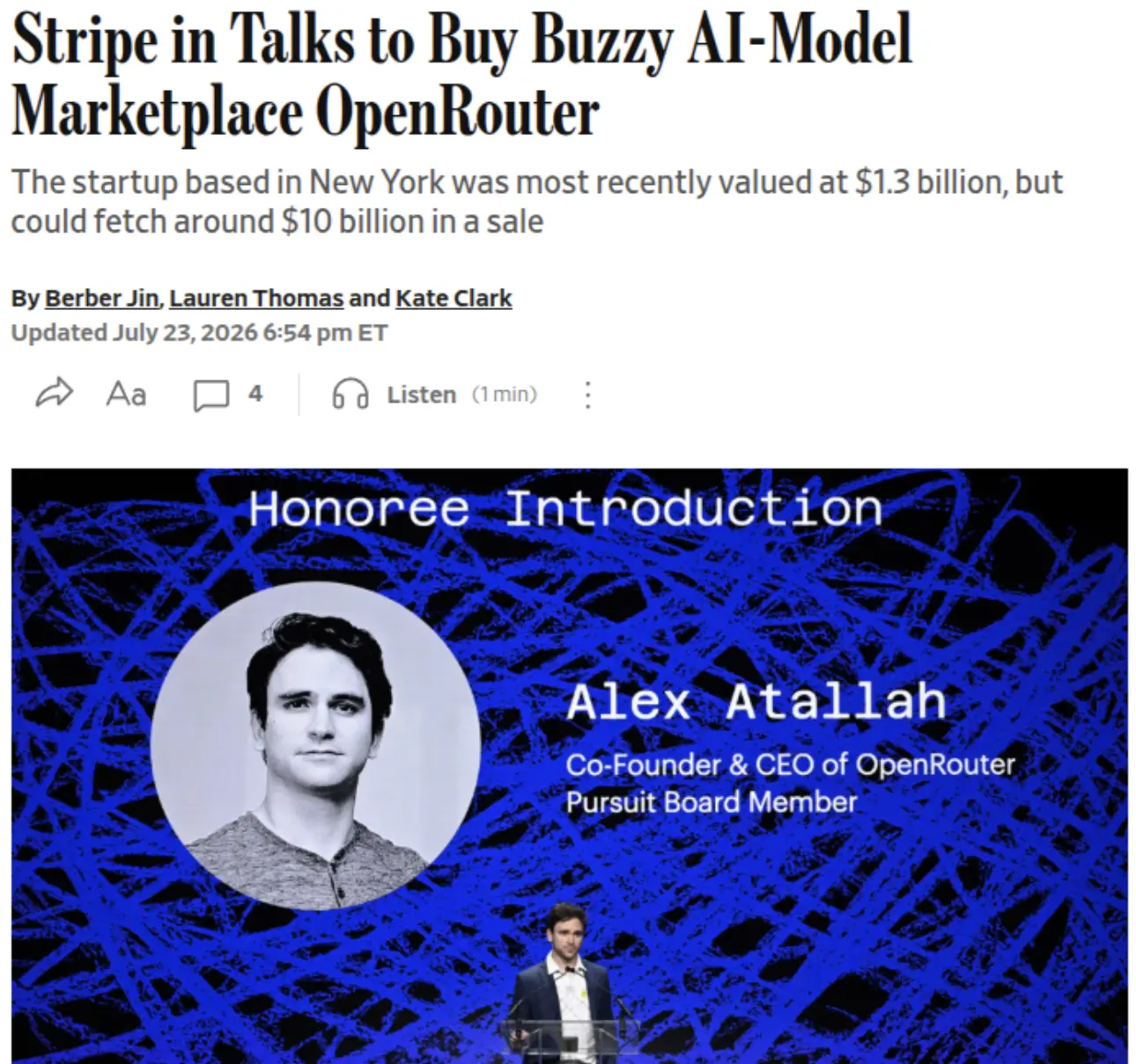
Theo tin mới nhất từ Wall Street Journal, Stripe đang xem xét mua lại nền tảng tổng hợp mô hình AI lớn nhất toàn cầu này. Nguồn tin tiết lộ, các cuộc đàm phán giao dịch giữa hai bên có thể sẽ sớm được công bố, nhưng hiện tại vẫn còn nhiều biến động, không loại trừ khả năng đàm phán tan vỡ hoặc các đối thủ mua tiềm năng khác tham gia cạnh tranh.

Thú vị là, Alex Atallah từng mô tả OpenRouter là "Stripe trong lĩnh vực AI". Theo quan điểm của ông, giống như Stripe giúp khách hàng xử lý các loại thanh toán khác nhau thông qua một cổng thống nhất, OpenRouter hy vọng trở thành cổng thống nhất cho doanh nghiệp truy cập vào các mô hình AI khác nhau, giảm chi phí chuyển đổi giữa nhiều nhà cung cấp AI, đồng thời tránh bị "khóa chặt" bởi một nhà cung cấp mô hình đơn lẻ.

Trên thực tế, OpenRouter và Stripe đã thiết lập quan hệ hợp tác từ lâu. Thương vụ tiềm năng lần này của hai bên, cũng được xem là bước bố trí quan trọng tiếp theo của gã khổng lồ hạ tầng thanh toán tiến sâu hơn vào lĩnh vực hạ tầng AI. Cần lưu ý rằng, đây có thể là một động thái mua lại quan trọng khác của Stripe trong thời gian gần đây, sau tin thị trường trước đó về kế hoạch mua lại PayPal của họ.

Hiện tại, hai bên chưa tiết lộ số tiền giao dịch cụ thể. Tuy nhiên, theo nguồn tin tiết lộ, nếu giao dịch cuối cùng được thực hiện, định giá của OpenRouter tại thời điểm bán có thể lên tới gần 100 tỷ USD.

Con số này sẽ vượt xa định giá của OpenRouter tại các vòng gọi vốn trước đây. Chỉ sau hơn ba năm thành lập, công ty hạ tầng AI này đã đạt được tốc độ tăng trưởng cao dưới sự thúc đẩy của làn sóng mô hình lớn.
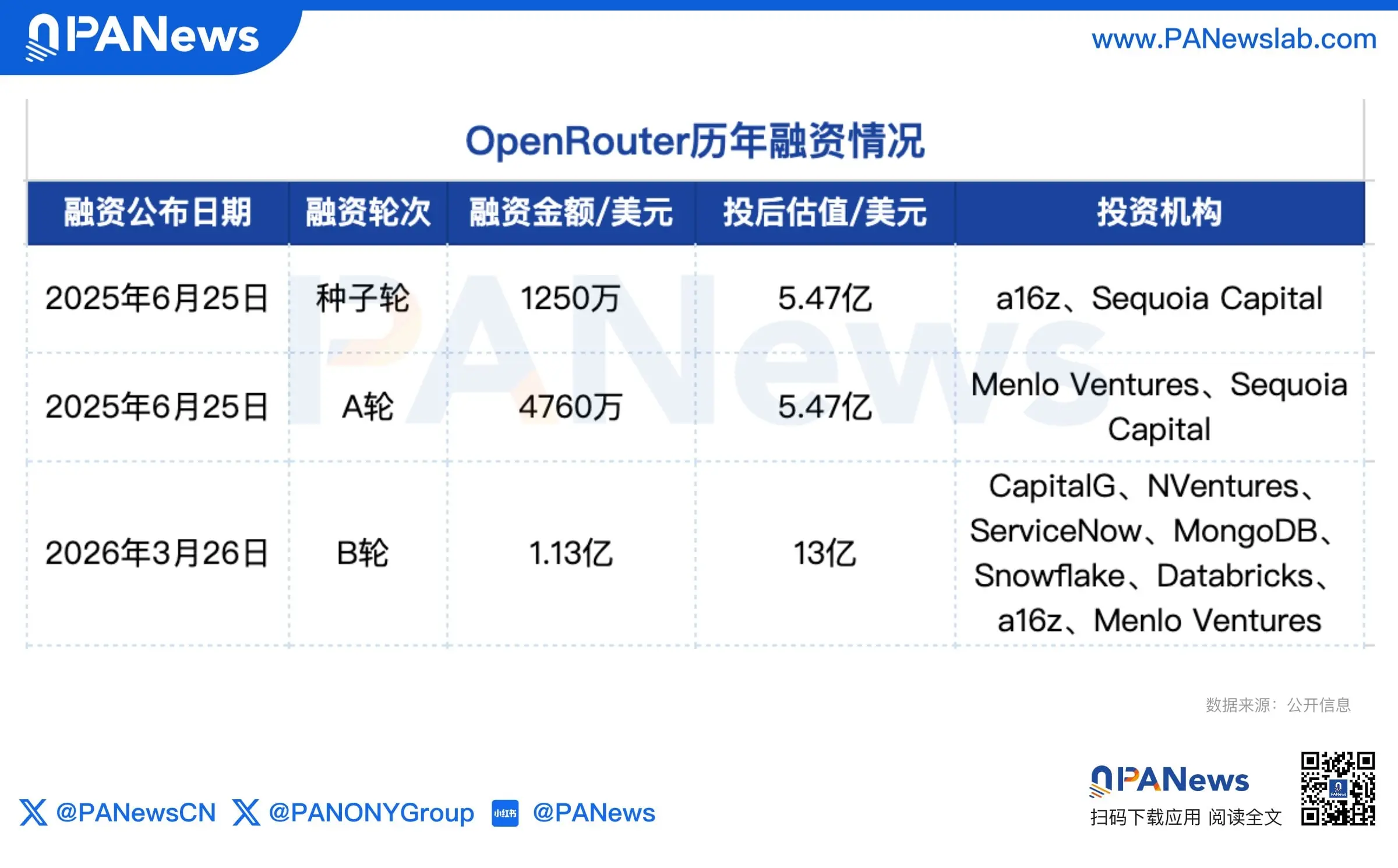
Số liệu công khai cho thấy, OpenRouter đã hoàn thành ba vòng gọi vốn, huy động tổng cộng hơn 150 triệu USD. Tháng 6/2025, OpenRouter thông báo hoàn thành vòng gọi vốn hạt giống và vòng A trị giá 40 triệu USD, với định giá sau đầu tư khoảng 547 triệu USD; Ngày 26/3/2026, OpenRouter thông báo hoàn thành vòng gọi vốn B trị giá 113 triệu USD, định giá sau đầu tư khoảng 1,3 tỷ USD.

Nếu giao dịch này cuối cùng được thực hiện, điều đó có nghĩa là định giá của OpenRouter có thể tăng gần gấp mười lần trong vòng vài tháng, và gia nhập câu lạc bộ kỳ lân trăm tỷ USD.

Đằng sau việc giá trị của OpenRouter tăng cao, không chỉ bắt nguồn từ sự bùng nổ nhu cầu do sự mở rộng nhanh chóng của mô hình lớn, mà còn nhờ vào việc phân khúc hạ tầng AI đang nhận được nhiều sự quan tâm hơn từ thị trường vốn.

Kịch Bản Rời Đi OpenSea Lặp Lại? Tại Sao OpenRouter Lại Chọn "Tìm Chủ Mới"

Đây không phải là lần đầu tiên Alex Atallah xây dựng một công ty trị giá trăm tỷ USD.

Trước đó, doanh nhân liên tiếp này đã đồng sáng lập OpenSea, đưa NFT từ tầng lớp nhỏ lẻ ra tầm mắt công chúng. Vào thời kỳ NFT cuồng nhiệt nhất, OpenSea đã từ một nền tảng ít người biết đến phát triển thành thị trường giao dịch NFT lớn nhất toàn cầu, định giá từng lên tới hơn 130 tỷ USD, và tài sản của hai nhà sáng lập cũng từng đạt khoảng 2,2 tỷ USD.

Tuy nhiên, trước khi thị trường NFT hạ nhiệt toàn diện vào năm 2022, Alex Atallah đã chọn rời khỏi OpenSea. Sau đó, khi bong bóng ngành tiêu tan, định giá của OpenSea đã giảm mạnh, và con kỳ lân NFT ngày xưa cũng dần mất đi ánh hào quang của thời kỳ đỉnh cao. Việc Alex Atallah rút lui sớm cũng từng được thị trường coi là một tín hiệu đỉnh quan trọng.

Sau đó, Alex Atallah chuyển hướng sang hạ tầng AI, và OpenRouter do ông sáng lập đã trở thành trạm trung chuyển lớn nhất trong thời đại AI.
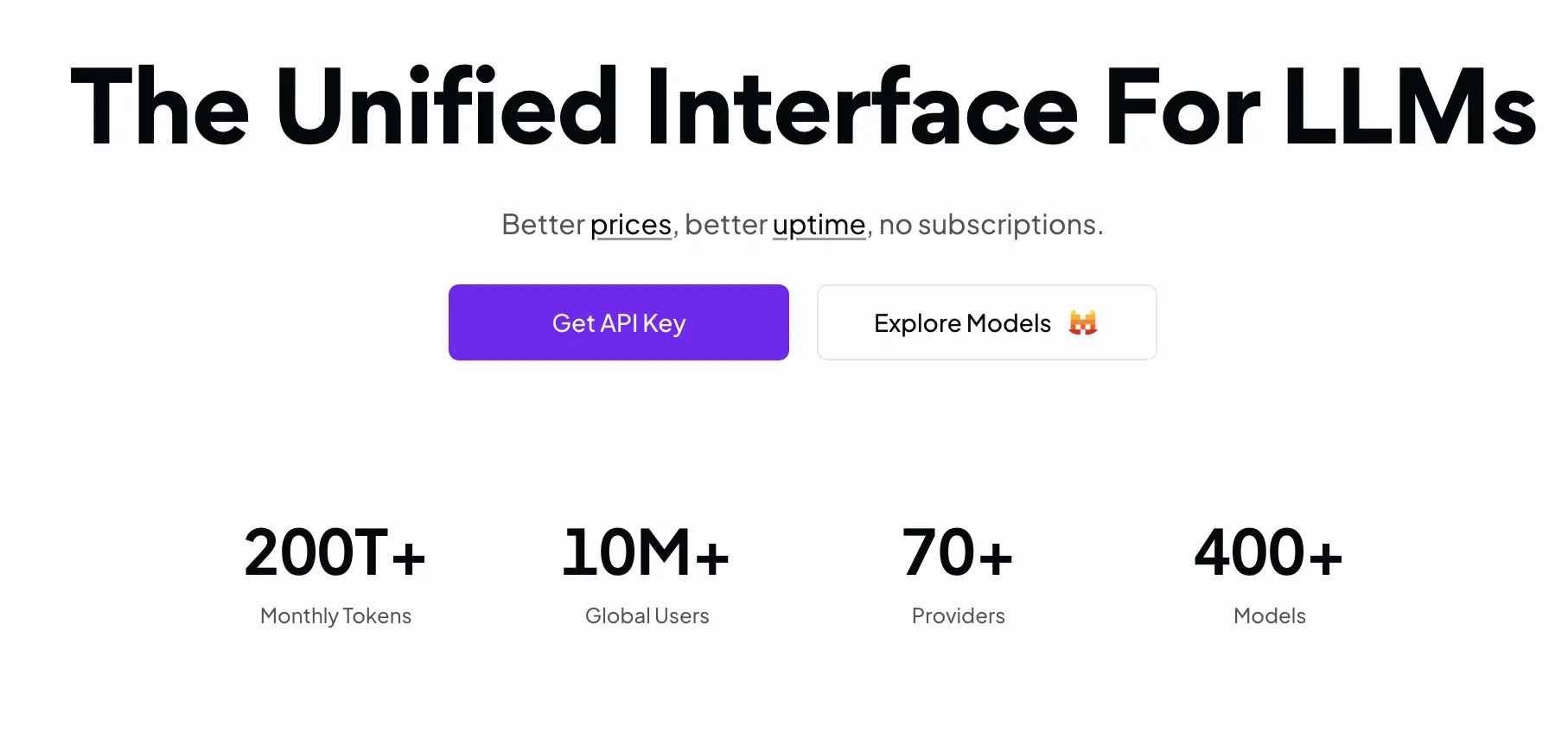
Hiện tại, OpenRouter đã tích hợp hơn 400 mô hình AI, có khoảng 10 triệu người dùng và xử lý hơn 200 nghìn tỷ Token mỗi tháng. Từ đầu năm đến nay, số lượng Token được xử lý thông qua API của nó đã tăng khoảng 10 lần.

Nhưng đáng chú ý là, trong khi tốc độ tăng trưởng kinh doanh cao, OpenRouter lại không chọn IPO, mà hướng tới con đường bán tiềm năng. Lý do nằm ở chỗ, đây là một mô hình kinh doanh kênh dẫn có quy mô lớn, nhưng tỷ suất lợi nhuận hạn chế.

Hiện tại, OpenRouter chủ yếu kiếm lợi nhuận thông qua việc thu phí dịch vụ nền tảng khi nhà phát triển gọi các mô hình AI, với tỷ lệ thu khoảng 5%-5.5%. Mặc dù quy mô tiêu thụ suy luận AI hàng năm của nó đã lên tới hàng tỷ USD, nhưng tính đến tháng 4/2026, doanh thu hàng năm của công ty ước tính khoảng 50 triệu USD.

Nói cách khác, OpenRouter kết nối một thị trường nhu cầu AI khổng lồ, nhưng lại không hoàn toàn nắm giữ chuỗi giá trị thượng nguồn. Khi khả năng mô hình dần được tiêu chuẩn hóa, nền tảng dễ bị ảnh hưởng bởi sự trỗi dậy của các mô hình mã nguồn mở, sự ràng buộc của hệ sinh thái nhà cung cấp đám mây, cũng như việc các nhà cung cấp mô hình trực tiếp giảm giá, dẫn đến không gian lợi nhuận có thể tiếp tục chịu áp lực. OpenRouter khó có thể kể câu chuyện tăng trưởng theo cấp số nhân và lợi nhuận siêu cao trên thị trường vốn.

Đồng thời, sự cạnh tranh trong phân khúc tổng hợp mô hình AI cũng đang gia tăng. Ví dụ, bộ ấp trứng AI nội bộ của Meta ở nước ngoài đang phát triển một dịch vụ điều phối tương đương với OpenRouter, nhằm cắt giảm chi phí điện toán phát triển mã; Trong nước cũng đã xuất hiện các nền tảng tổng hợp mô hình lớn bao gồm EasyRouter của Cheetah Mobile, ThinkFlow của NetEase Youdao.

Vì vậy, việc thị trường hiện tại định giá cao cho OpenRouter, phần lớn là định giá không gian tưởng tượng trong tương lai, chứ không phải là khả năng sinh lợi ở giai đoạn hiện tại.

Tuy nhiên, đối với người mua tiềm năng, tài sản thực sự hấp dẫn của OpenRouter có thể không phải là quy mô doanh thu hiện tại, mà là dữ liệu sử dụng AI thực tế tích lũy lâu dài của nó.

Bằng cách kết nối hàng trăm mô hình và hàng chục triệu người dùng, OpenRouter đã tích lũy một lượng lớn dữ liệu gọi từ môi trường sản xuất thực tế, bao gồm sự khác biệt về hiệu suất của các mô hình khác nhau trong nhiệm vụ thực tế, sở thích của nhà phát triển, độ nhạy cảm về giá cả, cũng như mối quan hệ thay thế giữa mô hình mã nguồn mở và đóng. So với dữ liệu thử nghiệm trong phòng thí nghiệm, những dữ liệu sử dụng AI trong thế giới thực này gần với nhu cầu thị trường hơn, và cũng khó sao chép nhanh chóng thông qua đầu tư ngắn hạn. Đây có lẽ cũng là lý do quan trọng khiến các công ty công nghệ lớn sẵn sàng trả giá cao cho OpenRouter.

Từ NFT đến AI, Alex Atallah đã hai lần bước vào cơn sốt của thời đại. Nếu OpenRouter cuối cùng được bán với định giá trăm tỷ USD, liệu điều đó có nghĩa là định giá lại giá trị của hạ tầng AI, hay lại là một tín hiệu đỉnh của một chu kỳ khác? Câu trả lời, có lẽ vẫn cần thời gian để kiểm chứng.


Crypto di tendenza

Domande pertinenti

QStripe đang cân nhắc mua lại OpenRouter với mức định giá khoảng bao nhiêu?

ATheo The Wall Street Journal, Stripe đang đàm phán mua lại OpenRouter với mức định giá có thể lên tới gần 100 tỷ USD.

QTại sao Alex Atallah được cho là đã 'thoát hàng ở đỉnh' với OpenSea?

AAlex Atallah đồng sáng lập OpenSea và rời đi trước khi thị trường NFT nguội lạnh vào năm 2022. Việc này được coi là một tín hiệu quan trọng vì sau đó, bong bóng NFT vỡ và định giá của OpenSea sụt giảm mạnh.

QOpenRouter kiếm tiền như thế nào và lợi nhuận ra sao?

AOpenRouter chủ yếu kiếm tiền bằng cách thu phí nền tảng (khoảng 5%-5.5%) khi các nhà phát triển gọi API sử dụng mô hình AI. Mặc dù quy mô tiêu thụ suy luận AI hàng năm đạt hàng tỷ USD, nhưng doanh thu hàng năm của công ty tính đến tháng 4/2026 chỉ vào khoảng 50 triệu USD, cho thấy biên lợi nhuận hạn chế.

QTài sản giá trị nhất của OpenRouter đối với các công ty công nghệ lớn là gì?

ATài sản giá trị nhất của OpenRouter là lượng dữ liệu sử dụng AI thực tế khổng lồ mà nó tích lũy được, bao gồm hiệu suất của các mô hình khác nhau trong nhiệm vụ thực tế, sở thích của nhà phát triển, độ nhạy cảm về giá và mối quan hệ thay thế giữa các mô hình nguồn mở và độc quyền. Những dữ liệu thế giới thực này rất khó sao chép và có giá trị chiến lược cao.

QSự tăng trưởng về định giá của OpenRouter từ các vòng gọi vốn đến thương vụ tiềm năng với Stripe ra sao?

AĐịnh giá của OpenRouter đã tăng trưởng đáng kể: tháng 6/2025 định giá sau gọi vốn là 547 triệu USD, tháng 3/2026 là 1.3 tỷ USD. Nếu thương vụ với Stripe thành công ở mức gần 100 tỷ USD, điều đó có nghĩa là định giá của công ty đã tăng gần 10 lần chỉ trong vài tháng.

Letture associate

On the Eve of Circle's Earnings Report, Wall Street Shows Major Divergence in CRCL Valuation

On the eve of Circle (CRCL) releasing its quarterly earnings report, Wall Street analysts are deeply divided over the company's valuation. Morgan Stanley downgraded Circle from "Equal Weight" to "Underweight," slashing its price target from $106 to $38. Analyst James Faucette argues the market overestimates the growth potential of Circle's core USDC stablecoin, noting its circulation hasn't increased since Q3 2025 and new use cases beyond remittances and card spending are limited. He warns that slowing USDC growth could pressure the crucial "reserve income" and shift revenue toward lower-margin transaction fees. In stark contrast, TD Cowen initiated coverage with a "Buy" rating and an $82 price target. Analyst Bryan Bergin believes the market underestimates Circle's potential to evolve from a stablecoin issuer into a broader digital financial infrastructure platform. He forecasts a ~31% annual growth rate for USDC through 2030 and expects faster growth in fee-based revenue from services like payments, RWA tokenization, and its Arc network. A key external factor adding uncertainty is the stalled progress of the CLARITY Act in the US Senate, whose delay could dampen institutional adoption expectations for stablecoins. The core disagreement lies in whether Circle's future hinges on USDC circulation growth or a successful platform-based transformation. The upcoming earnings report is keenly awaited for insights into reserve income trends and the progress of newer business verticals.

marsbit1 h fa

On the Eve of Circle's Earnings Report, Wall Street Shows Major Divergence in CRCL Valuation

marsbit1 h fa

Hong Kong Stock Market in July: Super IPOs Coexist with Wave of Breakings, Hard Tech Still the Main Theme

The Hong Kong IPO market in July presented a "two-tiered" scenario characterized by both a mega-IPO and a significant wave of new stock listings falling below their issue price ("breaking issue"). The highlight was Zhongji Innolight's (stock code: 03308.HK) listing on July 30, which raised approximately HK$53.41 billion. This marked the largest IPO on the Hong Kong exchange in nearly seven years since Alibaba's secondary listing. A prominent trend was the continued dominance of A+H listings, with companies like Luxshare (02475.HK) and others contributing significantly to the total monthly fundraising of around HK$116 billion. In stark contrast, the market saw a sharp rise in "broken issues." Out of 17 new listings for the month, 7 broke issue on their debut, with the rate climbing to 47% by month-end. Factors contributing to this included an intense concentration of listings (15 in one week), profit-taking by investors, and a market reassessment of valuations, particularly for companies with unclear commercial prospects. Despite the sell-off, hard tech remained the core theme, accounting for over 70% of July's listings. Key sectors were semiconductors and AI/autonomous driving. However, market enthusiasm became highly selective, with extreme over-subscription for certain niche players while others were heavily sold off. This signals a shift from speculative fervor towards a more value-driven assessment. Looking ahead, recent listing reforms by the Hong Kong Exchanges are expected to attract more tech firms. With a large pipeline of over 350 companies awaiting listing, including potential large offerings like SHEIN, the market is poised for continued activity. Analysts view July's correction not as a downturn but as a healthy valuation reset, emphasizing the need for investors to carefully discern company fundamentals.

marsbit1 h fa

Hong Kong Stock Market in July: Super IPOs Coexist with Wave of Breakings, Hard Tech Still the Main Theme

marsbit1 h fa

Wall Street Shows Sharp Divergence in CRCL Valuation on the Eve of Circle's Earnings Report

On the eve of its earnings report on August 5th, significant divergence emerged on Wall Street regarding the valuation of Circle (CRCL). Morgan Stanley downgraded Circle from "Equal Weight" to "Underweight," slashing its target price from $106 to $38. Analyst James Faucette argues that the market has overestimated the growth potential of USDC, noting stagnant circulation since Q3 2025 and a lack of major new use cases beyond remittances and card spending. He warns that slower USDC growth could pressure Circle's core "reserve income" and shift its revenue mix toward lower-margin transaction fees, making current valuations excessive. In contrast, TD Cowen initiated coverage with a "Buy" rating and an $82 target price. Analyst Bryan Bergin believes the market underestimates Circle's potential to evolve from a stablecoin issuer into a broader digital financial infrastructure platform. He focuses on future services like payments, asset management, RWA tokenization, and blockchain infrastructure, forecasting a ~31% CAGR for USDC circulation through 2030 and faster growth in fee-based revenues. A key external variable is the delayed progress of the CLARITY Act, whose uncertainty may pressure market sentiment by slowing regulatory clarity for stablecoins. Ultimately, the split centers on whether Circle's value hinges on USDC growth or its platform transformation. The upcoming earnings report will be scrutinized for details on reserve income, payment services, and RWA initiatives.

Odaily星球日报1 h fa

Wall Street Shows Sharp Divergence in CRCL Valuation on the Eve of Circle's Earnings Report

Odaily星球日报1 h fa

July Security Report: Total Losses Approximately $97 Million, Cross-Chain Bridge Attacks Concentrated with Over $35 Million

In July 2026, the cryptocurrency sector suffered total losses of approximately $97 million, with hacker attacks and contract vulnerabilities accounting for about $94 million. A significant trend was the shift in attack vectors from smart contract code to off-chain infrastructure, signature key leaks, and governance manipulation. Major incidents included: * **Ostium ($23.75M loss):** An attacker gained access to its off-chain price oracle signing system, manipulated BTC prices, and drained funds. * **AFX Trade Bridge ($24.15M loss):** The private validator key for its cross-chain bridge was compromised, allowing unauthorized withdrawals. * **BonkDAO ($20M loss):** An attacker acquired enough tokens to pass a malicious governance proposal and drain the treasury, exploiting low voting thresholds. * **Bonzo Lend ($9.05M loss):** A third-party oracle provider's signature verification was exploited to inject manipulated token prices. * **Verus Bridge ($7.55M loss):** A repeat attack exploiting the same unpatched bridge vulnerability. * **B2 Network ($3.86M loss):** An attacker seized the upgrade authority for a staking contract. Cross-chain bridges remained a prime target, with concentrated attacks causing over $35 million in losses. Phishing scams resulted in roughly $3 million in losses, employing sophisticated methods like fake mobile apps and physical counterfeit letters targeting Ledger users. Key takeaways are the acceleration of attacks on off-chain infrastructure, the persistent vulnerability of cross-chain bridges, and the rising prominence of governance-layer exploits. Recommendations include enhancing off-chain key management with multi-sig security, implementing stricter governance controls, and increasing user vigilance against phishing.

marsbit1 h fa

July Security Report: Total Losses Approximately $97 Million, Cross-Chain Bridge Attacks Concentrated with Over $35 Million

marsbit1 h fa

Trading

Spot

Articoli Popolari

Cosa è ₿O₿

Bitcoin Bob ($₿o₿): Pionieristico DeFi Centrato su Bitcoin Attraverso Innovazione Ibrida Layer-2 In un'era in cui l'economia digitale sta evolvendo rapidamente, Bitcoin Bob ($₿o₿) emerge come un progetto rivoluzionario volto a migliorare l'utilità di Bitcoin nel settore della finanza decentralizzata (DeFi). Lanciato ufficialmente a maggio 2024, Bitcoin Bob, noto anche come Build on Bitcoin (BOB), rappresenta una soluzione blockchain ibrida Layer-2 che fonde la rinomata sicurezza e immutabilità di Bitcoin con la programmabilità di Ethereum. Questa iniziativa cerca di colmare un'importante lacuna nell'ecosistema di Bitcoin facilitando l'integrazione di smart contract e applicazioni decentralizzate, mantenendo al contempo i principi fondamentali di fiducia e sicurezza insiti in Bitcoin. Con un sostegno significativo da parte di importanti investitori di venture capital, Bitcoin Bob è posizionato per ridefinire il ruolo di Bitcoin nel panorama DeFi, rendendolo una pietra miliare delle operazioni finanziarie decentralizzate a livello globale. Cos'è Bitcoin Bob, $₿o₿? Alla sua base, Bitcoin Bob è una soluzione blockchain ibrida progettata per migliorare la funzionalità di Bitcoin. L'obiettivo principale del progetto è abilitare la finanza decentralizzata su Bitcoin, facilitando transazioni rapide e senza soluzione di continuità, garantendo al contempo elevati livelli di sicurezza. Bitcoin Bob utilizza tecnologie avanzate, in particolare un'architettura ibrida layer-2 che combina le caratteristiche di sicurezza di Bitcoin con la programmabilità e la flessibilità della Ethereum Virtual Machine (EVM). Questo approccio pragmatico consente al progetto di operare efficacemente senza compromettere i valori fondamentali di Bitcoin, rappresentando un passo monumentale nel colmare il divario tra i tradizionali detentori di Bitcoin e l'emergente ecosistema DeFi. Una delle caratteristiche distintive di Bitcoin Bob è il suo ruolo nel fornire un ambiente a fiducia minimizzata attraverso meccanismi innovativi, come gli optimistic rollups inizialmente basati su Ethereum, che si evolveranno infine verso un'integrazione completa con Bitcoin. Questo sistema ibrido è progettato per garantire che la vasta liquidità presente in Bitcoin non solo venga preservata, ma anche utilizzata efficacemente in vari protocolli DeFi. Chi è il Creatore di Bitcoin Bob, $₿o₿? La forza creativa dietro Bitcoin Bob è il co-fondatore e CEO Alexei Zamyatin, che porta con sé una vasta esperienza e conoscenza dal suo ampio background nel settore delle criptovalute. Zamyatin ha conseguito un dottorato in Informatica ed è stato attivamente coinvolto nello sviluppo di Bitcoin dal 2015. La sua profonda comprensione degli ecosistemi di Bitcoin ed Ethereum gioca un ruolo cruciale nel plasmare la visione e le basi tecnologiche di Bitcoin Bob. Insieme a Zamyatin c'è il co-fondatore Dominik Harz, che ricopre il ruolo di Chief Technology Officer (CTO). Insieme, i due hanno coltivato un team di talenti con una passione condivisa per spingere i confini della tecnologia blockchain, assicurando la posizione innovativa di Bitcoin Bob nel mercato. Chi Sono gli Investitori di Bitcoin Bob, $₿o₿? Bitcoin Bob ha ottenuto con successo il supporto di una serie di importanti investitori e società di venture capital che riconoscono il suo potenziale di trasformare il panorama di Bitcoin. A marzo 2024, il progetto ha completato un robusto round di finanziamento seed da 10 milioni di dollari, guidato da Castle Island Ventures, con una partecipazione notevole da parte di aziende come Coinbase Ventures e Bankless Ventures. Poco dopo, a luglio 2024, Bitcoin Bob ha ottenuto un ulteriore finanziamento strategico di 1,6 milioni di dollari. Questo round è stato co-guidato da Ledger Ventures e ha visto la partecipazione di angel investor provenienti da varie aziende di spicco come BlackRock, Aave e Curve. Il forte sostegno finanziario riflette un riconoscimento a livello di settore dell'approccio innovativo di Bitcoin Bob per sbloccare il potenziale di Bitcoin nello spazio DeFi. Questo finanziamento è cruciale non solo per lo sviluppo continuo del progetto, ma anche per stabilire un incubatore per promuovere applicazioni decentralizzate (dApps) native di Bitcoin, mirate specificamente a soddisfare le esigenze di una base utenti in crescita. Come Funziona Bitcoin Bob, $₿o₿? Le meccaniche operative di Bitcoin Bob sono radicate nella sua architettura ibrida rollup, progettata per combinare i benefici della sicurezza di Bitcoin con la versatilità dell'EVM di Ethereum. Il progetto utilizza un modello di sicurezza a fasi che delinea la sua interazione con utenti e sviluppatori nel seguente modo: Fase 1 – La fase iniziale opera come un optimistic rollup su Ethereum, in cui le transazioni vengono elaborate con una promettente aspettativa di validità, aprendo la strada a futuri sviluppi su Bitcoin. Fase 2 – Man mano che il progetto si evolve, integrerà la finalità di Bitcoin attraverso il Bitcoin Staking, sfruttando il Babylon Network per migliorare la sicurezza. Questo meccanismo richiede ai validatori di bloccare Bitcoin, verificando così le transazioni BOB, il che non solo migliora la sicurezza ma crea anche opportunità di rendimento per i partecipanti. Fase 3 – La visione prospettica per Bitcoin Bob è quella di integrarsi completamente con Bitcoin, utilizzando tecnologie innovative come BitVM e prove a conoscenza zero per facilitare il calcolo off-chain mantenendo l'integrità della sicurezza di Bitcoin. Innovazioni chiave come BitVM2, un protocollo di bridge a fiducia minimizzata co-autore di Zamyatin, sono fondamentali per la funzionalità del progetto, consentendo depositi e prelievi di Bitcoin senza la necessità di una dipendenza estesa dalla rete. Questo consente all'ecosistema di connettersi in modo efficiente con Ethereum e altre catene compatibili, creando un modello di interazione snello ed efficace per utenti e sviluppatori. Cronologia di Bitcoin Bob, $₿o₿ Comprendere l'evoluzione di Bitcoin Bob implica seguire le sue tappe importanti: 2019: Alexei Zamyatin e Dominik Harz fondano una società di ricerca focalizzata su soluzioni blockchain, ponendo le basi per progetti futuri. Marzo 2024: Bitcoin Bob raccoglie con successo 10 milioni di dollari in un round di finanziamento seed, segnando il suo ingresso nel competitivo panorama blockchain. 1 Maggio 2024: Si svolge il lancio ufficiale della mainnet, mostrando le capacità del progetto con una significativa adozione da parte degli utenti e un valore totale bloccato (TVL). Luglio 2024: Il progetto attira un ulteriore 1,6 milioni di dollari in finanziamento strategico per stabilire il suo incubatore, mirato a promuovere innovazioni guidate da Bitcoin. Ottobre 2024: Bitcoin Bob rilascia un “Vision Paper”, dettagliando il suo design ibrido layer-2 e le strategie prospettiche. 2025: Si prevede il lancio delle funzionalità della Fase 2, focalizzandosi sulla finalità di Bitcoin e sui bridge BitVM mirati a migliorare la funzionalità complessiva. Conclusione: Ridefinire il Ruolo di Bitcoin nella Finanza Decentralizzata Bitcoin Bob ($₿o₿) non è solo un altro progetto blockchain; rappresenta un cambiamento di paradigma nel modo in cui Bitcoin può interagire con applicazioni finanziarie più ampie. Combinando meticolosamente la sicurezza di Bitcoin con la flessibilità di Ethereum, Bitcoin Bob mira a rimodellare il panorama DeFi, colmando il divario tra valuta digitale e applicazioni decentralizzate. Con un robusto framework tecnologico, una forte leadership e finanziamenti strategici, Bitcoin Bob è ben posizionato per affermarsi come un attore fondamentale nell'ecosistema delle criptovalute, sbloccando nuove dimensioni di liquidità e utilità per Bitcoin. Man mano che il progetto continua a evolversi ed espandersi, promette di inaugurare una nuova era di innovazione, dimostrando che il potenziale di Bitcoin si estende ben oltre essere un semplice deposito di valore, ma piuttosto come una pietra angolare del futuro panorama finanziario. Mentre il progetto avanza attraverso le sue fasi anticipate, tutti gli occhi saranno puntati su Bitcoin Bob, in particolare riguardo al suo impegno per incorporare principi decentralizzati e garantire che gli utenti possano godere dei pieni benefici di DeFi ancorati a Bitcoin.

65 Totale visualizzazioniPubblicato il 2025.06.30Aggiornato il 2025.06.30

Cosa è ₿O₿

Come comprare O

Benvenuto in HTX.com! Abbiamo reso l'acquisto di O1 exchange (O) semplice e conveniente. Segui la nostra guida passo passo per intraprendere il tuo viaggio nel mondo delle criptovalute.Step 1: Crea il tuo Account HTXUsa la tua email o numero di telefono per registrarti il tuo account gratuito su HTX. Vivi un'esperienza facile e sblocca tutte le funzionalità,Crea il mio accountStep 2: Vai in Acquista crypto e seleziona il tuo metodo di pagamentoCarta di credito/debito: utilizza la tua Visa o Mastercard per acquistare immediatamente O1 exchangeO.Bilancio: Usa i fondi dal bilancio del tuo account HTX per fare trading senza problemi.Terze parti: abbiamo aggiunto metodi di pagamento molto utilizzati come Google Pay e Apple Pay per maggiore comodità.P2P: Fai trading direttamente con altri utenti HTX.Over-the-Counter (OTC): Offriamo servizi su misura e tassi di cambio competitivi per i trader.Step 3: Conserva O1 exchange (O)Dopo aver acquistato O1 exchange (O), conserva nel tuo account HTX. In alternativa, puoi inviare tramite trasferimento blockchain o scambiare per altre criptovalute.Step 4: Scambia O1 exchange (O)Scambia facilmente O1 exchange (O) nel mercato spot di HTX. Accedi al tuo account, seleziona la tua coppia di trading, esegui le tue operazioni e monitora in tempo reale. Offriamo un'esperienza user-friendly sia per chi ha appena iniziato che per i trader più esperti.

604 Totale visualizzazioniPubblicato il 2026.06.19Aggiornato il 2026.06.29

Come comprare O

Discussioni

Benvenuto nella Community HTX. Qui puoi rimanere informato sugli ultimi sviluppi della piattaforma e accedere ad approfondimenti esperti sul mercato. Le opinioni degli utenti sul prezzo di O O sono presentate come di seguito.

活动图片