Anthropic Drops $19 Billion to 'Sponsor' a Bitcoin Miner

marsbitPubblicato 2026-07-08Pubblicato ultima volta 2026-07-08

Introduzione

On July 6, 2026, Bitcoin mining company TeraWulf (NASDAQ: WULF) saw its stock surge 15% pre-market following the announcement of a landmark 20-year agreement with AI giant Anthropic. The deal grants Anthropic 401 MW of IT load capacity at TeraWulf's "Justified Data" campus in Kentucky and is projected to generate approximately $19 billion in contracted revenue for the miner over its duration. On the same day, TeraWulf also sold its 50.1% stake in a Texas joint venture for about $530 million. This dual move signals a strategic pivot: divesting non-core assets to fund its fully-owned Kentucky project and shifting focus from cryptocurrency mining to becoming a specialized infrastructure provider for AI. The agreement highlights a key advantage for Bitcoin miners transitioning to AI: their pre-existing access to land and critical power grid capacity, which is becoming a major bottleneck for data center expansion. Unlike peers who operate AI clouds, TeraWulf is adopting a "landlord" model, leasing only the physical space and power for clients' own servers. However, a significant gap exists between the deal's announcement and revenue generation, with the first phase of the Kentucky site not operational until late 2027. The $19 billion figure represents a long-term bet on both TeraWulf's execution and Anthropic's financial durability in the capital-intensive AI race. The market's positive reaction reflects the growing value of fundamental infrastructure—secured land and reliable ...

Author: Suanli Zhixin

On Monday, July 6, 2026, the stock price of Bitcoin mining company TeraWulf (NASDAQ: WULF) gapped up sharply at the open, surging 15% in pre-market trading.

What ignited the market was a 20-year lease.

AI giant Anthropic, which is building large models and constantly competing with OpenAI, went and signed a lease agreement with TeraWulf.

This lease has two key numbers.

  • First is the duration: a full 20 years.
  • Second is the scale: 401 megawatts (MW) of IT load capacity.

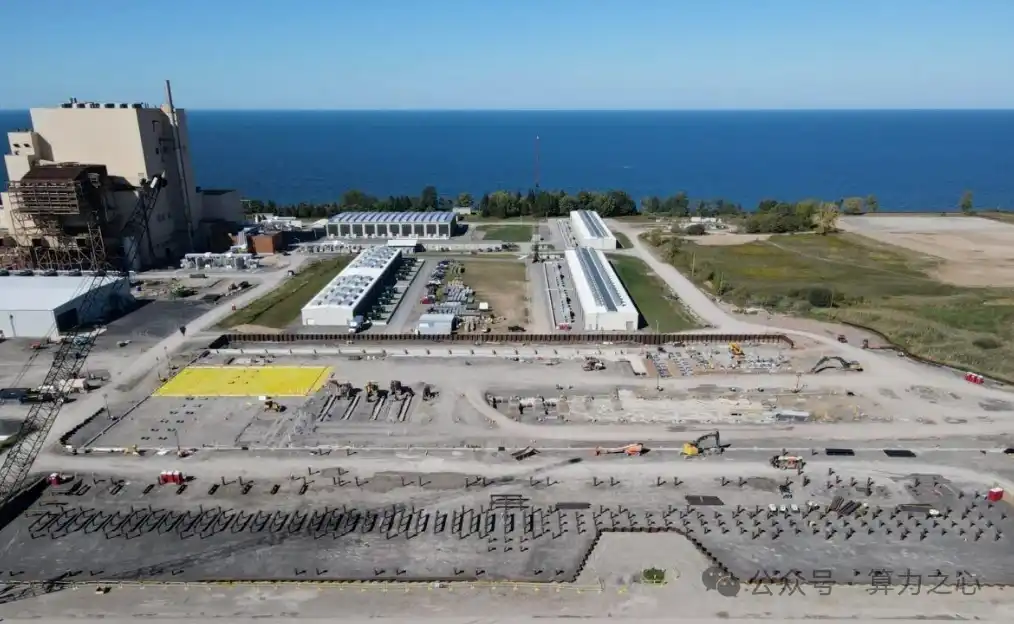
The location is set at a campus called "Justified Data" in Kentucky.

This 20-year contract is expected to bring TeraWulf $19 billion in contracted revenue, equivalent to roughly $1 billion in annual income for the next 20 years.

Locking in its cash flow expectations for the next two decades with a super-long-term contract from an AI giant is the direct reason for TeraWulf's stock price taking off.
I. Signing a Long-Term Deal While Selling Assets

On the same day it announced the $19 billion deal, TeraWulf also sold an asset.

They sold their 50.1% stake in the Abernathy joint venture project in Texas for approximately $530 million, at a premium, to an investment consortium led by Fluidstack.

This Texas project was just established in 2025, with a planned capacity of 168 megawatts, originally also intended for building AI data centers.

On one hand, they are locking down a top-tier client like Anthropic; on the other, they are cashing out of a joint venture project.

These two moves appear opposite but share the same logic:

The Texas project is a joint venture, requiring profit and decision-making power to be shared.

But the Kentucky project is wholly owned by TeraWulf, and it directly secures Anthropic as a client.

TeraWulf's CEO, Paul Prager, has publicly stated that the core strategy is to own and operate infrastructure, directly controlling the long-term development of the campus.

So their thinking is clear: sell the joint venture project at a premium, get cash back, then invest it all into their 100%-owned Kentucky territory, focusing on serving Anthropic, the client willing to pay $19 billion.

Combining these two operations, TeraWulf shifts its strategic focus from being a Bitcoin miner to specializing as a premier AI data center operator.

II. Not Selling Compute, Just Renting Land: The Miner's Ace in the Hole

Actually, TeraWulf isn't the first to pivot from Bitcoin mining to making money from AI.

Industry veterans like IREN, Core Scientific, Hut 8, etc., are all transitioning.

Miners transitioning mainly follow two models:

One is like IREN, which buys GPUs to build its own AI cloud and directly rents it to major clients like Microsoft.

The other is like TeraWulf, which only rents out space and power, with clients bringing their own servers.

TeraWulf chose to be the "big landlord," providing only the AI-standard physical space and power, not managing the servers.

Currently, the AI industry faces shortages on both ends: chips and power are tight.

But power is the harder long-term bottleneck, as large model training is extremely power-hungry. The U.S. grid cannot be expanded significantly in the short term, with transformer lead times of three to five years, and 30% to 50% of 2026 data center projects expected to be delayed until 2028.

Therefore, AI giants are signing long-term build-to-suit leases everywhere, essentially competing for the physical spots with power and land.

This is precisely the biggest ace up the sleeve of Bitcoin miners.

They secured ready access to power and land years ago for mining, having already navigated the cumbersome grid approval processes.

Anthropic signing this $19 billion, 20-year lease is fundamentally about locking down the ready-made land and power that TeraWulf holds in Kentucky.

Prime locations and good grid capacity, if not locked down now, will only become more expensive and scarcer later.

III. The $19 Billion Deal Has an 18-Month Gap in Between

While the $19 billion in long-term revenue is undoubtedly attractive, the contract hides a hard time gap.

The first delivery for this Kentucky campus isn't until the second half of 2027, with full operation expected by early 2028.

But it's July 2026 now.

This means that for at least the next year, TeraWulf cannot generate substantial operating revenue from this contract.

However, during the construction phase, every step—site preparation, data center design, grid connection negotiations, cooling installation—requires investment.

That's why they were in a hurry to sell the Texas joint venture. That transaction, with a total consideration of about $530 million, allows them to recoup approximately $450 million of investment.

After all, upfront infrastructure is a money-burning black hole.

On the other hand, the true value of this 20-year lease is tied to Anthropic's own financial health.

Anthropic is a top AI company, but large model development itself is a cash-burning elimination race.

A 20-year lease demands that the tenant possess extremely strong long-term viability.

Public information does not break down the profit margins and cost structure of this $19 billion deal.

And today's market euphoria is buying into an expectation of future realization.

The name TeraWulf was probably chosen with the idea of a "trillion-level wolf" in mind.

But now, it seems more like a real estate wolf.

No more mining. Now it collects rent.

In the wave of miners transitioning to AI, the most valuable asset has become very clear.

At the end of compute anxiety, the core competition has returned to the most traditional business: securing a piece of land and connecting it to power.

Crypto di tendenza

Domande pertinenti

QWhat was the main reason behind the surge in TeraWulf's stock price on July 6, 2026?

ATeraWulf's stock price surged due to the announcement of a 20-year lease agreement with AI giant Anthropic for 401 MW of IT load capacity, which is projected to generate approximately $19 billion in contracted revenue for TeraWulf over the lease period.

QWhat are the two strategic business moves TeraWulf made on the same day, and how are they connected?

AOn the same day, TeraWulf signed the long-term lease with Anthropic and sold its 50.1% stake in the Texas Abernathy joint venture for approximately $530 million. These moves are connected as selling the joint venture provides cash to fund the development of the wholly-owned Kentucky facility for Anthropic, aligning with TeraWulf's strategy to own and operate core infrastructure.

QWhat are the two main business models for Bitcoin miners transitioning to serve the AI industry, and which one did TeraWulf choose?

AThe two main models are: 1) building AI clouds with their own GPUs and leasing compute directly to clients (like IREN), and 2) providing only the physical site and power infrastructure for clients who bring their own servers. TeraWulf chose the latter, acting as a 'landlord' by leasing land and power.

QWhat is the key strategic asset that Bitcoin miners like TeraWulf possess for competing in the AI infrastructure market?

ATheir key strategic asset is pre-existing access to land and, more importantly, significant power capacity with completed grid interconnection approvals. These are critical and increasingly scarce resources for power-hungry AI data centers, giving miners a significant head start over new entrants.

QWhat is a potential financial risk or challenge associated with TeraWulf's $19 billion deal with Anthropic?

AA key challenge is the 18-month timeline gap. The Kentucky facility's first delivery is scheduled for late 2027, meaning TeraWulf will not receive substantial operational revenue from this deal until then, while it must fund significant upfront construction costs. The deal's long-term value also depends on Anthropic's financial health over the 20-year period.

Letture associate

Former Huawei 'Genius Teen' Who Questioned DeepSeek Interview Lands in 'Crossfire' from Web3 Investor

Former Huawei "Genius Youth" Li Bojie recently drew public attention by criticizing his interview experience with DeepSeek. The controversy escalated when Du Jun, co-founder of Web3 investment firm ABCDE Capital, publicly accused Li of being "the founder with the least sense of contractual spirit" he had ever cooperated with, sparking a dispute over Li's startup project, Metagent. Li detailed a frustrating DeepSeek interview where he was accused of potential plagiarism, leading him to end the session. The spotlight then shifted to his venture, Metagent, a Web3+AI project aiming to tokenize AI agents. ABCDE invested $1.5 million, with an initial $500k disbursed. Du Jun claimed the project's progress was severely lacking, with a poor-quality demo and minimal social media activity. He alleged Li stopped communicating, deleted his Telegram, and failed to provide proper financial reporting. In response, Li argued the remaining $1 million was never received, crippling operations and forcing salary cuts. He stated he left Metagent in October 2024 due to family reasons and Web3 compliance concerns, with board approval. He claimed to have fulfilled disclosure duties and that his subsequent projects avoided conflicting fields. Other investors, including ArkStream Capital, shared negative due diligence experiences, citing unprofessional contracts and evasive answers on tokenomics. Metagent's social media went silent in June 2024, effectively stalling. Li has since moved to a new consumer AI agent platform, Pine AI (formerly Logenic AI), which has raised $25 million in Series A funding. He served as its Chief Scientist but recently left, clarifying he was not the founder and departed due to a shift in research interests.

Foresight News21 min fa

Former Huawei 'Genius Teen' Who Questioned DeepSeek Interview Lands in 'Crossfire' from Web3 Investor

Foresight News21 min fa

SemiAnalysis: Anthropic's Q3 Profit to Exceed $1 Billion

Research firm SemiAnalysis reveals that Anthropic is reshaping the AI commercialization landscape with profitability and growth rates far exceeding competitors. Leveraging a high-margin, API-centric business model, Anthropic has become a leader in the B2B AI market. The report projects that Anthropic will achieve a GAAP EBIT of $1 billion in Q3 2026, with a 6% margin. Its Annual Recurring Revenue (ARR) has surged from $9 billion at the end of 2025 to over $60 billion currently. If it maintains a Net New ARR (NNARR) of approximately $15 billion per month, its ARR could reach $300 billion by the end of 2027, implying a $6 trillion enterprise value and making it the world's most valuable company. Anthropic secretly filed for an IPO on June 1st. SemiAnalysis argues the timing is strategically urgent due to narrowing capital market windows as rivals like Alphabet and Meta secure major funding. The superior financials and business model suggest Anthropic should go public before OpenAI to seize the competitive initiative. The performance inflection stems from the explosive adoption of Claude Code, which now accounts for over 7% of all GitHub commits, driving monthly NNARR from $3 billion in January to $11 billion in March. Anthropic's revenue structure differs significantly from OpenAI's. Approximately 75-85% of Anthropic's ARR comes from usage-based API fees, with consumer subscriptions constituting only about 5%. In contrast, over 65% of OpenAI's Q1 2026 revenue was from subscriptions, with ~40% from consumers. The API model's key advantage is no per-user revenue cap, enabling growth within existing accounts. Anthropic's Net Revenue Retention (NRR) is an extraordinary 500%. This drives superior gross margins, now in the mid-60% range versus -94% in 2024, with API margins exceeding 80%. Core drivers are improved inference efficiency and a largely enterprise-focused model without the cost of serving hundreds of millions of free users. The report introduces "EBTIT" (Earnings Before Training & Interest & Taxes) to measure re-investment capacity, projecting Anthropic's cumulative EBTIT through 2028 will be $250 billion higher than OpenAI's. Over 65% of lab ARR currently comes from programming use cases. Cybersecurity is seen as the next major vertical, with upcoming model releases like Fable expected to further increase token pricing and expand NNARR. Indirect sales via hyperscaler platforms (AWS Bedrock, Azure Foundry) now account for 15-20% of ARR. A core constraint is compute supply. By 2030, combined unconstrained compute demand from Anthropic and OpenAI could exceed 100 GW, far outstripping projected new capacity. IPO proceeds are seen as crucial to lock in future compute resources. Key risks include potential price cuts by OpenAI, competitive pressure from Google DeepMind and Meta in coding models, potential government restrictions on frontier model releases, and margin dilution from growing indirect "Token-as-a-Service" sales. Regulatory actions that narrow the capability gap between open-source and proprietary models are highlighted as a fundamental threat to Anthropic's moat.

marsbit34 min fa

SemiAnalysis: Anthropic's Q3 Profit to Exceed $1 Billion

marsbit34 min fa

Trading

Spot

Articoli Popolari

Cosa è BITCOIN

Comprendere HarryPotterObamaSonic10Inu (ERC-20) e la sua posizione nel mondo delle criptovalute Negli ultimi anni, il mercato delle criptovalute ha assistito a un aumento della popolarità delle meme coin, catturando l'interesse non solo dei trader, ma anche di coloro che cercano coinvolgimento comunitario e valore di intrattenimento. Tra questi token unici c'è HarryPotterObamaSonic10Inu (ERC-20), un progetto intrigante che mescola riferimenti culturali nel tessuto delle criptovalute. Questo articolo esplora gli aspetti chiave di HarryPotterObamaSonic10Inu, analizzando i suoi meccanismi, l'etica guidata dalla comunità e il suo coinvolgimento con il panorama crittografico più ampio. Che cos'è HarryPotterObamaSonic10Inu (ERC-20)? Come suggerisce il suo nome, HarryPotterObamaSonic10Inu è una meme coin costruita sulla blockchain di Ethereum, classificata secondo lo standard ERC-20. A differenza delle criptovalute tradizionali che possono enfatizzare l'utilità pratica o il potenziale investimento, questo token prospera grazie al valore di intrattenimento e alla forza della sua comunità. Il progetto mira a creare un ambiente in cui gli utenti coinvolti possono riunirsi, condividere idee e partecipare ad attività ispirate a diversi fenomeni culturali. Una caratteristica notevole di HarryPotterObamaSonic10Inu è la zero tassa sulle transazioni. Questo elemento allettante tende a incoraggiare il trading e il coinvolgimento della comunità, privo di costi aggiuntivi che possono scoraggiare i trader di piccole dimensioni. L'offerta totale della moneta è fissata a un miliardo di token, un numero che segna la sua intenzione di mantenere una circolazione sostanziale all'interno della comunità. Creatore di HarryPotterObamaSonic10Inu (ERC-20) Le origini di HarryPotterObamaSonic10Inu sono avvolte in un certo mistero; i dettagli sul creatore rimangono sconosciuti. Lo sviluppo di questo token non presenta un team identificabile o un piano esplicito, cosa non rara nel settore delle meme coin. Invece, il progetto è emerso organicamente, con il suo progresso fortemente dipendente dall'entusiasmo e dalla partecipazione della sua comunità. Investitori di HarryPotterObamaSonic10Inu (ERC-20) Per quanto riguarda investimenti esterni e finanziamenti, HarryPotterObamaSonic10Inu rimane ambiguo. Il token non elenca alcuna fondazione di investimento conosciuta o un sostegno organizzativo significativo. Invece, la linfa vitale del progetto è la sua comunità di base, che informa la sua crescita e sostenibilità attraverso azioni collettive e coinvolgimento nello spazio crittografico. Come funziona HarryPotterObamaSonic10Inu (ERC-20)? In quanto meme coin, HarryPotterObamaSonic10Inu opera principalmente al di fuori delle strutture tradizionali che governano spesso il valore degli asset. Ci sono diversi aspetti distintivi che definiscono il funzionamento del progetto: Transazioni senza tasse: Senza costi fiscali sulle transazioni, gli utenti possono comprare e vendere liberamente il token senza preoccuparsi di costi nascosti. Coinvolgimento della comunità: Il progetto prospera sull'interazione della comunità, sfruttando le piattaforme social per creare entusiasmo e facilitare il coinvolgimento. Discussioni, condivisione di contenuti e coinvolgimento sono elementi cruciali che aiutano ad espandere la sua portata e a favorire la lealtà tra i sostenitori. Nessuna utilità pratica: Va notato che HarryPotterObamaSonic10Inu non offre un'utilità concreta all'interno dell'ecosistema finanziario. Piuttosto, è classificato come un token principalmente per attività di intrattenimento e comunitarie. Riferimento culturale: Il token incorpora astutamente elementi della cultura pop per attirare interesse, collegandosi a appassionati di meme e seguaci delle criptovalute. HarryPotterObamaSonic10Inu esemplifica come le meme coin operino in modo diverso rispetto ai progetti di criptovalute più tradizionali, entrando nel mercato come costrutti sociali innovativi piuttosto che come asset utilitari. Cronologia di HarryPotterObamaSonic10Inu (ERC-20) La storia di HarryPotterObamaSonic10Inu è segnata da diversi traguardi notevoli: Creazione: Il token è emerso da un meme virale, catturando l'immaginazione di molti appassionati di criptovalute. Le date di creazione specifiche non sono disponibili, sottolineando la sua crescita organica. Inserimento negli scambi: HarryPotterObamaSonic10Inu ha fatto il suo ingresso in vari scambi, consentendo un accesso e un trading più facili da parte della comunità. Iniziative di coinvolgimento della comunità: Attività in corso volte a migliorare l'interazione della comunità, comprese gare, campagne sui social media e generazione di contenuti da parte di fan e sostenitori. Piani di espansione futura: La tabella di marcia del progetto include il lancio di una collezione NFT, merchandising e un sito di eCommerce relativo ai suoi temi culturali, coinvolgendo ulteriormente la comunità e cercando di aggiungere più dimensioni al suo ecosistema. Punti chiave su HarryPotterObamaSonic10Inu (ERC-20) Natura guidata dalla comunità: Il progetto dà priorità al contributo collettivo e alla creatività, garantendo che il coinvolgimento degli utenti sia al centro del suo sviluppo. Classificazione come meme coin: Rappresenta l'epitome delle criptovalute basate sull'intrattenimento, distinguendosi dai veicoli d'investimento tradizionali. Nessuna affiliazione diretta con Bitcoin: Nonostante la somiglianza nel nome del ticker, HarryPotterObamaSonic10Inu è distintivo e non ha alcuna relazione con Bitcoin o altre criptovalute consolidate. Focus sulla collaborazione: HarryPotterObamaSonic10Inu è progettato per creare uno spazio per la collaborazione e la condivisione di storie tra i suoi detentori, fornendo un canale per la creatività e il legame comunitario. Prospettive future: L'ambizione di espandersi oltre il suo presupposto iniziale verso NFT e merchandising delinea un percorso per il progetto per potenzialmente entrare in strade più mainstream all'interno della cultura digitale. Poiché le meme coin continuano a catturare l'immaginazione della comunità crittografica, HarryPotterObamaSonic10Inu (ERC-20) si distingue per i suoi legami culturali e il suo approccio centrato sulla comunità. Anche se potrebbe non adattarsi al modello tipico di un token orientato all'utilità, la sua essenza risiede nella gioia e nella camaraderia coltivate tra i suoi sostenitori, evidenziando la natura in evoluzione delle criptovalute in un'epoca sempre più digitale. Con la continuazione dello sviluppo del progetto, sarà importante osservare come le dinamiche della comunità influenzano la sua traiettoria nel panorama in continuo cambiamento della tecnologia blockchain.

1.8k Totale visualizzazioniPubblicato il 2024.04.01Aggiornato il 2024.12.03

Cosa è BITCOIN

Come comprare BTC

Benvenuto in HTX.com! Abbiamo reso l'acquisto di Bitcoin (BTC) semplice e conveniente. Segui la nostra guida passo passo per intraprendere il tuo viaggio nel mondo delle criptovalute.Step 1: Crea il tuo Account HTXUsa la tua email o numero di telefono per registrarti il tuo account gratuito su HTX. Vivi un'esperienza facile e sblocca tutte le funzionalità,Crea il mio accountStep 2: Vai in Acquista crypto e seleziona il tuo metodo di pagamentoCarta di credito/debito: utilizza la tua Visa o Mastercard per acquistare immediatamente BitcoinBTC.Bilancio: Usa i fondi dal bilancio del tuo account HTX per fare trading senza problemi.Terze parti: abbiamo aggiunto metodi di pagamento molto utilizzati come Google Pay e Apple Pay per maggiore comodità.P2P: Fai trading direttamente con altri utenti HTX.Over-the-Counter (OTC): Offriamo servizi su misura e tassi di cambio competitivi per i trader.Step 3: Conserva Bitcoin (BTC)Dopo aver acquistato Bitcoin (BTC), conserva nel tuo account HTX. In alternativa, puoi inviare tramite trasferimento blockchain o scambiare per altre criptovalute.Step 4: Scambia Bitcoin (BTC)Scambia facilmente Bitcoin (BTC) nel mercato spot di HTX. Accedi al tuo account, seleziona la tua coppia di trading, esegui le tue operazioni e monitora in tempo reale. Offriamo un'esperienza user-friendly sia per chi ha appena iniziato che per i trader più esperti.

4.1k Totale visualizzazioniPubblicato il 2024.12.12Aggiornato il 2026.06.02

Come comprare BTC

Cosa è $BITCOIN

ORO DIGITALE ($BITCOIN): Un'Analisi Completa Introduzione all'ORO DIGITALE ($BITCOIN) L'ORO DIGITALE ($BITCOIN) è un progetto basato su blockchain che opera sulla rete Solana, con l'obiettivo di combinare le caratteristiche dei metalli preziosi tradizionali con l'innovazione delle tecnologie decentralizzate. Sebbene condivida un nome con Bitcoin, spesso definito “oro digitale” a causa della sua percezione come riserva di valore, l'ORO DIGITALE è un token separato progettato per creare un ecosistema unico all'interno del panorama Web3. Il suo obiettivo è posizionarsi come un asset digitale alternativo valido, anche se i dettagli riguardanti le sue applicazioni e funzionalità sono ancora in fase di sviluppo. Cos'è l'ORO DIGITALE ($BITCOIN)? L'ORO DIGITALE ($BITCOIN) è un token di criptovaluta esplicitamente progettato per l'uso sulla blockchain di Solana. A differenza di Bitcoin, che fornisce un ruolo di stoccaggio di valore ampiamente riconosciuto, questo token sembra concentrarsi su applicazioni e caratteristiche più ampie. Aspetti notevoli includono: Infrastruttura Blockchain: Il token è costruito sulla blockchain di Solana, nota per la sua capacità di gestire transazioni ad alta velocità e a basso costo. Dinamiche di Offerta: L'ORO DIGITALE ha un'offerta massima fissata a 100 quadrilioni di token (100P $BITCOIN), sebbene i dettagli riguardanti la sua offerta circolante siano attualmente non divulgati. Utilità: Sebbene le funzionalità precise non siano esplicitamente delineate, ci sono indicazioni che il token potrebbe essere utilizzato per varie applicazioni, potenzialmente coinvolgendo applicazioni decentralizzate (dApp) o strategie di tokenizzazione degli asset. Chi è il Creatore dell'ORO DIGITALE ($BITCOIN)? Attualmente, l'identità dei creatori e del team di sviluppo dietro l'ORO DIGITALE ($BITCOIN) rimane sconosciuta. Questa situazione è tipica tra molti progetti innovativi nel settore blockchain, in particolare quelli allineati con la finanza decentralizzata e i fenomeni delle meme coin. Sebbene tale anonimato possa favorire una cultura guidata dalla comunità, intensifica le preoccupazioni riguardo alla governance e alla responsabilità. Chi sono gli Investitori dell'ORO DIGITALE ($BITCOIN)? Le informazioni disponibili indicano che l'ORO DIGITALE ($BITCOIN) non ha alcun sostenitore istituzionale noto o investimenti di venture capital prominenti. Il progetto sembra operare su un modello peer-to-peer incentrato sul supporto e sull'adozione della comunità piuttosto che su percorsi di finanziamento tradizionali. La sua attività e liquidità si trovano principalmente su exchange decentralizzati (DEX), come PumpSwap, piuttosto che su piattaforme di trading centralizzate consolidate, evidenziando ulteriormente il suo approccio di base. Come Funziona l'ORO DIGITALE ($BITCOIN) Le meccaniche operative dell'ORO DIGITALE ($BITCOIN) possono essere elaborate in base al suo design blockchain e alle caratteristiche della rete: Meccanismo di Consenso: Sfruttando il proof-of-history (PoH) unico di Solana combinato con un modello di proof-of-stake (PoS), il progetto garantisce una validazione efficiente delle transazioni contribuendo all'alta performance della rete. Tokenomics: Sebbene meccanismi deflazionistici specifici non siano stati dettagliati ampiamente, l'ampia offerta massima di token implica che potrebbe soddisfare microtransazioni o casi d'uso di nicchia che devono ancora essere definiti. Interoperabilità: Esiste il potenziale per l'integrazione con l'ecosistema più ampio di Solana, inclusi vari piattaforme di finanza decentralizzata (DeFi). Tuttavia, i dettagli riguardanti integrazioni specifiche rimangono non specificati. Cronologia degli Eventi Chiave Ecco una cronologia che evidenzia traguardi significativi riguardanti l'ORO DIGITALE ($BITCOIN): 2023: Il dispiegamento iniziale del token avviene sulla blockchain di Solana, contrassegnato dal suo indirizzo di contratto. 2024: L'ORO DIGITALE guadagna visibilità poiché diventa disponibile per il trading su exchange decentralizzati come PumpSwap, consentendo agli utenti di scambiarlo contro SOL. 2025: Il progetto assiste a un'attività di trading sporadica e a un potenziale interesse per impegni guidati dalla comunità, sebbene non siano state documentate partnership significative o avanzamenti tecnici fino ad ora. Analisi Critica Punti di Forza Scalabilità: L'infrastruttura sottostante di Solana supporta alti volumi di transazioni, il che potrebbe migliorare l'utilità di $BITCOIN in vari scenari di transazione. Accessibilità: Il potenziale basso prezzo di trading per token potrebbe attrarre investitori al dettaglio, facilitando una partecipazione più ampia grazie a opportunità di proprietà frazionata. Rischi Mancanza di Trasparenza: L'assenza di sostenitori, sviluppatori o di un processo di audit pubblicamente noti potrebbe generare scetticismo riguardo alla sostenibilità e all'affidabilità del progetto. Volatilità del Mercato: L'attività di trading è fortemente dipendente dal comportamento speculativo, il che può comportare una significativa volatilità dei prezzi e incertezze per gli investitori. Conclusione L'ORO DIGITALE ($BITCOIN) emerge come un progetto intrigante ma ambiguo all'interno dell'evolvente ecosistema di Solana. Sebbene tenti di sfruttare la narrativa dell'“oro digitale”, la sua partenza dal ruolo consolidato di Bitcoin come riserva di valore sottolinea la necessità di una chiara differenziazione della sua utilità e struttura di governance. L'accettazione e l'adozione future dipenderanno probabilmente dall'affrontare l'attuale opacità e dalla definizione più esplicita delle sue strategie operative ed economiche. Nota: Questo rapporto comprende informazioni sintetizzate disponibili a ottobre 2023, e potrebbero essersi verificati sviluppi oltre il periodo di ricerca.

124 Totale visualizzazioniPubblicato il 2025.05.13Aggiornato il 2025.05.13

Cosa è $BITCOIN

Discussioni

Benvenuto nella Community HTX. Qui puoi rimanere informato sugli ultimi sviluppi della piattaforma e accedere ad approfondimenti esperti sul mercato. Le opinioni degli utenti sul prezzo di BTC BTC sono presentate come di seguito.

活动图片