Reviewing 8 'Cash Cow' Projects in the Bear Market: The Leader Repurchased $283 Million Worth This Year

marsbitPubblicato 2026-07-06Pubblicato ultima volta 2026-07-06

Introduzione

This article highlights eight cryptocurrency projects that have demonstrated strong cash-generating capabilities and implemented significant token buyback programs during the bear market of 2026. These projects, dubbed "cash cows," are repurchasing their own tokens, often reducing supply. According to data from Tokenomist, the projects with notable buyback activity from January 1st to June 30th are: Meteora (MET), Pump.fun (PUMP), GMX, Rollbit (RLB), Metaplex (MPLX), Hyperliquid (HYPE), Lighter (LIT), and Aave. Notably, MET's buybacks equaled 71% of its January token supply, while HYPE executed the largest buyback by value at $283 million. Key project summaries include: - **Hyperliquid (HYPE):** The leader by dollar value, its perpetual DEX protocol has repurchased and burned 44 million HYPE tokens (approx. 4.4% of supply) using a significant portion of trading fees, with total buybacks exceeding $1.1 billion since March 2025. - **Meteora (MET):** Its buyback of 336.2 million MET tokens had the greatest proportional impact on its circulating supply, equivalent to 71% of its supply at the start of the year. - **Pump.fun (PUMP):** The popular memecoin launchpad has cumulatively bought back over $400 million worth of PUMP since July 2025, using 50% of net revenue for buybacks and burns since April. - **Aave (AAVE):** Despite facing a major security incident earlier in the year, the lending protocol has continued its buyback program, repurchasing over 200,000 AAVE token...

Original | Odaily Planet Daily (@OdailyChina)

Author | Wenser(@wenser 2010)

While global stock markets are undergoing a phase of adjustment, the crypto bear market persists. Amid the bleak market sentiment, some crypto projects continue to exhibit strong cash-generating capabilities.

According to Tokenomist statistics, since January this year, token repurchase volumes for 8 crypto projects, including Hyperliquid, Meteora, and Pump.fun, have far exceeded the growth in their token supply. Among them, HYPE's repurchase volume reached a staggering $283 million, accounting for 3% of its supply. Under the same market conditions, the survival landscape for crypto projects varies dramatically. Odaily Planet Daily will provide a brief overview of the above 8 'cash cow' projects that continue to generate stable cash flows, offering readers insight into the true 'repurchase champions' in the current crypto market.
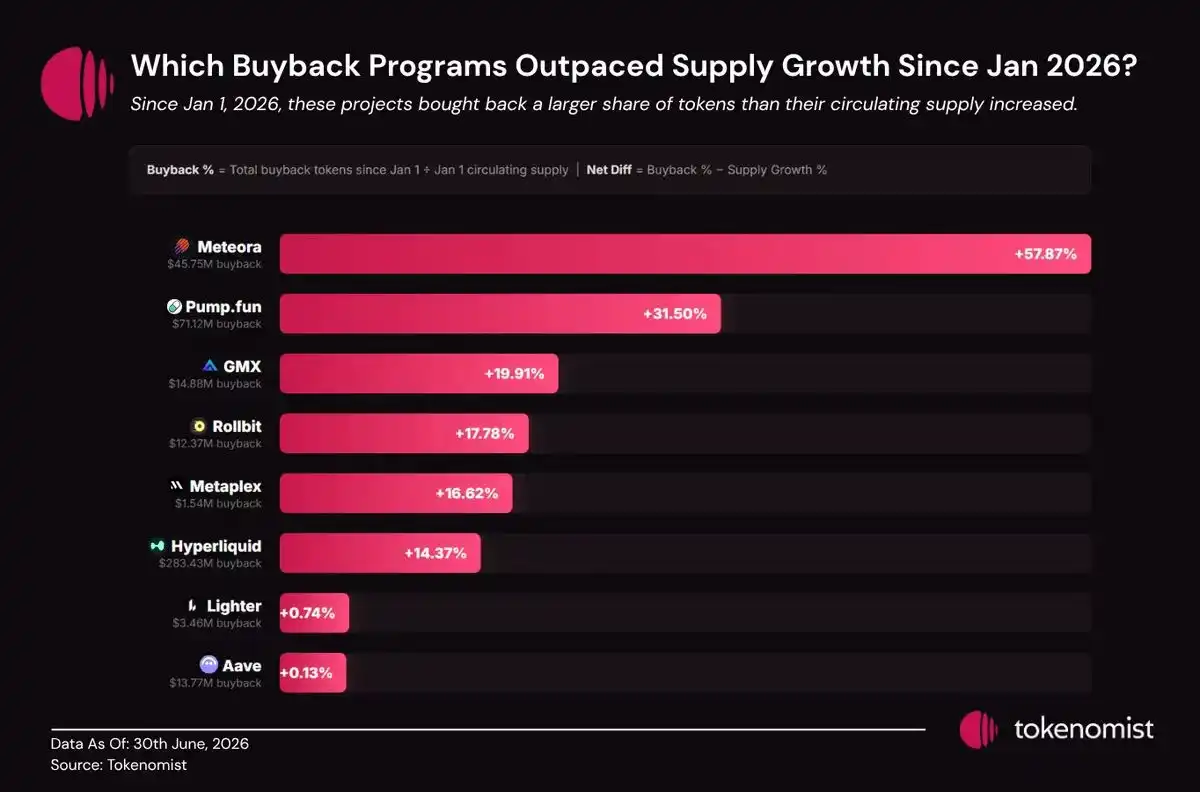
The 'Big Eight' Cash Generators in the Bear Market: Perp DEX, DeFi, and Memecoin Launchpad Feature Prominently

According to Tokenomist data, as of June 30th, the 8 projects with year-to-date token repurchase volumes exceeding their circulating supply growth are:

  • MET: Repurchase ratio 71%; Supply growth +13%;
  • PUMP: Repurchase ratio 7%; Supply growth -24%;
  • GMX: Repurchase ratio 21%; Supply growth +1%;
  • RLB: Repurchase ratio 10%; Supply growth -8%;
  • MPLX: Repurchase ratio 8%; Supply growth -8%;
  • HYPE: Repurchase ratio 3% (value $283 million); Supply growth -11%;
  • LIT: Repurchase ratio 1%; Supply growth 0%;
  • AAVE: Repurchase ratio 1%; Supply growth +1%.

Among these, Meteora (MET) had the most significant impact on its circulating supply through repurchases. Its supply increased by only 13%, currently reported at 535.4 million tokens, while the repurchase volume reached 336.2 million tokens, equivalent to 71% of its January token supply. Meanwhile, Hyperliquid (HYPE) had the largest repurchase amount in dollar terms, at $283 million, accounting for 3% of its token supply, while its token supply decreased by 11% during the same period. The following are detailed introductions.

Hyperliquid: Year-to-Date Repurchase Amount Reaches $283 Million

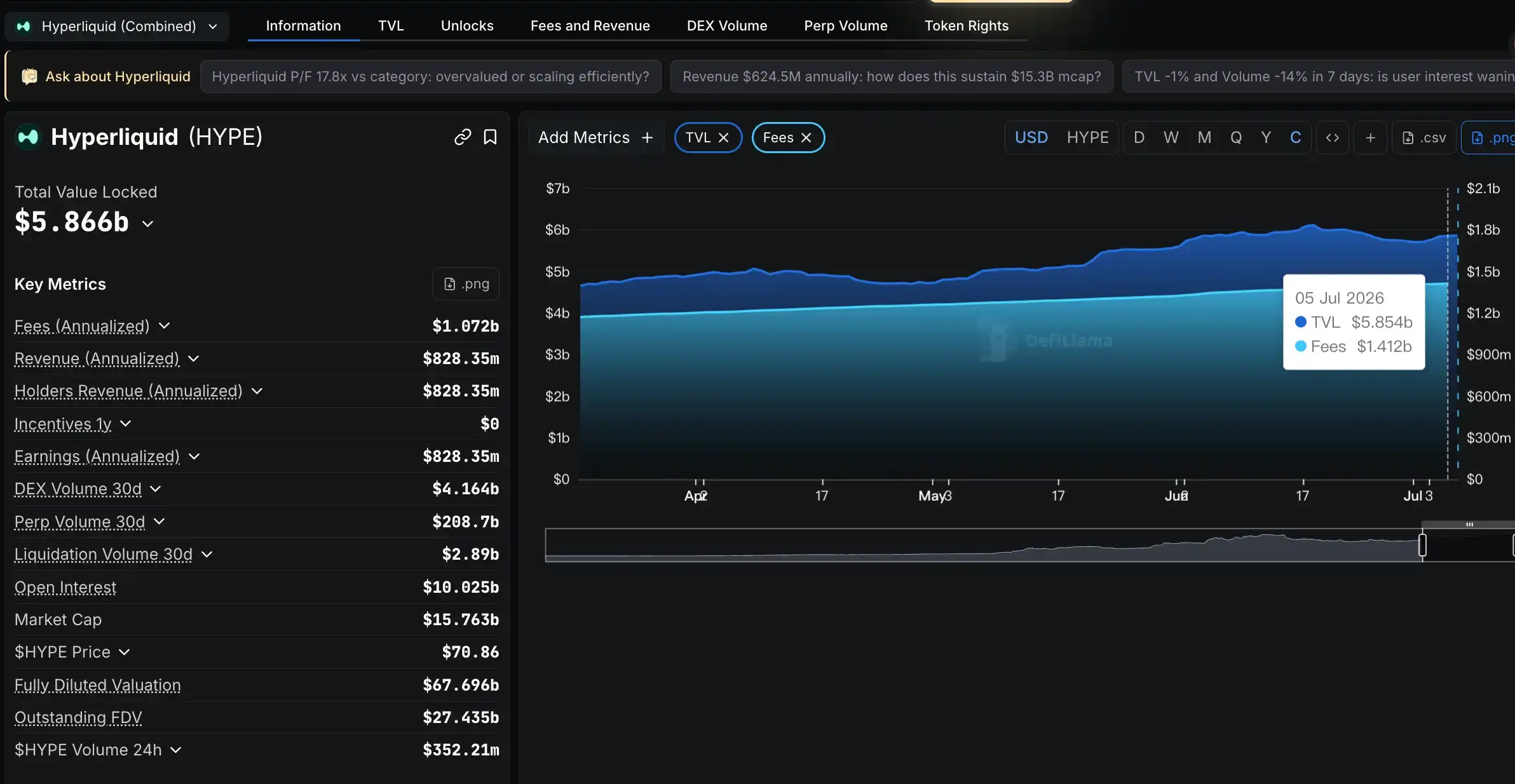
According to CryptoBriefing statistics, since the beginning of 2026, Hyperliquid's token repurchase amount has reached $283 million, setting a record for the largest-scale token repurchase amount in the industry. As of July 3rd, its cumulative token repurchase amount has exceeded $1.1 billion.

On March 20th last year, Hyperliquid officially launched its token repurchase mechanism, stating that 97-99% of Hyperliquid's trading fees would be directly used to purchase and burn HYPE tokens. As of October last year, HYPE token repurchase funds had reached $645 million. Quarterly data shows a gradually increasing trend in repurchase scale: Q3 2025 was $316.76 million; Q4 2025 was $255.05 million; Q1 2026 was $192.25 million. Previously, the average monthly repurchase funds ranged between $65 million and $85 million.

Currently, the Hyperliquid platform has burned 44 million HYPE tokens through repurchases, representing approximately 4.4% of the total supply.

Currently, the HYPE token price is around $70. Additionally, according to DefiLlama data, as of July 5th, the Hyperliquid platform's cumulative fees are approximately $1.412 billion, and its total TVL is about $5.854 billion; annual fees are approximately $1.072 billion.
Pump.fun: Repurchased Over $71 Million Worth of PUMP Tokens This Year

In March 2024, the Meme coin frenzy ignited by the Solana ecosystem swept across the entire crypto market, and Pump.fun quickly became the hottest Meme coin launch platform at the time. Although the Meme coin hype later cooled down, Pump.fun has remained active in the crypto market, firmly positioning itself among the cash cow projects through mechanisms like token launches, product updates, and creator revenue sharing.

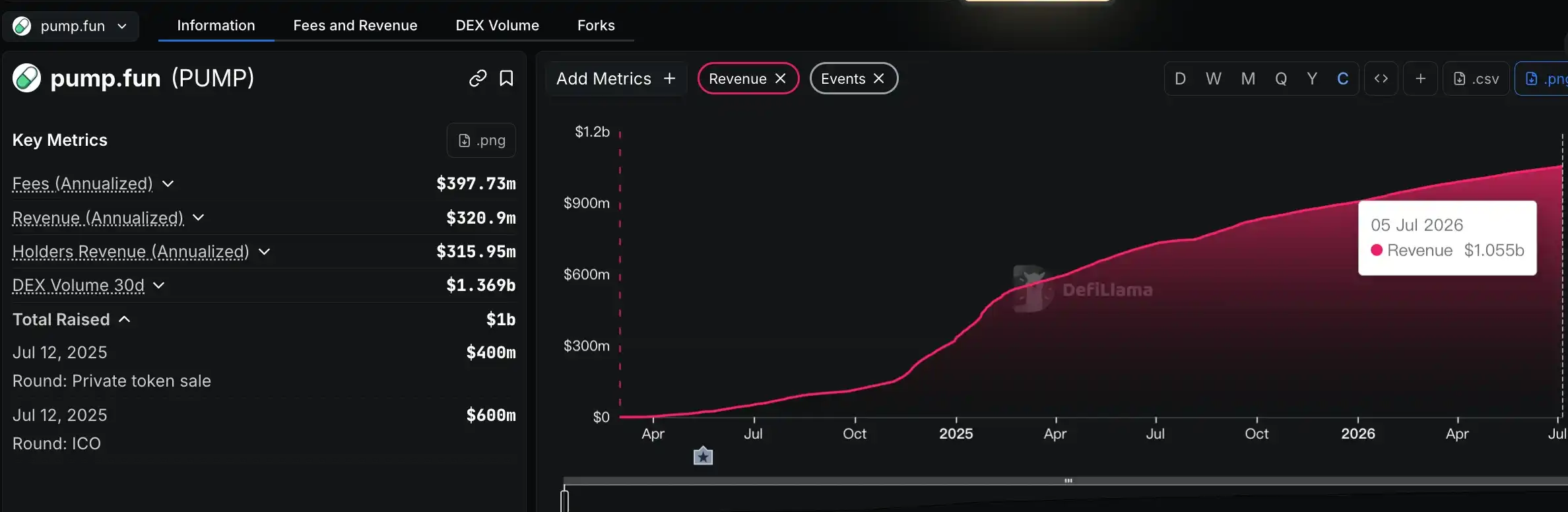
Data shows that Pump.fun has cumulatively repurchased over $400 million worth of PUMP tokens, covering approximately 145.5 billion PUMP. The repurchase plan started in July 2025 and has continued for 346 days cumulatively.

Since April this year, Pump.fun began using 50% of its net revenue for token repurchase and burn, with the remaining revenue allocated to operations, hiring, and acquisitions.

DefiLlama data shows that since its launch in January 2024, the platform has generated approximately $1.13 billion in fees and $1.05 billion in revenue, with fees in the last 30 days dropping to about $18.66 million.

Currently, the PUMP token price is around $0.0016.
Lighter: Repurchased Over 15.5 Million LIT Tokens This Year

As another on-chain Perp DEX platform following Hyperliquid, Lighter's answer is a combination of 'compliance + repurchase.'

Recently, Vladimir Novakovski, founder and CEO of Lighter, announced that he had joined the U.S. Commodity Futures Trading Commission (CFTC) Innovation Advisory Committee as a member. Previously, Lighter announced integration with Robinhood Wallet, allowing users to conduct perpetual contract trading directly through the wallet. Coupled with the token repurchase news, the LIT token price has also seen a nice rally recently.

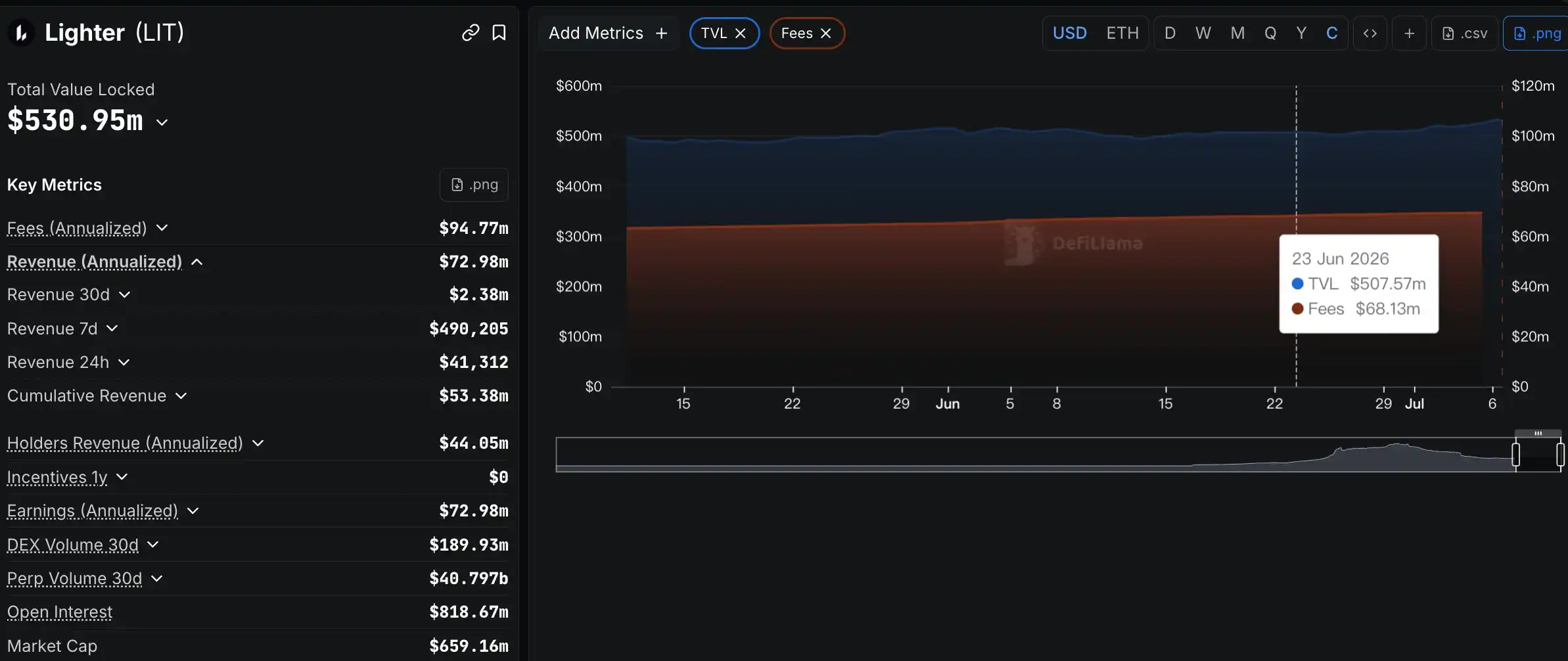
According to an official announcement by Lighter on July 1st, since the first token repurchase began in January this year, approximately 15.5 million LIT tokens have been repurchased and burned, accounting for 6.3% of the total circulating supply.

According to DefiLlama data, Lighter's cumulative fee revenue is approximately $68 million, TVL is about $507 million, and protocol revenue over the past 30 days is approximately $2.38 million.

Currently, the LIT token price is around $2.59.
Aave: Year-to-Date Repurchase Amount Exceeds $13.7 Million

On April 9th, 2025, the Aave repurchase proposal passed with an overwhelming 99.63% support rate. According to the proposal, Aave would repurchase $1 million worth of tokens weekly for the following six months, with the first repurchase executed on April 10th.

By July last year, the protocol had cumulatively spent $10 million to repurchase 50,000 AAVE tokens, with an average cost of $199.74. Based on the market price of $264 at the time, this portion of treasury reserves had generated approximately $3 million in unrealized gains. (Supplementary reading: 'Aave's Major Economic Model Overhaul: Anti-GHO Mechanism + Token Repurchase, Boosting AAVE Price by 20%')

This year, after the massive $290+ million security incident involving KelpDAO, Aave faced a 'DeFi trust crisis' due to bad debt issues. In less than a week, outflows amounted to over $17 billion (TVL), and at one point, it faced a near $8.5 billion deposit run risk. Subsequently, through founder injections and fundraising from the DeFi United event, Aave successfully navigated the crisis, but the AAVE token and platform TVL inevitably suffered severe impacts.

Notably, by October last year, Aave's repurchased AAVE tokens had already exceeded 100,000, with a total cost of around $24 million. In March this year, Aave initiated and passed a proposal to reduce its annual repurchase budget from $50 million to $30 million. Currently, Aave's repurchased AAVE tokens exceed 200,000. At the end of last month, Aave CEO Stani stated that the team is designing Aavenomics 3.0, planning to introduce a new automated, non-discretionary repurchase mechanism, and emphasized that they 'would never sell AAVE at a 30% discount.'

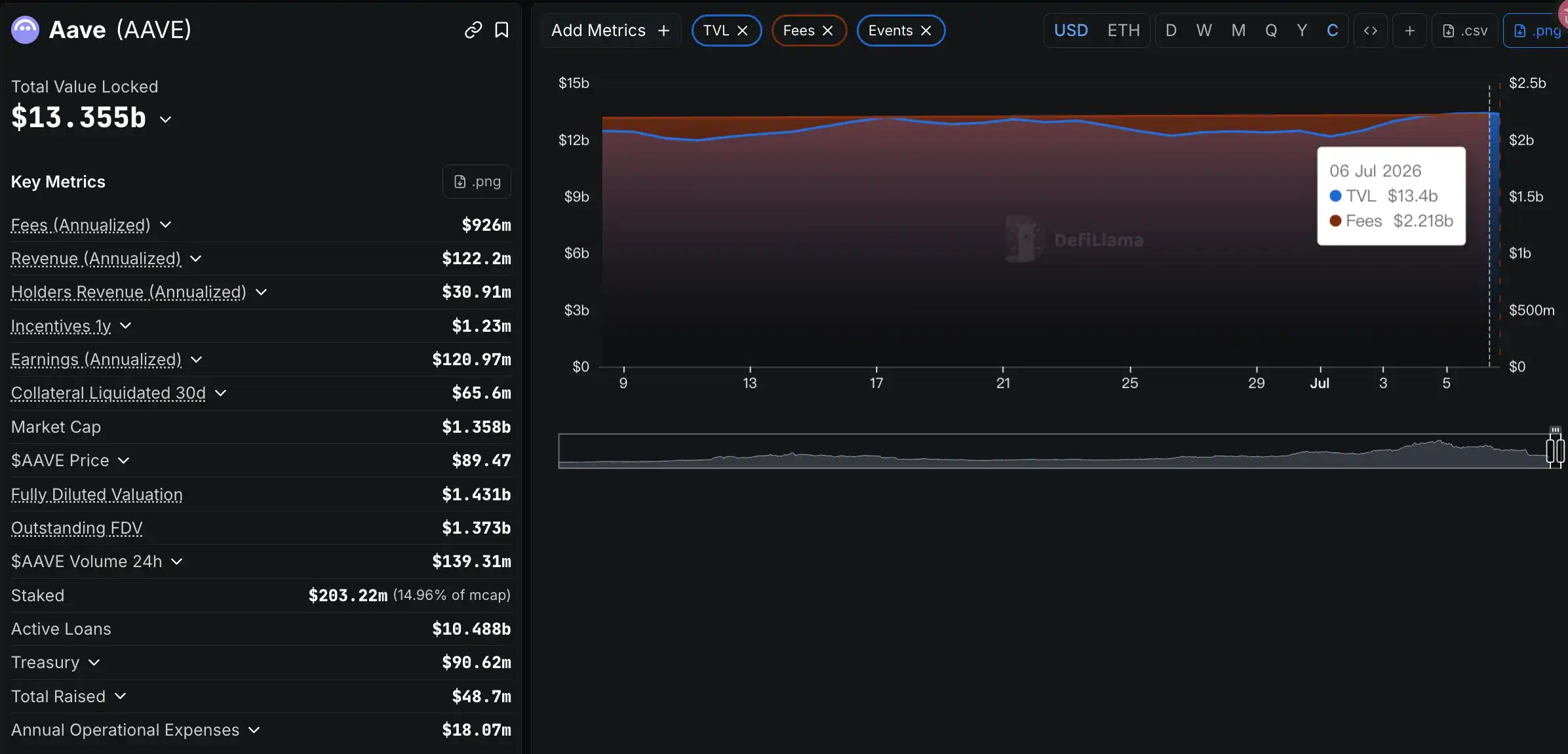
According to DefiLlama data, as of July 6th, Aave protocol's cumulative fees reached $2.218 billion; TVL is currently reported at $13.4 billion.

Currently, the AAVE token price is around $89.
Meteora: Year-to-Date Cumulative Repurchase Amount Exceeds $45 Million

Last December, Meteora's official announcement stated that it had allocated 10 million USDC for repurchases in Q4 2025, recovering approximately 2.3% of MET. The total amount would continue to be autonomously executed from the same repurchase address in the future.

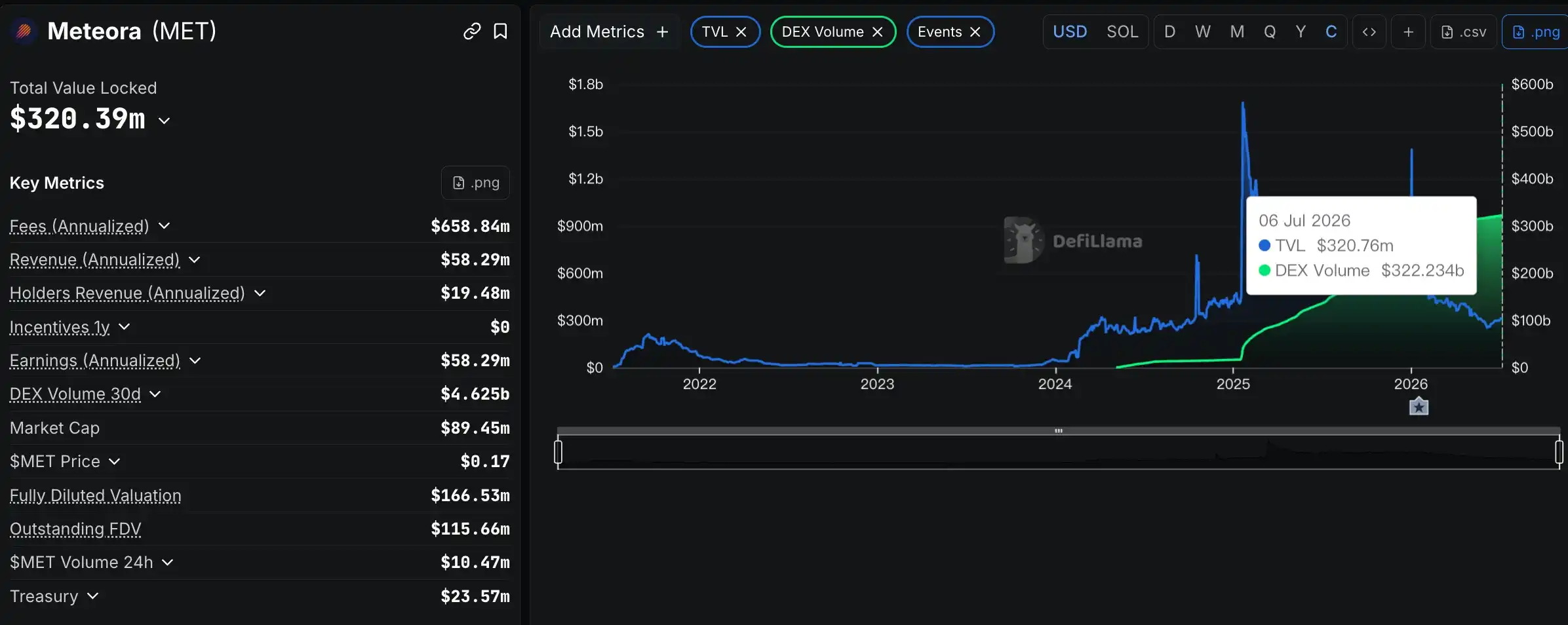
According to Tokenomist data, MET's circulating supply increased from 472.8 million on January 1st, 2026, to 535.4 million (total supply 1 billion tokens), a growth of 13.2%. Meanwhile, Meteora officially repurchased 336.2 million tokens, valued at $45.75 million, which accounts for 71% of its token supply at the beginning of the year.

This February, Meteora was embroiled in controversy after on-chain detective ZachXBT exposed employee insider trading. However, it ultimately weathered the storm due to its platform's deep integration within the Solana ecosystem and strong ties with the Jupiter ecosystem, remaining active in the crypto market. Recently, its second-season LP incentive event concluded, with related rewards to be distributed later.

According to DefiLlama data, its cumulative trading volume is around $322.2 billion; TVL is currently reported at $320 million; its protocol revenue over the past 30 days is $1.92 million.

Currently, the MET token price is around $0.17.
GMX: Year-to-Date Repurchase Amount Reaches $14.88 Million

As early as July 2024, GMX initiated a proposal to start repurchasing and distributing GMX tokens. In November last year, GMX proposed to increase the coverage of repurchase and distribution fees from 27% to 90%, and raise the allocation ratio for the GMX Treasury to 73% to support the token repurchase and airdrop mechanism. It was estimated that monthly GMX repurchases would increase to 345,534 tokens, with a repurchase value reaching $8.489 million.

As of October 23rd last year, GMX repurchases were approximately 1.33 million tokens. Subsequently, GMX continued its token repurchases. In March this year, the GMX DAO passed a governance plan to adjust repurchases and liquidity to restore price discovery.

According to an official GMX announcement on July 1st, between March 5th and June 30th this year, a total of $1.965 million was spent to repurchase 313,650 GMX tokens at an average price of $6.27, with Q2 repurchase funds amounting to $1.41 million. According to Tokenomist data, GMX's current repurchase ratio is approximately 41.22%.

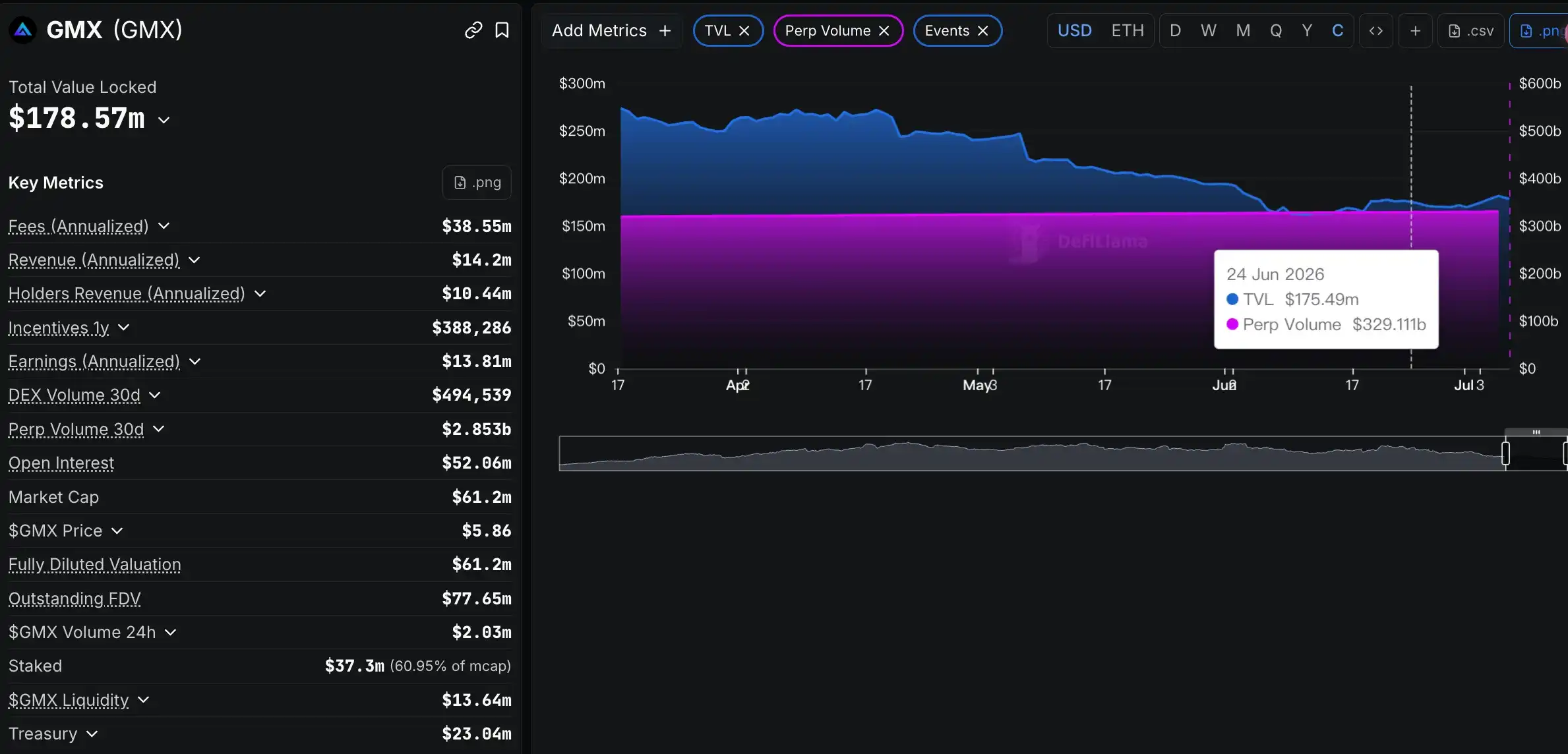
According to DefiLlama data, GMX's cumulative trading volume is close to $330 billion; TVL is currently reported at $175 million; protocol revenue over the past 30 days is approximately $662,000.

Currently, the GMX token price is around $5.86.
Beyond the above platforms, the token repurchase mechanisms of Rollbit, an online gambling platform focusing on 'GambleFi,' and Metaplex, a Solana ecosystem asset issuance platform, are more niche.

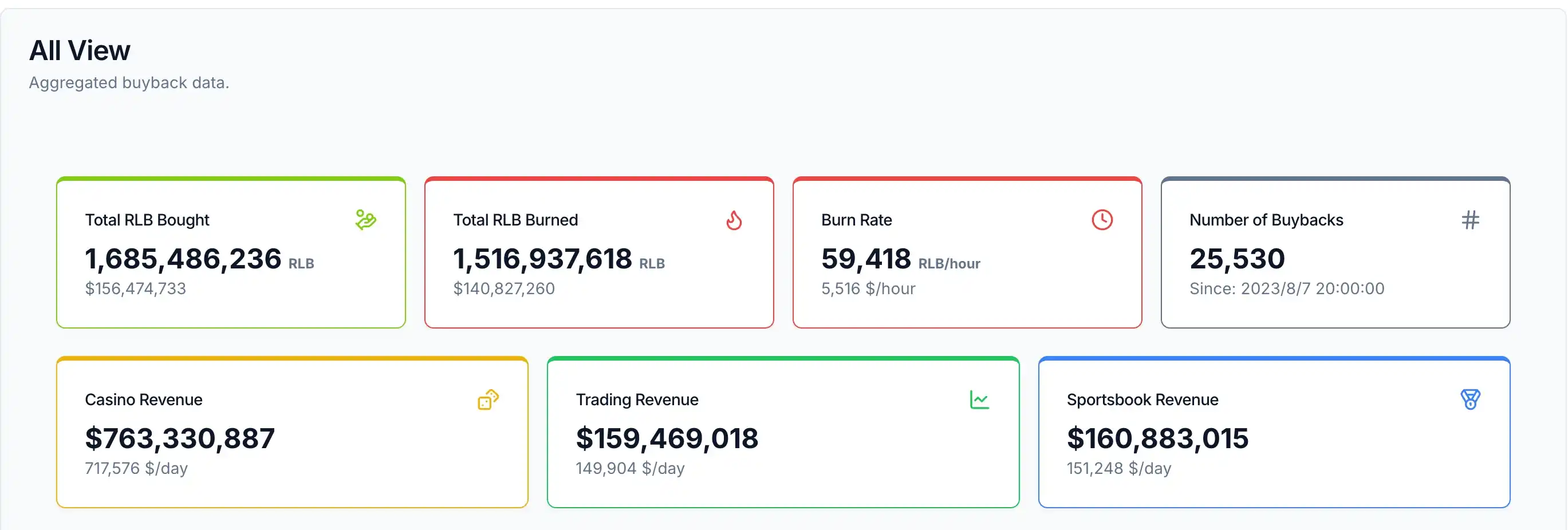
Among them, the former's RLB token executes automatic hourly repurchases and burns, primarily using platform revenue (10% from casino, 20% from sports betting, 30% from 1000x futures, etc.) to purchase RLB on the open market. After purchase, 90% is permanently burned (reducing supply), and 10% is distributed to Rollbots NFT stakers (incentivizing holders). According to official website information, the cumulative token repurchase value over the last 6 months is approximately $12.5 million.

Currently, the RLB token price is around $0.065.
The latter uses 50% of protocol fees monthly to repurchase MPLX. The repurchased tokens are allocated to the Metaplex DAO treasury (held rather than immediately burned, but enhancing scarcity and governance value); the remaining 50% is used for foundation development. Currently, the MPLX token price is around $0.036.

Of course, token repurchase and burn do not necessarily guarantee price appreciation, as they are also influenced by factors such as market conditions, news events, product updates, and token unlocks. However, in the current lackluster market, crypto projects capable of consistently generating stable cash flow are already remarkable 'money-making machines.'


Crypto di tendenza

Domande pertinenti

QWhich project has the largest token buyback amount in terms of USD value according to the article?

AHyperliquid (HYPE) has the largest token buyback amount, at $283 million USD.

QWhat are the primary business areas or categories of the 'cash cow' projects mentioned in the article?

AThe primary categories mentioned are Perpetual DEXs (e.g., Hyperliquid, Lighter), DeFi lending/borrowing (Aave), Memecoin launchpads (Pump.fun), and other DeFi/ecosystem platforms.

QAccording to the data, which project's buyback had the greatest proportional impact on its circulating supply?

AMeteora (MET) had the greatest proportional impact, with buybacks equivalent to 71% of its token supply from January 1st, despite its supply increasing by 13%.

QWhat mechanism does Hyperliquid primarily use to fund its HYPE token buybacks?

AHyperliquid uses 97-99% of its platform trading fees to buy back and burn HYPE tokens.

QWhat point does the article make about the relationship between token buybacks and price appreciation?

AThe article notes that token buybacks and burns do not necessarily guarantee price appreciation, as prices are also influenced by market conditions, news, product updates, and token unlock events.

Letture associate

MSTR Discloses Sale of 3,588 Bitcoins, Stock Price Drops Over 5% at One Point During Trading

MicroStrategy, the world's largest corporate holder of Bitcoin, has significantly shifted its business model. Between June 29 and July 5, the company sold 3,588 bitcoins for approximately $216 million to fund quarterly dividends for its preferred stock. This marks its largest-ever Bitcoin sale and signals a strategic pivot: Bitcoin is transitioning from a "buy-and-hold" reserve asset to a liquidity management tool for the company. This move follows a recent authorization allowing Bitcoin sales when equity fundraising is less attractive. The announcement contributed to a more than 5% intraday drop in MicroStrategy's stock price, while Bitcoin fell to around $61,800—below the company's average holding cost of roughly $75,700. The sale represents a major departure from MicroStrategy's long-standing "never sell" commitment, which saw its first minor breach in May with a $2.5 million sale. The latest, hundred-times-larger transaction underscores growing financial pressures. Analysts note the company faces about $1.5 billion in annual preferred dividend obligations, far exceeding cash flow from its software business. As of July 5, MicroStrategy holds 843,775 bitcoins. Its current operational logic involves buying Bitcoin during favorable financing conditions and selling portions to cover dividends when needed, creating a flexible capital management cycle amidst a challenging market environment.

华尔街日报1 h fa

MSTR Discloses Sale of 3,588 Bitcoins, Stock Price Drops Over 5% at One Point During Trading

华尔街日报1 h fa

Q-Day Countdown: Will Quantum Computing End Cryptocurrencies?

Quantum Computing's Threat to Cryptocurrency: A Countdown to Q-Day Quantum computing, specifically Shor's algorithm, poses a fundamental threat to the public-key cryptography (e.g., ECDSA, RSA) that secures blockchain networks like Bitcoin and Ethereum. This critical juncture, known as Q-Day, is estimated to occur potentially within the next 5-15 years. The core vulnerability stems from the public and immutable nature of blockchains. Assets in addresses where the public key is already exposed on-chain (e.g., spent outputs) are at direct risk, as a sufficiently powerful quantum computer could derive the private key. This threatens the very trust model of cryptocurrencies. The response lies in Post-Quantum Cryptography (PQC)—algorithms like lattice-based ML-DSA and hash-based SLH-DSA, which are resistant to quantum attacks. NIST has standardized key PQC algorithms (FIPS 203, 204, 205), providing a migration path. However, the primary challenge is not technical but socio-economic and involves complex governance: * **Bitcoin's** path is constrained by its conservative ethos. Migrating requires a soft-fork to new address types, facing hurdles like significantly larger signature sizes and, most critically, the divisive governance question of how to handle at-risk legacy UTXOs without violating core principles. * **Ethereum** is pursuing a "cryptographic agility" strategy, with a multi-layered roadmap. It leverages account abstraction for user accounts and is developing compressed hash-based signatures (e.g., leanXMSS) for its consensus layer, aiming for a full-stack upgrade over time. In conclusion, quantum computing does not spell an instant end for cryptocurrency but initiates a critical countdown. The industry has a limited "engineering comfort window" to orchestrate a coordinated, ecosystem-wide migration to PQC. The ultimate bottlenecks are the immense coordination efforts and governance decisions required for this foundational transition.

marsbit2 h fa

Q-Day Countdown: Will Quantum Computing End Cryptocurrencies?

marsbit2 h fa

Trump, the President Who Knows Best How to 'Trade Stocks'

Former US President Donald Trump reported a record-breaking $2.2 billion in personal income for 2025, the highest annual income ever disclosed by a sitting president. This figure, from a 927-page government ethics filing, represented a 3.5-fold increase from his $600 million income in 2024 and boosted his net worth to $6.5 billion. The primary drivers were cryptocurrency (64% of income, approximately $1.4 billion) and real estate (26%, approximately $575 million). His crypto earnings stemmed largely from the launch of his personal meme coin, $TRUMP, generating over $600 million in licensing fees, and substantial profits from the WLFI token and its parent company. Despite a sluggish property market, his Mar-a-Lago resort and associated golf clubs saw revenue surges of 50% and 27%, respectively, attributed to their use as venues for presidential events. Trump's financial disclosure also revealed an unprecedented level of stock market activity, with over 22,000 trades executed in 2025, averaging 87 trades per market day. Media analyses noted several instances where significant trading coincided with major policy announcements, such as proposed tariffs, raising questions about potential conflicts of interest. While the White House stated these trades were handled by a family-managed trust fund and not Trump directly, critics highlighted this as a departure from the blind trusts traditionally used by presidents post-Watergate. The report has intensified debate over the commercialization of the presidency. Supporters view it as a success story of a businessman-president, while critics argue it demonstrates an unprecedented conversion of public influence into private wealth, with policy decisions potentially linked to personal financial gains. The controversy centers on whether Trump's earnings represent innovative entrepreneurship or a fundamental conflict of interest, sparking renewed calls for stricter ethics reforms in US governance.

marsbit2 h fa

Trump, the President Who Knows Best How to 'Trade Stocks'

marsbit2 h fa

Countdown to Q-Day: Will Quantum Computing End Cryptocurrencies?

The article explores the existential threat quantum computing poses to cryptocurrencies and the urgent need for "post-quantum" migration. It outlines that quantum computers, through Shor's algorithm, could break the elliptic-curve cryptography (ECC) underlying blockchain security, potentially allowing private keys to be derived from public keys. The core challenge is not a lack of post-quantum cryptography (PQC) standards—like NIST's ML-KEM and ML-DSA—but the immense complexity of upgrading entire ecosystems before "Q-Day" (when quantum computers become capable of such attacks, estimated around 2035-2045). Key points include: * **Bitcoin's** risk is concentrated in legacy UTXOs with exposed public keys (e.g., early P2PK outputs). Migration faces massive hurdles: PQC signatures are much larger, increasing transaction size and cost, and the governance dilemma of handling un-migrated assets threatens its "code is law" ethos. * **Ethereum's** strategy focuses on "cryptographic agility," using Account Abstraction for user accounts and developing compressed hash-based signatures (like leanXMSS with SNARK aggregation) for consensus. Its migration is a complex, full-stack overhaul of execution, consensus, and data layers. * The "security debt" is enormous. The comfortable engineering window for a coordinated, ecosystem-wide upgrade is only 5-8 years. High-value infrastructure (exchanges, bridges) may face pressure before mainnet protocols. In conclusion, quantum computing is not an instant "doomsday" event but a forcing function for systemic change. Bitcoin's ultimate test is social consensus and property rights governance, while Ethereum's is technical complexity. Failure to migrate in time could lead to a fundamental re-pricing of crypto assets.

链捕手2 h fa

Countdown to Q-Day: Will Quantum Computing End Cryptocurrencies?

链捕手2 h fa

Trading

Spot

Articoli Popolari

Come comprare COW

Benvenuto in HTX.com! Abbiamo reso l'acquisto di CoW Protocol (COW) semplice e conveniente. Segui la nostra guida passo passo per intraprendere il tuo viaggio nel mondo delle criptovalute.Step 1: Crea il tuo Account HTXUsa la tua email o numero di telefono per registrarti il tuo account gratuito su HTX. Vivi un'esperienza facile e sblocca tutte le funzionalità,Crea il mio accountStep 2: Vai in Acquista crypto e seleziona il tuo metodo di pagamentoCarta di credito/debito: utilizza la tua Visa o Mastercard per acquistare immediatamente CoW ProtocolCOW.Bilancio: Usa i fondi dal bilancio del tuo account HTX per fare trading senza problemi.Terze parti: abbiamo aggiunto metodi di pagamento molto utilizzati come Google Pay e Apple Pay per maggiore comodità.P2P: Fai trading direttamente con altri utenti HTX.Over-the-Counter (OTC): Offriamo servizi su misura e tassi di cambio competitivi per i trader.Step 3: Conserva CoW Protocol (COW)Dopo aver acquistato CoW Protocol (COW), conserva nel tuo account HTX. In alternativa, puoi inviare tramite trasferimento blockchain o scambiare per altre criptovalute.Step 4: Scambia CoW Protocol (COW)Scambia facilmente CoW Protocol (COW) nel mercato spot di HTX. Accedi al tuo account, seleziona la tua coppia di trading, esegui le tue operazioni e monitora in tempo reale. Offriamo un'esperienza user-friendly sia per chi ha appena iniziato che per i trader più esperti.

142 Totale visualizzazioniPubblicato il 2024.12.25Aggiornato il 2026.06.02

Come comprare COW

Discussioni

Benvenuto nella Community HTX. Qui puoi rimanere informato sugli ultimi sviluppi della piattaforma e accedere ad approfondimenti esperti sul mercato. Le opinioni degli utenti sul prezzo di COW COW sono presentate come di seguito.

活动图片