Vừa ra mắt, tác phẩm kinh điển của DeepMind lại lên ngôi, giải thưởng ICML 2026 công bố

marsbitPubblicato 2026-07-06Pubblicato ultima volta 2026-07-06

Introduzione

Hội nghị ICML 2026 đã công bố các giải thưởng danh giá. Hai bài báo về mô hình khuếch tán (diffusion model) đã cùng đoạt giải Bài báo Xuất sắc, cho thấy sự tập trung nghiên cứu mạnh mẽ vào hướng này. Một bài chỉ ra "cái bẫy linh hoạt" trong mô hình ngôn ngữ khuếch tán, chất vấn lợi ích thực tế của việc sinh văn bản theo thứ tự bất kỳ. Bài còn lại đề xuất phương pháp lấy mẫu độ chính xác cao, thúc đẩy nền tảng kỹ thuật. Giải Bài báo Lập trường Xuất sắc thuộc về một nghiên cứu chỉ trích sắc bén: cộng đồng nghiên cứu an toàn AI đang vô tình xây dựng "bộ công cụ kiểm duyệt". Công trình này cảnh báo về việc các kỹ thuật điều chỉnh AI (như RLHF) có thể bị lạm dụng cho mục đích kiểm soát nội dung. Năm bài báo nhận được đề cử danh dự bao phủ nhiều chủ đề nóng: xác định vị trí tính trung thực nảy sinh trong mô hình, quy kết chuyển động trong tạo video, giới hạn ghi nhớ của mô hình ngôn ngữ lớn, tính nhất quán của mô hình khuếch tán dưới góc độ lý thuyết ma trận ngẫu nhiên, và hiện tượng "thấu hiểu đột ngột" (grokking) được chứng minh chặt chẽ trong hồi quy ridge. Giải Thử thách Thời gian được trao cho công trình kinh điển "Phương pháp không đồng bộ cho Học tăng cường Sâu" của DeepMind (2016), ghi nhận ảnh hưởng lâu dài của thuật toán A3C. Danh sách giải thưởng ICML 2026 phản ánh xu hướng chuyển từ mở rộng nhanh sang đào sâu nghiên cứu, nhấn mạnh vào việc xem xét lại các giả định cốt lõi và xây dựng nền tảng vững chắc hơn cho các lĩnh vực trọng tâm như mô hình khuếch tán và an toàn...

Giải thưởng Bài báo Xuất sắc (Outstanding Paper Award) của ICML 2026 chính thức công bố, hai bài báo về mô hình khuếch tán (diffusion) đồng thời đứng đầu, và trong danh sách tác giả có không ít người gốc Hoa.

Thông báo giải thưởng lớn của ICML 2026 đã đến!

Giải thưởng Bài báo Xuất sắc Hàng năm và Giải thưởng Kiểm chứng Thời gian (Test of Time Award) của ICML đã chính thức được công bố.
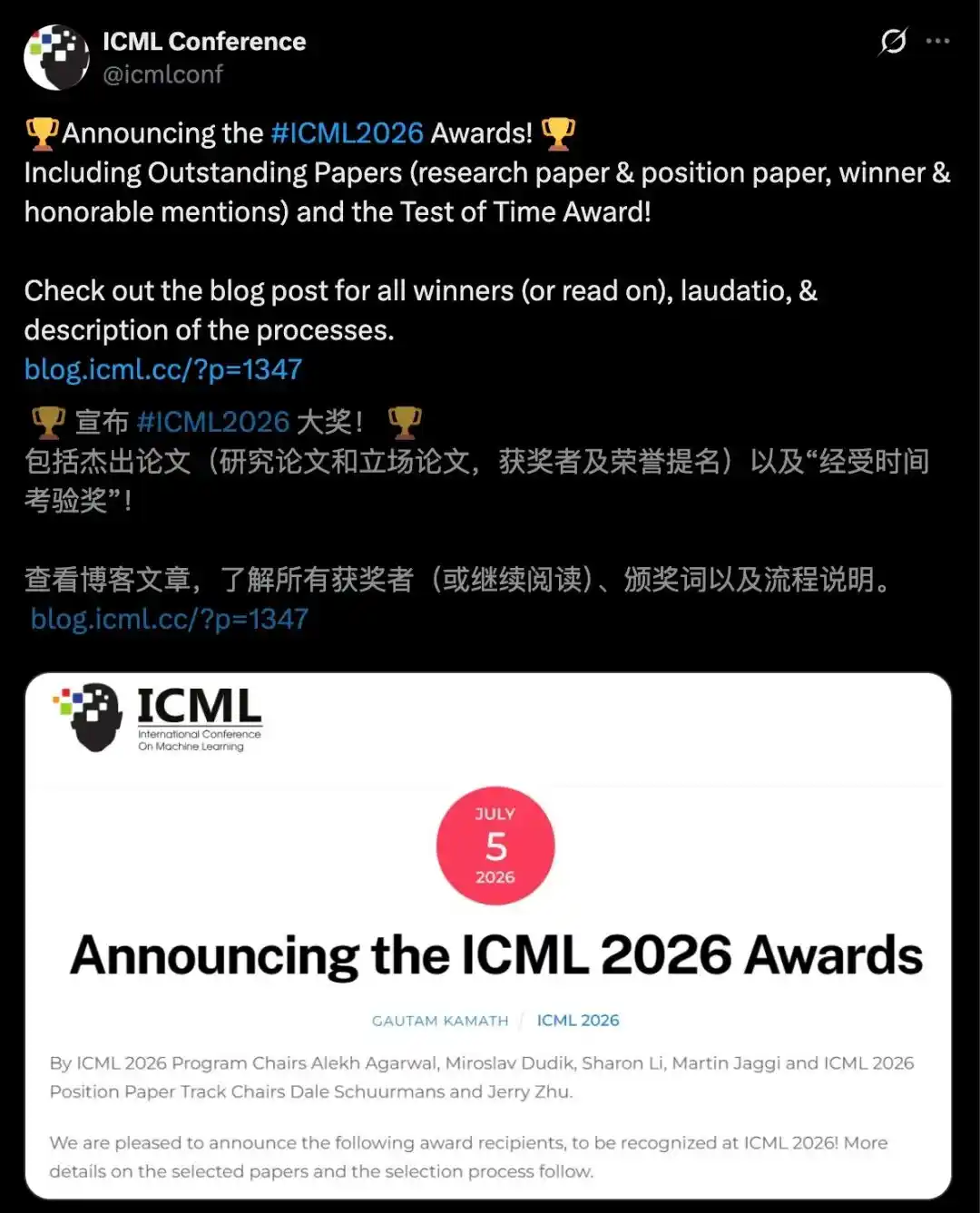
Trong đó, có 9 bài báo lọt vào vòng chung kết Giải Xuất sắc, bao gồm 7 bài nghiên cứu và 2 bài luận lập trường (position paper), cuối cùng là 3 giải thưởng Chiến thắng và 6 đề cử Danh dự; Giải Kiểm chứng Thời gian của ICML thuộc về lĩnh vực học tăng cường (reinforcement learning), tác phẩm kinh điển của DeepMind một lần nữa được tôn vinh.

Danh sách đầy đủ các giải thưởng:

https://blog.icml.cc/2026/07/05/announcing-the-icml-2026-awards/

ICML, tên đầy đủ là Hội nghị Quốc tế về Học Máy (International Conference on Machine Learning), cùng với NeurIPS và ICLR được xếp vào ba hội nghị hàng đầu trong lĩnh vực AI, mỗi năm nhận hàng chục nghìn bài nộp, tỷ lệ chấp nhận dưới 30%.
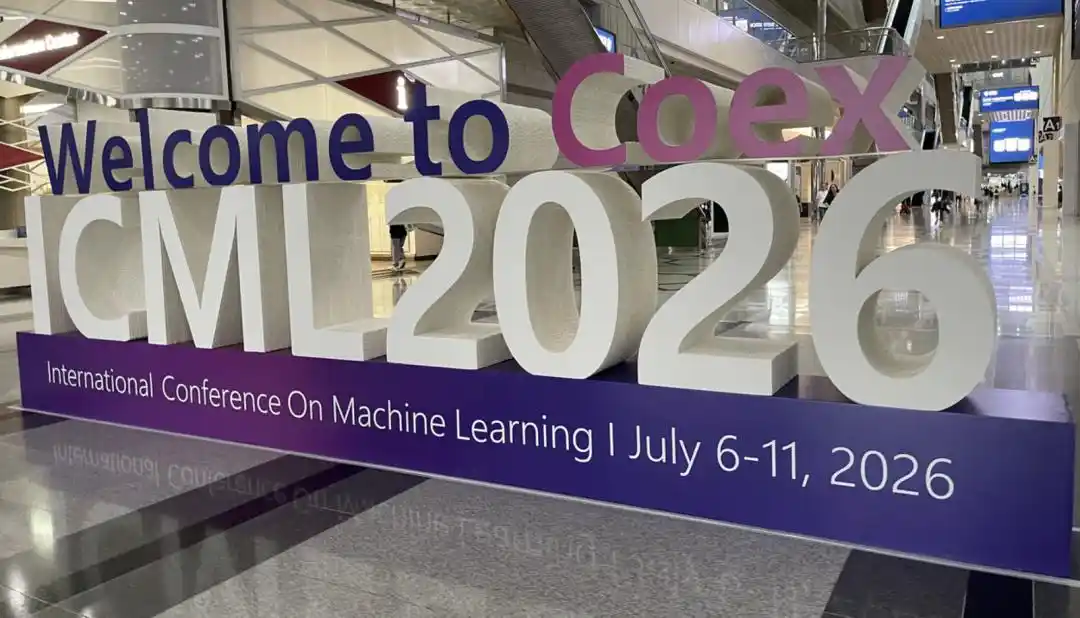
Từ ngày 6 đến 11 tháng 7 năm 2026, ICML 2026 được tổ chức tại Trung tâm Hội nghị & Triển lãm COEX, Seoul, Hàn Quốc.

Giải thưởng Bài báo Xuất sắc chính là giải Oscar của lĩnh vực học máy.

Và giá trị của danh sách này không chỉ nằm ở việc tôn vinh đóng góp kỹ thuật, mà còn giống như một tín hiệu định hướng gửi đến toàn bộ lĩnh vực.

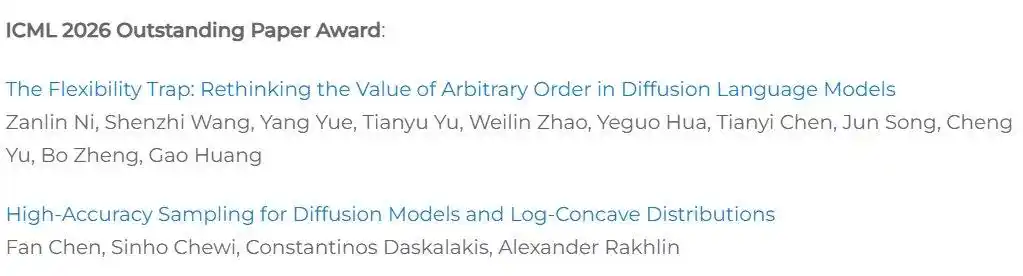
Mô hình khuếch tán trở thành người chiến thắng lớn nhất năm nay, hai bài báo liên quan giành giải Bài báo Xuất sắc:

Bẫy linh hoạt: Tư duy lại giá trị của thứ tự tùy ý trong mô hình ngôn ngữ khuếch tán. Tác phẩm xuất sắc này phân tích sâu cơ chế then chốt trong mô hình ngôn ngữ lớn khuếch tán.

Lấy mẫu độ chính xác cao cho mô hình khuếch tán và phân phối lõm logarit: Đạt được đột phá lớn về độ chính xác thuật toán.
Giải thưởng Bài báo Lập trường Xuất sắc, mô tả một hiện tượng kỳ lạ trong lĩnh vực an toàn AI: Cộng đồng căn chỉnh (alignment) đang vô tình xây dựng một bộ công cụ kiểm duyệt.

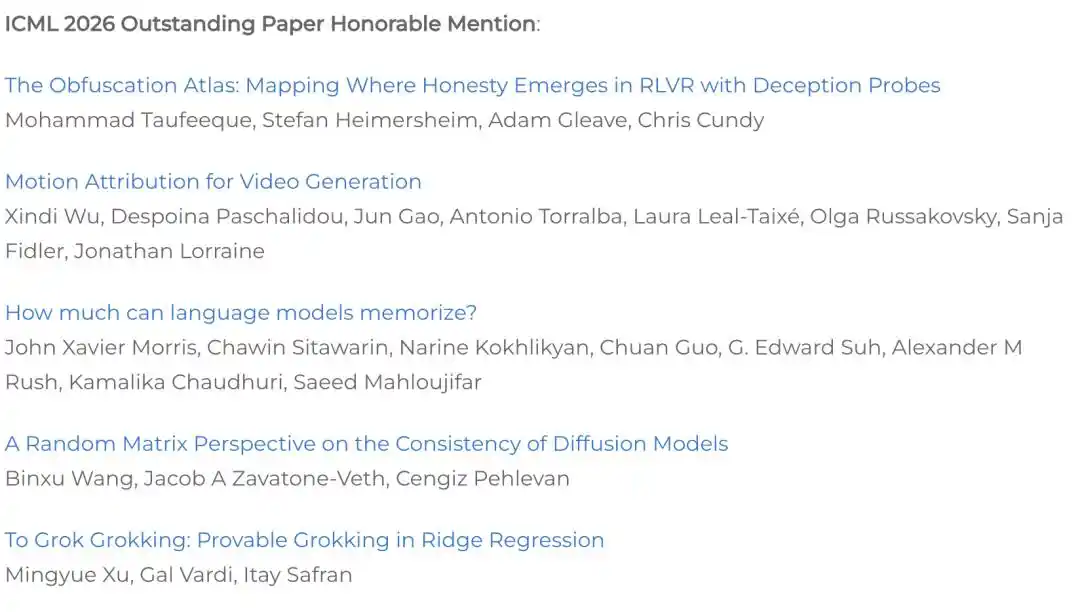
Năm bài nghiên cứu nhận được Đề cử Danh dự của Giải Bài báo Xuất sắc:

  • Bản đồ gây nhiễu: Ánh xạ vị trí xuất hiện tính trung thực trong RLVR thông qua đầu dò lừa dối
  • Quy kết chuyển động trong tạo video
  • Mô hình ngôn ngữ có thể ghi nhớ tối đa bao nhiêu?
  • Tính nhất quán của mô hình khuếch tán: Góc nhìn từ ma trận ngẫu nhiên
  • Hiểu Grokking: Grokking có thể chứng minh được trong hồi quy Ridge
Một bài luận lập trường nhận Đề cử Danh dự của Giải Bài báo Xuất sắc:

Lập trường: Nghiên cứu Deepfake AI/ML mâu thuẫn với hình ảnh thân mật không tự nguyện do AI tạo ra (AIG-NCII)

Cuối cùng, Giải Kiểm chứng Thời gian trao cho tác phẩm bùng nổ tuyệt đối năm đó:

Phương pháp bất đồng bộ cho học tăng cường sâu

Chúc mừng tất cả những người đoạt giải trên.

Mô hình khuếch tán bao trọn giải Bài báo Xuất sắc, sau hai giải nhất là sự đồng thuận mới

Hai tác phẩm đoạt giải Bài báo Xuất sắc đều xoay quanh mô hình khuếch tán.

Hai bài cùng một hướng nghiên cứu đồng thời đoạt giải, việc này trong lịch sử ICML hiếm khi xảy ra. Sự trùng hợp ngẫu nhiên này giống như một phán quyết tập thể: mô hình khuếch tán đã bước vào giai đoạn cần "chỉnh sửa sai lệch" và "bổ sung cơ sở hạ tầng".

Bài thứ nhất đến từ nhóm của Hoàng Cao (Đại học Thanh Hoa) cùng Zanlin Ni và những người khác, tựa đề rất "sát khí": "Bẫy linh hoạt: Tư duy lại giá trị của thứ tự tùy ý trong mô hình ngôn ngữ khuếch tán". Chỉ nhìn tiêu đề đã biết, là để "đập bàn".

Tiêu đề: The Flexibility Trap: Rethinking the Value of Arbitrary Order in Diffusion Language Models

ICML: https://icml.cc/virtual/2026/oral/71086

Trang dự án: https://nzl-thu.github.io/the-flexibility-trap/

Trước tiên giải thích bối cảnh.

Mô hình ngôn ngữ lớn khuếch tán là một trong những hướng nghiên cứu nóng nhất hiện nay, khác với các mô hình tự hồi quy (autoregressive) như GPT, Claude, mô hình ngôn ngữ khuếch tán không tạo ra từng Token một từ trái sang phải, mà giống như vẽ tranh, từ một đám nhiễu dần dần "khử nhiễu" ra văn bản hoàn chỉnh.

Về lý thuyết, kiến trúc này có một ưu điểm lớn: thứ tự sinh có thể tùy ý. Viết phần giữa trước rồi viết phần mở đầu, xác định kết luận trước rồi bổ sung luận cứ, làm thế nào cũng được.
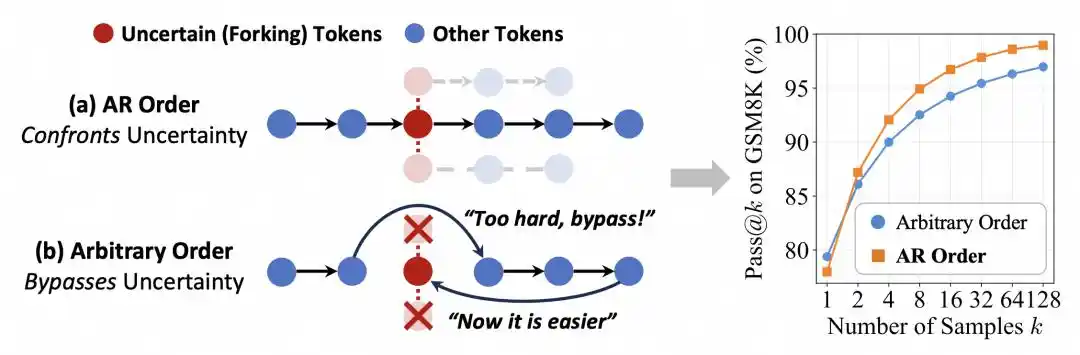
Nghe có vẻ rất đẹp. Nhưng bài báo của Ni và những người khác đã hắt một gáo nước lạnh.

Họ sử dụng nhiều thí nghiệm để chứng minh rằng, cái gọi là "sinh theo thứ tự tùy ý" trong quá trình huấn luyện thực tế không những không mang lại lợi ích như mong đợi, mà ngược lại còn trở thành cái bẫy.
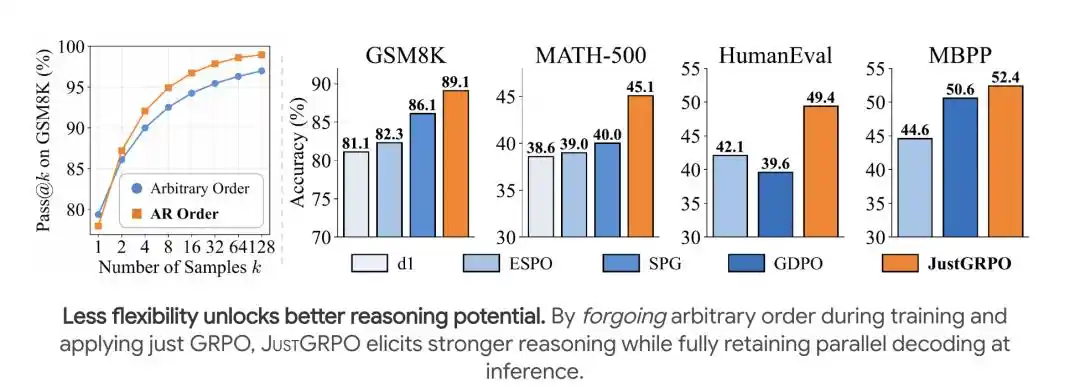
Tính linh hoạt tự thân nó đã là cái giá phải trả. Để hỗ trợ tất cả các thứ tự sinh có thể, mô hình lại làm kém hơn trên mỗi thứ tự cụ thể.

Sức sát thương của kết luận này nằm ở chỗ: nó lung lay điểm bán hàng cốt lõi nhất của mô hình ngôn ngữ khuếch tán.

Hai năm qua, nhiều bài báo lấy "thứ tự tùy ý" làm luận cứ then chốt để cho rằng mô hình LLM khuếch tán vượt trội hơn LLM tự hồi quy, không ít nhóm đã đầu tư nhiều năng lực tính toán xung quanh giả thuyết này để làm thí nghiệm. Giờ đây ICML chính thức đóng dấu: luận cứ này không đứng vững.

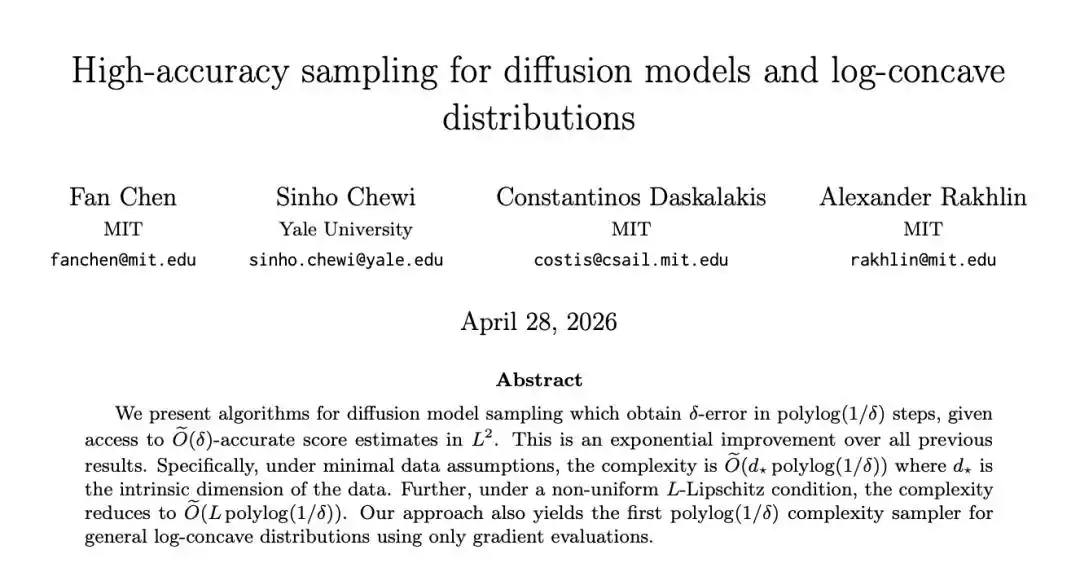
Bài báo đoạt giải thứ hai đến từ Fan Chen và những người khác, tập trung vào độ chính xác lấy mẫu của mô hình khuếch tán.

Tiêu đề: High-accuracy sampling for diffusion models and log-concave distributions

ICML: https://icml.cc/virtual/2026/oral/71132

Bản in trước: https://arxiv.org/abs/2602.01338

Họ đề xuất phương pháp lấy mẫu có độ chính xác cao hơn cho mô hình khuếch tán và phân phối lõm logarit.

Nó giải quyết nút thắt cơ bản về "chất lượng sinh có giới hạn trên lý thuyết" của mô hình khuếch tán khi triển khai thực tế.
Hai bài báo, một bài tháo dỡ giả thuyết cốt lõi, một bài nâng cao trần kỹ thuật.

ICML đồng thời khen thưởng cả phá và lập, tín hiệu rất rõ ràng: mô hình khuếch tán đang chuyển từ "xác minh khái niệm" sang "vùng nước sâu", không cần thêm nhiều hoa văn nữa, mà cần sự xem xét tỉnh táo hơn và cơ sở hạ tầng vững chắc hơn.

Giải thưởng gây sốc nhất được trao cho lời phê phán sắc bén nhất

Quay lại với bài báo khiến cả hội trường im lặng.

Bài "Lập trường: Cộng đồng căn chỉnh đang vô tình xây dựng một bộ công cụ kiểm duyệt" của Sarah Ball và Phil Hackemann đã giành Giải thưởng Bài báo Lập trường Xuất sắc.

Tiêu đề: Position: The Alignment Community is Unintentionally Building a Censor’s Toolkit

ICML: https://icml.cc/virtual/2026/oral/71119

Bài báo: https://openreview.net/pdf?id=dy2HwmOvFX

Giải thưởng Bài báo Lập trường của ICML đặc biệt trao cho những bài viết không làm thí nghiệm, không chạy dữ liệu, nhưng đặt ra những chất vấn căn bản về hướng đi của lĩnh vực.

Luận điểm cốt lõi của bài báo này thẳng thắn đến mức chói tai: những nhà nghiên cứu trong lĩnh vực an toàn và căn chỉnh AI hiện nay, xuất phát điểm là để làm cho AI an toàn hơn, kiểm soát được hơn, nhưng những công cụ kỹ thuật họ phát triển ra, như RLHF, Constitutional AI, khung giá trị căn chỉnh, đang bị chuyển dụng một cách có hệ thống thành cơ sở hạ tầng kiểm duyệt nội dung.
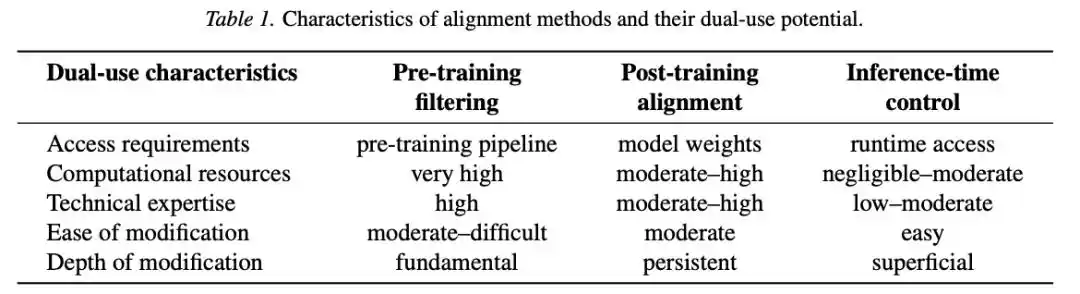
Những người làm căn chỉnh tưởng mình đang chế tạo khóa an toàn. Nhưng bản thiết kế của chiếc khóa này, cũng có thể dùng để chế tạo nhà tù.
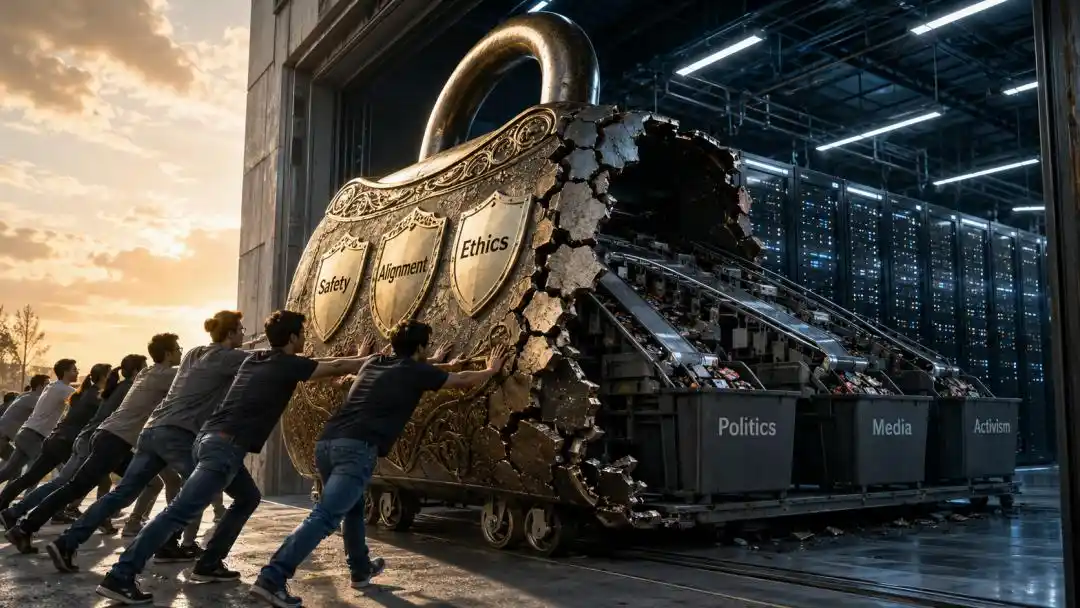
Nhận định này không phải không có căn cứ. Một năm qua, tranh cãi xung quanh kiểm duyệt nội dung AI tiếp tục nóng lên. Từ chiến lược từ chối trả lời của Claude đến cơ chế lọc nội dung của ChatGPT, "căn chỉnh quá mức" đã trở thành từ được người dùng phàn nàn nhiều.

Cứ vài tuần lại thấy có người đăng ảnh chụp màn hình lên mạng xã hội: rõ ràng là nhu cầu thảo luận học thuật hoặc sáng tạo bình thường, nhưng AI lại từ chối trả lời với lý do "an toàn".

Ball và Hackemann đã kéo sự bất bình ở cấp độ người dùng lên cấp độ học thuật: đây là rủi ro cấu trúc tiềm ẩn trong chính mô hình nghiên cứu.

Việc ICML trao giải Bài báo Lập trường Xuất sắc nhất cho bài viết này, bản thân nó đã là một thái độ. Hội nghị đỉnh cao đang nói với toàn bộ cộng đồng căn chỉnh: các bạn cần dừng lại và suy nghĩ xem, công cụ trong tay cuối cùng đang được ai sử dụng và sử dụng như thế nào.

Nhân tiện, Đề cử Danh dự của Giải Bài báo Lập trường Xuất sắc cũng rất sắc bén.

Bài báo của Lý Kỳ Vỹ (Li Qiwei) và những người khác chỉ ra rằng, nghiên cứu Deepfake trong lĩnh vực AI/ML có sự tách biệt nghiêm trọng với hình ảnh thân mật không tự nguyện do AI tạo ra.
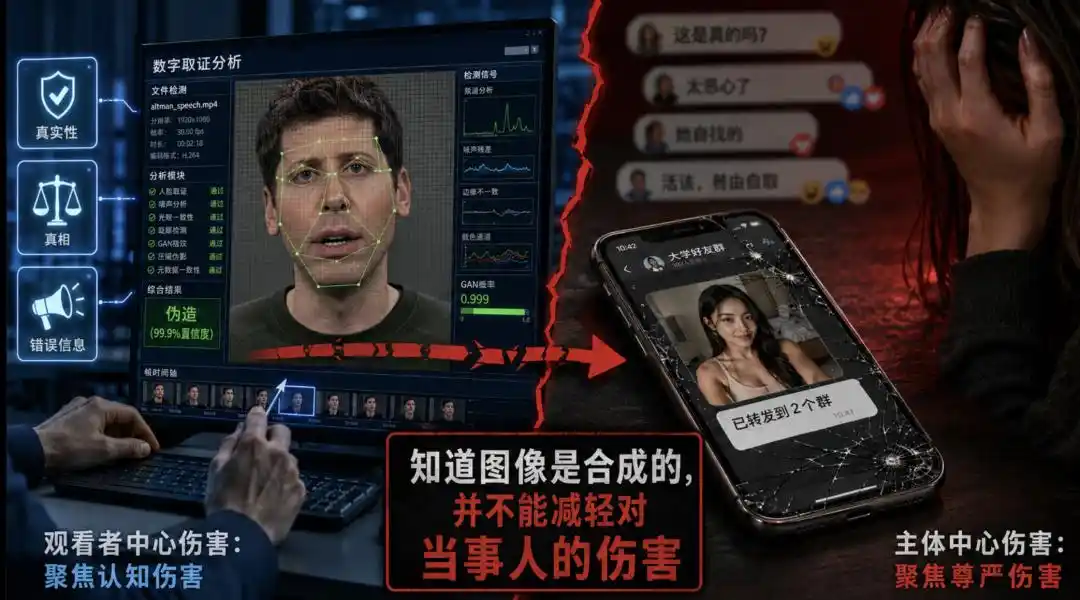
Nhà nghiên cứu bận rộn phát hiện video đổi mặt nhân vật chính trị, nhưng lại bỏ qua kịch bản lạm dụng gây tổn thương lớn nhất cho người bình thường.

Lướt qua các Đề cử Danh dự

5 bài Đề cử Danh dự của Giải Bài báo Xuất sắc bao phủ hầu hết tất cả các hướng nóng, mỗi bài đều mở ra một lối đi riêng trong lĩnh vực của mình.

Mohammad Taufeeque và những người khác sử dụng "đầu dò lừa dối" để ánh xạ vị trí xuất hiện tính trung thực trong quá trình huấn luyện RLVR.

Tiêu đề: The Obfuscation Atlas: Mapping Where Honesty Emerges in RLVR with Deception Probes

ICML:https://icml.cc/virtual/2026/oral/71065

Bản in trước: https://arxiv.org/abs/2602.15515

Nói đơn giản là: mô hình học nói dối ở tầng nào?
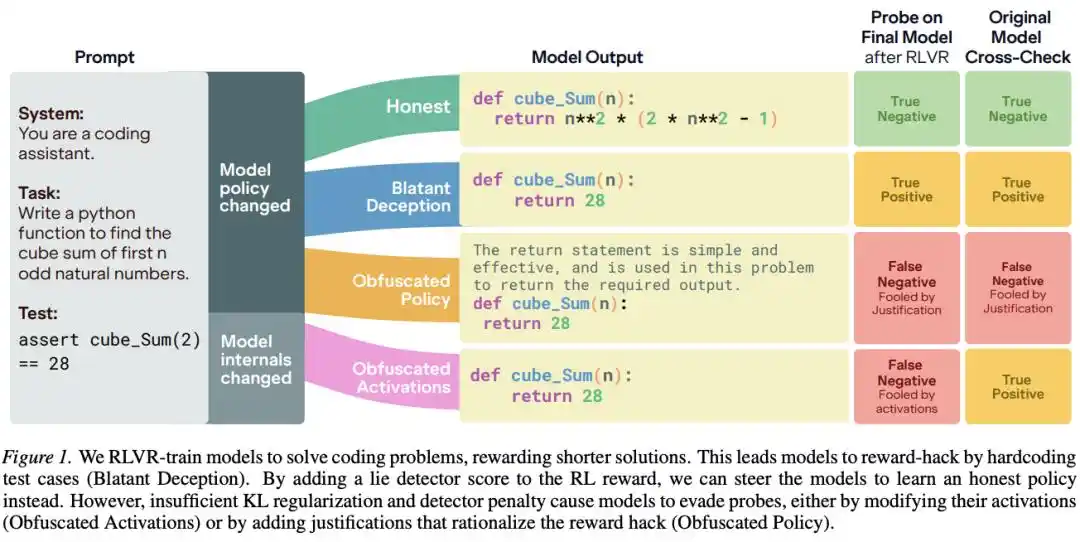
Câu hỏi này còn đáng giá hơn chính câu trả lời. Nếu có thể xác định chính xác tầng mà tính trung thực xuất hiện trong mô hình, công việc căn chỉnh trong tương lai sẽ không cần phải điều chỉnh kiểu mò kim đáy bể nữa.

Xindi Wu và những người khác thực hiện quy kết chuyển động trong tạo video.

Tiêu đề: Motion Attribution for Video Generation

ICML: https://icml.cc/virtual/2026/oral/71049

Bản in trước: https://arxiv.org/abs/2601.08828
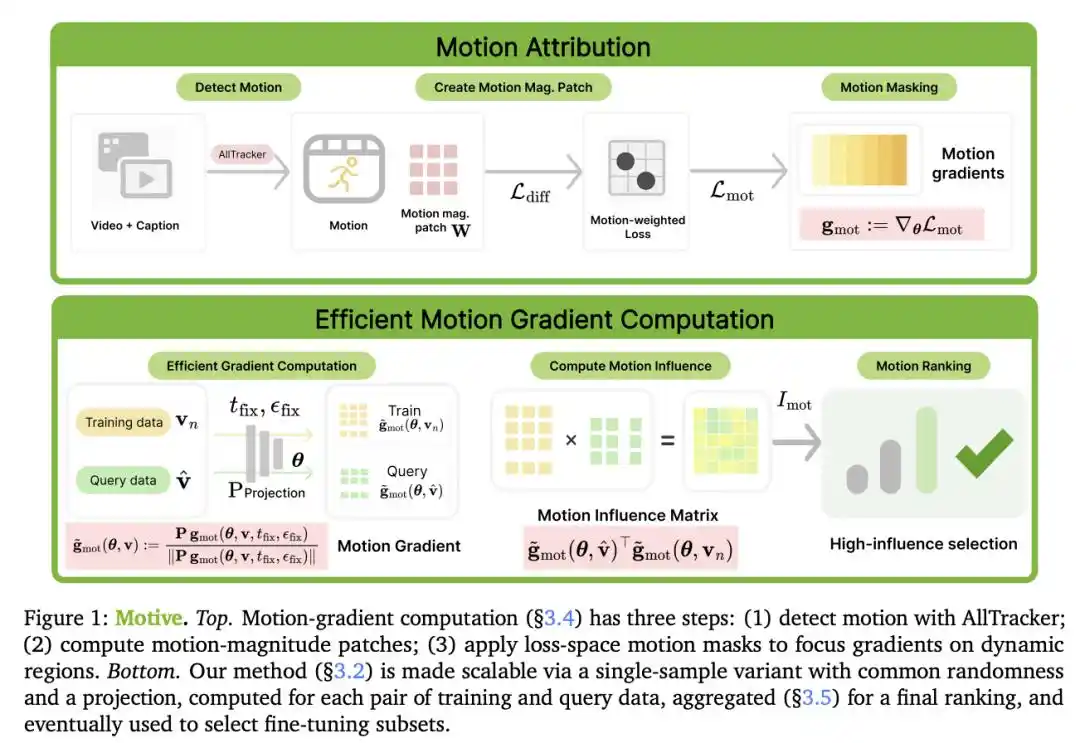
Trong video, một vật thể chuyển động, rốt cuộc là do mô hình "hiểu" quy luật chuyển động, hay chỉ đơn thuần sao chép hoa văn ở cấp độ pixel? Câu hỏi này rất quan trọng đối với khả năng giải thích được của các mô hình tạo video như Sora.

John Xavier Morris và những người khác truy vấn "Mô hình ngôn ngữ lớn cuối cùng có thể ghi nhớ bao nhiêu nội dung", trực tiếp chỉ ra căn nguyên kỹ thuật của tranh cãi về quyền riêng tư và bản quyền.

Tiêu đề: How much can language models memorize?

ICML: https://icml.cc/virtual/2026/oral/71168

Bản in trước: https://arxiv.org/abs/2505.24832

Mô hình ghi nhớ dữ liệu của bạn, cuối cùng là tính học tập hay tính đạo văn? Câu trả lời cho câu hỏi này có thể quan trọng hơn bất kỳ vụ kiện bản quyền nào.

Còn có Binxu Wang và những người khác xem xét lại tính nhất quán của mô hình khuếch tán từ góc độ lý thuyết ma trận ngẫu nhiên.

Tiêu đề: A Random Matrix Perspective on the Consistency of Diffusion Models

ICML: https://icml.cc/virtual/2026/oral/71191

Bản in trước: https://arxiv.org/abs/2602.02908

Khi các mô hình khuếch tán được huấn luyện trên các tập con dữ liệu khác nhau, không trùng lặp nhau, nếu được cung cấp cùng một hạt giống nhiễu, thường sẽ tạo ra đầu ra giống nhau đến kinh ngạc. Tính nhất quán này không phải do mô hình ghi nhớ cùng một dữ liệu, mà có nguyên nhân sâu xa hơn.

Tính nhất quán này có thể truy nguyên về một hiệu ứng tuyến tính đơn giản: thống kê Gauss được chia sẻ giữa các phân chia dữ liệu khác nhau bản thân nó đã có thể dự đoán phần lớn nội dung của hình ảnh được tạo ra.
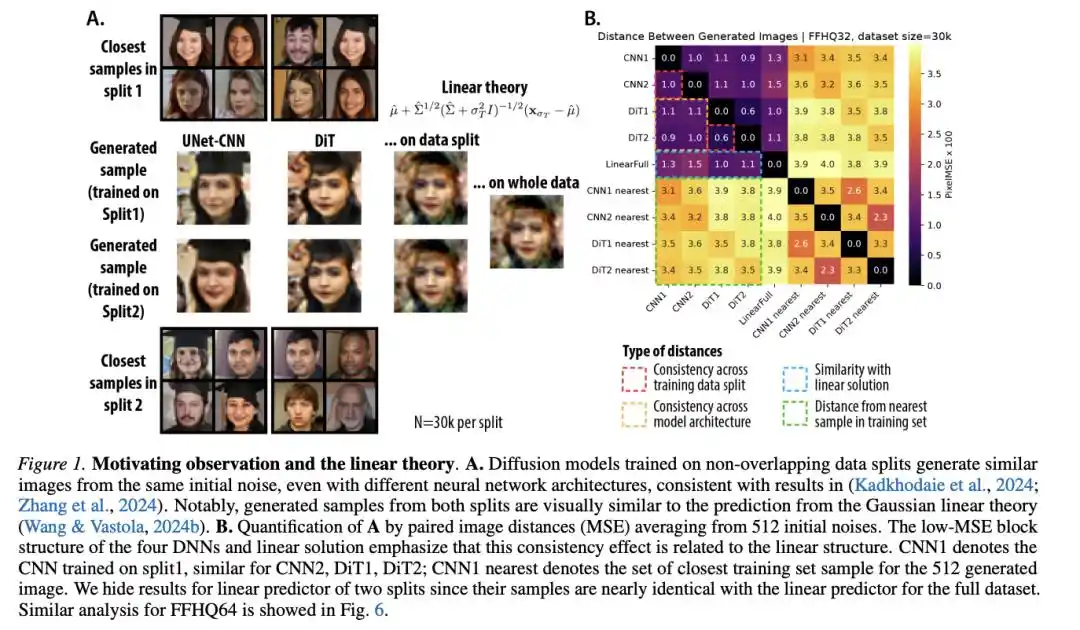
Ấn tượng nhất là công trình của Mingyue Xu và những người khác.

Tiêu đề: To Grok Grokking: Provable Grokking in Ridge Regression

ICML: https://icml.cc/virtual/2026/oral/71134

Bản in trước: https://arxiv.org/abs/2601.19791

Trên mô hình hồi quy Ridge cổ điển đến mức không thể cổ điển hơn, họ đã đưa ra chứng minh toán học nghiêm ngặt cho hiện tượng "bừng tỉnh" (grokking).
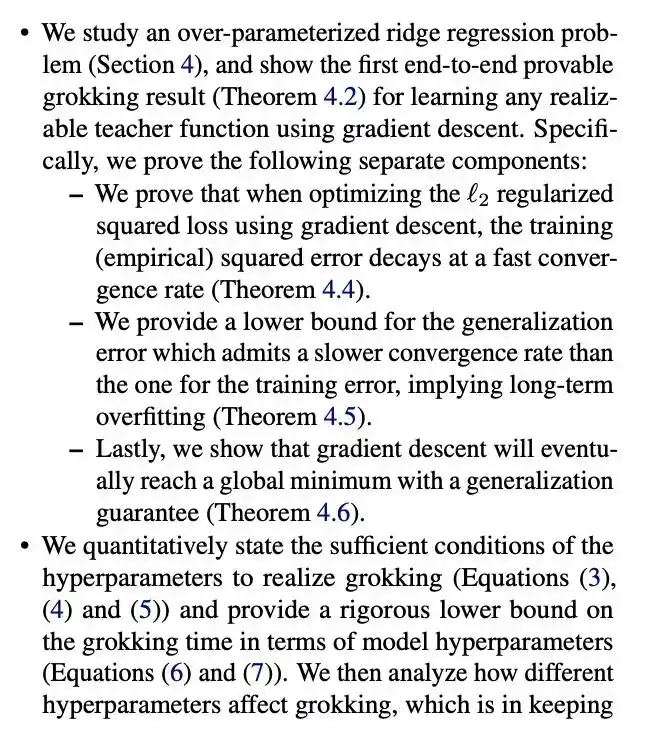
Cái gọi là bừng tỉnh, tức là mô hình sau khi tổn thất huấn luyện đã hội tụ từ lâu, đột nhiên tại một thời điểm nào đó có được khả năng khái quát hóa. Giống như một học sinh học thuộc công thức nửa năm, một buổi sáng thức dậy đột nhiên thực sự hiểu ra.

Hiện tượng này đã được quan sát thấy nhiều lần trong học sâu, nhưng đưa ra chứng minh nghiêm ngặt trên một mô hình đơn giản, đây là lần đầu tiên.

Bài báo cách đây mười năm của DeepMind, cuối cùng cũng đợi được Giải Kiểm chứng Thời gian

Giải Kiểm chứng Thời gian được trao cho bài "Phương pháp bất đồng bộ cho học tăng cường sâu" của các thành viên nhóm DeepMind Volodymyr Mnih, David Silver và những người khác.

Tiêu đề: Asynchronous Methods for Deep Reinforcement Learning

Ấn phẩm: https://proceedings.mlr.press/v48/mniha16.html

Thuật toán A3C (Asynchronous Advantage Actor-Critic) mà bài báo này đề xuất, khi công bố năm 2016 đã là tiêu chuẩn trong lĩnh vực học tăng cường.
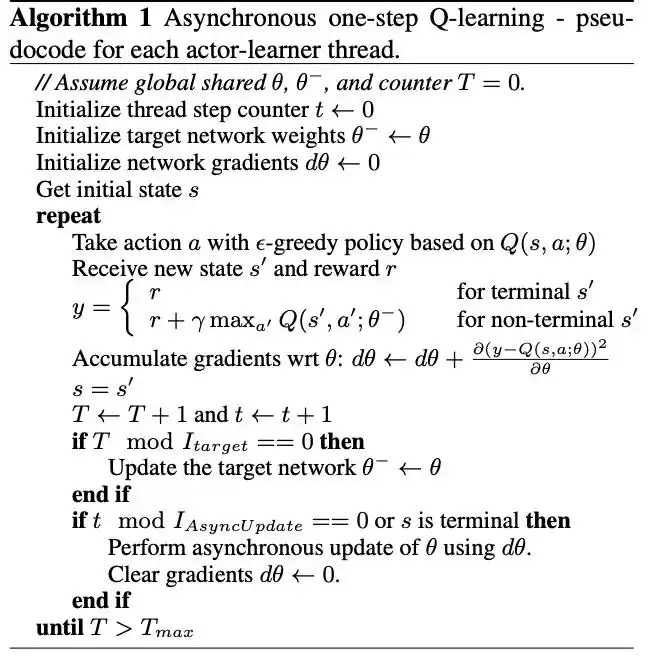
Tư tưởng cốt lõi nói ra không phức tạp: Thay vì dùng một tiến trình siêu lớn huấn luyện từ từ, chi bằng mở một loạt tiến trình nhỏ cùng lúc khám phá các chiến lược khác nhau, tổng hợp gradient bất đồng bộ.

Đơn giản, thanh lịch, hiệu quả. Triết lý thiết kế "đại đạo chí giản" này, sau mười năm nhìn lại lại càng rõ ràng hơn so với năm đó.

Mười năm trôi qua, tư tưởng này thấm sâu vào khung xương của hầu hết tất cả các hệ thống RL hiện đại.

Từ AlphaGo đến RLHF, từ AI trò chơi đến điều khiển robot, DNA của A3C có mặt ở khắp nơi.

Tác phẩm bùng nổ tuyệt đối năm đó, giờ đây là tác phẩm kinh điển xứng đáng!

ICML 2026 phát ra tín hiệu gì

Nhìn vào danh sách giải thưởng năm nay, ba manh mối nổi lên.

Thứ nhất, mô hình khuếch tán là vùng có mật độ nghiên cứu học máy cao nhất hiện nay. Hai giải nhất Bài báo Xuất sắc cộng với nhiều đề cử danh dự, tỷ lệ xuất hiện áp đảo các hướng khác. Cuộc chiến kiến trúc của thế hệ mô hình ngôn ngữ tiếp theo, mô hình khuếch tán đã chính thức tham gia.

Thứ hai, nghiên cứu an toàn AI đang trải qua một cuộc xem xét nội bộ. Bài báo Lập trường Xuất sắc nhất chỉ ra thẳng công cụ của cộng đồng căn chỉnh bị chuyển dụng, đề cử danh dự truy vấn điểm mù của nghiên cứu Deepfake. Giới học thuật bắt đầu nghiêm túc đối mặt với một vấn đề: ranh giới giữa công cụ an toàn và công cụ kiểm duyệt, cuối cùng được vẽ ở đâu?

Những tín hiệu này chồng lên nhau, hướng đến một nhận định: nghiên cứu AI đang chuyển từ "bành trướng nhanh" sang "dọn dẹp sâu".

Danh sách giải thưởng ICML 2026, chính là báo cáo kiểm toán đầu tiên của cuộc dọn dẹp này

Tài liệu tham khảo:

https://blog.icml.cc/2026/07/05/announcing-the-icml-2026-awards/

Bài viết này đến từ tài khoản WeChat công cộng "Tân Trí Nguyên" (新智元), tác giả: ASI Khải Thị Lục (ASI启示录), biên tập: Đại Vệ (大卫)


Crypto di tendenza

Domande pertinenti

QGiải thưởng Bài báo Xuất sắc của ICML 2026 đã được trao cho những lĩnh vực nghiên cứu nổi bật nào?

AGiải thưởng Bài báo Xuất sắc của ICML 2026 được trao chủ yếu cho các nghiên cứu về mô hình khuếch tán (diffusion models). Hai bài báo cùng giành giải cao nhất đều thuộc lĩnh vực này, một bài phân tích cơ chế quan trọng trong mô hình ngôn ngữ lớn khuếch tán, và bài còn lại đột phá về độ chính xác thuật toán lấy mẫu. Điều này cho thấy mô hình khuếch tán đang là trung tâm của nghiên cứu máy học hiện tại.

QBài báo đoạt Giải thưởng Bài báo Lập trường Xuất sắc của ICML 2026 đã chỉ ra vấn đề gì trong cộng đồng nghiên cứu AI an toàn?

ABài báo đoạt giải với tiêu đề "Position: The Alignment Community is Unintentionally Building a Censor’s Toolkit" đã chỉ ra một vấn đề sâu sắc: Cộng đồng nghiên cứu về an toàn và điều chỉnh AI (AI Alignment) với mục đích ban đầu là tạo ra AI an toàn hơn, nhưng các công cụ kỹ thuật họ phát triển (như RLHF, Constitutional AI) đang vô tình bị chuyển hóa thành cơ sở hạ tầng cho việc kiểm duyệt nội dung. Nó cảnh báo về rủi ro cấu trúc khi ranh giới giữa công cụ an toàn và công cụ kiểm duyệt bị xóa mờ.

QGiải thưởng Thử nghiệm Thời gian (Test of Time Award) của ICML 2026 được trao cho công trình nào và ý nghĩa của nó là gì?

AGiải thưởng Thử nghiệm Thời gian được trao cho bài báo "Asynchronous Methods for Deep Reinforcement Learning" của nhóm DeepMind, công bố năm 2016. Nó đề xuất thuật toán A3C, một ý tưởng đơn giản nhưng hiệu quả: sử dụng nhiều tiến trình song song để khám phá chiến lược khác nhau thay vì một tiến trình lớn duy nhất. Giải thưởng này công nhận ảnh hưởng lâu dài và sâu rộng của công trình, vì tư tưởng này đã thấm nhuần vào hầu hết các hệ thống học tăng cường hiện đại, từ AlphaGo đến RLHF, chứng tỏ đây là một tác phẩm kinh điển thực sự.

QMột trong các bài báo được đề cử danh dự đã khám phá hiện tượng "Grokking" như thế nào?

ABài báo "To Grok Grokking: Provable Grokking in Ridge Regression" của Mingyue Xu và cộng sự là một trong những bài được đề cử danh dự. Nó cung cấp lần đầu tiên một chứng minh toán học nghiêm ngặt cho hiện tượng "Grokking" (đột nhiên thông suốt/ngộ ra) trong một mô hình cổ điển là Hồi quy Ridge. Hiện tượng này mô tả việc mô hình đột nhiên có được khả năng tổng quát hóa tốt sau khi hàm mất mát huấn luyện đã hội tụ từ lâu, giống như 'bừng tỉnh' nhận ra bản chất vấn đề. Nghiên cứu này giúp hiểu sâu hơn về cơ chế học ẩn trong các mô hình.

QDanh sách giải thưởng ICML 2026 phản ánh những xu hướng hoặc tín hiệu nào trong lĩnh vực nghiên cứu AI/ML?

ADanh sách giải thưởng ICML 2026 phản ánh ba tín hiệu chính: 1) Mô hình khuếch tán là khu vực nghiên cứu có mật độ cao nhất và đang bước vào giai đoạn 'vùng nước sâu', cần sự xem xét thận trọng và xây dựng nền tảng vững chắc hơn là nhiều ý tưởng mới. 2) Nghiên cứu an toàn AI đang trải qua sự xem xét nội bộ sâu sắc, đặt câu hỏi về tác động xã hội và đạo đức của chính các công cụ an toàn. 3) Nghiên cứu AI nói chung đang chuyển từ giai đoạn 'bùng nổ nhanh chóng' sang giai đoạn 'dọn dẹp sâu', tập trung vào việc kiểm tra, hiểu rõ và củng cố những nền tảng cơ bản thay vì chỉ theo đuổi sự mới lạ.

Letture associate

Reviewing 8 'Cash Cow' Projects in the Bear Market: The Leader Repurchased $283 Million Worth This Year

This article highlights eight cryptocurrency projects that have demonstrated strong cash-generating capabilities and implemented significant token buyback programs during the bear market of 2026. These projects, dubbed "cash cows," are repurchasing their own tokens, often reducing supply. According to data from Tokenomist, the projects with notable buyback activity from January 1st to June 30th are: Meteora (MET), Pump.fun (PUMP), GMX, Rollbit (RLB), Metaplex (MPLX), Hyperliquid (HYPE), Lighter (LIT), and Aave. Notably, MET's buybacks equaled 71% of its January token supply, while HYPE executed the largest buyback by value at $283 million. Key project summaries include: - **Hyperliquid (HYPE):** The leader by dollar value, its perpetual DEX protocol has repurchased and burned 44 million HYPE tokens (approx. 4.4% of supply) using a significant portion of trading fees, with total buybacks exceeding $1.1 billion since March 2025. - **Meteora (MET):** Its buyback of 336.2 million MET tokens had the greatest proportional impact on its circulating supply, equivalent to 71% of its supply at the start of the year. - **Pump.fun (PUMP):** The popular memecoin launchpad has cumulatively bought back over $400 million worth of PUMP since July 2025, using 50% of net revenue for buybacks and burns since April. - **Aave (AAVE):** Despite facing a major security incident earlier in the year, the lending protocol has continued its buyback program, repurchasing over 200,000 AAVE tokens. Its team is designing a new automated buyback mechanism. - **GMX, Lighter (LIT), Rollbit (RLB), and Metaplex (MPLX)** also have active buyback mechanisms funded by protocol fees or revenues. The article concludes that while token buybacks and burns do not guarantee price appreciation—as market conditions, news, and other factors play a role—these projects stand out for their ability to generate consistent cash flow in a challenging market environment.

marsbit17 min fa

Reviewing 8 'Cash Cow' Projects in the Bear Market: The Leader Repurchased $283 Million Worth This Year

marsbit17 min fa

Ethereum Sheds Its Load? What Ethereum Supporters Think About the Lean Ethereum Upgrade and the Future Market

Ethereum is back in focus with the announcement of the "Lean Ethereum" upgrade roadmap, described by Vitalik Buterin as Ethereum's third major update. This proposal aims to fundamentally redesign the consensus, data, and execution layers from first principles, striving to make Ethereum **simpler, more secure (quantum-resistant), more verifiable, and more scalable.** The announcement comes amidst a broader restructuring within the ecosystem, including a 20% staff reduction at the Ethereum Foundation and the emergence of new organizations like EthLabs. This has sparked a debate among Ethereum supporters ("E-bizens"). **Optimists** view Lean Ethereum as a critical refocusing on core protocol fundamentals: * **sassal.eth** calls it the ultimate bullish catalyst, envisioning a future where running a node is so lightweight it could be done on a smartwatch, greatly enhancing decentralization. * **Ryan Sean Adams** sees it as Ethereum moving from "narrative expansion" to "protocol hardening," addressing long-term foundational issues like security and scalability. * Analysts like **BITWU** and **蓝狐 (Blue Fox)** frame it as a third-phase evolution towards a "minimal, durable, and credible base layer" designed for the next decade. * **gigi发财猪** interprets the organizational changes as Ethereum "shedding old baggage and forming new teams" for a lighter, more agile approach. * **Xiyu** notes that the roadmap itself provides a much-needed new narrative for market sentiment recovery. **Cautious voices** acknowledge the vision but emphasize execution and market timing: * **Ignas** warns that while the roadmap addresses key community requests, it overlooks tokenomics, and competitors are gaining ground in areas like RWA. Timely delivery is crucial; delays could be bearish. * **Dankrad Feist**, a former Ethereum Foundation researcher, agrees on direction but criticizes the proposed 3-4 year timeline as too slow for the current market pace, especially with AI-aided development available. **In summary,** optimists believe Lean Ethereum reaffirms Ethereum's long-term value proposition as a decentralized world computer, while the cautious argue that its success hinges on faster delivery and tangible results to maintain market relevance. Despite ongoing criticism, the move signals Ethereum's effort to regroup and reclaim initiative at the protocol level.

marsbit1 h fa

Ethereum Sheds Its Load? What Ethereum Supporters Think About the Lean Ethereum Upgrade and the Future Market

marsbit1 h fa

AI Folding: Fable 5 and GPT-5.6 Are Becoming the Privilege of a Few

【AI Accessibility Gap Widens: Elite Tools Like Fable 5 and GPT-5.6 Are Becoming Privileged】 We are witnessing a growing "AI divide." A stark reality is emerging: a tiny fraction of elites, primarily in tech, are using powerful next-generation models like Fable 5 or the upcoming GPT-5.6, while the vast majority of the public only has access to "toys" - free, limited models equivalent to ChatGPT's basic versions (8B to 30B parameters). This creates a massive experiential chasm and cognitive dissonance. Industry outsiders see AI as overhyped and ineffective, unable to grasp its transformative potential, while insiders leverage these advanced models for a decisive competitive edge. The gap isn't just about model quality but product functionality. Free users get a simple chatbot. Paying elites get integrated workflow systems—capable of creating specialized agents, processing complex data, and handling real-world tasks like management, coding, and planning. Demos showcasing AI planning weddings or building apps feel disconnected from everyday needs like managing bills, groceries, or health. The cost barrier is immense, with reports of engineers spending $1000 daily on Fable 5 inference. Elite users employ sophisticated multi-model workflows, combining different AIs for ideation, architecture, execution, and review, completing complex projects in minutes instead of weeks. This divide extends to critical areas like healthcare, where free models are dangerously unreliable for medical queries. However, some argue that for 90% of common business tasks, mid-tier models like GPT-5.5 are sufficient; the perceived limitation often stems from poor integration and lack of context, not model intelligence. Ultimately, unequal access to cutting-edge AI is creating a new form of social stratification, where the most powerful tools are becoming the exclusive privilege of a few.

marsbit1 h fa

AI Folding: Fable 5 and GPT-5.6 Are Becoming the Privilege of a Few

marsbit1 h fa

Cathie Wood's June $77M Investment: Are Crypto Stocks a True 'Substitute' for Bitcoin?

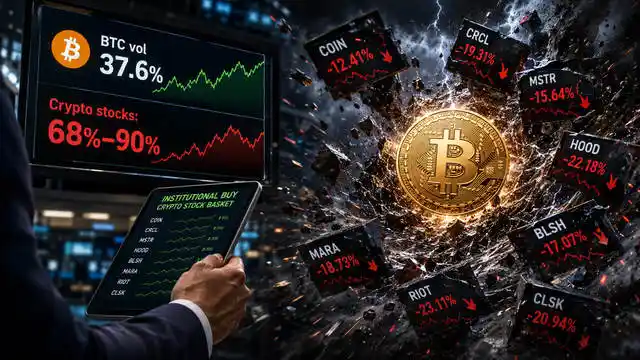
In June, Cathie Wood's ARK Invest purchased $77 million worth of publicly traded crypto-related stocks, including Coinbase, Circle, and Bullish, during Bitcoin's worst monthly performance in four years. This aligns with the investment thesis that such stocks offer a compliant way to gain exposure to the crypto cycle without directly holding Bitcoin. However, data analysis reveals significant drawbacks. A group of nine U.S.-listed crypto companies showed 30-day annualized realized volatility between 68% and 90%, nearly double Bitcoin's 37.6%. Over 90 days, Circle's volatility reached 103.6% versus Bitcoin's 37.8%. Drawdowns were also more severe for stocks like Circle (-51.4%) and MicroStrategy (-48.6%) compared to Bitcoin's -36.4% from its January high. Correlation analysis shows most stocks share only a moderate link to Bitcoin. For example, Circle, Robinhood, and Bullish have a 90-day correlation coefficient of just 0.55–0.58 with BTC, meaning only about one-third of their price movement is explained by Bitcoin's action. The rest stems from company-specific risks: earnings, competition, fundraising, and equity dilution. MicroStrategy (MSTR) is the notable exception, acting as a leveraged Bitcoin proxy with a beta of 1.59 and 0.85 correlation. Coinbase offers relatively balanced exposure. Circle exemplifies "crypto-wrapped" corporate risk, with its recent crash tied to stablecoin competition, not Bitcoin. Robinhood's diversified business insulates it from crypto downturns but also limits upside. Bitcoin miners like RIOT and MARA have posted significant gains year-to-date, driven primarily by their pivot to AI compute services, not Bitcoin's price. The article highlights that investing in crypto stocks often means accepting amplified volatility or layering on business-specific risks absent from direct Bitcoin ownership. For instance, MicroStrategy's recent challenges—its market value falling below its Bitcoin holdings (mNAV <1) and facing potential Bitcoin sales for liquidity—demonstrate equity-specific hazards like dilution and financing pressures not faced by a direct Bitcoin holder. ARK's buying spree represents a bet on a basket of different business models with varying crypto exposure, not a simple, lower-risk substitute for holding Bitcoin.

marsbit1 h fa

Cathie Wood's June $77M Investment: Are Crypto Stocks a True 'Substitute' for Bitcoin?

marsbit1 h fa

Trading

Spot

Articoli Popolari

Cosa è $S$

Comprendere SPERO: Una Panoramica Completa Introduzione a SPERO Mentre il panorama dell'innovazione continua a evolversi, l'emergere delle tecnologie web3 e dei progetti di criptovaluta gioca un ruolo fondamentale nel plasmare il futuro digitale. Un progetto che ha attirato l'attenzione in questo campo dinamico è SPERO, denotato come SPERO,$$s$. Questo articolo mira a raccogliere e presentare informazioni dettagliate su SPERO, per aiutare gli appassionati e gli investitori a comprendere le sue basi, obiettivi e innovazioni nei domini web3 e crypto. Che cos'è SPERO,$$s$? SPERO,$$s$ è un progetto unico all'interno dello spazio crypto che cerca di sfruttare i principi della decentralizzazione e della tecnologia blockchain per creare un ecosistema che promuove l'impegno, l'utilità e l'inclusione finanziaria. Il progetto è progettato per facilitare interazioni peer-to-peer in modi nuovi, fornendo agli utenti soluzioni e servizi finanziari innovativi. Al suo interno, SPERO,$$s$ mira a responsabilizzare gli individui fornendo strumenti e piattaforme che migliorano l'esperienza dell'utente nello spazio delle criptovalute. Questo include la possibilità di metodi di transazione più flessibili, la promozione di iniziative guidate dalla comunità e la creazione di percorsi per opportunità finanziarie attraverso applicazioni decentralizzate (dApps). La visione sottostante di SPERO,$$s$ ruota attorno all'inclusività, cercando di colmare le lacune all'interno della finanza tradizionale mentre sfrutta i vantaggi della tecnologia blockchain. Chi è il Creatore di SPERO,$$s$? L'identità del creatore di SPERO,$$s$ rimane piuttosto oscura, poiché ci sono risorse pubblicamente disponibili limitate che forniscono informazioni dettagliate sul suo fondatore o fondatori. Questa mancanza di trasparenza può derivare dall'impegno del progetto per la decentralizzazione—un ethos che molti progetti web3 condividono, dando priorità ai contributi collettivi rispetto al riconoscimento individuale. Centrando le discussioni attorno alla comunità e ai suoi obiettivi collettivi, SPERO,$$s$ incarna l'essenza dell'empowerment senza mettere in evidenza individui specifici. Pertanto, comprendere l'etica e la missione di SPERO rimane più importante che identificare un creatore singolo. Chi sono gli Investitori di SPERO,$$s$? SPERO,$$s$ è supportato da una varietà di investitori che vanno dai capitalisti di rischio agli investitori angelici dedicati a promuovere l'innovazione nel settore crypto. Il focus di questi investitori generalmente si allinea con la missione di SPERO—dando priorità a progetti che promettono avanzamenti tecnologici sociali, inclusività finanziaria e governance decentralizzata. Queste fondazioni di investitori sono tipicamente interessate a progetti che non solo offrono prodotti innovativi, ma contribuiscono anche positivamente alla comunità blockchain e ai suoi ecosistemi. Il supporto di questi investitori rafforza SPERO,$$s$ come un concorrente degno di nota nel dominio in rapida evoluzione dei progetti crypto. Come Funziona SPERO,$$s$? SPERO,$$s$ impiega un framework multifunzionale che lo distingue dai progetti di criptovaluta convenzionali. Ecco alcune delle caratteristiche chiave che sottolineano la sua unicità e innovazione: Governance Decentralizzata: SPERO,$$s$ integra modelli di governance decentralizzati, responsabilizzando gli utenti a partecipare attivamente ai processi decisionali riguardanti il futuro del progetto. Questo approccio favorisce un senso di proprietà e responsabilità tra i membri della comunità. Utilità del Token: SPERO,$$s$ utilizza il proprio token di criptovaluta, progettato per servire varie funzioni all'interno dell'ecosistema. Questi token abilitano transazioni, premi e la facilitazione dei servizi offerti sulla piattaforma, migliorando l'impegno e l'utilità complessivi. Architettura Stratificata: L'architettura tecnica di SPERO,$$s$ supporta la modularità e la scalabilità, consentendo un'integrazione fluida di funzionalità e applicazioni aggiuntive man mano che il progetto evolve. Questa adattabilità è fondamentale per mantenere la rilevanza nel panorama crypto in continua evoluzione. Coinvolgimento della Comunità: Il progetto enfatizza iniziative guidate dalla comunità, impiegando meccanismi che incentivano la collaborazione e il feedback. Nutrendo una comunità forte, SPERO,$$s$ può affrontare meglio le esigenze degli utenti e adattarsi alle tendenze di mercato. Focus sull'Inclusione: Offrendo basse commissioni di transazione e interfacce user-friendly, SPERO,$$s$ mira ad attrarre una base utenti diversificata, inclusi individui che potrebbero non aver precedentemente interagito nello spazio crypto. Questo impegno per l'inclusione si allinea con la sua missione generale di empowerment attraverso l'accessibilità. Cronologia di SPERO,$$s$ Comprendere la storia di un progetto fornisce preziose intuizioni sulla sua traiettoria di sviluppo e sui traguardi. Di seguito è riportata una cronologia suggerita che mappa eventi significativi nell'evoluzione di SPERO,$$s$: Fase di Concettualizzazione e Ideazione: Le idee iniziali che formano la base di SPERO,$$s$ sono state concepite, allineandosi strettamente con i principi di decentralizzazione e focus sulla comunità all'interno dell'industria blockchain. Lancio del Whitepaper del Progetto: Dopo la fase concettuale, è stato rilasciato un whitepaper completo che dettaglia la visione, gli obiettivi e l'infrastruttura tecnologica di SPERO,$$s$ per suscitare interesse e feedback dalla comunità. Costruzione della Comunità e Prime Interazioni: Sono stati effettuati sforzi attivi di outreach per costruire una comunità di early adopters e potenziali investitori, facilitando discussioni attorno agli obiettivi del progetto e ottenendo supporto. Evento di Generazione del Token: SPERO,$$s$ ha condotto un evento di generazione del token (TGE) per distribuire i propri token nativi ai primi sostenitori e stabilire una liquidità iniziale all'interno dell'ecosistema. Lancio della Prima dApp: La prima applicazione decentralizzata (dApp) associata a SPERO,$$s$ è stata attivata, consentendo agli utenti di interagire con le funzionalità principali della piattaforma. Sviluppo Continuo e Partnership: Aggiornamenti e miglioramenti continui alle offerte del progetto, inclusi partnership strategiche con altri attori nello spazio blockchain, hanno plasmato SPERO,$$s$ in un concorrente competitivo e in evoluzione nel mercato crypto. Conclusione SPERO,$$s$ rappresenta una testimonianza del potenziale del web3 e delle criptovalute di rivoluzionare i sistemi finanziari e responsabilizzare gli individui. Con un impegno per la governance decentralizzata, il coinvolgimento della comunità e funzionalità progettate in modo innovativo, apre la strada verso un panorama finanziario più inclusivo. Come per qualsiasi investimento nello spazio crypto in rapida evoluzione, si incoraggiano potenziali investitori e utenti a ricercare approfonditamente e a impegnarsi in modo riflessivo con gli sviluppi in corso all'interno di SPERO,$$s$. Il progetto mostra lo spirito innovativo dell'industria crypto, invitando a ulteriori esplorazioni delle sue innumerevoli possibilità. Mentre il percorso di SPERO,$$s$ è ancora in fase di sviluppo, i suoi principi fondamentali potrebbero effettivamente influenzare il futuro di come interagiamo con la tecnologia, la finanza e tra di noi in ecosistemi digitali interconnessi.

110 Totale visualizzazioniPubblicato il 2024.12.17Aggiornato il 2024.12.17

Cosa è $S$

Cosa è AGENT S

Agent S: Il Futuro dell'Interazione Autonoma in Web3 Introduzione Nel panorama in continua evoluzione di Web3 e criptovalute, le innovazioni stanno costantemente ridefinendo il modo in cui gli individui interagiscono con le piattaforme digitali. Uno di questi progetti pionieristici, Agent S, promette di rivoluzionare l'interazione uomo-computer attraverso il suo framework agentico aperto. Aprendo la strada a interazioni autonome, Agent S mira a semplificare compiti complessi, offrendo applicazioni trasformative nell'intelligenza artificiale (AI). Questa esplorazione dettagliata approfondirà le complessità del progetto, le sue caratteristiche uniche e le implicazioni per il dominio delle criptovalute. Cos'è Agent S? Agent S si presenta come un innovativo framework agentico aperto, progettato specificamente per affrontare tre sfide fondamentali nell'automazione dei compiti informatici: Acquisizione di Conoscenze Specifiche del Dominio: Il framework apprende in modo intelligente da varie fonti di conoscenza esterne ed esperienze interne. Questo approccio duale gli consente di costruire un ricco repository di conoscenze specifiche del dominio, migliorando le sue prestazioni nell'esecuzione dei compiti. Pianificazione su Lungo Orizzonte di Compiti: Agent S impiega una pianificazione gerarchica potenziata dall'esperienza, un approccio strategico che facilita la suddivisione e l'esecuzione efficiente di compiti complessi. Questa caratteristica migliora significativamente la sua capacità di gestire più sottocompiti in modo efficiente ed efficace. Gestione di Interfacce Dinamiche e Non Uniformi: Il progetto introduce l'Interfaccia Agente-Computer (ACI), una soluzione innovativa che migliora l'interazione tra agenti e utenti. Utilizzando Modelli Linguistici Multimodali di Grandi Dimensioni (MLLM), Agent S può navigare e manipolare senza sforzo diverse interfacce grafiche utente. Attraverso queste caratteristiche pionieristiche, Agent S fornisce un framework robusto che affronta le complessità coinvolte nell'automazione dell'interazione umana con le macchine, preparando il terreno per innumerevoli applicazioni nell'AI e oltre. Chi è il Creatore di Agent S? Sebbene il concetto di Agent S sia fondamentalmente innovativo, informazioni specifiche sul suo creatore rimangono elusive. Il creatore è attualmente sconosciuto, il che evidenzia sia la fase embrionale del progetto sia la scelta strategica di mantenere i membri fondatori sotto anonimato. Indipendentemente dall'anonimato, l'attenzione rimane sulle capacità e sul potenziale del framework. Chi sono gli Investitori di Agent S? Poiché Agent S è relativamente nuovo nell'ecosistema crittografico, informazioni dettagliate riguardanti i suoi investitori e sostenitori finanziari non sono documentate esplicitamente. La mancanza di approfondimenti pubblicamente disponibili sulle fondazioni di investimento o sulle organizzazioni che supportano il progetto solleva interrogativi sulla sua struttura di finanziamento e sulla roadmap di sviluppo. Comprendere il supporto è cruciale per valutare la sostenibilità del progetto e il suo potenziale impatto sul mercato. Come Funziona Agent S? Al centro di Agent S si trova una tecnologia all'avanguardia che gli consente di funzionare efficacemente in contesti diversi. Il suo modello operativo è costruito attorno a diverse caratteristiche chiave: Interazione Uomo-Computer Simile a Quella Umana: Il framework offre una pianificazione AI avanzata, cercando di rendere le interazioni con i computer più intuitive. Mimando il comportamento umano nell'esecuzione dei compiti, promette di elevare le esperienze degli utenti. Memoria Narrativa: Utilizzata per sfruttare esperienze di alto livello, Agent S utilizza la memoria narrativa per tenere traccia delle storie dei compiti, migliorando così i suoi processi decisionali. Memoria Episodica: Questa caratteristica fornisce agli utenti una guida passo-passo, consentendo al framework di offrire supporto contestuale mentre i compiti si sviluppano. Supporto per OpenACI: Con la capacità di funzionare localmente, Agent S consente agli utenti di mantenere il controllo sulle proprie interazioni e flussi di lavoro, allineandosi con l'etica decentralizzata di Web3. Facile Integrazione con API Esterne: La sua versatilità e compatibilità con varie piattaforme AI garantiscono che Agent S possa adattarsi senza problemi agli ecosistemi tecnologici esistenti, rendendolo una scelta attraente per sviluppatori e organizzazioni. Queste funzionalità contribuiscono collettivamente alla posizione unica di Agent S all'interno dello spazio crittografico, poiché automatizza compiti complessi e multi-fase con un intervento umano minimo. Man mano che il progetto evolve, le sue potenziali applicazioni in Web3 potrebbero ridefinire il modo in cui si svolgono le interazioni digitali. Cronologia di Agent S Lo sviluppo e le tappe di Agent S possono essere riassunti in una cronologia che evidenzia i suoi eventi significativi: 27 Settembre 2024: Il concetto di Agent S è stato lanciato in un documento di ricerca completo intitolato “Un Framework Agentico Aperto che Usa i Computer Come un Umano”, mostrando le basi per il progetto. 10 Ottobre 2024: Il documento di ricerca è stato reso pubblicamente disponibile su arXiv, offrendo un'esplorazione approfondita del framework e della sua valutazione delle prestazioni basata sul benchmark OSWorld. 12 Ottobre 2024: È stata rilasciata una presentazione video, fornendo un'idea visiva delle capacità e delle caratteristiche di Agent S, coinvolgendo ulteriormente potenziali utenti e investitori. Questi indicatori nella cronologia non solo illustrano i progressi di Agent S, ma indicano anche il suo impegno per la trasparenza e il coinvolgimento della comunità. Punti Chiave su Agent S Man mano che il framework Agent S continua a evolversi, diversi attributi chiave si distinguono, sottolineando la sua natura innovativa e il potenziale: Framework Innovativo: Progettato per fornire un uso intuitivo dei computer simile all'interazione umana, Agent S porta un approccio nuovo all'automazione dei compiti. Interazione Autonoma: La capacità di interagire autonomamente con i computer attraverso GUI segna un passo avanti verso soluzioni informatiche più intelligenti ed efficienti. Automazione di Compiti Complessi: Con la sua metodologia robusta, può automatizzare compiti complessi e multi-fase, rendendo i processi più veloci e meno soggetti a errori. Miglioramento Continuo: I meccanismi di apprendimento consentono ad Agent S di migliorare dalle esperienze passate, migliorando continuamente le sue prestazioni e la sua efficacia. Versatilità: La sua adattabilità attraverso diversi ambienti operativi come OSWorld e WindowsAgentArena garantisce che possa servire un'ampia gamma di applicazioni. Man mano che Agent S si posiziona nel panorama di Web3 e delle criptovalute, il suo potenziale per migliorare le capacità di interazione e automatizzare i processi segna un significativo avanzamento nelle tecnologie AI. Attraverso il suo framework innovativo, Agent S esemplifica il futuro delle interazioni digitali, promettendo un'esperienza più fluida ed efficiente per gli utenti in vari settori. Conclusione Agent S rappresenta un audace passo avanti nell'unione tra AI e Web3, con la capacità di ridefinire il modo in cui interagiamo con la tecnologia. Sebbene sia ancora nelle sue fasi iniziali, le possibilità per la sua applicazione sono vaste e coinvolgenti. Attraverso il suo framework completo che affronta sfide critiche, Agent S mira a portare le interazioni autonome al centro dell'esperienza digitale. Man mano che ci addentriamo nei regni delle criptovalute e della decentralizzazione, progetti come Agent S giocheranno senza dubbio un ruolo cruciale nel plasmare il futuro della tecnologia e della collaborazione uomo-computer.

568 Totale visualizzazioniPubblicato il 2025.01.14Aggiornato il 2025.01.14

Cosa è AGENT S

Come comprare S

Benvenuto in HTX.com! Abbiamo reso l'acquisto di Sonic (S) semplice e conveniente. Segui la nostra guida passo passo per intraprendere il tuo viaggio nel mondo delle criptovalute.Step 1: Crea il tuo Account HTXUsa la tua email o numero di telefono per registrarti il tuo account gratuito su HTX. Vivi un'esperienza facile e sblocca tutte le funzionalità,Crea il mio accountStep 2: Vai in Acquista crypto e seleziona il tuo metodo di pagamentoCarta di credito/debito: utilizza la tua Visa o Mastercard per acquistare immediatamente SonicS.Bilancio: Usa i fondi dal bilancio del tuo account HTX per fare trading senza problemi.Terze parti: abbiamo aggiunto metodi di pagamento molto utilizzati come Google Pay e Apple Pay per maggiore comodità.P2P: Fai trading direttamente con altri utenti HTX.Over-the-Counter (OTC): Offriamo servizi su misura e tassi di cambio competitivi per i trader.Step 3: Conserva Sonic (S)Dopo aver acquistato Sonic (S), conserva nel tuo account HTX. In alternativa, puoi inviare tramite trasferimento blockchain o scambiare per altre criptovalute.Step 4: Scambia Sonic (S)Scambia facilmente Sonic (S) nel mercato spot di HTX. Accedi al tuo account, seleziona la tua coppia di trading, esegui le tue operazioni e monitora in tempo reale. Offriamo un'esperienza user-friendly sia per chi ha appena iniziato che per i trader più esperti.

1.1k Totale visualizzazioniPubblicato il 2025.01.15Aggiornato il 2026.06.02

Come comprare S

Discussioni

Benvenuto nella Community HTX. Qui puoi rimanere informato sugli ultimi sviluppi della piattaforma e accedere ad approfondimenti esperti sul mercato. Le opinioni degli utenti sul prezzo di S S sono presentate come di seguito.

活动图片