Khối Lượng Stablecoin TRON Đạt 1,96 Tỷ USD Khi Nhu Cầu Thanh Toán USDT Tăng Mạnh

bitcoinistPubblicato 2026-07-01Pubblicato ultima volta 2026-07-01

Introduzione

TRON đã xử lý 1,96 nghìn tỷ USD khối lượng giao dịch stablecoin trong Quý 1/2026, chủ yếu nhờ giao dịch USDT trên chuẩn TRC-20 với phí thấp. Sự bùng nổ này phản ánh nhu cầu sử dụng ổn định của USDT cho mục đích thanh toán trong thế giới thực. Tuy nhiên, báo cáo nhấn mạnh một điểm quan trọng cần lưu ý: khối lượng giao dịch khổng lồ không làm giảm bớt những chỉ trích lâu nay về mức độ tập trung của mạng lưới TRON và sự phát triển hạn chế của hệ sinh thái DeFi bên ngoài lĩnh vực stablecoin. Đối với nhà giao dịch, đây là một tín hiệu cho thấy sự dịch chuyển về nhu cầu thanh khoản và chấp nhận rủi ro, có thể ảnh hưởng đến tâm lý thị trường và định giá tài sản. Tuy nhiên, cần hiểu đây chỉ là một tín hiệu, không phải sự đảm bảo cho một xu hướng dài hạn. Các hiệu ứng thứ cấp từ tin tức này có thể tác động đáng kể khi thanh khoản thị trường mỏng. Điều cần theo dõi tiếp theo là liệu mô hình này có được xác nhận bởi các dòng tiền, số liệu on-chain và dữ liệu vĩ mô tiếp theo hay không, hay nó chỉ là một động thái định vị ngắn hạn. Câu chuyện này là một mảnh ghép giúp hiểu hơn về dòng vốn đang luân chuyển trong thị trường tiền điện tử.

TL;DR

  • TRON xử lý 1,96 nghìn tỷ USD trong các giao dịch stablecoin trong Quý 1 năm 2026, chủ yếu được thúc đẩy bởi các giao dịch USDT TRC-20 phí thấp.
  • Điểm quan trọng cần lưu ý: Mặc dù tốc độ thanh toán là rất lớn, TRON vẫn phải đối mặt với những chỉ trích về tập trung hóa và hoạt động phát triển DeFi thấp bên ngoài stablecoin.
  • Đối với các nhà giao dịch, câu chuyện này quan trọng vì nó ảnh hưởng đến cách vốn, thanh khoản hoặc sự tự tin đang được định giá trên toàn bộ thị trường crypto hiện nay.

Chuyện Gì Đã Xảy Ra

Khối Lượng Stablecoin TRON Đạt 1,96 Tỷ USD Khi Nhu Cầu Thanh Toán USDT Tăng Mạnh. Thông tin cập nhật này đến từ AMBCrypto, với tuyên bố cốt lõi đã được kiểm tra dựa trên cổng thống kê giao dịch TRONSCAN. Điều này quan trọng vì đây là loại câu chuyện có thể nhanh chóng trở nên hỗn loạn nếu nó được coi là một tiêu đề giá đơn thuần thay vì một sự phát triển cấu trúc thị trường.

TRON xử lý 1,96 nghìn tỷ USD trong các giao dịch stablecoin trong Quý 1 năm 2026, chủ yếu được thúc đẩy bởi các giao dịch USDT TRC-20 phí thấp. Cách hiểu rõ ràng không phải là một điểm dữ liệu duy nhất nên chi phối toàn bộ thị trường, mà là tín hiệu mới nhất mang lại cho các nhà giao dịch cảm giác tốt hơn về nơi mà khẩu vị rủi ro đang dịch chuyển. Trong một thị trường vẫn đang bị thúc đẩy bởi các dòng tiền ETF, đòn bẩy, quyết định của kho bạc và thanh khoản altcoin luân phiên, ngữ cảnh đang đóng một vai trò lớn.

Tại Sao Nó Quan Trọng Đối Với Nhà Giao Dịch Crypto

Câu chuyện stablecoin của TRON vẫn khó có thể bỏ qua vì thanh toán bằng USDT là một trong những trường hợp sử dụng thực tế bền bỉ nhất của crypto. Điều cần lưu ý là khối lượng thanh toán cao không xóa bỏ những câu hỏi lâu dài về sự tập trung hóa hoặc bản chất hẹp hơn của hệ sinh thái DeFi của TRON.

Điểm rút ra thực tế là đây không chỉ là về tài sản được nhắc đến trong tiêu đề. Những câu chuyện này có xu hướng lan tỏa sang các giao dịch liên quan: Tin tức về kho bạc Bitcoin có thể ảnh hưởng đến tâm lý altcoin, dữ liệu dòng tiền ETF có thể định hình vị thế thể chế, và các chỉ số mạng lưới cụ thể của token có thể thay đổi cách nhà giao dịch nghĩ về hỗ trợ, nhu cầu và cung cấp. Khi thanh khoản mỏng, những hiệu ứng bậc hai đó có thể quan trọng gần như bằng chính tin tức ban đầu.

Điều Cần Lưu Ý Cần Ghi Nhớ

Lưu ý rằng mặc dù tốc độ thanh toán là rất lớn, TRON vẫn phải đối mặt với những chỉ trích về tập trung hóa và hoạt động phát triển DeFi thấp bên ngoài stablecoin. Đó là điều độc giả nên luôn đặt lên hàng đầu. Thị trường crypto rất giỏi trong việc lấy một điểm dữ liệu hẹp và biến nó thành một câu chuyện bao quát trong vòng vài phút. Cách hiểu tốt hơn thường có tính cân bằng hơn: đây là một tín hiệu, không phải một sự đảm bảo.

Ví dụ, một dòng tiền rút ra không tự động có nghĩa là những người nắm giữ dài hạn đã mất niềm tin. Một cảnh báo quản trị không có nghĩa là một mạng lưới đã bị hỏng. Một đợt mở khóa token không có nghĩa là mỗi đồng coin được phát hành đều đang bị bán tháo trên thị trường. Và một sự dịch chuyển phái sinh không có nghĩa là giá phải đi theo một đường thẳng. Phần hữu ích là hiểu tín hiệu đó nói gì về vị thế, sự tự tin và động cơ.

Những Gì Cần Theo Dõi Tiếp Theo

Bước tiếp theo là theo dõi liệu dữ liệu có tiếp tục xác nhận câu chuyện hay không. Nếu cùng một mô hình xuất hiện xuyên suốt các dòng tiền tiếp theo, các chỉ số on-chain, lãi suất mở, bảng điều khiển quản trị hoặc hồ sơ chính thức, nó sẽ trở thành một chủ đề thị trường bền vững hơn. Nếu nó mờ nhạt nhanh chóng, nó có thể trông giống như một sự sợ hãi về vị thế ngắn hạn hơn là một sự dịch chuyển cấu trúc.

Sự phân biệt đó đặc biệt quan trọng trong thị trường hiện tại. Các nhà giao dịch vẫn đang cố gắng tìm hiểu xem liệu vốn có thực sự đang rời khỏi crypto, xoay vòng vào các tài sản crypto an toàn hơn, hay chỉ đơn giản là đang nằm trong stablecoin chờ một điểm vào rõ ràng hơn. Câu chuyện này thêm một mảnh ghép nữa vào bức tranh đó, nhưng nó nên được đọc cùng với các điều kiện thanh khoản, vĩ mô và phái sinh rộng hơn.

Báo cáo này dựa trên thông tin từ AMBCrypto và cổng thống kê giao dịch TRONSCAN.

Bài viết này được viết bởi News Desk và biên tập bởi Samuel Rae.

Nguồn: Tronscan

Crypto di tendenza

Domande pertinenti

QKhối lượng giao dịch stablecoin của TRON đạt bao nhiêu trong quý I năm 2026 và nguyên nhân chính là gì?

ATrong quý I năm 2026, TRON đã xử lý 1,96 nghìn tỷ đô la khối lượng giao dịch stablecoin, chủ yếu được thúc đẩy bởi các giao dịch USDT trên tiêu chuẩn TRC-20 với mức phí thấp.

QLưu ý quan trọng nào về TRON được bài viết đề cập, bên cạnh khối lượng giao dịch ổn định cao?

ABài viết nhấn mạnh một lưu ý quan trọng: bất chấp tốc độ giải ngân khổng lồ, TRON vẫn phải đối mặt với những chỉ trích về tập trung hóa và hoạt động phát triển DeFi thấp bên ngoài lĩnh vực stablecoin.

QTại sao câu chuyện stablecoin của TRON lại quan trọng đối với các nhà giao dịch tiền điện tử?

ACâu chuyện này quan trọng vì việc giải quyết thanh toán USDT là một trong những trường hợp sử dụng thực tế bền bỉ nhất trong crypto. Nó ảnh hưởng đến cách định giá vốn, thanh khoản và sự tự tin trên thị trường, và có thể tác động lan tỏa đến các giao dịch liên quan.

QBài viết khuyên các nhà giao dịch nên hiểu tín hiệu từ dữ liệu như thế nào cho đúng?

ABài viết khuyên rằng các nhà giao dịch nên hiểu đây là một tín hiệu, không phải một sự đảm bảo. Cần diễn giải một cách thận trọng: dữ liệu này cho biết điều gì về vị thế, sự tự tin và động lực trên thị trường, thay vì suy ra một kết luận tuyệt đối về giá hay xu hướng dài hạn.

QBước tiếp theo các nhà giao dịch nên theo dõi sau tin tức này là gì?

ABước tiếp theo là theo dõi xem liệu dữ liệu có tiếp tục xác nhận câu chuyện này hay không. Nếu mô hình tương tự xuất hiện trong các dòng vốn tiếp theo, số liệu on-chain, lãi mở, quản trị hoặc báo cáo chính thức, thì nó có thể trở thành một chủ đề thị trường bền vững hơn. Nếu nó mờ nhạt đi nhanh chóng, có thể đây chỉ là một sự kiện ngắn hạn.

Letture associate

Ethereum Sheds Its Load? What Ethereum Supporters Think About the Lean Ethereum Upgrade and the Future Market

Ethereum is back in focus with the announcement of the "Lean Ethereum" upgrade roadmap, described by Vitalik Buterin as Ethereum's third major update. This proposal aims to fundamentally redesign the consensus, data, and execution layers from first principles, striving to make Ethereum **simpler, more secure (quantum-resistant), more verifiable, and more scalable.** The announcement comes amidst a broader restructuring within the ecosystem, including a 20% staff reduction at the Ethereum Foundation and the emergence of new organizations like EthLabs. This has sparked a debate among Ethereum supporters ("E-bizens"). **Optimists** view Lean Ethereum as a critical refocusing on core protocol fundamentals: * **sassal.eth** calls it the ultimate bullish catalyst, envisioning a future where running a node is so lightweight it could be done on a smartwatch, greatly enhancing decentralization. * **Ryan Sean Adams** sees it as Ethereum moving from "narrative expansion" to "protocol hardening," addressing long-term foundational issues like security and scalability. * Analysts like **BITWU** and **蓝狐 (Blue Fox)** frame it as a third-phase evolution towards a "minimal, durable, and credible base layer" designed for the next decade. * **gigi发财猪** interprets the organizational changes as Ethereum "shedding old baggage and forming new teams" for a lighter, more agile approach. * **Xiyu** notes that the roadmap itself provides a much-needed new narrative for market sentiment recovery. **Cautious voices** acknowledge the vision but emphasize execution and market timing: * **Ignas** warns that while the roadmap addresses key community requests, it overlooks tokenomics, and competitors are gaining ground in areas like RWA. Timely delivery is crucial; delays could be bearish. * **Dankrad Feist**, a former Ethereum Foundation researcher, agrees on direction but criticizes the proposed 3-4 year timeline as too slow for the current market pace, especially with AI-aided development available. **In summary,** optimists believe Lean Ethereum reaffirms Ethereum's long-term value proposition as a decentralized world computer, while the cautious argue that its success hinges on faster delivery and tangible results to maintain market relevance. Despite ongoing criticism, the move signals Ethereum's effort to regroup and reclaim initiative at the protocol level.

marsbit14 min fa

Ethereum Sheds Its Load? What Ethereum Supporters Think About the Lean Ethereum Upgrade and the Future Market

marsbit14 min fa

AI Folding: Fable 5 and GPT-5.6 Are Becoming the Privilege of a Few

【AI Accessibility Gap Widens: Elite Tools Like Fable 5 and GPT-5.6 Are Becoming Privileged】 We are witnessing a growing "AI divide." A stark reality is emerging: a tiny fraction of elites, primarily in tech, are using powerful next-generation models like Fable 5 or the upcoming GPT-5.6, while the vast majority of the public only has access to "toys" - free, limited models equivalent to ChatGPT's basic versions (8B to 30B parameters). This creates a massive experiential chasm and cognitive dissonance. Industry outsiders see AI as overhyped and ineffective, unable to grasp its transformative potential, while insiders leverage these advanced models for a decisive competitive edge. The gap isn't just about model quality but product functionality. Free users get a simple chatbot. Paying elites get integrated workflow systems—capable of creating specialized agents, processing complex data, and handling real-world tasks like management, coding, and planning. Demos showcasing AI planning weddings or building apps feel disconnected from everyday needs like managing bills, groceries, or health. The cost barrier is immense, with reports of engineers spending $1000 daily on Fable 5 inference. Elite users employ sophisticated multi-model workflows, combining different AIs for ideation, architecture, execution, and review, completing complex projects in minutes instead of weeks. This divide extends to critical areas like healthcare, where free models are dangerously unreliable for medical queries. However, some argue that for 90% of common business tasks, mid-tier models like GPT-5.5 are sufficient; the perceived limitation often stems from poor integration and lack of context, not model intelligence. Ultimately, unequal access to cutting-edge AI is creating a new form of social stratification, where the most powerful tools are becoming the exclusive privilege of a few.

marsbit47 min fa

AI Folding: Fable 5 and GPT-5.6 Are Becoming the Privilege of a Few

marsbit47 min fa

Cathie Wood's June $77M Investment: Are Crypto Stocks a True 'Substitute' for Bitcoin?

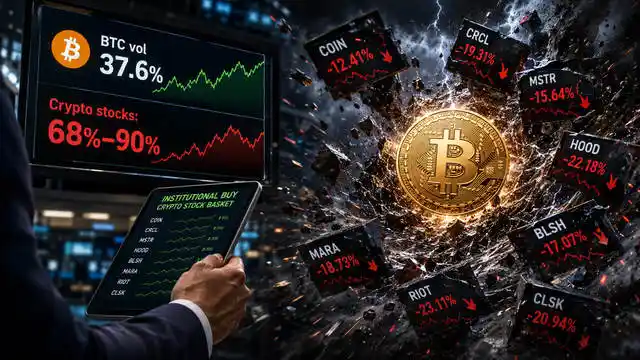
In June, Cathie Wood's ARK Invest purchased $77 million worth of publicly traded crypto-related stocks, including Coinbase, Circle, and Bullish, during Bitcoin's worst monthly performance in four years. This aligns with the investment thesis that such stocks offer a compliant way to gain exposure to the crypto cycle without directly holding Bitcoin. However, data analysis reveals significant drawbacks. A group of nine U.S.-listed crypto companies showed 30-day annualized realized volatility between 68% and 90%, nearly double Bitcoin's 37.6%. Over 90 days, Circle's volatility reached 103.6% versus Bitcoin's 37.8%. Drawdowns were also more severe for stocks like Circle (-51.4%) and MicroStrategy (-48.6%) compared to Bitcoin's -36.4% from its January high. Correlation analysis shows most stocks share only a moderate link to Bitcoin. For example, Circle, Robinhood, and Bullish have a 90-day correlation coefficient of just 0.55–0.58 with BTC, meaning only about one-third of their price movement is explained by Bitcoin's action. The rest stems from company-specific risks: earnings, competition, fundraising, and equity dilution. MicroStrategy (MSTR) is the notable exception, acting as a leveraged Bitcoin proxy with a beta of 1.59 and 0.85 correlation. Coinbase offers relatively balanced exposure. Circle exemplifies "crypto-wrapped" corporate risk, with its recent crash tied to stablecoin competition, not Bitcoin. Robinhood's diversified business insulates it from crypto downturns but also limits upside. Bitcoin miners like RIOT and MARA have posted significant gains year-to-date, driven primarily by their pivot to AI compute services, not Bitcoin's price. The article highlights that investing in crypto stocks often means accepting amplified volatility or layering on business-specific risks absent from direct Bitcoin ownership. For instance, MicroStrategy's recent challenges—its market value falling below its Bitcoin holdings (mNAV <1) and facing potential Bitcoin sales for liquidity—demonstrate equity-specific hazards like dilution and financing pressures not faced by a direct Bitcoin holder. ARK's buying spree represents a bet on a basket of different business models with varying crypto exposure, not a simple, lower-risk substitute for holding Bitcoin.

marsbit47 min fa

Cathie Wood's June $77M Investment: Are Crypto Stocks a True 'Substitute' for Bitcoin?

marsbit47 min fa

Trading

Spot

Articoli Popolari

Come comprare TRX

Benvenuto in HTX.com! Abbiamo reso l'acquisto di TRON (TRX) semplice e conveniente. Segui la nostra guida passo passo per intraprendere il tuo viaggio nel mondo delle criptovalute.Step 1: Crea il tuo Account HTXUsa la tua email o numero di telefono per registrarti il tuo account gratuito su HTX. Vivi un'esperienza facile e sblocca tutte le funzionalità,Crea il mio accountStep 2: Vai in Acquista crypto e seleziona il tuo metodo di pagamentoCarta di credito/debito: utilizza la tua Visa o Mastercard per acquistare immediatamente TRONTRX.Bilancio: Usa i fondi dal bilancio del tuo account HTX per fare trading senza problemi.Terze parti: abbiamo aggiunto metodi di pagamento molto utilizzati come Google Pay e Apple Pay per maggiore comodità.P2P: Fai trading direttamente con altri utenti HTX.Over-the-Counter (OTC): Offriamo servizi su misura e tassi di cambio competitivi per i trader.Step 3: Conserva TRON (TRX)Dopo aver acquistato TRON (TRX), conserva nel tuo account HTX. In alternativa, puoi inviare tramite trasferimento blockchain o scambiare per altre criptovalute.Step 4: Scambia TRON (TRX)Scambia facilmente TRON (TRX) nel mercato spot di HTX. Accedi al tuo account, seleziona la tua coppia di trading, esegui le tue operazioni e monitora in tempo reale. Offriamo un'esperienza user-friendly sia per chi ha appena iniziato che per i trader più esperti.

1.6k Totale visualizzazioniPubblicato il 2024.12.10Aggiornato il 2026.06.02

Come comprare TRX

Discussioni

Benvenuto nella Community HTX. Qui puoi rimanere informato sugli ultimi sviluppi della piattaforma e accedere ad approfondimenti esperti sul mercato. Le opinioni degli utenti sul prezzo di TRX TRX sono presentate come di seguito.

活动图片