Số Lượng Đối Tác Ngân Hàng Của Ripple Không Có Nghĩa Là 300 Ngân Hàng Đang Sử Dụng XRP

bitcoinistPubblicato 2026-06-30Pubblicato ultima volta 2026-06-30

Introduzione

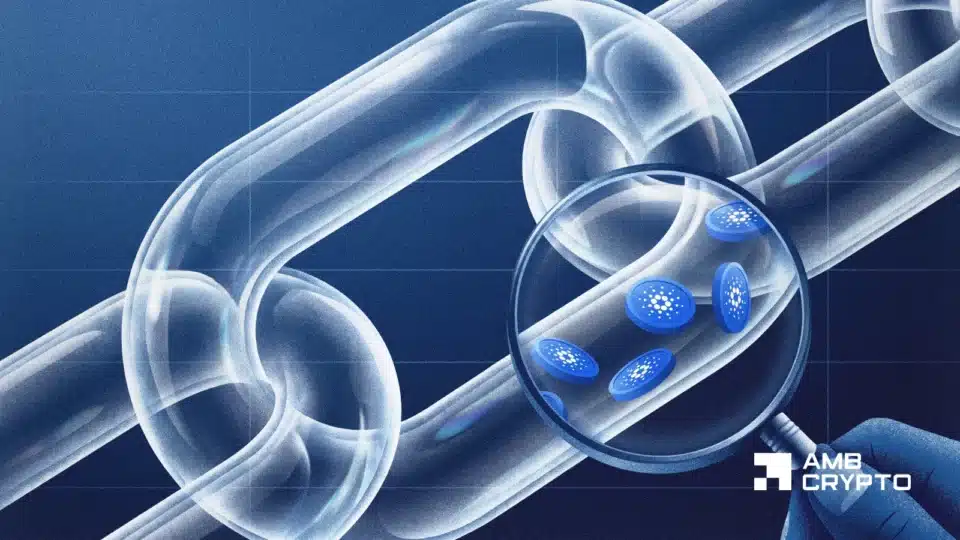
Ripple thường xuyên đề cập đến mạng lưới hơn 300 đối tác thể chế để chứng minh mức độ áp dụng XRP. Tuy nhiên, có một khoảng cách quan trọng giữa con số này và việc sử dụng token XRP thực tế. Nhiều ngân hàng và đối tác có thể sử dụng công nghệ của Ripple hoặc tham gia mạng lưới thanh toán mà không cần sử dụng trực tiếp XRP làm tài sản để quyết toán. Điều này rất quan trọng đối với các nhà đầu tư vì giá trị của XRP phụ thuộc vào nhu cầu thực tế đối với token, không chỉ vào các mối quan hệ đối tác. Một tin tức về đối tác của Ripple chỉ thực sự tích cực cho XRP nếu nó làm rõ được vai trò của token trong giao dịch, nguồn thanh khoản hoặc quyết toán. XRP vẫn là một tài sản gây tranh cãi: người ủng hộ chỉ ra mạng lưới thể chế rộng lớn, trong khi người chỉ trích cho rằng việc sử dụng token chưa tương xứng. Sự thật có lẽ nằm ở giữa. Các mối quan hệ của Ripple có giá trị, nhưng câu chuyện áp dụng XRP sẽ phụ thuộc nhiều hơn vào việc các đối tác đó sử dụng token một cách rõ ràng như thế nào, chứ không chỉ vào số lượng đối tác được công bố.

Để biết thêm chi tiết, hãy truy cập nền tảng Crypto chính thức.

Tóm tắt

  • Ripple có hơn 300 đối tác tổ chức, theo ghi chú Hydration.
  • Vấn đề then chốt là hầu hết các đối tác ngân hàng được cho là không trực tiếp sử dụng XRP để thanh toán.
  • Sự khác biệt đó quan trọng vì tiêu đề về đối tác có thể mạnh hơn nhu cầu thực tế về token.

Sự Khác Biệt Giữa Các Đối Tác Của Ripple Và Thực Tế Về XRP

Số lượng đối tác tổ chức của Ripple thường được xem là một trong những lập luận mạnh mẽ nhất cho việc áp dụng XRP. Công ty có hơn 300 đối tác tổ chức, nhưng câu hỏi quan trọng hơn là bao nhiêu trong số những đối tác đó thực sự tiếp xúc với XRP.

Đó là lúc cuộc tranh luận trở nên phức tạp hơn. Một ngân hàng có thể hợp tác với Ripple, sử dụng công nghệ liên quan đến Ripple, hoặc tham gia vào mạng lưới thanh toán mà không nhất thiết phải sử dụng XRP làm tài sản thanh toán. Đối với những người nắm giữ XRP, sự khác biệt đó quan trọng vì luận điểm đầu tư thường phụ thuộc vào tiện ích thực sự của token, không chỉ là các mối quan hệ doanh nghiệp.

Đây là khoảng cách liên tục xuất hiện trong các cuộc thảo luận về XRP. Ripple có thể có dấu ấn tổ chức ý nghĩa trong khi việc sử dụng XRP vẫn hẹp hơn so với một số câu chuyện cộng đồng ngụ ý. Cả hai điều này có thể cùng đúng một lúc.

Tại Sao Sự Khác Biệt Lại Quan Trọng

Các quan hệ đối tác có giá trị, nhưng chúng không giống nhau tất cả.

Một ngân hàng thử nghiệm phần mềm khác với một ngân hàng thanh toán khối lượng thông qua XRP. Một công ty thanh toán tham gia mạng lưới khác với việc nắm giữ hàng tồn kho XRP. Một mối quan hệ doanh nghiệp khác với nhu cầu được thúc đẩy bởi token.

Đối với độc giả, bài học thực tế rất đơn giản: bất cứ khi nào xuất hiện tiêu đề về quan hệ đối tác của Ripple, câu hỏi đầu tiên nên là “XRP thực sự đóng vai trò gì?” Nếu câu trả lời không rõ ràng, tiêu đề đó có thể tích cực cho Ripple với tư cách là một công ty nhưng ít trực tiếp hơn đối với XRP với tư cách là một tài sản.

Điều đó không làm cho XRP trở nên vô giá trị. Nó chỉ buộc phải đọc về việc áp dụng một cách trung thực hơn. Trường hợp mạnh mẽ nhất của XRP xuất hiện khi token được sử dụng để chuyển giá trị, tìm kiếm thanh khoản hoặc thanh toán giao dịch. Nếu các đối tác sử dụng công nghệ Ripple mà không có XRP, thì câu chuyện về nhu cầu token sẽ yếu hơn so với những gì con số đối tác gợi ý.

Cuộc Tranh Luận Lớn Hơn Về XRP

Vấn đề này cũng giải thích tại sao XRP vẫn là một trong những tài sản được tranh luận nhiều nhất trong lĩnh vực crypto.

Những người ủng hộ chỉ ra các mối quan hệ doanh nghiệp của Ripple, sự tồn tại pháp lý và sự tập trung lâu dài vào thanh toán. Những người chỉ trích cho rằng các mối quan hệ tổ chức đã không chuyển thành mức độ sử dụng token để biện minh cho những tuyên bố áp dụng ồn ào nhất.

Sự thật có lẽ nằm ở đâu đó ở giữa. Mạng lưới của Ripple quan trọng. Sự công nhận thương hiệu của nó quan trọng. Cơ sở đối tác của nó quan trọng. Nhưng các nhà đầu tư XRP vẫn cần bằng chứng rằng những mối quan hệ này tạo ra nhu cầu có ý nghĩa đối với chính token.

Đó là lý do tại sao câu chuyện này đáng được giải mã hơn là coi nó là giảm giá hoặc tăng giá một cách riêng lẻ. Nó không nói rằng Ripple không có sức hút tổ chức. Nó nói rằng sức hút tổ chức và việc thanh toán bằng XRP không phải là một.

Đối với XRP, giai đoạn tiếp theo của câu chuyện sẽ ít phụ thuộc vào việc Ripple có thể kể tên bao nhiêu đối tác mà phụ thuộc nhiều hơn vào việc các đối tác đó sử dụng tài sản này rõ ràng như thế nào. Đó là chỉ số áp dụng mà các nhà giao dịch nên theo dõi.

Bài viết này được viết bởi News Desk và biên tập bởi Samuel Rae.

Báo cáo này dựa trên thông tin được Crypto. công bố tại Crypto

Crypto di tendenza

Domande pertinenti

QBài báo nêu lên điểm khác biệt chính nào giữa số lượng đối tác ngân hàng của Ripple và việc sử dụng XRP?

AĐiểm khác biệt chính là trong khi Ripple có hơn 300 đối tác thể chế, hầu hết các đối tác ngân hàng này được báo cáo là không sử dụng trực tiếp token XRP để thanh toán. Họ có thể hợp tác với Ripple, sử dụng công nghệ của công ty hoặc tham gia mạng lưới thanh toán mà không cần dùng đến XRP làm tài sản định cư.

QTại sao việc phân biệt giữa quan hệ đối tác và việc sử dụng XRP lại quan trọng đối với nhà đầu tư?

ASự phân biệt này quan trọng vì luận điểm đầu tư vào XRP thường phụ thuộc vào tiện ích thực tế của token, chứ không chỉ là các mối quan hệ doanh nghiệp. Quan hệ đối tác (như thử nghiệm phần mềm) không tự động tạo ra cầu cho token XRP. Cầu thực sự chỉ được tạo ra khi XRP được sử dụng để chuyển giá trị, tạo thanh khoản hoặc định cư giao dịch.

QTheo bài báo, câu hỏi đầu tiên mà độc giả nên đặt ra khi thấy tin tức về đối tác mới của Ripple là gì?

ACâu hỏi đầu tiên và quan trọng nhất là 'XRP thực sự đóng vai trò gì trong quan hệ đối tác này?'. Nếu câu trả lời không rõ ràng, tin tức đó có thể tích cực cho Ripple với tư cách một công ty nhưng ít tác động trực tiếp hơn đến XRP với tư cách một tài sản.

QBài báo mô tả như thế nào về cuộc tranh luận xung quanh XRP?

ABài báo mô tả XRP là một trong những tài sản được tranh luận nhiều nhất trong crypto. Phe ủng hộ chỉ ra các mối quan hệ doanh nghiệp của Ripple và trọng tâm vào thanh toán. Phe chỉ trích cho rằng các mối quan hệ thể chế đó chưa chuyển hóa thành mức độ sử dụng token đủ để biện minh cho những tuyên bố về mức độ áp dụng cao. Sự thật có lẽ nằm ở khoảng giữa.

QBài báo chỉ ra chỉ số nào mà các nhà giao dịch nên theo dõi để đánh giá sự phát triển của XRP trong tương lai?

ABài báo chỉ ra rằng giai đoạn tiếp theo của XRP sẽ ít phụ thuộc vào số lượng đối tác mà Ripple có thể kể tên, mà phụ thuộc nhiều hơn vào việc các đối tác đó sử dụng token XRP một cách rõ ràng đến mức nào. Đây chính là chỉ số về mức độ áp dụng (adoption metric) mà các nhà giao dịch nên theo dõi.

Letture associate

In the AI Era, What's Left for Bitcoin?

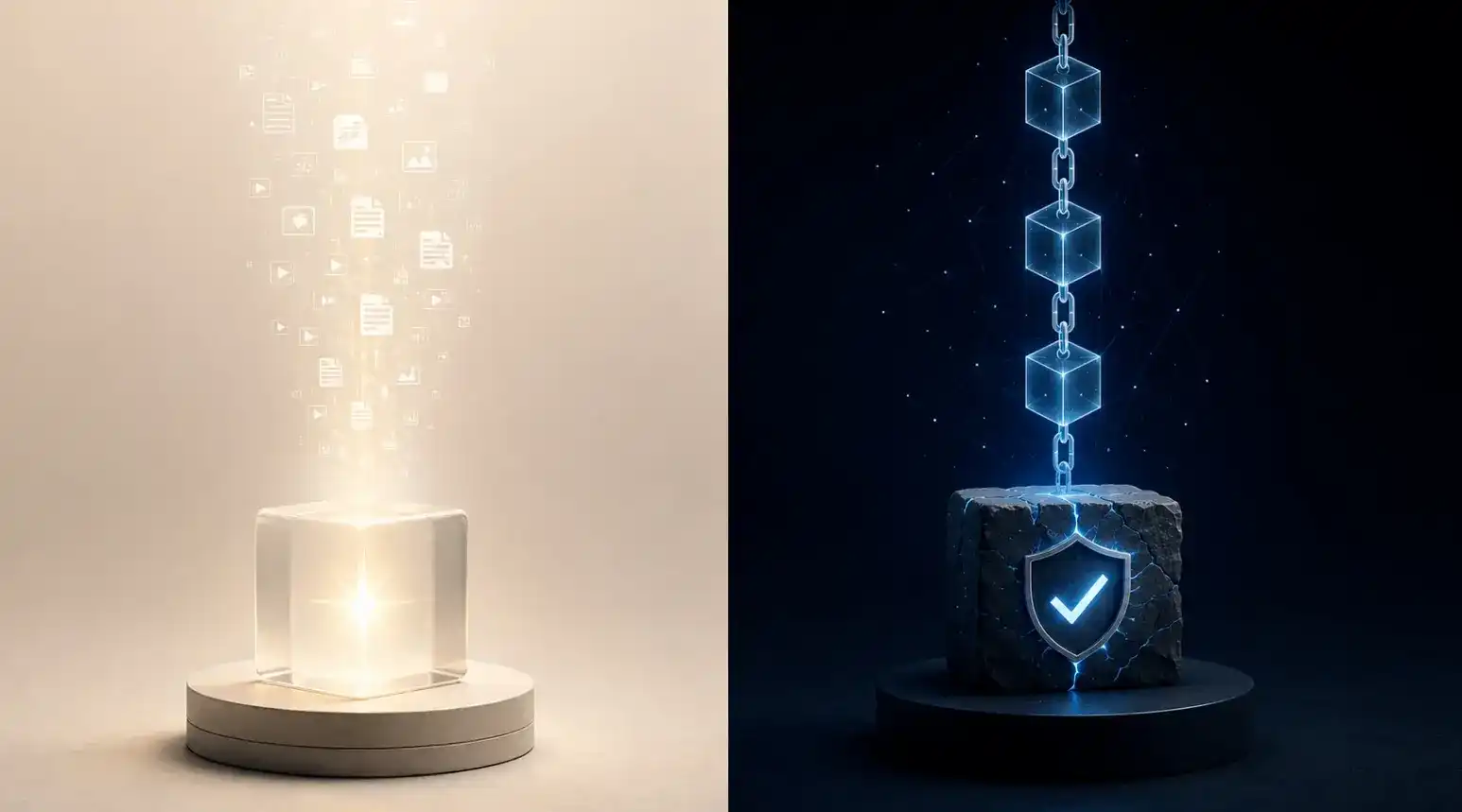
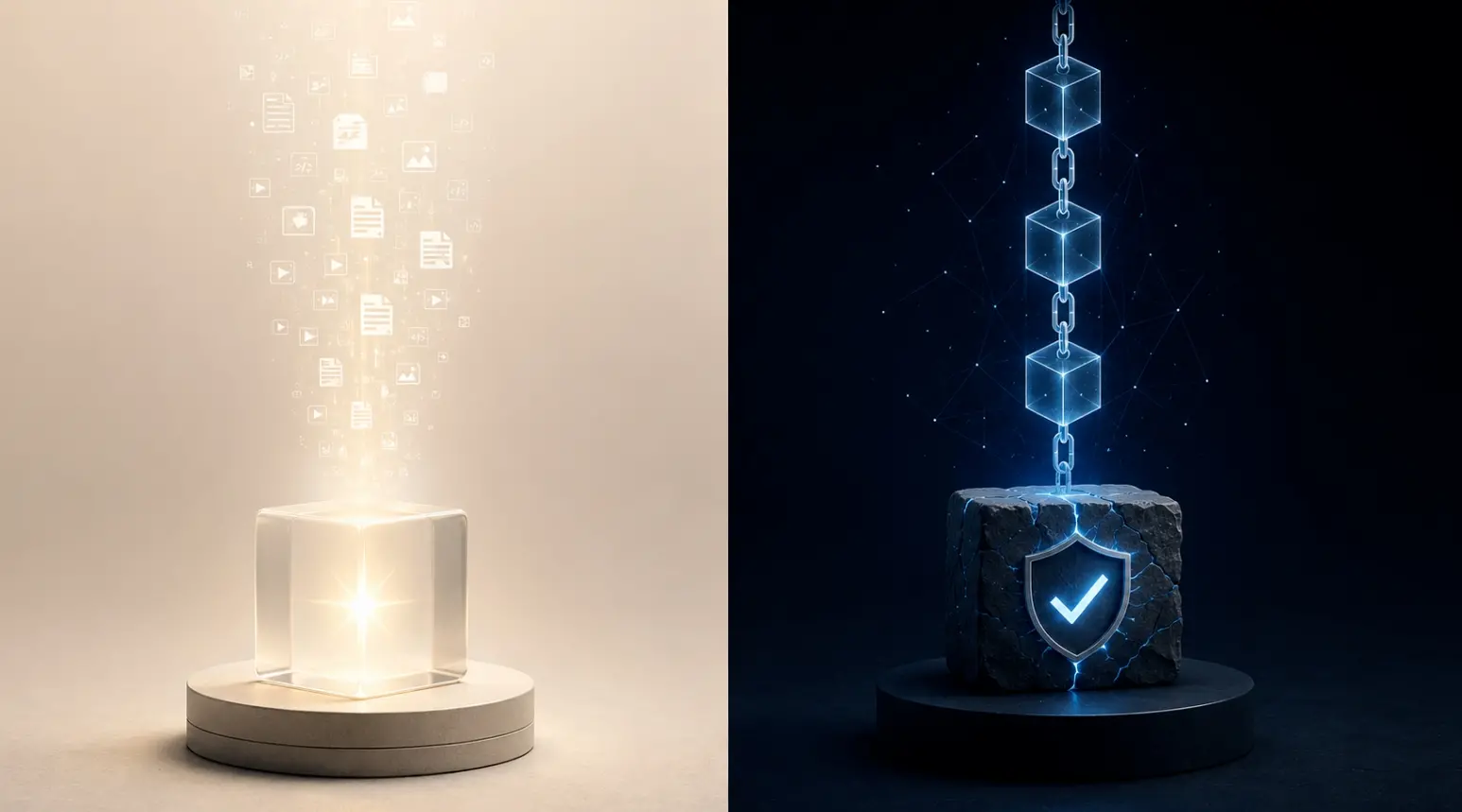
As Bitcoin falls below $60,000, the author reflects on the relationship between AI and Bitcoin, seeing them as two sides of the same coin. In the AI era, the cost of generating content has plummeted, making fake text, images, and videos increasingly easy and cheap to produce. This has led to a fundamental shift: while AI dramatically lowers the cost of information production, it also undermines trust and authenticity online. What becomes truly valuable is not more content, but the ability to verify what is real—"verifiability." This perspective offers a new lens for Bitcoin. Its massive energy consumption, often criticized as wasteful, is reinterpreted. While AI burns energy to enhance "capability" and efficiency, Bitcoin burns energy to produce "verifiability." Its purpose is not to be trusted but to enable a system where no trust in intermediaries—banks, platforms, or developers—is needed. Every transaction and the entire ledger's history is secured by cryptography and a decentralized network of nodes, making it independently verifiable. AI cannot forge a transaction on the Bitcoin network because the system is designed for proof, not generation. The author draws a historical parallel to the Renaissance: the printing press drastically reduced the cost of copying knowledge, while double-entry bookkeeping reduced the cost of trust in commerce. Today, AI is the new printing press, reducing content creation costs to near zero. Blockchain, and Bitcoin as its pioneer, may be the modern equivalent of double-entry bookkeeping—a foundational technology for verifying digital asset ownership and historical records without centralized authorities. Thus, AI and blockchain are not competitors. AI lowers the cost of creation; blockchain lowers the cost of verification. In an age where AI can generate anything, true scarcity may lie not in more content, but in independently verifiable facts. Whether the market will reprice Bitcoin accordingly remains uncertain, but its core value proposition as a "machine for producing verifiability" becomes strikingly relevant.

marsbit18 min fa

In the AI Era, What's Left for Bitcoin?

marsbit18 min fa

In the Age of AI, What's Left for Bitcoin?

Author: Sevclub, Seven Research Amid Bitcoin's recent drop below $60k, the author reflects on a growing sense that AI and Bitcoin are two sides of the same coin. Today, encountering any content triggers a new default question: "Was this made by AI?" The cost of generating convincing text, images, and video is now negligible. While the internet lowered information *distribution* costs, AI is crashing information *production* costs to near zero. The consequence is a flood of content where truth and falsehood are increasingly indistinguishable. In this environment, what becomes truly valuable is not more information, but the ability to verify what is real—"verifiability." This reframes the common criticism that Bitcoin "wastes electricity." AI consumes power to produce "capability" (e.g., more powerful models). Bitcoin consumes power to produce something else: "verifiability." Bitcoin's core purpose isn't about belief or trust in any institution, developer, or even its creator. It's about enabling independent verification. Every bitcoin's origin, every transaction, and the integrity of the entire ledger are secured by mathematics, cryptography, and a global network of nodes. AI can fabricate convincing media, but it cannot falsify a transaction on the Bitcoin network. The expended energy makes篡改历史 (tampering with history) prohibitively expensive, purchasing a globally verifiable ledger. The author draws a historical parallel to the Renaissance. The printing press drastically reduced the cost of copying knowledge, while double-entry bookkeeping reduced the cost of trust in commerce—one enabled creation, the other verification. Today, AI is the new printing press, driving content production costs toward zero. The question becomes: what is this era's "double-entry bookkeeping"? Blockchain appears to be the leading candidate. It doesn't verify which news is true or which image is real, but it provides a foundational layer for independently verifying asset ownership and historical records in the digital realm without centralized authorities. Therefore, AI and blockchain are not in competition. AI lowers the cost of *generation*. Blockchain (and Bitcoin as a prime example) lowers the cost of *verification*. One creates, the other proves. Whether Bitcoin ultimately succeeds remains uncertain, facing potential challenges from quantum computing, regulation, and technical evolution. However, the author now sees it less as a "machine for making bitcoin" and more as a "machine for making verifiability." In an age where AI can generate anything, true scarcity may no longer be "more content," but "more independently verifiable facts." Whether the market will price this accordingly is a separate question.

链捕手26 min fa

In the Age of AI, What's Left for Bitcoin?

链捕手26 min fa

Trading

Spot

Articoli Popolari

Cosa è XRP 2.0

XRP 2.0: Una Nuova Frontiera nel Paesaggio delle Criptovalute Introduzione a XRP 2.0 Nel mondo in continua evoluzione delle criptovalute, nuovi progetti emergono continuamente, cercando attenzione e adozione. Una tale iniziativa promettente è XRP 2.0, un nuovo progetto di criptovaluta progettato per sfruttare avanzate tecnologie blockchain e metodologie di crittografia robuste. Anche se il nome richiama alla mente l'XRP di Ripple, è fondamentale notare che XRP 2.0 opera in modo indipendente, concentrandosi sul miglioramento della sicurezza delle transazioni, della privacy e della scalabilità. Mentre il panorama finanziario digitale abbraccia sempre di più soluzioni decentralizzate, XRP 2.0 mira a contribuire in modo significativo al web3 e all'espansione generale dei progetti crypto. Cos'è XRP 2.0? Alla sua base, XRP 2.0 è un progetto di criptovaluta che mira a creare un ecosistema di valuta digitale sicuro e decentralizzato. La sua tecnologia fondamentale integra principi di blockchain sofisticati con tecniche di crittografia all'avanguardia. L'obiettivo principale di XRP 2.0 è quello di affermarsi come una piattaforma affidabile ed efficiente in grado di consentire un'esecuzione rapida delle transazioni, dando priorità a migliori protezioni della privacy per i suoi utenti. Il progetto è promosso come una soluzione a molte limitazioni affrontate dalle criptovalute esistenti, proponendo un sistema in grado di gestire un volume maggiore di transazioni con migliorata velocità e privacy. Questa versatilità pone XRP 2.0 come un significativo competitor in un mercato affollato di varie valute digitali. Chi è il Creatore di XRP 2.0? L'identità del creatore dietro XRP 2.0 è stata segnalata come 'Wilbur'. Tuttavia, i dettagli completi riguardanti Wilbur o l'entità associata rimangono sfuggenti. L'anonimato di molti creatori di criptovalute non è un fenomeno raro nel settore, spesso progettato per mantenere un certo grado di privacy e sicurezza. Chi sono gli Investitori di XRP 2.0? Al momento, informazioni specifiche relative alle fondazioni o organizzazioni di investimento a supporto di XRP 2.0 non sono disponibili pubblicamente. Nel settore delle criptovalute, il supporto di investitori rinomati può influenzare significativamente la credibilità e il successo di un progetto, tuttavia la trasparenza riguardo ai sostenitori finanziari di XRP 2.0 non è stata stabilita. Come Funziona XRP 2.0? XRP 2.0 si distingue per l'impiego di una combinazione di tecnologia blockchain e algoritmi di crittografia avanzati che garantiscono transazioni sicure e decentralizzate. La sua struttura innovativa include caratteristiche uniche progettate per promuovere il coinvolgimento degli utenti e ampliare le funzionalità oltre le transazioni convenzionali delle criptovalute. Tra queste caratteristiche, XRP 2.0 incorpora capacità alimentate da intelligenza artificiale, come funzionalità di testo in immagini e testo in voce. Queste aggiunte sono progettate per migliorare l'esperienza interattiva per gli utenti, promuovendo una maggiore applicabilità in vari settori. Unendo progressi tecnologici con design incentrati sugli utenti, XRP 2.0 mira a catturare l'attenzione di una vasta gamma di individui e aziende che cercano di integrare soluzioni di criptovaluta nei loro framework operativi. Cronologia di XRP 2.0 Comprendere XRP 2.0 richiede di esaminare i traguardi che hanno definito il suo percorso fino ad ora: 23 luglio 2023: XRP 2.0 viene introdotto come un nuovo progetto di criptovaluta, mirante a rivoluzionare le capacità di transazione sicura e decentralizzata nel dominio blockchain. 8 settembre 2023: Si verifica il lancio di un altro progetto, XRP20, marcando l'emergere di un token ERC-20 sulla blockchain di Ethereum che resta non correlato a XRP 2.0. 13 novembre 2023: Il ledger XRP subisce un significativo aggiornamento con il rilascio della versione 2.0.0 del software server rippled. È essenziale notare che questo sviluppo è scollegato dal progetto di criptovaluta XRP 2.0. Punti Chiave su XRP 2.0 Per distillare l'essenza di XRP 2.0, emergono diversi fattori critici: Caratteristiche Uniche: L'inclusione di funzionalità come il testo in immagini e testo in voce alimentato da intelligenza artificiale diversifica ulteriormente le potenziali applicazioni di XRP 2.0. Tecnologia Blockchain: Il framework utilizza meccanismi blockchain avanzati e protocolli di crittografia, garantendo un ambiente sicuro e decentralizzato per le transazioni. Scalabilità e Privacy: XRP 2.0 dà priorità a migliori protezioni della privacy nei processi di transazione e alla scalabilità necessaria per accogliere una base di utenti in crescita. Nessuna Affiliazione con Ripple: È importante notare che, nonostante il suo nome, XRP 2.0 non ha alcuna fedeltà o collaborazione con l'XRP di Ripple, distinguendo il proprio framework operativo e obiettivi all'interno dell'ecosistema delle criptovalute. Conclusione XRP 2.0 rappresenta un'ambiziosa venture nell'ambito delle criptovalute, mirante a offrire una combinazione di sicurezza, privacy ed efficienza nelle transazioni digitali. Integrando tecnologie sofisticate e caratteristiche user-friendly, il progetto si propone di ampliare gli orizzonti di ciò che le criptovalute possono realizzare nell'economia digitale odierna. Sebbene l'anonimato del suo creatore e la mancanza di investitori dichiarati possano sollevare domande per alcuni, il focus di XRP 2.0 su funzionalità avanzate e decentralizzazione ne amplifica l'appeal in un mercato crypto sempre più affollato. Man mano che il panorama delle criptovalute continua a evolversi, XRP 2.0 potrebbe emergere come un attore decisivo nell'espansione di soluzioni blockchain sicure e scalabili.

179 Totale visualizzazioniPubblicato il 2024.04.05Aggiornato il 2024.12.03

Cosa è XRP 2.0

Come comprare XRP

Benvenuto in HTX.com! Abbiamo reso l'acquisto di XRP (XRP) semplice e conveniente. Segui la nostra guida passo passo per intraprendere il tuo viaggio nel mondo delle criptovalute.Step 1: Crea il tuo Account HTXUsa la tua email o numero di telefono per registrarti il tuo account gratuito su HTX. Vivi un'esperienza facile e sblocca tutte le funzionalità,Crea il mio accountStep 2: Vai in Acquista crypto e seleziona il tuo metodo di pagamentoCarta di credito/debito: utilizza la tua Visa o Mastercard per acquistare immediatamente XRPXRP.Bilancio: Usa i fondi dal bilancio del tuo account HTX per fare trading senza problemi.Terze parti: abbiamo aggiunto metodi di pagamento molto utilizzati come Google Pay e Apple Pay per maggiore comodità.P2P: Fai trading direttamente con altri utenti HTX.Over-the-Counter (OTC): Offriamo servizi su misura e tassi di cambio competitivi per i trader.Step 3: Conserva XRP (XRP)Dopo aver acquistato XRP (XRP), conserva nel tuo account HTX. In alternativa, puoi inviare tramite trasferimento blockchain o scambiare per altre criptovalute.Step 4: Scambia XRP (XRP)Scambia facilmente XRP (XRP) nel mercato spot di HTX. Accedi al tuo account, seleziona la tua coppia di trading, esegui le tue operazioni e monitora in tempo reale. Offriamo un'esperienza user-friendly sia per chi ha appena iniziato che per i trader più esperti.

1.6k Totale visualizzazioniPubblicato il 2024.12.10Aggiornato il 2026.06.02

Come comprare XRP

Discussioni

Benvenuto nella Community HTX. Qui puoi rimanere informato sugli ultimi sviluppi della piattaforma e accedere ad approfondimenti esperti sul mercato. Le opinioni degli utenti sul prezzo di XRP XRP sono presentate come di seguito.

活动图片