OpenAI「最开放」一次,Codex不再独宠GPT

marsbitPubblicato 2026-06-22Pubblicato ultima volta 2026-06-22

Introduzione

OpenAI宣布其编程智能体Codex不再只支持自家的GPT模型,而是开放了“可插拔模型接口层”,允许开发者通过配置接入Ollama、LM Studio等本地开源模型,或通过第三方路由服务接入DeepSeek等外部模型。这一变化被社区称为OpenAI“最开放”的一次举动,意味着用户可以根据需求、成本或隐私考虑灵活切换模型,甚至实现离线运行。然而,接入过程并非完全无障碍:Codex主要基于OpenAI的Responses API协议,而多数开源模型采用Chat Completions接口,因此常需社区工具(如CC Switch、LiteLLM)进行协议转换和路由中转才能顺利工作。此举被视为OpenAI从“卖模型”向“建平台”的战略转变,旨在通过控制生态入口和接口标准来巩固其地位,而开发者则获得了更经济、灵活且能保护代码隐私的使用选择。

有人欢呼,这是OpenAI「最开放」的一次。给Codex装上能随便换模型的插座,等于亲手填平自己模型的护城河。它图什么?

一夜之间,OpenAI的编程智能体Codex不再只认自家的GPT,而是面向所有开源模型开放了。

最先察觉这一信号的,是开发者社区。

有开发者在Codex的命令行(CLI)和软件开发工具包(SDK)配置里,翻出一个陌生的开源模式(OSS mode),官方也叫它本地提供方(local providers)。
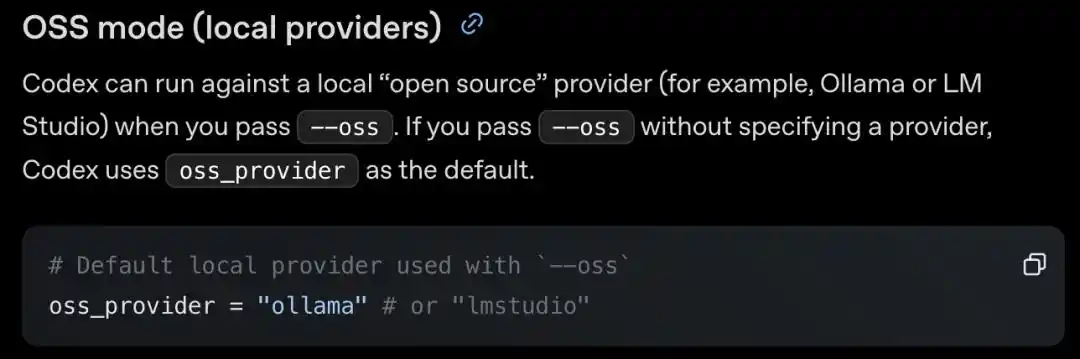
在命令行里加一个--oss,它就能在本地跑起开源模型;想接别的,改一个字段就行。

要知道,OpenAI在过去几乎就是「闭源」的代名词,Codex只认OpenAI自家的GPT。

但现在不一样了,仅仅一行配置,就能切换到本地的Ollama、LM Studio等模型服务。

这事很快便在开发者圈里炸了。

OpenAI Codex团队负责人Tibo还不忘亲自在X上提醒道:

Codex的App、CLI和SDK,可以搭配任意开源模型使用,并非只能用OpenAI自家的。
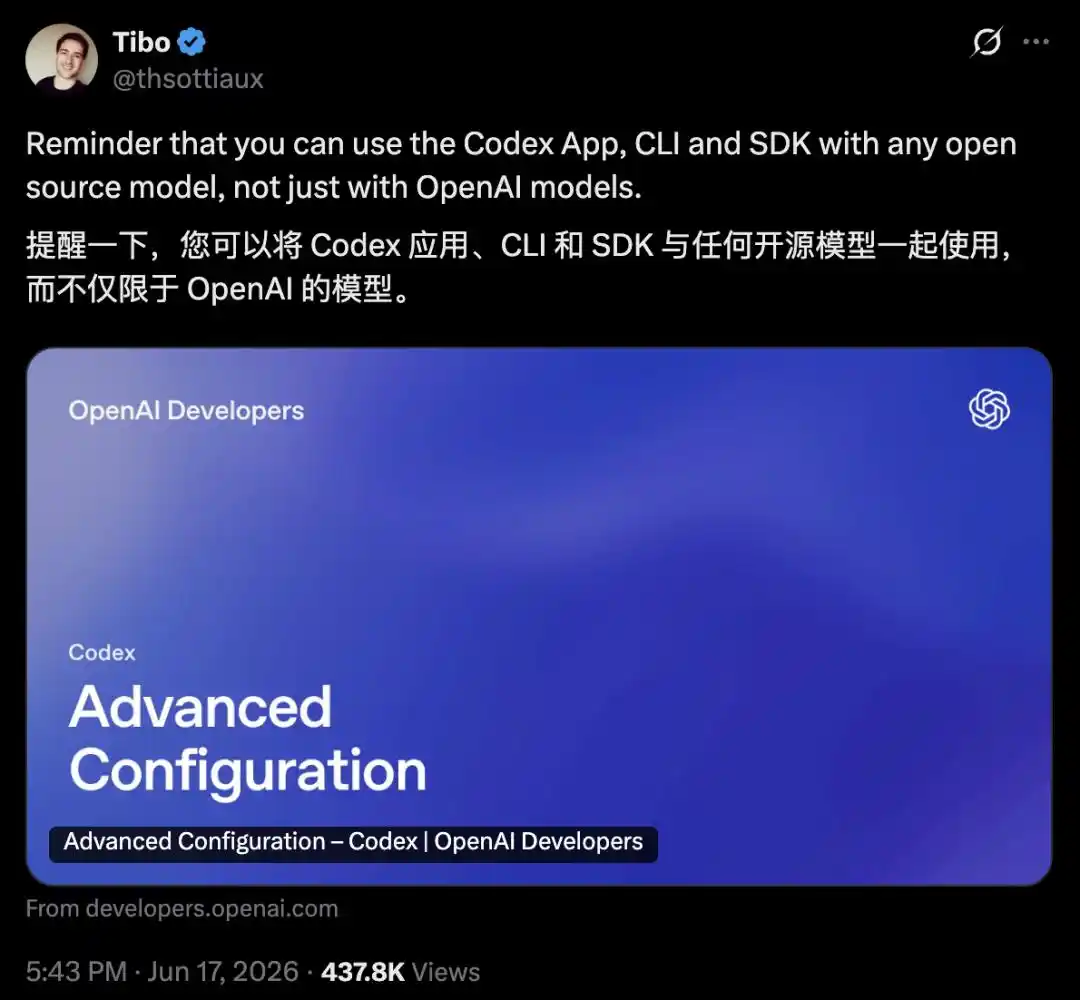
这条提醒,很快被Hugging Face联合创始人Thomas Wolf转发,还加上一句感叹:今天才知道,Codex里居然能用开源模型了。

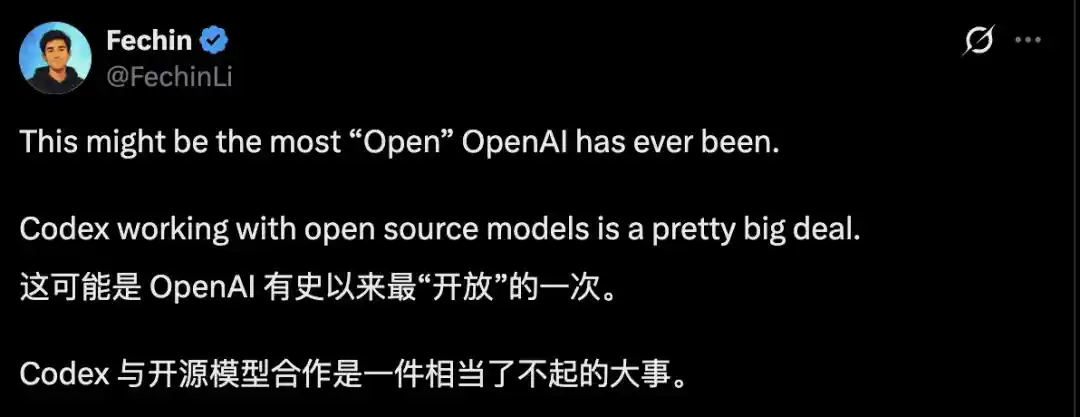
有网友直呼,这可能是OpenAI有史以来最「开放」的一次,是件了不起的大事。
社区的动作更快。

官方文档一出,开发者立刻尝试把一些开源模型接进去,还顺手讨论起更省token的混搭方案。

但也有人很快就撞上了墙。

开发者Filip Baturan想在Codex里搭一套混合方案:让GPT做规划,再让开源模型当执行者。

可试下来他发现,Codex要求接进来的模型也用同一套工具调用协议,而开源模型未必有。
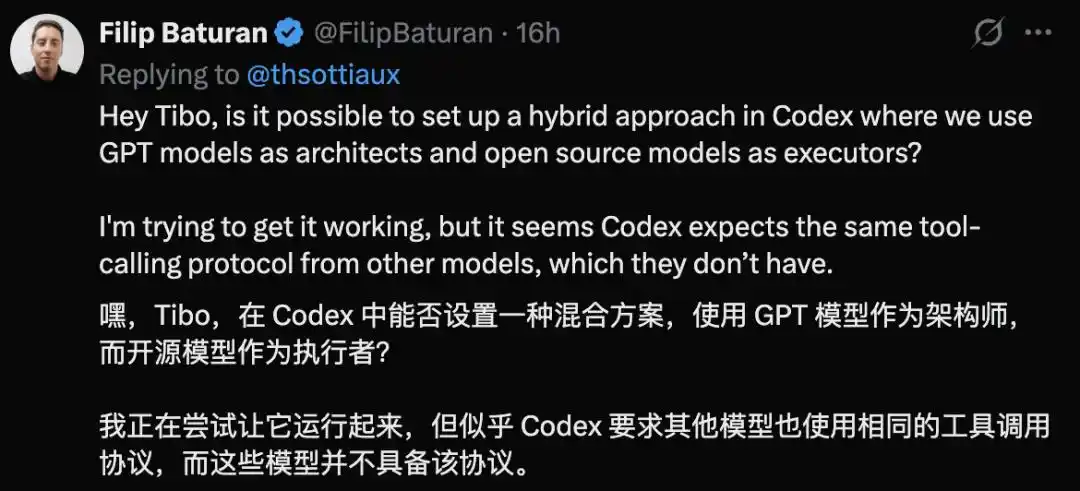
一边是「史上最开放」的欢呼,一边是接不进去的协议。

这一回,OpenAI到底开放到了哪一步?

开源模型是如何接入Codex的?

OpenAI这次对Codex的开放,本质上并不是开放模型本身,而是开放了「模型接入层」。

换句话说,它没有开放GPT模型,而是给Codex加了一个「可插拔模型接口层」。

这个能力通过一个叫模型提供方(model_providers)的配置来完成的。

开发者可以在配置文件中注册多个「模型提供方」,每个提供方包含四类信息:

访问地址(base_url)、通信协议(wire_api)、鉴权方式(env_key),以及模型映射关系(model)。

Codex启动时会根据配置选择对应模型提供方,从而将请求路由到不同模型服务,包括OpenAI自身模型、本地Ollama模型或DeepSeek等第三方API。
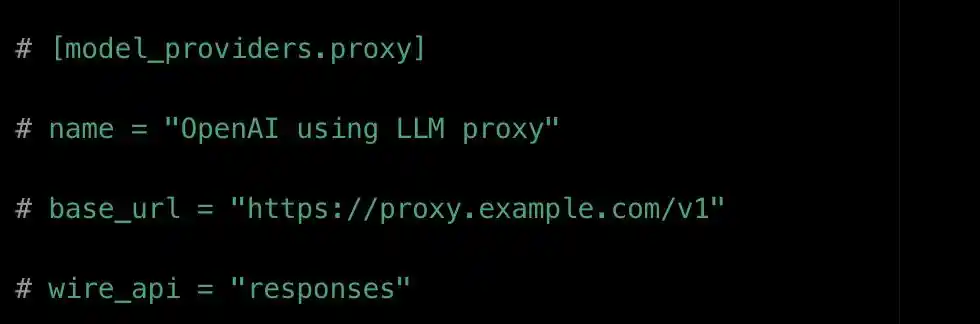
Codex的model_providers配置示例。base_url是模型地址,而协议字段wire_api只认responses一个值。

Mistral、企业自建的代理、第三方中转站,都能这么接入Codex。

有网友把这套能力的亮点总结为:不被一家厂商绑死,按需切换,隐私和成本自己说了算。

更省事的是,你还能把这些设置都保存为「配置档案」,调试时想用哪个,命令行里点它的名字就能切过去。

比起上面的手动配置,还有一个更直接的开关:--oss。加上这个参数,Codex就直接去连本地的开源模型服务。

默认就这两个:Ollama和LM Studio。前者是本地跑大模型最流行的工具,后者是带图形界面的桌面平替。
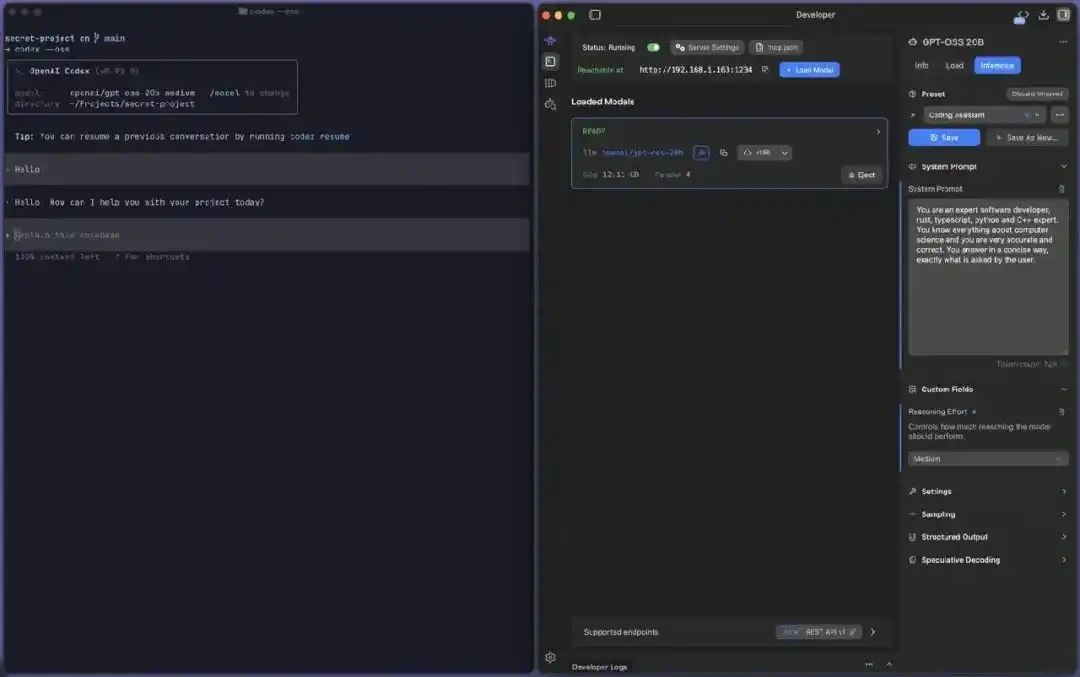
Codex --oss连本地模型实战截图:左侧Codex CLI(v0.92.0)用--oss调用本地模型,右侧LM Studio在本机1234端口加载openai/gpt-oss-20b(12.11GB)对外提供服务,全程本地离线。

也就是说,通过本地模型服务和网络权限配置,你可以让Codex在本机完成代码生成与推理,并在一定程度上实现离线运行与本地化处理。
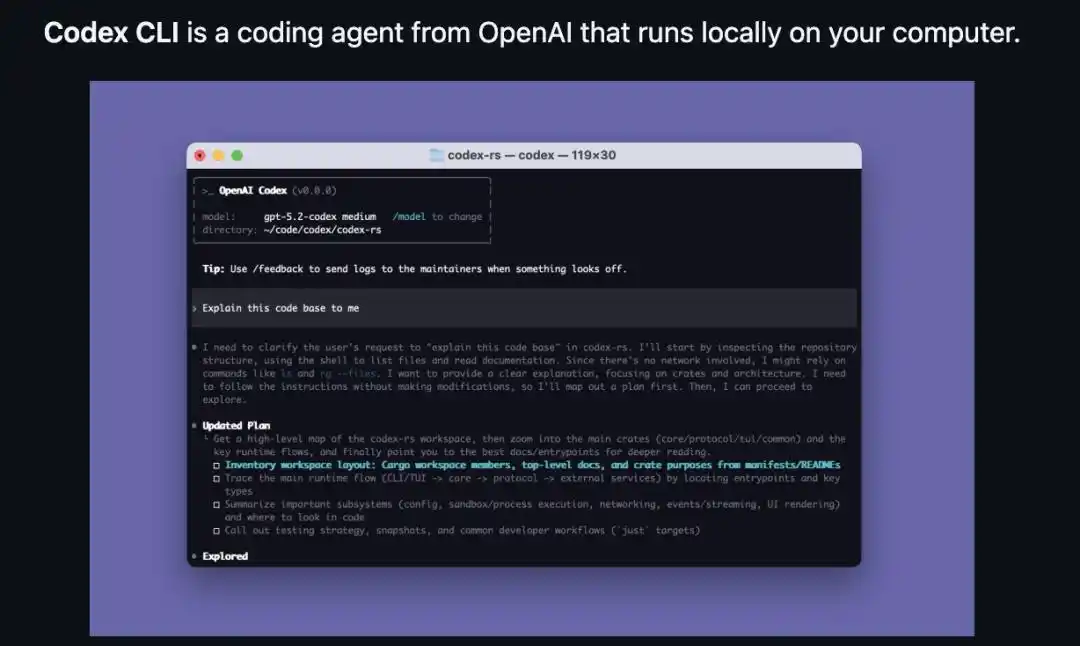
Codex CLI界面:启动信息里model一行标着当前模型(gpt-5.2-codex),后面跟着「/model to change」,一句命令就能切换模型,整套智能体就跑在本机。

不过,插座装上了,不代表什么电器插上都能转。

接进来的模型,通常得兼容对话补全(Chat Completions)这套接口格式;至于工具调用(function calling)这类更复杂的能力能不能完整跑通,官方没打包票,得一个个试。

也正因为协议常对不齐,社区还得自己写路由工具在中间转译,而这些,都是目前社区尝试出来的解法,OpenAI官方还没有为此背书。

当GPT与开源模型混搭

在Codex里一起干活

OpenAI官方这边刚开了个口,社区那边已经玩得热闹起来。

原因很简单:Codex好用,但用OpenAI的模型按token计费,太贵。

于是许多开发者都把眼光投向了开源模型。

DeepSeek是很多中文开发者最熟悉的开源模型之一,一个自然的问题是:Codex能不能直接用上DeepSeek?

CC Switch给出的答案是:可以,但不能直接接,需要多一层「中转」。
CC Switch社区教程:《在Codex里用本地路由跑DeepSeek》

其社区教程《在Codex里用本地路由跑DeepSeek》指出,原因在于新版Codex主要基于OpenAI的Responses API,而DeepSeek以及大多数开源模型接口仍以Chat Completions为主。

两套接口在请求结构、流式输出方式、以及工具调用机制上都不完全一致。

所以如果直接把DeepSeek的地址填进Codex,并不能顺利工作,常见情况是请求参数不匹配或返回结果无法被解析,导致调用失败或输出异常,而不是简单的「连不上」。

社区的解法,是在中间加一层本地「路由层」或「协议转换器」。

基本流程如下:

1.Codex按Responses API 发请求;

2.路由层把它转换成Chat Completions格式;

3.转发给DeepSeek等开源模型;

4.再把返回结果转换回Codex能识别的Responses格式。

类似的能力并不只有CC Switch提供。

LiteLLM、claude-code-router,以及开发者自建的各种代理服务,本质上都在解决同一个问题:让不同模型通过统一接口规范进行交互。

OpenAI这次开了道口子,但真正落地,还需要社区自己「添砖加瓦」。

这一切背后,是一套混合路由的玩法。

比如让GPT负责规划:拆解任务、设计架构、想清楚要干什么。让开源模型负责执行:把方案变成能跑的代码、批量改文件。

通过这样的混搭,同样一个任务,成本可能砍掉一大半。

除了更省钱,把Codex配上本地的开源模型,代码一行都不出你自己的电脑。

对那些不想把私人项目传上云、也不想一直给API交钱的个人开发者来说,这诱惑一点也不小。

模型战争结束了

接口战争开始了

过去几年,所有人都以为护城河是模型。谁的模型参数大、跑分高、回答聪明,谁就能赢。

但这一次,OpenAI把Codex这一层做成了一个可插拔的接口,它提供的价值也开始向生态入口转移。

OpenAI的算盘,很可能是从一个卖模型的厂商,向一个卖平台和框架的玩家转身:模型随你换,工具得是我的。

谁占住了开发者每天打开的那个入口,谁就握住了分发,就能坐上生态的核心位置。

这也不是OpenAI头一回在开源生态上的布局。

虽然它自2019年推出GPT-2之后长期未再发布开放权重大语言模型,在开源生态(如Llama、DeepSeek等模型)快速发展下,它还是在2025年8月重新推出gpt-oss系列开放权重模型。
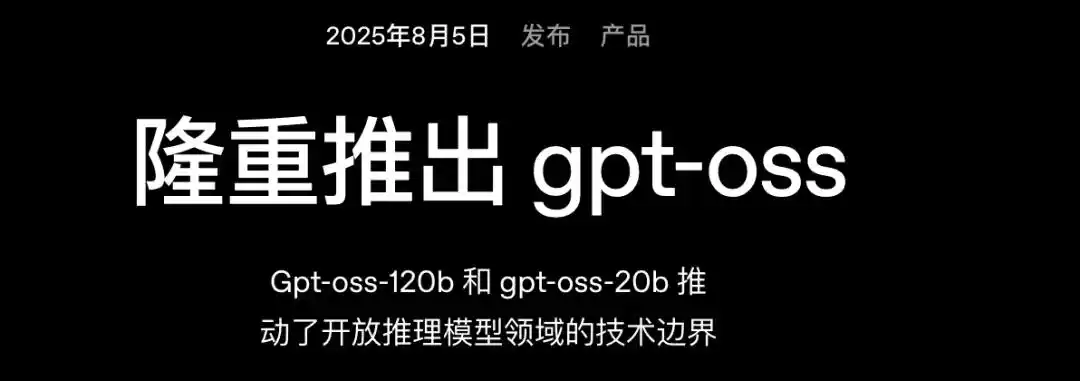
这些模型随后被社区工具链(如Ollama、LM Studio等)迅速集成支持,正是如今Codex --oss默认连接支持的。

配置层,OpenAI确实开放了模型接入能力,通过模型提供方抽象层允许第三方模型接入,但并不是任意模型都能直接使用,必须符合其接口协议或通过适配层进行转换。

在协议层,它保留了一道关键约束:以Responses API作为主要交互标准,同时允许通过兼容层支持Chat Completions等其他模型接口。

也就是说,无论接入哪种模型,都需要对齐到OpenAI定义的请求与响应结构,它最终想要做的是把接口标准攥在自己手里。

从这个角度看,这层过去容易被忽视的接口协议,正在成为新的竞争焦点。

也许,这次OpenAI是想用一个不起眼的配置开关,发动一场AI编程的入口之战,这使得它与Anthropic下一阶段的较量,已经不在模型上。

对每天打开Codex的开发者来说,这更是实打实的便利:能跑开源模型、能省下token、还能本地离线。

但越用得顺手,越用得深入,也就越离不开这个入口。

参考资料:

https://x.com/thsottiaux/status/2067181377028538431

https://developers.openai.com/codex/config-advanced#oss-mode-local-providers

https://www.ccswitch.io/en/tutorials/codex-deepseek-routing-guide

本文来自微信公众号“新智元”,作者:ASI启示录,编辑:元宇

Crypto di tendenza

Domande pertinenti

QOpenAI对Codex做了什么样的调整,使其变得「最开放」?

AOpenAI为Codex引入了名为「开源模式」或「本地提供方」的模型接入层,允许开发者通过配置或命令行参数,将Codex与本地开源模型服务(如Ollama、LM Studio)或第三方API连接使用,不再仅限于自家的GPT模型。

Q开发者社区是如何发现Codex支持开源模型的?

A开发者在Codex的命令行和SDK配置中发现了一个陌生的「开源模式」设置,并通过添加命令行参数或修改配置字段,成功在本地运行起开源模型,随后OpenAI Codex团队负责人Tibo在X上亲自确认了这一功能。

Q开源模型接入Codex时可能遇到什么问题?社区如何解决?

A开源模型可能与Codex要求的协议(特别是Responses API)不完全兼容,尤其是工具调用等功能。社区的解决方案是在中间添加一层本地「路由层」或「协议转换器」,将请求和响应格式进行转换,以实现兼容。

QCodex支持开源模型对开发者有什么实际好处?

A主要好处包括:1) 降低使用成本,可以混搭GPT进行规划、开源模型执行来节省token费用;2) 增强隐私保护,代码可在本地离线处理,避免上传云端;3) 提高灵活性,可按需求自由切换不同模型供应商。

Q从战略角度看,OpenAI开放Codex的模型接入能力可能意在什么?

AOpenAI可能正从「卖模型」转向「卖平台和框架」,通过掌握模型接入层和接口标准(如Responses API),构建生态入口,占据开发者日常工具的分发核心,从而在AI编程领域建立新的竞争壁垒。

Letture associate

A Group of Suzhou Engineers Unexpectedly Attain Financial Freedom

In Suzhou, a group of engineers from Lianxun Instruments, a leader in optical communication testing equipment, have achieved remarkable wealth after the company's IPO. Listed just two months ago on the STAR Market, the company's stock price surged approximately 30 times, making it the only A-share stock priced above 2,000 yuan. This surge created substantial fortunes for nearly 100 technical employees who held a collective 15.91% stake through employee stock ownership platforms, valued at over 36 billion yuan at the current market cap. Among them, nearly 40 became billionaires, while even the smallest holdings exceeded 5 million yuan in value. Founded in 2017 by Hu Haiyang, Yang Jian, and Huang Jianjun, Lianxun Instruments was established to address China's reliance on foreign high-end testing instruments. The company grew rapidly with a strong focus on R&D, where technical staff make up nearly 80% of its workforce. Early implementation of employee stock plans helped retain this core talent. The company's explosive growth is fueled by booming AI computing demand, with clients including major global optical module leaders. Its revenue skyrocketed from 276 million yuan in 2023 to 1.194 billion yuan in 2025, turning a profit in 2024. The IPO has also generated massive returns for early investors, including Suzhou's state-owned capital, which saw a hundredfold return. This story reflects a broader trend in China's markets, where technology firms in AI, semiconductors, and optics are creating new wealth, rewarding engineers and technical teams who are now central to modern capital-driven success stories, marking a shift from previous eras dominated by internet and real estate tycoons.

marsbit2 h fa

A Group of Suzhou Engineers Unexpectedly Attain Financial Freedom

marsbit2 h fa

NVIDIA's Annual 'Most Dangerous' Paper: AI Self-Replicating Code, Unlimited Leveling and Evolution

NVIDIA's "Red Queen Gödel Machine" (RQGM) paper proposes a potentially groundbreaking AI self-evolution framework. It breaks from the long-stalled concept of the "Gödel Machine," which required mathematically proven beneficial self-modifications, by adopting an evolutionary approach. The core, and most striking, innovation is that the AI does not just evolve its own code in a static environment. Instead, it co-evolves both the "student" (the task-performing agent) and the "examiner" (the evaluation system that judges it). This creates a dynamic, recursive self-improvement loop inspired by the biological "Red Queen Hypothesis"—where continuous adaptation is needed just to maintain relative fitness. The mechanism operates in epochs. Within an epoch, a fixed examiner evaluates all candidate code variants. At epoch boundaries, a new, potentially more rigorous examiner can replace the old one, but only if it proves statistically superior on a held-out "ground truth" dataset. This "controlled utility evolution" aims to ensure progress is measurable and grounded. The paper demonstrates RQGM's effectiveness across three domains: 1. **Code Generation:** It achieved a 71.7% test-set pass rate (improving over a 69.9% SOTA) while using 1.35-1.72x fewer computational tokens. 2. **Paper Writing:** In a subjective task, the co-evolved writer and reviewer achieved a 40.5% acceptance rate by a fixed human panel, up from 21.8%. 3. **Math Proofs:** It evolved more accurate graders (at 3x lower cost) and higher-scoring provers. Notably, RQGM also mitigated a known LLM bias where AI reviewers favor AI-generated content. By specifically rewarding reviewers that correctly rejected AI-written papers from a historical pool, the evolved system achieved impartiality while maintaining 80% accuracy. The research has sparked significant discussion about the acceleration of Recursive Self-Improvement (RSI). Some, like Anthropic's Jack Clark, have predicted a high probability of highly autonomous, self-evolving AI emerging by 2028. The paper suggests that when an AI begins to design its own evaluators and push itself toward ever-higher standards in a recursive loop, it may be taking a fundamental step toward redefining intelligence and autonomy.

marsbit2 h fa

NVIDIA's Annual 'Most Dangerous' Paper: AI Self-Replicating Code, Unlimited Leveling and Evolution

marsbit2 h fa

Apple and the Power Rebalancing with 'The Microns': Dissecting the Profit Ledger Behind the iPhone

The article analyzes the shifting profit dynamics and power balance between Apple and memory suppliers like Micron within the iPhone supply chain. It highlights a social media post criticizing Apple for raising iPhone prices while blaming memory chip cost increases, despite historically paying suppliers like Micron very little. An estimated iPhone 18 cost breakdown is referenced. Historically, memory was a minor cost component. In 2017's iPhone X, memory accounted for only about 1.6-2.3% of the price, with Apple capturing nearly 50% net profit. Over time, memory's share of the Bill-of-Materials (BOM) cost has grown significantly, reaching an estimated 12-15% for the iPhone 17 series. The core driver of this change is soaring demand for memory from the AI industry, particularly for High Bandwidth Memory (HBM) and AI servers, which is diverting production capacity and squeezing supply for consumer electronics. Memory manufacturers, after enduring periods of low profits, now hold greater pricing power. This is reflected in their recent strong financials, like Micron's 84.6% gross margin. Apple CEO Tim Cook initially described the memory price pressure as unprecedented in his 40-year career, later calling it a "once-in-a-century flood," before Apple announced price hikes across several product lines, causing a significant stock drop. Elon Musk echoed Cook's sentiment about the dramatic cost surge. The article concludes that the era of memory suppliers being at the mercy of Apple's pricing power has temporarily reversed, thanks to AI-driven demand. It notes Apple is reportedly seeking to diversify its supply chain, including exploring chips from China's CXMT.

Odaily星球日报4 h fa

Apple and the Power Rebalancing with 'The Microns': Dissecting the Profit Ledger Behind the iPhone

Odaily星球日报4 h fa

Trading

Spot

Articoli Popolari

Come comprare MOVE

Benvenuto in HTX.com! Abbiamo reso l'acquisto di Movement (MOVE) semplice e conveniente. Segui la nostra guida passo passo per intraprendere il tuo viaggio nel mondo delle criptovalute.Step 1: Crea il tuo Account HTXUsa la tua email o numero di telefono per registrarti il tuo account gratuito su HTX. Vivi un'esperienza facile e sblocca tutte le funzionalità,Crea il mio accountStep 2: Vai in Acquista crypto e seleziona il tuo metodo di pagamentoCarta di credito/debito: utilizza la tua Visa o Mastercard per acquistare immediatamente MovementMOVE.Bilancio: Usa i fondi dal bilancio del tuo account HTX per fare trading senza problemi.Terze parti: abbiamo aggiunto metodi di pagamento molto utilizzati come Google Pay e Apple Pay per maggiore comodità.P2P: Fai trading direttamente con altri utenti HTX.Over-the-Counter (OTC): Offriamo servizi su misura e tassi di cambio competitivi per i trader.Step 3: Conserva Movement (MOVE)Dopo aver acquistato Movement (MOVE), conserva nel tuo account HTX. In alternativa, puoi inviare tramite trasferimento blockchain o scambiare per altre criptovalute.Step 4: Scambia Movement (MOVE)Scambia facilmente Movement (MOVE) nel mercato spot di HTX. Accedi al tuo account, seleziona la tua coppia di trading, esegui le tue operazioni e monitora in tempo reale. Offriamo un'esperienza user-friendly sia per chi ha appena iniziato che per i trader più esperti.

276 Totale visualizzazioniPubblicato il 2024.12.13Aggiornato il 2026.06.02

Come comprare MOVE

Discussioni

Benvenuto nella Community HTX. Qui puoi rimanere informato sugli ultimi sviluppi della piattaforma e accedere ad approfondimenti esperti sul mercato. Le opinioni degli utenti sul prezzo di MOVE MOVE sono presentate come di seguito.

活动图片