Can Iran 'Control' the Strait of Hormuz?

marsbitPubblicato 2026-04-27Pubblicato ultima volta 2026-04-27

Introduzione

Iran has announced a comprehensive plan to assert control over the strategic Strait of Hormuz, a critical global oil shipping chokepoint. The proposed measures include requiring all vessels to obtain Iranian permission for passage, imposing fees for security, environmental protection, and navigation management—preferably paid in Iranian rials—and absolutely banning Israeli ships. Vessels from countries deemed hostile by Iran’s top security bodies may also be barred. Analysts suggest Iran’s motives are multifaceted: increasing pressure on the U.S. and Israel by leveraging control over oil transit to influence global prices and inflation; creating a new revenue stream, potentially exceeding $7.7 billion annually, to counter Western sanctions and support postwar reconstruction; and using transit permissions as bargaining chips in future negotiations, notably with the U.S. However, the plan faces significant practical and diplomatic challenges. Enforcing comprehensive interception and fee collection in the busy waterway, patrolled by international military forces, would be difficult. The U.S. has already countering with a blockade of Iranian ports and threats to intercept any ship paying fees, potentially strangling Iran’s oil exports and fee revenue. Broad international opposition, led by European and Gulf states, and legal controversies further complicate implementation. The proposal may ultimately serve more as a negotiating tactic than a feasible policy, with its execution ...

According to Iran's Mehr News Agency on the 25th, citing an Iranian lawmaker, Iran has formulated a comprehensive plan for managing the Strait of Hormuz. Analysts point out that Iran's move has multiple purposes, including increasing pressure on the United States and Israel and securing new stable sources of revenue. However, the proposal to charge fees for passing vessels has sparked international opposition. The United States is pressuring Iran by blockading its ports and ships, and whether Iran's plan to control the strait can be implemented remains uncertain.

This is a file photo of the Strait of Hormuz taken on February 19, 2025. Photo by Wang Qiang, Xinhua News Agency.

What Are the Objectives?

According to Mehr News Agency, the news was revealed by Iranian Islamic Parliament member Behnam Saidi. Iranian media previously reported that the Iranian parliament reviewed several proposals regarding the governance of the Strait of Hormuz on the 5th and decided to establish a special committee to formulate a comprehensive plan and legal safeguards for exercising jurisdiction over the strait.

According to Saidi, the comprehensive plan includes:

Sovereignty over the Strait of Hormuz will be entirely in Iran's hands;

Ships and vessels navigating the area must obtain permission from Iran;

Vessels passing through the area must pay relevant fees for safety, environmental protection, shipping management, and permit issuance, with priority given to payment in rials;

Vessels from countries designated as hostile by Iran's Supreme National Security Council or the General Staff of the Armed Forces are prohibited from passing through the Strait of Hormuz, with Israeli vessels absolutely banned;

For countries that have caused losses to Iran, relevant countries must first reach an agreement with Iran on compensation methods before their vessels can be granted passage permits.

Analysts believe the plan reveals multiple objectives for Iran.

First, to continue pressuring the U.S. and Israel. By controlling the Strait of Hormuz, a global shipping chokepoint, Iran aims to influence international oil prices, exacerbating inflationary pressures and economic burdens on the U.S. and Israel while prompting the international community to call for de-escalation and open shipping lanes, thereby putting economic and diplomatic pressure on both countries. The ban on vessels from "hostile countries" directly targets the U.S. and Israel. Additionally, linking strait passage to war compensation claims aims to force the U.S. to make concessions on compensation.

Second, to leave room for U.S.-Iran negotiations. Although Iran has maintained a tough stance toward the U.S., it has not completely closed the door to talks. Iran recently sent Foreign Minister Araghchi to Pakistan, claiming no negotiations with the U.S., but also conveying messages to the U.S. through Pakistan and hinting that Araghchi might return to Islamabad soon. In introducing the comprehensive plan, Saidi listed Israel as "absolutely prohibited" but did not name the U.S., possibly暗示暗示暗示暗示暗示暗示暗示暗示暗示暗示暗示暗示暗示暗示暗示暗示暗示暗示暗示暗示暗示暗示暗示暗示暗示暗示暗示暗示暗示暗示暗示暗示暗示暗示暗示暗示暗示暗示暗示暗示暗示暗示暗示暗示暗示暗示暗示暗示暗示暗示暗示暗示暗示暗示暗示暗示暗示暗示暗示暗示暗示暗示暗示暗示暗示暗示暗示暗示暗示暗示暗示暗示暗示暗示暗示暗示暗示暗示暗示暗示暗示暗示暗示暗示暗示暗示暗示暗示暗示暗示暗示暗示暗示暗示暗示暗示暗示暗示暗示暗示暗示暗示暗示暗示暗示暗示暗示暗示暗示暗示暗示暗示暗示暗示暗示暗示暗示暗示暗示暗示暗示暗示暗示暗示暗示暗示暗示暗示暗示暗示暗示暗示暗示暗示暗示暗示暗示暗示暗示暗示暗示暗示暗示暗示暗示暗示暗示暗示暗示暗示暗示暗示暗示暗示暗示暗示暗示暗示暗示暗示暗示暗示暗示暗示暗示暗示暗示暗示暗示暗示暗示暗示暗示暗示暗示暗示暗示暗示暗示暗示暗示暗示暗示暗示暗示暗示暗示暗示暗示暗示暗示暗示暗示暗示暗示暗示暗示暗示暗示暗示暗示暗示暗示暗示暗示暗示暗示暗示暗示暗示暗示暗示暗示暗示暗示暗示暗示暗示暗示暗示暗示暗示暗示暗示暗示暗示暗示暗示暗示暗示暗示暗示暗示暗示暗示暗示暗示暗示暗示暗示暗示暗示暗示暗示暗示暗示暗示暗示暗示暗示暗示暗示暗示暗示暗示暗示暗示暗示暗示暗示暗示暗示暗示暗示暗示暗示暗示暗示暗示暗示暗示暗示暗示暗示暗示暗示暗示暗示暗示暗示暗示暗示暗示暗示暗示暗示暗示暗示暗示暗示暗示暗示暗示暗示暗示暗示暗示暗示暗示暗示暗示暗示暗示暗示暗示暗示暗示暗示暗示暗示暗示暗示暗示暗示暗示暗示暗示暗示暗示暗示暗示暗示暗示暗示暗示暗示暗示暗示暗示暗示暗示暗示暗示暗示暗示暗示暗示暗示暗示暗示暗示暗示暗示暗示暗示暗示暗示暗示暗示暗示暗示暗示暗示暗示暗示暗示暗示暗示暗示暗示暗示暗示暗示暗示暗示暗示暗示暗示暗示暗示暗示暗示暗示暗示暗示暗示暗示暗示暗示暗示暗示暗示暗示暗示暗示暗示暗示暗示暗示暗示暗示暗示暗示暗示暗示暗示暗示暗示暗示暗示暗示暗示暗示暗示暗示暗示暗示暗示暗示暗示暗示暗示暗示暗示暗示暗示暗示暗示暗示暗示暗示暗示暗示暗示暗示暗示暗示暗示暗示暗示暗示暗示暗示暗示暗示暗示暗示暗示暗示暗示暗示暗示暗示暗示暗示暗示暗示暗示暗示暗示暗示暗示暗示暗示暗示暗示暗示暗示暗示暗示暗示暗示暗示暗示暗示暗示暗示暗示暗示暗示暗示暗示暗示暗示暗示暗示暗示暗示暗示暗示暗示暗示暗示暗示暗示暗示暗示暗示暗示暗示暗示暗示暗示暗示暗示暗示暗示暗示暗示暗示暗示暗示暗示暗示暗示暗示暗示暗示暗示暗示暗示暗示暗示暗示暗示暗示暗示暗示暗示暗示暗示暗示暗示暗示暗示暗示暗示暗示暗示暗示暗示暗示暗示暗示暗示暗示暗示暗示暗示暗示暗示暗示暗示暗示暗示暗示暗示暗示暗示暗示暗示暗示暗示暗示暗示暗示暗示暗示暗示暗示暗示暗示暗示暗示暗示暗示暗示暗示暗示暗示暗示暗示暗示暗示暗示暗示暗示暗示暗示暗示暗示暗示暗示暗示暗示暗示暗示暗示暗示暗示暗示暗示暗示暗示暗示暗示暗示暗示暗示暗示暗示暗示暗示暗示暗示暗示暗示暗示暗示暗示暗示暗示暗示暗示暗示暗示暗示暗示暗示暗示暗示暗示暗示暗示暗示暗示暗示暗示暗示暗示暗示暗示暗示暗示暗示暗示暗示暗示暗示暗示暗示暗示暗示暗示暗示暗示暗示暗示暗示暗示暗示暗示暗示暗示暗示暗示暗示暗示暗示暗示暗示暗示暗示暗示暗示暗示暗示暗示暗示暗示暗示暗示暗示暗示暗示暗示暗示暗示暗示暗示暗示暗示暗示暗示暗示暗示暗示暗示暗示暗示暗示暗示暗示暗示暗示暗示暗示暗示暗示暗示暗示暗示暗示暗示暗示暗示暗示暗示暗示暗示暗示暗示暗示暗示暗示暗示暗示暗示暗示暗示暗示暗示暗示暗示暗示暗示暗示暗示暗示暗示暗示暗示暗示暗示暗示暗示暗示暗示暗示暗示暗示暗示暗示暗示暗示暗示暗示暗示暗示暗示暗示暗示暗示暗示暗示暗示暗示暗示暗示暗示暗示暗示暗示暗示暗示暗示暗示暗示暗示暗示暗示暗示暗示暗示暗示暗示暗示暗示暗示暗示暗示暗示暗示暗示暗示暗示暗示暗示暗示暗示暗示暗示暗示暗示暗示暗示暗示暗示暗示暗示暗示暗示暗示暗示暗示暗示暗示暗示暗示暗示暗示暗示暗示暗示暗示暗示暗示暗示暗示暗示暗示暗示暗示暗示暗示暗示暗示暗示暗示暗示暗示暗示暗示暗示暗示暗示暗示暗示暗示暗示暗示暗示暗示暗示暗示暗示暗示暗示暗示暗示暗示暗示暗示暗示暗示暗示暗示暗示暗示暗示暗示暗示暗示暗示暗示暗示暗示暗示暗示暗示暗示暗示暗示暗示暗示暗示暗示暗示暗示暗示暗示暗示暗示暗示暗示暗示暗示暗示暗示暗示暗示暗示暗示暗示暗示暗示暗示暗示暗示暗示暗示暗示暗示暗示暗示暗示暗示暗示暗示暗示暗示暗示暗示暗示暗示暗示暗示暗示暗示暗示暗示暗示暗示暗示暗示暗示暗示暗示暗示暗示暗示暗示暗示暗示暗示暗示暗示暗示暗示暗示暗示暗示暗示暗示暗示暗示暗示暗示暗示暗示暗示暗示暗示暗示暗示暗示暗示暗示暗示暗示暗示暗示暗示暗示暗示暗示暗示暗示暗示暗示暗示暗示暗示暗示暗示暗示暗示暗示暗示暗示暗示暗示暗示暗示暗示暗示暗示暗示暗示暗示暗示暗示暗示暗示暗示暗示暗示暗示暗示暗示暗示暗示暗示暗示暗示暗示暗示暗示暗示暗示暗示暗示暗示暗示暗示暗示暗示暗示暗示暗示暗示暗示暗示暗示暗示暗示暗示暗示暗示暗示暗示暗示暗示暗示暗示暗示暗示暗示暗示暗示暗示暗示暗示暗示暗示暗示暗示暗示暗示暗示暗示暗示暗示暗示暗示暗示暗示暗示暗示暗示暗示暗示暗示暗示暗示暗示暗示暗示暗示暗示暗示暗示暗示暗示暗示暗示暗示暗示暗示暗示暗示暗示暗示暗示暗示暗示暗示暗示暗示暗示暗示暗示暗示暗示暗示暗示暗示暗示暗示暗示暗示暗示暗示暗示暗示暗示暗示暗示暗示暗示暗示暗示暗示暗示暗示暗示暗示暗示暗示暗示暗示暗示暗示暗示暗示暗示暗示暗示暗示暗示暗示暗示暗示暗示暗示暗示暗示暗示暗示暗示暗示暗示暗示暗示暗示暗示暗示暗示暗示暗示暗示暗示暗示暗示暗示暗示暗示暗示暗示暗示暗示暗示暗示暗示暗示暗示暗示暗示暗示暗示暗示暗示暗示暗示暗示暗示暗示暗示暗示暗示暗示暗示暗示暗示暗示暗示暗示暗示暗示暗示暗示暗示暗示暗示暗示暗示暗示暗示暗示暗示暗示暗示暗示暗示暗示暗示暗示暗示暗示暗示暗示暗示暗示暗示暗示暗示暗示暗示暗示暗示暗示暗示暗示暗示暗示暗示暗示暗示暗示暗示暗示暗示暗示暗示暗示暗示暗示暗示暗示暗示暗示暗示暗示暗示暗示暗示暗示暗示暗示暗示暗示暗示暗示暗示暗示暗示暗示暗示暗示暗示暗示暗示暗示暗示暗示暗示暗示暗示暗示暗示暗示暗示暗示暗示暗示暗示暗示暗示暗示暗示暗示暗示暗示暗示暗示暗示暗示暗示暗示暗示暗示暗示暗示暗示暗示暗示暗示暗示暗示暗示暗示暗示暗示暗示暗示暗示暗示暗示暗示暗示暗示暗示暗示暗示暗示暗示暗示暗示暗示暗示暗示暗示暗示暗示暗示暗示暗示暗示暗示暗示暗示暗示暗示暗示暗示暗示暗示暗示暗示暗示暗示暗示暗示暗示暗示暗示暗示暗示暗示暗示暗示暗示暗示暗示暗示暗示暗示暗示暗示暗示暗示暗示暗示暗示暗示暗示暗示暗示暗示暗示暗示暗示暗示暗示暗示暗示暗示暗示暗示暗示暗示暗示暗示暗示暗示暗示暗示暗示暗示暗示暗示暗示暗示暗示暗示暗示暗示暗示暗示暗示暗示暗示暗示暗示暗示暗示暗示暗示暗示暗示暗示暗示暗示暗示暗示暗示暗示暗示暗示暗示暗示暗示暗示暗示暗示暗示暗示暗示暗示暗示暗示暗示暗示暗示暗示暗示暗示暗示暗示暗示暗示暗示暗示暗示暗示暗示暗示暗示暗示暗示暗示暗示暗示暗示暗示暗示暗示暗示暗示暗示暗示暗示暗示暗示暗示暗示暗示暗示暗示暗示暗示暗示暗示暗示暗示暗示暗示暗示暗示暗示暗示暗示暗示暗示暗示暗示暗示暗示暗示暗示暗示暗示暗示暗示暗示暗示暗示暗示暗示暗示暗示暗示暗示暗示暗示暗示暗示暗示暗示暗示暗示暗示暗示暗示暗示暗示暗示暗示暗示暗示暗示暗示暗示暗示暗示暗示暗示暗示暗示暗示暗示暗示暗示暗示暗示暗示暗示暗示暗示暗示极好的谈判筹码。
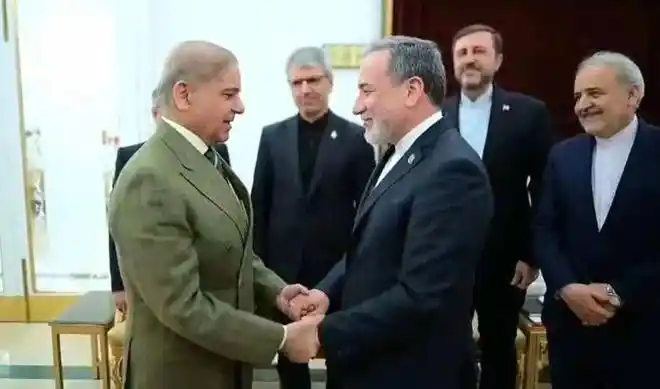
On April 25, 2026, Pakistani Prime Minister Shehbaz Sharif (left) held talks with Iranian Foreign Minister Araghchi in Islamabad, the capital of Pakistan. Photo provided by the Pakistani Prime Minister's Office.

Third, to provide Iran with a new source of income. Statistics show that if Iran charges $1 per barrel of oil passing through the Strait of Hormuz, based on pre-conflict traffic volumes, Iran would earn over $7.7 billion annually. International舆论 believes this could become an important funding source for Iran to resist U.S.-Western blockade and conduct post-war reconstruction. Requiring priority payment in rials is to avoid restrictions on toll revenue by the U.S. dollar system.

Can It Be Implemented?

Regarding follow-up procedures, Saidi said the plan has been submitted to the National Security Committee of the Iranian Islamic Parliament. Once the plenary session resumes, it will be submitted to the presidium and reviewed at the plenary session. The plan may also be approved and issued by the Supreme National Security Council.

In this regard, Abdul Aziz Shabani, a researcher at the Riyadh Center for Political and Strategic Studies, analyzed that approval by the plenary session would赋予 the plan formal legal attributes, but the process is complex and more likely to provoke international opposition. Approval and issuance by the Supreme National Security Council is a more flexible and faster path, also便于 adjustments based on developments.

However, Shabani believes that from a practical perspective, implementing comprehensive interception and charging for all vessels passing through the strait, given the high traffic volume and the presence of other countries' military forces, will be very difficult. Future implementation of the plan is more likely to be limited and selective.

At the same time, Iran's move is controversial under international law and has sparked considerable opposition. Iran's imposition of tolls on this critical maritime passage will inevitably increase transit time and costs for vessels, affecting the economies of many countries broadly. Many countries globally, including Gulf states, have expressed hope that the Strait of Hormuz remains畅通. The UK and France have previously led efforts to form a coalition attempting multinational actions to keep the strait open. If Iran强行 imposes fees, it may face international pressure and diplomatic被动.

Additionally, the United States is countering by blockading Iranian ports and vessels. The U.S. has clearly stated it will never allow Iran to permanently control the strait or establish a toll system. If the blockade continues, causing Iran's oil storage facilities to reach capacity, Iran may be forced to halt production, which could cause significant damage to its oil extraction infrastructure. The U.S. has also threatened to intercept and inspect all vessels paying tolls to Iran in international waters. This could result in no vessels passing through the strait and Iran receiving no toll revenue.

Of course, the U.S. blockade of Iran comes at a great cost, and the longer it lasts, the more it could affect the Republican Party's midterm election prospects. The U.S. may not be able to sustain it for very long. Iran might also use the toll proposal merely as a bargaining chip in negotiations with the U.S. to exchange for interests,未必 strongly pushing for implementation. Therefore, whether this plan will be implemented and to what extent remains uncertain.


Crypto di tendenza

Domande pertinenti

QWhat are the main purposes behind Iran's proposed comprehensive plan to manage the Strait of Hormuz?

AIran's plan aims to increase pressure on the United States and Israel, secure a new stable source of income through transit fees, and leave room for potential negotiations with the U.S., particularly by using passage rights as a bargaining chip.

QWhat specific measures does Iran's proposed plan include for the Strait of Hormuz?

AThe plan includes asserting full Iranian sovereignty over the strait, requiring vessels to obtain Iranian permission for passage, imposing fees for safety and environmental management, absolutely banning Israeli ships, and conditioning passage for countries that have caused losses to Iran on prior compensation agreements.

QWhat challenges does Iran face in implementing its plan to control the Strait of Hormuz?

AImplementation faces practical difficulties due to high traffic and foreign military presence, international opposition and legal controversies, countermeasures from the U.S. including blockades and threats to intercept paying vessels, and potential diplomatic isolation.

QHow might the international community, particularly the U.S., respond to Iran's attempt to charge fees in the Strait of Hormuz?

AThe U.S. has explicitly opposed the plan, implementing blockades against Iranian ports and threatening to intercept any vessels that pay fees to Iran. Other countries, including Gulf states and European nations like the UK and France, have also opposed the move and are working to keep the strait open.

QWhat potential economic benefits does Iran hope to gain from charging transit fees in the Strait of Hormuz?

AIran estimates that charging $1 per barrel of oil transported through the strait could generate over $7.7 billion annually, providing a significant source of income to resist Western sanctions and fund post-war reconstruction, while preferring payment in rials to avoid dollar system restrictions.

Letture associate

Zoomex X Space Recap With Djibril Cissé and the World Cup Trading Panel

Zoomex hosted a World Cup-themed X Space with Champions League winner Djibril Cissé and four crypto traders, discussing pressure management, analysis, and philosophy, and launching a charity pledge. Cissé emphasized embracing pressure in critical moments, drawing from his experience taking a penalty in a Champions League final. The traders agreed that managing stress comes from systematic preparation and clear risk parameters before executing a trade. The conversation explored parallels between football and trading. Cissé highlighted pace as his key weapon, but stressed that output (goals) matters more than tools. The traders debated timing versus speed of execution, concluding that timing is paramount and relative to one's timeframe. Discussing resilience, Cissé shared his mindset after major injuries: focusing on recovery and finding the positive. Similarly, traders emphasized learning from losses rather than avoiding them. Cissé declined to speculate on alternate histories, like France's 2006 World Cup run without his injury, stating one must work only with reality—a principle directly applicable to trading. In a lighter segment, traders mapped cryptocurrencies to national teams (e.g., Bitcoin to Brazil/France). The core lesson was that high performers, in both fields, thrive on uncertainty by relying on tested systems and focusing solely on actionable information. The session was part of Zoomex's World Cup Impact Pledge, which includes charity donations tied to guest predictions.

TheNewsCrypto4 min fa

Zoomex X Space Recap With Djibril Cissé and the World Cup Trading Panel

TheNewsCrypto4 min fa

Fed Turns Hawkish, Wall Street Capitulates, Citi Stands as 'Last Holdout': Insists on Resuming Rate Cuts in October

Amid a surprisingly hawkish shift from the Fed and most of Wall Street capitulating on rate cut expectations, Citigroup stands as a notable outlier, holding firm to its forecast for monetary easing to restart this October. Following the June FOMC meeting, where the "dovish bias" was removed and the dot plot shifted dramatically, markets priced in nearly 37bps of tightening for 2026. Major banks like Deutsche Bank and Goldman Sachs revised their calls, predicting rate hikes as soon as September. Citigroup, however, maintains a baseline scenario for a 25bps rate cut in October, followed by two more cuts in December and January 2027. Its counter-consensus view rests on three key arguments: 1) Plunging oil prices are eliminating a major inflation upside risk. 2) Rising initial jobless claims are mirroring seasonal weakening patterns seen in 2024-2025, signaling a labor market cool-down. 3) The strong core PCE is an "outlier," heavily influenced by AI-related prices and equity market gains rather than broad consumer price pressures, with other inflation metrics showing more moderation. While Wall Street largely "surrenders" to the hawkish Fed narrative, with Deutsche Bank forecasting two hikes and Goldman Sachs warning of potential back-to-back moves, Citigroup remains the "last holdout," betting that disinflationary forces will pave the way for cuts before year-end.

marsbit6 min fa

Fed Turns Hawkish, Wall Street Capitulates, Citi Stands as 'Last Holdout': Insists on Resuming Rate Cuts in October

marsbit6 min fa

Open Systems Will Ultimately Prevail: Why Ethereum Is the Next Linux?

The article "Open Systems Will Ultimately Prevail: Why Ethereum Is the Next Linux?" argues that Ethereum, like Linux before it, will triumph over closed, proprietary systems in finance due to its open, permissionless, and credibly neutral nature. It draws a historical parallel: just as the open internet defeated corporate private networks and Linux outcompeted proprietary Unix systems, open financial infrastructure like Ethereum will surpass private blockchains. The core advantage lies in the "bazaar" development model (as described in Eric Raymond's "The Cathedral and the Bazaar"), where decentralized, permissionless innovation by a global community of developers outpaces the controlled "cathedral" approach of centralized entities. This model fosters rapid innovation, as seen with Ethereum standards like ERC-20 and applications like Uniswap, which were built without needing permission. Ethereum's key, irreplicable strength is its credible neutrality: transparent, equally applicable, immutable rules that allow anyone to participate. This ensures sovereign independence, meaning no single entity (company, government) can control or change its core rules—a critical feature for global financial infrastructure. In contrast, private blockchains and consortium chains (like SWIFT or various bank-led projects) suffer from platform risk, central control, and an inability to attract broad developer ecosystems, leading to frequent failures. The article notes that major institutions (e.g., BlackRock, JPMorgan, Coinbase, Robinhood) are already building on Ethereum or its Layer 2 networks, recognizing its security, developer ecosystem, and network effects. While critics argue finance requires accountable, controlled systems, the response is that compliance (KYC, regulations) can be built at the application layer on top of a neutral settlement layer like Ethereum, just as secure commerce was built on the open internet via HTTPS. Ultimately, the thesis is that attempting to build walled-garden, proprietary financial networks is a flawed strategy that stifles innovation. The winning approach is to build applications on top of open, credibly neutral infrastructure like Ethereum, which is poised to become the foundational settlement layer for global finance.

Foresight News17 min fa

Open Systems Will Ultimately Prevail: Why Ethereum Is the Next Linux?

Foresight News17 min fa

The Computing Power Dilemma in the Sino-US AI Rivalry

The Sino-US AI rivalry faces a fundamental bottleneck: the widening compute power gap. While Chinese AI chip companies have seen investment surges, their current focus remains largely on the less demanding inference market. The real challenge lies in the high-end training chip sector, crucial for developing cutting-edge large language models (LLMs), where Nvidia holds a near-monopoly. The compute disparity is stark. US tech giants like Meta, Google, and xAI command massive GPU clusters, enabling them to train trillion-parameter models rapidly. Estimates suggest US data center count and total compute capacity significantly outstrip China's. This "brute force" advantage allows for faster model iteration and exploration of larger parameter scales, with top US models reportedly leading their Chinese counterparts by 8 to 15 months. Chinese alternatives, such as Huawei's Ascend and others from companies like Moore Thread and Biren, are emerging. They show promise in inference and some training scenarios, closing the performance gap with mid-range Nvidia products. However, the core hurdle extends beyond raw chip performance to the entrenched software ecosystem, exemplified by Nvidia's CUDA platform. The path forward involves "walking on two legs": navigating import restrictions while heavily investing in the domestic chip industry. Though still in a catch-up phase, China's vast market, talent pool, and capital are fostering progress. The ultimate test is whether Chinese firms can build a competitive hardware-software ecosystem to power the next generation of AI.

marsbit23 min fa

The Computing Power Dilemma in the Sino-US AI Rivalry

marsbit23 min fa

Trading

Spot
Futures

Articoli Popolari

Cosa è $S$

Comprendere SPERO: Una Panoramica Completa Introduzione a SPERO Mentre il panorama dell'innovazione continua a evolversi, l'emergere delle tecnologie web3 e dei progetti di criptovaluta gioca un ruolo fondamentale nel plasmare il futuro digitale. Un progetto che ha attirato l'attenzione in questo campo dinamico è SPERO, denotato come SPERO,$$s$. Questo articolo mira a raccogliere e presentare informazioni dettagliate su SPERO, per aiutare gli appassionati e gli investitori a comprendere le sue basi, obiettivi e innovazioni nei domini web3 e crypto. Che cos'è SPERO,$$s$? SPERO,$$s$ è un progetto unico all'interno dello spazio crypto che cerca di sfruttare i principi della decentralizzazione e della tecnologia blockchain per creare un ecosistema che promuove l'impegno, l'utilità e l'inclusione finanziaria. Il progetto è progettato per facilitare interazioni peer-to-peer in modi nuovi, fornendo agli utenti soluzioni e servizi finanziari innovativi. Al suo interno, SPERO,$$s$ mira a responsabilizzare gli individui fornendo strumenti e piattaforme che migliorano l'esperienza dell'utente nello spazio delle criptovalute. Questo include la possibilità di metodi di transazione più flessibili, la promozione di iniziative guidate dalla comunità e la creazione di percorsi per opportunità finanziarie attraverso applicazioni decentralizzate (dApps). La visione sottostante di SPERO,$$s$ ruota attorno all'inclusività, cercando di colmare le lacune all'interno della finanza tradizionale mentre sfrutta i vantaggi della tecnologia blockchain. Chi è il Creatore di SPERO,$$s$? L'identità del creatore di SPERO,$$s$ rimane piuttosto oscura, poiché ci sono risorse pubblicamente disponibili limitate che forniscono informazioni dettagliate sul suo fondatore o fondatori. Questa mancanza di trasparenza può derivare dall'impegno del progetto per la decentralizzazione—un ethos che molti progetti web3 condividono, dando priorità ai contributi collettivi rispetto al riconoscimento individuale. Centrando le discussioni attorno alla comunità e ai suoi obiettivi collettivi, SPERO,$$s$ incarna l'essenza dell'empowerment senza mettere in evidenza individui specifici. Pertanto, comprendere l'etica e la missione di SPERO rimane più importante che identificare un creatore singolo. Chi sono gli Investitori di SPERO,$$s$? SPERO,$$s$ è supportato da una varietà di investitori che vanno dai capitalisti di rischio agli investitori angelici dedicati a promuovere l'innovazione nel settore crypto. Il focus di questi investitori generalmente si allinea con la missione di SPERO—dando priorità a progetti che promettono avanzamenti tecnologici sociali, inclusività finanziaria e governance decentralizzata. Queste fondazioni di investitori sono tipicamente interessate a progetti che non solo offrono prodotti innovativi, ma contribuiscono anche positivamente alla comunità blockchain e ai suoi ecosistemi. Il supporto di questi investitori rafforza SPERO,$$s$ come un concorrente degno di nota nel dominio in rapida evoluzione dei progetti crypto. Come Funziona SPERO,$$s$? SPERO,$$s$ impiega un framework multifunzionale che lo distingue dai progetti di criptovaluta convenzionali. Ecco alcune delle caratteristiche chiave che sottolineano la sua unicità e innovazione: Governance Decentralizzata: SPERO,$$s$ integra modelli di governance decentralizzati, responsabilizzando gli utenti a partecipare attivamente ai processi decisionali riguardanti il futuro del progetto. Questo approccio favorisce un senso di proprietà e responsabilità tra i membri della comunità. Utilità del Token: SPERO,$$s$ utilizza il proprio token di criptovaluta, progettato per servire varie funzioni all'interno dell'ecosistema. Questi token abilitano transazioni, premi e la facilitazione dei servizi offerti sulla piattaforma, migliorando l'impegno e l'utilità complessivi. Architettura Stratificata: L'architettura tecnica di SPERO,$$s$ supporta la modularità e la scalabilità, consentendo un'integrazione fluida di funzionalità e applicazioni aggiuntive man mano che il progetto evolve. Questa adattabilità è fondamentale per mantenere la rilevanza nel panorama crypto in continua evoluzione. Coinvolgimento della Comunità: Il progetto enfatizza iniziative guidate dalla comunità, impiegando meccanismi che incentivano la collaborazione e il feedback. Nutrendo una comunità forte, SPERO,$$s$ può affrontare meglio le esigenze degli utenti e adattarsi alle tendenze di mercato. Focus sull'Inclusione: Offrendo basse commissioni di transazione e interfacce user-friendly, SPERO,$$s$ mira ad attrarre una base utenti diversificata, inclusi individui che potrebbero non aver precedentemente interagito nello spazio crypto. Questo impegno per l'inclusione si allinea con la sua missione generale di empowerment attraverso l'accessibilità. Cronologia di SPERO,$$s$ Comprendere la storia di un progetto fornisce preziose intuizioni sulla sua traiettoria di sviluppo e sui traguardi. Di seguito è riportata una cronologia suggerita che mappa eventi significativi nell'evoluzione di SPERO,$$s$: Fase di Concettualizzazione e Ideazione: Le idee iniziali che formano la base di SPERO,$$s$ sono state concepite, allineandosi strettamente con i principi di decentralizzazione e focus sulla comunità all'interno dell'industria blockchain. Lancio del Whitepaper del Progetto: Dopo la fase concettuale, è stato rilasciato un whitepaper completo che dettaglia la visione, gli obiettivi e l'infrastruttura tecnologica di SPERO,$$s$ per suscitare interesse e feedback dalla comunità. Costruzione della Comunità e Prime Interazioni: Sono stati effettuati sforzi attivi di outreach per costruire una comunità di early adopters e potenziali investitori, facilitando discussioni attorno agli obiettivi del progetto e ottenendo supporto. Evento di Generazione del Token: SPERO,$$s$ ha condotto un evento di generazione del token (TGE) per distribuire i propri token nativi ai primi sostenitori e stabilire una liquidità iniziale all'interno dell'ecosistema. Lancio della Prima dApp: La prima applicazione decentralizzata (dApp) associata a SPERO,$$s$ è stata attivata, consentendo agli utenti di interagire con le funzionalità principali della piattaforma. Sviluppo Continuo e Partnership: Aggiornamenti e miglioramenti continui alle offerte del progetto, inclusi partnership strategiche con altri attori nello spazio blockchain, hanno plasmato SPERO,$$s$ in un concorrente competitivo e in evoluzione nel mercato crypto. Conclusione SPERO,$$s$ rappresenta una testimonianza del potenziale del web3 e delle criptovalute di rivoluzionare i sistemi finanziari e responsabilizzare gli individui. Con un impegno per la governance decentralizzata, il coinvolgimento della comunità e funzionalità progettate in modo innovativo, apre la strada verso un panorama finanziario più inclusivo. Come per qualsiasi investimento nello spazio crypto in rapida evoluzione, si incoraggiano potenziali investitori e utenti a ricercare approfonditamente e a impegnarsi in modo riflessivo con gli sviluppi in corso all'interno di SPERO,$$s$. Il progetto mostra lo spirito innovativo dell'industria crypto, invitando a ulteriori esplorazioni delle sue innumerevoli possibilità. Mentre il percorso di SPERO,$$s$ è ancora in fase di sviluppo, i suoi principi fondamentali potrebbero effettivamente influenzare il futuro di come interagiamo con la tecnologia, la finanza e tra di noi in ecosistemi digitali interconnessi.

86 Totale visualizzazioniPubblicato il 2024.12.17Aggiornato il 2024.12.17

Cosa è $S$

Cosa è AGENT S

Agent S: Il Futuro dell'Interazione Autonoma in Web3 Introduzione Nel panorama in continua evoluzione di Web3 e criptovalute, le innovazioni stanno costantemente ridefinendo il modo in cui gli individui interagiscono con le piattaforme digitali. Uno di questi progetti pionieristici, Agent S, promette di rivoluzionare l'interazione uomo-computer attraverso il suo framework agentico aperto. Aprendo la strada a interazioni autonome, Agent S mira a semplificare compiti complessi, offrendo applicazioni trasformative nell'intelligenza artificiale (AI). Questa esplorazione dettagliata approfondirà le complessità del progetto, le sue caratteristiche uniche e le implicazioni per il dominio delle criptovalute. Cos'è Agent S? Agent S si presenta come un innovativo framework agentico aperto, progettato specificamente per affrontare tre sfide fondamentali nell'automazione dei compiti informatici: Acquisizione di Conoscenze Specifiche del Dominio: Il framework apprende in modo intelligente da varie fonti di conoscenza esterne ed esperienze interne. Questo approccio duale gli consente di costruire un ricco repository di conoscenze specifiche del dominio, migliorando le sue prestazioni nell'esecuzione dei compiti. Pianificazione su Lungo Orizzonte di Compiti: Agent S impiega una pianificazione gerarchica potenziata dall'esperienza, un approccio strategico che facilita la suddivisione e l'esecuzione efficiente di compiti complessi. Questa caratteristica migliora significativamente la sua capacità di gestire più sottocompiti in modo efficiente ed efficace. Gestione di Interfacce Dinamiche e Non Uniformi: Il progetto introduce l'Interfaccia Agente-Computer (ACI), una soluzione innovativa che migliora l'interazione tra agenti e utenti. Utilizzando Modelli Linguistici Multimodali di Grandi Dimensioni (MLLM), Agent S può navigare e manipolare senza sforzo diverse interfacce grafiche utente. Attraverso queste caratteristiche pionieristiche, Agent S fornisce un framework robusto che affronta le complessità coinvolte nell'automazione dell'interazione umana con le macchine, preparando il terreno per innumerevoli applicazioni nell'AI e oltre. Chi è il Creatore di Agent S? Sebbene il concetto di Agent S sia fondamentalmente innovativo, informazioni specifiche sul suo creatore rimangono elusive. Il creatore è attualmente sconosciuto, il che evidenzia sia la fase embrionale del progetto sia la scelta strategica di mantenere i membri fondatori sotto anonimato. Indipendentemente dall'anonimato, l'attenzione rimane sulle capacità e sul potenziale del framework. Chi sono gli Investitori di Agent S? Poiché Agent S è relativamente nuovo nell'ecosistema crittografico, informazioni dettagliate riguardanti i suoi investitori e sostenitori finanziari non sono documentate esplicitamente. La mancanza di approfondimenti pubblicamente disponibili sulle fondazioni di investimento o sulle organizzazioni che supportano il progetto solleva interrogativi sulla sua struttura di finanziamento e sulla roadmap di sviluppo. Comprendere il supporto è cruciale per valutare la sostenibilità del progetto e il suo potenziale impatto sul mercato. Come Funziona Agent S? Al centro di Agent S si trova una tecnologia all'avanguardia che gli consente di funzionare efficacemente in contesti diversi. Il suo modello operativo è costruito attorno a diverse caratteristiche chiave: Interazione Uomo-Computer Simile a Quella Umana: Il framework offre una pianificazione AI avanzata, cercando di rendere le interazioni con i computer più intuitive. Mimando il comportamento umano nell'esecuzione dei compiti, promette di elevare le esperienze degli utenti. Memoria Narrativa: Utilizzata per sfruttare esperienze di alto livello, Agent S utilizza la memoria narrativa per tenere traccia delle storie dei compiti, migliorando così i suoi processi decisionali. Memoria Episodica: Questa caratteristica fornisce agli utenti una guida passo-passo, consentendo al framework di offrire supporto contestuale mentre i compiti si sviluppano. Supporto per OpenACI: Con la capacità di funzionare localmente, Agent S consente agli utenti di mantenere il controllo sulle proprie interazioni e flussi di lavoro, allineandosi con l'etica decentralizzata di Web3. Facile Integrazione con API Esterne: La sua versatilità e compatibilità con varie piattaforme AI garantiscono che Agent S possa adattarsi senza problemi agli ecosistemi tecnologici esistenti, rendendolo una scelta attraente per sviluppatori e organizzazioni. Queste funzionalità contribuiscono collettivamente alla posizione unica di Agent S all'interno dello spazio crittografico, poiché automatizza compiti complessi e multi-fase con un intervento umano minimo. Man mano che il progetto evolve, le sue potenziali applicazioni in Web3 potrebbero ridefinire il modo in cui si svolgono le interazioni digitali. Cronologia di Agent S Lo sviluppo e le tappe di Agent S possono essere riassunti in una cronologia che evidenzia i suoi eventi significativi: 27 Settembre 2024: Il concetto di Agent S è stato lanciato in un documento di ricerca completo intitolato “Un Framework Agentico Aperto che Usa i Computer Come un Umano”, mostrando le basi per il progetto. 10 Ottobre 2024: Il documento di ricerca è stato reso pubblicamente disponibile su arXiv, offrendo un'esplorazione approfondita del framework e della sua valutazione delle prestazioni basata sul benchmark OSWorld. 12 Ottobre 2024: È stata rilasciata una presentazione video, fornendo un'idea visiva delle capacità e delle caratteristiche di Agent S, coinvolgendo ulteriormente potenziali utenti e investitori. Questi indicatori nella cronologia non solo illustrano i progressi di Agent S, ma indicano anche il suo impegno per la trasparenza e il coinvolgimento della comunità. Punti Chiave su Agent S Man mano che il framework Agent S continua a evolversi, diversi attributi chiave si distinguono, sottolineando la sua natura innovativa e il potenziale: Framework Innovativo: Progettato per fornire un uso intuitivo dei computer simile all'interazione umana, Agent S porta un approccio nuovo all'automazione dei compiti. Interazione Autonoma: La capacità di interagire autonomamente con i computer attraverso GUI segna un passo avanti verso soluzioni informatiche più intelligenti ed efficienti. Automazione di Compiti Complessi: Con la sua metodologia robusta, può automatizzare compiti complessi e multi-fase, rendendo i processi più veloci e meno soggetti a errori. Miglioramento Continuo: I meccanismi di apprendimento consentono ad Agent S di migliorare dalle esperienze passate, migliorando continuamente le sue prestazioni e la sua efficacia. Versatilità: La sua adattabilità attraverso diversi ambienti operativi come OSWorld e WindowsAgentArena garantisce che possa servire un'ampia gamma di applicazioni. Man mano che Agent S si posiziona nel panorama di Web3 e delle criptovalute, il suo potenziale per migliorare le capacità di interazione e automatizzare i processi segna un significativo avanzamento nelle tecnologie AI. Attraverso il suo framework innovativo, Agent S esemplifica il futuro delle interazioni digitali, promettendo un'esperienza più fluida ed efficiente per gli utenti in vari settori. Conclusione Agent S rappresenta un audace passo avanti nell'unione tra AI e Web3, con la capacità di ridefinire il modo in cui interagiamo con la tecnologia. Sebbene sia ancora nelle sue fasi iniziali, le possibilità per la sua applicazione sono vaste e coinvolgenti. Attraverso il suo framework completo che affronta sfide critiche, Agent S mira a portare le interazioni autonome al centro dell'esperienza digitale. Man mano che ci addentriamo nei regni delle criptovalute e della decentralizzazione, progetti come Agent S giocheranno senza dubbio un ruolo cruciale nel plasmare il futuro della tecnologia e della collaborazione uomo-computer.

554 Totale visualizzazioniPubblicato il 2025.01.14Aggiornato il 2025.01.14

Cosa è AGENT S

Come comprare S

Benvenuto in HTX.com! Abbiamo reso l'acquisto di Sonic (S) semplice e conveniente. Segui la nostra guida passo passo per intraprendere il tuo viaggio nel mondo delle criptovalute.Step 1: Crea il tuo Account HTXUsa la tua email o numero di telefono per registrarti il tuo account gratuito su HTX. Vivi un'esperienza facile e sblocca tutte le funzionalità,Crea il mio accountStep 2: Vai in Acquista crypto e seleziona il tuo metodo di pagamentoCarta di credito/debito: utilizza la tua Visa o Mastercard per acquistare immediatamente SonicS.Bilancio: Usa i fondi dal bilancio del tuo account HTX per fare trading senza problemi.Terze parti: abbiamo aggiunto metodi di pagamento molto utilizzati come Google Pay e Apple Pay per maggiore comodità.P2P: Fai trading direttamente con altri utenti HTX.Over-the-Counter (OTC): Offriamo servizi su misura e tassi di cambio competitivi per i trader.Step 3: Conserva Sonic (S)Dopo aver acquistato Sonic (S), conserva nel tuo account HTX. In alternativa, puoi inviare tramite trasferimento blockchain o scambiare per altre criptovalute.Step 4: Scambia Sonic (S)Scambia facilmente Sonic (S) nel mercato spot di HTX. Accedi al tuo account, seleziona la tua coppia di trading, esegui le tue operazioni e monitora in tempo reale. Offriamo un'esperienza user-friendly sia per chi ha appena iniziato che per i trader più esperti.

1.1k Totale visualizzazioniPubblicato il 2025.01.15Aggiornato il 2026.06.02

Come comprare S

Discussioni

Benvenuto nella Community HTX. Qui puoi rimanere informato sugli ultimi sviluppi della piattaforma e accedere ad approfondimenti esperti sul mercato. Le opinioni degli utenti sul prezzo di S S sono presentate come di seguito.

活动图片