This Time, OpenAI Eliminated 90% of Human Designers

marsbitPubblicato 2026-04-23Pubblicato ultima volta 2026-04-23

Introduzione

OpenAI's latest release, GPT-Image 2, marks a paradigm shift in AI-generated imagery, moving beyond aesthetic quality to logical reasoning and contextual understanding. The model introduces a "thinking mode," where it performs background reasoning—such as mathematical calculations and geographic knowledge—before generating images. This enables highly accurate and context-aware outputs, like a livestream overlay showing precise distance metrics or a brand-aligned poster design. The model excels in rendering Chinese text with remarkable accuracy and aesthetic quality, a significant improvement over previous versions. It supports multi-turn conversational editing via the new Responses API, allowing iterative refinements similar to chatting with a large language model. While GPT-Image 2 demonstrates unprecedented capabilities in commercial applications like marketing material and illustration—potentially displacing many human designers due to its cost efficiency—it still has limitations. Minor artifacts in fine text details persist, and complex prompts can cause extended processing times. Additionally, the technology raises ethical concerns around deepfakes and digital trust. Overall, GPT-Image 2 transitions AI image generation from a novelty to a powerful production-ready tool, redefining industry standards and pushing the boundary of what’s possible in visual AI.

By Silicon-based Spark

That famous Sam Altman meme has now come true for everyone.

Last year, while promoting GPT-5, the OpenAI CEO said something that later became an internet sensation: "The feeling is like witnessing an atomic bomb explosion, leaving one dizzy and collapsing." Since then, whenever the AI community releases a new product with exaggerated marketing copy, this meme gets dragged out and ridiculed repeatedly.
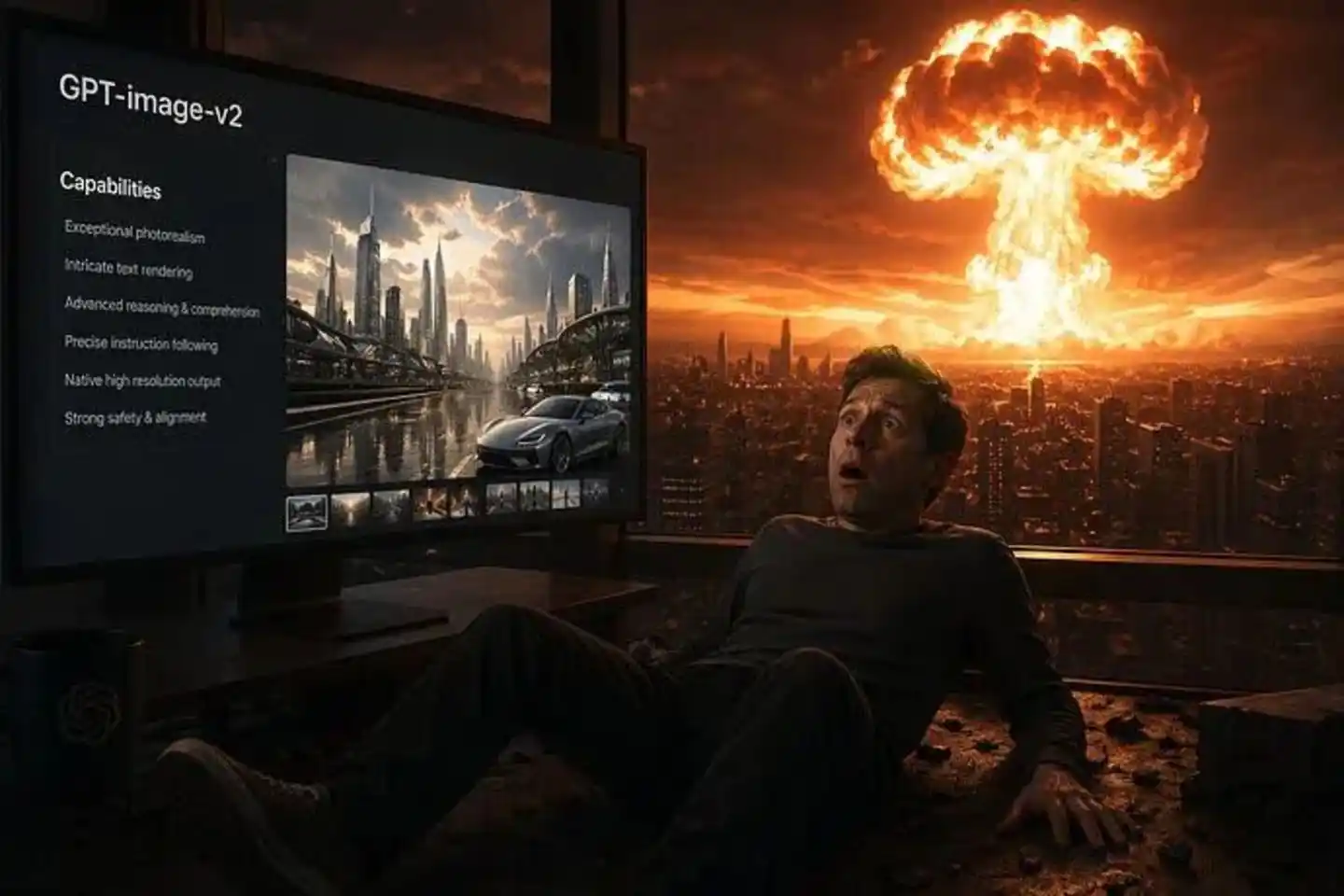
But late the night before last, it wasn't Altman who was left dizzy and collapsing. This time, it was all the users staring at their screens waiting for OpenAI to play its hand.

Altman, as usual,故作神秘故作神秘 (played it coy故作神秘故作神秘), posting a tweet: "We've prepared something fun."
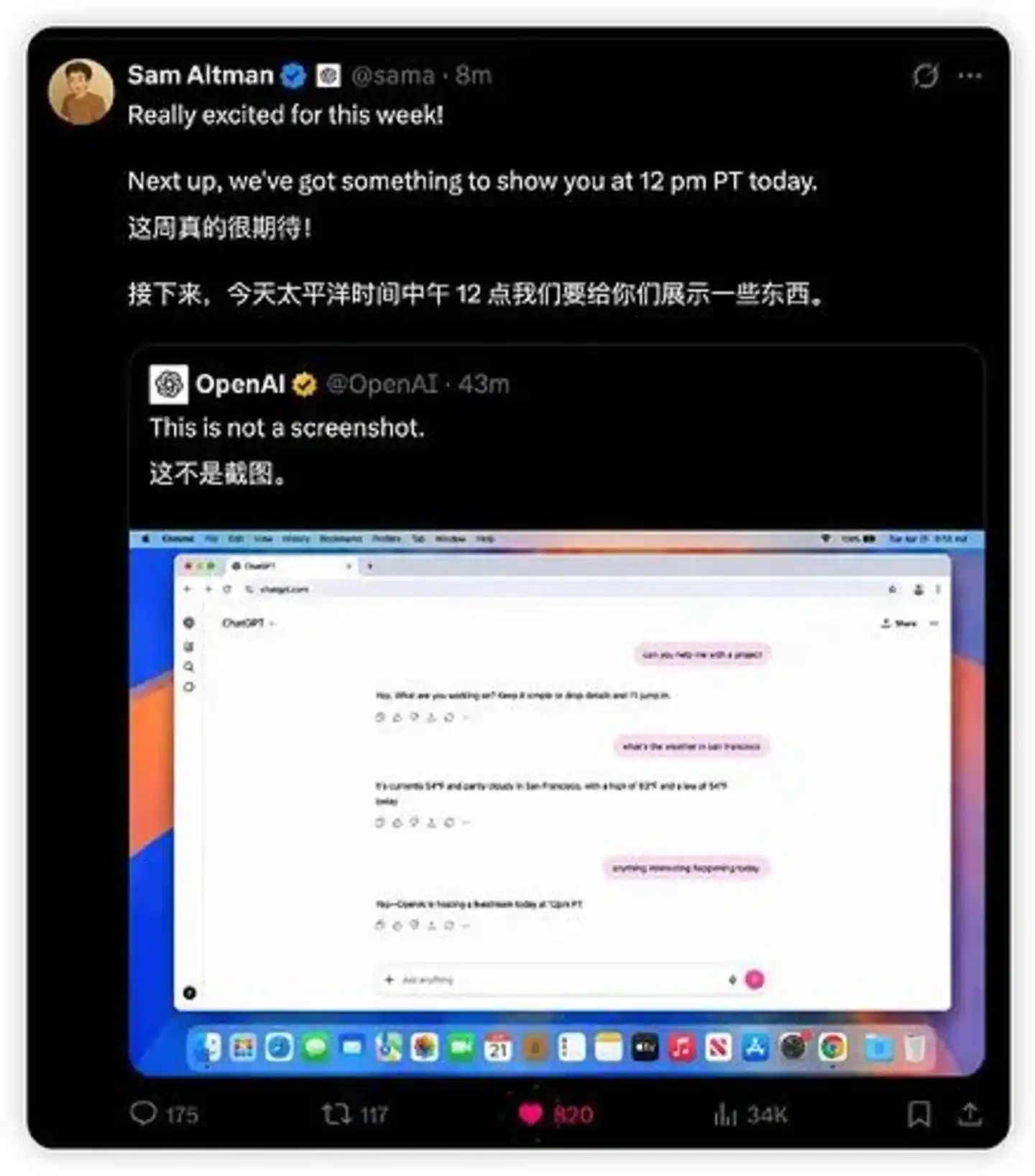
By 3 a.m., GPT-Image 2 was released. The global AI community exploded.

"Images are a language, not decoration."

This is the first sentence written on OpenAI's release page. Translated, it means one thing: from today, images are no longer just decorations; they are a language in themselves. This is a declaration of a generational leap for the entire computer vision industry.

For the past year, AI image generation was stuck in the aesthetic quagmire of "does it look realistic?" The arrival of GPT-Image 2 directly pressed the switch—AI image generation officially entered the intelligence exam hall of "is the logic correct?".

The precision of this model can be described as "terrifying."

It topped both the text-to-image and image editing rankings on Artificial Analysis, and its practical performance is crushing.

The feeling is like when Seedance 2.0 arrived in the video generation field—it long ceased being just an auxiliary tool for humans; it is defining the new industry standard.

Note: All images in this article are generated by GPT-Image 2. The image content is purely fictional.

01  The Awakening of the Thinking Engine

In the past, the primary standard for judging an image model was how much it resembled a real person or a reference object.

In the face of this monster, GPT-Image 2, that standard is obsolete. Completely obsolete.

The core breakthrough of the new model is this: it is an image model that supports a thinking mode.

What does that mean? After the user inputs a prompt, the model doesn't simply denoise and stitch pixels. It first completes a round of thinking and modeling in the background, *then* it starts drawing.

A test image leaked from the Linux.do community best illustrates the point. The model simulated a live stream of Lei Jun running:
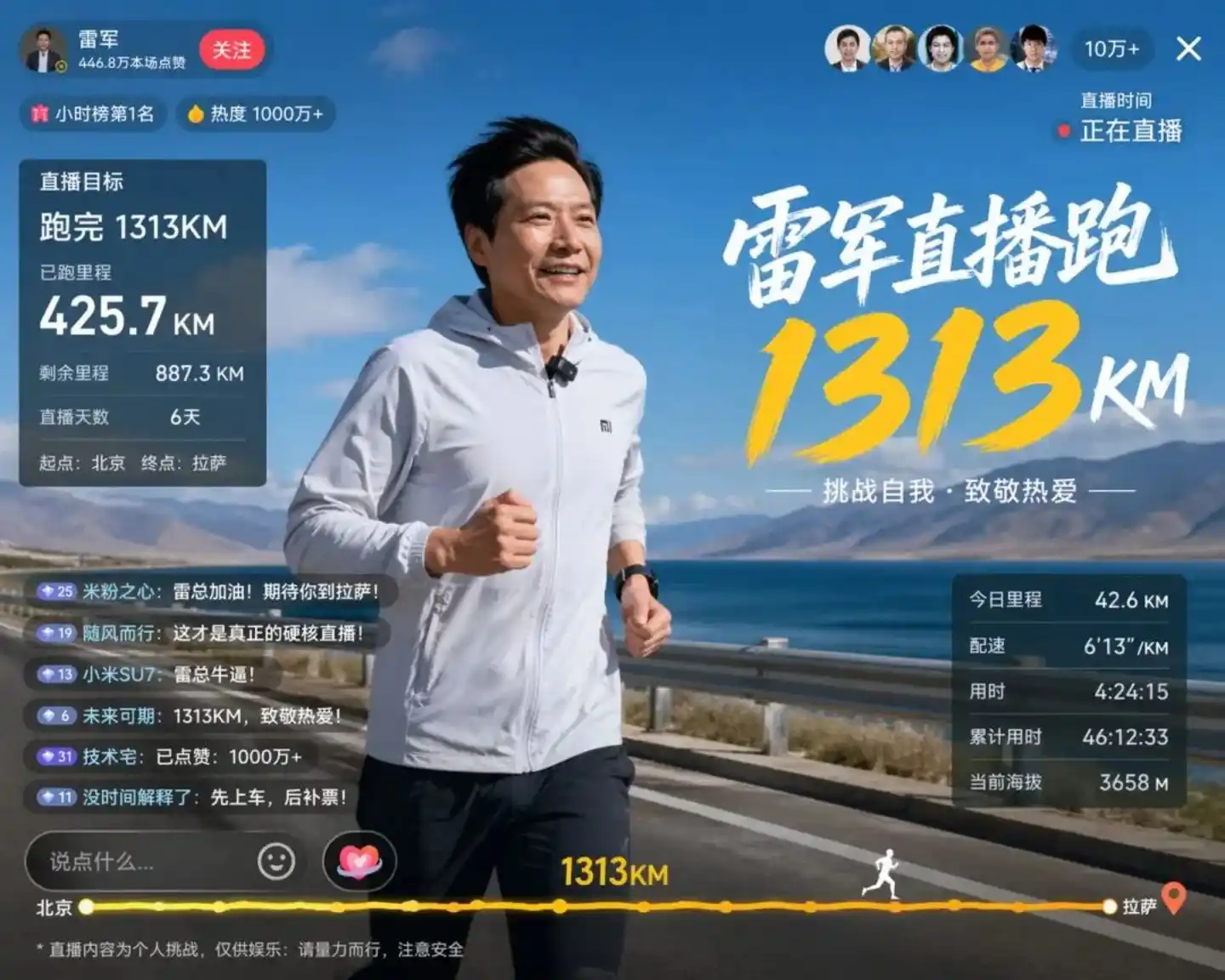
Image source: https://cdn3.linux.do/original/4X/0/f/3/0f37c8bc968e3d563cc6100d8e7f80ee305661ff.jpeg

This image made many developers gasp. Lei's facial features are accurately reproduced—almost like a photo—the image clearly shows: Live stream target 1313km, Distance run 425.7km, Remaining distance 887.3km. Even more impressive, the current altitude is marked as 3658m.

What does 3658m mean? From Beijing to Lhasa, the typical altitude upon entering the Tibetan region is precisely this number.

In human eyes, this is simple arithmetic and common geographical knowledge. But think about it: For an image model, what does the triple unification of mathematical logic + geographical常识 (common sense) + UI specifications mean?

The conclusion is straightforward: Before generating the first pixel, GPT-Image 2 had already completed a round of reasoning. It understood the meaning of "distance," understood the logical relationship of addition and subtraction, and also understood the visual characteristics of high-altitude areas.

This isn't drawing. This is thinking.

02  From Toy to Productivity Tool

In the face of this capability, everyone's attitude towards image models needs to change.

It's long ceased to be a toy for drawing avatars or making wallpapers. It has stepped over the "usable" threshold and rushed directly into the "easy to use" zone—a tool that can be thrown into commercial scenarios to get work done.

Take poster design. GPT-Image 2's composition aesthetics, light and shadow processing, and grasp of brand tone have undoubtedly reached a height that the vast majority of ordinary human designers find difficult to achieve.

Image source: https://cdn3.linux.do/original/4X/7/a/1/7a12ccd6b745be5ad8828eb0ac225d218fb43cbc.jpeg

In human society, hiring a senior graphic designer to create a commercial-grade poster often entails significant communication costs, time costs, and design fees of over a thousand yuan, which can be a heavy burden for small and medium-sized enterprises.

However, with GPT-Image 2, even if you are unsatisfied and need to adjust dozens of times, the cost is only a few dollars.

In fields like poster design, marketing materials, and illustration, what users care about is not "realism," but "is it good-looking, is it accurate." Precisely because of this, AI's replacement efficiency is devastating.

In the synchronously updated developer documentation, there is also an exciting detail hidden: the sample code frequently appears model: "gpt-5.4".

The thinking mode combined with the flagship model hints at one thing: GPT-Image 2 is by no means an isolated product. It is the visual terminal born for the next generation of large language models.

Through the new Responses API, the image generation process will interact as naturally as chatting with a large language model. The model adds a function that allows for multi-turn conversational modifications. After the initial image generation, users can propose various instructions that give human designers high blood pressure for modifications.

Through the new Responses API, the image generation process will interact as naturally as chatting with a large language model. The model adds a multi-turn conversational modification function. After the first version is generated, users can propose various instructions that would send a乙方 (Party B) designer's blood pressure soaring: "Make the background a bit darker." "Move the logo a few pixels to the side."

These interactive real-time modification demands are precisely the most tedious and patience-consuming parts of a designer's daily work. Now, they are solved.

03  The Pinnacle of Chinese Rendering

Although GPT-Image 2 is a foreign model, domestic users are overwhelmingly positive.

There's only one reason: Its support for Chinese characters is nearly perfect.

In the community's actual test return images, you can see the famous debate scene between Luo Yonghao and Wang Ziru:
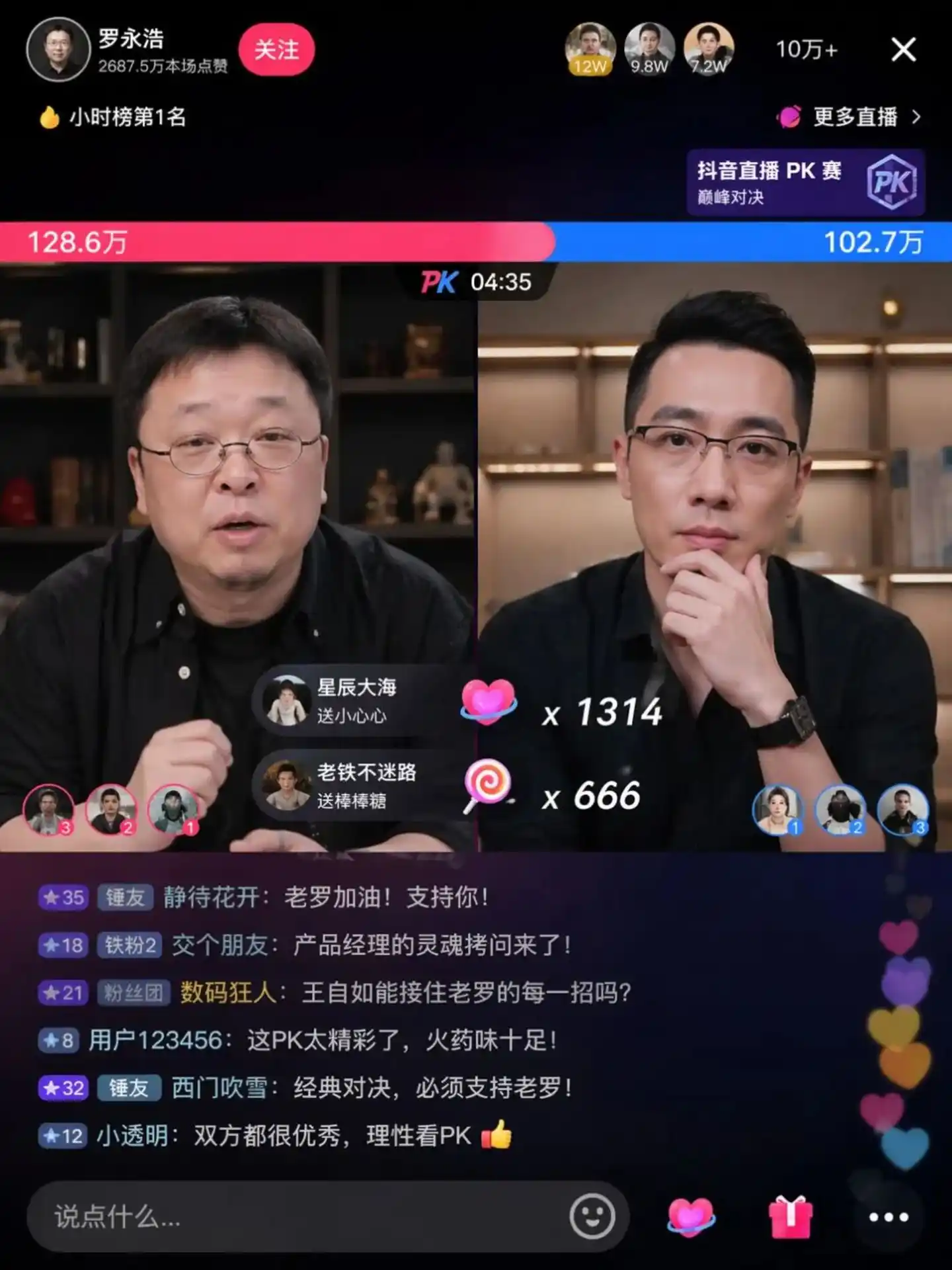
Image source: https://cdn3.linux.do/original/4X/0/9/7/097ed46991d2464442aebc6b1076a292cc839fec.jpeg

You can see Elon Musk live-streaming sales of Lao Gan Ma chili sauce:
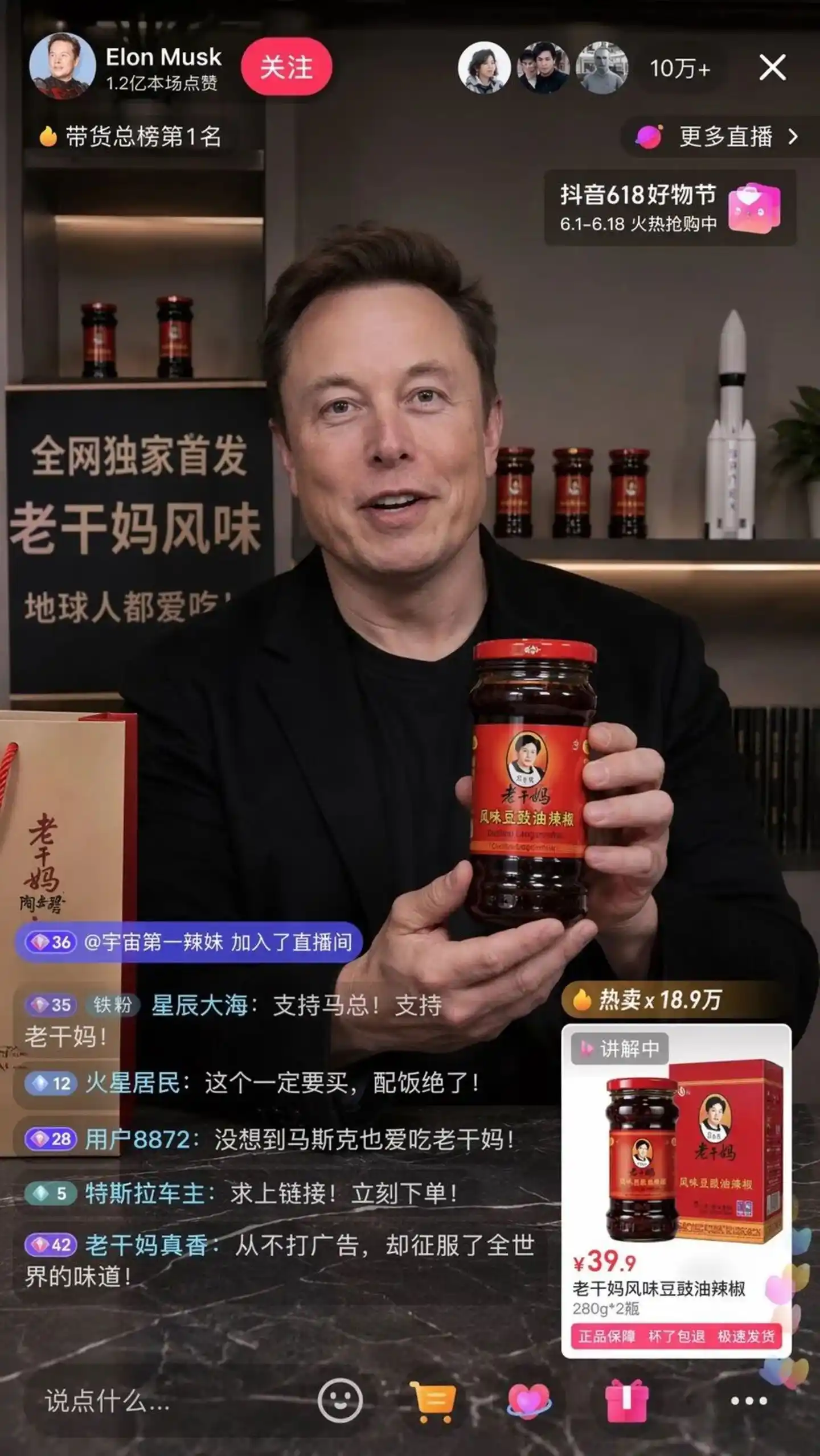
Image source: https://cdn3.linux.do/original/4X/2/f/a/2fa77cf040e6337643829df4ec5ca6467d2866b2.jpeg

You can even see a doctor's prescription:
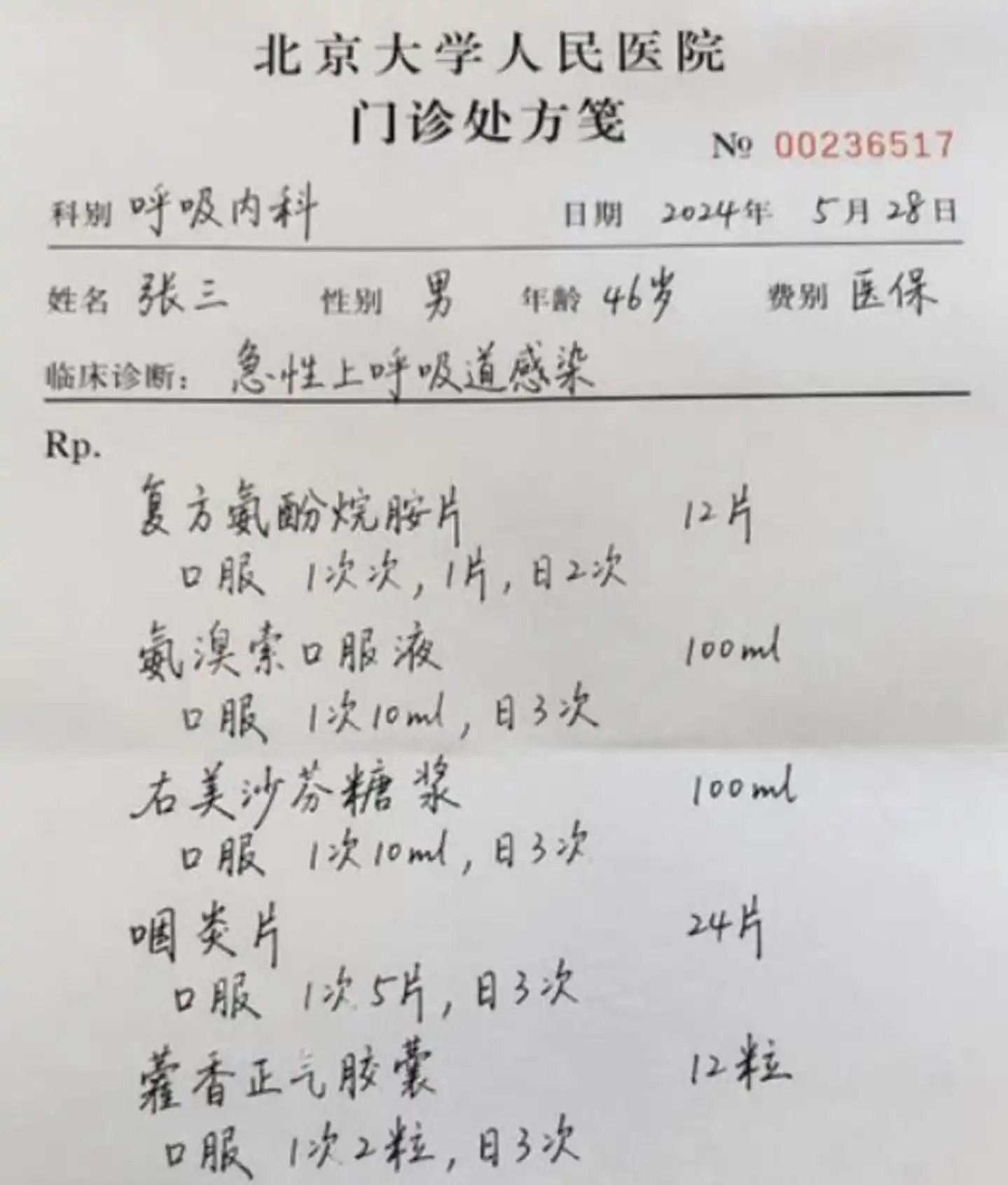
Image source: https://cdn3.linux.do/original/4X/9/f/f/9ffeab83675648b43116cd0763f6c8b560611ae6.jpeg

The text in these images is no longer crooked,胡乱拼凑的 (haphazardly拼凑的) "pseudo-Chinese characters," but mature design drafts possessing calligraphic charm, typographical hierarchy, and排版 (layout) artistry.

Clearly, OpenAI has injected a massive amount of Chinese language image data into the training set and conducted targeted intensive training.

Compared to the previous generation model, GPT-Image 2's power is even more淋漓尽致地 (thoroughly) evident.

In comparative tests, the previous generation model, version 1.5, could draw something resembling a recipe, but upon closer inspection, the text was almost all gibberish.
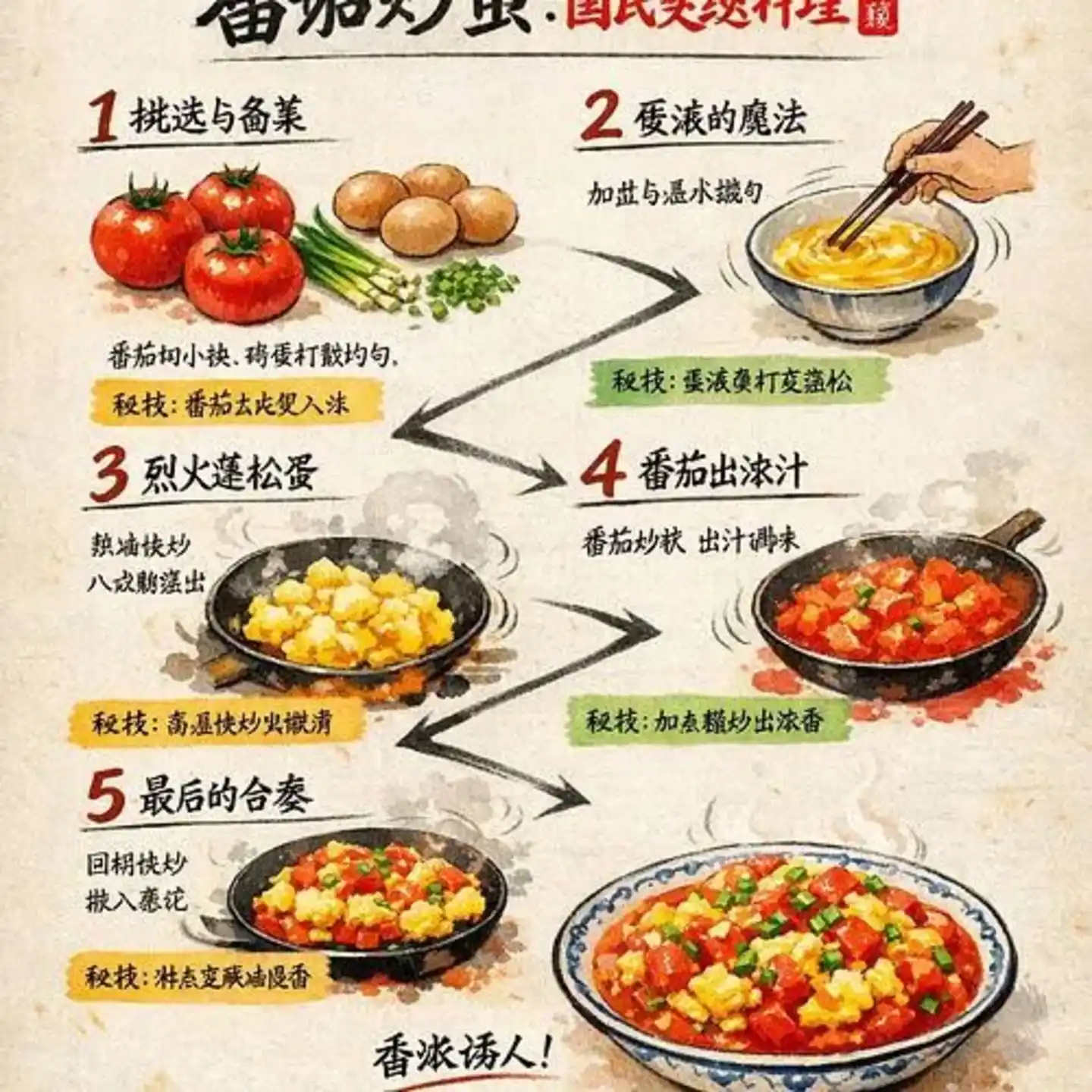
Image source: https://cdn3.linux.do/optimized/4X/2/b/3/2b38f3c1a134515d564f07f81661c0bd9578c6b9_2_750x750.jpeg

But the same recipe generated by GPT-Image 2 shows a milestone breakthrough in text clarity and aesthetics.
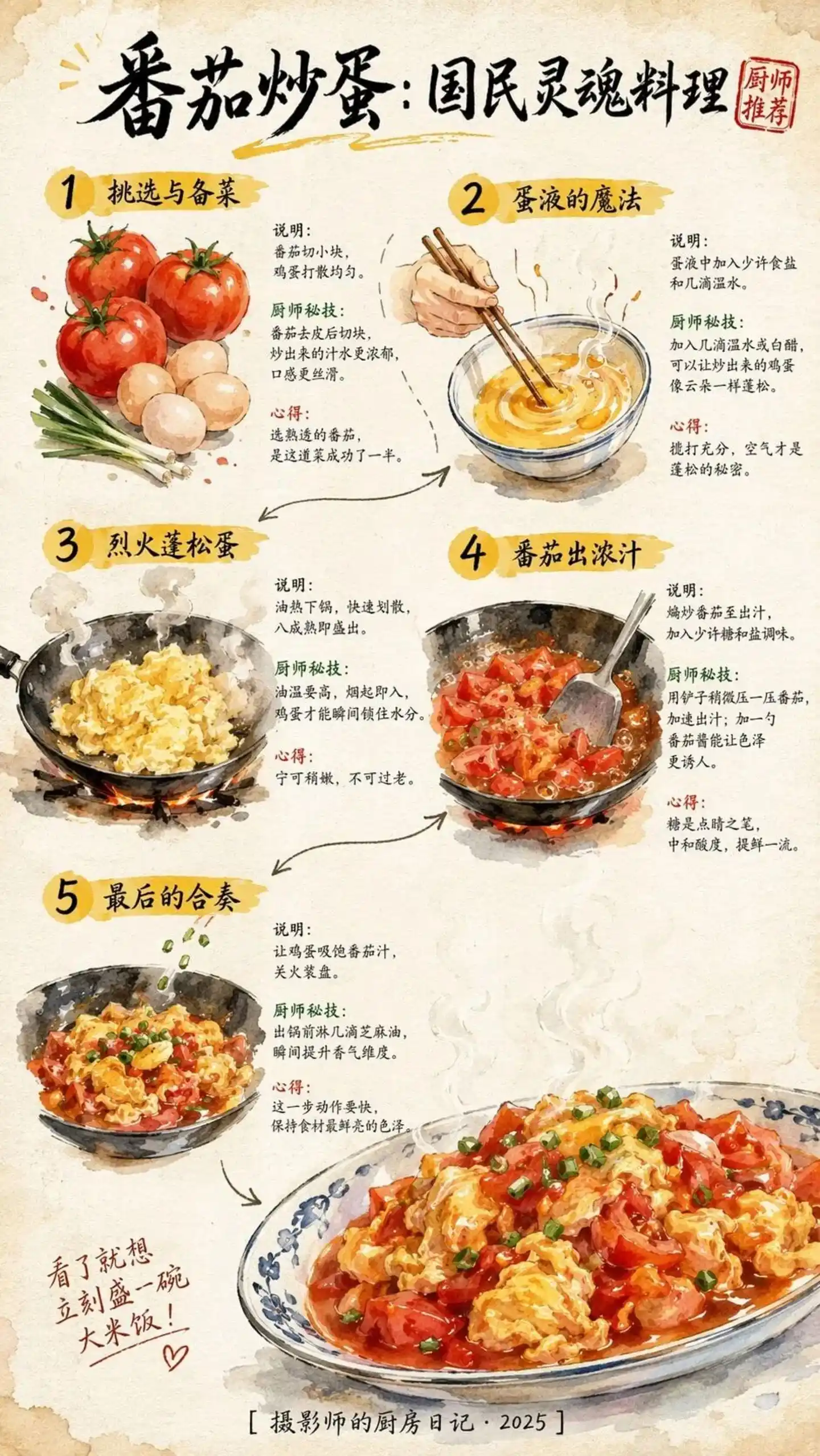
Image source: https://cdn3.linux.do/original/4X/0/2/5/02513b10135d824ccb1c22bd0c7eb441f1e34455.jpeg

For prompts with over a hundred Chinese characters, the five steps are still clearly visible, and the图文一致性 (text-image consistency) is satisfactory. This isn't just an image; it's a reproducible practical guide.

However, this also raises an interesting technical question: Has the image model really completely solved the gibberish problem?

My judgment is: Probably not.

Large language models generate tokens based on semantic logic. During the reinforcement learning phase, it's based on probability; the higher the quality and quantity of the training data, the more logical the output. But the essence of an image model is, after all, pixel generation. The logical relationship between pixels is fundamentally different from the logical relationship between words.

In other words, as powerful as GPT-Image 2 is, it does not truly "understand" the rules of text. It has merely memorized the pixel-level appearance of text by rote.

An image of doing business with Altman暴露 (exposes) this point: The large characters "Mengniu" and "Wanglaoji" on the two boxes of drinks are written perfectly, but the small text below is still模糊的色块 (blurry color blocks).
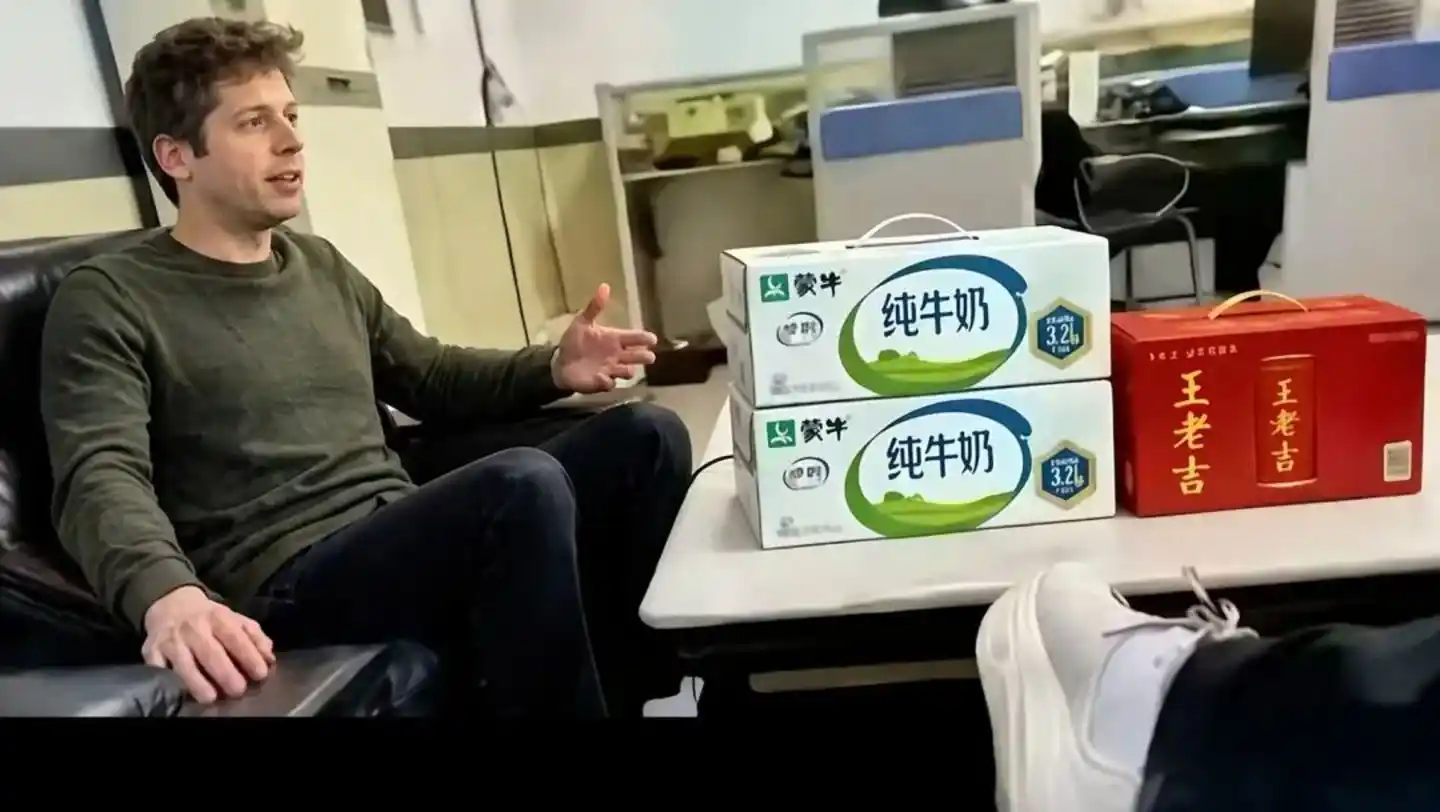
Image source: https://cdn3.linux.do/original/4X/d/7/c/d7c4fb063202bcbf56b9ca0623aa0ce6fc26e542.jpeg

Under the current technical paradigm, the generation logic is still "arrange by pixels," which is fundamentally different from "render by characters." Extremely subtle gibberish may never be completely eradicated.

But that said, for over 90% of commercial application scenarios, this is already sufficient.

04  Un-deified Flaws and Boundaries

Even though it already sits on the world's number one throne, GPT-Image 2 also has its clumsy side.

Actual tests found that because the thinking mode calls for web searches and performs logical reasoning, when processing extremely complex fictional tasks, the model occasionally falls into a logical loop—thinking for nearly 40 minutes and still unable to answer.
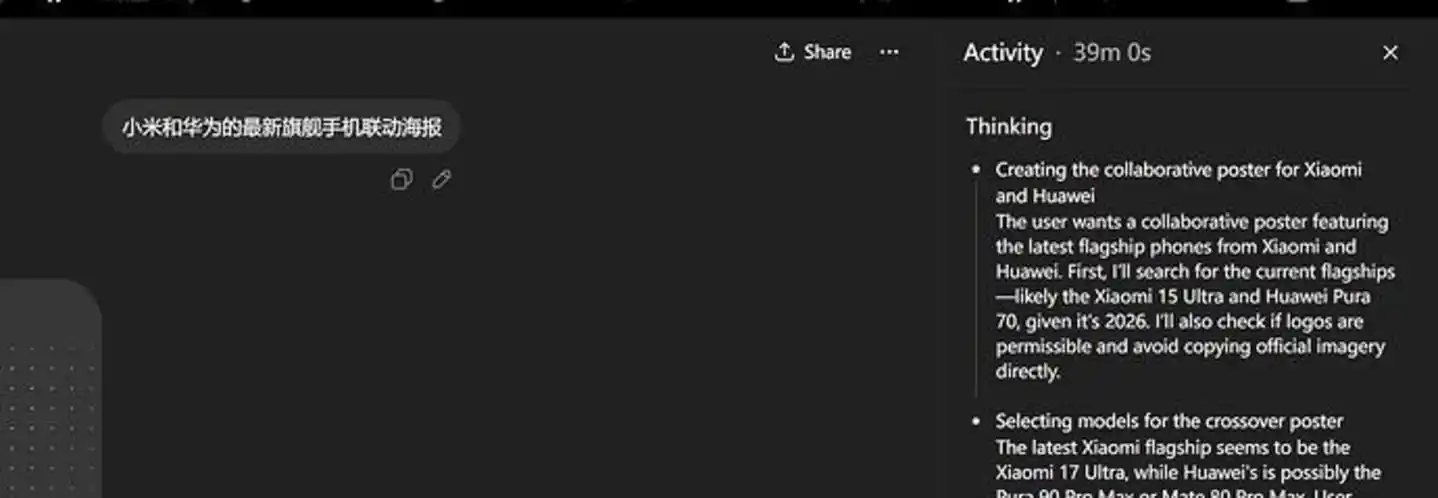
At the same time, the API's claimed support for 2K甚至 (even) 4K resolution implies extremely high token consumption and latency.

For ordinary users, how to balance ultimate image quality with response speed will be a required course for future use.

In the field of technology, powerful capability is always a double-edged sword.

Whether it's image models or video models, they inevitably face the ethical challenges of deepfakes.

In most current test cases, the AI generates images of well-known figures, but if they are replaced with ordinary people who have posted photos on various social media platforms, it is already extremely difficult to distinguish the fake from the real without knowing the person.

Apart from the occasional gibberish in the background that might give the AI away, the human body itself has no flaws left.

Therefore, those fields that once required real people are facing an unprecedented crisis of trust.

The release of GPT-Image 2 has moved image generation models from toys to productivity tools.

In the past, people used AI for inspiration, but now AI is beginning to尝试接管 (attempt to take over) the entire process from conception, calculation, typesetting, to finished product.

For design practitioners, this is an era filled with FOMO (Fear Of Missing Out).

But for those who are good at using tools, possess product aesthetics, and logical thinking, this is also the best of times.

Images are beginning to learn to think,文字不再是像素的杂音 (text is no longer the noise of pixels).

People may truly be only one step away from that visual singularity of所思即所得 (what you think is what you get).

Domande pertinenti

QWhat is the core breakthrough of GPT-Image 2 according to the article?

AThe core breakthrough is that GPT-Image 2 is an image model with a thinking mode. It performs reasoning and logical modeling before generating pixels, understanding concepts like mathematical operations, geographical常识, and UI specifications, rather than just denoising or stitching pixels.

QHow does GPT-Image 2 impact the commercial design industry, particularly for small and medium enterprises?

AGPT-Image 2 significantly reduces costs and time in commercial design. For tasks like poster design, marketing materials, and illustrations, it achieves a level of aesthetic and brand alignment that is difficult for many human designers to match. The cost for generating or iterating designs is only a few dollars, compared to the high fees and communication overhead of hiring human designers.

QWhat is notable about GPT-Image 2's handling of Chinese text and characters?

AGPT-Image 2 demonstrates exceptional support for Chinese text, generating clear, well-rendered characters with calligraphic nuance and proper typography. It avoids the garbled or nonsensical text common in previous models, thanks to extensive training on Chinese language image data.

QWhat are some limitations or challenges mentioned for GPT-Image 2?

ALimitations include occasional logic loops when handling highly complex fictional tasks, leading to long processing times (e.g., 40 minutes of思考 without output). It also has high token consumption and latency for 2K/4K resolutions, and it may still produce subtle garbled text in fine details, as it generates pixels rather than truly understanding character rendering.

QWhat ethical concern does the article raise regarding advanced image models like GPT-Image 2?

AThe article raises concerns about deepfakes and ethical challenges. The model can generate highly realistic images of people, making it difficult to distinguish AI-generated content from real photos, which could lead to trust crises in fields requiring authenticity, such as personal identity verification or media integrity.

Letture associate

Trading

Spot
Futures

Articoli Popolari

Cosa è MEME 2.0

Memecoin 2.0: L'Ascesa di $MEME 2.0 nel Mondo delle Criptovalute Introduzione Nel panorama in continua evoluzione delle criptovalute, è emerso un nuovo contendente. Memecoin 2.0, simboleggiato come $MEME 2.0, porta il concetto di meme coin a un livello emozionante. Come prodotto derivato dal Memecoin originale, questo progetto ha catturato l'attenzione della comunità crypto spostando il focus da incentivi finanziari tipici a un'esperienza coinvolgente e divertente. Operando sulla blockchain di Ethereum, Memecoin 2.0 ridefinisce audacemente l'impegno della comunità nella sfera crypto. Che cos'è Memecoin 2.0, $MEME 2.0? Alla base, Memecoin 2.0 è un progetto di criptovaluta che dà priorità allo spirito di comunità e al divertimento associato alla cultura meme. A differenza delle criptovalute convenzionali, che si concentrano su casi d'uso pratici e benefici tangibili, Memecoin 2.0 si distingue abbracciando il lato più leggero della moneta digitale. Il progetto esiste senza promesse di utilità, una roadmap strutturata o ritorni finanziari, concentrandosi invece sulla creazione di una comunità vibrante incentrata sui meme e sul divertimento condiviso. Facendo così, attinge alla crescente tendenza della cultura meme nello spazio online, rendendola un giocatore unico nel mondo degli asset digitali. Creatore di Memecoin 2.0, $MEME 2.0 Nonostante ricerche approfondite sulle origini di Memecoin 2.0, l'identità esplicita del suo creatore rimane sconosciuta. Questa anonimità non è rara nella comunità crypto, dove molti progetti sono guidati da individui o gruppi che preferiscono rimanere dietro le quinte. La mancanza di informazioni pubblicamente disponibili sul creatore potrebbe essere vista come una mossa strategica, mettendo in evidenza l'impegno della comunità piuttosto che la notorietà individuale all'interno dello spazio. Investitori di Memecoin 2.0, $MEME 2.0 Le informazioni riguardanti gli investitori o il supporto finanziario per Memecoin 2.0 sono scarse. Questa assenza di dettagli potrebbe suggerire che il progetto sia autofinanziato o che il suo focus sulla comunità piuttosto che sulle strutture d'investimento tradizionali abbia attratto un tipo diverso di sostenitore. Poiché il mondo delle meme coin coinvolge tipicamente un maggior coinvolgimento di base piuttosto che investimenti istituzionali, questo approccio si allinea con l'etica dei progetti guidati dalla comunità. Come funziona Memecoin 2.0, $MEME 2.0? Memecoin 2.0 opera interamente sulla blockchain di Ethereum, capitalizzando le sue robuste caratteristiche di sicurezza e scalabilità. Sfruttando i punti di forza di Ethereum, Memecoin 2.0 può offrire un ambiente sicuro per le interazioni degli utenti garantendo che le transazioni siano sia efficienti che convenienti. Uno degli attributi unici di Memecoin 2.0 risiede nella sua struttura guidata dalla comunità. Il valore e la popolarità del token $MEME 2.0 derivano dalla partecipazione attiva dei suoi utenti, piuttosto che dalla utilità intrinseca. Questo design rinforza il focus del progetto sull'aspetto dell'intrattenimento delle criptovalute, implicando che la risata e l'impegno della comunità siano le vere monete che guidano il suo successo. Inoltre, il progetto si inserisce all'interno dell'ecosistema più ampio delle meme coin, dove il valore di ciascuna meme coin oscilla in base alla cultura, alle tendenze e all'impegno della comunità piuttosto che ai principi economici tradizionali. Cronologia di Memecoin 2.0, $MEME 2.0 Per comprendere meglio l'evoluzione e le pietre miliari di Memecoin 2.0, ecco una cronologia che evidenzia eventi significativi nella sua storia: 2024: L'inizio di Memecoin 2.0 è riconosciuto come un ramo del Memecoin originale, affermandosi all'interno del contesto fiorente delle meme coin mentre opera sulla blockchain di Ethereum. 13 luglio 2024: Memecoin 2.0 si posiziona ufficialmente come una meme coin incentrata sulla comunità sulla rete Ethereum, enfatizzando il suo approccio centrato sull'intrattenimento che invita gli utenti a impegnarsi e partecipare alla sua crescita. Punti Chiave su Memecoin 2.0, $MEME 2.0 Diverse caratteristiche critiche definiscono Memecoin 2.0: Approccio Centrico alla Comunità: La missione principale di Memecoin 2.0 è creare un'esperienza comunitaria divertente e coinvolgente, capitalizzando il piacere collettivo derivante dalla cultura memetica. Costruita su Ethereum: Operare sulla blockchain di Ethereum fornisce al progetto un'infrastruttura essenziale che garantisce sicurezza e scalabilità. Mancanza di Utilità o Roadmap: In una marcata deviazione dalle criptovalute tradizionali, Memecoin 2.0 non promette alcuna caratteristica utilitaria o ritorni finanziari, riaffermando il suo impegno per il coinvolgimento della comunità e l'impegno sociale. Focus sulla Cultura Memetica: Abbracciando gli aspetti umoristici e culturali del fenomeno meme, Memecoin 2.0 offre una piattaforma per gli utenti per interagire con la crypto offline e online. Ulteriore Contesto: L'Importanza delle Meme Coin Le meme coin sono emerse come una classe distinta di criptovaluta, spesso guidata dall'umorismo e da un approccio spensierato al trading. Queste monete generalmente mancano di significative utilità o roadmap di sviluppo, attirando gli utenti con la promessa di divertimento, interazione comunitaria e rilevanza culturale. Nel panorama del più ampio ecosistema crypto, le meme coin rianimano l'importanza dell'impegno della comunità, opponendosi ad approcci esclusivamente orientati al profitto. Progetti come Memecoin 2.0 danno il via a un'era in cui l'intrattenimento può armonizzarsi con le aspirazioni finanziarie, trasformando la blockchain in un parco giochi per la creatività e l'interazione sociale. Conclusione Memecoin 2.0, o $MEME 2.0, incarna una nuova ondata di criptovaluta che dà priorità all'impegno della comunità rispetto a rigidi strutture finanziarie. Con un focus sull'umorismo e l'interazione sociale, capitalizza sulla fascinazione circondante la cultura meme. Operando sulla blockchain di Ethereum, Memecoin 2.0 sfrutta le capacità della tecnologia mantenendo fermo il suo impegno per il valore ricreativo della valuta digitale. Mentre lo spazio delle criptovalute continua a evolversi, Memecoin 2.0 serve come testimonianza della nozione che il futuro degli asset digitali potrebbe ben dipendere da esperienze condivise, risate e solidi legami comunitari. Nel mondo imprevedibile delle crypto, forse la gioia può essere altrettanto preziosa quanto il guadagno finanziario tradizionale.

93 Totale visualizzazioniPubblicato il 2024.04.04Aggiornato il 2024.12.03

Cosa è MEME 2.0

Come comprare MEME

Benvenuto in HTX.com! Abbiamo reso l'acquisto di Memeland (MEME) semplice e conveniente. Segui la nostra guida passo passo per intraprendere il tuo viaggio nel mondo delle criptovalute.Step 1: Crea il tuo Account HTXUsa la tua email o numero di telefono per registrarti il tuo account gratuito su HTX. Vivi un'esperienza facile e sblocca tutte le funzionalità,Crea il mio accountStep 2: Vai in Acquista crypto e seleziona il tuo metodo di pagamentoCarta di credito/debito: utilizza la tua Visa o Mastercard per acquistare immediatamente MemelandMEME.Bilancio: Usa i fondi dal bilancio del tuo account HTX per fare trading senza problemi.Terze parti: abbiamo aggiunto metodi di pagamento molto utilizzati come Google Pay e Apple Pay per maggiore comodità.P2P: Fai trading direttamente con altri utenti HTX.Over-the-Counter (OTC): Offriamo servizi su misura e tassi di cambio competitivi per i trader.Step 3: Conserva Memeland (MEME)Dopo aver acquistato Memeland (MEME), conserva nel tuo account HTX. In alternativa, puoi inviare tramite trasferimento blockchain o scambiare per altre criptovalute.Step 4: Scambia Memeland (MEME)Scambia facilmente Memeland (MEME) nel mercato spot di HTX. Accedi al tuo account, seleziona la tua coppia di trading, esegui le tue operazioni e monitora in tempo reale. Offriamo un'esperienza user-friendly sia per chi ha appena iniziato che per i trader più esperti.

268 Totale visualizzazioniPubblicato il 2024.12.12Aggiornato il 2025.03.21

Come comprare MEME

Discussioni

Benvenuto nella Community HTX. Qui puoi rimanere informato sugli ultimi sviluppi della piattaforma e accedere ad approfondimenti esperti sul mercato. Le opinioni degli utenti sul prezzo di MEME MEME sono presentate come di seguito.

活动图片