Tại Sao Ripple (XRP) Và Stellar (XLM) Là Tương Lai Của Tài Chính

bitcoinistPubblicato 2026-03-24Pubblicato ultima volta 2026-03-24

Introduzione

Tương lai tài chính đang dần được định hình bởi các mạng blockchain như Ripple (XRP) và Stellar (XLM) thay vì các ngân hàng truyền thống. Hai nền tảng này cung cấp tốc độ giao dịch vượt trội (XRP xử lý 1.500 giao dịch/giây, thanh toán trong 3-5 giây), chi phí thấp và khả năng tiếp cận toàn cầu. Ripple hợp tác với hơn 350 tổ chức tài chính, hỗ trợ chuyển tiền xuyên biên giới hàng triệu USD mỗi ngày, trong khi Stellar tập trung vào tài chính toàn diện thông qua việc token hóa tài sản và vi thanh toán. Sự biến đổi cốt lõi nằm ở khả năng token hóa tài sản (tiền tệ, cổ phiếu, hàng hóa) và chuyển dịch quyền kiểm soát từ các thể chế tập trung sang giao thức phi tập trung. Cả hai nền tảng tạo thành xương sống cho thanh khoản, định cư giá trị và chuyển tiền quốc tế, thiết lập hệ thống tài chính minh bạch, lập trình được và dễ tiếp cận. Việc áp dụng rộng rãi bởi ngân hàng, fintech và nhà cung cấp thanh toán toàn cầu chứng minh tiềm năng định hình lại dòng chảy tài chính tương lai.

Tương lai của tài chính đang âm thầm phát triển, và những nhân tố chủ chốt không phải là các ngân hàng truyền thống hay hệ thống tiền pháp định; chúng là các mạng lưới blockchain như Ripple (XRP) và Stellar (XLM). Những loại tiền điện tử này có thể là cơ sở hạ tầng sẽ cung cấp năng lượng cho thế hệ tài chính tiếp theo. Các mạng lưới này nhanh hơn, hiệu quả hơn và dễ tiếp cận hơn so với các hệ thống truyền thống, và chúng đang đặt nền móng cho một tương lai nơi các tài sản được mã hóa và thanh toán kỹ thuật số chiếm ưu thế.

Cách Ripple (XRP) Và Stellar (XLM) Đang Xây Dựng Tương Lai

Trong một bài đăng X gần đây, Versan Aljarrah, người sáng lập Black Swan Capitalist, nhấn mạnh rằng sự phát triển của tài chính là có chủ đích, có cấu trúc và dài hạn. Trong khi các tiêu đề tin tức thường tập trung vào các diễn biến pháp lý, sự chuyển đổi thực sự đang diễn ra thông qua các mạng lưới di chuyển và giải quyết giá trị một cách hiệu quả. Ripple và Stellar đang ở trung tâm của sự thay đổi này, với mức độ áp dụng ngày càng tăng bởi các ngân hàng, công ty fintech và các nhà cung cấp dịch vụ thanh toán toàn cầu cho thấy khả năng định hình lại các luồng tài chính quốc tế của họ.

Sổ cái XRP của Ripple xử lý hơn 1.500 giao dịch mỗi giây, giải quyết thanh toán chỉ trong 3–5 giây, nhanh hơn nhiều so với các ngân hàng truyền thống, vốn có thể mất nhiều ngày để chuyển tiền xuyên biên giới. Ripple đã hợp tác với hơn 350 tổ chức tài chính trên toàn cầu và tạo điều kiện cho hàng trăm triệu đô la thanh toán xuyên biên giới hàng ngày thông qua nền tảng Thanh khoản Theo yêu cầu (ODL) của mình. Các đối tác của nó trải rộng trên các ngân hàng lớn và dịch vụ chuyển tiền, chứng minh tính hữu ích thực tế và ảnh hưởng của XRP trong tài chính toàn cầu.

XLM của Stellar tập trung vào tài chính toàn diện, cho phép các khoản thanh toán vi mô chi phí thấp và chuyển tiền xuyên biên giới. Blockchain của nó đã được sử dụng trong các hợp tác với IBM để tạo ra các giải pháp thanh toán dựa trên blockchain cho các ngân hàng và dịch vụ chuyển tiền, tiếp cận hàng nghìn người dùng thiếu dịch vụ trên toàn thế giới. Stellar cũng hỗ trợ tiền pháp định được mã hóa và các tài sản khác, cho phép các giao dịch nhanh hơn và có thể lập trình được. Cùng nhau, Ripple và Stellar cung cấp cơ sở hạ tầng cho một hệ thống tài chính nhanh hơn, minh bạch hơn và dễ tiếp cận hơn so với các mạng lưới ngân hàng truyền thống.

Mã Hóa Tài Sản Và Quyền Sở Hữu Giao Thức: Nguồn Sức Mạnh Tài Chính Thực Sự

Khía cạnh chuyển đổi nhất của Ripple và Stellar là vai trò của chúng trong việc mã hóa tài sản và quyền sở hữu giao thức. Khi các tài sản, bao gồm tiền tệ, cổ phiếu và hàng hóa, chuyển lên các mạng lưới này, quyền kiểm soát chuyển từ các tổ chức tập trung sang chính các giao thức. Ripple và Stellar cung cấp xương sống cho việc giải quyết, thanh khoản và chuyển giá trị xuyên biên giới, định vị chúng ở cốt lõi của tài chính hiện đại.

Ripple cho phép thanh toán tự động và dễ dàng di chuyển tiền bạc xuyên các hệ thống toàn cầu. Stellar cho phép tiền pháp định và các tài sản khác được chuyển thành token kỹ thuật số, giúp các khoản thanh toán nhỏ và chuyển tiền quốc tế nhanh hơn và rẻ hơn. Bằng cách sử dụng các mạng lưới này, các nhà đầu tư và tổ chức có thể tiếp cận cốt lõi của tài chính hiện đại, nơi giá trị và ảnh hưởng được xây dựng ngay trong chính hệ thống.

Nói ngắn gọn, Ripple (XRP) và Stellar (XLM) là nền tảng của hệ thống tài chính ngày mai. Thông qua việc áp dụng rộng rãi, các trường hợp sử dụng thực tế và cơ sở hạ tầng có thể mở rộng, các mạng lưới này chứng minh rằng tương lai của tiền tệ nằm ở các giao thức phi tập trung, có thể lập trình. Những người hiểu và tham gia vào các hệ thống này được định vị ở trung tâm của kỷ nguyên tài chính mới nổi, nơi quyền kiểm soát, hiệu quả và khả năng tiếp cận được xác định bởi chính các mạng lưới.

Giá tiếp tục gặp khó khăn | Nguồn: XRPUSDT trên Tradingview.com

Domande pertinenti

QTại sao Ripple (XRP) và Stellar (XLM) được coi là tương lai của tài chính?

ARipple và Stellar được coi là tương lai của tài chính vì chúng cung cấp cơ sở hạ tầng blockchain nhanh hơn, hiệu quả hơn và dễ tiếp cận hơn so với các hệ thống truyền thống. Chúng cho phép thanh toán xuyên biên giới nhanh chóng, chi phí thấp và hỗ trợ token hóa tài sản, từ đó thiết lập nền tảng cho một hệ thống tài chính phi tập trung, minh bạch và toàn diện hơn.

QRipple (XRP) có tốc độ giao dịch và thời gian xử lý như thế nào so với ngân hàng truyền thống?

ASổ cái XRP của Ripple có thể xử lý hơn 1.500 giao dịch mỗi giây và hoàn tất thanh toán chỉ trong 3-5 giây. Điều này nhanh hơn rất nhiều so với các ngân hàng truyền thống, vốn có thể mất nhiều ngày để xử lý các chuyển khoản xuyên biên giới.

QStellar (XLM) tập trung vào mục tiêu gì và nó đã hợp tác với những tổ chức nào?

AStellar tập trung vào mục tiêu tài chính toàn diện (financial inclusion), cho phép thực hiện các khoản thanh toán vi mô chi phí thấp và chuyển tiền xuyên biên giới. Nó đã hợp tác với IBM để tạo ra các giải pháp thanh toán dựa trên blockchain cho các ngân hàng và dịch vụ chuyển tiền, tiếp cận hàng nghìn người dùng thiếu dịch vụ ngân hàng trên toàn thế giới.

QVai trò chuyển đổi nhất của Ripple và Stellar trong lĩnh vực tài chính là gì?

AVai trò chuyển đổi nhất của Ripple và Stellar là trong lĩnh vực token hóa tài sản và quyền sở hữu giao thức. Khi các tài sản như tiền tệ, cổ phiếu và hàng hóa được chuyển lên các mạng lưới này, quyền kiểm soát sẽ chuyển từ các tổ chức tập trung sang chính các giao thức. Chúng cung cấp nền tảng cho việc thanh toán bù trừ, thanh khoản và chuyển giá trị xuyên biên giới.

QLàm thế nào Ripple và Stellar định vị bản thân ở trung tâm của kỷ nguyên tài chính mới?

ARipple và Stellar định vị bản thân ở trung tâm của kỷ nguyên tài chính mới thông qua việc được áp dụng rộng rãi bởi các ngân hàng, công ty fintech và nhà cung cấp dịch vụ thanh toán toàn cầu. Các trường hợp sử dụng trong thế giới thực và cơ sở hạ tầng có thể mở rộng của chúng chứng minh rằng tương lai của tiền tệ nằm ở các giao thức có thể lập trình và phi tập trung, nơi hiệu quả, kiểm soát và khả năng tiếp cận được xác định bởi chính các mạng lưới.
Letture associate

Morgan Stanley Digital Asset Head: Bitcoin Reaching $1M Would Not Be Surprising, But a Real Catalyst Might Require a Crisis That Shatters the Old System

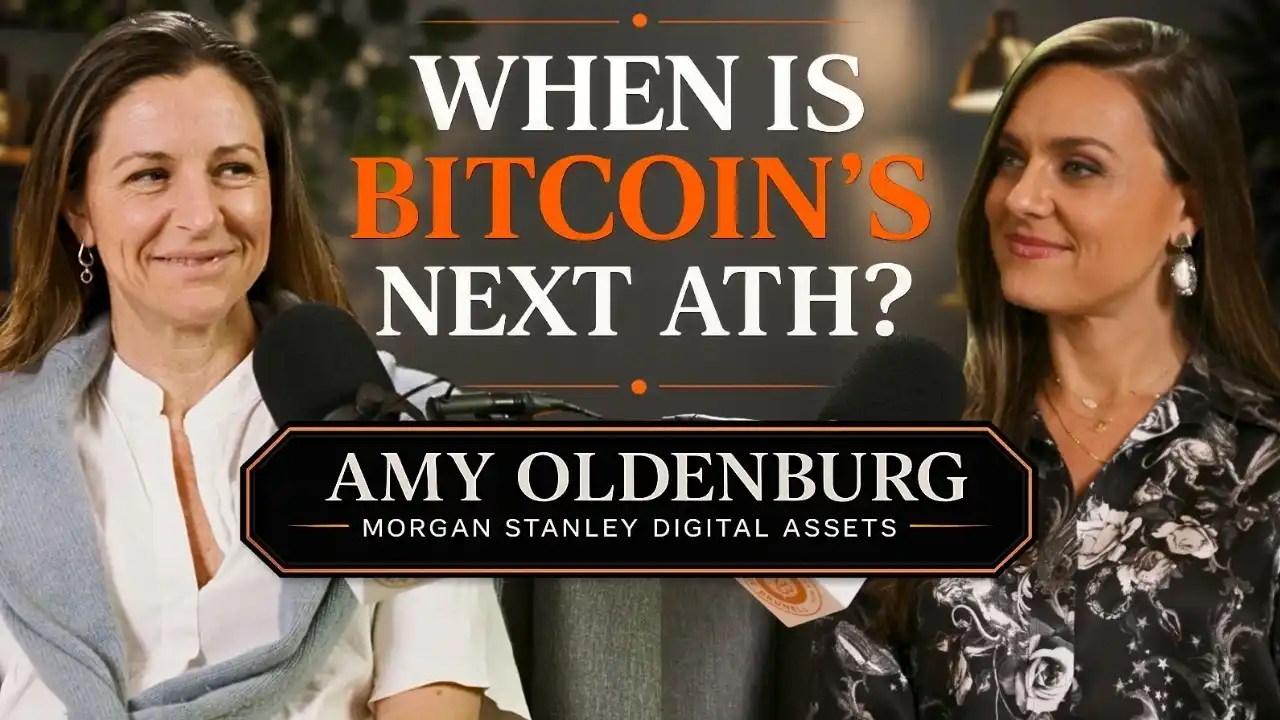
Summary: In a podcast interview, Morgan Stanley's Head of Digital Asset Strategy, Amy Oldenburg, discusses Bitcoin's potential and institutional adoption. She argues Bitcoin's next major surge might require a catalyst—a crisis that shatters the traditional financial system, after which Bitcoin could emerge as the only intact asset. While she sees a $1 million price as possible within five years, she expects slower, more stable growth. Oldenburg traces Bitcoin's logic to her experience in emerging markets, where decentralized mobile money (like M-Pesa) provided critical financial security where traditional banks failed. She notes that early Bitcoin adopters often came from international finance, seeking alternatives to centralized systems. Regarding institutions, she explains that Morgan Stanley, as a bank holding company, faces stricter regulatory hurdles than pure asset managers like BlackRock. While client demand drove their Bitcoin ETP launch (MSBT), which set a firm record, most financial advisors remain hesitant due to Bitcoin's recent price stagnation and volatility. She identifies an education gap as a major barrier, with many advisors and clients not understanding the differences between various crypto assets or between holding spot Bitcoin versus an ETP. Oldenburg also discusses the tension between Bitcoin's cypherpunk, self-custody ethos and the convenience of centralized financial products, acknowledging the value of both approaches. She concludes that the digital asset space is still in its early stages, with a long journey ahead involving more complex products and technologies.

marsbit7 min fa

Morgan Stanley Digital Asset Head: Bitcoin Reaching $1M Would Not Be Surprising, But a Real Catalyst Might Require a Crisis That Shatters the Old System

marsbit7 min fa

Cursor: Why Did It Board Elon Musk's Rocket?

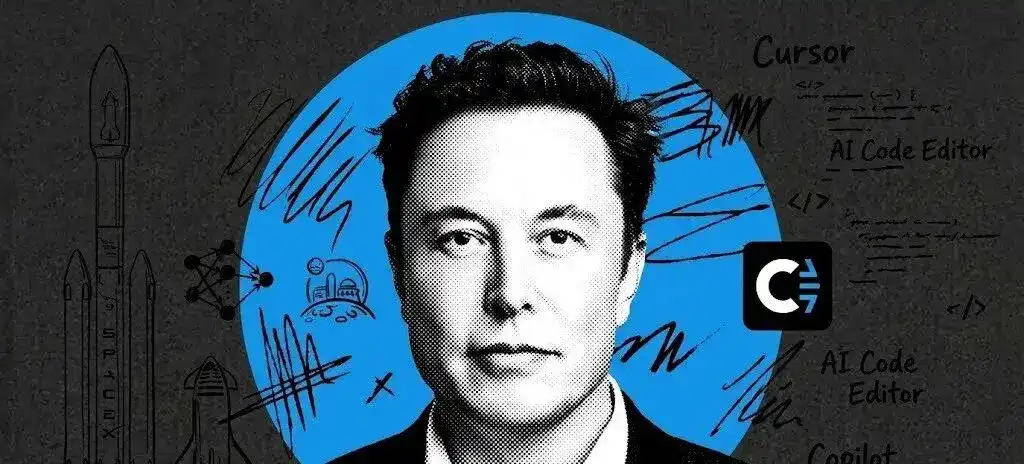
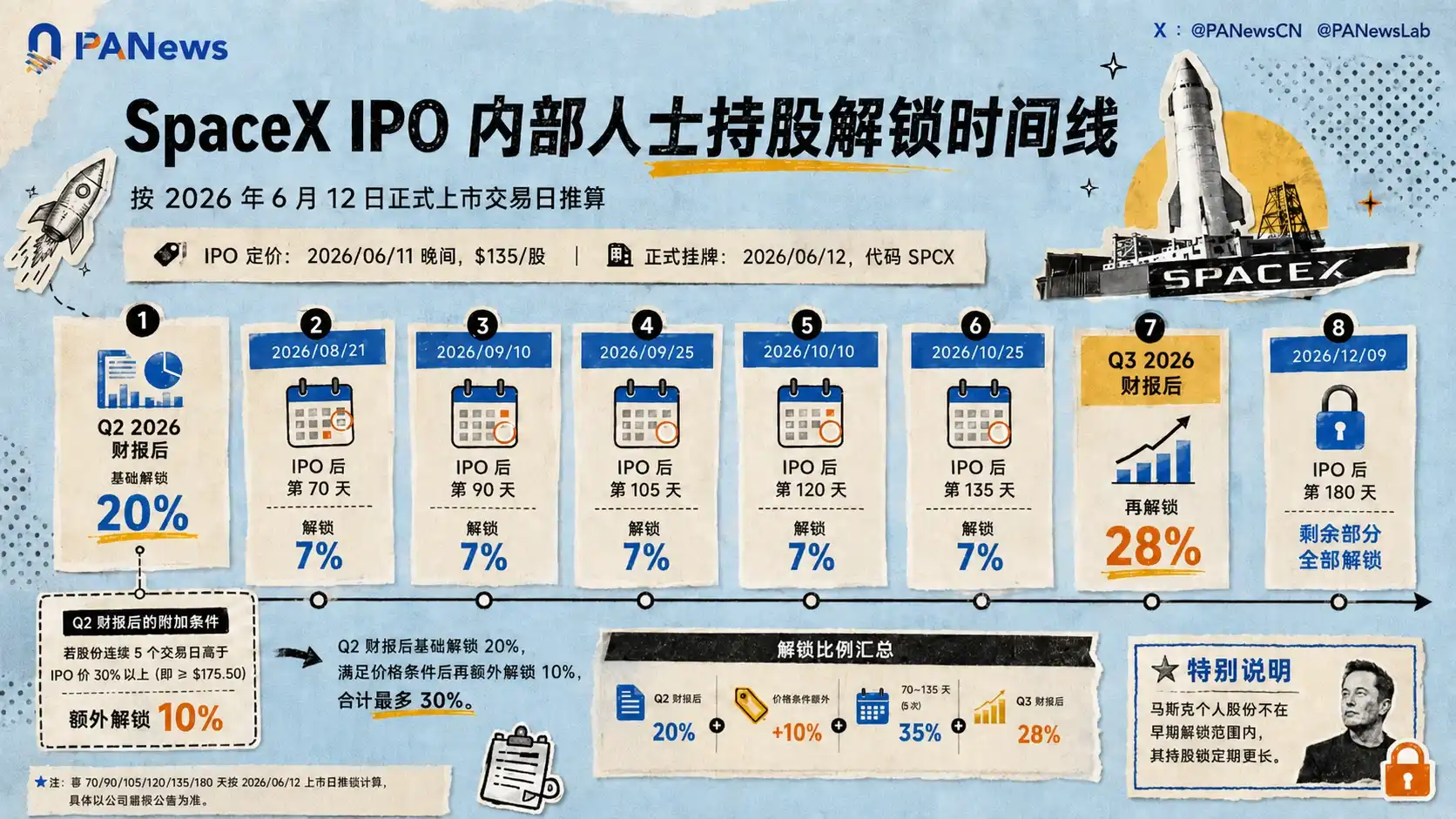
SpaceX announced its first major acquisition after its historic IPO: a $60 billion all-stock deal to acquire AI programming startup Cursor (parent company Anysphere). Cursor is a popular AI coding assistant that allows developers to switch between models from OpenAI, Anthropic, Google, and others. Founded in 2022 by MIT graduates including CEO Michael Truell, Cursor saw explosive revenue growth, reaching a $4 billion annualized run rate by early 2026. However, its market share had declined as key supplier Anthropic launched its own competing product, Claude Code. Facing dependency risks, Cursor decided to build its own AI model, Composer, but lacked the necessary computing power. In April 2026, Cursor and SpaceX revealed a partnership and an option agreement: SpaceX could acquire Cursor for $60 billion post-IPO, or pay a breakup fee and provide substantial computing resources. After SpaceX's successful IPO, it exercised the option. The deal gives Cursor access to SpaceX's massive "Colossus" supercomputer, while SpaceX gains Cursor's strong foothold among elite software engineers to boost its AI capabilities, as Musk's xAI model Grok lags in programming. The acquisition aligns with SpaceX's broader AI and orbital data center ambitions, as Musk targets $1 trillion in revenue by 2030. For Truell, who once aimed to build an enduring independent company, joining SpaceX represents a monumental bet on an unprecedented scale.

marsbit7 min fa

Cursor: Why Did It Board Elon Musk's Rocket?

marsbit7 min fa

Wintermute Market Weekly: Iran War Ends, Inflation Meets Expectations, BTC Rebounds to Lower 60ks But Don’t Rush to Buy the Dip

**Wintermute Market Weekly: BTC Rebounds to $60K Lows, But Caution Advised** This week saw a broad market rebound, primarily driven by two converging factors: a US CPI inflation reading that met expectations (4.2% YoY) and former President Trump's announcement of a deal to end the Iran conflict. The latter triggered a sharp drop in oil prices, reducing geopolitical risk premiums and easing inflation fears. Consequently, risk assets like equities and cryptocurrencies rallied, with Bitcoin recovering from lows around $60,000 to close the week up 1.9%, while altcoins gained 3.1%. Despite the price bounce, the underlying liquidity picture for crypto remains weak. Key funding channels—stablecoin flows, ETF inflows, and Digital Asset Treasury (DAT) activity—show no signs of structural improvement. ETF outflows recently hit a record streak, and DAT assets have declined significantly. The rally from $60K to $83K earlier is now viewed as a bear-market rally that has failed. The current environment is characterized by low directional conviction and choppy, range-bound trading, likely persisting into summer. The report advises caution against aggressively buying the dip. While the $60K area offers attractive long-term risk/reward, a sustained bull run requires a visible turnaround in capital inflows, which hasn't materialized. The upcoming FOMC meeting and Powell's commentary, alongside the formal Iran deal signing, are noted as near-term catalysts. The core takeaway is to watch fund flows rather than price action and avoid being whipsawed by volatility before clear signs of institutional or retail capital returning emerge.

marsbit21 min fa

Wintermute Market Weekly: Iran War Ends, Inflation Meets Expectations, BTC Rebounds to Lower 60ks But Don’t Rush to Buy the Dip

marsbit21 min fa

Trading

Spot
Futures

Articoli Popolari

Cosa è XRP 2.0

XRP 2.0: Una Nuova Frontiera nel Paesaggio delle Criptovalute Introduzione a XRP 2.0 Nel mondo in continua evoluzione delle criptovalute, nuovi progetti emergono continuamente, cercando attenzione e adozione. Una tale iniziativa promettente è XRP 2.0, un nuovo progetto di criptovaluta progettato per sfruttare avanzate tecnologie blockchain e metodologie di crittografia robuste. Anche se il nome richiama alla mente l'XRP di Ripple, è fondamentale notare che XRP 2.0 opera in modo indipendente, concentrandosi sul miglioramento della sicurezza delle transazioni, della privacy e della scalabilità. Mentre il panorama finanziario digitale abbraccia sempre di più soluzioni decentralizzate, XRP 2.0 mira a contribuire in modo significativo al web3 e all'espansione generale dei progetti crypto. Cos'è XRP 2.0? Alla sua base, XRP 2.0 è un progetto di criptovaluta che mira a creare un ecosistema di valuta digitale sicuro e decentralizzato. La sua tecnologia fondamentale integra principi di blockchain sofisticati con tecniche di crittografia all'avanguardia. L'obiettivo principale di XRP 2.0 è quello di affermarsi come una piattaforma affidabile ed efficiente in grado di consentire un'esecuzione rapida delle transazioni, dando priorità a migliori protezioni della privacy per i suoi utenti. Il progetto è promosso come una soluzione a molte limitazioni affrontate dalle criptovalute esistenti, proponendo un sistema in grado di gestire un volume maggiore di transazioni con migliorata velocità e privacy. Questa versatilità pone XRP 2.0 come un significativo competitor in un mercato affollato di varie valute digitali. Chi è il Creatore di XRP 2.0? L'identità del creatore dietro XRP 2.0 è stata segnalata come 'Wilbur'. Tuttavia, i dettagli completi riguardanti Wilbur o l'entità associata rimangono sfuggenti. L'anonimato di molti creatori di criptovalute non è un fenomeno raro nel settore, spesso progettato per mantenere un certo grado di privacy e sicurezza. Chi sono gli Investitori di XRP 2.0? Al momento, informazioni specifiche relative alle fondazioni o organizzazioni di investimento a supporto di XRP 2.0 non sono disponibili pubblicamente. Nel settore delle criptovalute, il supporto di investitori rinomati può influenzare significativamente la credibilità e il successo di un progetto, tuttavia la trasparenza riguardo ai sostenitori finanziari di XRP 2.0 non è stata stabilita. Come Funziona XRP 2.0? XRP 2.0 si distingue per l'impiego di una combinazione di tecnologia blockchain e algoritmi di crittografia avanzati che garantiscono transazioni sicure e decentralizzate. La sua struttura innovativa include caratteristiche uniche progettate per promuovere il coinvolgimento degli utenti e ampliare le funzionalità oltre le transazioni convenzionali delle criptovalute. Tra queste caratteristiche, XRP 2.0 incorpora capacità alimentate da intelligenza artificiale, come funzionalità di testo in immagini e testo in voce. Queste aggiunte sono progettate per migliorare l'esperienza interattiva per gli utenti, promuovendo una maggiore applicabilità in vari settori. Unendo progressi tecnologici con design incentrati sugli utenti, XRP 2.0 mira a catturare l'attenzione di una vasta gamma di individui e aziende che cercano di integrare soluzioni di criptovaluta nei loro framework operativi. Cronologia di XRP 2.0 Comprendere XRP 2.0 richiede di esaminare i traguardi che hanno definito il suo percorso fino ad ora: 23 luglio 2023: XRP 2.0 viene introdotto come un nuovo progetto di criptovaluta, mirante a rivoluzionare le capacità di transazione sicura e decentralizzata nel dominio blockchain. 8 settembre 2023: Si verifica il lancio di un altro progetto, XRP20, marcando l'emergere di un token ERC-20 sulla blockchain di Ethereum che resta non correlato a XRP 2.0. 13 novembre 2023: Il ledger XRP subisce un significativo aggiornamento con il rilascio della versione 2.0.0 del software server rippled. È essenziale notare che questo sviluppo è scollegato dal progetto di criptovaluta XRP 2.0. Punti Chiave su XRP 2.0 Per distillare l'essenza di XRP 2.0, emergono diversi fattori critici: Caratteristiche Uniche: L'inclusione di funzionalità come il testo in immagini e testo in voce alimentato da intelligenza artificiale diversifica ulteriormente le potenziali applicazioni di XRP 2.0. Tecnologia Blockchain: Il framework utilizza meccanismi blockchain avanzati e protocolli di crittografia, garantendo un ambiente sicuro e decentralizzato per le transazioni. Scalabilità e Privacy: XRP 2.0 dà priorità a migliori protezioni della privacy nei processi di transazione e alla scalabilità necessaria per accogliere una base di utenti in crescita. Nessuna Affiliazione con Ripple: È importante notare che, nonostante il suo nome, XRP 2.0 non ha alcuna fedeltà o collaborazione con l'XRP di Ripple, distinguendo il proprio framework operativo e obiettivi all'interno dell'ecosistema delle criptovalute. Conclusione XRP 2.0 rappresenta un'ambiziosa venture nell'ambito delle criptovalute, mirante a offrire una combinazione di sicurezza, privacy ed efficienza nelle transazioni digitali. Integrando tecnologie sofisticate e caratteristiche user-friendly, il progetto si propone di ampliare gli orizzonti di ciò che le criptovalute possono realizzare nell'economia digitale odierna. Sebbene l'anonimato del suo creatore e la mancanza di investitori dichiarati possano sollevare domande per alcuni, il focus di XRP 2.0 su funzionalità avanzate e decentralizzazione ne amplifica l'appeal in un mercato crypto sempre più affollato. Man mano che il panorama delle criptovalute continua a evolversi, XRP 2.0 potrebbe emergere come un attore decisivo nell'espansione di soluzioni blockchain sicure e scalabili.

166 Totale visualizzazioniPubblicato il 2024.04.05Aggiornato il 2024.12.03

Cosa è XRP 2.0

Come comprare XRP

Benvenuto in HTX.com! Abbiamo reso l'acquisto di XRP (XRP) semplice e conveniente. Segui la nostra guida passo passo per intraprendere il tuo viaggio nel mondo delle criptovalute.Step 1: Crea il tuo Account HTXUsa la tua email o numero di telefono per registrarti il tuo account gratuito su HTX. Vivi un'esperienza facile e sblocca tutte le funzionalità,Crea il mio accountStep 2: Vai in Acquista crypto e seleziona il tuo metodo di pagamentoCarta di credito/debito: utilizza la tua Visa o Mastercard per acquistare immediatamente XRPXRP.Bilancio: Usa i fondi dal bilancio del tuo account HTX per fare trading senza problemi.Terze parti: abbiamo aggiunto metodi di pagamento molto utilizzati come Google Pay e Apple Pay per maggiore comodità.P2P: Fai trading direttamente con altri utenti HTX.Over-the-Counter (OTC): Offriamo servizi su misura e tassi di cambio competitivi per i trader.Step 3: Conserva XRP (XRP)Dopo aver acquistato XRP (XRP), conserva nel tuo account HTX. In alternativa, puoi inviare tramite trasferimento blockchain o scambiare per altre criptovalute.Step 4: Scambia XRP (XRP)Scambia facilmente XRP (XRP) nel mercato spot di HTX. Accedi al tuo account, seleziona la tua coppia di trading, esegui le tue operazioni e monitora in tempo reale. Offriamo un'esperienza user-friendly sia per chi ha appena iniziato che per i trader più esperti.

1.6k Totale visualizzazioniPubblicato il 2024.12.10Aggiornato il 2026.06.02

Come comprare XRP

Discussioni

Benvenuto nella Community HTX. Qui puoi rimanere informato sugli ultimi sviluppi della piattaforma e accedere ad approfondimenti esperti sul mercato. Le opinioni degli utenti sul prezzo di XRP XRP sono presentate come di seguito.

活动图片