Wi-Fi Publik dan Sebuah Panggilan Telepon, Bagaimana Mereka Menjadi Perangkap Sempurna untuk Mencuri Aset Kripto Senilai $5000?

比推Pubblicato 2026-01-09Pubblicato ultima volta 2026-01-09

Introduzione

Penulis kehilangan aset kripto senilai $5000 setelah menggunakan Wi-Fi publik di hotel selama liburan. Meskipun tidak mengklik tautan phishing atau menandatangani transaksi mencurigakan, dompet kriptonya dikuras. Investigasi mengungkapkan serangan "man-in-the-middle" melalui jaringan Wi-Fi hotel yang tidak aman. Kesalahan utamanya: 1. Berbicara tentang kripto di area publik, membuatnya menjadi target 2. Menyetujui permintaan otorisasi tanpa verifikasi saat menggunakan Jupiter Exchange 3. Tidak menggunakan hotspot pribadi alih-alih Wi-Fi publik Peretas menyuntikkan kode jahat yang menggantikan permintaan transaksi legit, membuat korban memberikan akses ke dompetnya. Setelah korban meninggalkan hotel, peretas mentransfer semua aset termasuk SOL dan NFT. Meski bukan dompet utama, insiden ini menekankan pentingnya keamanan jaringan, kerahasiaan informasi, dan verifikasi ekstra untuk setiap permintaan tanda tangan dompet kripto.

Penulis: The Smart Ape

Disusun oleh: Deep Tide TechFlow

Judul Asli: Terhubung ke Wi-Fi Hotel selama Tiga Hari, Dompet Kripto Digerogoti $5000


Beberapa hari yang lalu, saya dan keluarga pergi ke sebuah hotel yang sangat bagus untuk menghabiskan liburan akhir tahun. Sehari setelah meninggalkan hotel, dompet saya ternyata benar-benar dikosongkan. Saya bingung, karena saya tidak mengklik tautan phishing apa pun, juga tidak menandatangani transaksi jahat apa pun.

Setelah berjam-jam menyelidiki dan meminta bantuan ahli, akhirnya saya memahami kebenarannya. Ternyata semua ini terjadi karena jaringan Wi-Fi hotel, sebuah panggilan telepon singkat, dan serangkaian kesalahan bodoh.
Seperti kebanyakan penggemar kripto, saya membawa laptop, berpikir bisa menyempatkan bekerja sambil menemani keluarga berlibur. Istri saya terus bersikeras agar saya tidak bekerja selama tiga hari ini, seharusnya saya mendengarkannya.

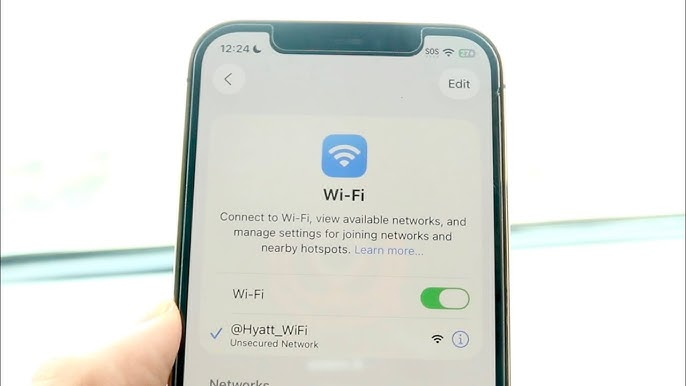
Seperti tamu lainnya, saya terhubung ke jaringan Wi-Fi hotel. Jaringan ini tidak memerlukan kata sandi, hanya perlu login melalui halaman verifikasi (captive portal).
Saya bekerja seperti biasa di hotel, tidak melakukan operasi berisiko: tidak membuat dompet baru, tidak mengklik tautan aneh, juga tidak mengakses aplikasi terdesentralisasi (dApps) yang mencurigakan. Saya hanya melihat X (Twitter), saldo saya, Discord, dan Telegram, dll.

Pada suatu saat, saya menerima panggilan dari seorang teman di dunia kripto, kami berbicara tentang kondisi pasar, Bitcoin, dan topik terkait kripto. Namun yang tidak saya ketahui, ada seseorang di dekat sana yang menguping percakapan kami, dan menyadari bahwa saya berkecimpung dalam hal-hal terkait kripto. Ini adalah kesalahan pertama saya. Dari percakapan kami, pihak lawan mengetahui bahwa saya menggunakan dompet Phantom, dan bahwa saya adalah pengguna dengan jumlah holding yang cukup besar.

Ini membuatnya menjadikan saya sebagai target.

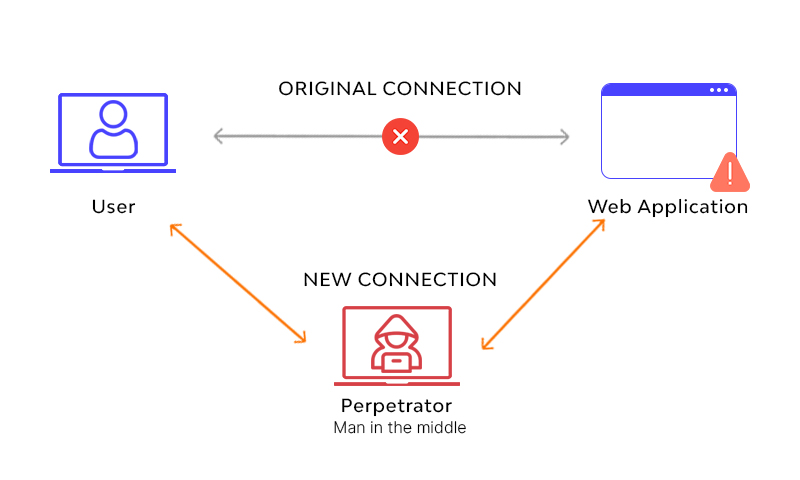
Dalam jaringan Wi-Fi publik, semua perangkat berbagi jaringan yang sama, sebenarnya visibilitas antar perangkat lebih tinggi dari yang Anda bayangkan. Hampir tidak ada langkah perlindungan nyata antar pengguna, ini membuka peluang untuk "Serangan Man-in-the-Middle" (Serangan Orang di Tengah). Penyerang bertindak seperti orang tengah, diam-diam menyelip di antara Anda dan internet, seperti seseorang yang diam-diam membaca dan memanipulasi surat Anda sebelum sampai.
Ketika saya menjelajah di Wi-Fi hotel, ada sebuah situs web yang terlihat loading normal, tetapi sebenarnya di balik halaman disuntikkan kode jahat tambahan. Saat itu saya tidak menyadari adanya keanehan. Jika saya menginstal beberapa alat keamanan, seharusnya bisa menemukan masalah ini, tetapi sayangnya, saya tidak memilikinya.

Biasanya, situs web mungkin meminta dompet Anda untuk menandatangani operasi tertentu. Dompet Phantom akan memunculkan jendela pop-up, Anda dapat memilih untuk menyetujui atau menolak. Umumnya, Anda akan dengan percaya diri menandatangani karena mempercayai situs web dan browser ini. Namun, hari itu saya tidak seharusnya melakukannya.

Persis ketika saya sedang melakukan operasi pertukaran token di platform @JupiterExchange, kode jahat memicu permintaan dompet, menggantikan operasi pertukaran normal saya. Saya seharusnya bisa menemukan bahwa ini adalah permintaan jahat dengan memeriksa detail transaksi dengan cermat, tetapi karena saya sudah dalam operasi pertukaran di platform Jupiter, saya sama sekali tidak curiga.
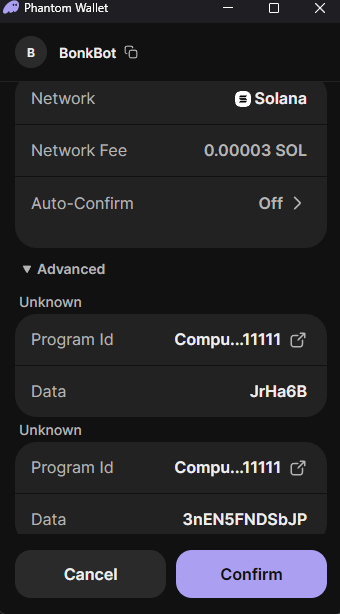
Hari itu saya tidak menandatangani transaksi yang mentransfer dana, tetapi menandatangani sebuah otorisasi. Inilah yang menyebabkan aset dicuri beberapa hari kemudian.

Kode jahat tidak langsung meminta saya untuk mengirim SOL (Solana), karena itu akan terlalu jelas. Sebagai gantinya, ia meminta saya "mengizinkan akses", "menyetujui akun", atau "mengonfirmasi sesi". Dengan kata sederhana, saya sebenarnya memberikan izin kepada alamat lain untuk beroperasi atas nama saya.

Alasan saya menyetujuinya adalah karena saya salah mengira ini terkait dengan operasi saya di Jupiter. Saat itu, informasi yang muncul di pop-up dompet Phantom terlihat sangat teknis, tidak menampilkan jumlah apa pun, juga tidak提示 transfer segera.

Dan inilah semua yang dibutuhkan penyerang. Dia menunggu dengan sabar, sampai saya meninggalkan hotel, baru mulai bertindak. Dia mentransfer SOL saya, mengambil token saya, dan memindahkan NFT saya ke alamat lain.
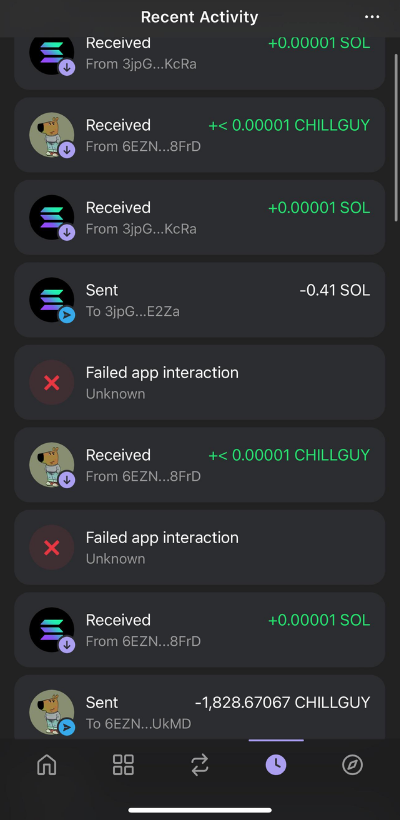
Saya tidak pernah membayangkan hal seperti ini bisa terjadi pada saya. Untungnya, ini bukan dompet utama saya, tetapi dompet panas untuk operasi tertentu, bukan untuk menyimpan aset jangka panjang. Meskipun begitu, saya membuat banyak kesalahan, dan saya merasa bertanggung jawab utama atas hal ini.

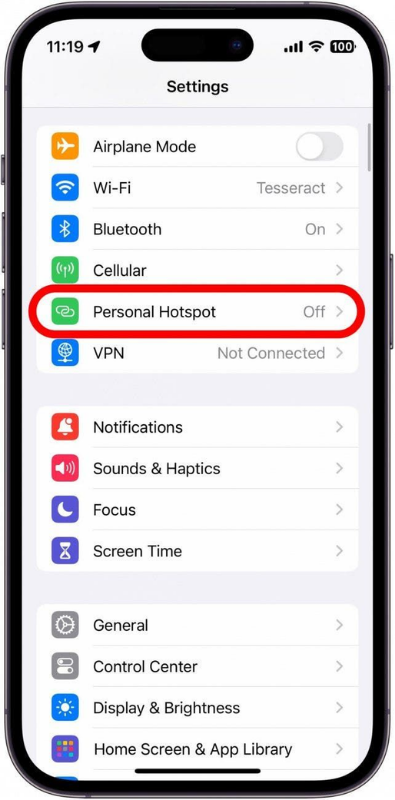
Pertama, saya seharusnya tidak pernah terhubung ke Wi-Fi publik hotel. Saya seharusnya menggunakan hotspot ponsel untuk internet.
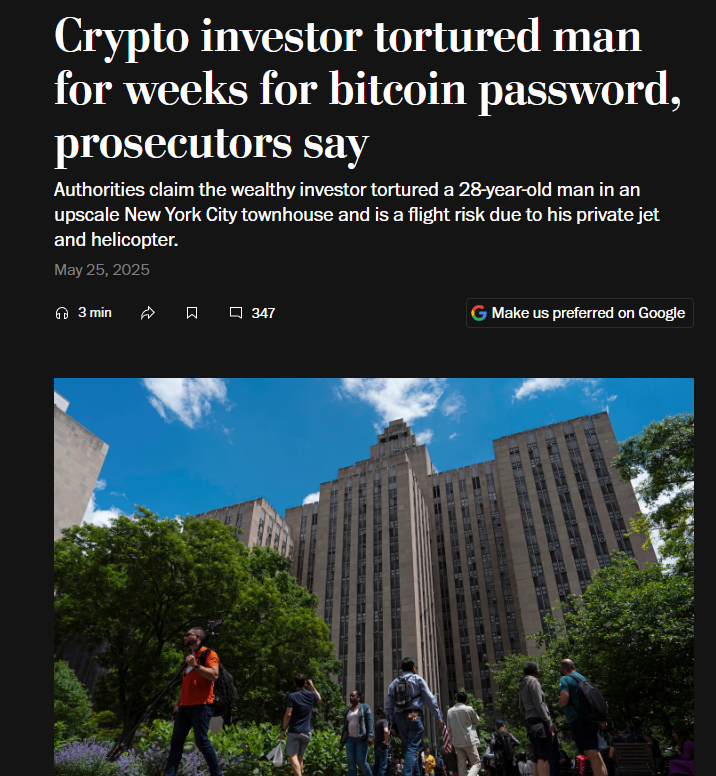
Kesalahan kedua saya adalah, membicarakan kripto di area publik hotel, membuat banyak orang mungkin mendengar percakapan kami. Ayah saya pernah menasihati, jangan pernah membiarkan orang lain tahu Anda berkecimpung dalam hal terkait kripto. Kali ini masih beruntung, beberapa orang bahkan mengalami penculikan atau hal yang lebih buruk karena aset kripto.
Kesalahan lain adalah, saya menyetujui permintaan dompet tanpa sepenuhnya memperhatikan. Karena saya yakin permintaan ini berasal dari Jupiter, saya tidak menganalisisnya dengan cermat. Faktanya, setiap permintaan dompet harus ditinjau dengan serius, bahkan di aplikasi yang Anda percayai. Permintaan bisa disadap, sebenarnya bukan berasal dari aplikasi yang Anda kira.

Pada akhirnya, saya kehilangan sekitar $5000 dari sebuah dompet sekunder. Meskipun ini bukan situasi terburuk, tetap sangat membuat frustrasi.


Twitter:https://twitter.com/BitpushNewsCN

Grup Komunikasi Telegram比推:https://t.me/BitPushCommunity

Langganan Telegram比推: https://t.me/bitpush

Tautan asli:https://www.bitpush.news/articles/7601380

Domande pertinenti

QApa yang menyebabkan penulis kehilangan aset kriptonya senilai $5000?

APenulis kehilangan aset karena kombinasi dari penggunaan Wi-Fi publik hotel, percakapan telepon yang terdengar oleh penyerang tentang aktivitas kriptonya, dan persetujuan tidak sengaja terhadap permintaan otorisasi jahat yang disuntikkan melalui serangan man-in-the-middle.

QApa itu serangan 'man-in-the-middle' yang disebut dalam artikel?

ASerangan man-in-the-middle adalah ketika penyerang menyisipkan diri di antara perangkat korban dan internet di jaringan yang sama (seperti Wi-Fi publik), memungkinkan mereka mengintip dan memanipulasi data yang dikirim, seperti menyuntikkan kode jahat ke situs web yang dikunjungi.

QKesalahan apa saja yang diakui penulis sebagai penyebab insiden ini?

APenulis mengakui tiga kesalahan utama: 1) Menggunakan Wi-Fi publik hotel alih-alih hotspot pribadi, 2) Membicarakan aktivitas kripto di area publik sehingga didengar orang lain, 3) Tidak memeriksa dengan cermat permintaan persetujuan dompet yang ternyata jahat.

QMengapa penyerang tidak langsung mencuri aset saat penulis masih di hotel?

APenyerang meminta otorisasi akses, bukan transfer langsung, sehingga tidak mencurigai. Mereka kemudian menunggu dengan sabar sampai penulis meninggalkan hotel untuk benar-benar mengambil aset, mengurangi risiko ketahuan.

QApa pelajaran utama yang bisa diambil dari pengalaman penulis?

APelajaran utamanya adalah selalu hindari Wi-Fi publik untuk aktivitas sensitif seperti kripto, gunakan hotspot pribadi; jangan bicarakan hal sensitif di tempat umum; dan selalu periksa secara detail setiap permintaan persetujuan dompet, bahkan dari aplikasi tepercaya.

Letture associate

The 'Chip' Challenge and Breakthroughs in China's Optical Industry Chain

China's Photonics Industry: Bottlenecks and Breakthroughs In the global AI race, computing chips dominate the narrative, but the underlying bottleneck increasingly defining the scale of AI clusters is light—or more specifically, optical connectivity. Optical modules, which translate electrical signals to light and vice versa, are crucial for connecting thousands of GPUs in AI data centers, preventing data congestion and ensuring efficient model training. High-speed modules (800G, 1.6T) are now standard, with performance hinging on advanced DSP (Digital Signal Processor) chips. This is where a critical dependency lies. Two US giants—Marvell and Broadcom—collectively dominate over 90% of the high-end DSP chip market. Chinese optical module leaders like Zhongji Innolight and Eoptolink rely on these chips to manufacture modules for overseas AI customers, primarily in North America. While this creates a supply chain vulnerability, complete decoupling is difficult. Marvell derives over half its revenue from Greater China, and the US firms depend on Chinese partners for chip packaging and optical components. The risk from laser chips (e.g., from Lumentum), another key component, is considered more manageable due to multiple global suppliers and faster progress in domestic alternatives from companies like YOFC and Accelink. To mitigate risks, China's industry is pursuing a multi-pronged strategy: diversifying supply chains and locking in long-term orders; fostering a domestic market ecosystem to adopt homegrown DSPs from firms like Huawei HiSilicon and CETC; accelerating R&D in high-speed DSPs and advanced packaging; and investing in next-gen technologies like silicon photonics and Co-Packaged Optics (CPO) to reduce reliance on discrete DSPs. The ultimate solution lies not in short-term博弈 but in persistent advancement of domestic high-end chip R&D and manufacturing. While challenges remain in performance, certification, and ecosystem building, China's vast domestic market and manufacturing base provide a crucial buffer, buying time for the industry to achieve greater technological independence.

marsbit11 min fa

The 'Chip' Challenge and Breakthroughs in China's Optical Industry Chain

marsbit11 min fa

Behind SpaceX's $2 Trillion Market Cap: Why Does Musk Always Have the Next Move Planned?

On June 12th, SpaceX debuted on the Nasdaq, reaching a valuation that briefly touched $2 trillion. This marked the culmination of a 24-year journey from its founding in 2002, driven by Elon Musk's frustration at the high cost of buying rockets. The company's path was defined by early failures, with its first three Falcon 1 launches ending in explosions before a successful 2008 flight opened the era of commercial spaceflight. Key to its model was a fixed-price NASA contract, incentivizing cost reduction. SpaceX mastered rocket reusability, first achieving a Falcon 9 landing in 2015, which drastically cut launch costs. This enabled its profitable Starlink satellite internet constellation, envisioned years before reusability was proven, to create an internal market for frequent launches. Similarly, the next-generation Starship rocket was in development long before its first flight, with its business case evolving from Mars colonization to supporting the emerging concept of in-orbit data centers for AI—a story now central to its valuation. The company's recent IPO, a reversal of its long-standing "no IPO" stance, is funding this ambitious "space-based compute" vision. While major tech players like Google, Blue Origin, and others are investing heavily, significant technical and cost hurdles remain. Ultimately, SpaceX's history is one of creating its own demand: first with Starlink and now with space-based AI compute, betting that its next rocket will enable its next giant market.

marsbit14 min fa

Behind SpaceX's $2 Trillion Market Cap: Why Does Musk Always Have the Next Move Planned?

marsbit14 min fa

When Crypto Meets the World Cup: CoinW and Modrić's Art of "Navigating Cycles"

When Encryption Meets the World Cup: CoinW and Modrić's "Transcending Cycles" Philosophy In the context of the 2026 FIFA World Cup and its massive global audience, the crypto exchange CoinW announced football legend Luka Modrić as its global brand ambassador. This move is framed not merely as a marketing tactic, but as a strategic experiment in user profile migration. It targets mature, financially stable football fans—particularly in Europe, Southeast Asia, and Latin America—who traditionally have low crypto awareness but value trusted, time-tested authority figures like Modrić. The article draws parallels between Modrić's enduring, disciplined career—marked by consistency and success at the highest level over two decades—and CoinW's own development path. Founded in 2017 during a volatile industry period, CoinW focused on building robust infrastructure and risk management. It weathered the 2022 industry crisis without major security incidents, subsequently earning recognition like "Europe's Most Trusted Exchange" and growing to over 20 million registered users. This "long-termism" is translated into user-centric products. CoinW Academy lowers the initial knowledge barrier. Its integrated ecosystem (CoinW, GemW, DeriW, PropW) and the recent launch of a TradFi section—offering perpetual contracts on traditional assets like stocks, gold, and oil—aim to create a unified platform for diverse assets. For the World Cup, CoinW launched the "We Are The Game" campaign, collaborating with Alchemy Pay to offer zero-fee deposits and local payment options, aiming to transform spectators into participants and lower entry barriers. Ultimately, CoinW's sports partnerships and product strategy are presented as a concerted effort to build trust and accessibility for the "silent majority" still outside crypto—shifting the industry narrative toward inclusivity and long-term value.

Foresight News20 min fa

When Crypto Meets the World Cup: CoinW and Modrić's Art of "Navigating Cycles"

Foresight News20 min fa

A Panoramic View of the Solana Privacy Ecosystem: The Complete Privacy Stack from Computation to AI

**Solana Privacy Ecosystem: A Comprehensive Overview from Computation to AI** Solana's privacy ecosystem, while nascent, is rapidly evolving to address key challenges across multiple layers. Key figures like Helius CEO Mert acknowledge that Solana has lagged in privacy but highlight its unique potential for scalable, composable privacy protocols, potentially leveraging technologies like ZK compression without persistent rollups. The foundational layer is **Private Compute**, addressed by providers like Arcium and Magic Block. Arcium utilizes Multi-Party Computation (MPC) networks to process encrypted data off-chain with final settlement on Solana, supporting use cases like confidential payments (via its C-SPL token standard) and encrypted data analysis. Magic Block employs Trusted Execution Environments (TEEs) to create private, ephemeral rollups, offering confidentiality, scalability, and composability. Both enable private order books, dark pools, and DeFi rails. Building on this infrastructure are applications for **Private Transfers and Balances**. Umbra, built on Arcium, offers encrypted token accounts with amount, balance, and sender-receiver linkage privacy, plus compliance features. Privacy Cash uses Tornado-style shielded pools for SOL, while Hush provides private staking and trading with integrated swaps via Jupiter. To eliminate **On-Chain Trails** from everyday activities like trading, protocols like encifherio and VanishTrade are emerging. encifherio privately routes swaps through Jupiter by encrypting transaction details within TEEs. VanishTrade routes trades through shielded liquidity pools. Darklake offers a ZK-native "blind slippage" AMM and private perpetuals to hide trading intent and prevent front-running. More advanced applications include **Private Prediction Markets**. Platforms like Melee Markets use Arcium's MPC to encrypt order books, allowing participants to place hidden bets without revealing their market position until settlement. Finally, the ecosystem is expanding into **Private AI**. Loyal leverages both Magic Block and Arcium to create a decentralized protocol where user-AI interactions, queries, and preferences are encrypted on-chain, giving users ownership and control over their data while enabling private transactions and yield generation. In summary, Solana's privacy stack is developing from core compute and transfer privacy towards sophisticated applications in DeFi, prediction markets, and AI, aiming for a future where Fully Homomorphic Encryption (FHE) and Zero-Knowledge (ZK) proofs combine for a complete privacy solution.

marsbit21 min fa

A Panoramic View of the Solana Privacy Ecosystem: The Complete Privacy Stack from Computation to AI

marsbit21 min fa

Trading

Spot
Futures

Articoli Popolari

Cosa è APECOIN

Comprendere la Moneta Elettronica dell'Asia Pacifico ($APECoin) In un'era in cui l'intersezione tra tecnologia e ambientalismo sta diventando sempre più critica, le criptovalute stanno lasciando il segno come potenziali catalizzatori di cambiamento. Tra queste innovazioni, la Moneta Elettronica dell'Asia Pacifico ($APECoin) si distingue come un progetto unico progettato per sostenere iniziative ambientali nella regione dell'Asia Pacifico. Questo articolo approfondisce le fondamenta, le caratteristiche uniche e l'impatto di $APECoin all'interno del più ampio panorama della blockchain. Cos'è la Moneta Elettronica dell'Asia Pacifico ($APECoin)? La Moneta Elettronica dell'Asia Pacifico ($APECoin) è un token ERC20 e TRC20, realizzato ad aprile 2020 dopo la sua concettualizzazione a dicembre 2019. Questa innovazione è nata dal desiderio di promuovere pratiche ecologiche e sostenere una serie di progetti ambientali volti alla sostenibilità e alle iniziative verdi. Obiettivi e Scopi $APECoin non è semplicemente una valuta digitale; è concepita come un mezzo di scambio che consente agli utenti di partecipare a transazioni che beneficiano direttamente cause ambientali. Il suo ecosistema è progettato per facilitare varie attività finanziarie mentre promuove l'adozione di pratiche ecologiche. La valuta mira principalmente a: Supportare Iniziative Ambientali: Attraverso ogni transazione, una parte è destinata al finanziamento di progetti sostenibili volti alla conservazione e all'energia rinnovabile. Promuovere Innovazioni Eco-Friendly: Incoraggiare startup e progetti che si allineano con la sostenibilità ambientale attraverso l'uso del suo token come mezzo di valore. Creare un Mercato Sostenibile: La piattaforma include un'e-marketplace dove possono avvenire transazioni finanziarie all'interno di un framework dedicato alla promozione di pratiche verdi. Creatore della Moneta Elettronica dell'Asia Pacifico ($APECoin) Sebbene i dettagli riguardanti il creatore individuale di $APECoin non siano divulgati pubblicamente, il progetto è sostenuto in modo significativo dal Gruppo APEC, un consorzio focalizzato sulla difesa di iniziative ambientali. Questo sostegno aggiunge credibilità e significato al progetto, collegandolo a una rete più ampia impegnata nella sostenibilità e nelle pratiche ecologiche. Investitori della Moneta Elettronica dell'Asia Pacifico ($APECoin) Il panorama degli investimenti che circonda $APECoin rimane in gran parte non divulgato. I nomi specifici di fondazioni o organizzazioni di investimento che supportano questa criptovaluta non sono stati ancora rivelati. Tuttavia, ciò che è evidente è un crescente interesse tra gli investitori desiderosi di sostenere progetti sostenibili che dimostrano potenziale impatto nel mondo delle criptovalute. Come funziona la Moneta Elettronica dell'Asia Pacifico ($APECoin)? $APECoin si distingue per il suo innovativo modello operativo, che sfrutta la tecnologia blockchain e i contratti intelligenti. Questa combinazione non solo garantisce efficienza nelle transazioni, ma assicura anche il rispetto dei framework normativi, migliorando la sicurezza e la trasparenza delle transazioni. Caratteristiche Uniche di $APECoin Operazioni Basate su Blockchain: Stabilendo le sue operazioni su una piattaforma blockchain, $APECoin garantisce che tutte le transazioni siano immutabili e protette tramite tecniche crittografiche avanzate. Questa decentralizzazione sottolinea l'integrità del token all'interno del suo ecosistema. Contratti Intelligenti: $APECoin impiega contratti intelligenti che facilitano transazioni senza soluzione di continuità mentre garantiscono conformità alle normative applicabili. Questi accordi automatizzati riducono la possibilità di dispute, semplificano i processi e contribuiscono a un framework di transazione affidabile. E-Marketplace: Una delle caratteristiche distintive di $APECoin è il suo e-marketplace dedicato. Questo ambiente digitale funge da hub per servizi che promuovono pratiche ecologiche, fornendo una piattaforma per scambi che avanzano la visione verde del progetto. Attraverso queste attribuzioni, $APECoin si ritaglia una nicchia all'interno dell'ampio mercato delle criptovalute, sposando efficacemente i principi della blockchain con la responsabilità ambientale. Cronologia della Moneta Elettronica dell'Asia Pacifico ($APECoin) Comprendere la traiettoria di $APECoin fornisce un'idea delle sue pietre miliari di sviluppo e delle aspirazioni future. Ecco una cronologia che evidenzia eventi significativi nella storia del progetto: Dicembre 2019: Concettualizzazione della Moneta Elettronica dell'Asia Pacifico, iniziata con l'ambizione di promuovere la sostenibilità attraverso la criptovaluta. Aprile 2020: Lancio ufficiale di $APECoin, segnando il suo ingresso nel mercato come token dedicato ai progetti ambientali. 2020-2021: Conduzione dell'Offerta Iniziale di Scambio (IEO), che consente agli utenti di acquistare $APECoin, insieme alla registrazione su varie piattaforme di scambio elettronico per migliorarne l'accessibilità. Nel suo relativamente breve viaggio, $APECoin ha fatto significativi progressi nel gettare le basi per una criptovaluta sicura e di impatto guidata da obiettivi ambientali. Conclusione La Moneta Elettronica dell'Asia Pacifico ($APECoin) incarna il matrimonio tra tecnologia e responsabilità ambientale, promuovendo la crescita nell'ecosistema crypto mentre sostiene la sostenibilità. Con la sua struttura unica, il sostegno da parte di enti rinomati e una visione per un futuro più verde, $APECoin è più di una semplice criptovaluta; è un progetto pionieristico volto a nutrire l'innovazione responsabile nella regione dell'Asia Pacifico. Attraverso il suo impegno per l'inclusione finanziaria e il supporto delle iniziative ambientali, si presenta come un esempio formidabile di come le valute digitali possano essere utilizzate per un impatto sociale positivo. Mentre il progetto continua a evolversi, gli stakeholder all'interno della comunità crypto e oltre osserveranno con interesse come $APECoin plasmi la conversazione sulle pratiche sostenibili nel crescente mondo delle criptovalute.

49 Totale visualizzazioniPubblicato il 2024.12.03Aggiornato il 2024.12.03

Cosa è APECOIN

Come comprare APE

Benvenuto in HTX.com! Abbiamo reso l'acquisto di ApeCoin (APE) semplice e conveniente. Segui la nostra guida passo passo per intraprendere il tuo viaggio nel mondo delle criptovalute.Step 1: Crea il tuo Account HTXUsa la tua email o numero di telefono per registrarti il tuo account gratuito su HTX. Vivi un'esperienza facile e sblocca tutte le funzionalità,Crea il mio accountStep 2: Vai in Acquista crypto e seleziona il tuo metodo di pagamentoCarta di credito/debito: utilizza la tua Visa o Mastercard per acquistare immediatamente ApeCoinAPE.Bilancio: Usa i fondi dal bilancio del tuo account HTX per fare trading senza problemi.Terze parti: abbiamo aggiunto metodi di pagamento molto utilizzati come Google Pay e Apple Pay per maggiore comodità.P2P: Fai trading direttamente con altri utenti HTX.Over-the-Counter (OTC): Offriamo servizi su misura e tassi di cambio competitivi per i trader.Step 3: Conserva ApeCoin (APE)Dopo aver acquistato ApeCoin (APE), conserva nel tuo account HTX. In alternativa, puoi inviare tramite trasferimento blockchain o scambiare per altre criptovalute.Step 4: Scambia ApeCoin (APE)Scambia facilmente ApeCoin (APE) nel mercato spot di HTX. Accedi al tuo account, seleziona la tua coppia di trading, esegui le tue operazioni e monitora in tempo reale. Offriamo un'esperienza user-friendly sia per chi ha appena iniziato che per i trader più esperti.

91 Totale visualizzazioniPubblicato il 2025.02.24Aggiornato il 2026.06.02

Come comprare APE

Discussioni

Benvenuto nella Community HTX. Qui puoi rimanere informato sugli ultimi sviluppi della piattaforma e accedere ad approfondimenti esperti sul mercato. Le opinioni degli utenti sul prezzo di APE APE sono presentate come di seguito.

活动图片














