« Gaspillage de ressources » ? – Le CTO de Jupiter explique pourquoi les rachats de JUP pourraient cesser

ambcryptoPubblicato 2026-01-04Pubblicato ultima volta 2026-01-04

Introduzione

Le super-app DeFi basé sur Solana, Jupiter, envisage d'arrêter le rachat de son token JUP. Le co-fondateur et CTO Siong Ong a déclaré que le programme, ayant coûté 70 millions de dollars l'année dernière, n'avait pas eu d'impact significatif sur le prix du token et constituait un « gaspillage » de ressources. Il propose de réallouer ces fonds à des incitations à la croissance pour les utilisateurs. La communauté est divisée : certains soutiennent l'arrêt des rachats, tandis que d'autres proposent de distribuer les revenus aux stakers pour augmenter les rendements et soutenir le prix. Un analyste a souligné que le token JUP n'était pas lié à la réussite du protocole, ce qui pose un problème fondamental. D'autres projets comme Hyperliquid et Aave ont réussi leurs rachats, mais l'exemple de Pump.fun montre que cela ne fonctionne pas toujours. L'équipe de Jupiter, qui a généré 369 millions de dollars de revenus, n'a pas encore annoncé sa décision finale.

Jupiter, la super-application DeFi basée sur Solana, envisage d'arrêter le rachat de jetons JUP.

Dans un post sur les réseaux sociaux le 2 janvier, Siong Ong, co-fondateur et CTO de Jupiter, a déclaré qu'ils n'avaient pas vu beaucoup d'impact de la part du programme et ont estimé que c'était un « gaspillage » de ressources.

« Nous avons dépensé plus de 70 millions de dollars en rachats l'année dernière, et le prix n'a évidemment pas beaucoup bougé. Nous pourrions utiliser ces 70 millions de dollars pour les distribuer sous forme d'incitations à la croissance pour les utilisateurs existants et nouveaux. »

Ong suivait les traces du fondateur d'Helium, Amir Haleem, qui avait déclaré qu'ils « arrêteraient de gaspiller de l'argent dans les rachats de HNT », car le marché ne se soucie pas de cet effort.

La communauté JUP divisée

Jupiter a lancé le programme de rachat de JUP à la mi-février 2025 et aurait dépensé environ 70 millions de dollars. De plus, Jupiter [JUP] a augmenté d'environ 300% le premier mois après le lancement du rachat.

Cependant, le jeton a atteint de nouveaux plus bas annuels en 2025, malgré les rachats agressifs qui étaient auparavant perçus comme haussiers. Au moment de la rédaction, il s'échangeait à 0,2 $, en baisse par rapport à son pic de 1,8 $ – une chute de prix de 88%.

Cependant, la communauté était divisée sur la question d'abandonner le programme de rachat. Un utilisateur a proposé de partager les revenus avec les stakers pour augmenter le rendement du staking et faire monter le prix.

« Avec 753 millions de JUP stakés, cela représente presque 0,09 $ par JUP. Pour moi personnellement, ce serait un très bon revenu passif. C'est un dividende de 43%. Bien sûr, le prix monterait en flèche avec une telle nouvelle. »

Mais Ong s'est demandé comment le produit pourrait se développer si tout était alloué aux récompenses de staking.

De son côté, l'analyste Fabiano a déclaré qu'il n'y avait actuellement aucune raison de détenir le jeton car il n'est pas lié au succès du protocole (ce n'est pas une action).

Selon lui, une solution à court terme serait de partager les revenus avec les stakers pour réduire leur pression de vente trimestrielle.

« Et si nous redirigions ces 10 millions de dollars vers les récompenses de staking, au lieu d'acheter du JUP pour le Litterbox ? Aux prix actuels, cela pourrait donner environ 25% de TAEG ? - ce qui est incroyablement attractif. »

Quel avenir pour JUP ?

D'autres critiques ont souligné la performance mitigée de Pump.fun [PUMP] malgré un rachat massif, ajoutant que tous les protocoles ne devraient pas suivre la tendance.

Cependant, les programmes de rachat ont été couronnés de succès pour Hyperliquid [HYPE] et Aave [AAVE], en particulier pendant les périodes de sentiment de marché positif.

Au moment de la rédaction, il n'était pas clair vers quelle proposition et quelle direction l'équipe se tournerait après plusieurs retours sur la proposition.

Jupiter est passé d'un agrégateur de DEX à une super-application couvrant le prêt, les marchés prédictifs et même le trading perpétuel. Le développement en cours lui a également permis de porter son revenu cumulé à 369 millions de dollars.


Réflexions finales

  • L'équipe de Jupiter semblait déçue par l'impact limité de son programme de rachat malgré un engagement de 70 millions de dollars.
  • Mais la communauté était divisée sur le plan visant à arrêter le programme de rachat de jetons.

Crypto di tendenza

Domande pertinenti

QPourquoi le CTO de Jupiter, Siong Ong, envisage-t-il d'arrêter le programme de rachat de JUP ?

ASiong Ong estime que le programme de rachat, qui a coûté plus de 70 millions de dollars l'année dernière, n'a pas eu d'impact significatif sur le prix du token et constitue un 'gaspillage' de ressources qui pourraient être mieux utilisées pour des incitations à la croissance pour les utilisateurs existants et nouveaux.

QQuel a été l'impact initial du programme de rachat sur le prix du JUP lors de son lancement ?

ALors de son lancement à la mi-février 2025, le programme de rachat a été suivi d'une hausse d'environ 300 % du prix du JUP au cours du premier mois. Cependant, le token a ensuite atteint de nouveaux plus bas annuels en 2025, chutant de 88 % depuis son pic à 1,8 $ pour atteindre 0,2 $.

QQuelle alternative au programme de rachat certains membres de la communauté ont-ils proposée ?

ACertains membres de la communauté ont proposé de redistribuer les revenus aux stakers (détenteurs qui verrouillent leurs tokens) pour augmenter le rendement du staking, ce qui, selon eux, pourrait générer un revenu passif attractif et potentiellement faire monter le prix du token.

QQuels autres protocoles sont cités comme exemples de programmes de rachat réussis ou non ?

AL'article mentionne que les programmes de rachat ont été un succès pour Hyperliquid (HYPE) et Aave (AAVE), en particulier pendant les périodes de sentiment de marché positif. En revanche, la performance du token Pump.fun (PUMP) est restée faible malgré un rachat massif.

QQuel est le développement récent de Jupiter en tant qu'application ?

AJupiter a évolué d'un simple agrégateur de DEX pour devenir une 'super-application' qui couvre le prêt, les marchés prédictifs et le trading de perpétuels. Cette évolution lui a permis d'engranger un revenu cumulé de 369 millions de dollars.

Letture associate

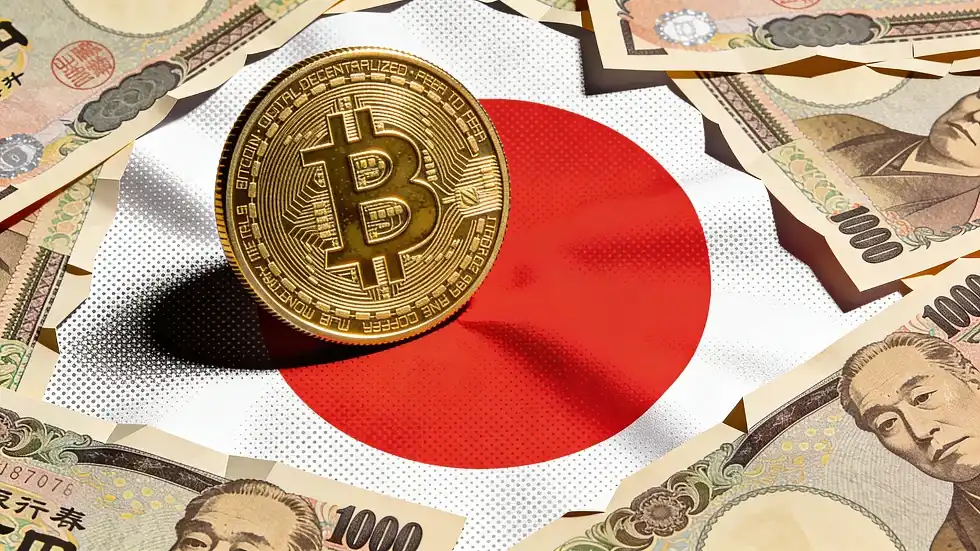
Why Is the World Nervous About Japan Raising Interest Rates?

In June 2026, the Bank of Japan raised its policy rate to 1%, marking its first hike to this level since 1995. While this rate remains low compared to global peers like the US and Europe, the move signals a profound shift for a nation that has been a global source of ultra-cheap funding for decades. Japan's long-standing near-zero or negative interest rates had facilitated massive "yen carry trades," where international investors borrowed low-cost yen to invest in higher-yielding assets worldwide, such as US tech stocks and emerging market bonds. This made Japan a critical, often overlooked, source of global liquidity. Japan's ultra-loose policy stemmed from structural challenges post-1990s asset bubble: aging demographics, chronic low inflation/deflation, and high public debt. Recent shifts, including sustained wage growth (exceeding 5% in recent years) and inflation consistently above the 2% target, have created a "wage-price spiral" possibility, prompting the policy normalization. The global market's concern lies not in the absolute rate but in the potential unwinding of the yen carry trade. As Japanese borrowing costs rise, the economics of these leveraged global investments change, potentially triggering deleveraging and capital outflows from risk assets. Market anxiety focuses on the end of a thirty-year consensus that Japan would perpetually provide cheap funding. Ultimately, the global impact will depend on the interplay with US monetary policy. While Japan is tightening, the significant interest rate differential with the US remains. The key future dynamic is whether simultaneous Japanese hikes and eventual US rate cuts will narrow this gap, forcing a major recalibration of global capital flows and asset pricing built on an era of abundant, cheap yen liquidity.

marsbit46 min fa

Why Is the World Nervous About Japan Raising Interest Rates?

marsbit46 min fa

Research Report Analysis: MRVL's Optical AI Booming, Why High Valuation Keeps Morgan Stanley's Star Analyst Sidelined?

Report Recap: MRVL Optical AI Boom - Why High Valuation Led Morgan Stanley's Star Analyst to Stay Neutral? Morgan Stanley analyst Joseph Moore maintained an "Equal-weight" (Neutral) rating on Marvell Technology (MRVL) on May 28, raising the price target from $172 to $195, below the trading price. This stance comes despite Marvell reporting a record quarter and significantly raising its full-year outlook (FY27 revenue ~$11.5B, up ~40%). Moore's neutral view is based on valuation. The $195 target implies ~40x CY2027 P/E. He contrasts MRVL with NVDA: both trade near ~$200, but Nvidia's forward EPS is more than double Marvell's. For MRVL's valuation to hold, it needs consistent earnings upgrades, proof of networking market share gains, or certainty on large-scale custom AI chip shipments—none of which are confirmed yet. Growth is driven by two pillars: **1) Optical Interconnect** (the faster runner): Moore raised FY27 growth expectations to >70%, with the optical module product line nearing a $1B annualized run rate. **2) Custom AI Chips** (the climber): Confidence in FY28 is growing, but a major new customer project only ramps in FY28, with no current revenue visibility. Key risks are the underperforming Storage, Enterprise, and legacy Networking segments. Moore acknowledges the real AI opportunity but believes the current price already reflects it. For the stock to work from here, investors need to see the optical business hit its targets, custom chips ramp as planned, and a recovery in the weaker business units.

marsbit1 h fa

Research Report Analysis: MRVL's Optical AI Booming, Why High Valuation Keeps Morgan Stanley's Star Analyst Sidelined?

marsbit1 h fa

qinbaFrank: Review and Outlook of the AI Computing Power Wave — From the Three Debates on NVIDIA to Optical Interconnect and SpaceX IPO, How is Capital Rotating?

**Summary: Retrospective and Outlook on the AI Computing Wave - A Framework for Capital Rotation** Based on a presentation by investor qinbaFrank, this analysis reviews the AI computing market trajectory since 2023 and outlines a forward-looking framework. **Key Phases and Market Debates:** The AI bull market progressed through three major debates: 1) The necessity of massive capital expenditure (late 2023). 2) The sustainability of tech giants' spending (early 2024-early 2025). 3) Potential overestimation of compute needs (early 2025). Consensus solidified in late 2025 as model capabilities and utility demonstrably improved. **Core Thesis: Penetration Rate Drives Commercialization.** Unlike the 2000 dot-com bubble, the current AI wave benefits from mature digital infrastructure, enabling faster adoption. The critical threshold is 10% penetration; surpassing it (with recent enterprise intent surveys showing ~18%) indicates entry into a rapid growth "golden period" where user scale and willingness to pay increase simultaneously. **AI vs. Internet: A Fundamental Difference.** While the internet enhanced connection efficiency, AI directly substitutes human cognition and labor. Once AI performance exceeds the "societal average" human level, its commercial value scales exponentially as payment shifts from human labor costs to AI service fees. **Investment Logic Evolution in the Compute Chain.** The focus has expanded from GPUs to a systemic re-rating of the entire hardware stack: storage/HBM, CPUs, interconnects, power, and advanced packaging. The framework is: **short-term "scarcity pricing," mid-term "upgrade pricing" (e.g., optical interconnects, power networks), and long-term "Physical AI" pricing** (edge computing, robotics). **Market Focus Shift and Adjustment Framework.** The market is transitioning from "hardware scarcity" to "commercialization validation." The ultimate anchor for the narrative is sustained high growth in model providers' Annual Recurring Revenue (ARR) and cloud business revenue, which justifies continued capital expenditure. Adjustments are categorized into three levels: * **L1 (Minor):** Driven by valuation compression or macro noise (e.g., single CPI print). Fundamentals intact. * **L2 (Moderate):** Triggered by significant macro events requiring risk repricing. Requires new data for confidence restoration. * **L3 (Major):** Involves a reset of the core industrial narrative or macro regime (e.g., AI commercialization growth stalling). The **crucial dividing line** is whether AI commercialization growth slows. Without a slowdown, pullbacks are likely L1/L2 "repricing" events. A genuine growth deceleration would signal an L2/L3 narrative reset. **Conclusion: A Foundational Civilizational Leap.** AI represents a foundational upgrade to "intelligence" itself—akin to humanity mastering fire—rather than a single-point industrial revolution. This底层能力跃迁 (underlying capability leap) will spawn successive waves of innovation (Agent, robotics, industry workflow重构). The journey will be波浪式的 (wavelike), driven by cycles of scarcity, technological upgrades, and远期兑现 (long-term realization).

marsbit2 h fa

qinbaFrank: Review and Outlook of the AI Computing Power Wave — From the Three Debates on NVIDIA to Optical Interconnect and SpaceX IPO, How is Capital Rotating?

marsbit2 h fa

A Country That Mined Bitcoin for 8 Years Has Built Its Own Dedicated Crypto Bank

A country that has been mining Bitcoin for eight years has established its own dedicated crypto bank. DK Bank, located in Bhutan's newly developed GMC special administrative zone, aims to fill the significant banking service gap for the cryptocurrency industry. Its CEO, Zheng YD, explained that most banks avoid crypto businesses due to a lack of risk management frameworks for decentralized and anonymous protocols. Operating under a unique "one country, two systems" governance model separate from mainland Bhutan, GMC aspires to become a financial hub for South Asia. DK Bank differentiates itself by offering integrated multi-currency accounts where users can manage both fiat currencies and stablecoins like USDT and USDC in one place, alongside services like Bitcoin-backed loans. The bank faces technical challenges in merging traditional banking systems with 24/7 crypto markets and implements rigorous on-chain and off-chain transaction monitoring for risk control. GMC's regulatory framework draws from Singaporean common law and Abu Dhabi's ADGM rules, offering a fast-track licensing process for already licensed firms while maintaining high standards. The initiative is part of Bhutan's longer-term crypto strategy, which includes Bitcoin mining since 2018. The focus, however, is on building a diversified institutional-grade crypto ecosystem—including custody and asset management—rather than retail speculative tokens. Proponents argue such sovereign crypto infrastructure is necessary, and Bhutan's early, measured approach exemplifies the thoughtful integration needed in global finance.

Foresight News2 h fa

A Country That Mined Bitcoin for 8 Years Has Built Its Own Dedicated Crypto Bank

Foresight News2 h fa

Trading

Spot
Futures

Articoli Popolari

Come comprare JUP

Benvenuto in HTX.com! Abbiamo reso l'acquisto di Jupiter (JUP) semplice e conveniente. Segui la nostra guida passo passo per intraprendere il tuo viaggio nel mondo delle criptovalute.Step 1: Crea il tuo Account HTXUsa la tua email o numero di telefono per registrarti il tuo account gratuito su HTX. Vivi un'esperienza facile e sblocca tutte le funzionalità,Crea il mio accountStep 2: Vai in Acquista crypto e seleziona il tuo metodo di pagamentoCarta di credito/debito: utilizza la tua Visa o Mastercard per acquistare immediatamente JupiterJUP.Bilancio: Usa i fondi dal bilancio del tuo account HTX per fare trading senza problemi.Terze parti: abbiamo aggiunto metodi di pagamento molto utilizzati come Google Pay e Apple Pay per maggiore comodità.P2P: Fai trading direttamente con altri utenti HTX.Over-the-Counter (OTC): Offriamo servizi su misura e tassi di cambio competitivi per i trader.Step 3: Conserva Jupiter (JUP)Dopo aver acquistato Jupiter (JUP), conserva nel tuo account HTX. In alternativa, puoi inviare tramite trasferimento blockchain o scambiare per altre criptovalute.Step 4: Scambia Jupiter (JUP)Scambia facilmente Jupiter (JUP) nel mercato spot di HTX. Accedi al tuo account, seleziona la tua coppia di trading, esegui le tue operazioni e monitora in tempo reale. Offriamo un'esperienza user-friendly sia per chi ha appena iniziato che per i trader più esperti.

135 Totale visualizzazioniPubblicato il 2024.12.12Aggiornato il 2026.06.02

Come comprare JUP

Discussioni

Benvenuto nella Community HTX. Qui puoi rimanere informato sugli ultimi sviluppi della piattaforma e accedere ad approfondimenti esperti sul mercato. Le opinioni degli utenti sul prezzo di JUP JUP sono presentate come di seguito.

活动图片