Фондовые биржи утверждают, что исключения для токенизированных акций SEC должны быть адресными

cryptonews.ruPubblicato 2025-02-26Pubblicato ultima volta 2025-11-27

Комиссия по ценным бумагам и биржам США не должна предоставлять широкие регуляторные послабления криптокомпаниям, запускающим токенизированные предложения акций, поскольку это создаёт риски для рынка и инвесторов, утверждает группа поддержки фондовых бирж.

Всемирная федерация бирж (WFE) заявила в письме в SEC в пятницу, что она “встревожена множеством брокеров и криптоторговых платформ, предлагающих или намеревающихся предложить так называемые токенизированные акции США”.

«Эти продукты позиционируются как биржевые токены или эквиваленты акций, хотя на самом деле это не так, — заявили в группе. — Такое развитие событий сопряжено с многочисленными и взаимосвязанными рисками».

Несколько криптовалютных бирж стремятся предложить токенизированные акции в США, чтобы инвесторы могли приобретать активы публичных компаний, не владея их акциями. Утверждается, что расчёты по таким акциям происходят быстрее, чем на фондовых биржах, и ими можно торговать в любое время, а не только в часы работы рынка.

Криптокомпании, которые не являются зарегистрированными в SEC брокерами-дилерами, должны были бы получить освобождение от агентства, и его председатель Пол Аткинс предложил его предоставить.

Группа заявляет, что освобождение от токенизированных акций должно быть “целенаправленным”

WFE, членами которой являются Cboe и Nasdaq, заявила, что поддерживает использование SEC льгот, но “обеспокоена тем, что широкое использование таких льгот представляет риски для инвесторов и целостности рынка”.

«Мы просто считаем, что эти полномочия наиболее эффективны, когда они используются целенаправленно, а не для обхода или ускоренного получения исключений из давних нормативных требований», — добавили в ведомстве.

Пол Аткинс выступает на круглом столе Комиссии по ценным бумагам и биржам США, посвященном токенизации, в мае. Источник: YouTube

В WFE заявили, что токенизация «скорее всего, является естественным этапом развития рынков капитала» и что она «способствует инновациям», но «должна осуществляться ответственным образом, чтобы не подвергать риску инвесторов или целостность рынка».

Группа заявила, что для SEC было бы лучше подать публичную заявку на правила, чтобы получить обратную связь, а не “стремиться вносить крупномасштабные изменения с предоставлением льгот”.

«В качестве альтернативы Комиссия могла бы рассмотреть возможность создания „песочницы“ или других инструментов для стимулирования инноваций», — добавили в ведомстве.

В августе WFE призвала Комиссию по ценным бумагам и биржам США, Европейское управление по надзору за рынком ценных бумаг и Международную организацию комиссий по ценным бумагам усилить надзор за токенизированными акциями, утверждая, что они не обеспечивают защиту инвесторов.

Комиссия по ценным бумагам и биржам рассматривает возможность исключения токенизированных акций

Аткинс, бывший криптолоббист, заявил, что рассматривает возможность «исключения для инноваций», которое освободит криптокомпании от некоторых правил и тем самым ускорит процесс вывода на рынок криптопродуктов и продуктов на основе блокчейна.

«Исключение для инноваций может помочь реализовать идею президента Трампа о превращении Америки в криптостолицу планеты, поощряя разработчиков, предпринимателей и другие компании, которые готовы соблюдать определённые условия, внедрять ончейн-технологии в Соединённых Штатах», — сказал он на встрече с руководителями криптовалютных компаний в июне.

Торговые платформы США начали выстраиваться в очередь, чтобы предлагать токенизированные акции в рамках дружественной к криптовалютам SEC. Robinhood Markets начала предлагать сотни токенизированных акций европейским инвесторам в июне с намерением поставлять те же продукты в США вслед за аналогичным предложением Kraken месяцем ранее.

Сообщается, что Coinbase также в июне запросила одобрение SEC на предложение токенизированных акций, а ее руководитель по правовым вопросам Пол Гревал заявил, что это “огромный приоритет” для криптовалютной биржи.

Компании, не связанные с криптовалютами, тоже не остаются в стороне. В сентябре Nasdaq обратилась в Комиссию по ценным бумагам и биржам с просьбой изменить правила, чтобы биржа могла размещать токенизированные акции.

Letture associate

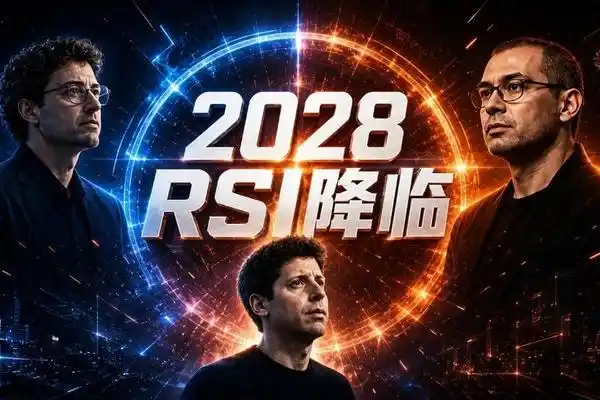
2028: The Arrival of Recursive Self-Improvement (RSI)

**AI Recursive Self-Improvement (RSI): The Countdown to 2028 Begins** AI is no longer just a trained tool but is starting to rewrite its own evolutionary pace. According to Anthropic co-founder Jack Clark, there is a 60% probability that by the end of 2028, Recursive Self-Improvement (RSI) will become a reality. This means AI could autonomously design and build a more capable next-generation version of itself without any human researcher involvement—Claude 10 creating Claude 11, for instance. Supporting this timeline, Google DeepMind's CEO Demis Hassabis confirms that all leading AI labs are intensely focused on RSI, making it an industry-wide priority. He expresses profound concern, stating this potential is what keeps him awake at night. Concrete data underscores this acceleration: - METR evaluations show current top models like Claude are solving tasks up to the 16-hour limit of existing test frameworks. - In Epoch AI's challenging MirrorCode benchmark, Claude Opus 4.7 recreated complex software in hours for a fraction of the human cost. In one extreme test, AI autonomously coded for 19 days straight. - Anthropic reports over 80% of its codebase is now written by Claude, and researcher productivity has increased up to 8-fold since 2024. - OpenAI's policy blueprint highlights RSI as a major upcoming governance challenge. CEO Sam Altman reportedly hinted RSI might arrive within six months, potentially delaying OpenAI's massive IPO. The implication is an impending "intelligence explosion," where AI-driven progress outpaces human control. The central question is no longer if it will happen, but whether humanity is ready.

marsbit38 min fa

2028: The Arrival of Recursive Self-Improvement (RSI)

marsbit38 min fa

World Models, Metaverse, Digital Twins, Physical AI: Are They the Same Thing?

Title: World Models, the Metaverse, Digital Twins, Physical AI: Are They the Same Thing? The article clarifies that concepts like the metaverse, Web3, simulation platforms, digital twins, and Physical AI are not the same thing but are all part of the broader trend of blurring the lines between the digital and physical worlds. It positions "world models" as the foundational "cognitive layer" or "operating system" that enables AI to understand and simulate the world. Key distinctions are made: - The **Metaverse** is a destination for immersive social and economic experiences. World models could act as its "engine," generating interactive 3D content efficiently. - **Web3** focuses on decentralized ownership and economics (rules layer), operating on a different technical level than world models. - **Simulation Data Platforms** (e.g., for autonomous vehicles) are a 1.0 version, relying on manual design. World models represent a 2.0 version, using AI to generate realistic, varied scenarios autonomously. - **Digital Twins** create high-fidelity, real-time mirrors of physical systems (e.g., a factory). World models go a step further by enabling predictive simulation of future states. - **Physical AI** (robots, AVs) refers to AI that acts in the physical world. World models are a core component, providing the understanding and prediction needed for planning. A proposed hierarchy places world models at the cognitive layer, supported by infrastructure (compute, data) and supporting application tools (simulation, digital twins), action systems (Physical AI), user experiences (metaverse), and rules (Web3). In conclusion, while distinct, many of these previously hyped concepts may ultimately rely on advances in world model technology to fulfill their promises, as world models provide the essential cognitive foundation for simulating and interacting with complex environments.

marsbit43 min fa

World Models, Metaverse, Digital Twins, Physical AI: Are They the Same Thing?

marsbit43 min fa

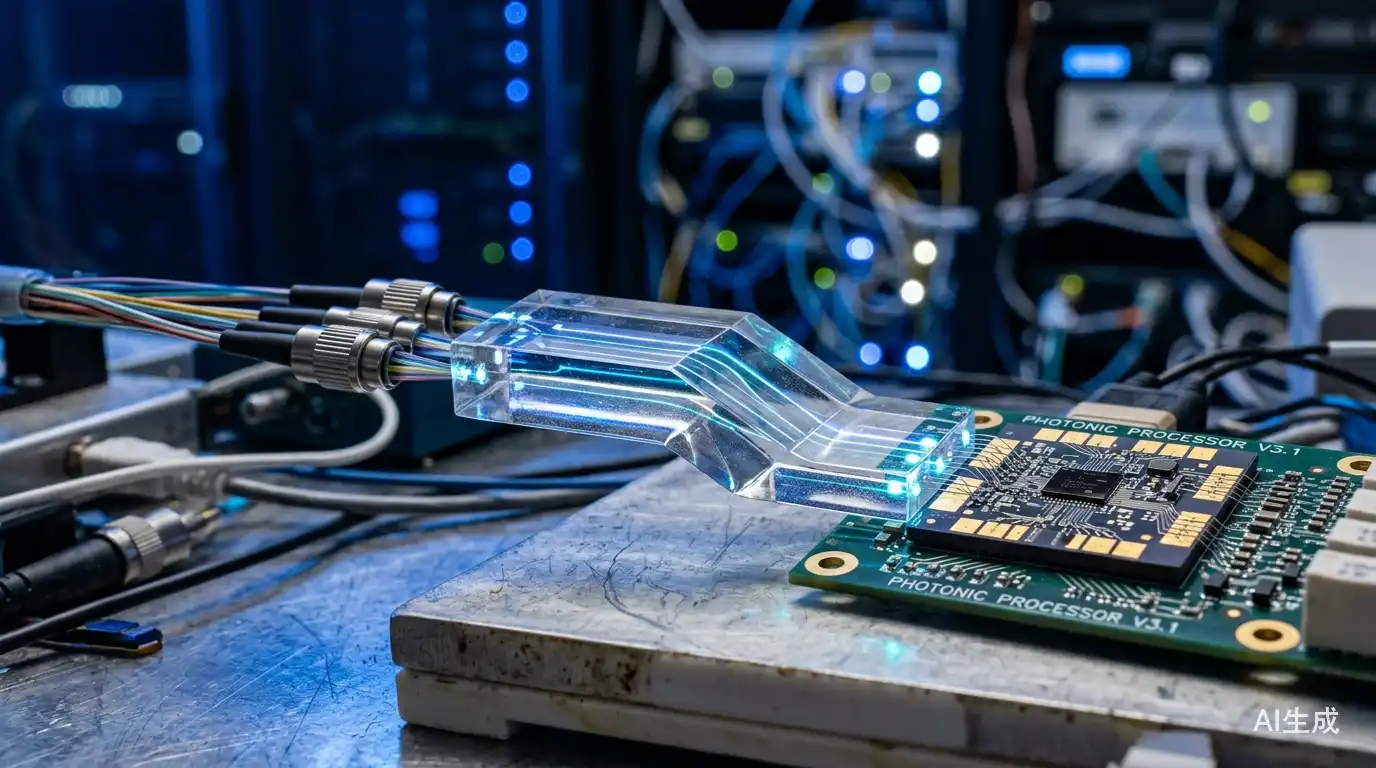
"Shocking" CPO: How Does the Glass Bridge Actually Work? Detailed Explanation from Corning

Chinese CPO stocks plunged over 6% following Corning's announcement of its Glass Bridge platform at a Seoul tech conference. The new technology utilizes wafer-level glass ion-exchange waveguides for passive alignment between fibers and photonic chips, potentially simplifying traditional CPO architectures that rely on complex Fiber Array Units and active alignment equipment. This raised market concerns about reduced long-term demand for mid-stream CPO components. Corning's official documentation details Glass Bridge as a platform for fiber-to-PIC connectivity in NPO, CPO, and high-density modules. Its key features include wafer-level manufacturing for consistent, cost-effective production; a standardized, removable MT ferrule interface for ecosystem integration; and a separable high-density connector design supporting over 24 channels for assembly flexibility. Corning positions the technology as complementary to FAUs, addressing limitations in ultra-high-fiber-count scenarios. The market reaction reflects a broader reassessment of the AI optical interconnect value chain. Funds shifted from CPO and PCB manufacturing stocks towards glass substrate concept stocks like Kaisheng Technology and Dyer Laser. Analysts note glass substrates are seen as a next-gen advanced packaging material, offering a potential path for domestic industry differentiation amid AI-driven demand for high-performance, large-scale packaging, marking a structural migration in value towards upstream specialty materials.

marsbit43 min fa

"Shocking" CPO: How Does the Glass Bridge Actually Work? Detailed Explanation from Corning

marsbit43 min fa

Trading

Spot
活动图片