Дагестанские власти назвали сумму ущерба от майнинга

cryptonews.ruPubblicato 2025-11-27Pubblicato ultima volta 2025-11-27

Министр энергетики Дагестана Марат Шихалиев заявил, что с начала года в этой российской республике зафиксированы 73 случая незаконного потребления электричества майнерами. Общий объем ущерба от добычи криптоактивов с января по ноябрь дагестанские чиновники оценили в 85,7 млн рублей.

Марат Шихалиев посетовал, что в течение года в республике зарегистрировано свыше 1,7 тысяч фактов неучтенного потребления электроэнергии на сумму 120 млн рублей.

«За этот год "Дагэнерго" проведено 276 рейдовых мероприятий в рамках противодействия несанкционированным подключениям к электросетям, в том числе с правоохранительными органами — 209», — сообщил глава ведомства.

По словам чиновника, в 55 эпизодах участвовали майнеры, нелегально подключившие свое оборудование к электросетям, и ущерб уже подсчитан. В еще 18 случаях проводится проверка, выясняется, кто был владельцем оборудования для добычи криптовалюты.

С 1 января российское правительство полностью запретило майнинг в Дагестане, Чечне, Ингушетии и других республиках Северного Кавказа. Запрет также затронул часть Иркутской области, Бурятии и Забайкальского края.

Ранее госкомпания «Россети Северный Кавказ» сообщила, что кавказские регионы России, в частности Дагестан и Ингушетия, стали лидерами антирейтинга по числу случаев незаконной добычи криптовалют и связанными с этой деятельностью убытками энергетиков.


Letture associate

NVIDIA CPU Advances, China's RISC-V Responds: Semiconductor Deep Dive - Part Four

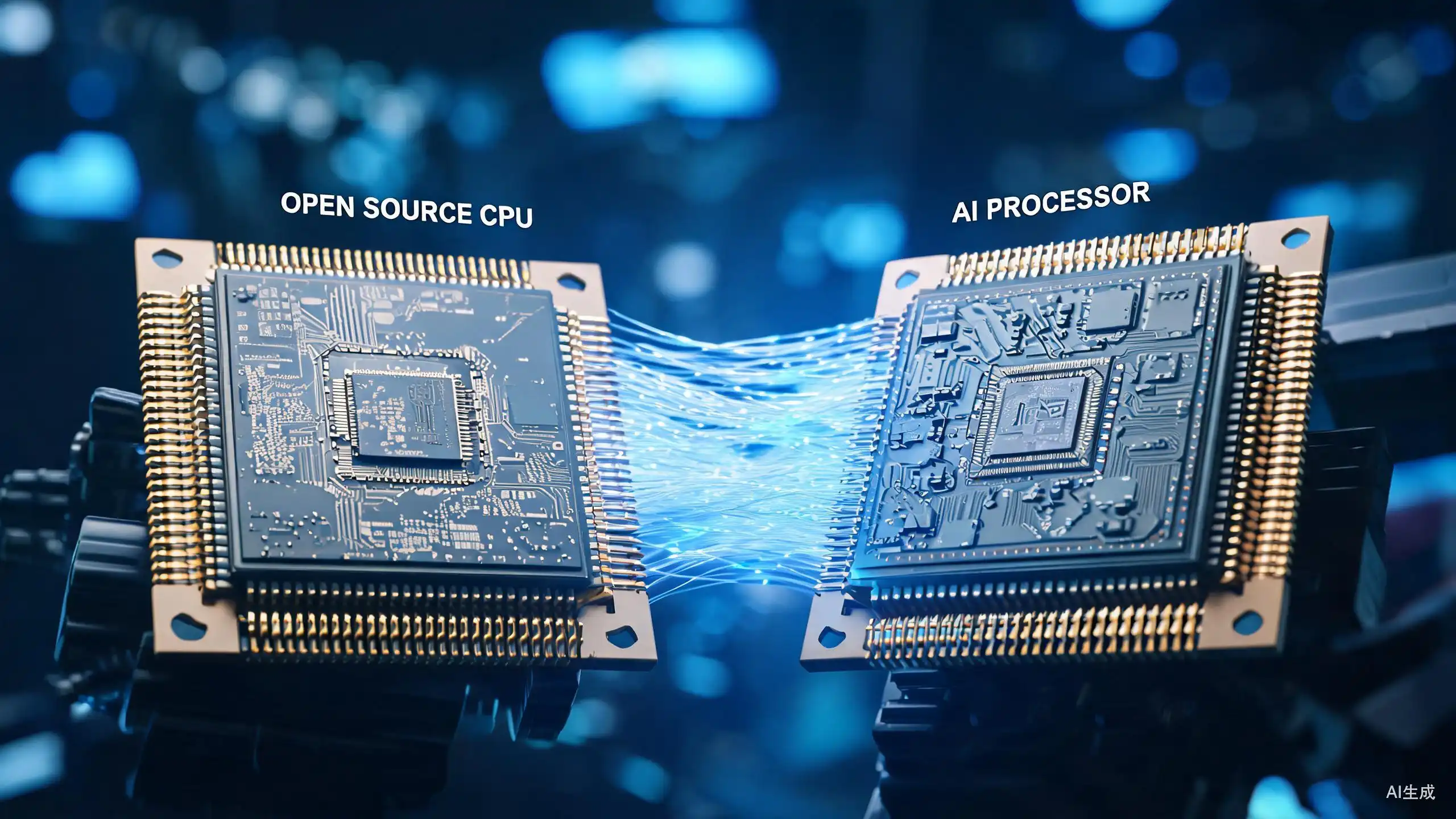
NVIDIA is set to launch its new Vera AI data center CPU in China as early as August, with high pricing. While this move offers a new option, it highlights China's continued dependence on foreign-controlled Arm architecture. In response, the Chinese semiconductor industry is increasingly turning to RISC-V as a strategic alternative for achieving high-performance computing autonomy. The article explores the concept of the "impossible triangle" in CPU development—balancing prosperity, control, and autonomy—and posits that RISC-V's open-source, modular nature offers a unique path to achieving all three. While RISC-V is already dominant in embedded systems, the focus is now shifting to data centers and AI workloads. China has become a global hotspot for RISC-V development, driven by AI-driven compute demand, supply chain concerns from export controls, cost benefits of open-source, and strong policy support. Multiple Chinese companies have reportedly crossed the key performance threshold of 15 SPECint per GHz, a benchmark for entering the high-performance CPU club. Progress extends beyond single-core benchmarks. Companies are developing complete computing subsystems, including commercial-grade coherent network-on-chip (NoC) technology and server processors with up to 40 cores that strictly adhere to the RVA23 standard to ensure software compatibility. Real-world applications are emerging in areas like video transcoding and edge AI. However, significant challenges remain. The RISC-V ecosystem faces fragmentation, immature toolchains and verification processes, and gaps in single-core performance and energy efficiency compared to mature x86 and Arm architectures. The formidable software moat, epitomized by NVIDIA's CUDA, is a long-term hurdle. In conclusion, while RISC-V cannot immediately replace offerings like NVIDIA's Vera, it represents a viable long-term path for China to develop a self-sufficient, high-performance CPU ecosystem. The journey is acknowledged to be long and arduous, requiring sustained effort to overcome technical and ecosystem challenges.

marsbit6 h fa

NVIDIA CPU Advances, China's RISC-V Responds: Semiconductor Deep Dive - Part Four

marsbit6 h fa

Trading

Spot
Futures
活动图片