«В этот раз действительно иначе». Почему рыночные циклы биткоина сбились

cryptonews.ruPubblicato 2025-03-08Pubblicato ultima volta 2025-10-09

Почему цена биткоина в 2025 году двигается вразрез историческим тенденциям и какие ожидания у экспертов на 2026 год

«РБК-Крипто» не дает инвестиционных советов, материал опубликован исключительно в ознакомительных целях. Криптовалюта — это волатильный актив, который может привести к финансовым убыткам.

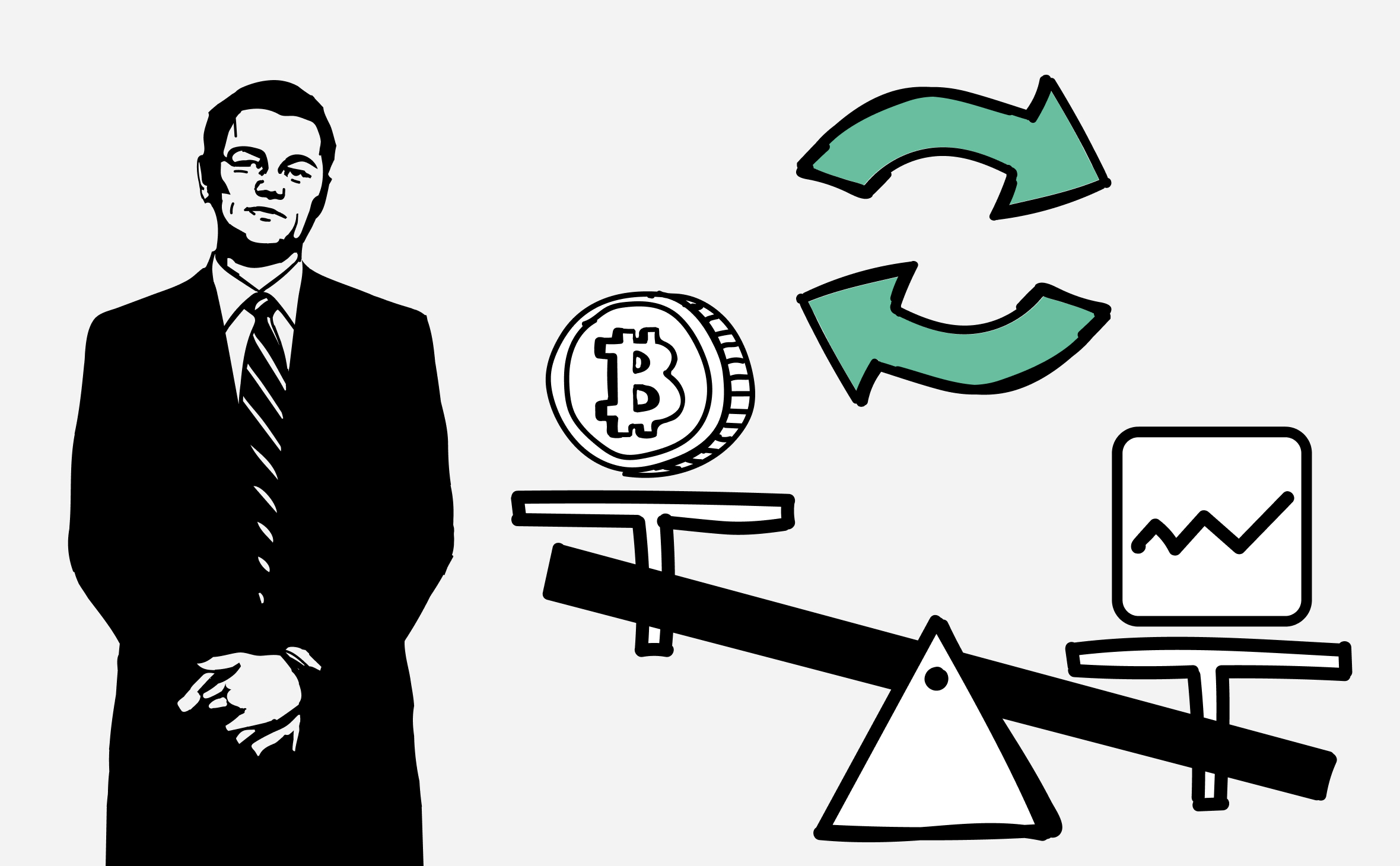
Историческая динамика биткоина, цена которого двигалась согласно четырехлетним циклам, больше не работает — на котировки теперь влияют совершенно иные факторы. Согласно The Block, ссылающихся на отчет называнный «В этот раз все иначе» инвестиционной компании K33, цена главной криптовалюты теперь движется согласно институциональному спросу, зависит от государственной политики США и макроэкономических факторов.

Фраза this time is different («в этот раз все иначе») стала мемом в криптосообществе. Ее используют, когда на рынке повторяется уже знакомый сценарий (например, очередной рост перед обвалом) но участники рынка все равно надеются, что на этот раз все закончится по-другому. Обычно такая фраза звучит иронично, подчеркивая наивность подобных ожиданий.

rbc.group

Аналитики намеренно назвали свою новую заметку This time is indeed different («в этот раз действительно все иначе»), чтобы подчеркнуть, что, по их мнению, текущий рыночный цикл в криптовалютах действительно отличается от предыдущих и не укладывается в привычную четырехлетнюю модель.

K33 позиционирует ралли биткоина 2025 года как полную противоположность предыдущим периодам эйфории в истории криптовалюты. Руководитель исследований K33 Ветле Лунде сравнил оптимизм 2017 и 2021 годов на счет институционального принятия, когда рынок не получил желаемого. И 2025 год, когда биткоин становится неотъемлемой частью мирового институционального рынка. В K33 также предложили расширенную модель для анализа рынка, основанную на шести различных индикаторах.

«Четырехлетний цикл умер, да здравствует король», — написал Лунде.

В качестве примеров интеграции биткоина в институциональные потоки, эксперт отметил управления биткоин-активами на $100 млрд (в рамках биржевых биткоин-фондов — ETF) компанией BlackRock. А также банк Morgan Stanley, который рекомендует клиентам выделять до 4% портфеля на криптовалюты. И даже некоторые Штаты и администрацию США в целом, поддерживает дружественную по отношению к криптовалютам политику, включая разработку стратегического биткоин-резерва и другое.

Политика Трампа

Немаловажную роль в K33 отвели позитивным ожиданиям на 2026 год, когда президент США Дональд Трамп может заменить действующего главу Федрезерва (ФРС) США Джерома Пауэлла более сговорчивым чиновником.

Суть в том, что Белый дом неоднократно выступал с требованием снизить ставки. В августе угрозы, которые могут подорвать независимость ФРС, приобрели конкретные формы — была предпринята попытка смещения одного из членов Совета управляющих, Лизы Кук. Это происходит несмотря на то, что ФРС является независимой структурой.

Хотя такие меры могут быть политически выгодны в краткосрочной перспективе, считают в Grayscale, они подрывают доверие к главному финансовому регулятору страны и несут долгосрочные риски для экономики. Но эксперты компании также как и аналитики в K33 полагают, что такое положение вещей играет на руку биткоину, хотя и совершенно по другим причинам.

Биткоин, в понимании Grayscale — это денежная система, основанная на прозрачных правилах и предсказуемом росте эмиссии. И когда инвесторы теряют доверие к институтам, защищающим валюты, они обращаются к альтернативам, которым можно доверять.

«В 2026 году ожидается, что Трамп заменит Джерома Пауэлла марионеткой, снижающей ставки. В планах изобилие, а не ограничительная экономия, и эта установка явно благоприятствует дефицитным активам, таким как биткоин», — пишет Лунде из K33, что предполагает позитивное влияние на крипторынок от снижения ставок ФРС, а не «недоверие к регуляторам», как считают в Grayscale.

Теоретически, снижение ставки ФРС воспринимается рынками, как позитивное событие для котировок. Это происходит за счет предположения, что низкая ставка создает более мягкий инвестиционный климан, что побуждает инвесторов идти на более высокие риски путем вложений в том числе в криптопроекты.

Оценка биткоина

Вместо привычного четырехгодичного цикла на основе халвинга в биткоине в K33 также предложили более сложный вариант анализа, основанный на шестикомпонентной модели. Их метод основан на анализе факторов рыночного риска, включая оценку ставок финансирования, торгового индикатора RSI (Relative Strength Index, индекс относительной силы), доминирование биткоина, соотношение фьючерсных и спотов объемов торгов, социальные тенденции и динамику предложения монет биткоина.

Только два индикатора — соотношение фьючерсных и спотов объемов торгов и индикатор перекупленности RSI — в настоящее время показывают негативную динамику. По оценкам K33, это удерживает рынок вне «опасной зоны», типичной для предыдущих пиков, и означает, что динамика цены биткоина остается здоровой.

«Ничто не указывает на очередное повторение этого ужасного четырехлетнего цикла», — заключил Лунде, признав, что в краткосрочной перспективе рынок биткоина может быть перегрет.


Letture associate

Just now, DeepSeek V4 updates with DSpark, improving inference speed by 80%

DeepSeek has updated its DeepSeek V4 model with the DSpark speculative decoding framework, achieving a significant 60-85% speedup in generation for Flash models and 57-78% for Pro models while maintaining the same overall throughput. This engineering-focused update, rather than a core architectural change, introduces DSpark to address latency and throughput bottlenecks in high-concurrency production environments. DSpark combines high-throughput parallel generation with adaptive load-aware verification. Its key innovations include a semi-autoregressive generation architecture to model dependencies within token blocks and a hardware-aware confidence-scheduled verification system. This system uses a confidence head to predict token acceptance probabilities, allowing it to dynamically optimize verification length per request and allocate compute only to tokens with the highest expected payoff. The asynchronous scheduler is designed for real-world deployment, ensuring zero-overhead scheduling and continuous CUDA graph replay while preserving the target model's output distribution. In tests across mathematical reasoning, code generation, and daily dialogue, DSpark outperformed state-of-the-art models like Eagle3 and DFlash, increasing average acceptance length by 26.7%-30.9% and 16.3%-18.4% respectively on Qwen3 target models. DeepSeek also open-sourced DeepSpec, a full-stack codebase for training and evaluating speculative decoding draft models, providing a standardized toolkit that includes data preparation tools, model implementations, training code, and evaluation scripts.

marsbit4 min fa

Just now, DeepSeek V4 updates with DSpark, improving inference speed by 80%

marsbit4 min fa

BIT Research: The 2028 Halving Is Not the End, the Real Shake-Up of the Bitcoin Mining Industry Is Just Beginning

The Bitcoin mining industry is undergoing its most complex structural adjustment since inception. Despite Bitcoin's price holding near $61,000 and the network hash rate approaching a record 1 ZH/s, miner profitability is deteriorating. The industry is operating close to its breakeven point, with the 2028 halving expected to accelerate consolidation. The challenges extend beyond the halving's subsidy reduction; the industry's revenue model has yet to successfully transition towards a fee-driven structure. Increasingly, mining companies are evolving from simple Bitcoin producers into infrastructure and energy operators, including providers of AI/HPC computing power. Competition is shifting from pure hash rate expansion to business model upgrades. Economic pressure is evident. The theoretical daily mining revenue at current prices is around $78 million, yet the actual figure is only about $33 million—a 136% gap. Transaction fees remain low at roughly $220k daily, far below historical implied levels. With a current estimated industry-wide breakeven price near $65,000, mining alone is struggling to generate ideal profits. The 2028 halving is projected to push the fundamental production cost floor to approximately $93,289. This will likely accelerate a shift towards consolidation among larger, well-capitalized miners with diversified revenue streams. Competitive advantage will belong to institutionalized players with access to low-cost energy, AI/HPC hosting operations, and stronger balance sheets. In essence, Bitcoin mining is transitioning from a "mining business" to an "infrastructure business." Future profitability and resilience will depend less on block rewards and more on diversified income sources like energy management and computational infrastructure services. For investors, the key question is not the halving itself, but which miners can successfully navigate this business model transformation.

marsbit1 h fa

BIT Research: The 2028 Halving Is Not the End, the Real Shake-Up of the Bitcoin Mining Industry Is Just Beginning

marsbit1 h fa

This is How God Karpathy Uses Claude?

Andrej Karpathy, a prominent figure in AI, has reportedly joined Anthropic, leading to a noticeable decrease in his open-source contributions and social media activity. A document claiming to be his personal "CLAUDE.md" file—a set of instructions for the Claude AI to follow within a specific codebase—has been circulating online. While its authenticity is unverified, the content aligns closely with Karpathy's publicly shared principles on effective AI-assisted programming. The document outlines key rules for AI coding assistants, emphasizing the importance of reading existing code thoroughly before writing new code to maintain consistency. It advises against over-engineering, advocating for simple, surgical modifications that match the project's existing style. Other guidelines include clarifying assumptions upfront, writing meaningful tests, thoughtful debugging, and carefully considering dependencies. The core message is that these principles help prevent common AI coding failures, such as introducing unnecessary abstractions, style drift, or making invisible architectural decisions. The community has noted that even experts like Karpathy require detailed instructions to guide AI effectively, akin to managing a junior developer. A related GitHub repository, "andrej-karpathy-skills," which encapsulates these ideas, is reported to significantly reduce Claude's code error rate. Ultimately, the advice stresses that the best CLAUDE.md is tailored to one's own tech stack and coding practices.

marsbit1 h fa

This is How God Karpathy Uses Claude?

marsbit1 h fa

Trading

Spot
活动图片