XRP Institutional Adoption: Ripple CEO Shares The Final Key To Bring It Home

bitcoinistPubblicato 2025-10-06Pubblicato ultima volta 2025-10-06

Introduzione

Ripple’s offering and institutional penetration with its XRP Ledger have always been at the forefront of discussions when it comes...

Trusted Editorial content, reviewed by leading industry experts and seasoned editors. Ad Disclosure

Ripple’s offering and institutional penetration with its XRP Ledger have always been at the forefront of discussions when it comes to the crypto industry. Recently, there has been a lot of debate about whether Ripple will use the XRP Ledger to replace SWIFT, which processes trillions of dollars worth of transactions every year. However, it seems that Ripple is still far from this dream as its CEO has highlighted some key details that remain to be put in place before institutions can be properly onboarded.

The Preparation Of The XRP Ledger

In an X (formerly Twitter) post, an XRP Validator who goes by Vet_X0 revealed the contents of the conversation they had with Ripple CEO Brad Garlinghouse. According to Vet, they had asked Garlinghouse what the path to institutional adoption of the XRP Ledger was, and the CEO had simply replied that it was privacy.

Basically, for institutional investors who carry out large transactions to be able to use a public ledger, they would want to be assured of the privacy of their transactions. This would allow them to transact with ease of mind without being worried that they were being tracked every step of the way.

Given this, the pundit explained that all of the moves that Ripple had been making regarding the XRP Ledger finally make sense. The first of these was the fact that there have been many developments surrounding compliance on the ledger. This ranges from to implementation of a Decentralized Identifier (DID) and also Credentials, as well as the expected launch of Permissioned Decentralized Exchanges and Domains.

Another giveaway is the fact that Ripple launched Multi-Purpose Tokens (MPTs) on the XRP Ledger. This was another step in its domination of the tokenized assets space, allowing for easy and seamless tokenization of assets on the XRP Ledger.

The Last Step To Institutional Adoption

With the changes listed above already in place, only privacy, as well as lending and borrowing, remain to be implemented. Vet explains, though, that these are already on the way, especially with the XLS-66 expected to land soon.

Vet explains that if Ripple is able to implement privacy for the XRP Ledger using ZK-Rollups, it helps to verify the transactions of institutions on-chain while allowing the computation to happen elsewhere. They would also be able to be issued secure credentials on-chain to help with KYC/AML stipulations, while being able to use DEXes, as well as use real-world collateral on-chain to borrow from other institutions.

Finally, the validator also points out that XLS-101 smart contracts on the XRP Ledger could be the key to this. “For the security of the network and as a glue for all fixed functions tools we have,” he said.

XRP price chart from TradingView.com
Price continues to trend below $3 | Source: XRPUSDT on TradingView.com
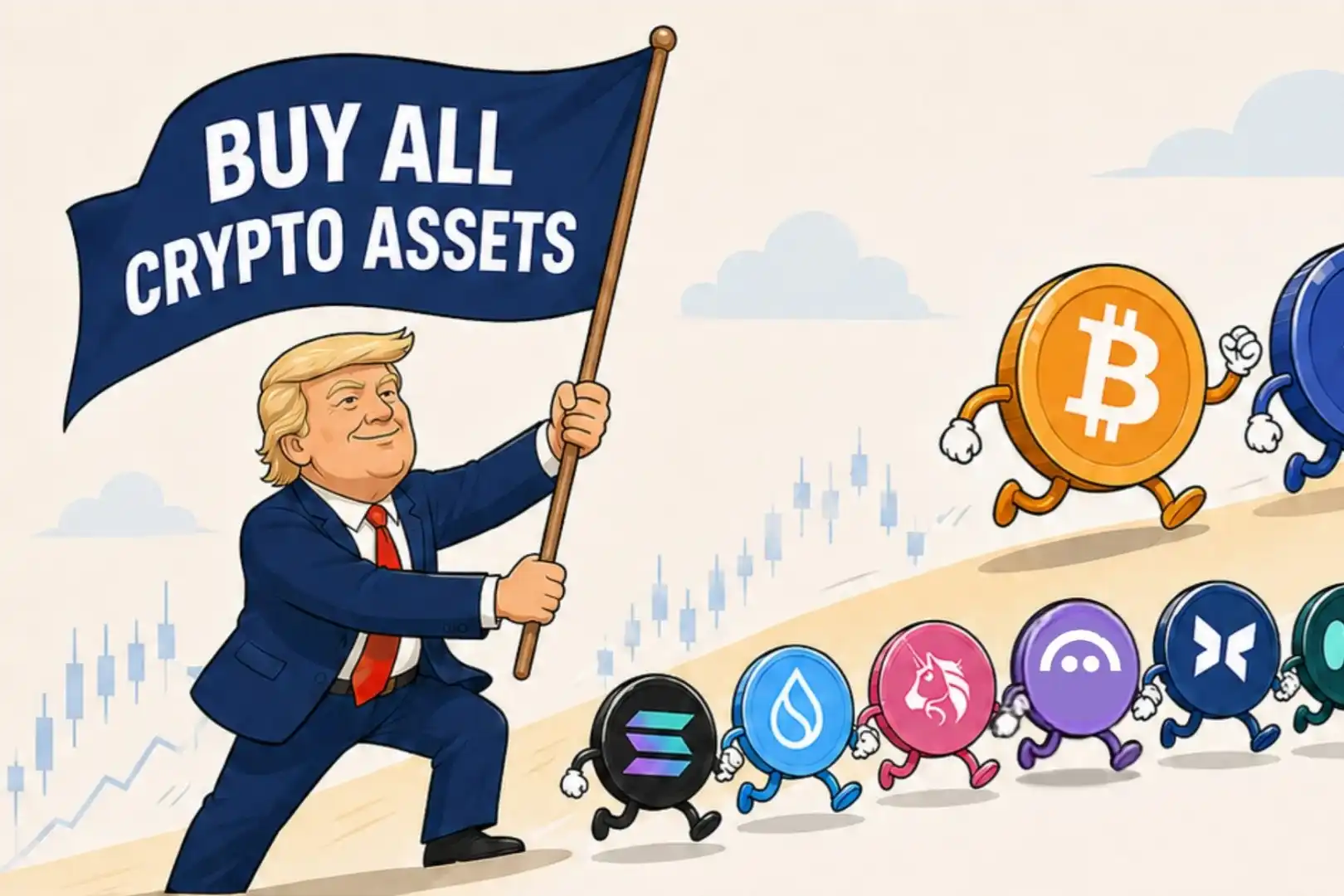
Featured image from Dall.E, chart from TradingView.com
Editorial Process for bitcoinist is centered on delivering thoroughly researched, accurate, and unbiased content. We uphold strict sourcing standards, and each page undergoes diligent review by our team of top technology experts and seasoned editors. This process ensures the integrity, relevance, and value of our content for our readers.

Scott Matherson is a leading crypto writer at Bitcoinist, who possesses a sharp analytical mind and a deep understanding of the digital currency landscape. Scott has earned a reputation for delivering thought-provoking and well-researched articles that resonate with both newcomers and seasoned crypto enthusiasts. Outside of his writing, Scott is passionate about promoting crypto literacy and often works to educate the public on the potential of blockchain.

Letture associate

STRC Breaks Below $95: Why Does It Continue to Depeg? Is There Default Risk?

"STRC Falls Below $95: Why the Persistent Depegging and Is There Default Risk?" The article discusses the recent decline in the price of STRC, a perpetual preferred stock issued by Strategy (MSTR) designed to trade around a $100 par value. As of publication, STRC traded at $94.65, raising market concerns. STRC is described as a high-yield cash flow product, offering an 11.50% annual dividend paid monthly. Its "preferred" status grants it priority over common stock for dividends and in liquidation. Key reasons cited for the price depegging include: 1. **Bitcoin's Price Drop:** MSTR's assets are heavily tied to Bitcoin (BTC), which fell over 21% from its recent high, pressuring all Strategy-related products. 2. **Competitive Pressure:** Rival Strive Asset Management's similar product, SATA, offers daily dividends and has maintained its $100 par value with a ~13% yield. In response, Strategy has proposed changing STRC's dividend frequency from monthly to bi-weekly, pending shareholder vote. 3. **Technical Selling:** A break below $100 may have triggered algorithmic selling and stop-losses, exacerbating the decline. Regarding default risk, the analysis suggests it is currently low. Strategy founder Michael Saylor confirmed the June 2026 dividend rate remains at 11.50% with no cuts or suspensions. The company's massive reserve of 843,706 BTC provides a significant backstop for its obligations. Industry opinions are mixed. Some analysts view the BTC holdings as reliable support for dividends, while critics like Peter Schiff warn of potential dividend cuts leading to price crashes and lawsuits. Others highlight inflation risk and the company's ability to reduce dividends without a formal default. In summary, STRC's drop is attributed to BTC volatility, competition, and technical factors. While immediate default risk appears contained, the product faces challenges from market conditions and competitive dynamics.

marsbit1 h fa

STRC Breaks Below $95: Why Does It Continue to Depeg? Is There Default Risk?

marsbit1 h fa

AI Trading Cools, South Korean Stocks Plunge 1.8%, Spot Gold Rises 1%, Bitcoin Dives

A sell-off in AI-related stocks, triggered by Broadcom's disappointing earnings forecast, sent shockwaves through global markets. South Korea's KOSPI led Asia's decline, plunging 1.8% as the risks from concentrated chip stock gains and surging leveraged investments came to the fore. The tech-heavy Nasdaq 100 futures fell 0.5% following Broadcom's 14% after-hours plunge, which signaled a slower-than-expected transition to AI clients. This pullback extended Wall Street's weakness, halting the S&P 500's nine-day rally amid hawkish Fed signals and renewed Middle East tensions. South Korean authorities convened an emergency meeting, pledging "immediate measures" against market volatility and warning of record-high stock margin debt. The adjustment rippled across assets: Bitcoin fell to around $64,000, its lowest since February, while safe-haven gold rose 1% on bargain hunting. Oil prices dipped on Middle East ceasefire news. Market analysts noted the sell-off was driven by profit-taking after massive gains, particularly in chip stocks like Samsung and SK Hynix, which now dominate the KOSPI. Wall Street banks are divided on Korea's outlook, with Goldman Sachs raising its target while Citigroup and others warn of overvaluation and a potential bubble. Bridgewater's Ray Dalio noted that great technological shifts often create bubbles. Meanwhile, Fed officials' hints at potential future rate hikes added to the cautious mood ahead of key U.S. jobs data.

华尔街日报2 h fa

AI Trading Cools, South Korean Stocks Plunge 1.8%, Spot Gold Rises 1%, Bitcoin Dives

华尔街日报2 h fa

Trading

Spot
Futures

Articoli Popolari

Come comprare HOME

Benvenuto in HTX.com! Abbiamo reso l'acquisto di Defi.app (HOME) semplice e conveniente. Segui la nostra guida passo passo per intraprendere il tuo viaggio nel mondo delle criptovalute.Step 1: Crea il tuo Account HTXUsa la tua email o numero di telefono per registrarti il tuo account gratuito su HTX. Vivi un'esperienza facile e sblocca tutte le funzionalità,Crea il mio accountStep 2: Vai in Acquista crypto e seleziona il tuo metodo di pagamentoCarta di credito/debito: utilizza la tua Visa o Mastercard per acquistare immediatamente Defi.appHOME.Bilancio: Usa i fondi dal bilancio del tuo account HTX per fare trading senza problemi.Terze parti: abbiamo aggiunto metodi di pagamento molto utilizzati come Google Pay e Apple Pay per maggiore comodità.P2P: Fai trading direttamente con altri utenti HTX.Over-the-Counter (OTC): Offriamo servizi su misura e tassi di cambio competitivi per i trader.Step 3: Conserva Defi.app (HOME)Dopo aver acquistato Defi.app (HOME), conserva nel tuo account HTX. In alternativa, puoi inviare tramite trasferimento blockchain o scambiare per altre criptovalute.Step 4: Scambia Defi.app (HOME)Scambia facilmente Defi.app (HOME) nel mercato spot di HTX. Accedi al tuo account, seleziona la tua coppia di trading, esegui le tue operazioni e monitora in tempo reale. Offriamo un'esperienza user-friendly sia per chi ha appena iniziato che per i trader più esperti.

190 Totale visualizzazioniPubblicato il 2025.06.10Aggiornato il 2026.06.02

Come comprare HOME

Discussioni

Benvenuto nella Community HTX. Qui puoi rimanere informato sugli ultimi sviluppi della piattaforma e accedere ad approfondimenti esperti sul mercato. Le opinioni degli utenti sul prezzo di HOME HOME sono presentate come di seguito.

活动图片