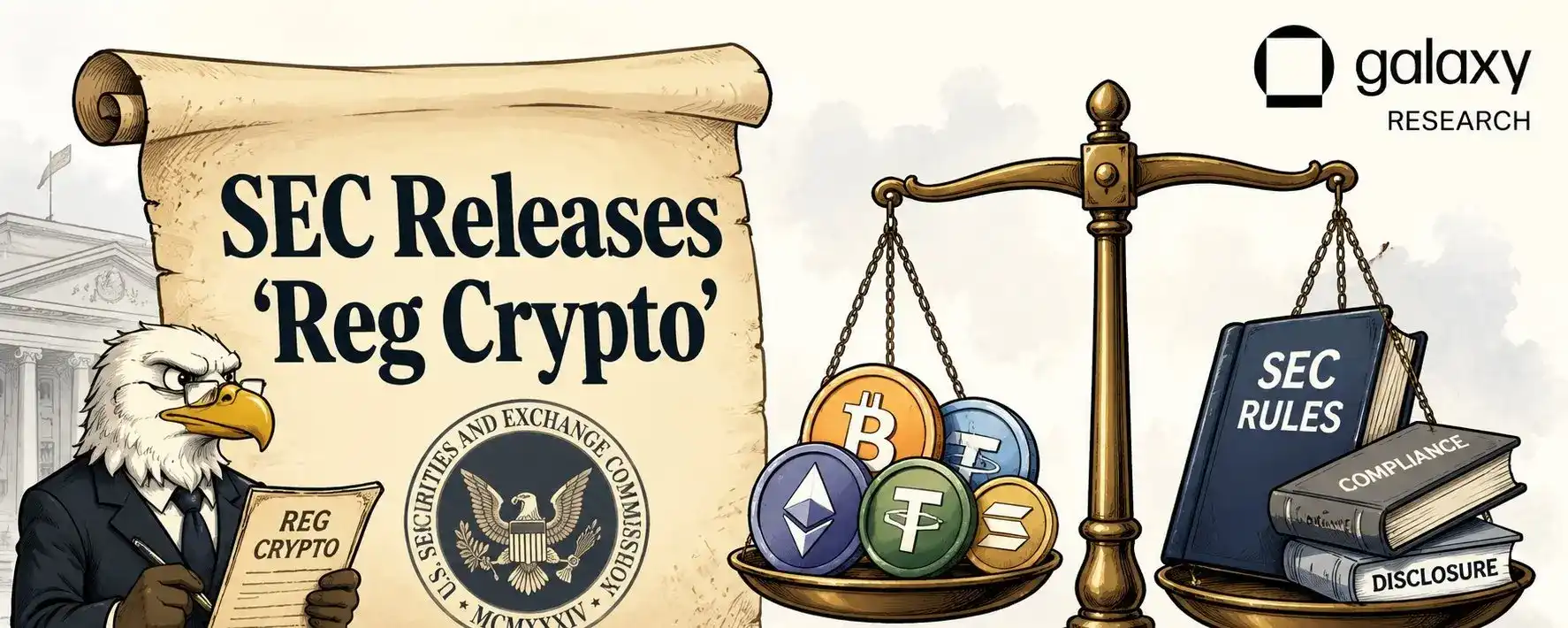
Stuart Alderoty, Chief Legal Officer (CLO) of Ripple and XRP advocate, has publicly endorsed Mike Selig, a senior official on the Securities and Exchange Commission’s (SEC) crypto task force, to become the Chair of the Commodity Futures Trading Commission (CFTC).
In an X post on October 3, 2025, Alderoty stated that he believes Selig is the right candidate to help harmonize the roles of the CFTC and the SEC for creating clearer regulations for the digital asset industry and reducing unnecessary confusion.
Alderoty’s comments also align with the SEC and the CFTC’s current focus on pushing on regulatory harmonization efforts. They recently held a joint roundtable on September 29, 2025 to discuss collaborating more closely on regulatory oversight.
Nomination race heats up
Alderoty’s endorsement comes amid wider discussions regarding Selig’s nomination. The race for CFTC’s Chair shifted course this week following former frontrunner Brian Quintenz’s withdrawal for the same role on Tuesday. The withdrawal was reportedly influenced by opposition from pro-Trump crypto billionaires Tyler and Cameron Winklevoss.
With Quintenz’s withdrawal, other candidates being considered for the position include lawyers Josh Sterling and Isabelle Corbette, as well as former CFTC Commissioner Jill Sommers. Moreover, on September 25, 2025, journalist Eleanor Terrett also reported that the White House was considering Jill Sommers and Kyle Hauptman for the CFTC Chair position.
However, Selig is the top contender in the list. He has previously worked as a partner at the law firm Willkie Farr & Gallagher. He also served as a law clerk for Chris Giancarlo, who was the CFTC Chair during the U.S. President Donald Trump’s first term.
CFTC leadership key to drive crypto growth
Currently, a final decision is yet to be made, but the choice for the next CFTC Chair is considered important for future crypto regulations in the United States. A White House official stated that President Trump intends to announce his choice soon, while reiterating Trump’s goal to make America the “crypto capital of the world,” which includes strengthening the CFTC’s role.
The CFTC is poised to expand its oversight of digital assets as lawmakers advance bills that will give it more power over digital assets, thereby making its leadership central to the crypto industry’s growth and regulatory clarity.
Also Read: Paul Atkins Calls for SEC–CFTC Harmonization at Joint Roundtable