Robinhood CEO Calls Asset Tokenization an ‘Unstoppable Freight Train’

TheCryptoTimesPubblicato 2025-10-02Pubblicato ultima volta 2025-10-02

At the Token2049 conference in Singapore on October 1, 2025, Robinhood CEO Vlad Tenev said he views asset tokenization as a long-term trend that could bring crypto and traditional finance closer together. 

He described the process as creating digital versions of assets, such as stocks, on a blockchain—a service Robinhood recently introduced for customers in the European Union.

Tokenized stocks for international investors

Tenev suggested that tokenized assets may become the default way for investors outside the U.S. to gain exposure to American stocks. 

According to him, this shift could address inefficiencies in current financial infrastructure and create closer links between digital and traditional systems. Robinhood’s introduction of tokenized U.S. stock trading in the EU reflects this view.

Robinhood’s expansion strategy

Tenev’s remarks also reflect Robinhood’s ongoing international expansion. Earlier this year, the company introduced tokenized U.S. stock trading for customers in the European Union, where the Markets in Crypto-Assets (MiCA) regulation provides a clearer framework for such products. 

By starting in a jurisdiction with established oversight, Robinhood is testing tokenization in a regulated environment before considering broader adoption in other markets.

Broader implications and challenges

Tenev’s comments fit into a wider industry discussion about tokenization, where creating digital versions of assets such as stocks is seen as a way to make markets more accessible and efficient. 

Other financial firms have launched similar projects, but significant challenges remain, including regulatory uncertainty in the U.S., the scalability of blockchain infrastructure, and the security standards needed for large-scale adoption. Although, something notable is that this market is being explored with certain expectations. 

Tenev’s remarks highlight how a major U.S. brokerage views tokenization as part of its international strategy. The pace of adoption, however, will depend on regulatory clarity, technical scalability, and how both investors and institutions respond to these models.

Also read: S&P 500 Adds AppLovin, Robinhood, Emcor, Excludes MicroStrategy


Mobile Only Image

Letture associate

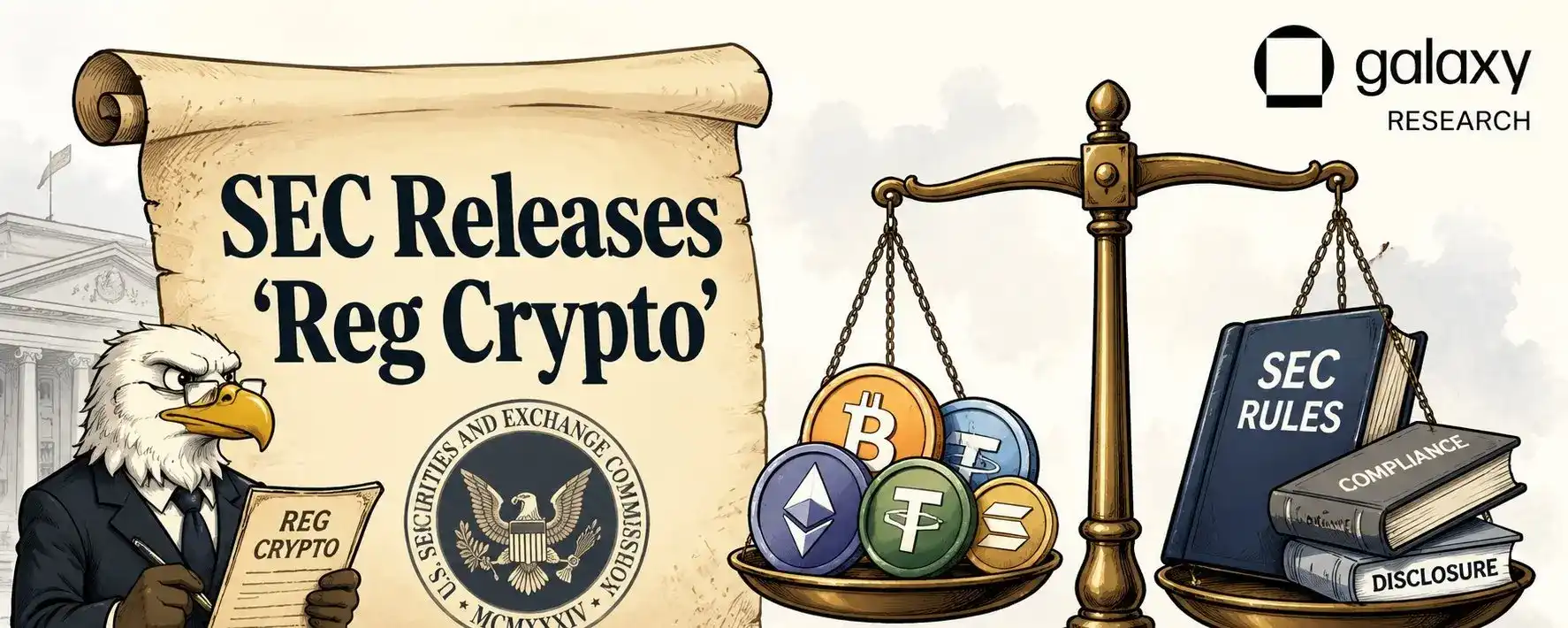
Galaxy Research: Can SEC's New Regulations Usher in a New Era for Token Financing?

**SEC Proposes New Framework for Token Offerings, Potentially Unlocking Legal Paths for U.S. Crypto Fundraising** On August 18, the U.S. Securities and Exchange Commission (SEC) proposed new rules, dubbed "Reg Crypto," specifically tailored for crypto asset offerings. This framework marks a departure from applying traditional securities rules designed for stocks to tokens. It creates a potential legal pathway for token sales to the U.S. public, including non-accredited investors, without full registration. The proposed rules apply to crypto assets that are not themselves securities but were sold as part of an investment contract where the issuer promised to build a product, network, or ecosystem. It establishes a four-phase lifecycle: Raise, Disclose, Build, and Exit. The "Raise" phase includes two new fundraising exemptions: a startup exemption allowing up to $5 million over four years and a larger, Regulation A-based exemption for up to $20 million or $75 million over 12 months. The "Disclose" phase requires specific token-related disclosures like supply schedules, governance, and development progress. After the issuer completes its promised development work and files a transition report, the "Exit" phase allows the associated investment contract to terminate, even if the token continues to trade. The analysis highlights that the framework's most immediate impact may be providing a formal "exit" path for existing tokens with unclear legal status, rather than immediately sparking a new wave of U.S.-based token offerings. It offers advantages over traditional private placements by allowing public sales and immediate token transferability but imposes ongoing disclosure and reporting obligations. A key hurdle is that the larger exemption requires a substantial U.S. operational presence, which may deter projects with offshore structures. Overall, the proposal is seen as a constructive step toward regulatory clarity, acknowledging that token offerings differ from equity offerings and require tailored investor disclosures. However, it remains a proposal subject to a 60-day public comment period, and its long-term stability may ultimately depend on congressional action.

marsbit3 h fa

Galaxy Research: Can SEC's New Regulations Usher in a New Era for Token Financing?

marsbit3 h fa

Trading

Spot
活动图片