Белый дом исключил Брайана Квинтенца из списка кандидатов на пост главы CFTC

cryptonews.ruPubblicato 2025-02-28Pubblicato ultima volta 2025-10-01

Брайан Квинтенц, руководитель отдела политики в a16z, больше не рассматривается в качестве кандидата на пост главы Комиссии по торговле товарными фьючерсами (CFTC), сообщает Politico.

Квинтенц был номинирован на эту должность в начале года, но процесс его утверждения в Сенате столкнулся с трудностями. Один из источников The Block сообщил, что причиной стали опасения по поводу конфликта интересов, связанные как с лоббистской деятельностью a16z, так и с возражениями со стороны Тайлера и Кэмерона Уинклвоссов из криптобиржи Gemini.

«Быть номинированным на пост председателя CFTC и пройти процесс подтверждения было честью всей моей жизни, — заявил Квинтенц The Block. — Я с нетерпением жду возможности вернуться к своим начинаниям в частном секторе в это захватывающее время для инноваций».

Голосование по его кандидатуре в сенатском комитете по сельскому хозяйству дважды откладывалось. После второй отсрочки представитель комитета заявил, что это было сделано по запросу Белого дома.

По данным источника, основным претендентом на пост теперь считается Майк Селиг, занимающий пост главного юрисконсульта рабочей группы по криптовалютам при SEC. В списке кандидатов также значатся партнёр юридической фирмы Milbank LLP Джош Стерлинг, юрисконсульт Baker & Hostetler LLP Изабель Корбетт Стерлинг и бывший член CFTC Джилл Соммерс.

Letture associate

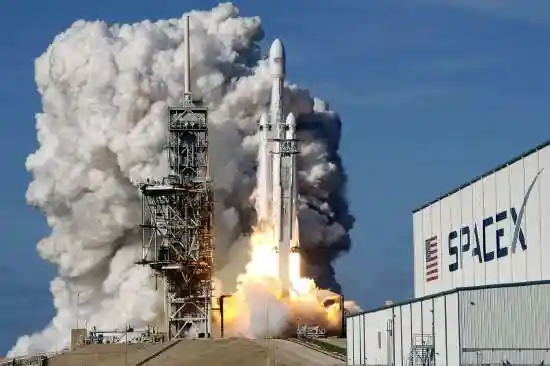
SpaceX Faces Heavy Selling After IPO Followed by Massive Bond Issue 'Angers' the Market

Following a record-breaking IPO, SpaceX's massive $25 billion bond issuance faced fierce selling pressure in the secondary market. The aggressive financing pace of the long-unprofitable rocket and AI company quickly backfired, eroding investor confidence and causing its bond spreads to widen sharply, nearing speculative-grade ("junk") levels. Within 48 hours of pricing, SpaceX's bonds plummeted. The 10-year bond yield rose to nearly 6%, with its spread over US Treasuries widening to over 160 basis points (bps). Longer-dated bonds saw spreads surge to 193 bps and 201 bps, significantly worse than the average spread for BB-rated junk bonds at 167 bps. This rapid deterioration shocked fixed-income traders. Initial strong demand, with nearly $90 billion in orders, was driven largely by short-term speculative "fast money" rather than traditional buy-and-hold investors. When these funds sought quick profits, heavy selling ensued. Analysts describe a "perfect storm" caused by SpaceX's post-IPO market cap decline, technical selling pressure from the enlarged deal size, and investor uncertainty in pricing its unique risk profile. The core concern for bond investors is SpaceX's fundamentals: while it reported $18.7 billion in 2025 revenue, it posted a net loss of $4.9 billion. Creditors focus on actual cash flow for debt repayment, not future growth expectations tied to AI. Heavy reliance on CEO Elon Musk's leadership and weak corporate governance were also cited as key credit weaknesses. The selloff highlights broader systemic risks as tech giants embark on a massive debt spree to fund AI projects. AI-related debt issuance has soared 357% year-to-date. This supply surge is increasing sector leverage and putting pressure on credit spreads across the market, potentially threatening the tech capital expenditure cycle if the pace continues.

marsbit8 min fa

SpaceX Faces Heavy Selling After IPO Followed by Massive Bond Issue 'Angers' the Market

marsbit8 min fa

Metrics Ventures Market Observation: The World's Fragility is Rapidly Accumulating

Metrics Ventures' market observation highlights the rapid accumulation of global fragility. Since 2022, persistent supply chain disruptions have progressively eroded the economic resilience and policy autonomy of nations like Japan, South Korea, and Europe, building momentum for potential future capital market shocks. Market trends reveal a liquidity drought across most sectors except AI and specific commodities. Vulnerable economies are increasingly doubling down on concentrated trades—a risky strategy unlikely to succeed in the current geopolitical climate. For cryptocurrency markets, these global pressures have formed a significant overhang since late last year, raising the unprecedented need to evaluate the possibility of MSTR liquidating part of its BTC holdings. Furthermore, the appeal of BTC as a short-side hedge against other assets is growing, presenting a challenging medium-term outlook. Technically, key markets are at critical junctures: Japanese and Korean equities face major resistance, the US Dollar Index has broken past a year-long ceiling, and the US 2-Year Treasury yield shows an upward trend. A potential sudden liquidity contraction could trigger algorithm-driven sell-offs from leveraged funds, amplifying global volatility. While precious metals like gold and silver may face short-term pressure, such a shakeout could precede a major rally. For Bitcoin, a deeper-than-expected correction is a plausible scenario within this risk-release cycle. Despite unforeseen events like the Hormuz situation shaping H2, this period of elevated risk also presents significant opportunities.

marsbit11 min fa

Metrics Ventures Market Observation: The World's Fragility is Rapidly Accumulating

marsbit11 min fa

Trading

Spot
活动图片