SWIFT扛不住要「上链」?金融圈地震来了!

比推Pubblicato 2025-09-26Pubblicato ultima volta 2025-09-26

据外媒《The Big Whale》独家披露,国际金融通信巨头 SWIFT 正与多个国际大型银行(包括法国巴黎银行 BNP Paribas 与纽约梅隆银行 BNY Mellon)合作,选定以太坊 Layer2 网络 Linea 作为区块链测试平台,试图将其传统的跨境支付消息系统“搬上链”。
A digital graphic with a cityscape background featuring tall buildings and network lines. A white rectangular badge with a globe icon and the text "Swift" is prominently displayed. The text "Linea" appears in large white letters below the badge. The BigWhale logo is visible in the top left corner.

项目由以太坊核心开发商 Consensys 推动,已吸引超过十家全球金融机构参与,并将在未来数月内进入实际部署阶段。一位参与银行的内部人士表示:“这项合作有望为全球银行间支付系统带来一场重大的技术转型。”

如果未来这一合作被正式官宣,那不仅仅是技术上的一个节点,更可能标志着一个历史性的转折点:区块链和稳定币的广泛应用,正在动摇SWIFT等老牌金融基础设施的技术根基,逼其迈出转型的第一步。

SWIFT是谁?它的地位有多重要?

SWIFT(Society for Worldwide Interbank Financial Telecommunication)成立于1973年,总部位于比利时,是全球银行之间用于传输金融报文(如支付指令、清算确认、资金结算等)的“超级中枢”。
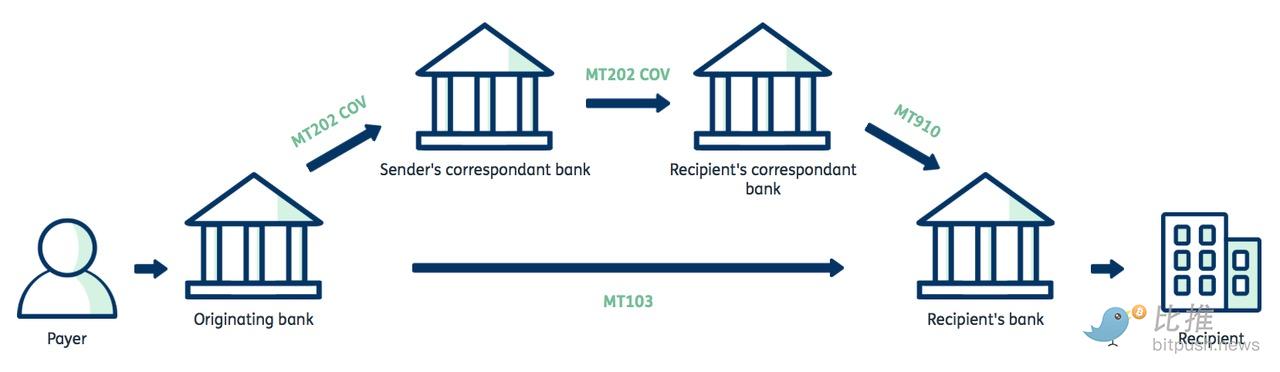
image.png

简单来说,SWIFT就像一个覆盖全球银行的“超级微信群”。它不做存钱、汇款这些具体业务,只负责在银行之间安全地传递“A该给B转多少钱”的指令。

目前,SWIFT连接着全球超过11,000家金融机构,覆盖200多个国家和地区,每天处理超4,200万条金融消息。在全球贸易、跨境汇款、证券交易和清算中发挥着“神经中枢”的作用。

然而,这一高度中心化的网络系统也面临诸多痛点:

  • 效率低:跨境支付周期动辄1~3个工作日,取决于中介银行数量和国家法规;

  • 费用高:每一笔交易都涉及中间行收费;

  • 透明度差:支付路径和状态不清晰,追踪难;

  • 地缘政治风险:近年SWIFT被多次用于金融制裁工具(如俄罗斯被剔除SWIFT),暴露出其高度中心化的战略敏感性。

在这个背景下,区块链技术天然的去中心化、透明、高效率等特点,被视为破解SWIFT“老旧结构”的潜在答案。

为什么是Linea?

Linea 是由 Consensys 开发的以太坊 Layer2 网络,采用 ZK-Rollup(零知识汇总)技术,具备如下几个显著优势:

  • 隐私保护:ZK技术允许验证交易真实性而不暴露数据本身,符合银行对合规与保密的双重需求;

  • 高性能、低成本:相比以太坊主链,Layer2 可处理更大规模的交易量,费用更低;

  • 兼容以太坊主网:与现有稳定币、RWA、DeFi组件无缝对接;

  • 企业级支持:背后由Consensys支撑,具备服务大型机构的能力与声誉。

相比其他链,Linea 提供了一个“监管友好型的高性能链上环境”,使其成为SWIFT在当前合规压力下的理想选择。

市场数据显示,该消息流出后,Linea 代币价格当天最高上涨超过 14%,目前仍稳居上涨区间上方,表现远强于大盘。
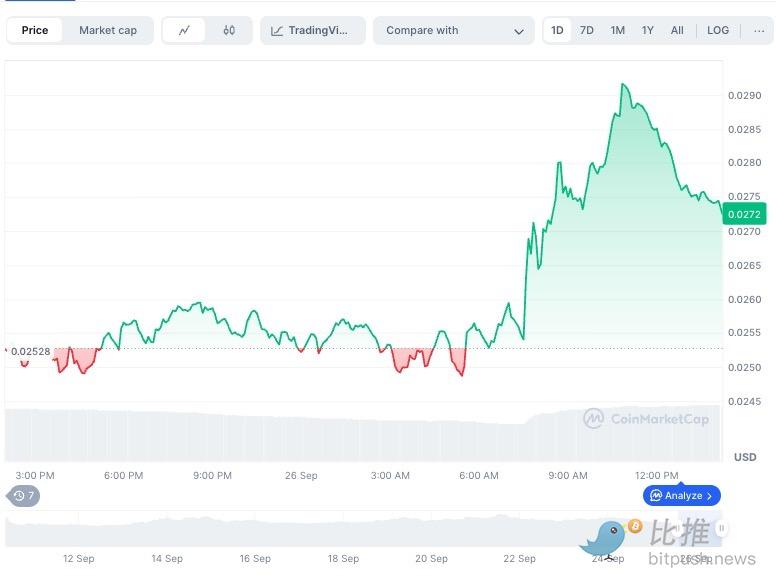
image.png

上链的SWIFT意味着什么?

如果SWIFT将其消息传输系统部分或全部迁移至区块链,将带来以下影响:

1. 降低跨境支付成本与时间

在ZK-Rollup等L2架构上运行的链上系统可以实现秒级交易确认,极大减少中介环节与对应费用。对于目前动辄三天到账的SWIFT支付体系而言,这是质的飞跃。

2. 提升金融透明度与可追溯性

链上记录可被授权方查询、审计,极大提升反洗钱、合规能力。同时,实时可见的交易状态也提升了金融交易的透明性与信任度。

3. 实现更灵活的资产结算

未来,SWIFT不仅可以传输“支付指令”,还可能传输“资产本身”。在链上,资产如稳定币、国债、票据都可实现智能合约化,从而实现结算即清算(settlement finality)。

4. 构建全球统一支付标准

区块链天然具有全球通用性,与传统金融碎片化标准不同。SWIFT若以此为基础打造统一标准,有望引领下一代全球支付基础设施。

谁最先受益?谁可能出局?

潜在赢家:

  • 以太坊生态:Linea接入SWIFT将为以太坊主网带来巨大资金流和应用场景;

  • 稳定币发行商(如USDC、DAI):将在链上结算中扮演关键角色;

  • 链上合规服务提供商(如Chainalysis、Fireblocks):受益于监管友好的基础设施需求;

  • 模块化DeFi组件开发者:提供账户体系、AML工具、支付接口等底层功能。

潜在受压者:

  • 中介银行(Correspondent Banks):在SWIFT体系中靠“转账通道”盈利,若路径被链上智能合约替代,其商业模式将受到挑战;

  • 老牌清算所与支付网络:若不能快速链上化,可能被边缘化;

  • 技术落后的国家支付系统:在全球链上支付系统面前逐渐失去竞争力。

小结

这不是SWIFT第一次尝试拥抱区块链。此前其已与Chainlink合作探索跨链通讯,与Euroclear试水数字债券清算。但此次选择将核心消息系统迁移到Linea所代表的公共链环境,是其有史以来最为“去中心化”的尝试。

未来SWIFT是否真的“上链”,仍待官方正式官宣。但即便只是测试阶段,也足以释放出一个强烈信号:全球跨境支付体系的“旧秩序”,正在经历一次被技术倒逼的革命。

作者:Bootly


Twitter:https://twitter.com/BitpushNewsCN

比推 TG 交流群:https://t.me/BitPushCommunity

比推 TG 订阅: https://t.me/bitpush

说明: 比推所有文章只代表作者观点,不构成投资建议

Letture associate

Trump Halts AI Executive Order, Regulatory Efforts Succumb to Competitive Anxiety

In a last-minute reversal, former President Donald Trump halted the signing of a long-anticipated executive order on artificial intelligence. The order had sought to establish a voluntary, pre-release safety testing framework for advanced AI models developed by leading companies like OpenAI, Google, Anthropic, and xAI. Under the proposed plan, companies would have shared their most powerful models with the U.S. government 90 days before public release for national security and cybersecurity risk assessments. Trump refused to approve the order, stating he did not want anything to "slow down our leadership," emphasizing America's lead over China in AI and the technology's role in job creation. This decision highlights the core tension in U.S. AI policy: balancing the management of systemic risks posed by frontier models—such as exposing financial system vulnerabilities—against fears that any regulation could stifle innovation and undermine competitive advantage. The move came despite significant public support for AI safety testing and followed internal administration debates. Some officials, alarmed by the capabilities of models like Anthropic's Mythos in uncovering critical security flaws, had advocated for stronger oversight. However, the industry and many within Trump's circle opposed even this voluntary framework, arguing it would hamper American innovation. The incident underscores how AI policy is increasingly intersecting with national security, economic strategy, and political governance.

marsbit21 min fa

Trump Halts AI Executive Order, Regulatory Efforts Succumb to Competitive Anxiety

marsbit21 min fa

Machines Pay, Humans Reap: Coinbase, Stripe, Google, Visa's AI Payments Land Grab

One year after being a concept, machine-to-machine payments are now a battleground. Four competing architectures are already deployed by Coinbase (x402 protocol), Stripe/Tempo (MPP standard), Google (AP2 authorization layer), and Visa (tokenized credentials). AI Agents have already settled over $73 million across 176 million transactions, with a median value between $0.01 and $0.10. A key barrier is the ~$0.30 minimum fee of traditional card rails, making them unviable for micro-payments. In contrast, Layer 2 stablecoin settlement costs $0.0001, with USDC dominating 98.6% of all transactions. The dynamic is less about a single winning protocol and more about vertical integration within a new payment stack. Companies like Coinbase and Stripe control multiple layers (settlement, wallet, routing, protocol, governance), driving over $8 billion in recent acquisitions to solidify their positions. The shift from extractive bot activity to productive Agent commerce is underway, with AI Agents accounting for 37% of all Gnosis Chain Safe transactions. The pace of adoption will be set not by available technology but by the development of trust and safety infrastructure for autonomous transactions. While a fully permissionless vision is appealing, supervised access remains crucial until AI reliability improves. Regulatory frameworks like MiCA and the EU AI Act, due in mid-2026, currently lag behind this rapidly evolving reality. The foundational argument is clear: crypto rails have already won micro-payments. The central question is how quickly the trust layer can catch up to the scaling settlement layer.

marsbit1 h fa

Machines Pay, Humans Reap: Coinbase, Stripe, Google, Visa's AI Payments Land Grab

marsbit1 h fa

ARM's Stock Price Soars 30% Against the Trend, Is ARM, Now Making AI Chips, Winning Big?

ARM's stock surged over 15% on May 21, 2026, reaching a record high of $259, driven by its strategic pivot beyond its traditional IP licensing business. For over three decades, ARM has profited by licensing chip designs to companies like Apple and Qualcomm, earning mere cents per chip. However, with the mobile market maturing, growth stalled. In March 2026, ARM announced a historic shift: it would design and sell its own finished chips for the first time. Its "AGI CPU," built for AI data centers, targets the growing computational needs of AI Agents—tasks like workflow orchestration and data preprocessing where CPUs are crucial. This move positions ARM directly in the high-value server CPU market, competing with some of its own licensees. Analysts believe the rise of Agentic AI will dramatically increase demand for data center CPUs. Bernstein set a $300 price target, forecasting ARM's annual revenue could reach $26 billion by 2030 as the server CPU market expands. Major customers like Meta and OpenAI have already signed on for the AGI CPU, with committed demand reportedly doubling to over $2 billion within six weeks of launch. While this transformation offers massive upside, risks remain. ARM's valuation is extremely high (P/E ~300), pricing in future success. The company must also navigate potential conflicts with existing partners and execute flawless chip manufacturing. Nevertheless, Wall Street is betting that ARM's move from a "tax collector" to an AI infrastructure provider could redefine its growth trajectory for the AI era.

marsbit1 h fa

ARM's Stock Price Soars 30% Against the Trend, Is ARM, Now Making AI Chips, Winning Big?

marsbit1 h fa

Trading

Spot
Futures
活动图片