UAE Joins Global Crypto Tax Reporting Framework, Seeks Feedback

TheCryptoTimesPubblicato 2025-09-22Pubblicato ultima volta 2025-09-22

The United Arab Emirates is preparing to roll out new global tax reporting rules for crypto. On September 20, the Ministry of Finance confirmed it has signed the Multilateral Competent Authority Agreement under the Crypto-Asset Reporting Framework (CARF).

The official announcement reads that the UAE plans to implement CARF in 2027, with the first exchanges of data expected in 2028. CARF, created by the Organisation for Economic Co-operation and Development (OECD) in 2023, allows countries to automatically share information on crypto-asset activities.

The Ministry says the system will bring greater certainty to the sector while keeping the UAE aligned with global tax transparency standards.

UAE seeks feedback through public consultation

To shape how the rules are applied, the Ministry is asking for feedback from the industry. Advisory firms, exchanges, custodians, traders, and other stakeholders are invited to share their views on how the framework might affect them.

The Ministry has opened an eight-week public consultation that started on 15th September and runs until 8th November. The Ministry of Finance says that the goal is “to develop clear and effective regulatory rules informed by the insights of experts and stakeholders, and aligned with market needs.”

Reporting requirements

Under CARF, exchanges, brokers, custodians, and wallet providers will be required to collect and report data, including transactions, account balances, and customer residency information. The framework is to deter tax evasion, safeguard investors, and establish a robust reporting system.

The decision comes as the UAE continues to establish itself as a global center for digital assets. The country exempted value-added tax from crypto transactions in 2024. About the same time, Dubai established clear guidelines for Web3 businesses through the Digital Assets Law and the Virtual Asset Regulatory Authority (VARA).

Also Read: Bitcoin Slips Below Support, $1.7B Wiped Out in Liquidations


Mobile Only Image

Letture associate

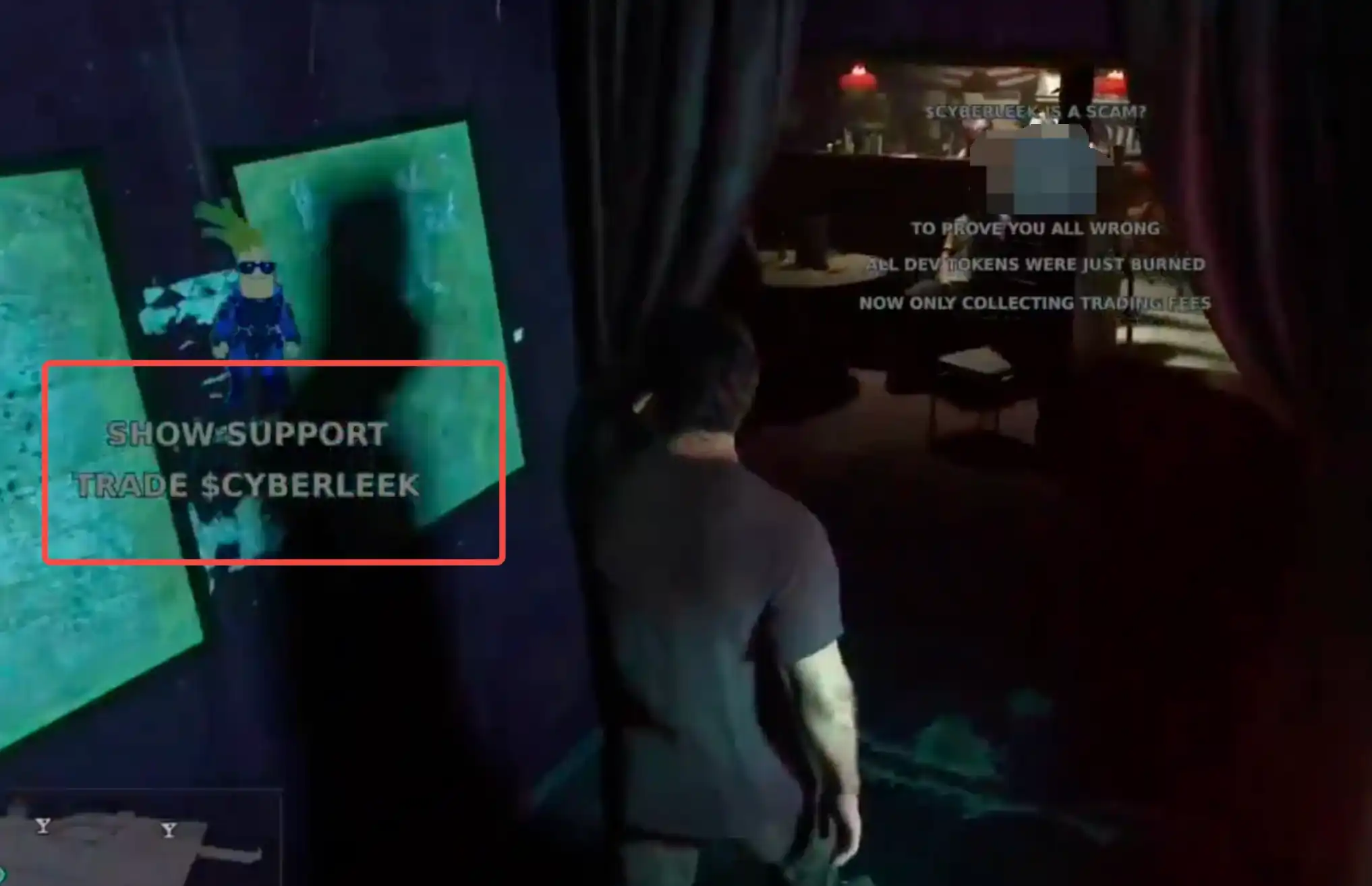
Hacker Leaks GTA6 and Launches a Token: Leaked Videos Become Ad Space for $CYBERLEEK, Must Buy Tokens to Vote for Next Clip

A hacker group called "CyberLeek" has leaked gameplay footage of the highly anticipated video game *GTA 6*, which is slated for release in 2026. Simultaneously, the group launched a meme token, $CYBERLEEK, on Solana. The leaks, which include maps and gameplay clips, are heavily watermarked with advertisements urging viewers to buy the token. Investigations of blockchain data reveal that the token was created and funded from a single wallet approximately eight hours before the first leak was released, suggesting a coordinated plan. The group has implemented a voting system where token holders can "vote" for the next type of content to be leaked by sending $CYBERLEEK tokens to a designated wallet—a process that permanently transfers the tokens to the hackers. This creates a self-sustaining cycle where interest in the leaks drives token purchases. Financially, the operation involved minimal upfront costs (less than $3,500 in out-of-pocket expenses) but generated significant revenue. On its first day, the token saw $15 million in trading volume, netting the creators an estimated $30,000 from transaction fees alone. While the group later burned a large portion of its developer-held tokens (worth over $1 million) to build trust, the fee-generating mechanism remains intact. The game's publisher, Take-Two Interactive, has initiated legal proceedings to identify the hackers. Despite this, the case demonstrates a new model where leaked intellectual property is used as leverage to promote and profit from a cryptocurrency, with meme token markets serving as an additional revenue stream.

marsbit1 h fa

Hacker Leaks GTA6 and Launches a Token: Leaked Videos Become Ad Space for $CYBERLEEK, Must Buy Tokens to Vote for Next Clip

marsbit1 h fa

Jensen Huang's Daughter: From Chef to an $8 Million Annual Salary

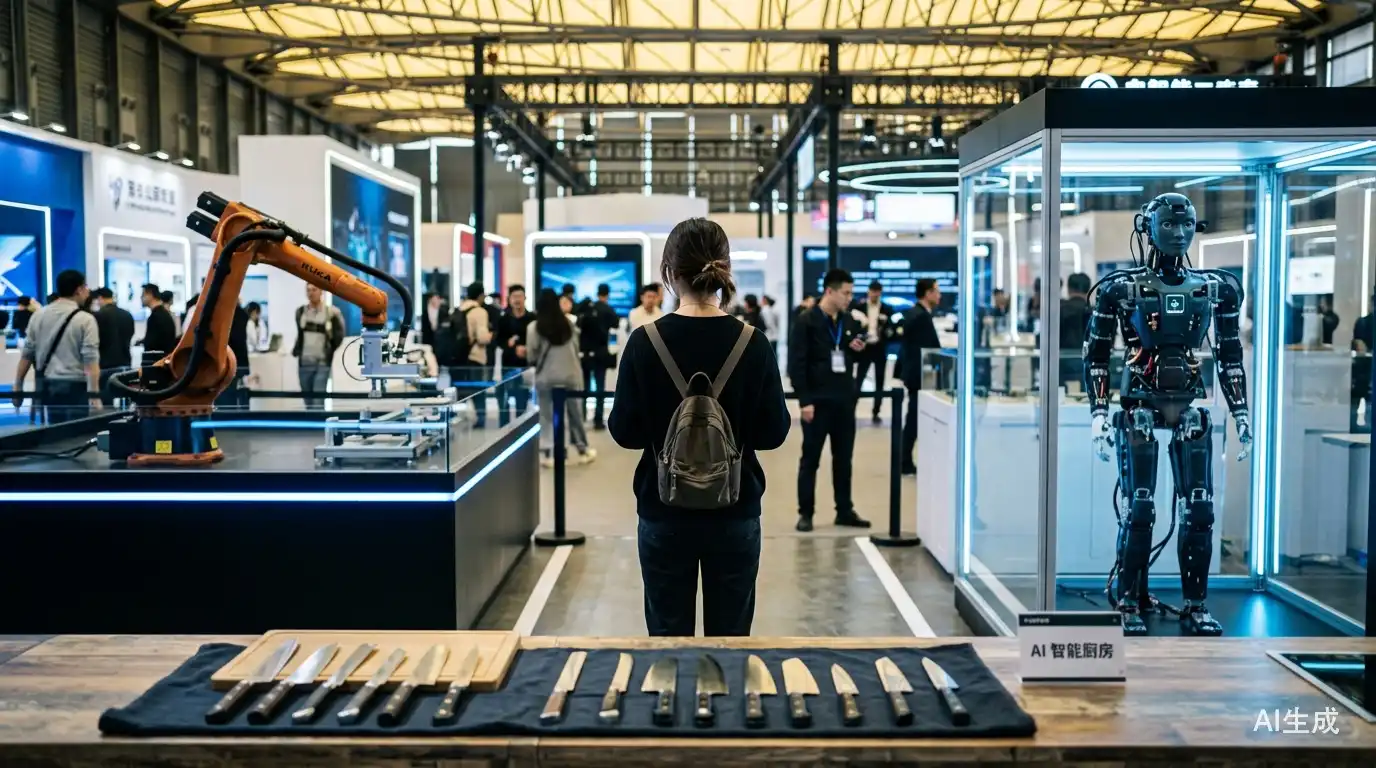
Madison Huang, daughter of NVIDIA founder Jensen Huang, recently made a rare public appearance in Beijing during the 2026 World Robot Conference. As the Senior Director of Product and Technology Marketing for NVIDIA's Physical AI Platform, with an annual salary of approximately $1.2 million, her visit focused on evaluating leading Chinese robotics companies like UBTech, Unitree, and others. This highlights NVIDIA's strategic interest in the burgeoning Chinese robotics ecosystem, a key battleground for the development of Physical AI—technology that enables machines to understand and interact with the physical world. Huang's career path is unconventional. Initially pursuing her passion, she studied culinary arts, worked as a chef, and later held a marketing role at LVMH. She joined NVIDIA as an intern in 2020 after completing an MBA, quickly rising through the ranks. Her brother, Spencer Huang, followed a similar path, closing a cocktail bar he co-founded to also join NVIDIA, where he now works on robotics software. Jensen Huang has publicly addressed nepotism concerns, humorously noting that some "second-generation" employees outperform their parents. The conference itself underscored China's vibrant robotics sector, marked by Unitree's recent blockbuster IPO and a pipeline of companies preparing to go public. While hardware development and manufacturing are advancing rapidly, industry leaders like Wang Xingxing of Unitree point to the next critical challenge: developing the "brain" or AI that allows robots to perform diverse, unseen tasks based on simple instructions. With massive manufacturing scale and diverse real-world testing scenarios, China is positioned as a central player in the global race to define the future of robotics.

marsbit4 h fa

Jensen Huang's Daughter: From Chef to an $8 Million Annual Salary

marsbit4 h fa

Trading

Spot
活动图片