iPhone 17 发布,我发现币圈最大的“苹果思维”是囤

深潮Pubblicato 2025-09-09Pubblicato ultima volta 2025-09-10

在币圈,"Think Different"的最高境界,也许就是 "Think for Yourself" 。

撰文:David,深潮 TechFlow

今天整个科技圈都在讨论一件事:iPhone 17 发布了。

朋友圈、微博和小红书铺天盖地都是苹果的消息。有人熬夜看了发布会,还有人在算价格是否值得。

不过今年的讨论画风有点特别。除了新品本身,中文互联网上还火了一个新梗:

“安卓思维”和“苹果思维”。
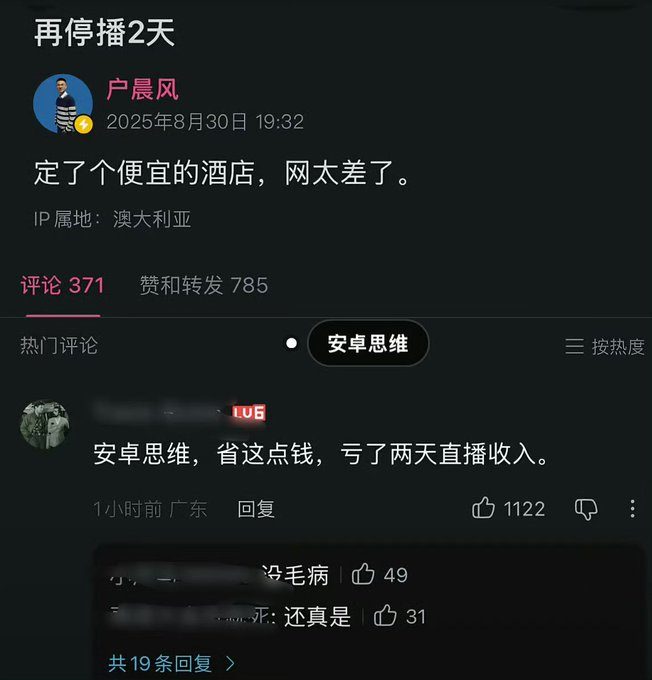
有人总结说安卓用户是“性价比思维”,凡事都要比参数、算价格;苹果用户是“体验思维”,愿意为生态和品牌付溢价。

然后这个梗越传越广,从手机圈传到了各个领域,大家开始用这两种思维来形容做事方式。

就在小编刷着这些讨论的时候,加密推特上 Coingekco 发的一张图跳进了时间线。
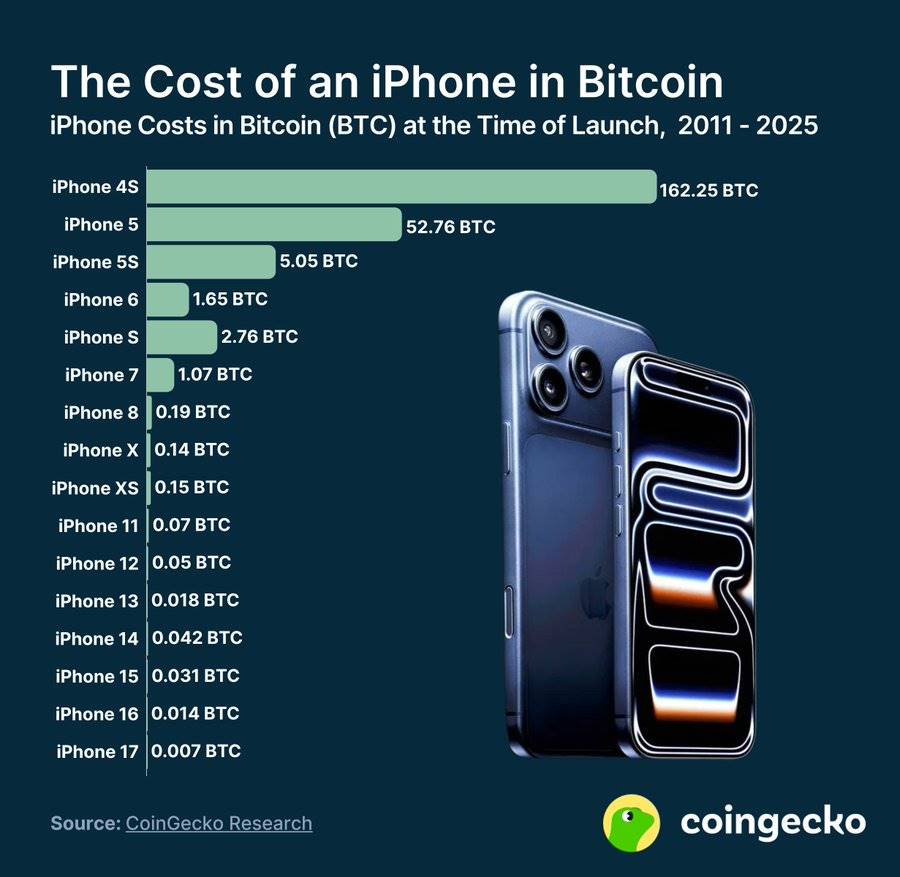
2011年,买一部iPhone 4S需要162个BTC;2024年,买iPhone 16只要0.014个BTC。按今天iPhone 17的价格算,大概是0.07个BTC。

我盯着这张图看了好一会儿。每当用币本位计算商品价值,人总是会心疼自己亏过的币。

在大家都在讨论“安卓思维vs苹果思维”的时候,我在想另一个问题:在币圈,什么才是真正的“苹果思维”?

如果说苹果思维是相信某个品牌、某个理念,然后长期持有不动摇,那么从2011年握住BTC到现在的人,是不是最彻底的“苹果思维”践行者?

这个想法让我开始重新审视币圈的很多现象。

币圈里的那些思维标签

币圈可能是全世界最喜欢贴标签的地方。

“钻石手”还是“纸手”,“Builder”还是“Trader”,“价值投资”还是“投机”...我们总在给自己和别人分类。

现在,“安卓思维”和“苹果思维”这个梗传到币圈,倒是意外地贴切。

什么是币圈的“安卓思维”?

核心是一个字:搏。

相信小资金必须承担高风险才能翻身。BTC从9万涨到18万才翻倍,但一个土狗可能一天翻10倍。他们追求的不是稳健增长,而是阶层跃迁。

这种思维的逻辑链条很清晰:普通人没有资源优势→必须找到不对称机会→新项目和新概念最可能产生Alpha→所以要不断尝试、不断轮动。

那什么是币圈的“苹果思维”?

核心也是一个字:囤。

相信时间比选择更重要。不是不想赚快钱,而是认为追逐热点的期望收益是负的。与其在100个项目里亏90个赚10个,不如选一个确定性最高的长期持有。

这种思维的逻辑同样明确:市场短期不可预测→大部分人跑不赢大盘→BTC是唯一经过时间验证的标的→拿住就是胜利。

最典型的就是那些“激光眼”头像,个人简介里可能就一个词:Bitcoin。
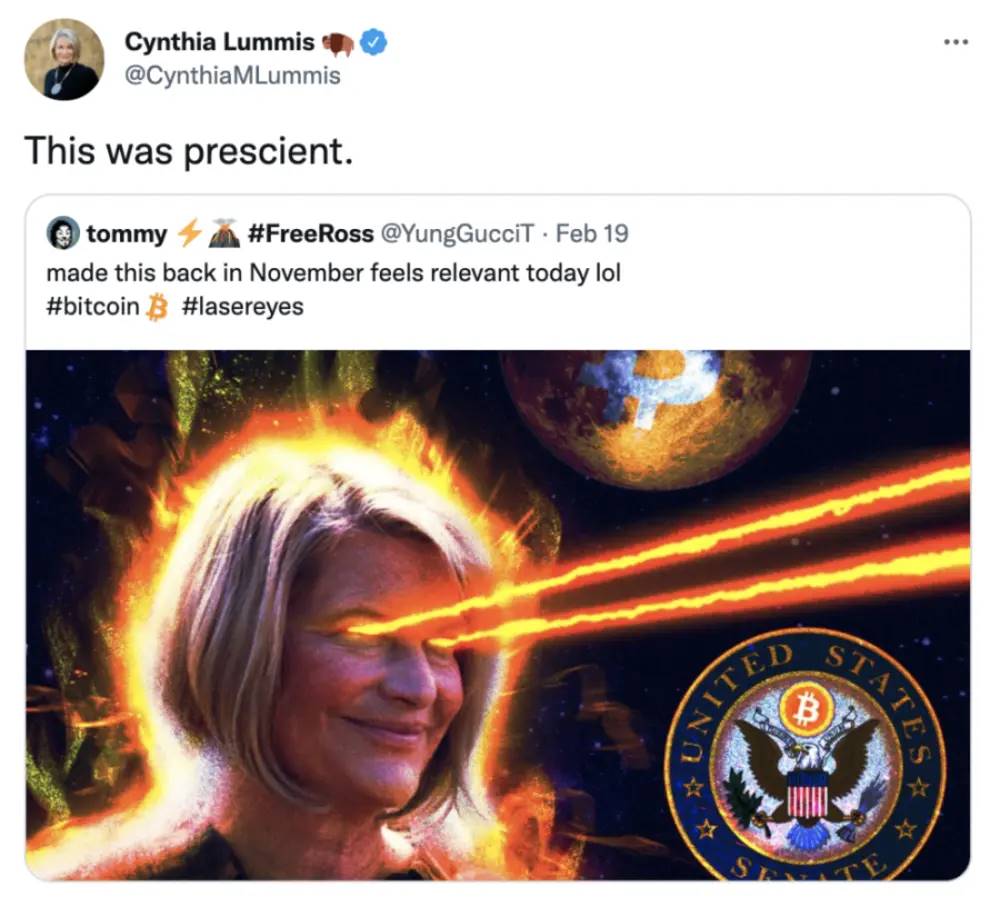
有意思的是双方可能互相不理解,甚至互相怀疑。

安卓思维看苹果思维,觉得这些人太保守了,crypto 本来就是高风险高收益的地方,你要稳健为什么不去买茅台?

苹果思维看安卓思维,则是这些人在刀尖上跳舞,今天赚10倍明天归零,最后算总账大概率是亏的。

双方都有自己的信仰。一边信奉 WAGMI,一边则信仰 HODL。

但这两者可能根本不是对错问题,而是处境问题。

一个拿5000块进场的年轻人,和一个拿500万进场的老钱,他们的最优策略能一样吗?

前者即使亏光了,无非是两个月工资;但如果赌对了,可能改变人生。后者赌错一次,可能就万劫不复。

所以“安卓思维”的人说得也没错,不赌,怎么翻身?“苹果思维”的人也有自己的立场,保住本金才能长期生存。

这就像有人问你,买iPhone还是买安卓?

答案永远是看你自己要什么。

“苹果思维”的奇妙映射

表面上看,币圈和“苹果思维”应该是绝缘的。

毕竟,crypto 的诞生就是为了打破垄断、拥抱开放、推动创新。而苹果恰恰代表着封闭生态、中心化控制、渐进式更新。按理说,币圈应该天然排斥“苹果思维”才对。

但现实却充满了讽刺。最成功的币,恰恰最“苹果”。

BTC十几年了,代码库的更新谨慎到令人发指。这像不像iPhone的挤牙膏式创新?年年有人说iPhone落后了,但年年都卖得最好。

最信仰BTC的社区,也最“苹果”。

比特币看多者的傲慢程度,同样不输于任何果粉。他们有一句名言:

"Shitcoin is shitcoin",管你什么创新生态,在他们眼里都是垃圾,同时也还有中本聪的那句旷世名言压箱底:

“如果你不相信我,抱歉我也没时间说服你”。

这种唯我独尊的态度,是不是很像某些苹果用户那种“安卓就是不行”的优越感?

更有意思的是现在市场的选择。机构、上市公司和国家储备都开始囤比特币,你或许可以说是一种迟钝的后知后觉,但很难说它们都是傻子,拿真金白银投入一个不合算的标的。

这里面有个深层的逻辑:在一个充满不确定性的市场里,“无聊”可能恰恰是最大的优势。

BTC不需要路线图,不需要白皮书更新,不需要CEO带货,甚至不需要市场营销。它就在那里,十几年如一日,无聊但可靠。

但对大多数币圈玩家来说,这种思维依然难以实践,而最大的悖论也莫过于此:一边高喊着去中心化和创新,一边市场却把最多的钱投给了最“保守”的项目,BTC。

“安卓思维”,折腾成为本能

这个悖论其实值得深思。为什么标榜开放和创新的币圈,最后大钱却流向了最封闭和保守的策略?

先看看币圈的“创新焦虑”。

每个牛市都有新故事。2017年是ICO,2020年是DeFi,2021年是NFT和GameFi,2024年是铭文和AI。每个故事刚开始时,都号称要“改变世界”。

焦虑从哪来?从错过中来。

看着别人靠SHIB财富自由,靠BAYC改变命运,靠早期DeFi挖矿赚得盆满钵满,谁能不焦虑?于是大家拼命追赶下一个风口,生怕又错过了。

社交媒体放大了这种焦虑。打开推特,满屏都是“恭喜××喜提千倍”,“××赛道还有10个Alpha”。不追热点,仿佛就是在犯罪和没有好好参与这个行业。

但现实数据很残酷。

2017年的ICO项目,现在还活着的有几个?

创新越多,归零越多。这几乎成了币圈的铁律。重要的是浪潮褪去之前,你自己还剩多少果实。

扎进浪潮里简单,全身而退却很难。

让我们诚实一点,如果币圈有所谓极致的“安卓思维”玩家,那么他的真实状态必然是很累的。

打开这些玩家的推特,你可能会看到他们同时关注着:新的L2上线、哪个链有空投、DeFi的新池子、铭文的地板价、AI概念币的动向……

Meme 最火的那一阵,凌晨三点别人在睡觉,他们可能在扫链和找角度;周末别人在休息,他们在研究新叙事。
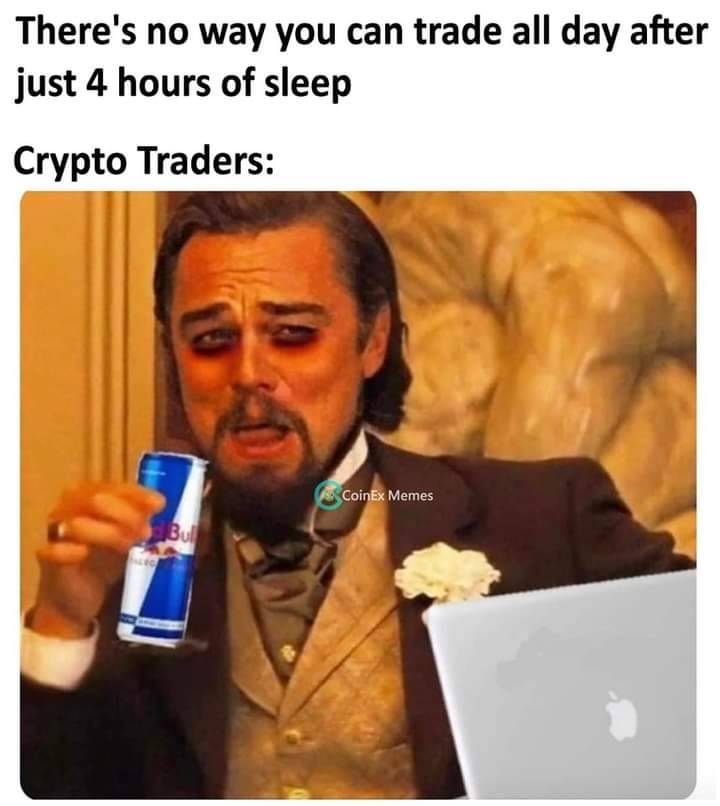
而所谓“科学家”,褪去滤镜不过是一个挤破脑袋寻求稳赚信息差的普通人,累并快乐着。

问问身边的“安卓思维”玩家,有多少人真的赚钱了?

大部分人的真实情况或许是,在A项目赚了10倍,在B项目归零;在牛市初期赚了100万,在熊市全部还回去;今天抓住了一个Alpha,明天踩了三个坑。

一年下来一算账,还不如老老实实拿着BTC。

为什么会这样?因为"安卓思维"有个致命问题:信息过载。当你试图抓住每个机会时,你其实什么都抓不住。

当你的注意力分散在100个项目上时,你对每个项目的理解都是浅层的。你以为你在研究,其实只是在浏览。你以为你掌握了信息差,其实你看到的都是别人想让你看到的。

更深层的问题是,在这个圈子里,对普通人来说,勤奋是焦虑的唯一解药。

大部分币圈玩家们内心深处知道,自己并没有真正的优势。没有内幕消息,没有技术优势,没有大资金,唯一能做的就是“更努力”。但在一个PVP的市场里,努力可能是最不值钱的。

当然安卓思维也有成功的。

真正赚到钱的安卓玩家,往往专注某个细分领域、有自己的信息源、知道什么时候应该收手...更重要的是,他们把这个当做自己的全职工作来对待。

对比之下,“苹果思维”玩家的状态完全不同。

他们可能一个月都不看价格,生活重心根本不在币圈。他们有自己的工作、事业、生活。crypto 对他们来说,只是资产配置的一部分。

没有对错,只有选择。如果你有时间、有精力、有天赋,“安卓思维”可能真的适合你。

选择的智慧

回到文章开头那张图。

iPhone 用BTC本位计价,13年间从162个跌到0.01个,跌幅99.99%。

这个数字对比确实很有冲击力,但其实不妨想另一个更加实际的问题:

如果你是2011年那个纠结是买iPhone 4S还是买162个BTC的人,你现在会怎么想?

2011年,iPhone是实实在在的革命性产品,而BTC只是极客圈的实验。当时选iPhone是理性的,选BTC才是疯狂的。

但14年后回看,理性的选择让你拥有了一部早就淘汰的电子垃圾,疯狂的选择让你拥有了价值150万美元的资产(如果你能拿着不卖)。

这能说明什么?

也许什么都说明不了,成功只是幸存者偏差,每个人彼时做的,都是最适合自己性格、事后看最合理的选择。

没有对错,真的,没有对错。

市场会奖励真正优秀的“安卓思维”玩家,那些找到Alpha的人;市场也会奖励坚定的“苹果思维”玩家,那些拿住Beta的人。

市场惩罚的,是那些摇摆不定的人。所以,真正的问题从来不是选择哪种思维,而是你了解自己吗?

无论你选择买iPhone还是买BTC,无论你是“安卓思维”还是“苹果思维”,最重要的是:

这是你自己的选择,而不是别人告诉你的答案。

毕竟在币圈,"Think Different"的最高境界,也许就是 "Think for Yourself" 。
Letture associate

Unitree Robotics' IPO Hearing Countdown! Dissecting the 'Ice and Fire' in the Prospectus of the 'First Humanoid Robot Stock'

Unitree Robotics, poised to become China's first publicly listed humanoid robot company, is set for its IPO review on the Shanghai Stock Exchange. Its prospectus reveals a company undergoing a rapid transformation. Once primarily a quadruped robot (robodog) maker, humanoids now account for over half of its revenue as of 2025, with the company selling approximately 5,500 units in that year—reportedly the highest global volume. Current demand, however, is heavily concentrated in research and education (74% of humanoid sales), while commercial and consumer use is largely for promotional "display" purposes. Industrial applications remain limited (~9% of sales), though quadruped robots see more mature use in industrial inspections. A key strength is Unitree's vertically integrated model, self-designing and manufacturing critical components like motors and actuators. This has driven manufacturing costs down and pushed gross margins up to nearly 60%—exceptionally high for a hardware company. Financially, revenue surged 335% to about $252 million in 2025, with the company achieving profitability. Its IPO targets a valuation of $6-7 billion, planning to invest nearly half the raised capital into AI model development. This includes funding for Vision-Language-Action (VLA) and World Model + Action (WMA) models, highlighting its strategic focus on building a software "brain" to complement its hardware leadership and secure a long-term competitive edge. The prospectus showcases Unitree's manufacturing prowess and growth but also underscores the early, niche stage of widespread humanoid robot commercialization beyond academia and demonstration.

marsbit25 min fa

Unitree Robotics' IPO Hearing Countdown! Dissecting the 'Ice and Fire' in the Prospectus of the 'First Humanoid Robot Stock'

marsbit25 min fa

IOSG: DeFi at Its Most Critical Moment, The Real Vulnerability Lies Not in the Code

In April 2026, a series of major DeFi exploits—targeting Drift Protocol ($285M), KelpDAO ($292M via bridge), and Wasabi Protocol ($4.5M)—revealed a fundamental security crisis. None involved smart contract code vulnerabilities. Instead, losses stemmed from compromised operational foundations: social engineering of multi-signature signers, a single-point-of-failure bridge validator, and stolen admin private keys. This month, where over $625M was stolen across ~30 incidents, marked the collapse of DeFi's core security premise: that rigorous code audits alone ensure safety. The real vulnerabilities lay in trusted operational components—admin keys, governance councils, and bridge configurations—areas audits typically ignore. The KelpDAO incident triggered an asymmetric domino effect: its $2.92B unsupported token mint caused ~$8.5B in outflows from Aave and a $13.2B total DeFi TVL drop in 48 hours, showcasing how one protocol's operational failure can cascade through composable systems. The article argues that most so-called "DeFi" is actually "OpenFi": permissionless and transparent on-chain, but critically reliant on trusted third parties for key operations. This inherent trade-off between decentralization and operational feasibility is often obscured by marketing. The industry's path forward requires honest disclosure of trust assumptions (like L2Beat's framework), treating operational security as a first-class discipline alongside code audits, and designing systems whose risks can be clearly assessed and insured. The April events were not a code security failure but a breakdown in the mental model surrounding it.

marsbit39 min fa

IOSG: DeFi at Its Most Critical Moment, The Real Vulnerability Lies Not in the Code

marsbit39 min fa

The 'Stock Call King' Serenity: 3840% Annual Return, Beating Institutions to the Punch

This article profiles the mysterious stock trader and analyst known as Serenity, who has gained significant influence on social media platform X as a "stock call king." Serenity claims extraordinary annual returns of 3840% for the current year and 2256% over the past two years, primarily by focusing on overlooked companies within the AI and semiconductor supply chains. Operating anonymously, Serenity describes himself as a former Reddit WallStreetBets trader, an AI/semiconductor supply chain analyst, and a former AI research scientist. His core investment strategy, termed the "Chokepoint" theory, involves identifying small, critical bottleneck companies in the AI infrastructure ecosystem—such as those in photonics, substrates, and materials—that are essential yet undervalued. He argues these "invisible champions" become crucial as demand for AI hardware surges, creating significant investment opportunities before large institutions take notice. A frequently cited example is stock AXTI, which he has recommended for over two years and claims has yielded over 10,000% returns. The article notes that while Serenity's free, public posts on X have garnered a large following, his identity and exact portfolio size remain unverified, leading to some skepticism. Critics question if his reported returns are fabricated or if he might be manipulating prices of low-market-cap stocks. Serenity counters that he shares research freely to democratize information, allowing retail investors to benefit before institutional buy-ins, and that percentage returns are more meaningful than disclosing specific dollar amounts. Ultimately, the article presents Serenity as a polarizing figure—either a visionary analyst with a superior research framework or a potentially sophisticated market player. It concludes that the truth of his claims and legacy will only be determined by time.

Odaily星球日报46 min fa

The 'Stock Call King' Serenity: 3840% Annual Return, Beating Institutions to the Punch

Odaily星球日报46 min fa

Trading

Spot
Futures
活动图片