OpenSea新版奥德赛:发币前最后的“撸毛”机会

Odaily星球日报Pubblicato 2025-09-09Pubblicato ultima volta 2025-09-09

原创 | Odaily 星球日报(@OdailyChina

作者 | Asher(@Asher_ 0210

今晨,OpenSea 宣布将于 10 月初公布 SEA 代币 TGE 详情,并推出以下新功能及更新:

  • OS Mobile App:由人工智能驱动的移动端,优化并集成交易体验;
  • Flagship Collection:纪念 Web 3 文化遗产的系列,承诺投入超过一百万美元用于收购历史性 NFT 和新兴艺术家的作品;
  • Final Rewards Phase:平台费用的 50% 将用于资助代币和 NFT 奖品;
  • Pre-TGE Reward 最后阶段:设置价值 100 万美元奖池,包括代币和 NFT,用户通过交易和完成任务升级宝箱并获得奖励。

其中,对于“撸毛党”来说,最值得关注的内容是 Pre-TGE Reward 最后阶段,即从 9 月 15 日起,平台所有费用的 50%(NFT 为 1%,代币为 0.85%)将用于支持该计划,此外,团队还将提供 100 万美元的 OP 和 ARB 代币。

Pre-TGE Reward 最后阶段规则详解

根据官方信息,Pre-TGE Reward 最后阶段活动的详细解读如下:

总奖池

OpenSea 平台所有费用的 50%(NFT 为 1%,代币为 0.85%)+ 100 万美元的 OP 和 ARB 代币。

第一个宝箱

用户在 9 月 15 日登录账号可获得的第一个宝箱,该宝箱可以升级,提升箱子等级的方式如下:

  • 横跨 22 条链交易;
  • 完成每日航程;
  • 收集惊喜货物。

每个宝箱都会包含一个宝藏,等级 1 至 12 级,赛季结束时宝箱等级越高,用户获得的奖励份额就越大。
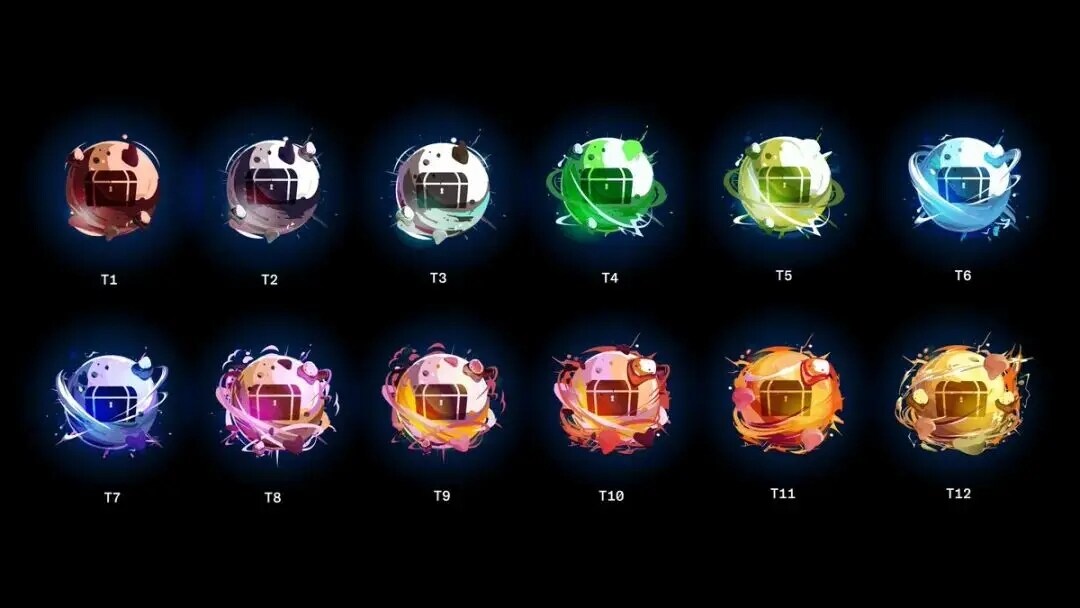
Pre-TGE Reward 最后阶段宝箱等级示意图

第二个宝箱

此外,参与 OpenSea 历史活动与 Pre-TGE Reward 最后阶段的奖励是分开的,当前的“航程”参与者将于 9 月 15 日获得一个宝箱,分为1 至 12 级,这份宝箱将体现用户过去三个月的交互成果。
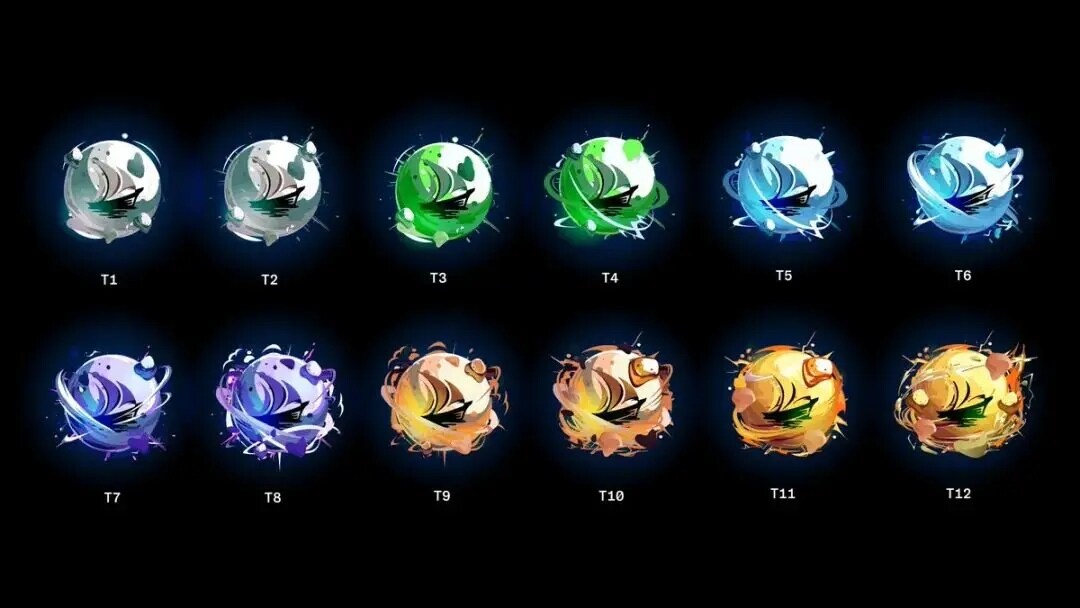
“航程”参与者将获得宝箱等级示意图

交互教程

对于 OpenSea TGE 前的最后交互博代币的机会,“撸毛党”能做的一是等待 9 月 15 日发放的第一个宝箱,参加新版奥德赛任务,尽可能提升该宝箱的级别(届时Odaily星球日报会更新手把手交互教程);二是登录 OpenSea,参与当前奥德赛仍能交互的任务(交互链接:https://opensea.io/rewards),目前仅有一个新任务,根据提示交互即可,需在 3 天内完成。

此外,下一个新任务将在明早更新,记得查看并第一时间完成。
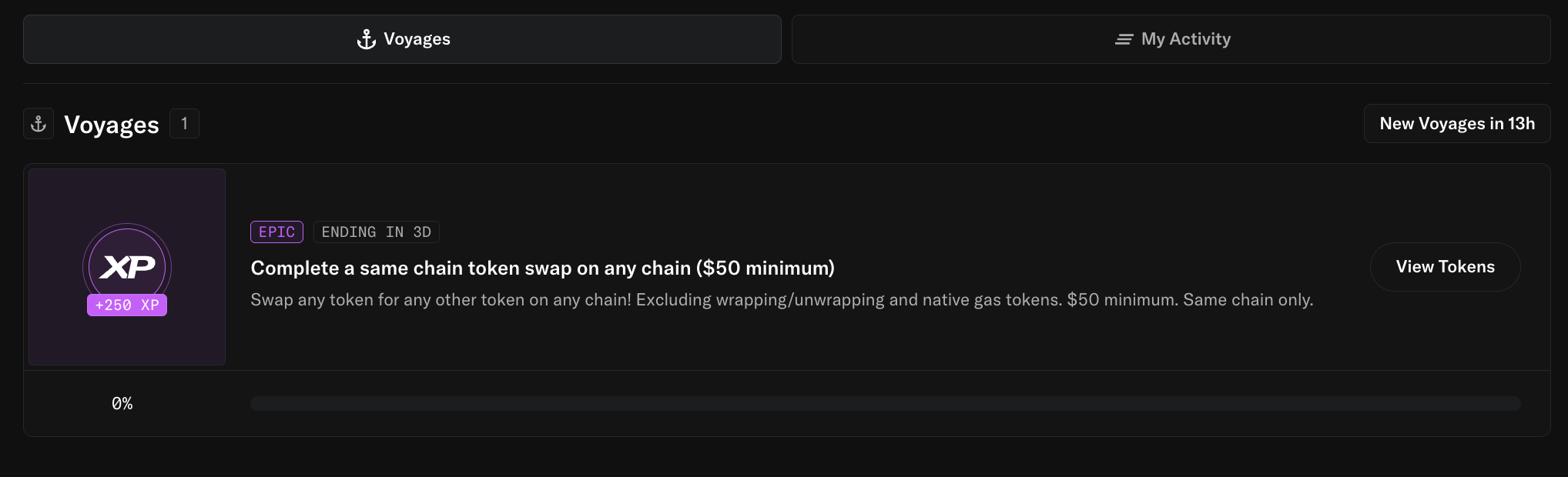
当前 OpenSea 奥德赛任务列表

相关内容

OpenSea 终发币:NFT 虽凉,撸毛不凉

Letture associate

To Those Ordinary People Who Haven't Invested in AI: You Think You're Late, You're Just Lacking Your Own Worldview

**Summary:** The article argues that ordinary investors feeling FOMO over missing the AI investment boom lack not timing, but their own independent worldview. Most people chase "what to buy" based on others' opinions (FOMO, envy) rather than fundamental analysis. This leads to costly mistakes: not knowing when to exit winning trades or cut losses on losing ones. The core solution is to develop a personal, long-term (5-10 year) worldview about societal shifts and technological bottlenecks. For most, building this from scratch (Path A) is too demanding. A practical alternative (Path B) is to follow the **capital expenditures (capex)** and strategic investments of visionary leaders, as their money reveals true conviction more reliably than their words. Five key figures to track for different AI perspectives are highlighted: Jensen Huang (NVIDIA, infrastructure), Elon Musk (Tesla/SpaceX/xAI, capex signals), Sam Altman (OpenAI, commercialization, but beware hype), Dario Amodei (Anthropic, technical/safety focus), and Liang Wenfeng (DeepSeek, efficiency/anti-consensus view). The article details how to read capex signals from hyperscalers' financial reports, NVIDIA's revenue breakdown, and strategic investments. It maps the complete AI产业链 (supply chain) from raw materials/energy to models/applications, explaining value flow and inter-dependencies (e.g., how a model release triggers demand across chips, memory, and optics). Finally, it provides an action plan: secure personal finances first, allocate a limited portfolio percentage (max 25%) to the theme, prefer broad ETFs (like QQQ), use dollar-cost averaging over 6-12 months, and write down strict investment rules beforehand to combat emotional errors during market volatility. The conclusion is that a stable, personally-held worldview enables disciplined, long-term investment far more than chasing short-term trends.

marsbit35 min fa

To Those Ordinary People Who Haven't Invested in AI: You Think You're Late, You're Just Lacking Your Own Worldview

marsbit35 min fa

Microsoft Halts Vibe Coding: "Burning Tokens" Is Now More Expensive Than Employees

Microsoft has halted the widespread internal use of Claude Code, withdrawing licenses from most employees by the end of its fiscal year, June 30, 2026. This reversal comes just six months after actively promoting the AI coding tool to boost productivity via "vibe coding"—where developers describe intent in natural language and let the LLM generate code. The core issue isn't the tool's effectiveness; internal reports suggest employees preferred Claude Code over Microsoft's own Copilot CLI. The problem is financial: the "copilot mode" adds a variable, consumption-based token cost on top of existing employee salaries without a proportional revenue increase. As usage grew, the token bills became unsustainable, leading to what sources describe as a cost-structure failure. Similar overruns have been reported at other firms like Uber. The article contrasts this with the approach of AI-native startups, exemplified by Y Combinator's philosophy. Here, high token consumption is strategic—it replaces, rather than supplements, human labor. Startups operate with tiny teams where AI agents handle work previously done by many, making the high token bill financially viable as it offsets much larger personnel costs. The conclusion is that "vibe coding" isn't dead, but its economics fail within traditional corporate structures that treat AI as a productivity add-on for existing staff. Success requires a foundational shift to an AI-native organization, where processes are built to be "legible to AI," and the company's core knowledge and assets reside in documented, AI-accessible systems rather than solely in employees' minds. The future divide will be between companies that merely add AI tools and those that redesign their organizations around them.

marsbit54 min fa

Microsoft Halts Vibe Coding: "Burning Tokens" Is Now More Expensive Than Employees

marsbit54 min fa

Trading

Spot
Futures
活动图片