Solana链上,有哪些被忽略的「优质meme」

比推Pubblicato 2025-08-25Pubblicato ultima volta 2025-08-25

来源:BlockBeats

作者:BubbleCookieSleepy、KKK

原标题:Solana Meme强势回归,链上都在炒些什么?


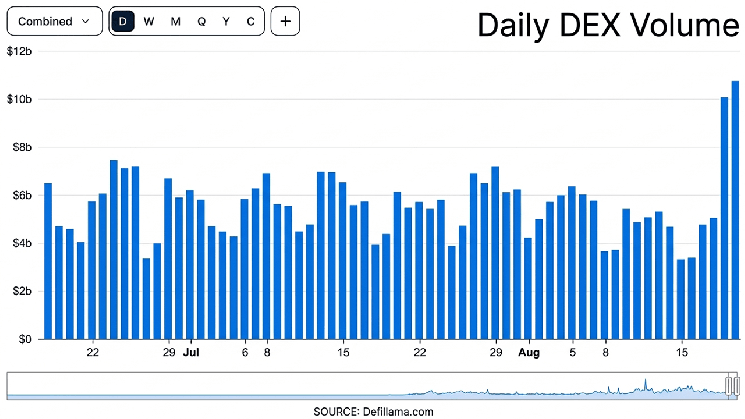
虽然近期加密货币的合规化倾向明显,一时间好像所有区块链项目都扯上了「合规」、「机构」、「政策风向」。但链上的 Memecoin 以及 ICM 项目的热潮似乎还远远没有结束,仿佛为了抓住「最后一波」链上热潮一样,各家平台都选择在此时祭出了「杀招」。

律动 BlockBeats 整理了其中几个近期表现优异的标的进行介绍。

不上班的尼特族

Neet「Not in Employment, Education, or Training」,原本用于指代那些既未就业、也未在接受教育或职业训练的年轻人(尤其是 16–24 岁)。在千禧年代的日本,ニート(NEET)这一概念的年龄范围还被扩展至 15–34 岁,被广泛的与「御宅族」「闭门不出」的文化联系在一起,很长的一段时间里他都被与「家里蹲」挂钩。

随着互联网文化扩散,这个词逐渐传入欧美的亚文化圈,尤其是匿名社区(如 4chan /r9k/ 、Reddit)。到 2010 年代,NEET 已经逐渐演变为「自由主义者」的一种自我认同和文化身份。从 4chan 的 留言上就能看出,他们大多是想说什么就说什么,歧视女性,歧视黑人,自我中心。NEET 不一定是现实身份,而是一种网络人格。使用「NEET」自称的人,往往强调自己与社会主流脱节、拒绝社会规则甚至「以此为荣」,它既是自嘲也是某种「另类身份归属」
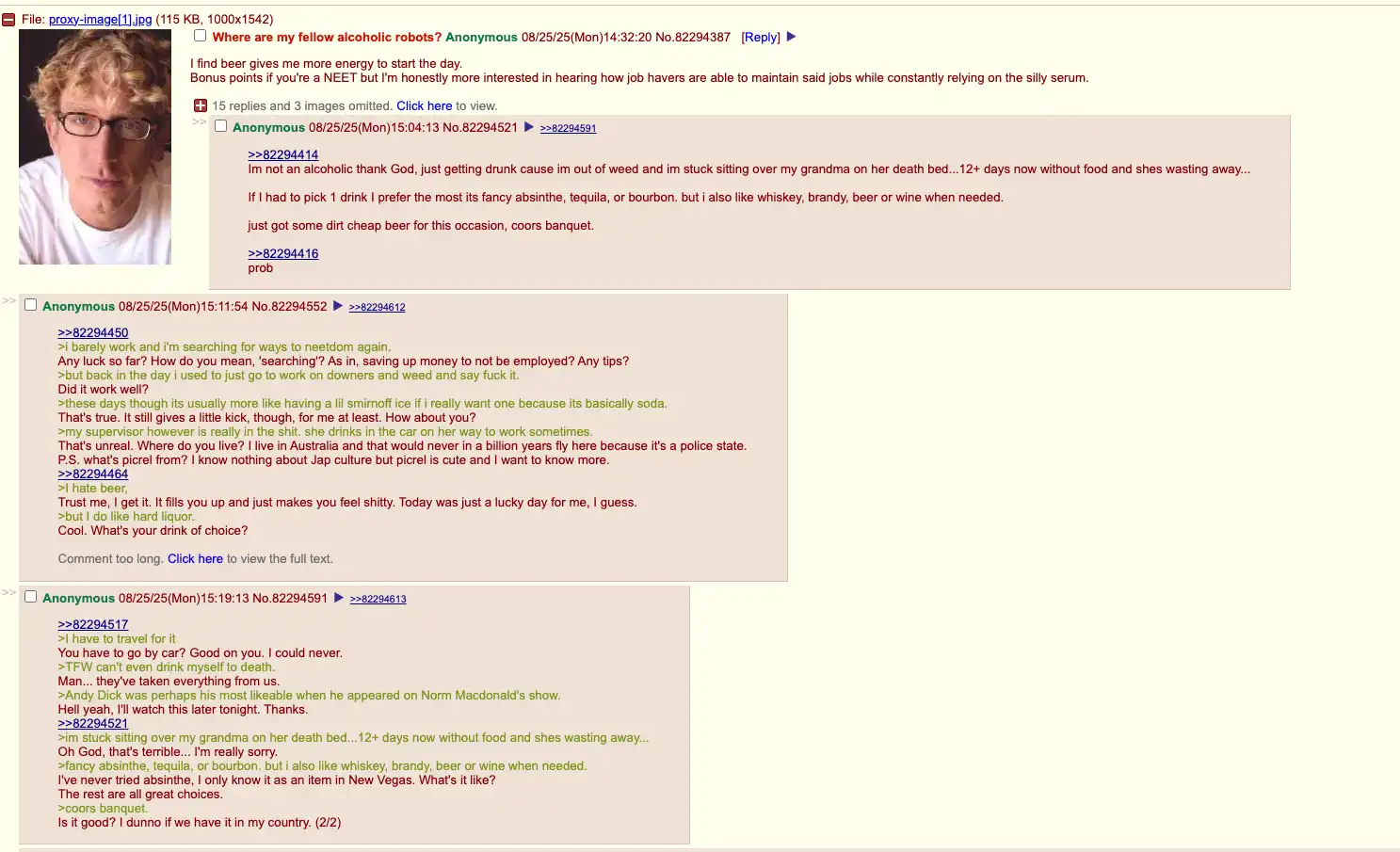
Neet 在 4chan 的 /r9k/ 板块(Robot9000)被广泛使用,/r9k/ 最初由 4chan 创始人 Christopher Poole 在 2008 年开发的一个原创内容过滤系统。设计初衷是避免刷屏和复读(copypasta),这也让该板块的文化充满创造力,截图对话为 /r9k+1/(Robot9001)的讨论,为 /r9k/的改进版。

虽然在 Pumpfun 创始人 alon 首次买入 $neet 时,该代币瞬间在一分钟内爆拉近 4 倍,而后又很快跌破买入前的市值,但其价格走势始终保持稳固的走势。除了拥有许多喊单的「大哥」和深厚的社区文化以外,其推特的运营也相当不错。
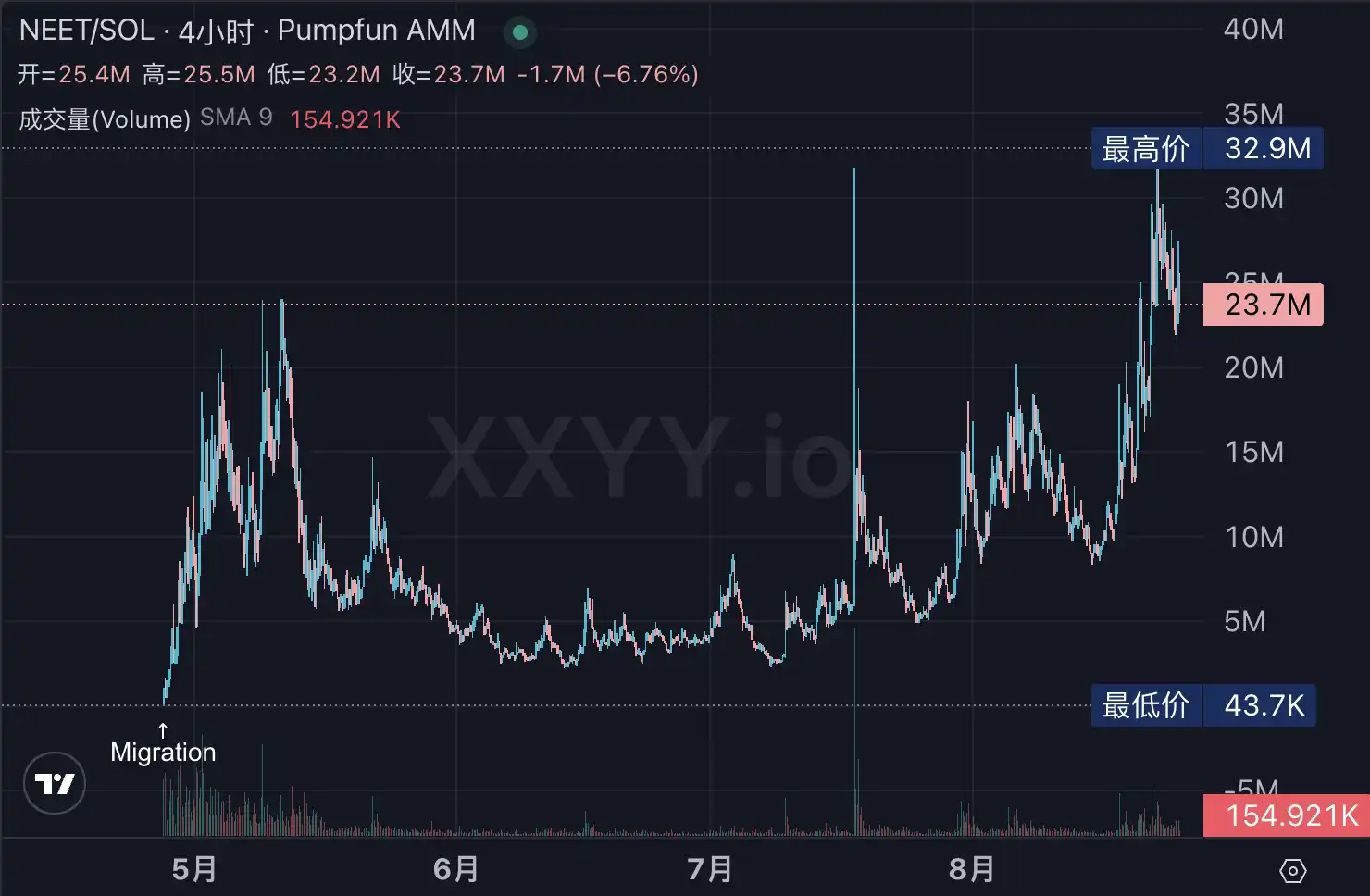
在向中文区最早喊 $neet 的 Cookie 求证后,得知 Neet 的推特运营由 Primed 负责,在他和社区的运营之下,该代币体系下的账号剥离了「价格讨论」转而着重在了让「文化流行」上。而传播本身带动的价格走势远比「强庄控盘」带来的变化更加真实与健康。优秀的传播、深厚的社区文化、背后支持的团队组合成了现如今的体系下少有的「有趣的 Meme」。


左:触及 1200 万阅读,右:马斯克转发带来 1 亿阅读

Believe的 ICM 进程如何了

随着同赛道 Bags 以及 Heaven 的熄火,Believe 在今日逐渐重新回到话题的中心,其官方代币 LaunchCoin 也在近一个月持续阴跌后终于开始反弹,而最近在 AI 圈火热的「面试作弊器」Cluely 的 CEO Roy 在今日分享了与 Believe 创始人 Ben Pasternak 的合照也让社区猜测两者可能带来某种程度上的合作。
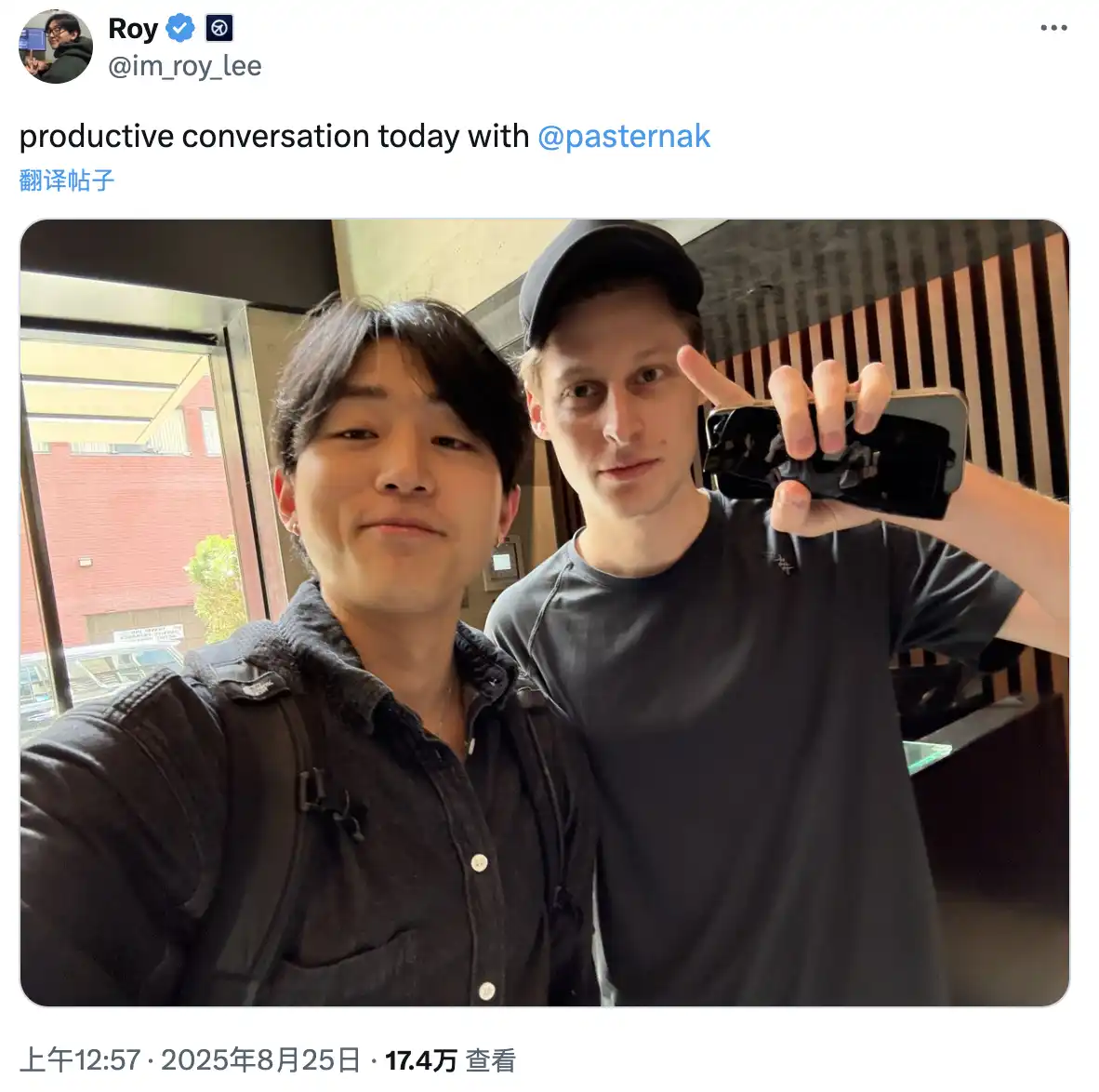

左:Cluely CEO,右:Believe 创始人

Believe 似乎决心将「100% 费用转动飞轮」等概念抛弃,重新将自己「ICM 平台概念」的定位做实,在其与女友 Evelyn Ha 上次入住超贵的「安缦东京」,加上平台进度缓慢以及生态逐渐「归零」,各种情绪相加引发社区的一些「热议」后,Ben 似乎将重心重新放在了 Believe 上,先是为了更好的产品 UI 直接收购了 Abode,又有一些有意思的项目重新选择 Believe 发行,Believe 上现在跑的不错的新老标呢?
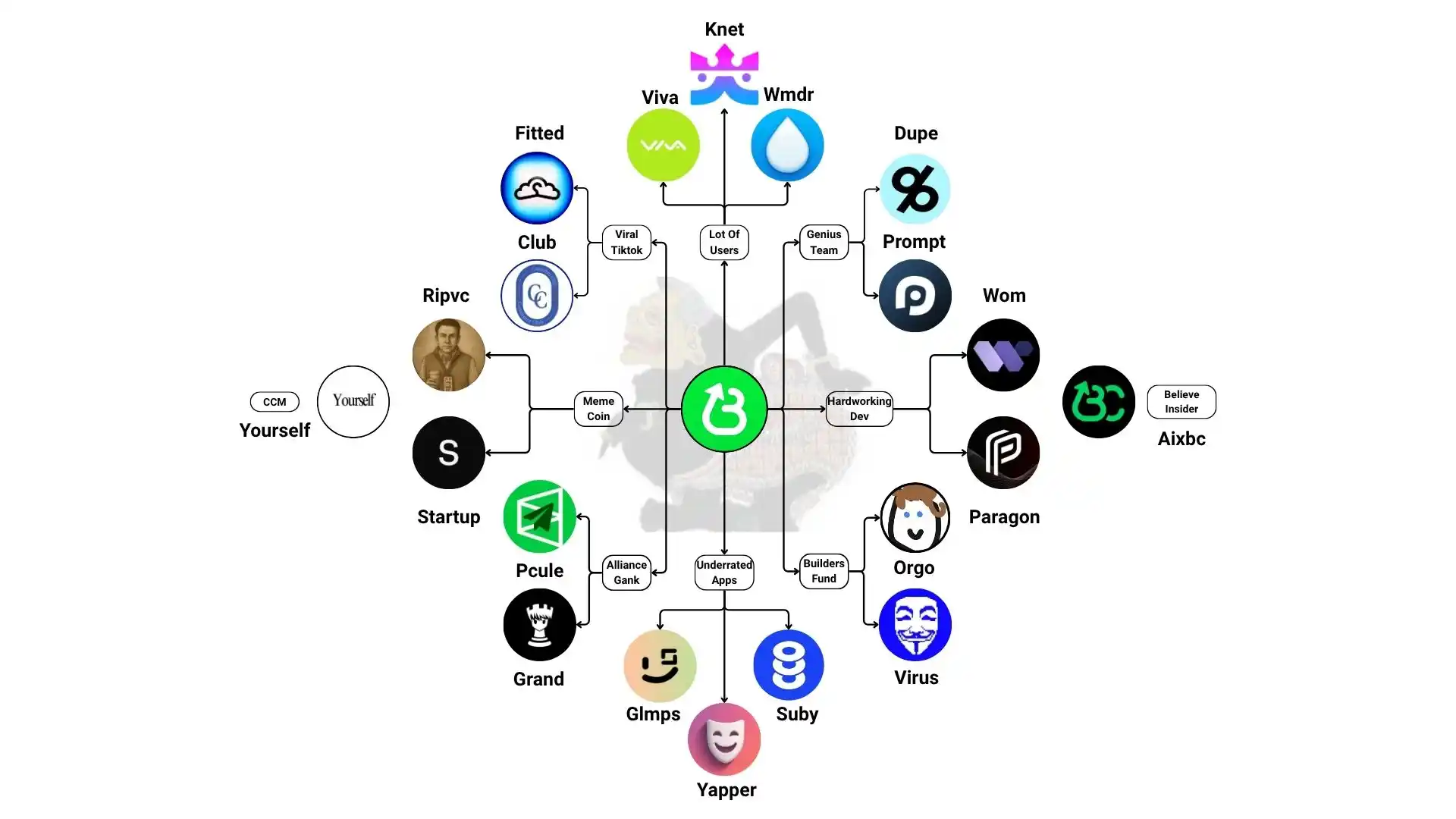
Believe 现有生态,图源:@PaceTerminal

HUCH:CS2 皮肤借贷平台

HUCH 是 CS2 皮肤的链上借贷平台,在 7 月份获得 colosseum 与 Solana 举办的黑客松游戏赛道的 University Prize。并在 8 月 24 日在 Believe 发射,现市值维持在 150 万美元左右。
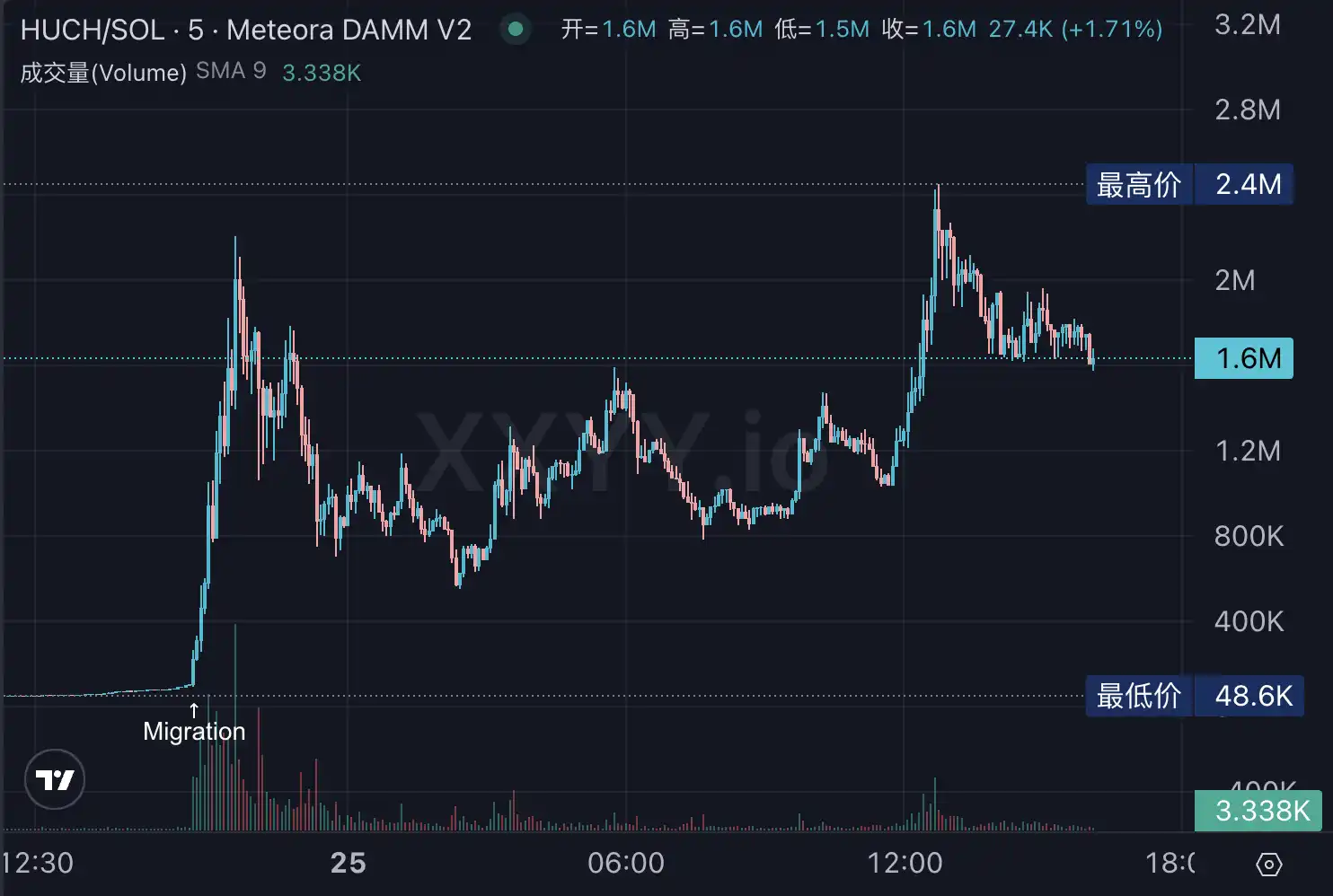
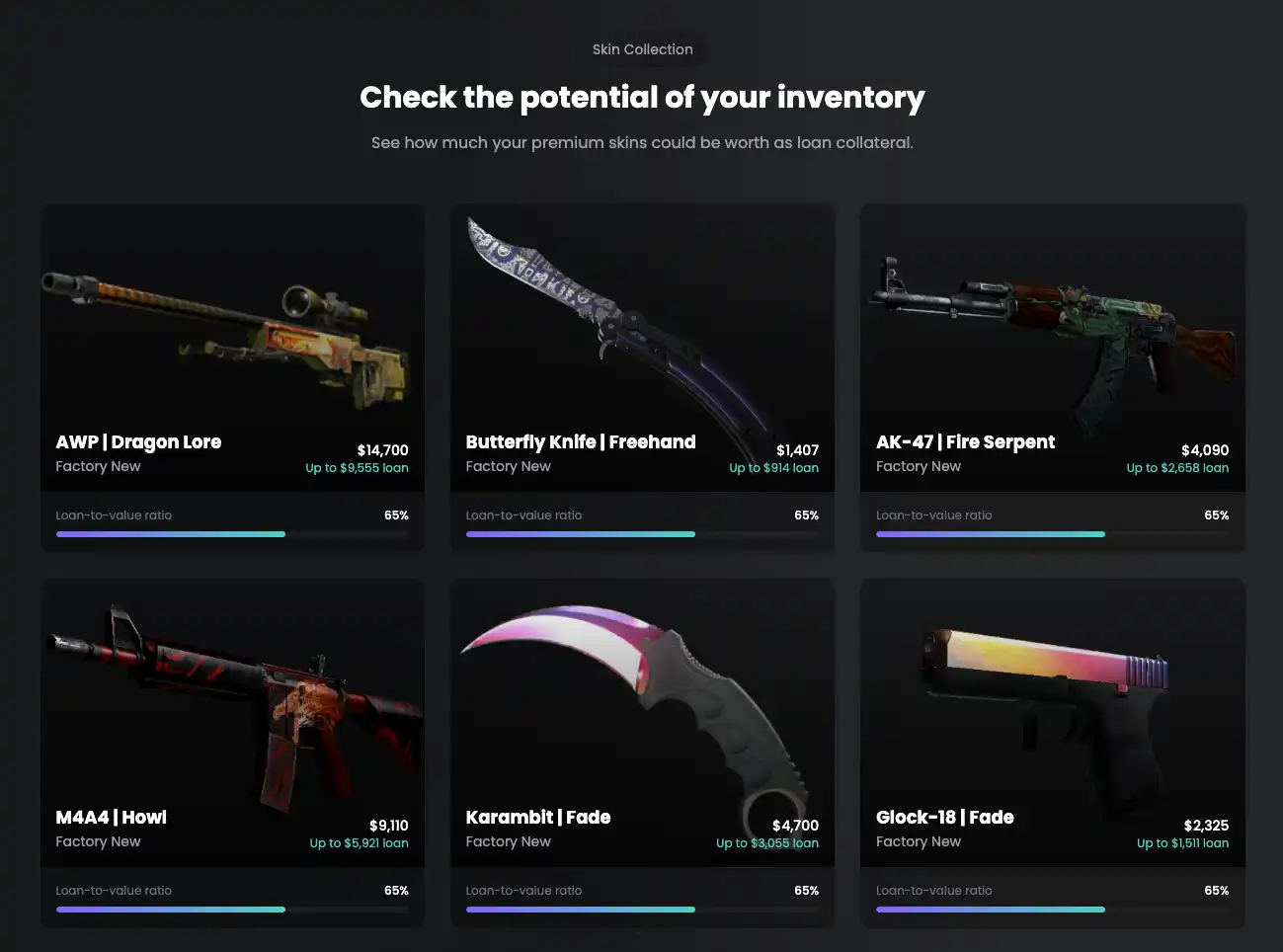
产品整体基础概念其实相当简单,团队认为 Counter Strike 2 的皮肤现在拥有近几十亿美元的庞大市场,但是却没有与之相匹配的流动性,而 CS2 的皮肤与 DeFi 的产品在金融属性上来看有相当多的相似度,因此他们想做一个通过抵押借贷将游戏资产转化为金融工具的链上平台。

团队整合实时市场数据进行精准估值,玩家可以用 CS2 的皮肤为抵押获得即时现金贷款(价值的 65%)。
有趣的是创始人 Hugo 在 HUCH 发射之前,声称自己为了 HUCH 的推广卖掉了自己的苹果电脑,去参加知名的加密「公共办公空间」Mtn DAO 举办的峰会活动,这也得到 Mtn 社区的 Cobra 的赏识,并在 X 讨论是否赞助他一台电脑,这一提案获得了许多社区的响应,不少项目方的团队成员表示愿意赞助他。

Kled:AI 数据交易撮合平台

Kled 是一个链上的 AI 数据交易中介平台,旨在连接 AI 开发者与数据版权持有者,提供视频、音频、文本等多种数据的交易渠道。项目获得了 K5 Capital 的 200 万美元投资(K5 曾投资 Uber、Xai 等项目),创始人 Avi Patel 曾辍学于伊利诺伊大学香槟分校,2023 年创办音乐版权平台 Nitrility,2024 年推出 Kled。

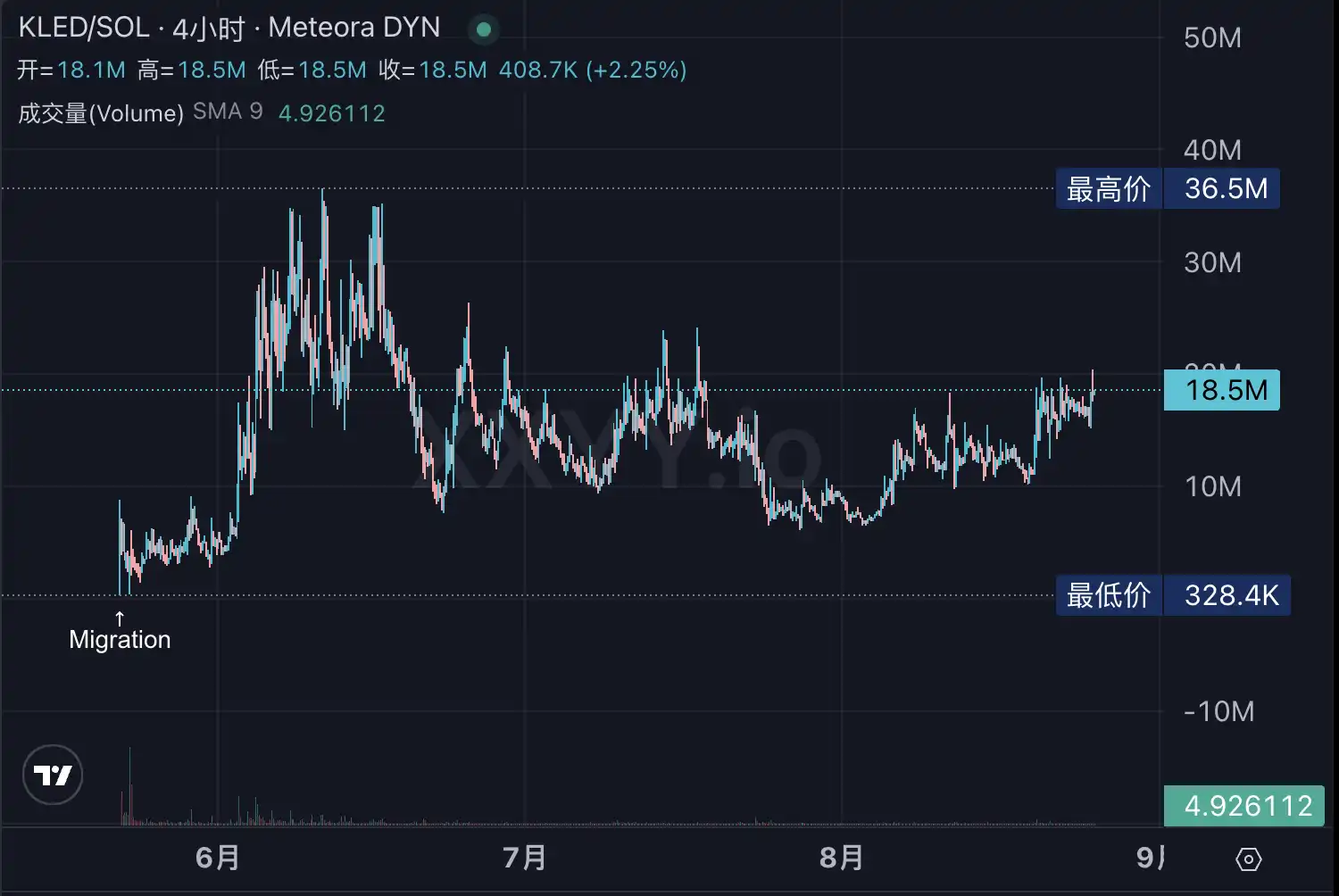
在早期,由于合约部署问题,$KLED 代币价格一度探底,引发市场恐慌。但平台创始人 Ben(Believe 平台创始人)及时在 X 平台发文澄清合约地址问题,随着开发团队持续更新产品功能,社区信心逐渐恢复。此后 Kled 市值回升至约 1000 万美元,并上线 Moonshot 交易所。

6 月 9 日,Kled V2 宣布了下一阶段企业合约「Kled Pages」,并曝光与 YouTube、Twitch、Google Classroom 等平台的合作计划,同时还将与斯坦福大学、UC Berkeley 合办黑客松。这一系列进展为平台带来更多 B2B 收入预期并提升可扩展性,也点燃了社区的 FOMO 情绪推动 $KLED 价格创下新高市值一度达 3600 万美元,在热度褪去后在 1000 万美元市值上下浮动,现报价 1800 万美元。
Polycule:Polymarket 的 Telegram 交易机器人

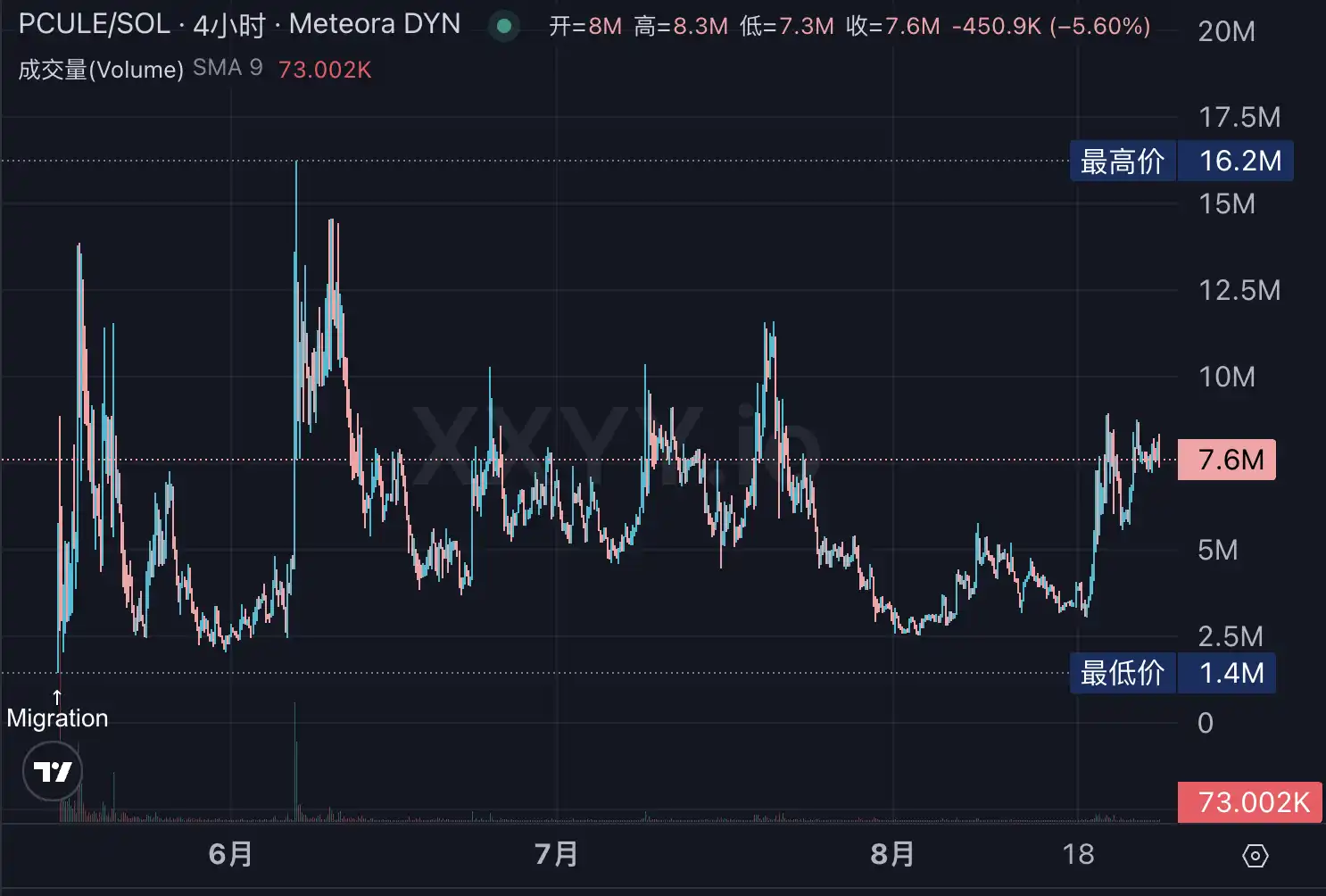
Polycule 是一款兼容 Polymarket 的 Telegram 交易机器人,用户可以通过聊天指令直接下单交易,绕过美国对 Polymarket 的访问限制。它解决了平台在美国无法直接访问的痛点,因此获得 AllianceDAO 56 万美元投资。随着 Polymarket 官方在 X 宣布与 Telegram 机器人合作,平台通过对每笔交易收取 0.01%–0.05% 的手续费并拿出 30% 用于回购和销毁,为代币提供通缩支持。

去中心化预测市场 Polymarket 曾因成功预测 2024 年美国总统大选结果声名大噪,平台人气和交易量一度激增。但由于监管调查,Polymarket 在美国被禁用,美国用户无法直接访问平台。Polycule 正是在此背景下诞生的——它是一个与 Polymarket 对接的轻量级 Telegram 交易机器人,让用户无需打开网页即可通过聊天指令参与链上的 YES/NO 投注交易,借此绕过域名封锁,在美国等地区依然能够便捷参与预测市场。凭借解决 Polymarket 在移动端和受限地区使用痛点的思路,Polycule 获得了 AllianceDAO 56 万美元的种子投资。

Polymarket 官方对 Polycule 表现出了支持态度——其 CEO Shayne 关注了 Polycule 官方账号。当有用户在 X 上询问能否通过 Telegram 下赌注时,Polymarket 官方回应证实了 Polycule 机器人的可用性。这波官方背书推动 $PCULE 代币迎来第一轮上涨。随后在 6 月 6 日,社交平台 X 宣布与 Polymarket 达成合作,后者成为 X 的官方预测市场伙伴,也让 Polymarket 的数据和预测结果与 X 平台的内容流动打通。这一消息再度将 $PCULE 价格推向新高。

目前 Polycule 对每笔交易收取 0.01%–0.05% 的手续费,并将其中 30% 用于回购和销毁代币,从而为 $PCULE 提供通缩支撑。借助社交交易兴起的东风,Polycule 一方面迅速扩大用户群,另一方面其交易手续费「燃烧」机制也形成正反馈,推动代币价格不断上涨。
DAOSFUN 限时返场?

与 Believe 侧重于 ICM 不同,DAOS.FUN 想要重新将 Crypto AI 的「容光」带回链上。

LLM:官方背书的拉丁裔 AI 代理 memecoin

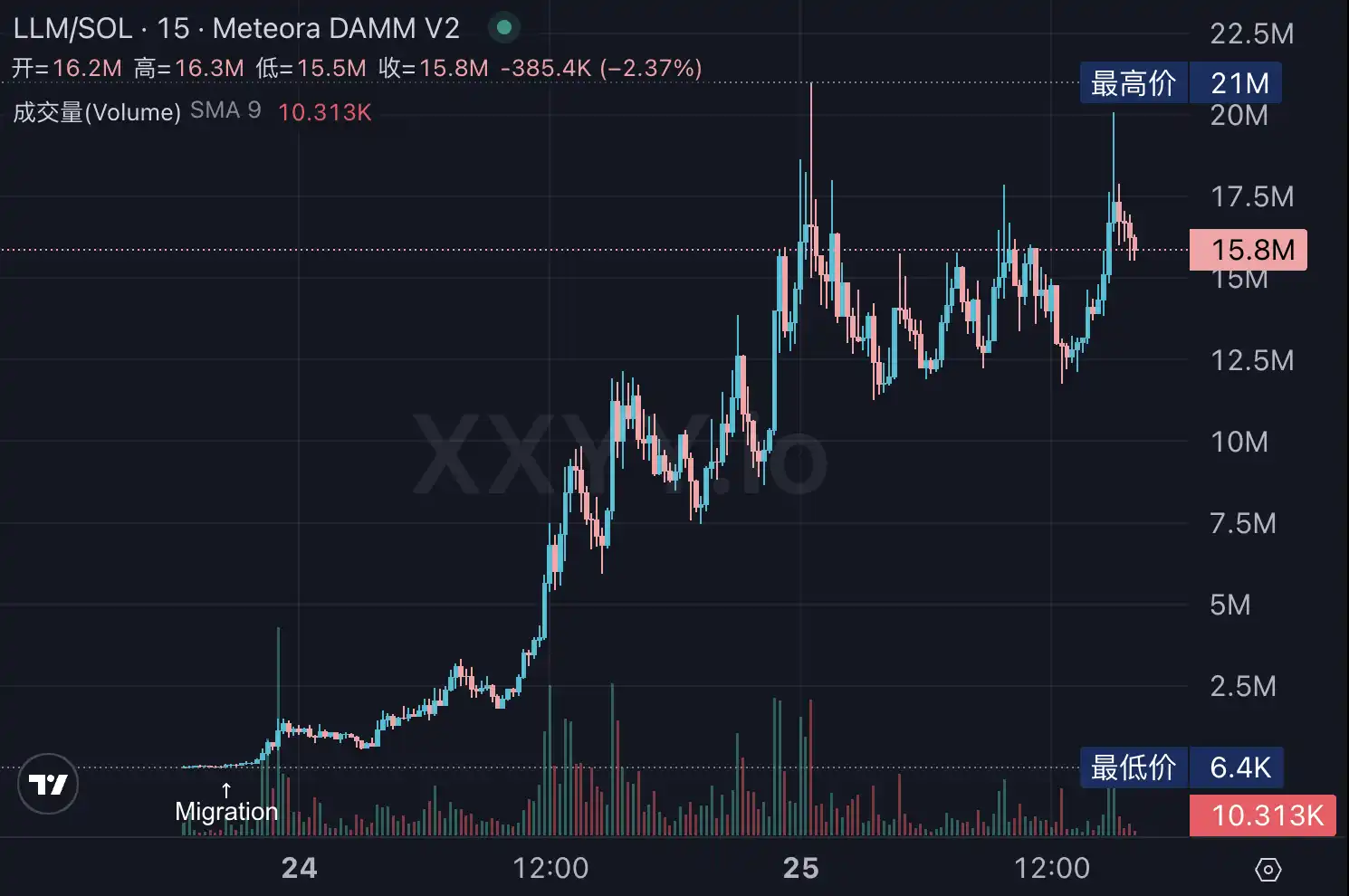
LLM(Latina Language Model)是在 DAOS.FUN 平台上发行的 AI 概念 Memecoin,其发行方正是平台创始人 @baoskee,本身号称是「第一个完全自主的拉丁裔 AI 代理」角色代币。因为与此前 ai16z 的仿盘「Large Language Model」同名(事实上形象也差不多),项目上线初期并未引起广泛关注,因此有挺长的进入时机(相对来说)。

然而,中文加密社区的一些资深交易员如 Noobwillwin 和 0xNoNo 等在早期即介入其中。根据社区信息,LLM 创始人通过预留约 5.14% 代币作为持仓,同时担任 LLM 社区版主,这意味着 LLM 并非普通的社区币,而是由 DAOS.FUN 官方团队背书的 AI 概念代币。

Baoskee 表示 AI Agent 技术的发展正迎来春天,未来这类应用型 AI 代币有望区别于过去纯炒作的「AI 季」泡沫,通过实际产品和创新金融模式推动行业迭代。但当下 LLM 并未在产品上展现出什么与之前的 Crypto AI 不同的点,但 Baoskee 的背书直接将其市值推动到 2000 万美元市值。
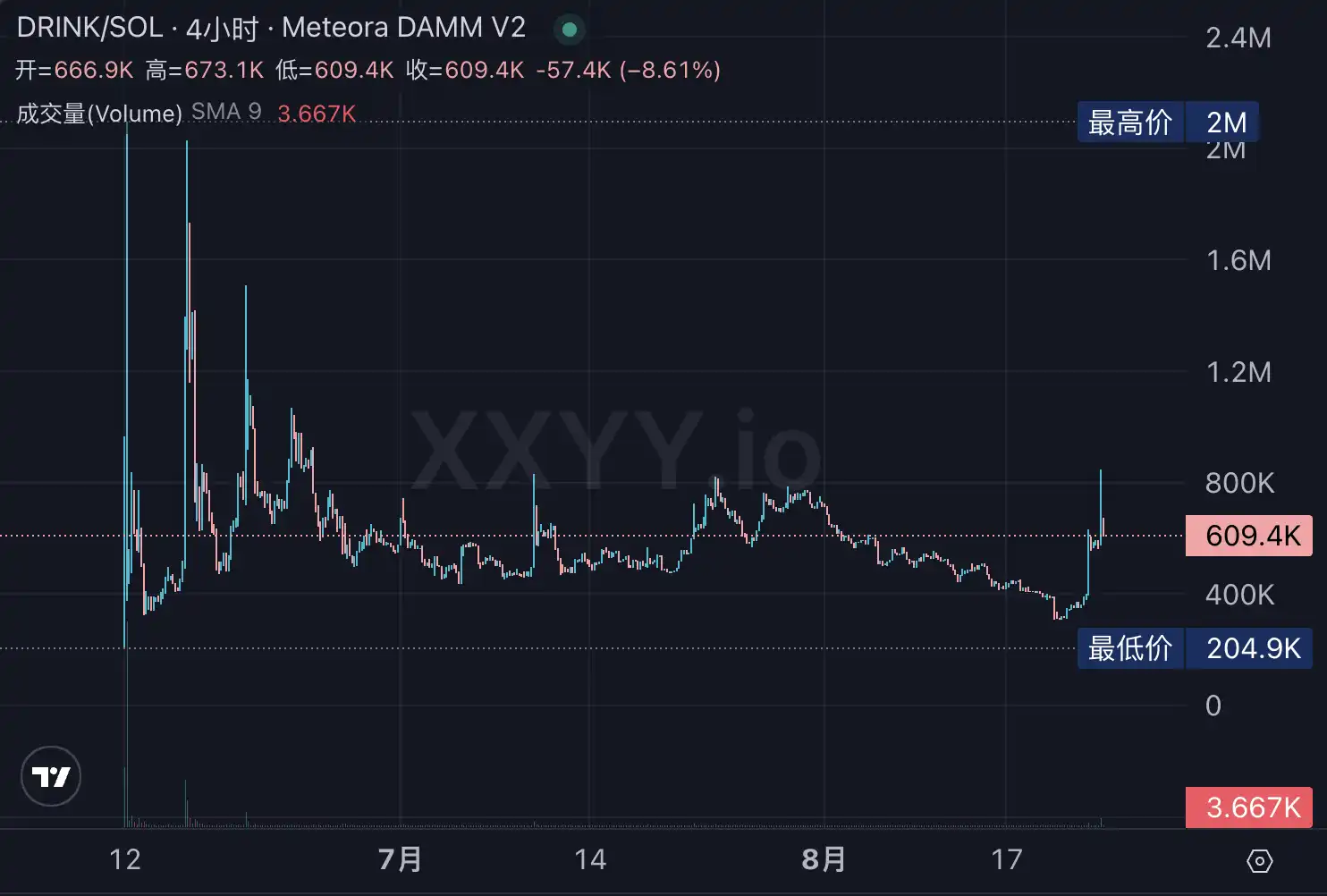
$Drink:酒类资产的 microstrategy

BAXUS 是 DAOS.FUN 平台关注的一个 RWA 项目,获得 baoskee 和知名投资人 Mike Dudas 等的推荐。该项目在 Solana 网络上打造了一个高端威士忌和葡萄酒的链上交易市场,旨在解决传统高端酒类收藏市场效率低、流动性差的问题。在 BAXUS 平台,稀有酒瓶可获得可信的数字所有权凭证:藏家将实体酒瓶送至 Baxus Vault 专业恒温仓库存放后,每瓶酒都会被高精度扫描并铸造成唯一的 NFT,作为该瓶酒的链上所有权证明。买卖双方可以随时全球接入,并支持信用卡、ACH、电汇以及加密货币/USDC 等多种支付方式进行交易。用户可以查看每款酒的实时价格走势、交易量和历史记录等信息,而且任何在 BAXUS 交易或仓储的酒瓶都可随时选择提取实物或继续留在 Vault 中转卖,交易效率远高于传统拍卖模式。

而 Drink 则是 Baxus 创始人推动的 DAO 组织的代币,他推出了一个酒精「微策略」概念:
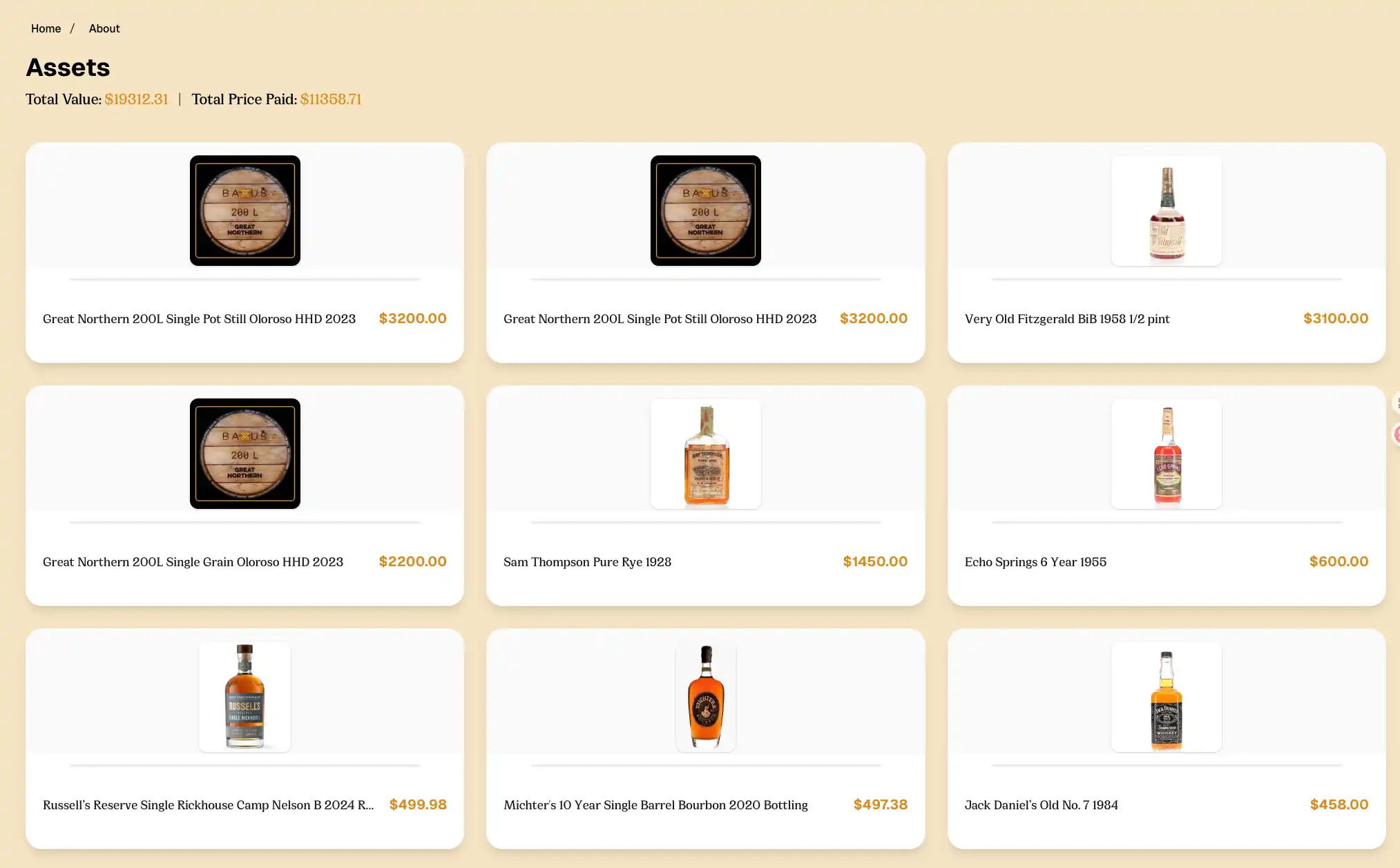
DAO 的成员可以选择对特殊酒种或木桶酒的收购、管理和最终命运进行投票。决定是出售、持续持有还是分享(喝了)。
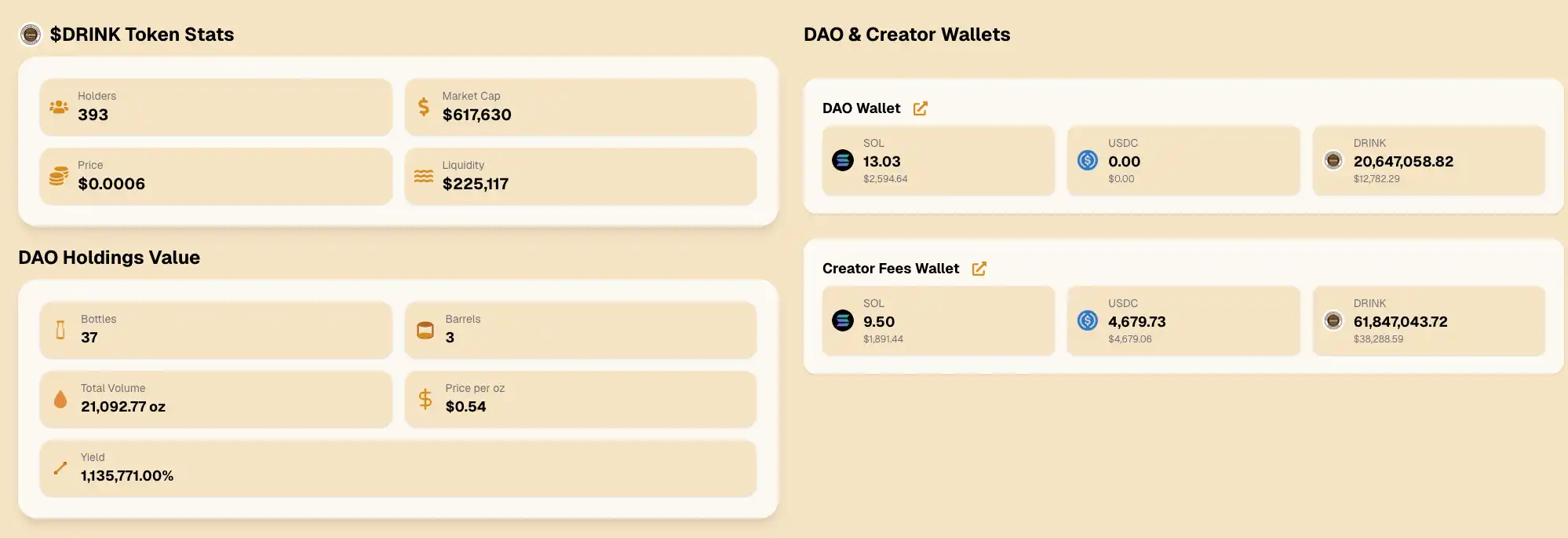
在昨日 LLM 爆火之际,Baoskee 还顺势推荐了一下 Drink,也让其价格在短时间内上涨 100%,现报价 60 万美元市值。

Twitter:https://twitter.com/BitpushNewsCN

比推 TG 交流群:https://t.me/BitPushCommunity

比推 TG 订阅: https://t.me/bitpush

说明: 比推所有文章只代表作者观点,不构成投资建议

Letture associate

In the Era of Agent Users, Where Does Crypto Value Flow?

Title: Who Makes Money from Agents? The rise of AI Agents as potential blockchain users raises a crucial question: if they become the next billion users, who will capture the value? Traditional crypto value capture theories—like "fat protocols" (where value accrues to the base layer) and "fat applications" (where value accrues to user-facing apps)—assume human users who value UX, brand, and convenience. Agents, however, operate differently: they interact via APIs, have no brand loyalty, and can switch services with near-zero cost. This shift could disrupt existing value flows. Applications might become "headless," offering their routing and infrastructure as APIs to Agents. Alternatively, Agents might bypass intermediaries entirely, allowing protocols to regain value capture ("fat protocols" reborn). A more extreme scenario is that Agents, being purely rational and cost-sensitive, could commoditize the entire stack, compressing margins toward marginal cost and turning crypto into a low-margin utility. However, Agents may not just amplify existing activities; they could enable entirely new ones—like continuous, sub-penny portfolio rebalancing, machine-to-machine commerce, and new market types only viable at automated speeds. This expands the economic pie rather than just redistributing it. Ultimately, the key question for builders is: what will make an Agent return to your service instead of a cheaper alternative? The answer may not be UX but factors like liquidity, latency, settlement guarantees, or a yet-unnamed business model. As humans and Agents will coexist as users, value capture may split: "fat apps" for human-facing services, and a new, evolving model for the Agent-dominated layer.

marsbit22 min fa

In the Era of Agent Users, Where Does Crypto Value Flow?

marsbit22 min fa

Base MCP, The Next Step for x402

Base has officially launched Base MCP, allowing users to connect their Base Account to AI Agents to perform actions like swaps, transfers, portfolio tracking, and transaction history queries through conversational commands. This move aligns with Base's strategic focus on AI, driven by the broader competition in the emerging Agent-to-Agent payment sector. The evolution of Agent payments has accelerated. In late 2024, the primary method involved insecure browser automation. By 2025, solutions like Coinbase's x402 (providing crypto wallets for Agents), Google's AP2, and Visa's token-based system emerged. x402 has since processed 176 million transactions totaling over $70 million, with a median value between $0.01 and $0.10. Stablecoins, particularly USDC, dominate these settlements due to their negligible transaction costs compared to traditional payment fees, which are prohibitive for micro-payments. Coinbase faces competition from Stripe, which has built a comparable infrastructure for Agent payments with its Tempo blockchain, Privy wallets, Bridge routing (acquired for $1.1B), and the recently launched MPP protocol. Both companies are now competing at the application layer. The core reason AI is central to Base's strategy is to expand the scenarios for Agent payments, ensuring more transactions occur on its network. By securing a dominant position and scale advantage in this nascent field, Coinbase aims to capture the future commercial potential of Agent-driven payments. The launch of Base MCP is thus a strategic step in this larger ambition.

marsbit28 min fa

Base MCP, The Next Step for x402

marsbit28 min fa

Reframing Ethereum's Valuation: Why the Fee Model is Wrong, and the 'Treasury Logic' is the Future?

"Rethinking Ethereum's Value: The 'Vault Logic' Framework" Traditional valuation models incorrectly treat Ethereum as a company, valuing ETH based on transaction fees ("revenue"). This is flawed. Fees are network friction; a successful network aims to reduce them to zero. Ethereum's average fee has dropped from over $50 in 2021 to around $0.20 today, while transaction volume has tripled. Instead, view Ethereum as a digital vault securing ~$250 billion in on-chain assets (stablecoins, RWAs, L2 bridged funds, wBTC, etc.). Post-merge, Ethereum's security is directly purchased with its own asset: ETH. To attack the network, an attacker must acquire and control staked ETH. Therefore, the vault's security level is intrinsically tied to ETH's market value. Currently, the value of all staked ETH is only ~$72B, protecting ~$250B in assets—a dangerous imbalance. For robust security, the staked ETH securing the network should be valued significantly *higher* than the total value it protects. Applying a conservative security multiplier suggests ETH's fair value should be closer to ~$6,900 (vs. ~$2,070 currently). As on-chain asset value grows into the trillions, ETH's price must rise proportionally to maintain this security budget. Comparisons to free infrastructure like Linux or low-margin utilities like the DTCC are misguided. Their security is provided externally (community, law, banks). Ethereum's security is internal and must be purchased in the open market using ETH. ETH is not the clearinghouse; it is the collateral backing it. The model is not a short-term price predictor but a structural framework. The economic force for ETH appreciation grows monotonically with the adoption of Ethereum for settling value. The narrative that high fees are good is backwards; low fees enable more activity, which increases the value needing protection, thus demanding a more valuable ETH.

marsbit34 min fa

Reframing Ethereum's Valuation: Why the Fee Model is Wrong, and the 'Treasury Logic' is the Future?

marsbit34 min fa

Justin Sun’s Interview with Hurun Report: A New Order and Certainty for Value Flow in the Era of Transformation

In an interview with *Hurun Report*, Justin Sun, founder of TRON, discussed the evolution of the Web3 industry as it moves from initial exploration to large-scale adoption. He emphasized that the core value of blockchain lies in building an open and inclusive internet of value, enabling anyone globally to transfer and use funds efficiently and at low cost, regardless of location or access to banking. Sun highlighted that projects with lasting impact are those built on genuine demand and real-world usage. He pointed to the stablecoin payment ecosystem as the most mature and scalable application currently, noting that TRON has rapidly become one of the world's largest stablecoin networks. The circulation of USDT on TRON has surpassed $86.3 billion, driven by actual use cases such as cross-border transfers and daily payments, demonstrating strong network effects. Regarding strategy, Sun outlined a methodology combining data-driven iteration, rapid execution, and user-centric focus. He cited the decision to partner with Tether to launch TRC-20 USDT as a key strategic move, based on an assessment of market trends and long-term potential, which has become a significant growth engine for the TRON ecosystem. On globalization, Sun stressed the importance of local compliance and cultural adaptation, noting that success in different markets depends on deep understanding and local partnerships. He also addressed the convergence of AI and blockchain, describing it as a transformative direction where blockchain provides decentralized infrastructure for AI, while AI enhances the intelligence and user experience of blockchain systems. For industry participants and young entrepreneurs, Sun advised continuous learning and adaptability in a fast-changing environment, focusing on building irreplaceable core strengths rather than spreading resources too thinly. Through infrastructure development, global strategy, and technological foresight, TRON aims to advance the practical implementation and evolution of the value internet.

marsbit1 h fa

Justin Sun’s Interview with Hurun Report: A New Order and Certainty for Value Flow in the Era of Transformation

marsbit1 h fa

Samsung Leverages Technology Cycles, SK Hynix Relies on HBM, What Enabled Micron to Win a Trillion-Dollar Market Cap?

Micron Technology, the Idaho-based memory chip maker, recently saw its market cap surpass $1 trillion, securing its position as one of the top three DRAM manufacturers alongside Samsung and SK Hynix. Its survival and growth story is marked by a unique combination of political maneuvering and hard-won manufacturing efficiency, but also strategic missteps that now challenge its future. Founded in 1978 in Boise without significant government or capital backing, Micron repeatedly turned to Washington for survival during critical junctures. In the 1980s, it filed anti-dumping complaints against Japanese firms, leading to the U.S.-Japan Semiconductor Agreement. Ironically, this created an opening for Samsung, which Micron had earlier licensed its 64K DRAM technology to. In 2002, Micron avoided heavy fines in a price-fixing investigation by acting as a whistleblower against its competitors, cementing its reputation as a "political opportunist." A major strategic error occurred in 2013 with its $2.5 billion acquisition of bankrupt Japanese firm Elpida. This deal burdened Micron with integrating incompatible manufacturing processes just as the industry was pivoting toward HBM (High Bandwidth Memory), a critical technology for AI. SK Hynix had launched its first HBM chip that same year. By the time AI demand exploded with ChatGPT in 2022, SK Hynix commanded about 85% of the HBM3 market, while Micron, playing catch-up, held only around 3%. In 2017, Micron employed similar tactics against a new competitor, Chinese startup Fujian Jinhua, by alleging intellectual property theft, which led to U.S. sanctions effectively crippling the firm. However, this strategy backfired in 2023 when China banned Micron's products from its critical infrastructure, causing its revenue share from China to plummet from 14% in FY2023 to just 7.1% by FY2025. Today, Micron faces a triple squeeze: it lags in the high-margin HBM race, faces pricing pressure in low-end DRAM from Chinese manufacturers like CXMT, and has lost crucial access to the booming Chinese AI server market. Despite its political strategies, Micron's core strength is its exceptional manufacturing cost control, achieved through decades of engineering. Its DRAM chips have a smaller cell area than its rivals, yielding more chips per wafer. This efficiency has been vital for weathering industry downturns. However, this advantage cannot compensate for the decade lost in HBM development. Micron is now racing to ramp up production of its HBM3E, certified by NVIDIA, and develop HBM4. Its future hinges on whether it can close this technological "time debt" through relentless R&D and execution, in a marathon where its competitors, having started earlier, are not slowing down.

marsbit1 h fa

Samsung Leverages Technology Cycles, SK Hynix Relies on HBM, What Enabled Micron to Win a Trillion-Dollar Market Cap?

marsbit1 h fa

Trading

Spot
Futures

Articoli Popolari

Cosa è MEME 2.0

Memecoin 2.0: L'Ascesa di $MEME 2.0 nel Mondo delle Criptovalute Introduzione Nel panorama in continua evoluzione delle criptovalute, è emerso un nuovo contendente. Memecoin 2.0, simboleggiato come $MEME 2.0, porta il concetto di meme coin a un livello emozionante. Come prodotto derivato dal Memecoin originale, questo progetto ha catturato l'attenzione della comunità crypto spostando il focus da incentivi finanziari tipici a un'esperienza coinvolgente e divertente. Operando sulla blockchain di Ethereum, Memecoin 2.0 ridefinisce audacemente l'impegno della comunità nella sfera crypto. Che cos'è Memecoin 2.0, $MEME 2.0? Alla base, Memecoin 2.0 è un progetto di criptovaluta che dà priorità allo spirito di comunità e al divertimento associato alla cultura meme. A differenza delle criptovalute convenzionali, che si concentrano su casi d'uso pratici e benefici tangibili, Memecoin 2.0 si distingue abbracciando il lato più leggero della moneta digitale. Il progetto esiste senza promesse di utilità, una roadmap strutturata o ritorni finanziari, concentrandosi invece sulla creazione di una comunità vibrante incentrata sui meme e sul divertimento condiviso. Facendo così, attinge alla crescente tendenza della cultura meme nello spazio online, rendendola un giocatore unico nel mondo degli asset digitali. Creatore di Memecoin 2.0, $MEME 2.0 Nonostante ricerche approfondite sulle origini di Memecoin 2.0, l'identità esplicita del suo creatore rimane sconosciuta. Questa anonimità non è rara nella comunità crypto, dove molti progetti sono guidati da individui o gruppi che preferiscono rimanere dietro le quinte. La mancanza di informazioni pubblicamente disponibili sul creatore potrebbe essere vista come una mossa strategica, mettendo in evidenza l'impegno della comunità piuttosto che la notorietà individuale all'interno dello spazio. Investitori di Memecoin 2.0, $MEME 2.0 Le informazioni riguardanti gli investitori o il supporto finanziario per Memecoin 2.0 sono scarse. Questa assenza di dettagli potrebbe suggerire che il progetto sia autofinanziato o che il suo focus sulla comunità piuttosto che sulle strutture d'investimento tradizionali abbia attratto un tipo diverso di sostenitore. Poiché il mondo delle meme coin coinvolge tipicamente un maggior coinvolgimento di base piuttosto che investimenti istituzionali, questo approccio si allinea con l'etica dei progetti guidati dalla comunità. Come funziona Memecoin 2.0, $MEME 2.0? Memecoin 2.0 opera interamente sulla blockchain di Ethereum, capitalizzando le sue robuste caratteristiche di sicurezza e scalabilità. Sfruttando i punti di forza di Ethereum, Memecoin 2.0 può offrire un ambiente sicuro per le interazioni degli utenti garantendo che le transazioni siano sia efficienti che convenienti. Uno degli attributi unici di Memecoin 2.0 risiede nella sua struttura guidata dalla comunità. Il valore e la popolarità del token $MEME 2.0 derivano dalla partecipazione attiva dei suoi utenti, piuttosto che dalla utilità intrinseca. Questo design rinforza il focus del progetto sull'aspetto dell'intrattenimento delle criptovalute, implicando che la risata e l'impegno della comunità siano le vere monete che guidano il suo successo. Inoltre, il progetto si inserisce all'interno dell'ecosistema più ampio delle meme coin, dove il valore di ciascuna meme coin oscilla in base alla cultura, alle tendenze e all'impegno della comunità piuttosto che ai principi economici tradizionali. Cronologia di Memecoin 2.0, $MEME 2.0 Per comprendere meglio l'evoluzione e le pietre miliari di Memecoin 2.0, ecco una cronologia che evidenzia eventi significativi nella sua storia: 2024: L'inizio di Memecoin 2.0 è riconosciuto come un ramo del Memecoin originale, affermandosi all'interno del contesto fiorente delle meme coin mentre opera sulla blockchain di Ethereum. 13 luglio 2024: Memecoin 2.0 si posiziona ufficialmente come una meme coin incentrata sulla comunità sulla rete Ethereum, enfatizzando il suo approccio centrato sull'intrattenimento che invita gli utenti a impegnarsi e partecipare alla sua crescita. Punti Chiave su Memecoin 2.0, $MEME 2.0 Diverse caratteristiche critiche definiscono Memecoin 2.0: Approccio Centrico alla Comunità: La missione principale di Memecoin 2.0 è creare un'esperienza comunitaria divertente e coinvolgente, capitalizzando il piacere collettivo derivante dalla cultura memetica. Costruita su Ethereum: Operare sulla blockchain di Ethereum fornisce al progetto un'infrastruttura essenziale che garantisce sicurezza e scalabilità. Mancanza di Utilità o Roadmap: In una marcata deviazione dalle criptovalute tradizionali, Memecoin 2.0 non promette alcuna caratteristica utilitaria o ritorni finanziari, riaffermando il suo impegno per il coinvolgimento della comunità e l'impegno sociale. Focus sulla Cultura Memetica: Abbracciando gli aspetti umoristici e culturali del fenomeno meme, Memecoin 2.0 offre una piattaforma per gli utenti per interagire con la crypto offline e online. Ulteriore Contesto: L'Importanza delle Meme Coin Le meme coin sono emerse come una classe distinta di criptovaluta, spesso guidata dall'umorismo e da un approccio spensierato al trading. Queste monete generalmente mancano di significative utilità o roadmap di sviluppo, attirando gli utenti con la promessa di divertimento, interazione comunitaria e rilevanza culturale. Nel panorama del più ampio ecosistema crypto, le meme coin rianimano l'importanza dell'impegno della comunità, opponendosi ad approcci esclusivamente orientati al profitto. Progetti come Memecoin 2.0 danno il via a un'era in cui l'intrattenimento può armonizzarsi con le aspirazioni finanziarie, trasformando la blockchain in un parco giochi per la creatività e l'interazione sociale. Conclusione Memecoin 2.0, o $MEME 2.0, incarna una nuova ondata di criptovaluta che dà priorità all'impegno della comunità rispetto a rigidi strutture finanziarie. Con un focus sull'umorismo e l'interazione sociale, capitalizza sulla fascinazione circondante la cultura meme. Operando sulla blockchain di Ethereum, Memecoin 2.0 sfrutta le capacità della tecnologia mantenendo fermo il suo impegno per il valore ricreativo della valuta digitale. Mentre lo spazio delle criptovalute continua a evolversi, Memecoin 2.0 serve come testimonianza della nozione che il futuro degli asset digitali potrebbe ben dipendere da esperienze condivise, risate e solidi legami comunitari. Nel mondo imprevedibile delle crypto, forse la gioia può essere altrettanto preziosa quanto il guadagno finanziario tradizionale.

93 Totale visualizzazioniPubblicato il 2024.04.04Aggiornato il 2024.12.03

Cosa è MEME 2.0

Come comprare MEME

Benvenuto in HTX.com! Abbiamo reso l'acquisto di Memeland (MEME) semplice e conveniente. Segui la nostra guida passo passo per intraprendere il tuo viaggio nel mondo delle criptovalute.Step 1: Crea il tuo Account HTXUsa la tua email o numero di telefono per registrarti il tuo account gratuito su HTX. Vivi un'esperienza facile e sblocca tutte le funzionalità,Crea il mio accountStep 2: Vai in Acquista crypto e seleziona il tuo metodo di pagamentoCarta di credito/debito: utilizza la tua Visa o Mastercard per acquistare immediatamente MemelandMEME.Bilancio: Usa i fondi dal bilancio del tuo account HTX per fare trading senza problemi.Terze parti: abbiamo aggiunto metodi di pagamento molto utilizzati come Google Pay e Apple Pay per maggiore comodità.P2P: Fai trading direttamente con altri utenti HTX.Over-the-Counter (OTC): Offriamo servizi su misura e tassi di cambio competitivi per i trader.Step 3: Conserva Memeland (MEME)Dopo aver acquistato Memeland (MEME), conserva nel tuo account HTX. In alternativa, puoi inviare tramite trasferimento blockchain o scambiare per altre criptovalute.Step 4: Scambia Memeland (MEME)Scambia facilmente Memeland (MEME) nel mercato spot di HTX. Accedi al tuo account, seleziona la tua coppia di trading, esegui le tue operazioni e monitora in tempo reale. Offriamo un'esperienza user-friendly sia per chi ha appena iniziato che per i trader più esperti.

291 Totale visualizzazioniPubblicato il 2024.12.12Aggiornato il 2025.03.21

Come comprare MEME

Discussioni

Benvenuto nella Community HTX. Qui puoi rimanere informato sugli ultimi sviluppi della piattaforma e accedere ad approfondimenti esperti sul mercato. Le opinioni degli utenti sul prezzo di MEME MEME sono presentate come di seguito.

活动图片