YZY全网首狙、TRUMP获利上亿,Naseem究竟是天才还是内鬼?

Odaily星球日报Pubblicato 2025-08-22Pubblicato ultima volta 2025-08-22

原创 | Odaily 星球日报(@OdailyChina

作者|Azuma(@azuma_eth

北京时间 8 月 21 日,顶级巨星 Kanye 正式发布了个人 Meme 代币 YZY,并引发了市场的集体热潮 —— 详见《侃爷发币,“新 YZY”再掀名人 Meme 热潮 or 又是一场收割局?》。

GMGN 行情显示,YZY 昨日一度上冲至 3.0783 美元,对应市值约 30.78 亿美元,截至发文虽已大幅回落,但仍报 0.827 美元,对应市值约 8.27 亿美元。

在 YZY 造就了又一批暴富故事(当然也有更多人亏损)的同时,链上追迹协议 Bubblemaps 却发现了一些不一样的线索。

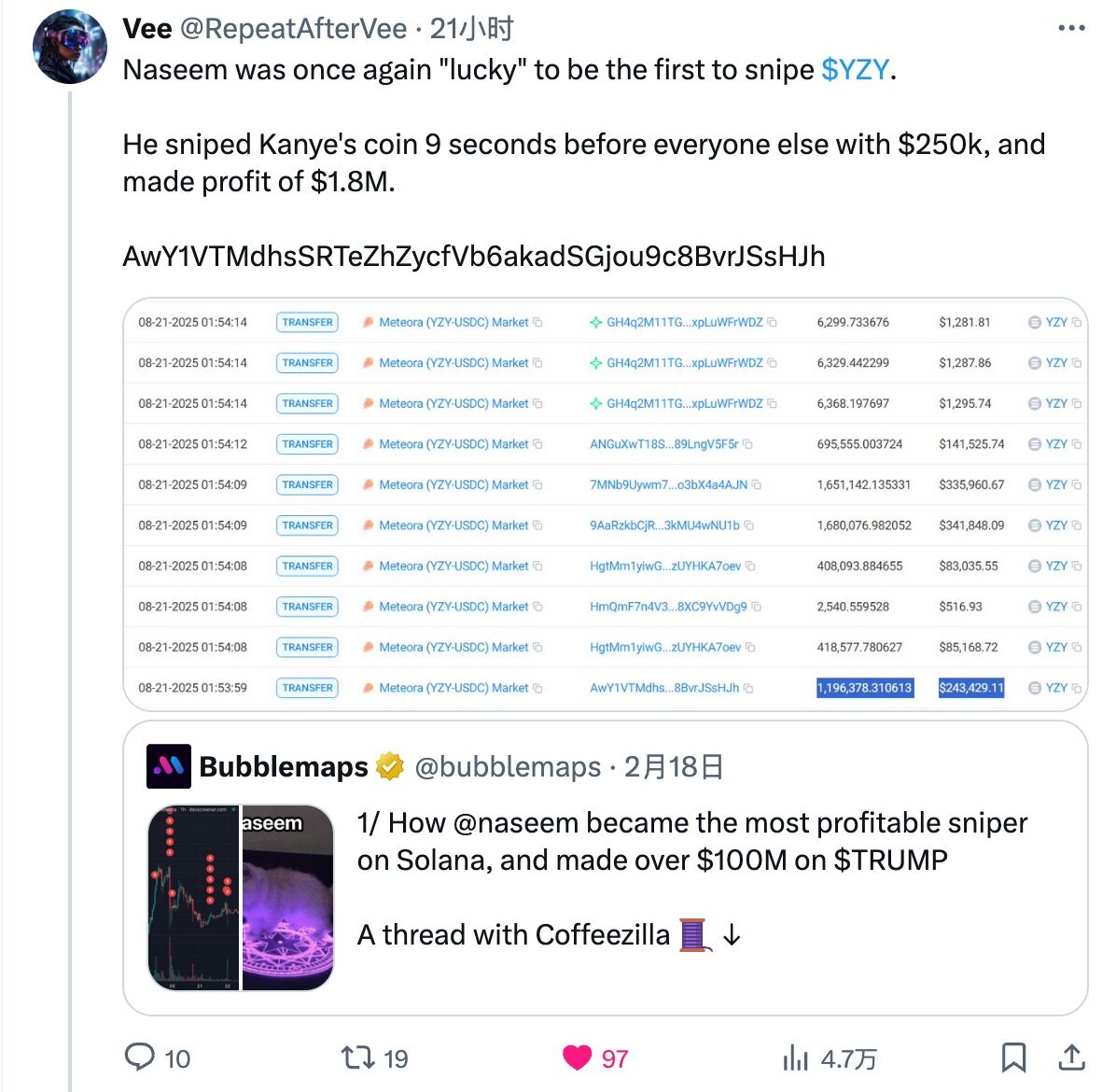
8 月 22 日早间,Bubblemaps 基于推特用户 Vee(@RepeatAfterVee)所贡献的线索披露,真正意义上首个交易 YZY 的用户极有可能是此前曾通过狙击 TRUMP 获利 1 亿美元的匿名交易员 Naseem,更令人惊异的是,除去 TRUMP、YZY 之外,Nassem 还曾通过狙击 LIBRA、HAWK 获利颇丰。
早在今年 2 月,Bubblemaps 就曾在调查 TRUMP 狙击情况是找到了 Naseem 的踪迹。

当时,Bubblemaps 发现某个 6QSc2 开头的地址在 TRUMP 上线之初便抢购了 109 万美元的代币,随后将仓位分散至多个地址,最终获利 1.09 亿美元。
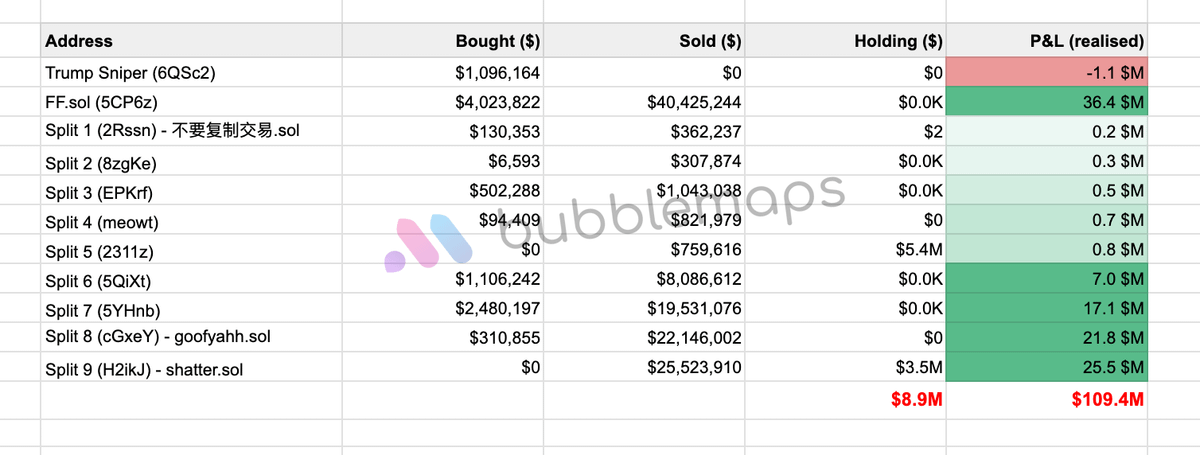
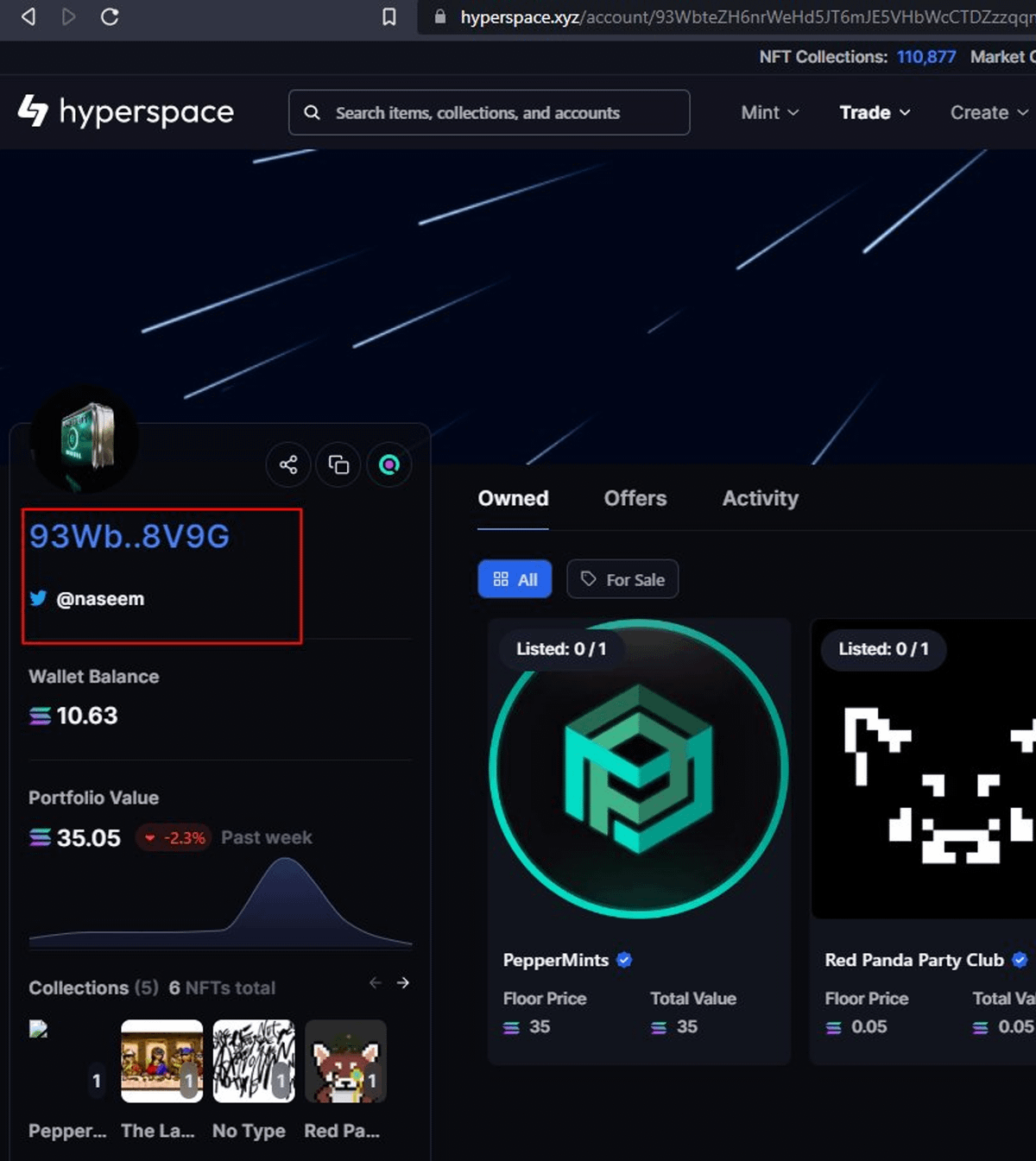
之后,Bubblemaps 又通过地址之间的资金关联发现了一个 93Wb 开头的地址,并通过 Hyperspace 将该地址定位到了推特账户 Naseem(@naseem)。
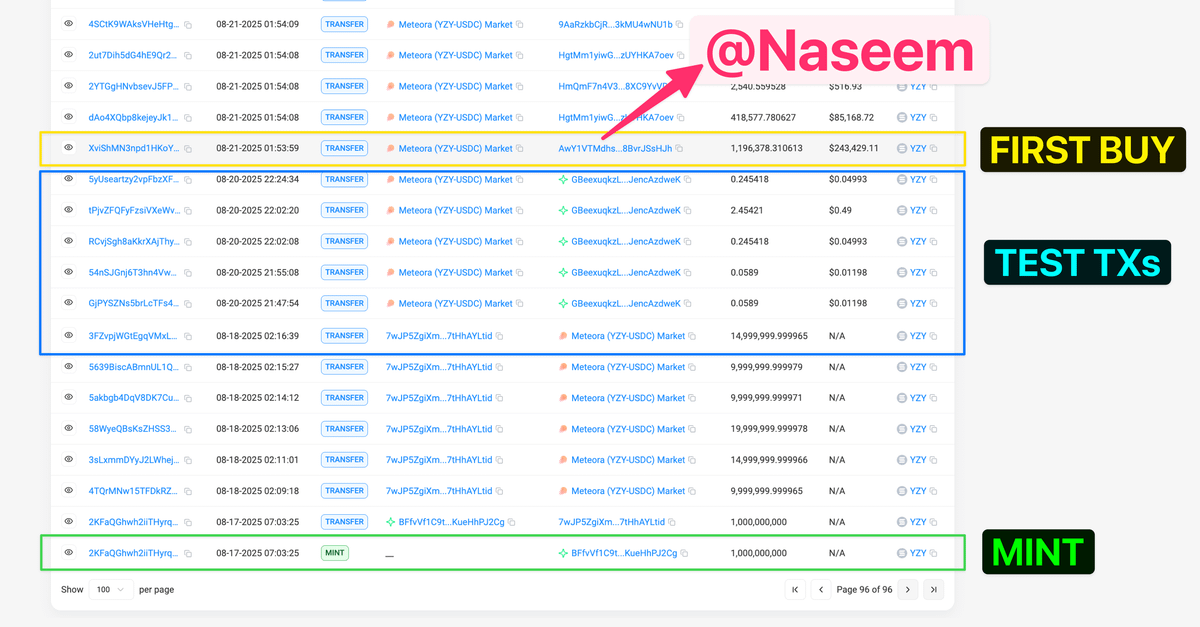
回到最新的时间线,YZY 最初创立于 8 月 17 日,随后的所有早期交易都来自团队地址,第一次真正的购买发生在 8 月 21 日,当时 AwY1V 开头的地址购买了 25 万美元。
Bubblemaps 跟进调查发现,该地址与 Naseem 的相关地址之间存在极高的链上相关性,其中还包括直接狙击 LIBRA 和 TRUMP 的地址吗,因此确信 AwY1V 开头地址就属于 Naseem。
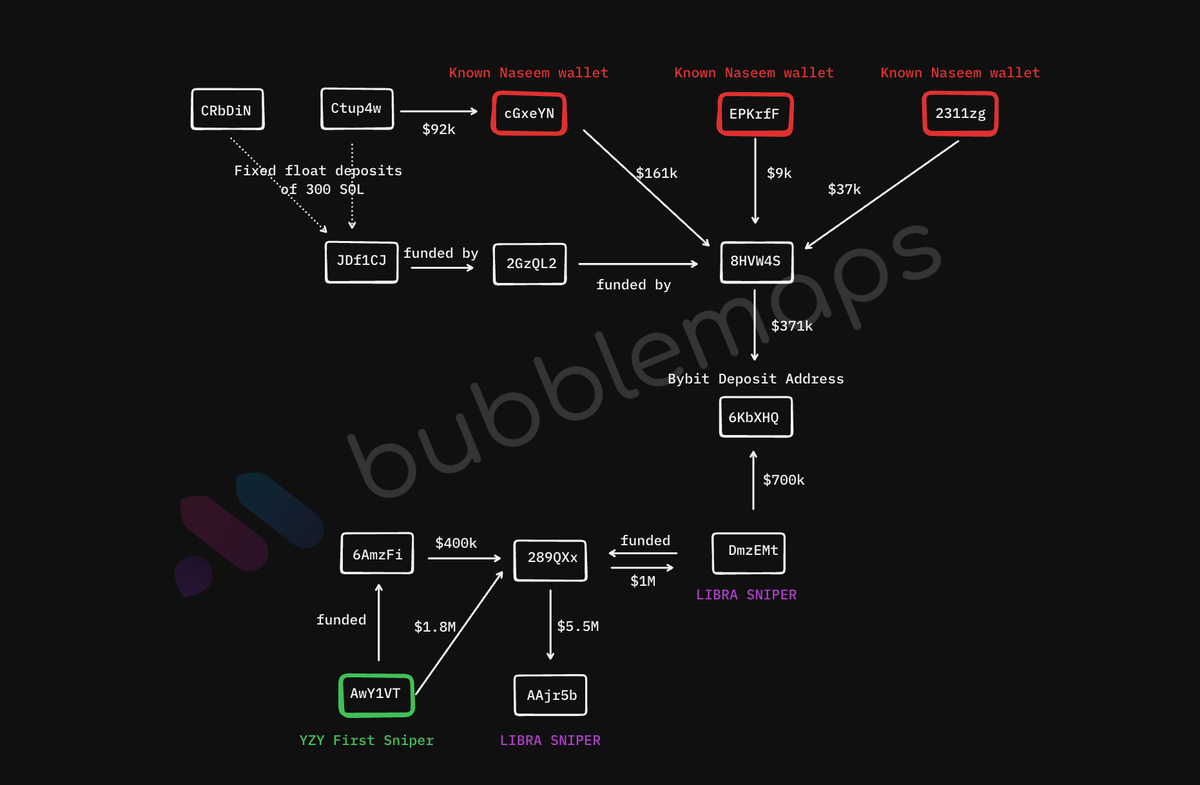
截至 Bubblemaps 发文,Naseem 已经卖掉了他最初购买的 25 万美元中的 80 万美元,目前仍然持有 60 万美元,但不排除他还使用了其他地址。

Bubblemaps 就此提出质疑表示,虽然从链上记录来看 Naseem 的狙击技巧无可否认,但这笔交易再次引发了社区疑问 —— 他是如何成为首个交易 YZY 的用户的?他为什么能连续狙击每一次重大代币的发射?这到底是技能优势,还是他知道一些其他事情?

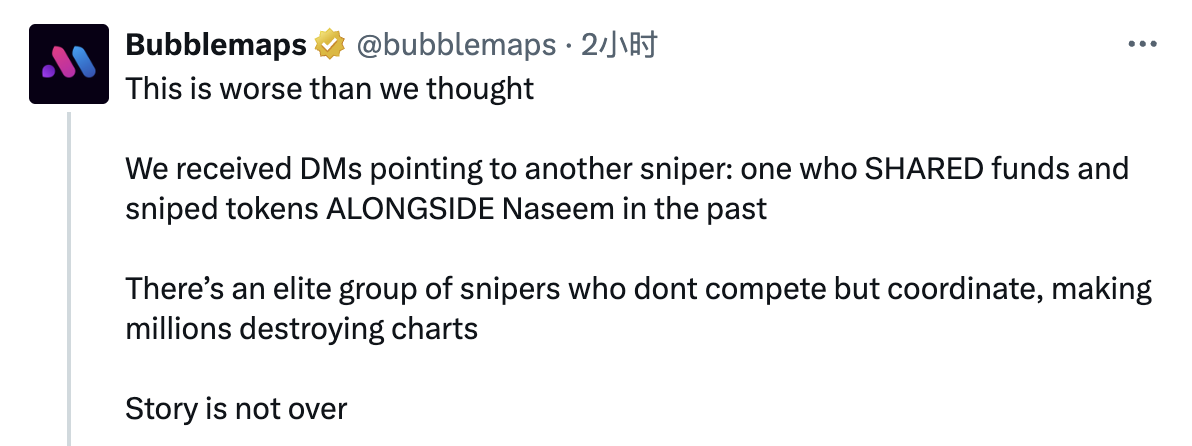
在发布了关于 Naseem 狙击 YZY 的调查情况后 5 个小时,Bubblemaps 再次发文表示:“情况可能比想象的更糟糕,我们收到了指向另一名狙击高手的私信,此人曾与 Naseem 共享资金并协同进行代币狙击 —— 存在一个精英狙击团伙,他们并非相互竞争而是协同作案,旨在破坏币价走势并从中获利。事件仍在持续发酵中。

在 Bubblemaps 相关调查的下方,也有一些用户贴出了其他一些与 YZY 相关的疑似内幕交易线索,比如某个叫作 Mikey Shelton 的疑似内幕人士曾公开吹嘘自己的交易“战绩”,但这些线索是否与 Nassem 存在关联仍未可知。
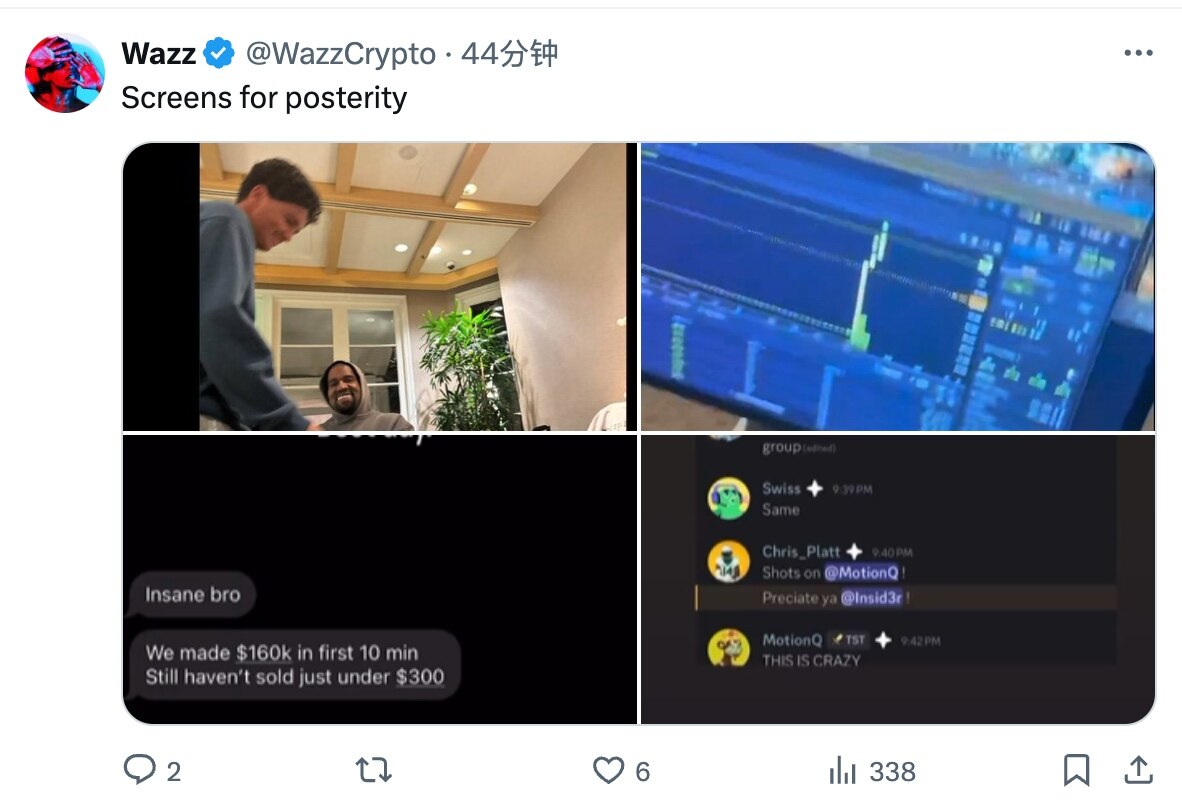
谜题暂时仍未解答,但随着线索的不断积累,或许时间很快就会告诉我们答案。


Letture associate

Apple Re-invented Image Compression with AI: Same Quality, One-Third the File Size

Apple’s PICO: An AI-Powered Image Codec That Cuts File Size by Two-Thirds at Equal Perceived Quality In 2025, JPEG AI became the first international standard for learned image compression. However, it, like most codecs, still prioritizes mathematical metrics like PSNR over true perceptual quality—what the human eye finds pleasing. Apple researchers have introduced PICO (Perceptual Image Codec), a neural codec designed to optimize for human perception. It tackles key practical challenges: 1) Speed: A novel "one-shot context model" accelerates entropy encoding without sacrificing compression efficiency. 2) Artifacts: A dedicated TextFidelity loss preserves text clarity, and a TilingArtifact loss eliminates color seams between image tiles processed in parallel. 3) Control: It avoids the "hallucinations" common in GAN-based perceptual models. In a large-scale human evaluation (74,925 comparisons), PICO achieved the same perceived quality as standards like AV1, VVC, and JPEG AI while using only 30-43% of the bitrate. It also outperforms other learned perceptual codecs by 20-40%. Remarkably, it runs in 230ms (encode) and 150ms (decode) on an iPhone 17 Pro Max. While less efficient on synthetic graphics, PICO represents a significant shift from optimizing mathematical scores to directly targeting human visual experience, making high-quality perceptual compression practical for consumer devices. The work builds on expertise from WaveOne, whose team joined Apple and previously advanced neural video compression.

marsbit3 min fa

Apple Re-invented Image Compression with AI: Same Quality, One-Third the File Size

marsbit3 min fa

Shanghai's Leading Large Model Company Initiates A-Share Listing

Shanghai-based AI large language model leader MiniMax has initiated the process for an A-share listing in China, having filed a pre-IPO tutoring report with the Shanghai Securities Regulatory Bureau on May 29. This move positions it to compete with Zhipu AI for the title of the first major domestic LLM company to list on the A-share market. Having already completed an IPO in Hong Kong in January 2026, MiniMax's stock price has surged approximately 409% since its debut, with its market capitalization reaching around HK$263.45 billion (approximately RMB 227.55 billion) as of May 29. The company's rapid growth is supported by strong business performance. Its Annual Recurring Revenue (ARR) has grown over 100% in the past two months and now exceeds $300 million. It serves over one million global enterprise and developer clients and has around 300 million users worldwide. For the full year 2025, MiniMax reported revenue of $79.038 million, with a gross margin of 25.4%. While it reported an adjusted net loss of $250 million, the loss rate has narrowed significantly year-over-year. On the product front, MiniMax has released several flagship models this year, including MiniMax-M2.5, M2.6, and M2.7, with the first and last being open-sourced. Its models gained significant traction earlier in the year, briefly becoming the top model provider by usage share on the OpenRouter platform in February. The company has also upgraded its AI agent product, now named Mavis, and is preparing to launch its next-generation MiniMax-M3 model. Technical previews indicate M3 will feature a novel "MiniMax Sparse Attention" mechanism, promising substantial improvements in inference speed. MiniMax's push for an A-share listing reflects a broader trend among China's leading AI firms, including Zhipu AI, Moonshot AI, StepFun, and 01.AI, to seek public listings. This strategy aims to secure broader financing channels to support the immense computational costs and ongoing commercialization efforts inherent in developing advanced large language models.

marsbit5 min fa

Shanghai's Leading Large Model Company Initiates A-Share Listing

marsbit5 min fa

Trading

Spot
Futures
活动图片