Odin.fun потеряла 7 миллионов долларов в BTC из-за эксплойта

cryptonews.ruPubblicato 2025-07-12Pubblicato ultima volta 2025-08-13

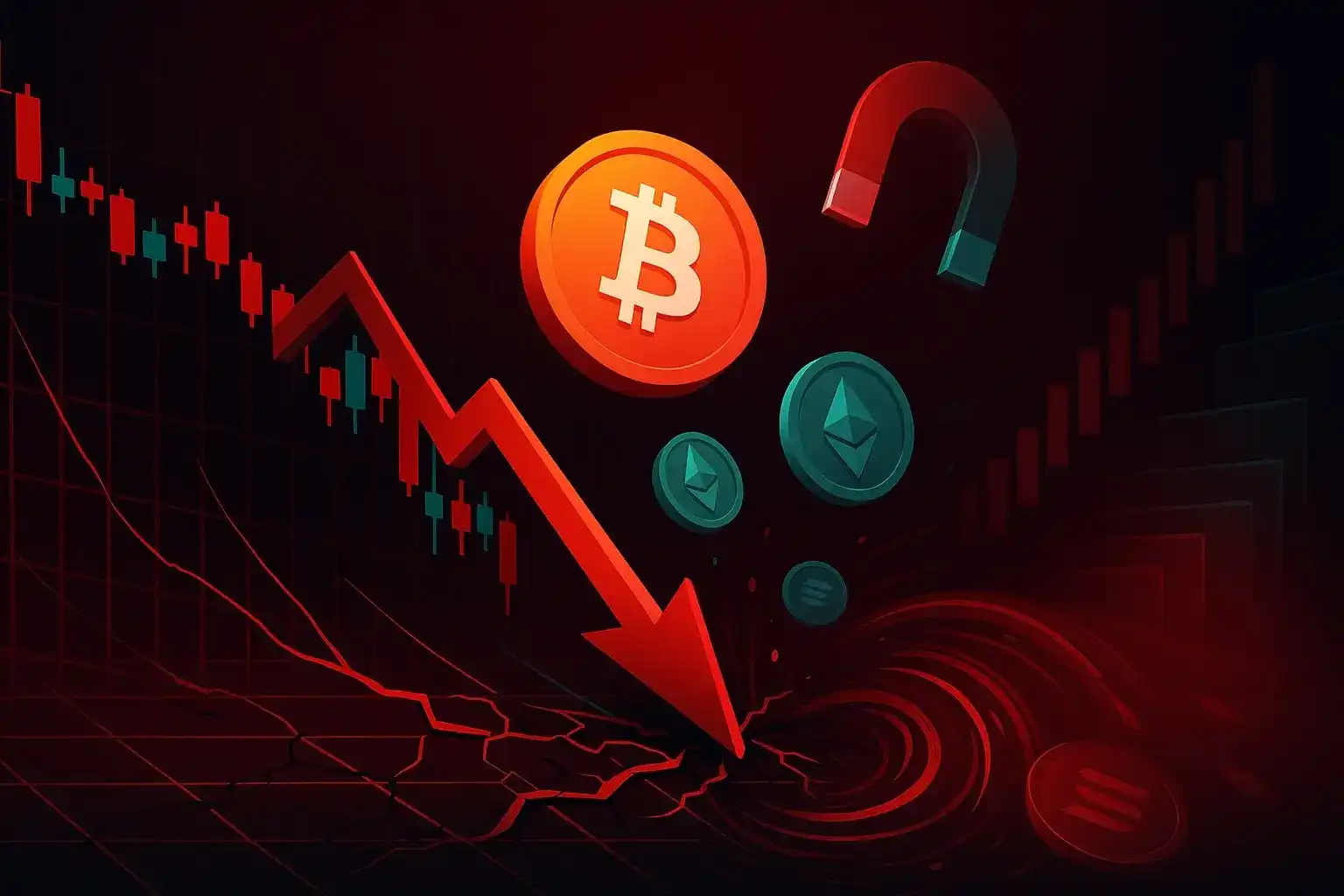
По данным аналитиков PeckShield, платформа Odin.fn, специализирующаяся на запуске мемкоинов в биткоин-сети, стала жертвой атаки с манипулированием ликвидностью. В результате инцидента было похищено 58,2 BTC (около 7 миллионов долларов).

Механизм атаки и динамика убытков

Как сообщил пользователь web3xiaoba, злоумышленники искусственно завысили цены токенов (включая SATOSHI), добавив ликвидность, а затем вывели средства, получив прибыль в биткоинах. За два часа баланс BTC на платформе сократился с 291 до 232,8 BTC.

Реакция команды Odin.fun

Спустя восемь часов после взлома соучредитель проекта Боб Бодили заявил в X (бывший Twitter), что команда продолжает оценивать масштабы ущерба.

Из заявления Бодили:
«Точный объем утраченных BTC пока устанавливается, но текущих резервов компании недостаточно для компенсации. Оставшиеся средства на платформе находятся в безопасности».

Причина уязвимости

Бодили пояснил, что атака стала возможной из-за критической ошибки в автоматизированном инструменте маркетмейкинга. По его словам, уязвимостью воспользовались несколько злоумышленников, преимущественно связанных с китайскими структурами.

(Примечание: PeckShield — одна из ведущих компаний в сфере блокчейн-безопасности, специализирующаяся на отслеживании криптовалютных краж и мошеннических схем.)


Crypto di tendenza

Letture associate

Token Economy Surges, Have Ordinary People Got a Slice of the Pie?

Token Frenzy: Is the Average Person Getting a Piece of the Pie? As AI adoption soars in China, daily Token consumption—the basic unit for AI text processing—has skyrocketed, exceeding 140 trillion. This "Token economy" is often measured like GDP, touted as a sign of progress. However, this metric primarily reflects supply-side activities: corporate investment, infrastructure scaling, and platform revenues. The crucial question of whether this growth translates into tangible benefits for ordinary citizens—higher wages, better jobs, improved public services, or increased leisure—remains largely unanswered. The article argues there's a fundamental mismatch. Policy, exemplified by subsidies in Beijing's Yizhuang district, often stimulates "demand" by incentivizing companies to consume more Tokens (an intermediate business cost), rather than by boosting household income or final consumer spending. This creates a closed loop where growth in Token usage justifies further production capacity expansion, without necessarily extending value to the broader population. Several disconnects are highlighted. High Token usage doesn't equal completed tasks, increased profits, or macroeconomic productivity gains. Even when corporate efficiency improves, the benefits may not trickle down due to existing economic structures favoring investment over household consumption. The risk is that AI, a genuinely productive technology, becomes another tool for supply-side expansion within a system adept at measuring output (like server capacity and call volumes) but less focused on distributing the gains widely. Drawing a parallel to Henry Ford's assembly line, the piece notes that Ford's revolution combined ruthless production efficiency with a social compact (higher wages, stability) that enabled mass consumption. Today's "Token economy" narrative enthusiastically champions the first part—process re-engineering and cost reduction—but lacks a credible mechanism for the second: ensuring that productivity gains lead to broader societal welfare. The ultimate challenge is not whether Tokens have value, but whether their economic benefits can escape a system that excels at building supply but struggles to cultivate its own demand.

marsbit28 min fa

Token Economy Surges, Have Ordinary People Got a Slice of the Pie?

marsbit28 min fa

Overnight Global Shock: Why Did AI Stocks Plunge Across the Board?

Overnight, U.S. AI-related stocks fell sharply, with the Nasdaq down 1.33% and the Philadelphia Semiconductor Index plunging nearly 5%. Panic spread globally, dragging down Asia-Pacific markets. Key negative drivers included: 1. **Geopolitical Tension & Macro Pressure:** Escalating U.S.-Iran tensions pushed oil prices higher, fueling inflation fears and expectations of prolonged high interest rates. Rising bond yields pressured high-valuation, capital-intensive AI stocks, especially as soaring AI infrastructure financing costs became evident. 2. **AI Commercialization Concerns:** OpenAI's Q2 results showed slowing revenue growth and widening losses, dampening market optimism about near-term AI application profitability. This shifted investor focus from pure capital expenditure narratives to actual commercial returns. 3. **Supply Chain Uncertainty:** U.S.-South Korea semiconductor investment disputes intensified. Market fears that Korean memory giants (Samsung, SK Hynix) face a dilemma—either divert capital to costly U.S. production or risk trade barriers—disrupted the critical HBM memory sector, amplifying sell-offs via leveraged ETFs. While long-term AI demand remains, the market is now scrutinizing real profitability, financing costs, and supply chain stability rather than paying premiums for unchecked growth stories. For markets like China's A-shares, the impact is primarily sentiment-driven, requiring distinction between short-term panic and fundamental deterioration.

marsbit29 min fa

Overnight Global Shock: Why Did AI Stocks Plunge Across the Board?

marsbit29 min fa

Q2 Wall Street Institutional Crypto Holdings: Most Institutions Increased Positions Against the Trend, ETH Exposure Outperformed BTC Across the Board

In Q2 2024, despite a roughly 14.2% decline in Bitcoin's price, many Wall Street institutions increased their crypto holdings, revealing a divergence from ETF flow trends. Overall institutional Bitcoin exposure grew by 7.5% to ~536k BTC, while aggregate spot Bitcoin ETF holdings declined. Notably, exposure concentration increased, with fewer reporting institutions holding larger positions. A key trend was the significant outperformance of Ethereum (ETH) exposure growth over Bitcoin (BTC) among major banks. For instance, JPMorgan's ETH exposure surged 67.3% versus 12.2% for BTC, and Morgan Stanley's ETH exposure grew 18.6% versus 3.7%. Individual bank holdings of Ethereum ETFs like ETHA saw dramatic increases, even as the overall Ethereum ETF market experienced net outflows during the quarter. Trading firms like Jane Street significantly rebuilt its iShares Bitcoin Trust (IBIT) position, while several hedge funds, including Brevan Howard and Graham Capital, reduced spot ETF holdings but added substantial option positions (both calls and puts), indicating more complex strategies. Institutions showed diverging views on crypto-related equities: some sold shares of MicroStrategy (MSTR) after its announced Bitcoin sales, while others like Renaissance Technologies and BlackRock were buyers. New entrants like Spain's Santander Bank disclosed initial crypto ETF positions. Meanwhile, long-term holders like Abu Dhabi's sovereign wealth funds paused their accumulation, and Harvard's endowment maintained a flat Bitcoin position. Key signals include the deepening institutionalization of crypto assets, a clear institutional preference for accumulating Ethereum, and growing divergence in views on crypto equities. This institutional buying in Q2 preceded a price recovery and renewed inflows into Ethereum ETFs in July and August.

marsbit47 min fa

Q2 Wall Street Institutional Crypto Holdings: Most Institutions Increased Positions Against the Trend, ETH Exposure Outperformed BTC Across the Board

marsbit47 min fa

Trading

Spot

Articoli Popolari

Come comprare FUN

Benvenuto in HTX.com! Abbiamo reso l'acquisto di FUNTOKEN (FUN) semplice e conveniente. Segui la nostra guida passo passo per intraprendere il tuo viaggio nel mondo delle criptovalute.Step 1: Crea il tuo Account HTXUsa la tua email o numero di telefono per registrarti il tuo account gratuito su HTX. Vivi un'esperienza facile e sblocca tutte le funzionalità,Crea il mio accountStep 2: Vai in Acquista crypto e seleziona il tuo metodo di pagamentoCarta di credito/debito: utilizza la tua Visa o Mastercard per acquistare immediatamente FUNTOKENFUN.Bilancio: Usa i fondi dal bilancio del tuo account HTX per fare trading senza problemi.Terze parti: abbiamo aggiunto metodi di pagamento molto utilizzati come Google Pay e Apple Pay per maggiore comodità.P2P: Fai trading direttamente con altri utenti HTX.Over-the-Counter (OTC): Offriamo servizi su misura e tassi di cambio competitivi per i trader.Step 3: Conserva FUNTOKEN (FUN)Dopo aver acquistato FUNTOKEN (FUN), conserva nel tuo account HTX. In alternativa, puoi inviare tramite trasferimento blockchain o scambiare per altre criptovalute.Step 4: Scambia FUNTOKEN (FUN)Scambia facilmente FUNTOKEN (FUN) nel mercato spot di HTX. Accedi al tuo account, seleziona la tua coppia di trading, esegui le tue operazioni e monitora in tempo reale. Offriamo un'esperienza user-friendly sia per chi ha appena iniziato che per i trader più esperti.

331 Totale visualizzazioniPubblicato il 2025.06.25Aggiornato il 2026.06.02

Come comprare FUN

Discussioni

Benvenuto nella Community HTX. Qui puoi rimanere informato sugli ultimi sviluppi della piattaforma e accedere ad approfondimenti esperti sul mercato. Le opinioni degli utenti sul prezzo di FUN FUN sono presentate come di seguito.

活动图片