Pump.fun Unveils ‘Glass Full Foundation’ for Liquidity Boost

TheCryptoTimesPubblicato 2025-08-04Pubblicato ultima volta 2025-08-08

Pump.fun has rolled out a new initiative called the Glass Full Foundation (GFF), aimed at supporting promising memecoins within its ecosystem. The foundation will help provide liquidity for selected tokens, giving them a stronger start and boosting their visibility. It’s a strategic move to grow Solana’s memecoin space and reinforce community-driven projects that are gaining traction across the platform.

In a post shared on X, the team said the foundation would offer direct support to “our most diehard cults,” referring to the dedicated communities behind certain memecoins. It also said some funding has already been given out, and more will follow soon. However, no details were shared about where the funds are coming from or which projects will qualify.

Pump.fun said the foundation “will help our mission of growing the Solana ecosystem exponentially.” It comes at a time when memecoins continue to attract attention, but also face challenges around sustainability and liquidity. GFF aims to make it easier for smaller tokens to grow without being dragged down by a lack of funding or poor price performance.

This development follows a major milestone for Pump.fun. Last month, the platform launched its native token through a public sale that raised over $600 million in just 12 minutes. 

The success of that offering showed how much interest there is in the memecoin space, especially on Solana. In the days after, the team also carried out a large buyback of its own token, adding further momentum to the project.

Even so, the platform has seen growing competition. A newer Solana-based rival called LetsBonk.fun has entered the scene with backing from the Bonk community and integration with Raydium. The launchpad has already started to challenge Pump.fun in terms of daily user activity and market attention.

Revenue on Pump.fun has also dipped in recent months. At the height of the memecoin craze earlier this year, daily income reached over $7 million. That number has now dropped sharply, with recent reports showing lows of around $119,000 per day.

While the Glass Full Foundation could help bring fresh energy to the ecosystem, many are still waiting to see how the money will be used and which tokens will benefit. For now, the move signals that Pump.fun is trying to take a more structured approach to support the space it helped popularise.

Also Read: Pendle Unveils Boros to Enable Onchain Trading for Funding Rates


Letture associate

77 Bloody Codes: When the '$5 Wrench' Shatters the Privacy Myth of France's Crypto Elite

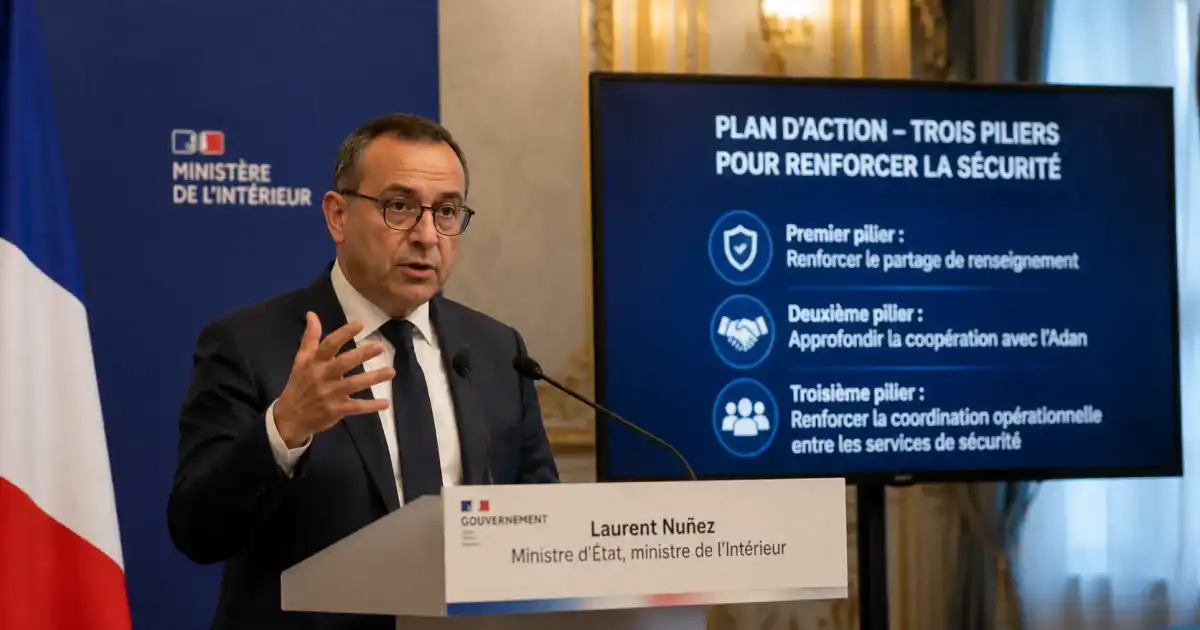
**Summary** In the first half of 2026, France recorded 77 violent crimes—including kidnappings, illegal confinement, and extortion—targeting cryptocurrency holders, a 71% increase over the 45 cases in all of 2025. This equates to an attack every 2.3 days, making France a global hotspot for so-called "wrench attacks," where criminals use physical violence to coerce victims into surrendering crypto assets. High-profile cases include the 2025 kidnapping of Ledger co-founder David Balland, who was shown with a severed finger in a ransom video, and an attempted kidnapping of the family of Paymium's CEO in Paris. Prosecutors note these are not isolated incidents but part of structured criminal networks, sometimes involving minors. Several factors contribute to France's vulnerability: a large holder base (approx. 7.3 million people), the presence of major crypto firms and executives, a culture of public disclosure among enthusiasts, and potential data leaks. The trend is spreading across Europe, which now accounts for over 40% of such global attacks. Research indicates a correlation between Bitcoin price surges and increased wrench attacks. In response, French Interior Minister Laurent Nuñez announced a three-pillar action plan focusing on enhanced intelligence sharing, deeper cooperation with the industry association Adan, and improved operational and cross-border coordination. Authorities have made over 200 arrests in the past year. Security experts warn that digital asset safety now extends to the physical world. They advise holders to use hardware wallets, avoid disclosing holdings on social media, enable multi-factor authentication, and report suspicious activity. The situation underscores the urgent need for the crypto community to shift from a "show-off" culture to one of discretion as physical security becomes paramount.

marsbit6 min fa

77 Bloody Codes: When the '$5 Wrench' Shatters the Privacy Myth of France's Crypto Elite

marsbit6 min fa

Both OpenAI and Anthropic are 'Developing Their Own Chips' — Beyond Cost, the Control Over Computing Power is Paramount

OpenAI and Anthropic are both advancing plans to develop custom AI chips, driven by the need to control computing power and reduce costs. According to reports, Anthropic is in early-stage development of its own chips and in talks with Samsung for manufacturing, while OpenAI is collaborating with Broadcom and TSMC, aiming to deploy its first inference chip by late 2026. The primary motivation extends beyond just lowering expenses. For these large model companies, chips are core production assets. By designing specialized hardware (ASICs) tailored to their specific model architectures—OpenAI's being more sparse and Anthropic's more dense—they aim to achieve deeper software-hardware co-design. This synergy can significantly improve inference speed, energy efficiency, and overall unit economics, offering advantages that off-the-shelf GPUs cannot. This move does not signify an immediate replacement for suppliers like Nvidia. The process from design to deployment takes 18-24 months, and Nvidia's GPU ecosystem remains deeply entrenched. Instead, custom chips provide a strategic alternative and negotiating leverage, allowing companies to use them for specific, high-volume workloads like inference while still relying on external GPUs and TPUs for other tasks. The trend reflects a broader industry shift where AI competition is evolving from pure algorithmic prowess to integrated control over the entire software-hardware stack. Companies like Google, Amazon, Meta, and Microsoft are already on this path. For foundries like Samsung, securing orders from AI leaders like Anthropic represents a significant opportunity to expand its footprint in the advanced semiconductor market for AI. Ultimately, the race for "computing sovereignty" is now a central battleground for major AI players.

marsbit12 min fa

Both OpenAI and Anthropic are 'Developing Their Own Chips' — Beyond Cost, the Control Over Computing Power is Paramount

marsbit12 min fa

Trading

Spot
活动图片