Top cryptocurrency stocks to buy as the next Bitcoin halving approaches

ambcryptoPubblicato 2025-07-31Pubblicato ultima volta 2025-08-01

Key takeaways 

Bitcoin’s halving cycles may lose steam as supply shocks diminish, while efficient ASIC tech drives mining profitability and shapes publicly traded crypto firms’ competitiveness in a rapidly maturing market.


Every four years, an event hardwired into Bitcoin’s DNA sends tremors through the market, capturing the focus of miners, traders, and global finance.

This is the halving, a pre-set adjustment that dictates how new bitcoins are born and enforces the asset’s core principle of scarcity.

Let’s pull back the curtain on the mechanics, the motive, and the unchangeable timeline of this pivotal crypto event.

How the halving actually works?

At its core, the halving is a simple but powerful function: it chops the reward for mining a new block of transactions by 50%.

This rule is baked directly into Bitcoin’s source code, triggering automatically every 210,000 blocks, a milestone the network hits roughly every four years.

To understand this, you have to understand “mining.” Miners use powerful computers to race against each other, solving complex mathematical puzzles.

The winner gets to add the next block of transactions to the blockchain, and for their effort, they receive a reward of brand-new bitcoins. This payout is called the “block subsidy.”

The halving is what periodically shrinks that subsidy.

A predictable countdown to scarcity

The halving isn’t tied to a calendar date but to the block count on the blockchain. It’s set in stone to happen every 210,000 blocks.

Here’s how it has played out and what’s next:

  • Genesis Block (Jan 3, 2009): The reward was set at 50 BTC.
  • First Halving (Nov 28, 2012): Block 210,000 slashed the reward to 25 BTC.
  • Second Halving (Jul 9, 2016): Block 420,000 cut it to 12.5 BTC.
  • Third Halving (May 11, 2020): Block 630,000 reduced it to 6.25 BTC.
  • Fourth Halving (Apr 20, 2024): Block 840,000 brought it to 3.125 BTC.
  • Next Up (Est. 2028): The fifth Halving at block 1,050,000 will shrink the reward to 1.5625 BTC.

This rigid, unalterable schedule gives every market participant a clear view of Bitcoin’s monetary policy, a level of transparency absent from traditional finance.

Bitcoin’s Halving: Is the bull market’s roar fading?

A compelling theory is taking hold in the crypto world: the explosive, life-changing rallies that followed early Bitcoin halvings might be a thing of the past.

While each halving has historically kicked off a bull market, the data shows that the power of these surges is weakening, leading many to question if this key catalyst is losing its punch.

The heart of this “diminishing returns” argument is simple: the Bitcoin market is growing up. As its total market value gets bigger, it takes a much larger firehose of new money to move the price.

This is a world away from Bitcoin’s early days, when a small amount of cash could send the price into the stratosphere.

A shrinking supply shock

A key reason for diminishing returns is that the halving’s impact on supply is getting smaller over time. The first halving in 2012 cut the creation of new bitcoin from 50 to 25 per block—a huge reduction.

The most recent halving in 2024, however, cut the reward from 6.25 to 3.125 BTC. While the percentage cut is the same, the actual number of new coins being kept off the market is tiny compared to before.

With most of the 21 million bitcoins already out in the wild, each halving’s “supply shock” becomes less and less shocking to the overall market.

The numbers don’t lie

A look at the history books provides strong evidence for this theory. After the 2012 halving, Bitcoin’s price went on an epic tear. The 2016 halving produced a rally of around 2,800% to 2,900%.

But after the 2020 halving, the price gain was a more “modest” 620% to 700%. And while the 2024 cycle is still young, its initial performance has been described as the weakest post-halving start on record.

A different kind of market

It’s not just about the math; the market itself has fundamentally changed. The arrival of big-money institutional investors brings a new level of caution and risk management that tends to smooth out the wild price swings of the past.

These professional traders are less likely to get caught up in the retail-driven hype that defined earlier cycles.

On top of that, the growth of a mature derivatives market, with futures and options, gives traders tools to hedge their bets, which can soak up some of the volatility that used to fuel explosive price rallies.

Some even argue that the launch of spot Bitcoin ETFs in 2024 pulled forward much of the demand that would have normally come after the halving.

Is the theory wrong?

Still, not everyone is convinced. Critics argue that looking only at percentage gains is misleading. While the percentages are smaller, the absolute dollar gains in recent cycles have created enormous wealth.

Bulls also point to several factors that could buck the trend. The continued global adoption of Bitcoin, its growing status as a legitimate asset, and its appeal as an inflation hedge could all drive future demand.

The “digital gold” story is far from over. Some analysts, while acknowledging diminishing returns, still predict this cycle could push Bitcoin’s price well into the six figures.

Only time will tell who is right. The historical data clearly shows a pattern of smaller percentage gains. But Bitcoin’s future will be written by a complex mix of factors.

The growing maturity of the market, the influence of Wall Street, and the unpredictable global economy will all decide whether the next halving brings another deafening roar or a more civilized, though still powerful, market advance.

Crypto Stocks: A new way to bet on the digital asset boom

Now that we understand Bitcoin’s halving mechanics, let’s explore how to use this knowledge to assess market trends and identify opportunities for maximizing crypto-related gains.

Investors want exposure to crypto without buying actual digital assets. A new option has emerged—crypto-related stocks.

These stocks belong to publicly traded companies and you can buy them on regular exchanges. They offer indirect access to crypto’s growth. No need to manage wallets or worry about coin security.

A crypto stock reflects a company’s strong link to cryptocurrency or blockchain technology. This route lets you chase crypto’s upside and avoids the direct risks of handling crypto assets.

Crypto stocks come in many types. Understanding these company categories helps you navigate this dynamic market.

How corporate giants and the halving are redrawing finance

A new breed of public companies, with Strategy (formerly MicroStrategy) leading the charge, is making an audacious bet: they’re stacking Bitcoin on their balance sheets.

Recently, Strategy acquired 21,021 BTC for $2.46 billion using STRC funds, boosting holdings to 3% of supply. 

This move defies traditional corporate finance, wagering that the cryptocurrency will prove to be a powerful shield against inflation and a better long-term asset than cash.

But this strategy carries risk because it ties directly to Bitcoin’s halving. Each halving event reshapes the playing field for one key group—corporate miners.

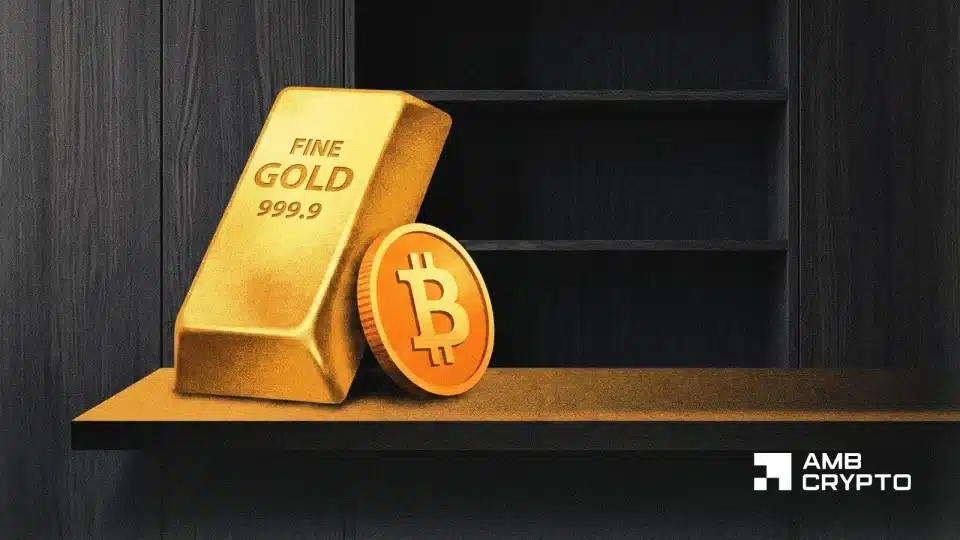
The case for holding corporate Bitcoin rests on a few core beliefs. The main one is the “digital gold” theory—the idea that Bitcoin’s fixed supply of 21 million coins makes it a powerful hedge as governments print more money, devaluing their currencies.

Michael Saylor, the executive chairman of Strategy, has become the leading evangelist for this idea, turning his company into a proxy for a Bitcoin investment.

Strategy’s playbook is to raise money through debt and stock sales and use it to relentlessly buy more Bitcoin, betting that its value will climb over time.

But it’s not just about an inflation hedge. Companies like Block, Inc. are diversifying their treasuries with Bitcoin, seeing it as a natural fit for their fintech focus and a way to align with the growing digital economy.

For others, like the Japanese gaming company Nexon, it’s a strategic move to diversify assets away from traditional holdings.

The launch of spot Bitcoin ETFs has only added to this legitimacy, making it easier for institutions to get on board.

The ripple effect on other corporate holders

For companies like Strategy and Tesla that just hold Bitcoin, the halving’s impact is less direct but still crucial.

Their entire strategy hinges on Bitcoin’s price going up, and historically, halvings have often kicked off major bull markets.

The simple math of less new Bitcoin hitting the market should, in theory, push prices higher if demand keeps growing.

The success of Strategy’s debt-fueled buying spree, for example, depends heavily on a rising Bitcoin price to manage its debt.

A post-halving rally would strengthen its balance sheet and vindicate its high-stakes bet. However, the volatility that often follows a halving can also introduce new risks.

In the end, the corporate move to hold Bitcoin marks a major shift in how companies think about their money.

For those who aren’t miners, it’s a strategic bet on the future of a scarce digital asset. For the miners themselves, the halving is a recurring test of their skill and strategy.

The ones who survive are likely to be the most efficient, the best-funded, and increasingly, the most diversified.

The ASIC Arms race: How new hardware is forging fortunes in crypto mining

There is another tech war raging in the world of crypto mining, and it’s all about a single piece of hardware: the application-specific integrated circuit (ASIC).

This arms race for faster, more efficient chips is not just defining who wins and loses in the mining business; it’s also shaping the stock performance of publicly traded mining giants.

The global market for ASIC bitcoin mining hardware is booming. Valued at over $8.6 billion in 2022, it’s expected to surge past $24 billion by 2029. This growth is driven by the rising value of crypto, which pushes miners to constantly invest in the latest gear to stay competitive.

The unstoppable drive for efficiency

The race for advanced ASIC technology continues as manufacturers compete to build chips with higher hash rates and lower power consumption—crucial in an industry where electricity is the biggest cost.

Modern ASICs, like Bitmain’s Antminer S21 series, have drastically improved energy efficiency, measured in joules per terahash (J/TH). Some models achieve below 20 J/TH, with the S21 reaching 17.5 J/TH. For miners, this translates to reduced energy costs and increased profits.

However, the rapid evolution of mining hardware shortens its lifespan.

New releases can render older models obsolete almost instantly, especially after events like the April 2024 Bitcoin halving, which slashed mining rewards by 50%. Now, staying operationally efficient is more critical than ever.

A market of giants

The ASIC manufacturing world is dominated by just a few giants. Bitmain, the maker of the Antminer, holds a massive piece of the market. Its main rivals, MicroBT (Whatsminer) and Canaan (Avalon), are the other major players.

Together, these three companies control over 99% of the entire market, giving them huge power over the supply and price of mining machines.

But the field isn’t completely closed. New challengers and partnerships are starting to bring fresh competition and new ideas to the industry.

In the end, the fate of public mining companies is welded to the fast-moving world of ASIC development. Their ability to get their hands on the latest, most efficient tech will decide who thrives in this incredibly competitive industry.

As the ASIC arms race continues, the winners will be the miners who can best manage their hardware and adapt to the changing technological landscape.


Share

Crypto di tendenza

Letture associate

Valuation of $8 Billion, Up 200% in 8 Months! What's Behind Crypto-Friendly Bank Erebor Bank's Rise?

Erebor Bank, a digital bank founded by Palmer Luckey and backed by Peter Thiel, is in talks for new funding at a target valuation of $8 billion, double its $4.35 billion valuation from December. This surge is driven by explosive deposit growth, which soared from $1.1 billion in March to approximately $4.05 billion within a quarter, alongside adding nearly 400 new clients. The bank, launched in February 2026, holds a full national bank charter from the OCC, a strategic choice to avoid reliance on partner banks. It aims to serve tech startups, defense contractors, and crypto-native businesses, addressing gaps left by Silicon Valley Bank's collapse. Core promises include lending against non-traditional assets like hardware, offering 24/7 settlement, and integrating stablecoin services with traditional banking. It has already enabled stablecoin deposits and withdrawals on the Sui network. However, its current financials show minimal lending activity and a net loss, with high liquidity in cash and securities. The valuation hinges on future potential to monetize deposits through lending and crypto services. The bank's experienced management team includes veterans from Wells Fargo and crypto compliance firms. Risks are significant. Its concentrated customer base and exposure to volatile sectors like crypto and venture capital echo SVB's vulnerabilities. Its entire model depends on continued regulatory favor towards digital assets, which could shift. Erebor represents a high-profile experiment at the intersection of banking, crypto, and industrial policy, with its execution and market demand yet to be fully proven.

marsbit10 min fa

Valuation of $8 Billion, Up 200% in 8 Months! What's Behind Crypto-Friendly Bank Erebor Bank's Rise?

marsbit10 min fa

$8 Billion Valuation, 2x Growth in 8 Months! What Makes Crypto-Friendly Bank Erebor Bank So Special?

Erebor Bank, a crypto-friendly U.S. bank founded by Palmer Luckey, is reportedly in talks for a new funding round targeting a valuation of at least $8 billion, double its $4.35 billion valuation from December. Despite being operational for only a few months, its rapid growth—deposits surged from $1.1 billion in March to approximately $4.05 billion within a quarter, adding nearly 400 clients—has attracted investor interest. The bank aims to fill the void left by Silicon Valley Bank's collapse, targeting startups and businesses with non-traditional assets like defense contracts and digital tokens. Its strategy involves holding its own banking license to offer services like stablecoin deposits, payments, and 24/7 on-chain settlement. While digital assets are a core long-term focus, recent growth has been driven more by financing for U.S. manufacturing and defense sectors. Erebor's leadership combines Luckey's tech/defense background with a seasoned financial team. It received a national bank charter from the OCC in early 2026, benefiting from a favorable regulatory climate for digital assets. However, the bank faces significant risks, including reliance on a concentrated client base, exposure to crypto market volatility, potential regulatory shifts, and the unproven demand for its integrated banking model. Investors are betting on its future potential to monetize deposits through lending and crypto services, despite current losses typical for a new bank.

链捕手14 min fa

$8 Billion Valuation, 2x Growth in 8 Months! What Makes Crypto-Friendly Bank Erebor Bank So Special?

链捕手14 min fa

Trading

Spot

Articoli Popolari

Cosa è BITCOIN

Comprendere HarryPotterObamaSonic10Inu (ERC-20) e la sua posizione nel mondo delle criptovalute Negli ultimi anni, il mercato delle criptovalute ha assistito a un aumento della popolarità delle meme coin, catturando l'interesse non solo dei trader, ma anche di coloro che cercano coinvolgimento comunitario e valore di intrattenimento. Tra questi token unici c'è HarryPotterObamaSonic10Inu (ERC-20), un progetto intrigante che mescola riferimenti culturali nel tessuto delle criptovalute. Questo articolo esplora gli aspetti chiave di HarryPotterObamaSonic10Inu, analizzando i suoi meccanismi, l'etica guidata dalla comunità e il suo coinvolgimento con il panorama crittografico più ampio. Che cos'è HarryPotterObamaSonic10Inu (ERC-20)? Come suggerisce il suo nome, HarryPotterObamaSonic10Inu è una meme coin costruita sulla blockchain di Ethereum, classificata secondo lo standard ERC-20. A differenza delle criptovalute tradizionali che possono enfatizzare l'utilità pratica o il potenziale investimento, questo token prospera grazie al valore di intrattenimento e alla forza della sua comunità. Il progetto mira a creare un ambiente in cui gli utenti coinvolti possono riunirsi, condividere idee e partecipare ad attività ispirate a diversi fenomeni culturali. Una caratteristica notevole di HarryPotterObamaSonic10Inu è la zero tassa sulle transazioni. Questo elemento allettante tende a incoraggiare il trading e il coinvolgimento della comunità, privo di costi aggiuntivi che possono scoraggiare i trader di piccole dimensioni. L'offerta totale della moneta è fissata a un miliardo di token, un numero che segna la sua intenzione di mantenere una circolazione sostanziale all'interno della comunità. Creatore di HarryPotterObamaSonic10Inu (ERC-20) Le origini di HarryPotterObamaSonic10Inu sono avvolte in un certo mistero; i dettagli sul creatore rimangono sconosciuti. Lo sviluppo di questo token non presenta un team identificabile o un piano esplicito, cosa non rara nel settore delle meme coin. Invece, il progetto è emerso organicamente, con il suo progresso fortemente dipendente dall'entusiasmo e dalla partecipazione della sua comunità. Investitori di HarryPotterObamaSonic10Inu (ERC-20) Per quanto riguarda investimenti esterni e finanziamenti, HarryPotterObamaSonic10Inu rimane ambiguo. Il token non elenca alcuna fondazione di investimento conosciuta o un sostegno organizzativo significativo. Invece, la linfa vitale del progetto è la sua comunità di base, che informa la sua crescita e sostenibilità attraverso azioni collettive e coinvolgimento nello spazio crittografico. Come funziona HarryPotterObamaSonic10Inu (ERC-20)? In quanto meme coin, HarryPotterObamaSonic10Inu opera principalmente al di fuori delle strutture tradizionali che governano spesso il valore degli asset. Ci sono diversi aspetti distintivi che definiscono il funzionamento del progetto: Transazioni senza tasse: Senza costi fiscali sulle transazioni, gli utenti possono comprare e vendere liberamente il token senza preoccuparsi di costi nascosti. Coinvolgimento della comunità: Il progetto prospera sull'interazione della comunità, sfruttando le piattaforme social per creare entusiasmo e facilitare il coinvolgimento. Discussioni, condivisione di contenuti e coinvolgimento sono elementi cruciali che aiutano ad espandere la sua portata e a favorire la lealtà tra i sostenitori. Nessuna utilità pratica: Va notato che HarryPotterObamaSonic10Inu non offre un'utilità concreta all'interno dell'ecosistema finanziario. Piuttosto, è classificato come un token principalmente per attività di intrattenimento e comunitarie. Riferimento culturale: Il token incorpora astutamente elementi della cultura pop per attirare interesse, collegandosi a appassionati di meme e seguaci delle criptovalute. HarryPotterObamaSonic10Inu esemplifica come le meme coin operino in modo diverso rispetto ai progetti di criptovalute più tradizionali, entrando nel mercato come costrutti sociali innovativi piuttosto che come asset utilitari. Cronologia di HarryPotterObamaSonic10Inu (ERC-20) La storia di HarryPotterObamaSonic10Inu è segnata da diversi traguardi notevoli: Creazione: Il token è emerso da un meme virale, catturando l'immaginazione di molti appassionati di criptovalute. Le date di creazione specifiche non sono disponibili, sottolineando la sua crescita organica. Inserimento negli scambi: HarryPotterObamaSonic10Inu ha fatto il suo ingresso in vari scambi, consentendo un accesso e un trading più facili da parte della comunità. Iniziative di coinvolgimento della comunità: Attività in corso volte a migliorare l'interazione della comunità, comprese gare, campagne sui social media e generazione di contenuti da parte di fan e sostenitori. Piani di espansione futura: La tabella di marcia del progetto include il lancio di una collezione NFT, merchandising e un sito di eCommerce relativo ai suoi temi culturali, coinvolgendo ulteriormente la comunità e cercando di aggiungere più dimensioni al suo ecosistema. Punti chiave su HarryPotterObamaSonic10Inu (ERC-20) Natura guidata dalla comunità: Il progetto dà priorità al contributo collettivo e alla creatività, garantendo che il coinvolgimento degli utenti sia al centro del suo sviluppo. Classificazione come meme coin: Rappresenta l'epitome delle criptovalute basate sull'intrattenimento, distinguendosi dai veicoli d'investimento tradizionali. Nessuna affiliazione diretta con Bitcoin: Nonostante la somiglianza nel nome del ticker, HarryPotterObamaSonic10Inu è distintivo e non ha alcuna relazione con Bitcoin o altre criptovalute consolidate. Focus sulla collaborazione: HarryPotterObamaSonic10Inu è progettato per creare uno spazio per la collaborazione e la condivisione di storie tra i suoi detentori, fornendo un canale per la creatività e il legame comunitario. Prospettive future: L'ambizione di espandersi oltre il suo presupposto iniziale verso NFT e merchandising delinea un percorso per il progetto per potenzialmente entrare in strade più mainstream all'interno della cultura digitale. Poiché le meme coin continuano a catturare l'immaginazione della comunità crittografica, HarryPotterObamaSonic10Inu (ERC-20) si distingue per i suoi legami culturali e il suo approccio centrato sulla comunità. Anche se potrebbe non adattarsi al modello tipico di un token orientato all'utilità, la sua essenza risiede nella gioia e nella camaraderia coltivate tra i suoi sostenitori, evidenziando la natura in evoluzione delle criptovalute in un'epoca sempre più digitale. Con la continuazione dello sviluppo del progetto, sarà importante osservare come le dinamiche della comunità influenzano la sua traiettoria nel panorama in continuo cambiamento della tecnologia blockchain.

1.7k Totale visualizzazioniPubblicato il 2024.04.01Aggiornato il 2024.12.03

Cosa è BITCOIN

Come comprare BTC

Benvenuto in HTX.com! Abbiamo reso l'acquisto di Bitcoin (BTC) semplice e conveniente. Segui la nostra guida passo passo per intraprendere il tuo viaggio nel mondo delle criptovalute.Step 1: Crea il tuo Account HTXUsa la tua email o numero di telefono per registrarti il tuo account gratuito su HTX. Vivi un'esperienza facile e sblocca tutte le funzionalità,Crea il mio accountStep 2: Vai in Acquista crypto e seleziona il tuo metodo di pagamentoCarta di credito/debito: utilizza la tua Visa o Mastercard per acquistare immediatamente BitcoinBTC.Bilancio: Usa i fondi dal bilancio del tuo account HTX per fare trading senza problemi.Terze parti: abbiamo aggiunto metodi di pagamento molto utilizzati come Google Pay e Apple Pay per maggiore comodità.P2P: Fai trading direttamente con altri utenti HTX.Over-the-Counter (OTC): Offriamo servizi su misura e tassi di cambio competitivi per i trader.Step 3: Conserva Bitcoin (BTC)Dopo aver acquistato Bitcoin (BTC), conserva nel tuo account HTX. In alternativa, puoi inviare tramite trasferimento blockchain o scambiare per altre criptovalute.Step 4: Scambia Bitcoin (BTC)Scambia facilmente Bitcoin (BTC) nel mercato spot di HTX. Accedi al tuo account, seleziona la tua coppia di trading, esegui le tue operazioni e monitora in tempo reale. Offriamo un'esperienza user-friendly sia per chi ha appena iniziato che per i trader più esperti.

4.1k Totale visualizzazioniPubblicato il 2024.12.12Aggiornato il 2026.06.02

Come comprare BTC

Cosa è $BITCOIN

ORO DIGITALE ($BITCOIN): Un'Analisi Completa Introduzione all'ORO DIGITALE ($BITCOIN) L'ORO DIGITALE ($BITCOIN) è un progetto basato su blockchain che opera sulla rete Solana, con l'obiettivo di combinare le caratteristiche dei metalli preziosi tradizionali con l'innovazione delle tecnologie decentralizzate. Sebbene condivida un nome con Bitcoin, spesso definito “oro digitale” a causa della sua percezione come riserva di valore, l'ORO DIGITALE è un token separato progettato per creare un ecosistema unico all'interno del panorama Web3. Il suo obiettivo è posizionarsi come un asset digitale alternativo valido, anche se i dettagli riguardanti le sue applicazioni e funzionalità sono ancora in fase di sviluppo. Cos'è l'ORO DIGITALE ($BITCOIN)? L'ORO DIGITALE ($BITCOIN) è un token di criptovaluta esplicitamente progettato per l'uso sulla blockchain di Solana. A differenza di Bitcoin, che fornisce un ruolo di stoccaggio di valore ampiamente riconosciuto, questo token sembra concentrarsi su applicazioni e caratteristiche più ampie. Aspetti notevoli includono: Infrastruttura Blockchain: Il token è costruito sulla blockchain di Solana, nota per la sua capacità di gestire transazioni ad alta velocità e a basso costo. Dinamiche di Offerta: L'ORO DIGITALE ha un'offerta massima fissata a 100 quadrilioni di token (100P $BITCOIN), sebbene i dettagli riguardanti la sua offerta circolante siano attualmente non divulgati. Utilità: Sebbene le funzionalità precise non siano esplicitamente delineate, ci sono indicazioni che il token potrebbe essere utilizzato per varie applicazioni, potenzialmente coinvolgendo applicazioni decentralizzate (dApp) o strategie di tokenizzazione degli asset. Chi è il Creatore dell'ORO DIGITALE ($BITCOIN)? Attualmente, l'identità dei creatori e del team di sviluppo dietro l'ORO DIGITALE ($BITCOIN) rimane sconosciuta. Questa situazione è tipica tra molti progetti innovativi nel settore blockchain, in particolare quelli allineati con la finanza decentralizzata e i fenomeni delle meme coin. Sebbene tale anonimato possa favorire una cultura guidata dalla comunità, intensifica le preoccupazioni riguardo alla governance e alla responsabilità. Chi sono gli Investitori dell'ORO DIGITALE ($BITCOIN)? Le informazioni disponibili indicano che l'ORO DIGITALE ($BITCOIN) non ha alcun sostenitore istituzionale noto o investimenti di venture capital prominenti. Il progetto sembra operare su un modello peer-to-peer incentrato sul supporto e sull'adozione della comunità piuttosto che su percorsi di finanziamento tradizionali. La sua attività e liquidità si trovano principalmente su exchange decentralizzati (DEX), come PumpSwap, piuttosto che su piattaforme di trading centralizzate consolidate, evidenziando ulteriormente il suo approccio di base. Come Funziona l'ORO DIGITALE ($BITCOIN) Le meccaniche operative dell'ORO DIGITALE ($BITCOIN) possono essere elaborate in base al suo design blockchain e alle caratteristiche della rete: Meccanismo di Consenso: Sfruttando il proof-of-history (PoH) unico di Solana combinato con un modello di proof-of-stake (PoS), il progetto garantisce una validazione efficiente delle transazioni contribuendo all'alta performance della rete. Tokenomics: Sebbene meccanismi deflazionistici specifici non siano stati dettagliati ampiamente, l'ampia offerta massima di token implica che potrebbe soddisfare microtransazioni o casi d'uso di nicchia che devono ancora essere definiti. Interoperabilità: Esiste il potenziale per l'integrazione con l'ecosistema più ampio di Solana, inclusi vari piattaforme di finanza decentralizzata (DeFi). Tuttavia, i dettagli riguardanti integrazioni specifiche rimangono non specificati. Cronologia degli Eventi Chiave Ecco una cronologia che evidenzia traguardi significativi riguardanti l'ORO DIGITALE ($BITCOIN): 2023: Il dispiegamento iniziale del token avviene sulla blockchain di Solana, contrassegnato dal suo indirizzo di contratto. 2024: L'ORO DIGITALE guadagna visibilità poiché diventa disponibile per il trading su exchange decentralizzati come PumpSwap, consentendo agli utenti di scambiarlo contro SOL. 2025: Il progetto assiste a un'attività di trading sporadica e a un potenziale interesse per impegni guidati dalla comunità, sebbene non siano state documentate partnership significative o avanzamenti tecnici fino ad ora. Analisi Critica Punti di Forza Scalabilità: L'infrastruttura sottostante di Solana supporta alti volumi di transazioni, il che potrebbe migliorare l'utilità di $BITCOIN in vari scenari di transazione. Accessibilità: Il potenziale basso prezzo di trading per token potrebbe attrarre investitori al dettaglio, facilitando una partecipazione più ampia grazie a opportunità di proprietà frazionata. Rischi Mancanza di Trasparenza: L'assenza di sostenitori, sviluppatori o di un processo di audit pubblicamente noti potrebbe generare scetticismo riguardo alla sostenibilità e all'affidabilità del progetto. Volatilità del Mercato: L'attività di trading è fortemente dipendente dal comportamento speculativo, il che può comportare una significativa volatilità dei prezzi e incertezze per gli investitori. Conclusione L'ORO DIGITALE ($BITCOIN) emerge come un progetto intrigante ma ambiguo all'interno dell'evolvente ecosistema di Solana. Sebbene tenti di sfruttare la narrativa dell'“oro digitale”, la sua partenza dal ruolo consolidato di Bitcoin come riserva di valore sottolinea la necessità di una chiara differenziazione della sua utilità e struttura di governance. L'accettazione e l'adozione future dipenderanno probabilmente dall'affrontare l'attuale opacità e dalla definizione più esplicita delle sue strategie operative ed economiche. Nota: Questo rapporto comprende informazioni sintetizzate disponibili a ottobre 2023, e potrebbero essersi verificati sviluppi oltre il periodo di ricerca.

119 Totale visualizzazioniPubblicato il 2025.05.13Aggiornato il 2025.05.13

Cosa è $BITCOIN

Discussioni

Benvenuto nella Community HTX. Qui puoi rimanere informato sugli ultimi sviluppi della piattaforma e accedere ad approfondimenti esperti sul mercato. Le opinioni degli utenti sul prezzo di BTC BTC sono presentate come di seguito.

活动图片