加密货币公司竞相在美国获得银行业立足点

深潮Pubblicato 2025-07-16Pubblicato ultima volta 2025-07-16

数字银行和加密货币的联系日益紧密,金融科技公司越来越多地寻求利用快速增长的加密资产来吸引美国客户。

撰文:Nikou Asgari, Akila Quinio, Joshua Franklin

编译:Block unicorn
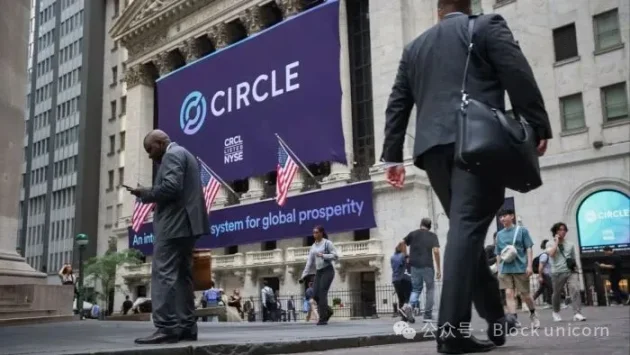
总部位于纽约的 Circle 表示,获得国家银行信托执照将是数字资产融入更广泛金融体系的「重要一步」;

图片来源:Michael Nagle/Bloomberg

加密货币公司正竞相进军美国传统银行业,它们希望利用唐纳德·特朗普总统领导下更友好的监管环境,进一步融入金融体系。

加密支付集团 Ripple、稳定币公司 Circle 和托管公司 BitGo 已申请国家信托银行执照,这将允许它们提供部分银行服务,而加密交易所 Kraken 计划在下个月推出银行卡。

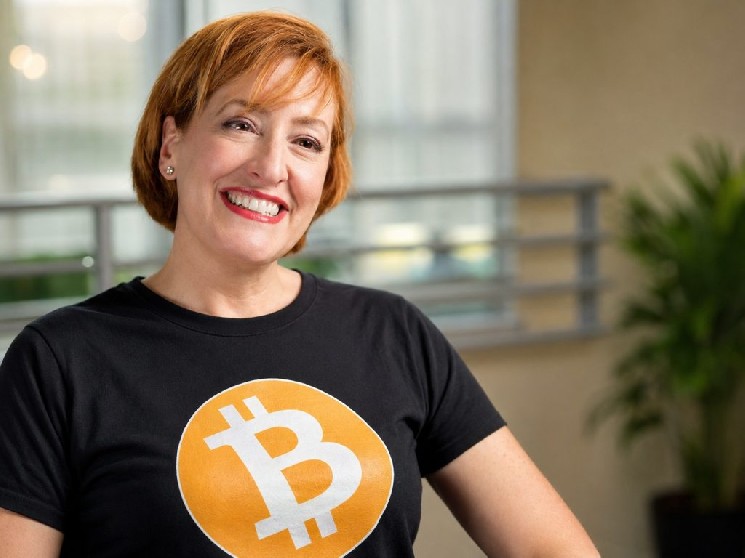
Kraken 的联合首席执行官 Arjun Sethi 对《金融时报》表示:「这是一种自然的融合」,并补充说公司计划在大约本月底推出借记卡和信用卡。

这些举措凸显了加密货币公司如何寻求扩大其业务范围,不仅仅局限于提供数字资产服务。由于特朗普白宫对数字资产的开放态度,行业高管们的信心大增,而他的前任乔·拜登被认为对该行业持敌对态度。

加密交易所 Kraken 的联合首席执行官 Arjun Sethi 计划在月底推出借记卡和信用卡;

图片来源:Ramsey Cardy/Sportsfile/Getty Images

总部位于纽约的 Circle 表示,从负责监管金融机构的货币监理署(OCC)获得国家银行信托执照,将是数字资产融入更广泛金融体系的「重要一步」。Anchorage Digital 是唯一一家拥有国家银行执照的加密货币公司。

「这与许多加密货币公司最初的理念完全相反,他们说『我们不需要银行,我们不需要法律,我们凌驾于一切之上』,」戴维斯·赖特·特雷梅恩律师事务所 (Davis Wright Tremaine) 合伙人马克斯·博尼奇 (Max Bonici) 表示。「现在他们却说『请监管我们』。」

虽然国家信托银行可以托管资产和处理支付,但它们不能提供贷款或直接接受客户存款。获得国家信托地位将免除公司从各州单独获取执照的需要,并改善其进入金融体系的途径。

在华盛顿讨论稳定币立法之前,加密货币公司正加速进入银行业,这项立法将使稳定币(支持者认为其可以像货币一样运作)更接近传统金融体系。

Pillsbury 合伙人亚当·切尔尼肖 (Adam Chernichaw) 表示:「这确实开放了美国金融市场,基本上允许稳定币的出现。」

稳定币追踪美元等国家货币的价格,并日益成为主流,受到特朗普及其内阁的大力支持。交易员使用它们在主权货币和加密货币之间进行交易,而其他人则使用它们进行跨境支付。

拟议的《Genius 法案》将加强对稳定币的监管,并将其与美国国债更紧密地联系起来,后者用于支持与美元挂钩的稳定币。只有受监管的银行和一些获得 OCC 执照的非银行集团才能发行稳定币。

Ripple 首席执行官布拉德·加林豪斯 (Brad Garlinghouse) 表示,该公司还向美联储申请了一个主账户,这将使其能够直接在央行持有稳定币储备。

数字银行和加密货币的联系日益紧密,金融科技公司越来越多地寻求利用快速增长的加密资产来吸引美国客户。
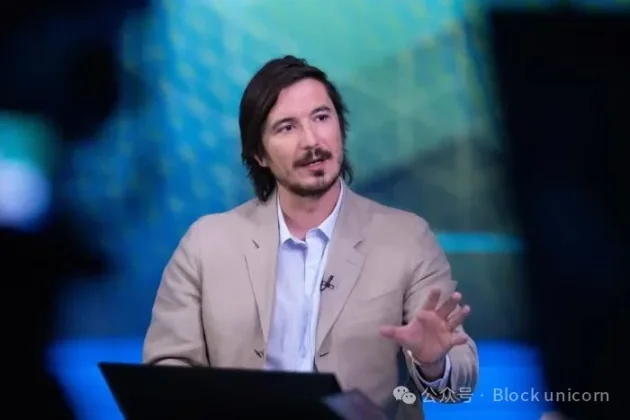
Robinhood 的首席执行官弗拉德·特涅夫 (Vlad Tenev) 表示,该公司计划在秋季推出银行业务;

图片来源:Chris Ratcliffe/Bloomber

零售经纪公司 Robinhood 去年超过一半的交易收入来自加密货币,计划在秋季推出部分银行业务。

「我们应该能够满足您的所有财务需求,」首席执行官 Vlad Tenev 告诉《金融时报》。「这样,您就不必担心税务、遗产规划以及资金转移。」

总部位于伦敦的新型银行 Revolut 的很大一部分收入也来自加密货币交易,该公司长期目标是获得美国银行牌照,而 Klarna 首席执行官 Sebastian Siemiatkowski 计划将加密货币添加到这家消费贷款公司的产品中。

与此同时,包括美国银行在内的大型银行正在寻求在美国监管最终确定后发行自己的稳定币。

「本届政府已表示,他们将以前几届政府所没有的方式开放特许申请,」Davis Polk 金融服务部门的合伙人 David Portilla 表示。

但并非所有多元化进入传统消费银行业的加密货币公司都认为需要申请银行执照。拥有怀俄明州执照的加密交易所 Kraken 正在推出其新应用,而无需申请执照或主信托。

「我们不想成为提供抵押贷款的银行。我们只想与能提供最佳服务的合作伙伴合作,」塞西(Sethi)说。

Letture associate

Musk Awaits $50 Trillion: Is There a Limit to the U.S. National Debt and What Comes Next?

Elon Musk reacted to a projection of US national debt reaching $50 trillion by 2030, labeling it a "precise timeline" with a laughing emoji. The debt has recently passed the $40 trillion mark. Skeptics note that specific debt thresholds have been breached before without immediate collapse. However, analysts warn the focus should shift from the nominal debt amount to its affordability. A key metric is when the average interest rate on the debt exceeds the economy's growth rate, a point the US Congressional Budget Office projects for 2031. Once this "debt spiral" begins, interest costs grow self-reinforcing. Currently, interest payments have already surpassed defense spending, exceeding $1 trillion annually. Ray Dalio warns a debt crisis could occur within "three years, plus or minus two," advising portfolio diversification into gold and some Bitcoin. Potential outcomes if debt becomes unmanageable include: 1) Financial repression and monetization (the "Japanese path" of controlled yields and inflation), seen as the most likely; 2) Severe austerity (the "Greek path" of spending cuts/tax hikes), considered politically unlikely; or 3) Technical default/restructuring, which would cause global financial shock. The most probable path is a hybrid of moderate financial repression and gradual inflation, leading not to a sudden crash but to long-term economic stagnation and a declining standard of living. By 2056, debt could reach 175% of GDP. Ultimately, the limit for US debt is not a fixed number but a function of market confidence in the dollar.

cryptonews.ru1 h fa

Musk Awaits $50 Trillion: Is There a Limit to the U.S. National Debt and What Comes Next?

cryptonews.ru1 h fa

Solana Developer Mert Mumtaz Highly Praises Altcoin!

In the world of cryptocurrencies and finance, where privacy is a major focus, significant developments are underway. Valor Group founder Dev and notable crypto ecosystem figure Mert Mumtaz participated in a program on The Rollup crypto broadcasting platform, discussing the latest developments for the Zcash (ZEC) network and its important future roadmap. The conversation covered network scalability, security updates, and measures taken against quantum threats. The recent Ironwood update implemented in the Zcash network is considered a crucial milestone for the project. During the event, Mert highlighted that internal security audits using 'red team' methods and AI identified a potential vulnerability in the Orchard pool that could have allowed the creation of counterfeit notes. Extensive work and formal verification proved the code mathematically perfect according to specifications. The seamless migration of funds from the Orchard pool to the new Ironwood pool has completely eliminated the risk of counterfeit coin creation in the network. Dev shared important technical details about Zcash's future vision, emphasizing that Valor Group's main goal is for Zcash to achieve transaction volumes comparable to credit cards. He stated they aim to process over 50,000 transactions per second with sub-second latency while maintaining the full proof-of-work mechanism. The main scaling bottleneck was identified not as the nodes themselves, but wallet scanning processes. A new wallet architecture and synchronization delay optimization are expected to resolve this issue. The upcoming Tachion update promises to provide complete protection for Zcash against quantum computing threats. This update will integrate recursive zero-knowledge proofs into the network. It is reported to reduce transaction sizes by more than five times, eliminate node data processing overhead, and address state growth issues. With Tachion, the network is claimed to achieve not just 'quantum-resilient' but a truly 'quantum-secure' privacy structure.

cryptonews.ru1 h fa

Solana Developer Mert Mumtaz Highly Praises Altcoin!

cryptonews.ru1 h fa

Trading

Spot
活动图片