靠炒币逆风翻盘?2025上市公司加密财库现状来了

比推Pubblicato 2025-06-03Pubblicato ultima volta 2025-06-03

作者:Weilin,PANews

原文标题:币股炒作热潮下,上市公司也靠炒币“逆天改命”?2025上市公司加密财库战略大盘点

“山寨季来了,只是没发生在加密货币,而是发生在币股。”随着美股上市公司SharpLink(SBET)宣布融资购买ETH后一周上涨10倍,加密社区内如此调侃到,加密概念股的热度可见一斑。

微策略的成功转型,让上市公司看到将加密资产纳入企业财务战略的甜头,越来越多的全球上市公司,主动将比特币以太坊SOLXRP 等加密资产纳入财库,无论是市值千亿美元级的科技巨头,还是原本处于边缘的小型上市企业。

本文,PANews根据市值、加密资产持仓数量及2025年以来的增持变化,对当前加密持仓活跃的上市公司进行了梳理,涵盖电商、金融科技、传统银行、矿业等多个行业,主要数据来自Bitcoin Treasuries网站。

盘点中不难发现,以加密为主营业务的公司(如 Coinbase)尽管自身拥有强大的财库配置,但其股价仍与加密市场波动高度相关。而一些中小市值公司则因突然“买币”而获得资本市场的热炒,股价短期内实现翻倍甚至数倍的涨幅。不少此前陷入增长困境的公司,正通过发布数字资产储备策略实现“财务转向”,股价走势出现显著逆转。

一线公司:高市值+大额持仓

Strategy(MSTR)|市值:1033亿美元|持仓:580,955 BTC

作为“比特币财库”战略的先驱,MicroStrategy依然是全球上市公司中持有比特币最多的企业。截至6月3日,公司累计购入580,955枚BTC,总成本为406.7亿美元,平均买入价达70,023美元。今年以来,公司持续小幅加仓,目前账面浮盈49%。

尽管已进入高位买入区间,但公司仍保持对BTC的坚定信仰。其CEO Michael Saylor 在比特币 2025 大会上接受采访时表示他的比特币增持计划没有上限,随着比特币价格会持续上涨,未来购买比特币的难度会呈指数级增长,但Strategy会以更高的效率购买比特币。截至6月1日,MSTR股价年内上涨23.02%,体现出资本市场对其比特币战略的部分认可。

币股炒作热潮下,上市公司也靠炒币“逆天改命”?2025上市公司加密财库战略大盘点Strategy年内的BTC持仓变化(红色)

MercadoLibre(MELI)|市值:1300亿美元|持仓:570.4 BTC

拉美电商与金融科技巨头MercadoLibre自2021年起就将比特币纳入财务资产。2025年一季度末,公司持仓从412.7枚增至570.4枚,反映出其加密资产配置的持续配置。

虽然 MercadoLibre 通过其支付平台MercadoPago允许用户在巴西等地使用比特币、 以太坊和稳定币进行支付,但这些用户支付的加密货币主要用于平台上的交易(如购买商品或房地产),而非直接进入 MercadoLibre 的资产负债表。该公司一季度财报表现强劲,活跃买家数达6700万,金融科技用户月活跃增长31%。在强劲基本面支撑下,其股价年内上涨45.23%。比特币的平均持仓成本为38,569美元,账面浮盈达169.06%。

Coinbase(COIN)|市值:628亿美元|持仓:9,267 BTC

作为美国最大加密交易平台,Coinbase不仅作为交易入口,更以实际行动表达对比特币的信心。2025年3月31日,公司增持2,382枚BTC,持仓升至9,267枚,平均成本为55,937美元。

不过,受Q1业绩下滑及市场低迷影响,Coinbase股价年初至今下跌4.12%。4月18日一度跌至151.47美元低点,随后逐步回升。尽管如此,其比特币持仓仍账面浮盈85%以上。

Block(前Square)|市值:380亿美元|持仓:8,584 BTC

Jack Dorsey领导的Block,正将比特币战略融入产品与生态。截至今年3月底,公司持仓8,584枚BTC,平均成本仅为30,405美元,账面浮盈达243.15%。Block生态系统包含诸多广受欢迎的产品,如Cash App、Square销售点系统,以及最近推出的Bitkey比特币自托管钱包。

不过,尽管公司基本面稳健,但2025年以来股价累计下跌28.82%,反映出投资者对宏观环境与支付业务盈利能力的双重担忧。

传统金融巨头的加密尝试

Intesa Sanpaolo(ISP.MI)|市值:991亿美元|持仓:11 BTC

意大利最大银行Intesa Sanpaolo于2025年1月14日首次购入11枚比特币,市值约合100万欧元,标志着传统银行开始以“测试型操作”形式探索加密货币。该举措虽规模较小,但释放出重要信号——合规化持币正成为趋势。

作为意大利资产规模最大的银行,Intesa Sanpaolo是该国金融体系的重要支柱。凭借在零售、企业及投资银行业务上的强大布局,服务着意大利及国际市场上的数百万客户。

截至6月1日,其股价年内上涨27.1%。

Virtu Financial(VIRT)|市值:62亿美元|持仓:235 BTC

做市与执行服务商Virtu Financial成立于2008年,总部位于美国纽约市。该公司正试水数字资产交易与储备。截至目前,其比特币持仓为235枚,平均购入价为82,621美元。尽管成本偏高,但浮盈仍达到26.47%。Virtu也将比特币作为策略性风险对冲工具的一部分。

年初至今,Virtu股价上涨11.42%。

矿业龙头与新晋持币公司

MARA Holdings(MARA)|市值:51亿美元|持仓:49,228 BTC

美国最大比特币矿商之一MARA今年持续大幅扩张财库。2025年以来,公司分别于1月、2月、3月、4月和5月多次购入比特币,仅5月30日当日即增持1003枚BTC,总持仓已达49,228枚,位列全球上市比特币持仓数量第二大公司。

MARA Holdings总部设在美国,以其大规模、机构级的比特币挖矿业务而著称,依托先进技术和战略合作伙伴,最大化提升挖矿效率与产出。MARA的商业模式以保障和验证比特币交易为核心,依靠区块奖励和交易手续费获利,同时将相当一部分挖出的比特币作为财库资产长期持有。

GameStop(GME)|市值:133亿美元|持仓:4,710 BTC

GameStop Corp.是一家专业零售商,通过其在美国、加拿大、澳大利亚和欧洲的门店及电子商务平台,提供游戏及娱乐产品。公司销售全新和二手的游戏平台,配件(如手柄和游戏耳机)、全新和二手的游戏软件,以及游戏内数字货币、数字可下载内容和完整游戏的下载版本。GameStop公司前身为GSC Holdings Corp.,成立于1996年,总部位于美国德克萨斯州。

这家以“散户神话”著称的游戏零售商,正在向数字资产转型。当地时间3月25日,据GameStop官方公告,该公司董事会已一致通过更新投资政策,将比特币作为公司储备资产之一。5月28日,GameStop宣布将比特币纳入公司储备,并迅速购入4,710枚,成为今年加仓速度最快的传统企业之一。尽管年内股价仍下跌2.80%,但其市场关注度大幅提升。

除了以上提及的高市值企业及知名上市公司,与此同时,市值相对较小但在2025年积极增持比特币的公司还包括 Metaplanet、Core Scientific、Rumble 和 Bitdeer Technologies 等。此外,近期市场热度较高的一些企业也开始布局加密资产,展现出对该赛道的浓厚兴趣。

市值较小但动作大的“新势力”

SharpLink(SBET)|市值:5358万美元|ETH财库战略

5月27日,原本鲜有人问津、股价徘徊在退市边缘的小型美股公司SharpLink,宣布完成约4.25亿美元的私募融资,并将大举购入ETH作为其主要财库储备资产,许多人甚至称其为“以太坊版Strategy”。

押注ETH为财库储备资产,以200万市值获得4.25亿融资。本轮融资阵容堪称豪华,以太坊基础设施开发商ConsenSys领投。融资消息公布当天,SharpLink股价最高暴涨至50美元,创2023年5月以来新高。

相关阅读:《ETH版微策略来了!美股SharpLink获以太坊支持者超4亿融资,曾濒临退市》

Trump Media & Technology Group(TMTG)|市值:47亿美元|比特币财库计划

由美国总统特朗普创立的特朗普媒体科技集团(TMTG)于5月下旬宣布将启动25亿美元融资计划,用于建立比特币财库,打造以加密金融为核心的“Truth Social生态”。其政策方向也引发业界对政治与加密交集的持续讨论。

Asset Entities(ASST)+ Strive|市值:合并后待更新|BTC财库目标

5月7日,数字营销及内容交付服务商Asset Entities(纳斯达克代码:ASST)宣布,已与Strive Asset Management达成最终合并协议。合并后公司将更名为Strive,继续在纳斯达克上市,并转型为上市比特币财务公司。5月27日消息,Strive Asset Management已完成7.5亿美元的私人股权投资 (PIPE) 轮融资,认购价1.35美元/股,较ASST前收盘价溢价121%,并有机会通过认股权证扩展至15亿美元。资金将用于收购被低估的生物科技公司、抄底Mt. Gox等比特币债权、及折扣结构性BTC信贷产品,构建其比特币金库。

Upexi(UPXI)|市值:4亿美元|Solana战略

4月21日,知名加密货币交易与投资公司GSR宣布,已向纳斯达克上市的消费品公司Upexi, Inc.(股票代码:UPXI)进行了一笔高达1亿美元的私募股权投资(PIPE),押注其即将全面转型的Solana财务战略。受消息影响,Upexi股价日内一度暴涨逾六倍。

VivoPower(VVPR)|市值:4692万美元|XRP财库战略

5月29日,纳斯达克上市能源公司VivoPower International(VVPR)宣布完成1.21亿美元私募融资,将转型为以XRP为核心的加密资产储备战略。沙特王子Abdulaziz bin Turki Abdulaziz Al Saud领投1亿美元。

结语

随着比特币逐渐从“边缘”资产进入主流,从MicroStrategy到MercadoLibre,从银行巨头Intesa到SharpLink,越来越多的上市公司正以不同方式拥抱加密资产。它们有的将比特币视为价值储备,有的试图围绕以太坊或Solana构建新型财务体系,有的甚至以“财库战略”推动公司转型。

这不仅是财务多样化的体现,更反映了加密资产正在成为全球资本市场新趋势的一部分。而未来,随着监管进一步清晰、基础设施持续完善,更多市值百亿甚至千亿级别的公司或将加入“持币俱乐部”。

说明: 比推所有文章只代表作者观点,不构成投资建议

Letture associate

A Group of Suzhou Engineers Unexpectedly Attain Financial Freedom

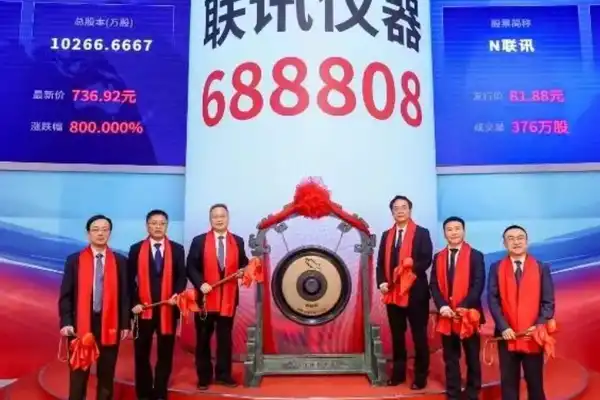
In Suzhou, a group of engineers from Lianxun Instruments, a leader in optical communication testing equipment, have achieved remarkable wealth after the company's IPO. Listed just two months ago on the STAR Market, the company's stock price surged approximately 30 times, making it the only A-share stock priced above 2,000 yuan. This surge created substantial fortunes for nearly 100 technical employees who held a collective 15.91% stake through employee stock ownership platforms, valued at over 36 billion yuan at the current market cap. Among them, nearly 40 became billionaires, while even the smallest holdings exceeded 5 million yuan in value. Founded in 2017 by Hu Haiyang, Yang Jian, and Huang Jianjun, Lianxun Instruments was established to address China's reliance on foreign high-end testing instruments. The company grew rapidly with a strong focus on R&D, where technical staff make up nearly 80% of its workforce. Early implementation of employee stock plans helped retain this core talent. The company's explosive growth is fueled by booming AI computing demand, with clients including major global optical module leaders. Its revenue skyrocketed from 276 million yuan in 2023 to 1.194 billion yuan in 2025, turning a profit in 2024. The IPO has also generated massive returns for early investors, including Suzhou's state-owned capital, which saw a hundredfold return. This story reflects a broader trend in China's markets, where technology firms in AI, semiconductors, and optics are creating new wealth, rewarding engineers and technical teams who are now central to modern capital-driven success stories, marking a shift from previous eras dominated by internet and real estate tycoons.

marsbit4 min fa

A Group of Suzhou Engineers Unexpectedly Attain Financial Freedom

marsbit4 min fa

NVIDIA's Annual 'Most Dangerous' Paper: AI Self-Replicating Code, Unlimited Leveling and Evolution

NVIDIA's "Red Queen Gödel Machine" (RQGM) paper proposes a potentially groundbreaking AI self-evolution framework. It breaks from the long-stalled concept of the "Gödel Machine," which required mathematically proven beneficial self-modifications, by adopting an evolutionary approach. The core, and most striking, innovation is that the AI does not just evolve its own code in a static environment. Instead, it co-evolves both the "student" (the task-performing agent) and the "examiner" (the evaluation system that judges it). This creates a dynamic, recursive self-improvement loop inspired by the biological "Red Queen Hypothesis"—where continuous adaptation is needed just to maintain relative fitness. The mechanism operates in epochs. Within an epoch, a fixed examiner evaluates all candidate code variants. At epoch boundaries, a new, potentially more rigorous examiner can replace the old one, but only if it proves statistically superior on a held-out "ground truth" dataset. This "controlled utility evolution" aims to ensure progress is measurable and grounded. The paper demonstrates RQGM's effectiveness across three domains: 1. **Code Generation:** It achieved a 71.7% test-set pass rate (improving over a 69.9% SOTA) while using 1.35-1.72x fewer computational tokens. 2. **Paper Writing:** In a subjective task, the co-evolved writer and reviewer achieved a 40.5% acceptance rate by a fixed human panel, up from 21.8%. 3. **Math Proofs:** It evolved more accurate graders (at 3x lower cost) and higher-scoring provers. Notably, RQGM also mitigated a known LLM bias where AI reviewers favor AI-generated content. By specifically rewarding reviewers that correctly rejected AI-written papers from a historical pool, the evolved system achieved impartiality while maintaining 80% accuracy. The research has sparked significant discussion about the acceleration of Recursive Self-Improvement (RSI). Some, like Anthropic's Jack Clark, have predicted a high probability of highly autonomous, self-evolving AI emerging by 2028. The paper suggests that when an AI begins to design its own evaluators and push itself toward ever-higher standards in a recursive loop, it may be taking a fundamental step toward redefining intelligence and autonomy.

marsbit30 min fa

NVIDIA's Annual 'Most Dangerous' Paper: AI Self-Replicating Code, Unlimited Leveling and Evolution

marsbit30 min fa

Apple and the Power Rebalancing with 'The Microns': Dissecting the Profit Ledger Behind the iPhone

The article analyzes the shifting profit dynamics and power balance between Apple and memory suppliers like Micron within the iPhone supply chain. It highlights a social media post criticizing Apple for raising iPhone prices while blaming memory chip cost increases, despite historically paying suppliers like Micron very little. An estimated iPhone 18 cost breakdown is referenced. Historically, memory was a minor cost component. In 2017's iPhone X, memory accounted for only about 1.6-2.3% of the price, with Apple capturing nearly 50% net profit. Over time, memory's share of the Bill-of-Materials (BOM) cost has grown significantly, reaching an estimated 12-15% for the iPhone 17 series. The core driver of this change is soaring demand for memory from the AI industry, particularly for High Bandwidth Memory (HBM) and AI servers, which is diverting production capacity and squeezing supply for consumer electronics. Memory manufacturers, after enduring periods of low profits, now hold greater pricing power. This is reflected in their recent strong financials, like Micron's 84.6% gross margin. Apple CEO Tim Cook initially described the memory price pressure as unprecedented in his 40-year career, later calling it a "once-in-a-century flood," before Apple announced price hikes across several product lines, causing a significant stock drop. Elon Musk echoed Cook's sentiment about the dramatic cost surge. The article concludes that the era of memory suppliers being at the mercy of Apple's pricing power has temporarily reversed, thanks to AI-driven demand. It notes Apple is reportedly seeking to diversify its supply chain, including exploring chips from China's CXMT.

Odaily星球日报2 h fa

Apple and the Power Rebalancing with 'The Microns': Dissecting the Profit Ledger Behind the iPhone

Odaily星球日报2 h fa

Conversation with the Founder of 42 Macro: The Fed's 'Boiling the Frog Slowly' and the K-Shaped Economy

In a conversation with Anthony Pompliano, Darius Dale, founder of 42 Macro, discusses the Federal Reserve's monetary policy and the K-shaped U.S. economy. Dale characterizes new Fed Chair Kevin Warsh as a "dove in hawk's clothing," expecting the Fed to signal or enact policy tightening in the coming quarters to create room for later easing. He argues current economic signals, including high deficit spending, debt monetization, and credit growth, strongly indicate inflation is not on a credible path back to 2%, forcing the Fed to act. The discussion highlights the stark "K-shaped" economic reality. While top earners, buoyed by massive cash savings (up ~$8 trillion since pre-pandemic), continue robust spending, those at the bottom face severe financial strain, with delinquency rates on consumer loans reaching crisis-era highs. Dale attributes much of the current social and political anxiety to this divergence, driven by the "Cantillon effects" of monetary expansion, which disproportionately benefits asset owners. He emphasizes that in this environment of "financial repression," individuals must participate in asset markets to avoid being left behind. On equities, Dale notes a rotation from the "Magnificent Seven" tech giants into broader AI-exposed companies, while warning that the tech giants' massive capital expenditure cycles could eventually puncture over-optimistic cash flow projections. Dale concludes by stressing that the core desire across all economic strata is simply the dignity to provide for one's family, a goal currently undermined by systemic policies that act as a "wealth siphon" from the bottom to the top.

marsbit2 h fa

Conversation with the Founder of 42 Macro: The Fed's 'Boiling the Frog Slowly' and the K-Shaped Economy

marsbit2 h fa

Trading

Spot
活动图片