流动性战争 3.0:贿赂成为市场

深潮Pubblicato 2025-05-12Pubblicato ultima volta 2025-05-12

如果你能决定流动性的流向,就能影响谁能在下轮市场周期中生存下来。

作者:arndxt, 加密 KOL

编译:Felix, PANews

收益大战或将再度上演。如果你在 DeFi 领域待得够久,就会明白总锁仓量(TVL)只是一个虚荣指标。因为在竞争激烈的 AMM、永续合约和借贷协议的模块化世界中,真正重要的是谁能控制流动性流向,不是谁拥有协议,甚至也不是谁发放的奖励最多。而是谁能说服流动性提供者(LP)存入资金,并确保 TVL 稳定。这正是贿赂经济的起源。

曾经只是非正式的买票行为(Curve 战争、Convex 等)现在已经专业化,成为成熟的流动性协调市场,并配备了订单簿、仪表盘、激励路由层,甚至在某些情况下还有游戏化的参与机制。

如今这正成为整个 DeFi 堆栈中最具战略意义的一层。

变化:从发行到元激励

在 2021 至 2022 年期间,协议以传统方式引导流动性:

  • 部署一个资金池

  • 发行代币

  • 寄希望于唯利是图的 LP 在收益率下降后仍能留下来

但这种模式存在根本性缺陷:它是被动的。每个新协议都在与一种无形的成本竞争:现有资本流动的机会成本。

一、收益战的起源:Curve 与投票市场的兴起

收益战的概念始于 2021 年的 Curve 之战,并逐渐具体化。

Curve Finance 的独特设计

Curve 引入了投票托管(ve)代币经济学,用户可以将 CRV(Curve 的原生代币)锁定长达 4 年以换取 veCRV,veCRV 赋予用户以下优势:

  • 提升 Curve 池的奖励

  • 拥有投票权重(哪些池获得收益)的治理权

这就创造了一个围绕收益的元博弈:

协议希望在 Curve 上获得流动性

而获得流动性的唯一途径就是吸引投票到他们的池子里

于是他们开始贿赂 veCRV 持有者,让他们投票支持

于是 Convex Finance 应运而生(专注提升 Curve 协议收益的平台):

经验 1:谁控制投票权重,谁就控制了流动性。
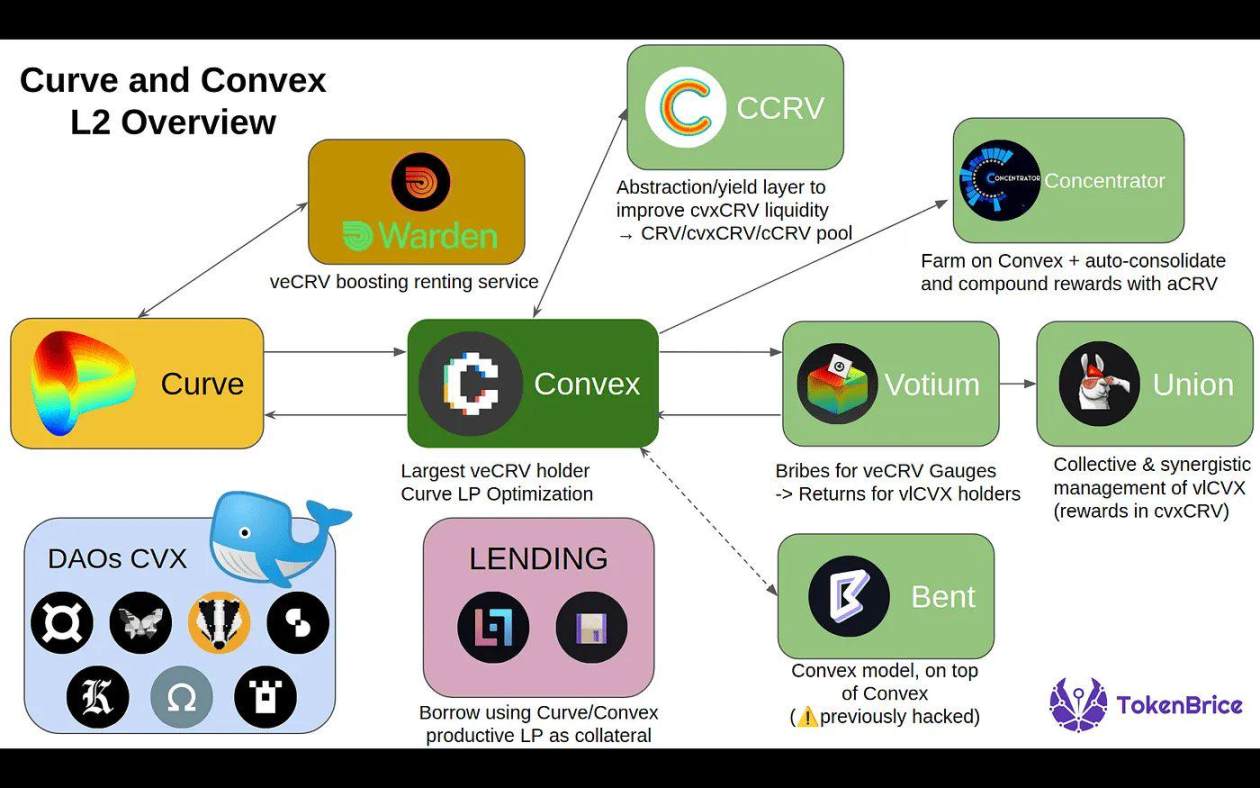
二、元激励与贿赂市场

首个贿赂经济

最初只是手动操作来影响发行,后来逐渐演变成一个成熟的市场,在这个市场中:

  • Votium 成为 CRV 发行的场外贿赂平台。

  • Redacted Cartel、Warden 和 Hidden Hand 的出现,将这种模式扩展到了 Balancer、Frax 等其他协议。

  • 协议不再仅仅支付发行费用,而是战略性地分配激励以优化资本效率。

超越 Curve 的扩展

  • Balancer 通过 veBAL 采用了投票托管机制

  • Frax、Tokemak 和其他协议集成了类似的系统

  • 像 Aura Finance 和 Llama Airforce 这样的激励路由平台进一步增加了复杂性,将发行变成了一个资本协调博弈

经验 2:收益不再与年化收益率 (APY) 有关,而是与可编程的元激励有关。

三、收益战如何展开

以下是协议在这场游戏中的竞争方式:

  • 流动性聚合:通过类似 Convex 的封装器(例如 Aura Finance 对于 Balancer)来聚合影响力

  • 贿赂活动:为持续的贿选行为预留预算,以在需要时吸引发行

  • 博弈论与代币经济学:锁定代币以建立长期一致性(例如 ve 模型)

  • 社区激励:通过 NFT、抽奖或奖励空投将投票游戏化

如今,像 Turtle Club 和 Royco 这样的协议正引导这种流动性:不再盲目地发行,而是根据需求信号将激励机制拍卖给 LP。

本质上是:「你带来流动性,我们将激励机制引导到最需要的地方。」

这释放了一种二阶效应:协议不再需要强行获取流动性,而是对其进行协调。

Turtle Club

Turtle Club 悄然成为最有效的贿赂市场之一,却鲜有人提及。他们的资金池通常嵌入合作伙伴关系,总锁定价值(TVL)超过 5.8 亿美元,采用双代币发行、加权贿赂,以及出人意料的高粘性 LP 基础。
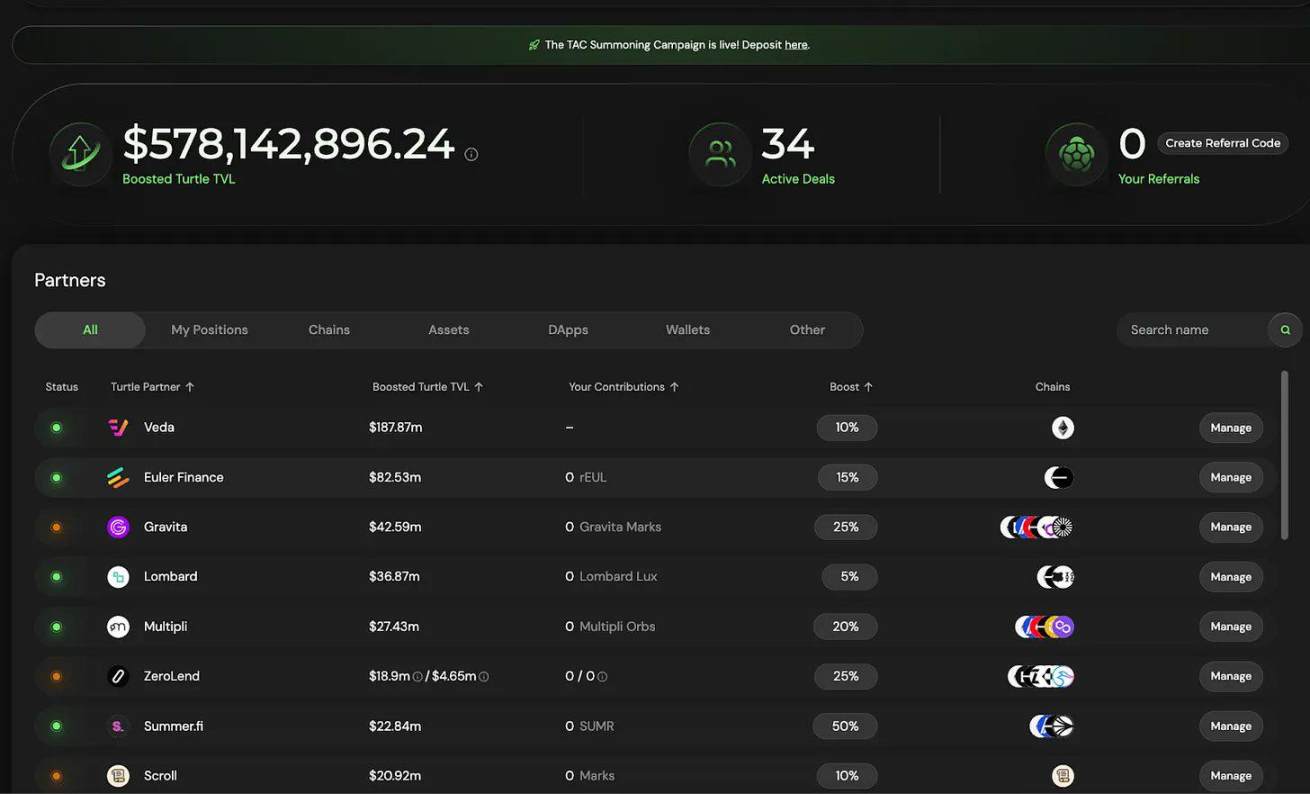
他们的模式强调公平价值再分配,这意味着收益的分配由投票和实时资本周转率决定。

这是一个更智能的飞轮: LP 获得的奖励与其资本的效率相关,而不仅仅是资本规模。这一次,效率得到了激励。

Royco

Royco 的单月总锁仓价值(TVL)飙升超 26 亿美元,环比增长 267,000%。
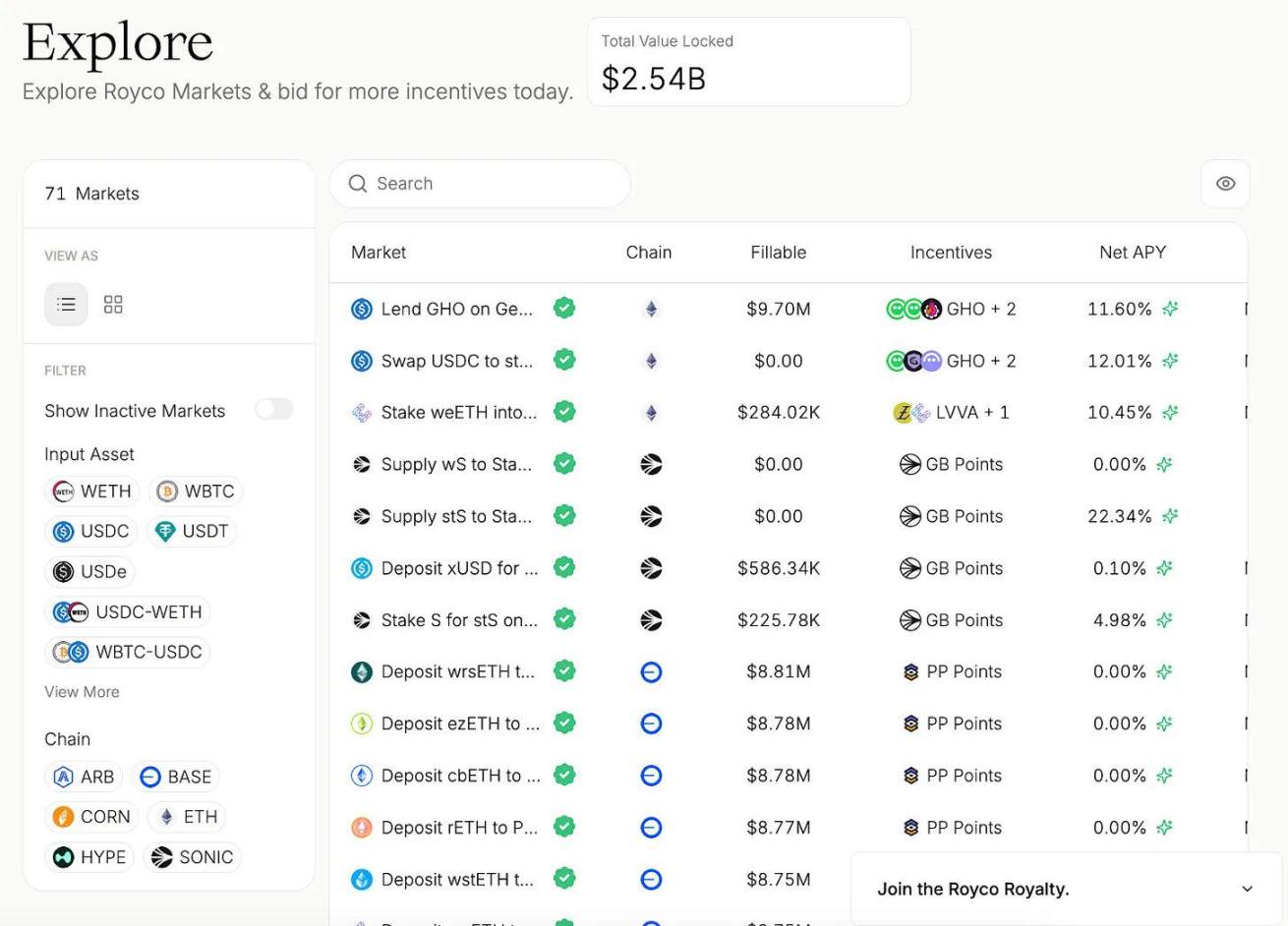
虽然其中部分资金是由「积分驱动」,但重要的是其背后的基础设施:

  • Royco 是流动性偏好的订单簿。

  • 协议不能只是发放奖励然后寄希望于资本流入。它们发布请求,然后由 LP 决定投入资金,这种协调就形成了一个市场。

以下是让这一叙事不仅仅是一场收益游戏的原因:

  • 这些市场正成为 DeFi 的元治理层。

  • Hidden Hand 已在 Velodrome 和 Balancer 等主要协议之间累计发送了超 3500 万美元的贿赂。

  • Royco 和 Turtle Club 正塑造有效发行方案。

流动性协调市场的机制

1. 贿赂作为市场信号

像 Turtle Club 这样的项目让 LP 能够了解激励措施的流向,根据实时指标做出决策,并根据资本效率而非仅仅根据资本规模获得奖励。

2. 流动性请求(RfL)作为订单簿

像 Royco 这样的项目允许协议列出流动性需求,就像在市场上发布订单一样,LP 根据预期收益来执行这些订单。

这就变成一场双向的协调博弈,而非单方的贿赂。

如果你能决定流动性的流向,就能影响谁能在下轮市场周期中生存下来。

Letture associate

You Use Claude and Codex Every Day, but Meta Has Restricted Internal Use

In May, Meta imposed internal restrictions on its engineers regarding the use of Claude Code and Codex, two widely used AI programming tools. Despite being a major client, Meta's guidelines, still in effect, prohibit these external models from being used for specific tasks to prevent potential "escalations with partners." The core concern is "distillation"—the risk that outputs from Claude or Codex could inadvertently contaminate the training data and evaluation processes for Meta's in-house AI coding assistant, MetaCode. If MetaCode is trained or evaluated using data generated by these external models, it risks learning their capabilities rather than developing its own, blurring the line of intellectual origin. The restrictions are precise: engineers cannot use the external models to generate test questions, debug source code, or suggest test cases. AI-generated content is also barred from environments accessible to MetaCode. However, AI can still assist with peripheral tasks like workflow setup and code organization, provided all outputs are manually reviewed. This caution reflects a broader industry dilemma. While distillation is a common technique, using a competitor's model output for training raises legal and ethical questions about the ownership of derived capabilities. Contractual terms from companies like OpenAI and Anthropic explicitly forbid using their outputs to build competing products, putting enforcement power in the hands of rivals. The move is also financially motivated, as Meta seeks to reduce its hefty internal AI spending, estimated in the billions this year. Meta's policy illustrates the delicate balance companies must strike: leveraging powerful external AI tools while safeguarding the integrity and independence of their own AI development. As AI systems increasingly help build other AIs, distinguishing the origin of capabilities becomes a fundamental challenge for the entire industry.

marsbit52 min fa

You Use Claude and Codex Every Day, but Meta Has Restricted Internal Use

marsbit52 min fa

Why Do We Need an AI Content Perspective Today?

The article "Why Do We Need an AI Content Perspective Today?" explores the complex and often contentious integration of AI into the cultural and creative industries, particularly film and television. It begins with the cancellation of Amazon's AI-generated animation "Punky Duck," highlighting the ethical debates surrounding AI content. AI's rapid advancement is transforming video production, enabling cost-effective, full-length AI films (e.g., "RAPHAEL," "Dreams of Violets") while sparking industry resistance over issues like "synthetic actors." The core debate has shifted from whether to use AI to how to use it responsibly. The article analyzes why AI's entry into film is uniquely unsettling. It distinguishes between "cultural fast food" (short-form, fast-paced content like micro-dramas) and "cultural main courses" (traditional, long-form film/TV). AI currently excels at the former, matching its fragmented narratives, shallow emotional needs, and free-to-consumer models. However, venturing into the latter challenges the human-centric essence of storytelling—creativity, emotional depth, and the unique value of human labor and experience. While AI can generate massive volumes of content and lower costs, it risks devaluing human creativity, leading to homogenized output, and creating unfair competition through potential intellectual property infringement. Its efficiency also amplifies content safety risks, making preemptive governance crucial. To counter these risks, the article proposes establishing clear boundaries guided by a human-centered AI content perspective. It outlines four principles: 1) Amplify, rather than displace, human creative space; 2) Respect and protect human creative output; 3) Ensure human creative control and responsibility remain paramount; and 4) Guarantee transparency and traceability in AI creation. The conclusion emphasizes that humans must act as the "helmsmen" of technology, steering AI development to enhance, not replace, the core human values at the heart of cultural expression.

marsbit1 h fa

Why Do We Need an AI Content Perspective Today?

marsbit1 h fa

Planck Retracted? The Father of Quantum Tripped by an Algorithm

The recent discovery that two articles (published in 1940 and 1942) by Max Planck, the Nobel laureate and founder of quantum theory, are marked as "retracted" on Springer's digital platform highlights a curious clash between historical publishing practices and modern automated systems. An investigation suggests these retractions are algorithmic errors, not due to fraud or misconduct. The papers, philosophical reflections on science published in *Die Naturwissenschaften*, were likely flagged by the platform's systems. One article, a republished lecture, may have been mistaken for duplicate publication. Another, sharing a title with a prior article by a different author (a common practice for continuing debates at the time), may have triggered a similar automated check. The digital versions have even been replaced with blank pages, contrary to normal practice of preserving retracted texts. This incident underscores how contemporary digital infrastructure, built around concepts like "self-plagiarism" and strict copyright, can misclassify and obscure legitimate historical scholarly communication. It serves as a warning that digital archives are not neutral mirrors of the past but are filtered by platform rules, potentially distorting the scientific record. As AI systems increasingly rely on such databases, such erroneous metadata could propagate, affecting how future tools interpret and access historical knowledge.

marsbit1 h fa

Planck Retracted? The Father of Quantum Tripped by an Algorithm

marsbit1 h fa

Trading

Spot
活动图片