T-Rex привлек $17 млн на развитие Web3-протокола

cryptonews.ruPubblicato 2024-05-09Pubblicato ultima volta 2025-05-09

T-Rex — Web3-протокол в сфере пользовательских онлайн-развлечений — привлек $17 млн в рамках pre-seed финансирования. Это 1-й и единственный на данный момент инвестиционный раунд компании. Разработкой T-Rex занимается азиатская венчурная организация Everest Venture Group, а техническая инфраструктура построена на базе Arbitrum Orbit.

В раунде приняли участие крупные венчурные фонды, включая Portal Ventures, North Island Ventures, Framework Ventures, Arbitrum Gaming Ventures, ArkStream Capital, Mindful Venture Capital, Hypersphere, SNZ и Arche Fund. Согласно заявлению представителей компании, структура совета директоров не изменилась.

Проект предлагает уникальную модель монетизации пользовательского внимания. С помощью специального браузерного расширения юзеры смогут получать криптовалютные награды за взаимодействие с контентом на таких платформах, как X (бывший Twitter), TikTok (платформа запрещена в России) и YouTube. T-Rex использует собственную модель proof-of-engagement в сочетании с технологией zkTLS — разновидностью передачи зашифрованных данных, которая позволяет подтверждать активность без раскрытия личной информации.

Ключевая механика включает всплывающий элемент с иконкой «попкорна», который появляется в углу экрана во время просмотра контента. Пользователь нажимает на него, и за каждое взаимодействие получает баллы, которые впоследствии можно конвертировать в криптовалюту. Система будет учитывать интересы юзеров и адаптировать предложения, включая децентрализованные приложения и контент.

Запуск расширения запланирован на конец лета 2025 года. Основатели уверяют, что их цель — преодолеть главный барьер в массовом внедрении Web3: сложность пользовательского интерфейса. «Наша цепочка работает незаметно, позволяя превращать обычное онлайн-развлечение в реальные награды», — заявил сооснователь T-Rex Аллен Нг. До конца 2025 года T-Rex планирует подключить более 100 контент-креаторов, развивать медиапартнерства и заключать соглашения в сфере интеллектуальной собственности.


Ошибка в тексте? Выделите её мышкой и нажмите Ctrl + Enter

Crypto di tendenza

Letture associate

Li Fei-Fei's Latest Long-Form Article: When Video Generation, Robotics, and NVIDIA All Call Themselves World Models, We Need a Taxonomy

In a new article, Dr. Fei-Fei Li addresses the widespread and often inconsistent use of the term "world model" in AI. She proposes a clear, functional taxonomy rooted in the classic Partially Observable Markov Decision Process (POMDP) loop (agent → action → state → observation → agent). According to this framework, current systems called "world models" are different projections of this loop, categorized by their primary output: 1. **Renderers**: Output observations (pixels). Their goal is visual fidelity for human consumption (e.g., video generation models like Sora). They are the most commercially mature but are limited by a focus on appearance over physical accuracy. 2. **Simulators**: Output states (geometric, physical, dynamic representations). They provide a structurally accurate world for both human professionals (e.g., architects) and computational agents (e.g., robots for training). Li argues simulators are the crucial, underappreciated bridge, as they can underpin both rendering and planning. 3. **Planners**: Output actions. Given an observation and a goal, they decide what an agent should do next (e.g., robotic action models). This area is highly promising but remains the least mature for real-world deployment. Li highlights a key trend: the boundaries between these three categories are beginning to blur, as they all rely on a shared underlying understanding of geometry, physics, and dynamics. The logical endpoint is a unified world foundation model capable of switching between rendering, simulation, and planning based on downstream needs. This convergence, she concludes, is central to advancing spatial intelligence—enabling machines not just to talk about the world, but to truly understand, imagine, and interact with it.

marsbit3 h fa

Li Fei-Fei's Latest Long-Form Article: When Video Generation, Robotics, and NVIDIA All Call Themselves World Models, We Need a Taxonomy

marsbit3 h fa

Forbes Feature: Stablecoin Cross-Border Payments Are Faster, But Not Yet Cheaper

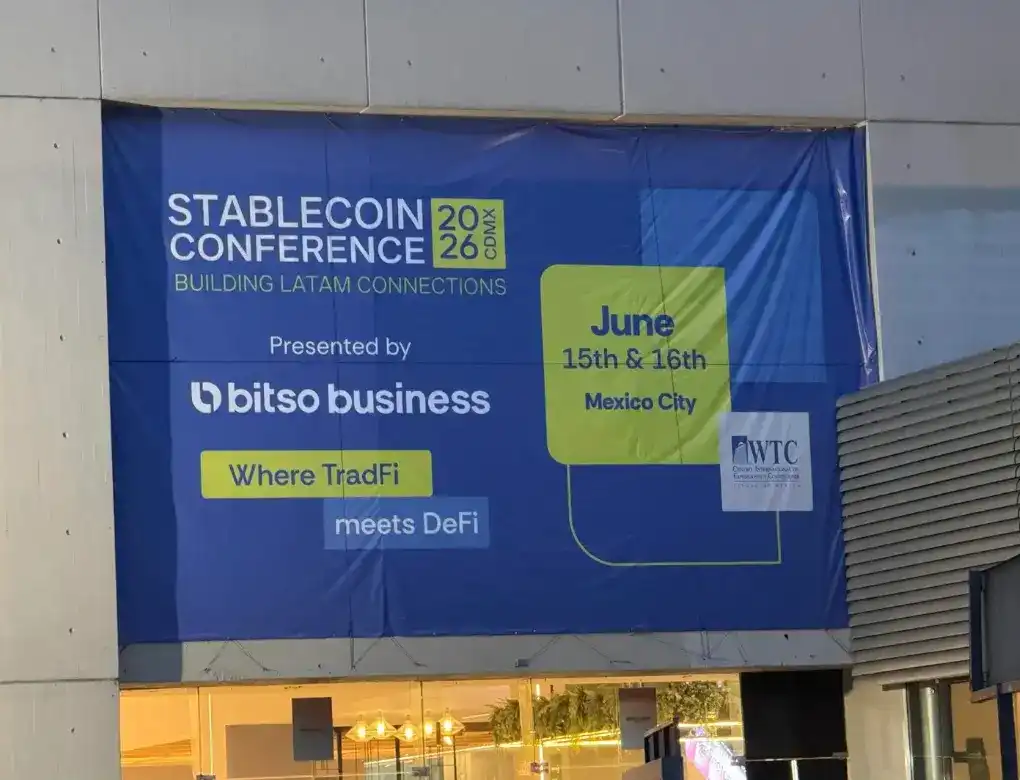
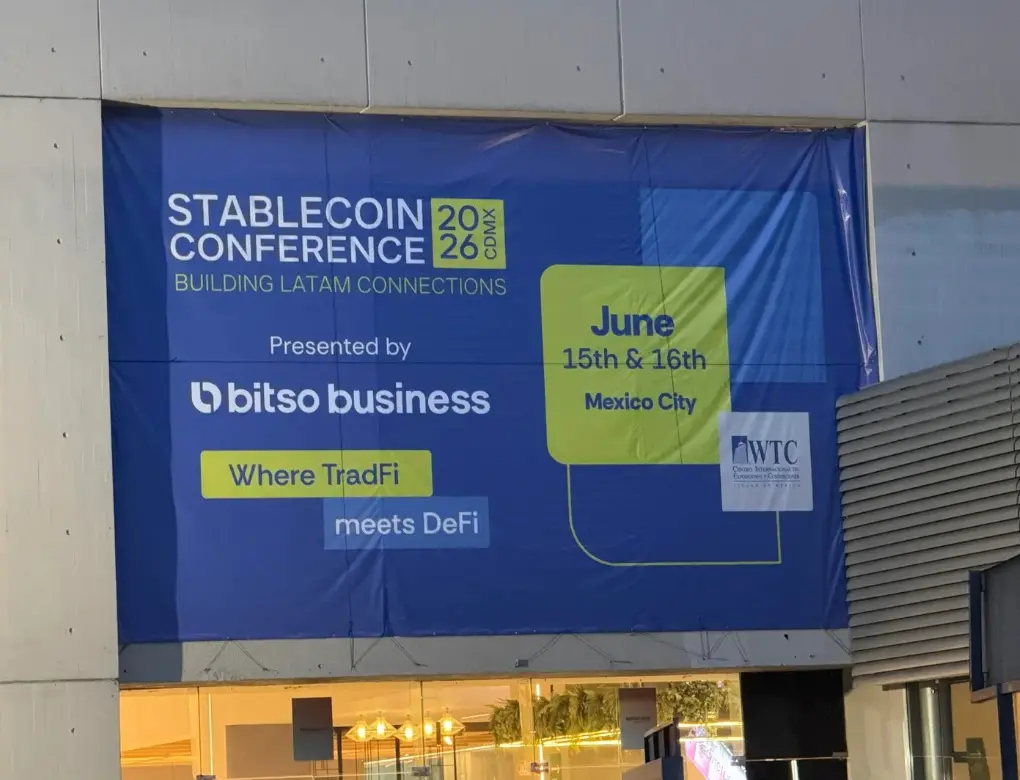
A Forbes feature delves into the state of stablecoin-based cross-border payments, noting rapid growth but a key shortfall: while faster and more accessible, they are not yet cheaper. At a recent industry conference in Mexico City, optimism about technology, regulation, and volume was tempered by discussions with practitioners. The core issue is liquidity. Traditional FX brokers charge 60-70 basis points, and stablecoins promise to slash this to 2-5 basis points. However, this theoretical cost advantage cannot be realized until deep liquidity pools are established at scale, requiring significant institutional capital inflow. A major adoption barrier is trust. Businesses often rely on long-standing relationships with traditional brokers, valuing reliability over marginal cost savings. This shift will be gradual. Furthermore, successful companies in the space are not positioning themselves as replacements for legacy systems like SWIFT, but as complements. They leverage stablecoins for speed while using traditional rails for their standardization and reliability in ensuring accurate payment details—a critical factor for supplier payments to avoid customs issues. Companies like Caliza, experiencing high monthly growth, exemplify this hybrid approach. The industry anticipates consolidation, as long-term viability will depend on securing the essential trifecta: proper licensing, robust fiat on/off-ramps, and deep liquidity. Without these, firms risk being mere intermediaries rather than building sustainable businesses.

marsbit3 h fa

Forbes Feature: Stablecoin Cross-Border Payments Are Faster, But Not Yet Cheaper

marsbit3 h fa

Trading

Spot

Articoli Popolari

Come comprare T

Benvenuto in HTX.com! Abbiamo reso l'acquisto di Threshold Network Token (T) semplice e conveniente. Segui la nostra guida passo passo per intraprendere il tuo viaggio nel mondo delle criptovalute.Step 1: Crea il tuo Account HTXUsa la tua email o numero di telefono per registrarti il tuo account gratuito su HTX. Vivi un'esperienza facile e sblocca tutte le funzionalità,Crea il mio accountStep 2: Vai in Acquista crypto e seleziona il tuo metodo di pagamentoCarta di credito/debito: utilizza la tua Visa o Mastercard per acquistare immediatamente Threshold Network TokenT.Bilancio: Usa i fondi dal bilancio del tuo account HTX per fare trading senza problemi.Terze parti: abbiamo aggiunto metodi di pagamento molto utilizzati come Google Pay e Apple Pay per maggiore comodità.P2P: Fai trading direttamente con altri utenti HTX.Over-the-Counter (OTC): Offriamo servizi su misura e tassi di cambio competitivi per i trader.Step 3: Conserva Threshold Network Token (T)Dopo aver acquistato Threshold Network Token (T), conserva nel tuo account HTX. In alternativa, puoi inviare tramite trasferimento blockchain o scambiare per altre criptovalute.Step 4: Scambia Threshold Network Token (T)Scambia facilmente Threshold Network Token (T) nel mercato spot di HTX. Accedi al tuo account, seleziona la tua coppia di trading, esegui le tue operazioni e monitora in tempo reale. Offriamo un'esperienza user-friendly sia per chi ha appena iniziato che per i trader più esperti.

437 Totale visualizzazioniPubblicato il 2024.12.10Aggiornato il 2026.06.02

Come comprare T

Discussioni

Benvenuto nella Community HTX. Qui puoi rimanere informato sugli ultimi sviluppi della piattaforma e accedere ad approfondimenti esperti sul mercato. Le opinioni degli utenti sul prezzo di T T sono presentate come di seguito.

活动图片