Расследование сената нацелено на токен TRUMP на фоне взрыва обвинений в системе "плати-и-играй"

cryptonews.ruPubblicato 2024-05-08Pubblicato ultima volta 2025-05-08

Взрывной прорыв Трампа в криптовалюту сталкивается с резкой проверкой Сената, нацеленной на извлечение прибыли из токенов, зарубежные сделки и предполагаемые схемы «плати-и-играй», что может разрушить этические границы.

Империя криптовалют Трампа втянута в расследование из-за элитного доступа и иностранных средств

Сенатор США Ричард Блюменталь (D-CT), старший член Постоянного подкомитета по расследованиям Сената США, объявил 6 мая, что подкомитет начинает предварительное расследование криптовалюты TRUMP и аффилированных компаний, связанных с президентом Дональдом Трампом.

Расследование сосредоточено на компании Fight Fight Fight LLC—субъекте, стоящем за токеном TRUMP, и World Liberty Financial Inc. (WLFI) на фоне растущих обвинений в конфликтах интересов, иностранном влиянии и возможных нарушениях федерального закона. В письмах, отправленных ключевым лицам, вовлеченным в эти предприятия, Блюменталь запросил подробную информацию о структурах собственности, финансовых операциях, мерах защиты от инсайдерской торговли и любых связях с иностранными структурами. Его письмо к разработчику Биллу Занкнеру из Fight Fight Fight LLC было сосредоточено на недавней промоакции, которая предлагала частный ужин с Трампом для топ-хранителей токенов, что быстро подняло стоимость токена TRUMP. Сенатор заявил:

Финансовые взаимосвязи президента Трампа с монетой TRUMP, а также попытка использовать Белый дом для проведения конкурсов с целью подъема стоимости TRUMP, представляют собой беспрецедентную схему «плати-и-играй» для предоставления доступа к президентству тому, кто больше заплатит.

Он отметил, что Трамп и аффилированные компании контролируют подавляющее большинство предложения токенов и извлекли финансовую выгоду от связанных с ним комиссий за транзакции—схема, которая может нарушать этические стандарты и обязательства по финансовому раскрытию.

В отдельном письме соучредителю WLFI Заку Уиткоффу Блюменталь выразил обеспокоенность по поводу партнерства с принадлежащей государству ОАЭ инвестиционной фирмой MGX, предполагая, что это может нарушать статью Конституции о иностранных доходах. Подчеркивая более широкие опасения по поводу использования президентского влияния для финансовой выгоды, Блюменталь написал:

Президент Трамп использовал федеральное правительство для обогащения криптовалютных фирм через создание Стратегического резервуара биткоинов и запаса цифровых активов США, а также использовал Белый дом для продвижения криптовалют (включая ваше приглашение на первый «криптосаммит»).

Подкомитет запрашивает записи о коммуникациях с Трамп Организацией, Исполнительным офисом президента и иностранными правительствами, а также документацию о внутренних политиках соблюдения правил, касающихся инсайдерской торговли и иностранных инвестиций.

Несмотря на пристальное внимание, криптовалютные компании приветствуют про-криптовалютную позицию Трампа, отмечая его поддержку принятия цифровых активов и сопротивление чрезмерному регулированию. Руководители отрасли утверждают, что при Трампе криптоинновации процветали, что резко контрастирует с администрацией президента Джо Байдена, сосредоточенной на агрессивных действиях по обеспечению соблюдения, а не на конструктивном взаимодействии. Это расхождение в политике усилило политические разногласия в секторе.


Letture associate

Li Fei-Fei's Latest Long-Form Article: When Video Generation, Robotics, and NVIDIA All Call Themselves World Models, We Need a Taxonomy

In a new article, Dr. Fei-Fei Li addresses the widespread and often inconsistent use of the term "world model" in AI. She proposes a clear, functional taxonomy rooted in the classic Partially Observable Markov Decision Process (POMDP) loop (agent → action → state → observation → agent). According to this framework, current systems called "world models" are different projections of this loop, categorized by their primary output: 1. **Renderers**: Output observations (pixels). Their goal is visual fidelity for human consumption (e.g., video generation models like Sora). They are the most commercially mature but are limited by a focus on appearance over physical accuracy. 2. **Simulators**: Output states (geometric, physical, dynamic representations). They provide a structurally accurate world for both human professionals (e.g., architects) and computational agents (e.g., robots for training). Li argues simulators are the crucial, underappreciated bridge, as they can underpin both rendering and planning. 3. **Planners**: Output actions. Given an observation and a goal, they decide what an agent should do next (e.g., robotic action models). This area is highly promising but remains the least mature for real-world deployment. Li highlights a key trend: the boundaries between these three categories are beginning to blur, as they all rely on a shared underlying understanding of geometry, physics, and dynamics. The logical endpoint is a unified world foundation model capable of switching between rendering, simulation, and planning based on downstream needs. This convergence, she concludes, is central to advancing spatial intelligence—enabling machines not just to talk about the world, but to truly understand, imagine, and interact with it.

marsbit2 h fa

Li Fei-Fei's Latest Long-Form Article: When Video Generation, Robotics, and NVIDIA All Call Themselves World Models, We Need a Taxonomy

marsbit2 h fa

Forbes Feature: Stablecoin Cross-Border Payments Are Faster, But Not Yet Cheaper

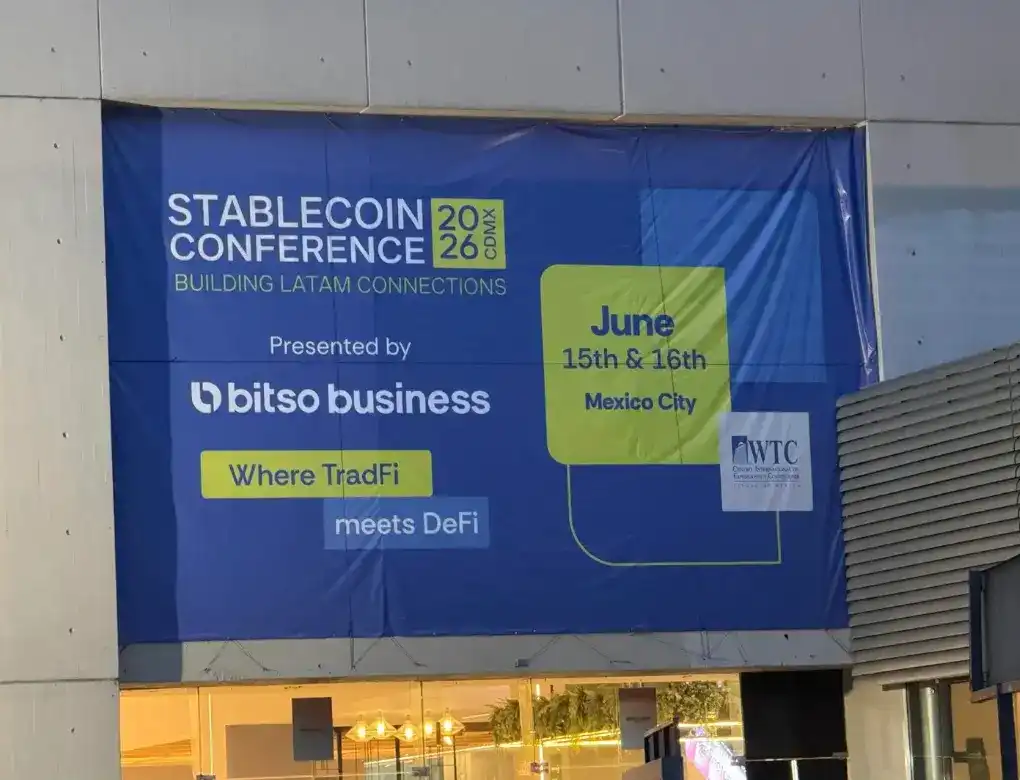
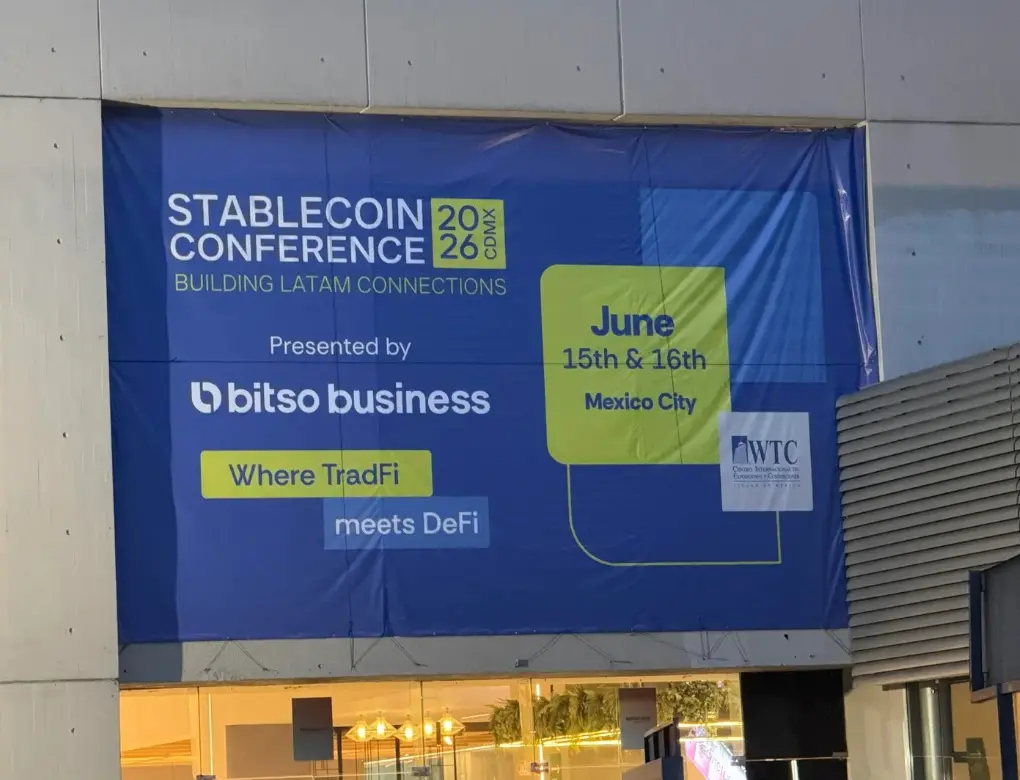
A Forbes feature delves into the state of stablecoin-based cross-border payments, noting rapid growth but a key shortfall: while faster and more accessible, they are not yet cheaper. At a recent industry conference in Mexico City, optimism about technology, regulation, and volume was tempered by discussions with practitioners. The core issue is liquidity. Traditional FX brokers charge 60-70 basis points, and stablecoins promise to slash this to 2-5 basis points. However, this theoretical cost advantage cannot be realized until deep liquidity pools are established at scale, requiring significant institutional capital inflow. A major adoption barrier is trust. Businesses often rely on long-standing relationships with traditional brokers, valuing reliability over marginal cost savings. This shift will be gradual. Furthermore, successful companies in the space are not positioning themselves as replacements for legacy systems like SWIFT, but as complements. They leverage stablecoins for speed while using traditional rails for their standardization and reliability in ensuring accurate payment details—a critical factor for supplier payments to avoid customs issues. Companies like Caliza, experiencing high monthly growth, exemplify this hybrid approach. The industry anticipates consolidation, as long-term viability will depend on securing the essential trifecta: proper licensing, robust fiat on/off-ramps, and deep liquidity. Without these, firms risk being mere intermediaries rather than building sustainable businesses.

marsbit2 h fa

Forbes Feature: Stablecoin Cross-Border Payments Are Faster, But Not Yet Cheaper

marsbit2 h fa

Li Feifei's Latest Article: When Video Generation, Robotics, and NVIDIA All Claim to Have 'World Models,' We Need a Taxonomy

"World Model" has become a widely used yet ambiguous term in AI. Drawing from the classic POMDP framework (agent → action → state → observation), this article proposes a functional taxonomy to clarify the concept. It identifies three distinct types, categorized by their output in the perception-action loop: 1. **Renderers**: Output visual observations (pixels). These models, like advanced video generators, prioritize visual fidelity but often lack underlying physical accuracy. 2. **Simulators**: Output the state of the world (geometry, physics, dynamics). They provide a structurally accurate representation for professionals (e.g., architects) and serve as training environments for robots and AI agents. 3. **Planners**: Output actions. Given an observation and a goal, they determine what an agent should do next, closing the perception-action loop (e.g., vision-language-action models). While renderers are currently the most commercially mature and planners are the most aspirational, the article argues that **simulators are the crucial, underappreciated hub**. By working at the level of geometry and physics, a simulator can project upwards to create visuals for humans and downwards to predict action consequences for agents. The future lies in the convergence of these three functions. Emerging research and products, like World Labs' Marble model which outputs both visual splats and physical collision meshes, are beginning to blur these boundaries. The logical endpoint is a unified world foundation model capable of rendering, simulating, and planning based on a shared understanding of spatial and temporal structures—ultimately enabling machines to understand, imagine, and interact with the physical world.

链捕手2 h fa

Li Feifei's Latest Article: When Video Generation, Robotics, and NVIDIA All Claim to Have 'World Models,' We Need a Taxonomy

链捕手2 h fa

Trading

Spot
活动图片