Крипто-мошенничество взлетает в Небраске, так как любовные уловки опустошают сбережения

cryptonews.ruPubblicato 2024-05-05Pubblicato ultima volta 2025-05-05

Крипто-романтические мошенничества растут в Небраске, уничтожая сбережения через лживые инвестиции, фальшивые документы и манипулятивные онлайн-отношения.

Небраска выпустила предупреждение о крипто-мошенничестве после того, как жертвы потеряли сбережения в романтической инвестиционной афере

Генеральный прокурор Небраски Майк Хилгерс выпустил предупреждение для потребителей на прошлой неделе после тревожного роста криптовалютных мошенничеств по всему штату, многие из которых связаны с онлайн-романтическим мошенничеством. Предупреждение, распространенное офисом генерального прокурора Небраски, является ответом на многочисленные сообщения жителей о потере шестизначных сумм после того, как они стали жертвами сложных схем с участием мошеннических криптовалютных инвестиционных платформ.

Офис генерального прокурора подробно описал, как организованы эти мошенничества: “Криптовалютные мошенники побуждают небрасчан сделать небольшие первоначальные инвестиции через фальшивые торговые платформы и приложения.” Офис добавил:

Мошенники затем создают фальшивые банковские выписки и документы, чтобы убедить жертв в том, что их инвестиции растут. Впоследствии, они просят жертв увеличить свои инвестиции для получения еще более высоких доходов.

В нескольких случаях мошенники сначала устанавливают контакт путем создания фальшивых романтических отношений в интернете. После того, как доверие установлено, они переводят разговор на инвестиции, нацеливаясь на жертв — особенно на пожилых людей — с обещаниями высоких доходов и небольших рисков.

Хилгерс предупредил, что эти схемы могут нанести непоправимый ущерб: “Эти мошенники разоряют жителей Небраски и иногда крадут все чьи-то пенсионные или жизненные сбережения. Я призываю жителей Небраски проявлять осторожность к крипто-инвестициям, которые обещают высокую прибыль с небольшими рисками.” Предупреждение предлагает практические советы, чтобы не стать жертвой такой аферы:

Чтобы избежать крипто-мошенничества, не отправляйте деньги кому-либо в интернете, кого вы не встречали лично. Если кто-то просит вас обсудить ваши инвестиции в зашифрованном приложении, таком как Telegram или Whatsapp, или на незнакомом сайте, это, вероятно, мошенничество.

“Крипто-мошенники, скорее всего, обещают вознаграждения, которые звучат слишком хорошо, чтобы быть правдой, с небольшими рисками,” говорится в предупреждении. Любой, кто подозревает, что стал мишенью, должен немедленно обратиться в свое финансовое учреждение или криптовалютную биржу, чтобы попытаться вернуть средства и сообщить об инциденте в Интернет-центр жалоб на преступления ФБР. Хотя предупреждение подчеркивает реальные опасности, сторонники цифровых активов утверждают, что ответственное использование и образование могут позволить потребителям безопасно взаимодействовать с криптовалютой.


Letture associate

Li Fei-Fei's Latest Long-Form Article: When Video Generation, Robotics, and NVIDIA All Call Themselves World Models, We Need a Taxonomy

In a new article, Dr. Fei-Fei Li addresses the widespread and often inconsistent use of the term "world model" in AI. She proposes a clear, functional taxonomy rooted in the classic Partially Observable Markov Decision Process (POMDP) loop (agent → action → state → observation → agent). According to this framework, current systems called "world models" are different projections of this loop, categorized by their primary output: 1. **Renderers**: Output observations (pixels). Their goal is visual fidelity for human consumption (e.g., video generation models like Sora). They are the most commercially mature but are limited by a focus on appearance over physical accuracy. 2. **Simulators**: Output states (geometric, physical, dynamic representations). They provide a structurally accurate world for both human professionals (e.g., architects) and computational agents (e.g., robots for training). Li argues simulators are the crucial, underappreciated bridge, as they can underpin both rendering and planning. 3. **Planners**: Output actions. Given an observation and a goal, they decide what an agent should do next (e.g., robotic action models). This area is highly promising but remains the least mature for real-world deployment. Li highlights a key trend: the boundaries between these three categories are beginning to blur, as they all rely on a shared underlying understanding of geometry, physics, and dynamics. The logical endpoint is a unified world foundation model capable of switching between rendering, simulation, and planning based on downstream needs. This convergence, she concludes, is central to advancing spatial intelligence—enabling machines not just to talk about the world, but to truly understand, imagine, and interact with it.

marsbit1 h fa

Li Fei-Fei's Latest Long-Form Article: When Video Generation, Robotics, and NVIDIA All Call Themselves World Models, We Need a Taxonomy

marsbit1 h fa

Forbes Feature: Stablecoin Cross-Border Payments Are Faster, But Not Yet Cheaper

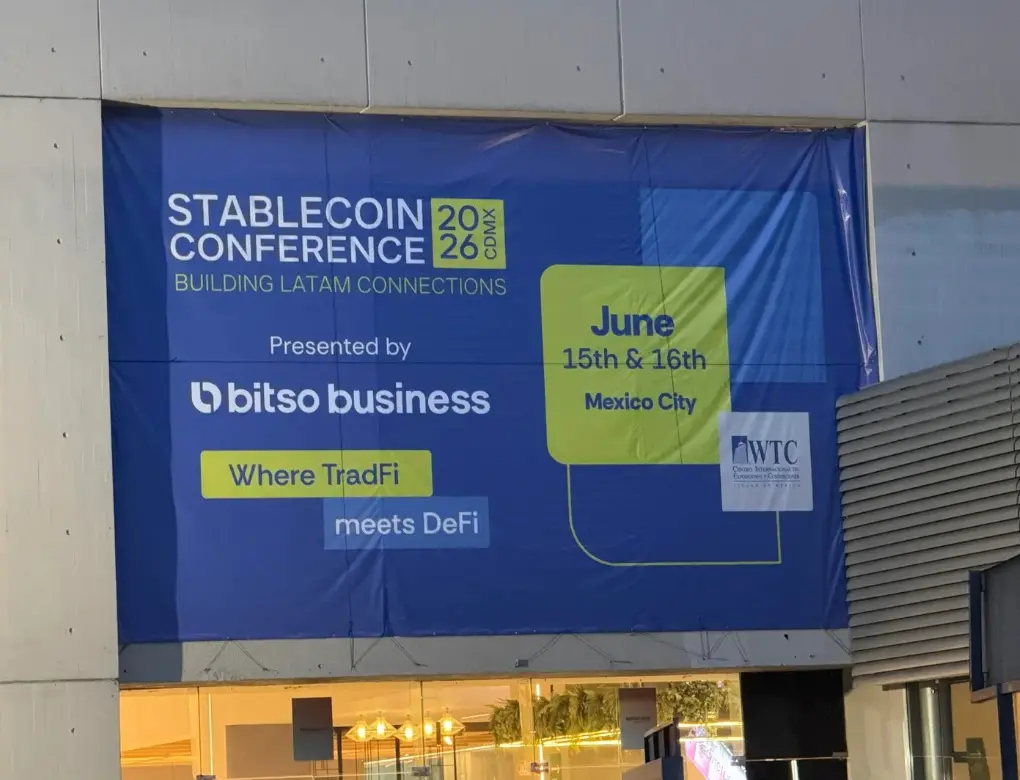
A Forbes feature delves into the state of stablecoin-based cross-border payments, noting rapid growth but a key shortfall: while faster and more accessible, they are not yet cheaper. At a recent industry conference in Mexico City, optimism about technology, regulation, and volume was tempered by discussions with practitioners. The core issue is liquidity. Traditional FX brokers charge 60-70 basis points, and stablecoins promise to slash this to 2-5 basis points. However, this theoretical cost advantage cannot be realized until deep liquidity pools are established at scale, requiring significant institutional capital inflow. A major adoption barrier is trust. Businesses often rely on long-standing relationships with traditional brokers, valuing reliability over marginal cost savings. This shift will be gradual. Furthermore, successful companies in the space are not positioning themselves as replacements for legacy systems like SWIFT, but as complements. They leverage stablecoins for speed while using traditional rails for their standardization and reliability in ensuring accurate payment details—a critical factor for supplier payments to avoid customs issues. Companies like Caliza, experiencing high monthly growth, exemplify this hybrid approach. The industry anticipates consolidation, as long-term viability will depend on securing the essential trifecta: proper licensing, robust fiat on/off-ramps, and deep liquidity. Without these, firms risk being mere intermediaries rather than building sustainable businesses.

marsbit1 h fa

Forbes Feature: Stablecoin Cross-Border Payments Are Faster, But Not Yet Cheaper

marsbit1 h fa

Li Feifei's Latest Article: When Video Generation, Robotics, and NVIDIA All Claim to Have 'World Models,' We Need a Taxonomy

"World Model" has become a widely used yet ambiguous term in AI. Drawing from the classic POMDP framework (agent → action → state → observation), this article proposes a functional taxonomy to clarify the concept. It identifies three distinct types, categorized by their output in the perception-action loop: 1. **Renderers**: Output visual observations (pixels). These models, like advanced video generators, prioritize visual fidelity but often lack underlying physical accuracy. 2. **Simulators**: Output the state of the world (geometry, physics, dynamics). They provide a structurally accurate representation for professionals (e.g., architects) and serve as training environments for robots and AI agents. 3. **Planners**: Output actions. Given an observation and a goal, they determine what an agent should do next, closing the perception-action loop (e.g., vision-language-action models). While renderers are currently the most commercially mature and planners are the most aspirational, the article argues that **simulators are the crucial, underappreciated hub**. By working at the level of geometry and physics, a simulator can project upwards to create visuals for humans and downwards to predict action consequences for agents. The future lies in the convergence of these three functions. Emerging research and products, like World Labs' Marble model which outputs both visual splats and physical collision meshes, are beginning to blur these boundaries. The logical endpoint is a unified world foundation model capable of rendering, simulating, and planning based on a shared understanding of spatial and temporal structures—ultimately enabling machines to understand, imagine, and interact with the physical world.

链捕手1 h fa

Li Feifei's Latest Article: When Video Generation, Robotics, and NVIDIA All Claim to Have 'World Models,' We Need a Taxonomy

链捕手1 h fa

Trading

Spot
活动图片