Производитель майнеров из США привлек $153 млн на фоне кризиса в отрасли

RBK-cryptoPubblicato 2025-04-16Pubblicato ultima volta 2025-04-16

Американская компания Auradine завершила раунд финансирования, в котором приняли участие подразделения Samsung, Qualcomm и крупнейший в США майнер MARA

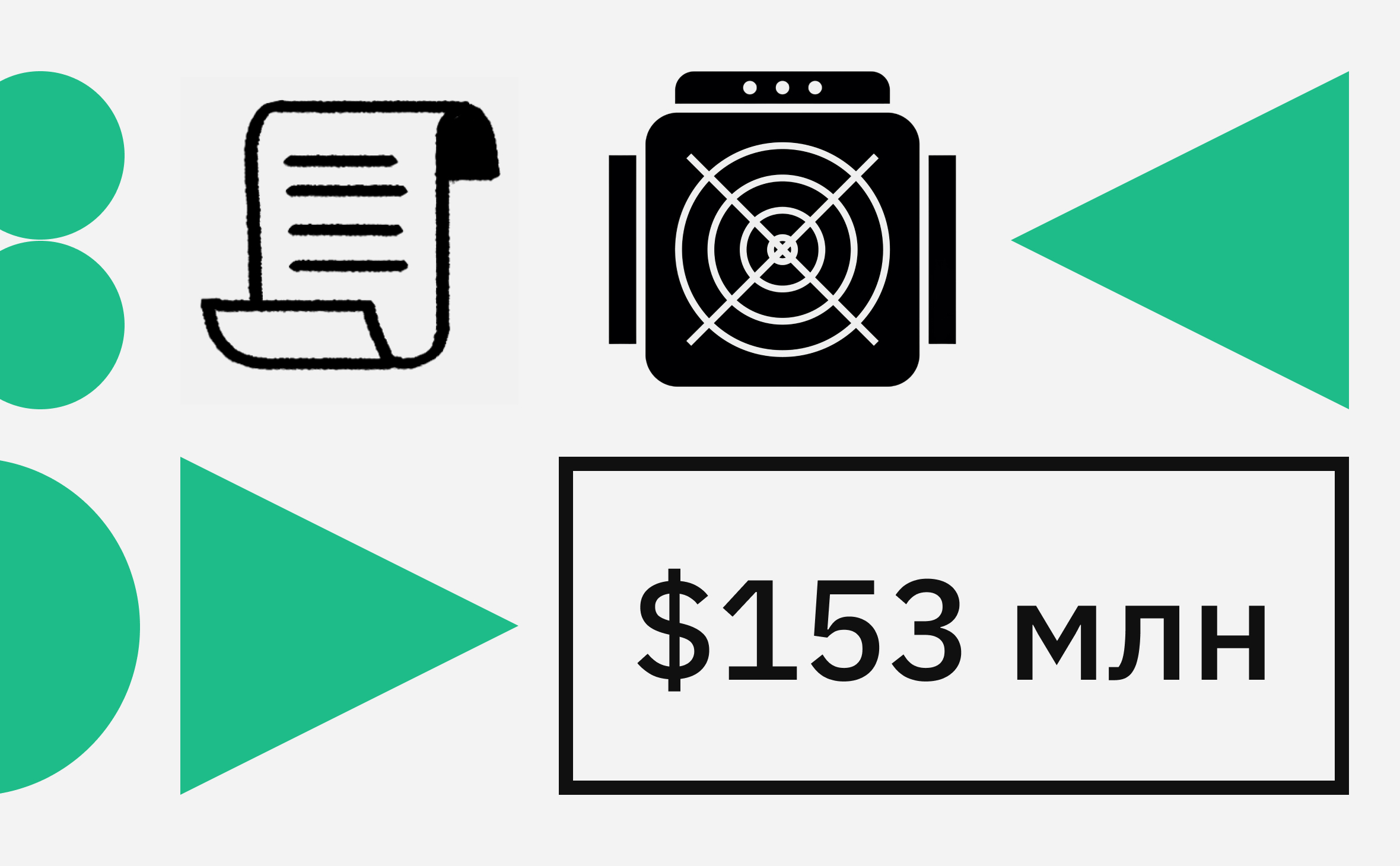
Американский производитель оборудования для майнинга Auradine собрал $153 млн, завершив раунд финансирования серии С. Привлечение средств прошло на фоне сложностей, с которым сталкиваются китайские поставщики, занимающие большую часть рынка, из-за пошлин, введенных президентом США Дональдом Трампом.

Инвесторами Auradine выступили в том числе Samsung Catalyst Fund, Qualcomm Ventures и MARA Holdings (крупнейший в США майнер). Включая этот раунд финансирования, общий объем привлеченного капитала Auradine превысил $300 млн, говорится в сообщении.

Компания Auradine, расположенная в Калифорнии, была основана в 2022 году командой предпринимателей и технологов из таких компаний, как Palo Alto Networks, Marvell, Intel, Google и Wells Fargo, говорится на сайте фирмы. В марте Auradine представила новый майнер Teraflux AH3880 с водяным охлаждением, который имеет высокую заявленную производительность от 450 до 600 Th/s (терахеш в секунду) при энергоффективности от 14,5 до 16,5 J/Th (джоулей на терахеш).

В настоящий момент США лидируют в мире по объему майнинга, но большая часть оборудования поступает из Китая и Юго-Восточной Азии. Однако тарифная политика Трампа нарушила цепочки поставок.

Американские майнеры стали искать местные альтернативы. А в Auradine отметили, что наблюдают быстрый рост объема заказов. В компании делают акцент на том, что их решения помогают майнерам снизить геополитические риски.

Телеграм-канал «РБК-Крипто» — подпишитесь и будьте в курсе самых главных и актуальных новостей о криптовалюте.

Присоединяйтесь к форуму «РБК-Крипто» в Telegram для обсуждения новостей и тенденций криптомира.

«Мы наблюдаем повышенный интерес со стороны клиентов, которые в противном случае сказали бы, что их устраивает покупка всего у китайских поставщиков. С точки зрения майнеров, действительно важно иметь разнообразие поставщиков, чтобы была возможность снизить риски, связанные с геополитическими событиями», — заявил Bloomberg соучредитель и генеральный директор Auradine Раджив Хемани.

Компания намерена направить привлеченные средства на расширение линейки продуктов. Также Auradine объявила о создании новой бизнес-группы AuraLinks AI, которая специализируется на сетевых решениях, касающихся пропускной способности и охлаждения центров обработки данных.

Тем временем китайские компании пытаются адаптироваться к ситуации на рынке. Поставщик оборудования из Сингапура Bitdeer готовится запустить производство в США во второй половине этого года. Крупнейший в мире производитель оборудования для майнинга Bitmain Technologies из Китая уже объявил о запуске производственной линии в США в прошлом году.

В ФНС назвали число легальных майнеров и выбранные ими регионы России

Сколько продлится падение криптовалют. Главное из отчета Coinbase

В Казахстане конфисковали у нелегальных майнеров имущество на ₽144 млн
Letture associate

Foundation Steps Back, Ethlabs Steps Forward: Ethereum Undergoes Its Largest Restructuring in History

On June 23rd, the Ethereum ecosystem witnessed two major shifts, signaling a significant governance realignment. First, former Ethereum Foundation researchers established Ethlabs, a new independent non-profit. Backed by major ETH holders like Bitmine and SharpLink, Ethlabs aims to address practical needs for institutional adoption, including faster settlement, native asset issuance, cross-chain transactions, and mainnet scaling. Secondly, the Ethereum Foundation announced a major restructuring, laying off 54 employees (20% of its staff) to become a leaner entity focused on protocol governance and maintenance rather than being the primary builder. This move represents a pivotal correction. Criticisms had mounted over the Foundation's perceived slowness, lack of clear strategy, and over-reliance on Vitalik Buterin's influence. Ethlabs emerges as a more execution-oriented, "industrialized" layer focused on market adoption—bridging the gap between research and real-world use. Notably, Vitalik Buterin is absent from its list of supporters, interpreted as an intentional step to avoid excessive personal endorsement and allow the organization to build independent credibility. The Ethereum Foundation's downsizing and redefinition mark a retreat from its former central coordinating role. It now aims to share the "privilege of stewarding Ethereum" with other emerging groups like Ethlabs, the Ethereum Applications Guild, and The Ethereum Economic Zone. Analysts frame this dual shift as the Foundation ensuring Ethereum remains "correct" (credibly neutral), while Ethlabs must prove it remains "effective" (competitive and attractive for capital and adoption). This addresses community "shareholder-like anxiety" about ETH's market performance. While risks exist—such as concerns over shifting from Foundation centrality to large-holder influence—the consensus is that the greater risk for Ethereum was inaction, caught between technical idealism and organizational inertia. These steps aim to create a more multi-stakeholder, execution-driven future for the network.

链捕手3 h fa

Foundation Steps Back, Ethlabs Steps Forward: Ethereum Undergoes Its Largest Restructuring in History

链捕手3 h fa

Second Half of U.S. Crypto Policy: The Clarity Act Aims for 60 Votes, CFTC's "One-Person Commission" Becomes Biggest Variable

In a pivotal year for US crypto policy, the "CLARITY Act" is advancing in the Senate but faces a high hurdle, needing 60 votes to pass. Key challenges include bridging partisan divides on ethics and swaying undecided Republican senators within a tight legislative calendar of only about 40 working days. The policy "second half" involves intense negotiations on a broader framework for Web3 and DeFi, including crypto tax reforms and the Blockchain Regulatory Certainty Act. A significant uncertainty is the understaffed CFTC, operating with four commissioner vacancies, which complicates regulatory clarity. Meanwhile, the departure of key "crypto champions"—SEC Commissioner Hester Peirce and Senator Cynthia Lummis—will impact ongoing policy efforts. Industry experts are cautiously optimistic but realistic. Sara K. Weed notes that while progress is being made, CLARITY is unlikely to pass this Congress, pushing agencies like the SEC and CFTC to provide more guidance. Sulolit Mukherjee suggests meaningful crypto tax legislation is more likely to be attached to larger must-pass bills. Rashan Colbert discusses the jurisdictional debate over prediction markets, emphasizing the need for a regulatory framework that fosters their development as financial tools rather than treating them broadly as gambling. The clock is ticking, but opportunities remain for substantive progress through continued bipartisan dialogue and pragmatic efforts.

marsbit6 h fa

Second Half of U.S. Crypto Policy: The Clarity Act Aims for 60 Votes, CFTC's "One-Person Commission" Becomes Biggest Variable

marsbit6 h fa

Research Report Analysis: Morgan Stanley Details SanDisk SNDK, The Truth About Cloud Data Center Pricing Power and AI Inference Benefits

Morgan Stanley raised its price target for SanDisk (SNDK) from $1100 to $1750 on June 22, maintaining an Overweight rating. The upgrade is driven by AI inference demand reshaping the NAND market, particularly for KV Cache and context window storage in cloud data centers. These cloud clients exhibit price inelasticity and sign long-term contracts, granting SanDisk significant pricing power. SanDisk's New Business Model (NBM) agreements, covering over one-third of FY27 bit shipments with 3-5 year terms and fixed price/price collar structures, are crucial. They are projected to sustain gross margins around 80% even at floor prices, providing a buffer against cyclical downturns. Morgan Stanley forecasts gross margins to surge from 30.3% in FY25 to 86.7% in FY27e. With NAND supply expected to remain tight into 2026/2027 and cloud/data centers becoming the largest end-market, SanDisk holds supply-side pricing power. The company targets 15-19% bit growth via technology transitions, not capacity expansion. Revenue is projected to grow ~6.6x from FY25 to FY27, with EPS rising from $2.74 to $14.73, driven by high-margin cloud business. Key upside catalysts include faster enterprise SSD adoption and edge AI growth. Downside risks involve slower industry growth, competitor capex increases, market share loss, and competition from Chinese players like YMTC. The investment thesis rests on AI-driven structural demand, NBM's margin protection, and sustained supply tightness. The $1750 target implies ~28x FY27e P/E.

marsbit7 h fa

Research Report Analysis: Morgan Stanley Details SanDisk SNDK, The Truth About Cloud Data Center Pricing Power and AI Inference Benefits

marsbit7 h fa

Trading

Spot
Futures
活动图片