В Сенате США появился законопроект о штрафах для «грязных майнеров»

investing.ruPubblicato 2025-04-14Pubblicato ultima volta 2025-04-14

Законопроект предложен сенаторами Шелдоном Уайтхаусом (Sheldon Whitehouse) и Джоном Феттерманом (John Fetterman). Он предполагает ежегодное снижение лимита допустимых выбросов углерода на 11% до достижения нулевой отметки в 2035 году.

Документ предусматривает изменение положения закона «О чистом воздухе», распространив экологические требования на компании с энергопотреблением от 100 кВт. Объекты, не соответствующие лимитам, должны будут выплачивать штрафы, скорректированные на инфляцию.

По мнению авторов законодательной инициативы, компании, занимающиеся добычей криптовалют, должны нести ответственность за экологический ущерб. Предприятия обяжут ежегодно отчитываться об источниках энергии и объемах ее потребления. Агентство по охране окружающей среды США на основе полученных данных определит интенсивность выбросов и применит к нарушителям санкции, указано в документе.

Ранее сенатор-республиканец от штата Техас Тед Круз (Ted Cruz) представил законопроект о снижении выбросов в атмосферу (FLARE), предлагающий майнерам использовать отработанную энергию для добычи криптовалют.
Читайте оригинальную статью на сайте Bits.media

Letture associate

Dialogue with Bitwise CIO: Bitcoin May Be Near Bottom, Who Will Drive the Next Rally?

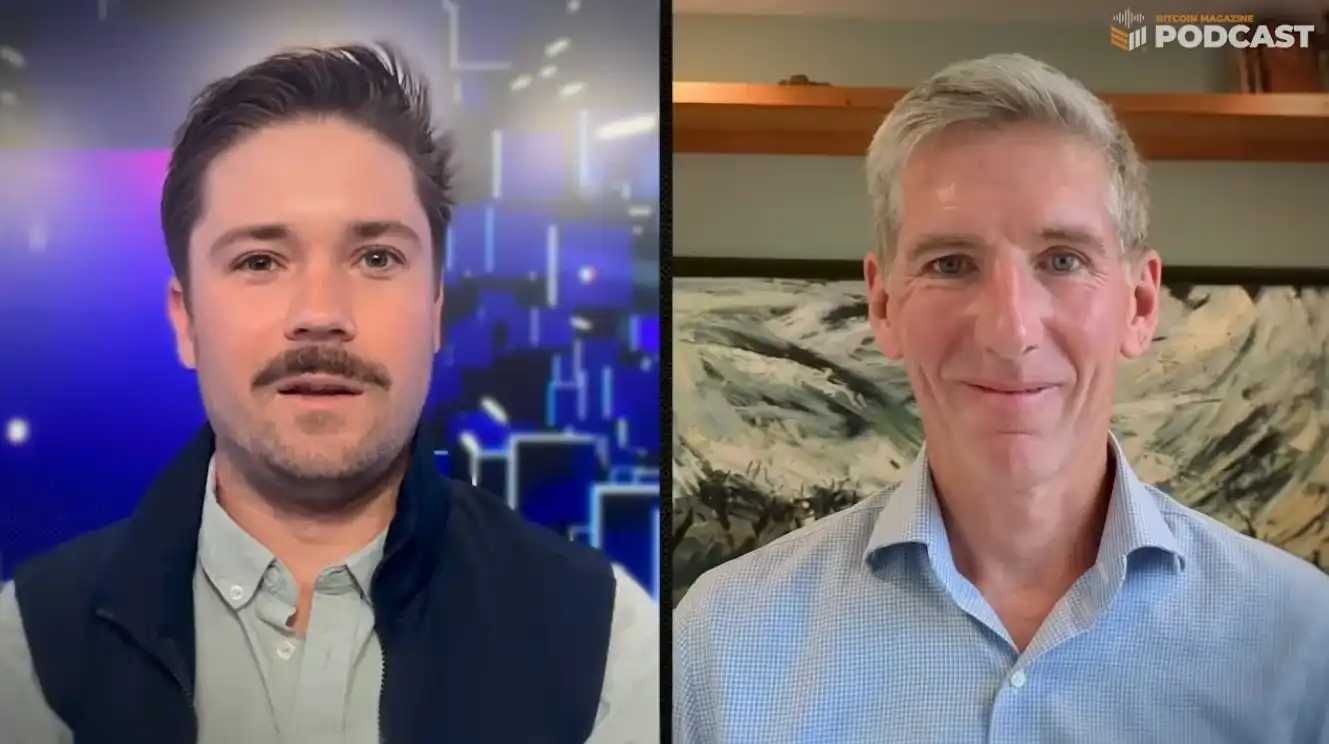
In a recent podcast, Bitwise CIO Matt Hougan analyzed Bitcoin's current market cycle, suggesting it is near a bottom characterized by low volatility and investor indifference. He believes the next major price surge will be driven primarily by wealth management platforms, financial advisors, and family offices, who control trillions in assets and are now gaining access to Bitcoin ETFs. Hougan views Bitcoin as a long-dated, out-of-the-money call option on it becoming a global reserve asset. Its value increases with global monetary system volatility, making it a natural hedge against currency disorder. He outlined Bitcoin's adoption path: first as a global digital store of value (competing with gold), and potentially later as a check against fiat currency abuse by sovereign states. Addressing the muted price action despite institutional ETF inflows, Hougan explained that significant selling by long-term retail holders has offset buying pressure. However, he is optimistic as data shows retail selling has subsided, which, combined with continued institutional inflows, could propel prices higher. Hougan downplayed the future impact of Federal Reserve interest rates and MicroStrategy's actions on Bitcoin's price, arguing they are becoming less relevant. Instead, he pointed to runaway U.S. fiscal deficits and debt as the core long-term drivers. Finally, he discussed the transformative potential of asset tokenization, predicting all traditional assets will eventually trade 24/7 on blockchains. This will merge traditional and crypto markets, increasing efficiency but also introducing crypto-like features such as overnight volatility and easier access to leverage into traditional finance.

marsbit14 min fa

Dialogue with Bitwise CIO: Bitcoin May Be Near Bottom, Who Will Drive the Next Rally?

marsbit14 min fa

Dalio Warns of U.S. Bond Supply-Demand Imbalance: Gold and Bitcoin Could Become Hedge Assets in Debt Crisis

Ray Dalio warns of an unsustainable imbalance in US Treasury supply and demand, drawing parallels to the mechanisms of a "big debt cycle" described in his book. Key recent developments include Japan selling US bonds to support the yen, rising US long-term yields amid weak demand, and limited Treasury buybacks. Dalio explains that when debt service burdens become too large relative to income, and bond supply outstrips market demand, a crisis point approaches. Typically, central banks then print money to buy bonds, leading to currency devaluation and inflation. He simplifies the US government's position: with ~$5.5T in revenue, ~$7.5T in spending, a $2T deficit, and $32T in debt, annual debt service is roughly $1T in interest plus ~$10T in maturing principal needing refinancing. Without change, he estimates a potential debt crisis in roughly three years, give or take two. Dalio proposes a "3% three-part solution" to reduce the deficit to 3% of GDP through balanced spending cuts, tax increases, and naturally lower interest rates. He warns that Japan's high debt, often cited as sustainable, has led to poor bond returns and significant currency losses versus gold and the dollar. In response to questions, Dalio states that all reserve currencies eventually decline via this debt cycle mechanism. He advises investors to diversify globally, favor countries with strong finances and stable politics, underweight bonds, overweight gold, and allocate a small portion (e.g., 10-15%) to Bitcoin as hedges against government-created currency devaluation.

marsbit15 min fa

Dalio Warns of U.S. Bond Supply-Demand Imbalance: Gold and Bitcoin Could Become Hedge Assets in Debt Crisis

marsbit15 min fa

Trading

Spot
活动图片