В НКЦБФР положительно оценили вероятность создания украинских виртуальных активов

cryptonews.ruPubblicato 2025-01-04Pubblicato ultima volta 2025-04-04

  • Председатель НКЦБФР выразил оптимизм относительно появления украинских виртуальных активов.
  • По словам Руслана Магомедова, это возможно при правильном регулировании.

Председатель Национальной комиссии по ценным бумагам и фондовому рынку (НКЦБФР) Руслан Магомедов положительно оценил перспективы появления украинских виртуальных активов.

В интервью «Интерфакс-Украина» он заявил, что это возможно при правильном регулировании, однако спрогнозировать срок принятия законопроекта о криптовалютах пока сложно. По мнению Магомедова, законопроект точно примут в первом чтении в ближайшее время, но когда он будет принят во втором чтении — неизвестно.

По словам Магомедова, модель, которую представила НКЦБФР, была разработана по стандартам регламента MiCA по регулированию криптоиндустрии. Ее предварительно презентовали миссии МВФ и на заседании Совета по финансовой стабильности Украины, отметил глава регулятора.

«Мы предлагаем регулирование на базе MiCA, потому что идем в Евросоюз и являемся кандидатами на вступление. Это не история о том, что мы хотим кого-то зарегулировать и закручивать гайки. Мы хотим, чтобы добросовестный белый бизнес был защищен от мошенников», — добавил Магомедов.

Кроме того, он сказал, что Комиссия может помочь создать первый в Украине white paper и разместить asset-referenced token для предприятий, которые будут использовать эти деньги для развития. Украинские виртуальные активы могут давать право на долю в бизнесе и получение дивидендов, сказал Магомедов.

Ранее мы сообщали, что в Украине представили модель распределения полномочий между НКЦБФР и НБУ по надзору за крипторынком.

Отметим, Комиссия играет одну из ключевых ролей в создании нормативно-правовой базы для рынка виртуальных активов. Законопроект №10225, который призван внести изменения в законодательство и Налоговый Кодекс Украины, все еще находится в разработке. Он создан на базе предыдущего билля, представленного НКЦБФР, но с рядом поправок.

Letture associate

Zuckerberg Gave the AI Bull Market a Fright

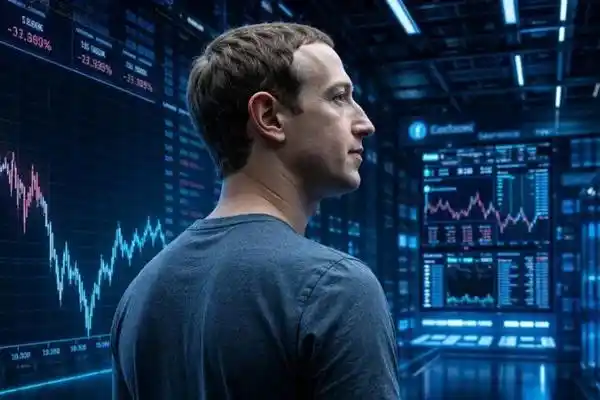
Mark Zuckerberg and Meta inadvertently sent shockwaves through the AI stock market. News that Meta plans to sell its "excess" AI computing power to external clients triggered a trillion-dollar sell-off in AI infrastructure stocks like Nvidia and AMD, while Meta's stock rose. This seemingly simple business move—renting out idle resources—shook a core assumption underpinning the two-year AI bull market: the belief that computing power ("compute") would be perpetually scarce. This scarcity narrative had fueled valuations across the entire supply chain, from GPUs to power suppliers. Meta's motivations are layered: improving hardware utilization during non-peak R&D periods, executing a strategic pivot, and redefining AI infrastructure. Unlike rivals selling APIs, Meta's open-source approach with Llama appears aimed at building an ecosystem where it ultimately profits from the underlying compute, similar to how AWS transformed from Amazon's internal capacity. Meta is essentially offering an integrated "AI factory" service, not just raw GPU rental. The market's fear wasn't Meta selling a few chips, but the signal that GPU supply might become more shareable and efficient, transitioning the industry from a Capex-driven "hoarding" model to an Opex-driven "utilization" model. This could fundamentally reset valuation logic from scarcity to efficiency. While the sell-off reversed somewhat as investors realized this shift is long-term, the direction is set. The move marks a potential inflection point: the era of easy valuation gains from simply buying GPUs may be ending, giving way to an era where operational efficiency and return on AI assets take center stage.

marsbit3 min fa

Zuckerberg Gave the AI Bull Market a Fright

marsbit3 min fa

Arcus Chooses "Stepfather" Robinhood Chain, "Biological Father" dYdX Awkwardly Attempts to Salvage the Situation

Robinhood officially launched its own Layer 2 network, Robinhood Chain. In response, many major DeFi protocols like Uniswap and Chainlink announced integration. A key point of discussion was Arcus, a new decentralized exchange (DEX) developed by the dYdX team, which chose to launch on Robinhood Chain instead of the native dYdX Chain. Arcus offers 24/7, zero-fee trading of 95 tokenized stocks and perpetual contracts. This move sparked community concerns about dYdX Chain potentially being sidelined, causing DYDX token's price to drop over 12%. Critics questioned if dYdX Labs' focus is shifting to Arcus and how DYDX token holders would benefit from Arcus's future growth, especially as its founder mentioned a future Arcus token would allocate a portion to the dYdX community. dYdX founder Antonio Juliano clarified that dYdX Chain will continue operating, but acknowledged its deep decentralization involved trade-offs in performance and user experience. He stated Arcus is a separate product led by a new CEO, responding to market demands for faster, simpler platforms. The dYdX Foundation also confirmed DYDX's role remains unchanged for dYdX Chain governance and staking, with no plans for token migration. However, the core uncertainty remains: if Arcus succeeds, how will that value flow back to dYdX Chain and its DYDX token holders?

Odaily星球日报1 h fa

Arcus Chooses "Stepfather" Robinhood Chain, "Biological Father" dYdX Awkwardly Attempts to Salvage the Situation

Odaily星球日报1 h fa

Trading

Spot
活动图片