从特朗普交易到特朗普衰退,美联储究竟何时降息?

marsbitPubblicato 2025-03-12Pubblicato ultima volta 2025-03-13

热潮退去,衰退阴云笼罩

2025年初,美国金融市场从狂热走向不安。去年11月特朗普胜选时,投资者掀起“特朗普交易”热潮,憧憬他的减税和放松监管政策能延续经济繁荣,股市应声攀升。然而,这股乐观情绪迅速消退,取而代之的是对“特朗普衰退”的担忧。

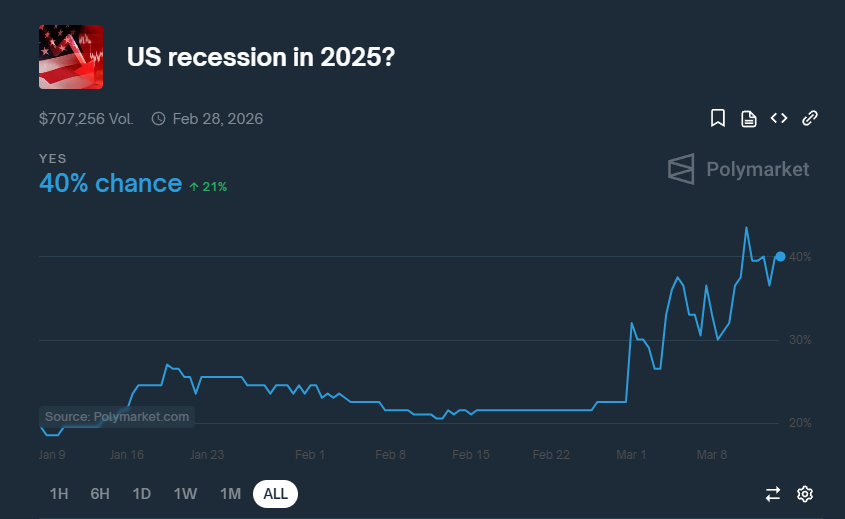
纳斯达克指数遭遇2022年9月以来最大单日跌幅,技术股和银行股连日重挫,消费者的支出意愿以四年来的最快速度萎缩。法新社直言,金融市场与特朗普的“蜜月期”已结束。摩根大通将今年衰退概率从30%上调至40%,高盛从15%调整至20%,Polymarket上2025美国衰退的概率也来到了40%。
降息

市场开始质疑:特朗普的政策是否正在将美国经济推向深渊?在这场风波中,所有人都在追问:美联储何时降息,才能为这场风暴按下暂停键?

关税与裁员:衰退的导火索?

特朗普上任不到两个月,政策已掀起波澜。他重拾关税武器,对加拿大、墨西哥、欧盟乃至中国提出10%到25%的加税计划,试图扭转贸易失衡并刺激制造业回流。

同时,马斯克领导的“政府效率部”裁减联邦雇员,仅2月就宣布裁员17.2万人,创2009年以来同期最高纪录,未来总数可能超过10万。这些举措让市场不安:企业成本上升,物价压力隐现,消费者信心摇摇欲坠。

亚特兰大联储预测,第一季度GDP增长将放缓,而历史规律显示,自1980年以来,美联储加息至5%以上后,2到4年内总有危机发生,如今正值2022年加息后的风险窗口。

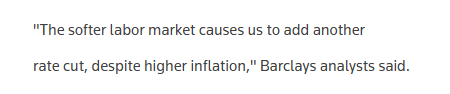
特朗普3月9日称:“这是转型期,我们在做大事。”然而,野村证券策略师却认为,他可能在有意制造衰退,以放缓经济增长并推动通缩。巴克莱最新预测也反映了这一趋势,预计美联储将在6月和9月分别降息25基点,相较此前仅预期6月降息一次,调整背后或是对通胀和经济放缓的更深忧虑。
降息


债务压顶与美联储博弈

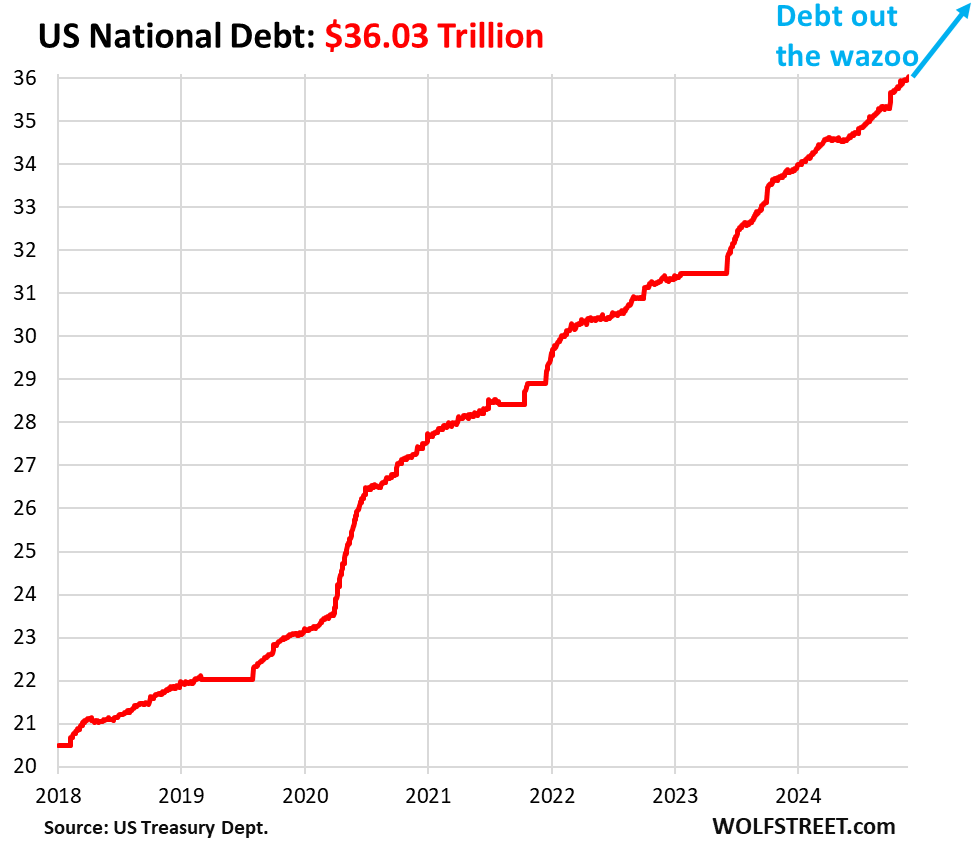
特朗普的政策或许瞄准了更深层的目标。美国联邦债务已达36万亿美元,利息支出成为财政重担。据国会预算办公室估算,2025财年利息成本将达9520亿美元,10年后可能飙升至1.8万亿美元。若美联储降息100基点,政府每年可节省3000到4000亿美元利息,这对特朗普而言是难以抗拒的诱惑。
降息

他曾威胁撤换美联储主席鲍威尔,马斯克也在3月11日与他共同亮相白宫,宣布裁员计划的同时频频抨击货币政策。财政部长贝森特称经济需“排毒”,摆脱对政府支出的依赖,似乎在为短期阵痛铺垫。

目前,联邦基金利率维持在4.25%-4.5%,鲍威尔月初表示,通胀(CPI约3%)尚未降至2%,经济仍有韧性,无需急于降息。但劳动力市场已现裂痕,2月裁员总数翻倍,若失业率从4%升至5%,美联储可能被迫出手。市场猜测,6月或成降息起点,而巴克莱的预测进一步强化了这一预期,认为9月降息是对经济放缓的后续应对。


转型的代价与未知的风险

特朗普的野心可能远不止眼前。他的经济顾问史蒂芬·米兰提出,美国需重塑美元体系,摆脱储备货币的赤字拖累。他设想通过“海湖莊园协议”,迫使中国、欧盟抛售美元资产,转向长期债券,实现美元贬值并刺激制造业回流。若此计划成真,将重塑全球贸易格局,但前提是经济先“排毒”——主动刺破泡沫,降低杠杆。

3月11日,特朗普对百名企业高管说:“我们必须重建国家。”然而,这场转型代价高昂:股市下挫、美元走弱,甚至短期衰退,都可能是必经之路。
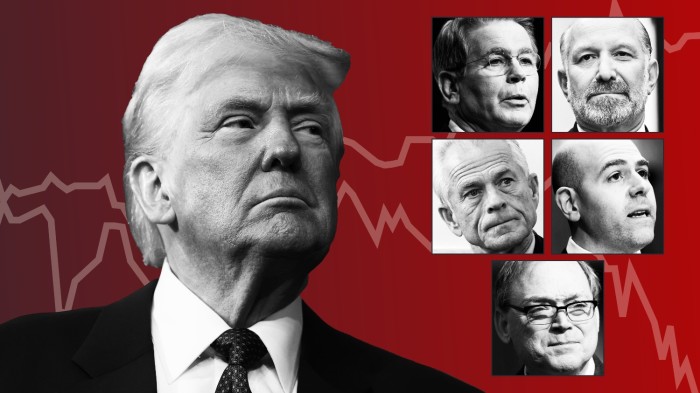
降息

哈佛经济学家劳伦斯·萨默斯警告,衰退概率已近50%,通胀可能重回2021年高位;英国分析师达里奥·珀金斯则指出,真正衰退并非“净化剂”,而可能留下持久创伤。若失控,2026年中期选举的共和党前景将蒙上阴影。从“特朗普交易”到“特朗普衰退”,美联储的抉择至关重要——巴克莱预测的6月和9月降息能否实现,取决于通胀与就业数据的演变,而这场豪赌的成败,仍是未知数。


Letture associate

Li Fei-Fei's Latest Long-Form Article: When Video Generation, Robotics, and NVIDIA All Call Themselves World Models, We Need a Taxonomy

In a new article, Dr. Fei-Fei Li addresses the widespread and often inconsistent use of the term "world model" in AI. She proposes a clear, functional taxonomy rooted in the classic Partially Observable Markov Decision Process (POMDP) loop (agent → action → state → observation → agent). According to this framework, current systems called "world models" are different projections of this loop, categorized by their primary output: 1. **Renderers**: Output observations (pixels). Their goal is visual fidelity for human consumption (e.g., video generation models like Sora). They are the most commercially mature but are limited by a focus on appearance over physical accuracy. 2. **Simulators**: Output states (geometric, physical, dynamic representations). They provide a structurally accurate world for both human professionals (e.g., architects) and computational agents (e.g., robots for training). Li argues simulators are the crucial, underappreciated bridge, as they can underpin both rendering and planning. 3. **Planners**: Output actions. Given an observation and a goal, they decide what an agent should do next (e.g., robotic action models). This area is highly promising but remains the least mature for real-world deployment. Li highlights a key trend: the boundaries between these three categories are beginning to blur, as they all rely on a shared underlying understanding of geometry, physics, and dynamics. The logical endpoint is a unified world foundation model capable of switching between rendering, simulation, and planning based on downstream needs. This convergence, she concludes, is central to advancing spatial intelligence—enabling machines not just to talk about the world, but to truly understand, imagine, and interact with it.

marsbit3 h fa

Li Fei-Fei's Latest Long-Form Article: When Video Generation, Robotics, and NVIDIA All Call Themselves World Models, We Need a Taxonomy

marsbit3 h fa

Forbes Feature: Stablecoin Cross-Border Payments Are Faster, But Not Yet Cheaper

A Forbes feature delves into the state of stablecoin-based cross-border payments, noting rapid growth but a key shortfall: while faster and more accessible, they are not yet cheaper. At a recent industry conference in Mexico City, optimism about technology, regulation, and volume was tempered by discussions with practitioners. The core issue is liquidity. Traditional FX brokers charge 60-70 basis points, and stablecoins promise to slash this to 2-5 basis points. However, this theoretical cost advantage cannot be realized until deep liquidity pools are established at scale, requiring significant institutional capital inflow. A major adoption barrier is trust. Businesses often rely on long-standing relationships with traditional brokers, valuing reliability over marginal cost savings. This shift will be gradual. Furthermore, successful companies in the space are not positioning themselves as replacements for legacy systems like SWIFT, but as complements. They leverage stablecoins for speed while using traditional rails for their standardization and reliability in ensuring accurate payment details—a critical factor for supplier payments to avoid customs issues. Companies like Caliza, experiencing high monthly growth, exemplify this hybrid approach. The industry anticipates consolidation, as long-term viability will depend on securing the essential trifecta: proper licensing, robust fiat on/off-ramps, and deep liquidity. Without these, firms risk being mere intermediaries rather than building sustainable businesses.

marsbit3 h fa

Forbes Feature: Stablecoin Cross-Border Payments Are Faster, But Not Yet Cheaper

marsbit3 h fa

Trading

Spot
活动图片