加拿大新总理马克·卡尼及其加密货币轶事

marsbitPubblicato 2025-03-11Pubblicato ultima volta 2025-03-12

2025 年 3 月 9 日,加拿大执政党自由党宣布,马克·卡尼以压倒性优势当选为该党新领导人。卡尼将接替现任总理特鲁多出任自由党领袖并组建新内阁,成为加拿大史上首位未经民选直接上任的总理。

加拿大新任总理马克·卡尼(Mark Carney)的职业生涯始终与金融体系紧密相连,从高盛集团高管到加拿大、英国两大央行的掌舵者,再到联合国气候行动特使,他的每一步跨越都伴随着对全球经济与金融创新的深度思考。
CBDC

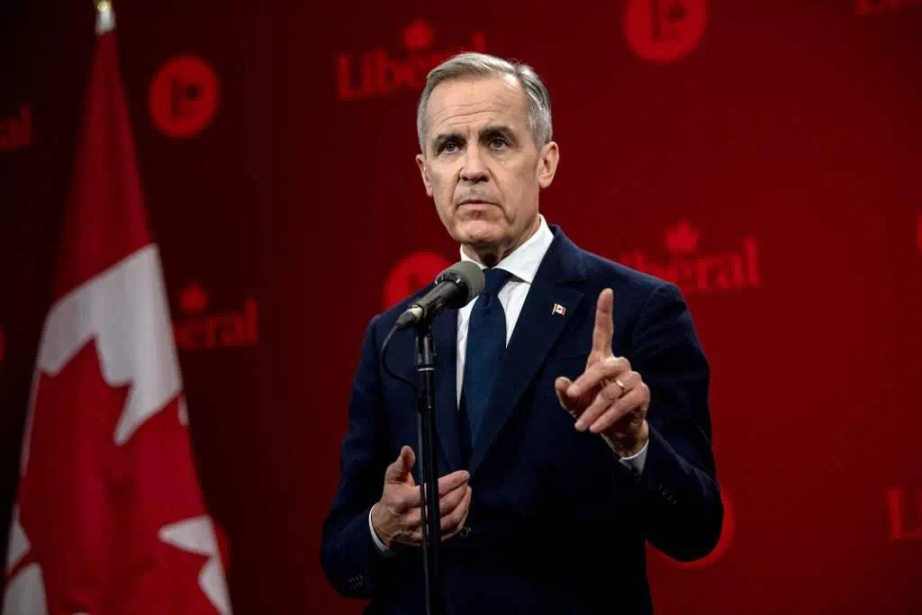
图片:马克·卡尼,Source:视觉中国


早期立场:质疑比特币,但拥抱区块链

卡尼首次公开谈论加密货币可追溯至 2017 年 12 月。彼时,比特币价格飙升至历史高点,引发全球投机热潮。在伦敦的英国议会发表金融稳定证词时,作为英国央行行长的卡尼明确表示「比特币并非金融稳定的威胁」,认为其与传统金融系统关联有限,但提醒需警惕 ICO(首次代币发行)规避监管的风险。这一表态为他后续的立场奠定了基调,也就是区分加密货币的投机属性与其底层技术的潜力。 

2018 年 2 月,卡尼在伦敦摄政学院直言比特币「几乎未能通过货币的传统定义考验」。他进一步指出,比特币 2100 万枚的固定供应量存在「严重缺陷」,认为机械模仿金本位制是「货币健忘的犯罪行为」— 这一设计虽试图对抗通胀,却导致价格剧烈波动,使其成为「糟糕的短期价值储存工具」。他甚至举例警示:「若普通家庭用比特币借款支付日常开支,可能因币值暴跌陷入债务深渊。」然而,他同时强调区块链技术是「去中心化金融交易的革命性验证」,并透露英国央行正探索将分布式账本技术(DLT)应用于实时结算系统,以提升效率与安全性。

这种「否定投机、肯定技术」的二分法,成为他早期对加密货币的核心态度。


监管逻辑:打击非法,支持合规创新 

卡尼对加密货币的监管主张始终围绕两个关键词:透明度与责任。他多次指出匿名交易是洗钱与非法活动的温床,呼吁将加密资产交易所纳入与传统金融机构相同的监管框架。在支持央行数字货币(CBDC)的论述中,他特别强调其反恐与反经济犯罪潜力 — 通过可追溯的交易记录压缩黑市生存空间。 2018 年 1 月 G20 峰会期间,他推动将加密货币议题提上议程,主张国际协作以规范其与法币的兑换机制。 

对于私营机构发起的数字货币项目,卡尼展现出罕见的开放姿态。2019 年 6 月 Facebook 推出稳定币 Libra(后更名 Diem)时,他并未全盘否定,而是称其为「可能降低全球支付成本」的创新尝试,同时强调「必须提前建立最高标准的监管体系」。他甚至提出,一种由多国央行支持的「合成霸权货币」(SHC)或可替代美元成为国际储备货币,以应对全球化带来的金融体系失衡。这一设想虽未被广泛采纳,却折射出他对数字货币重塑国际金融秩序的深刻洞察。 


气候视角:能源争议与 CBDC 的优先性

2021 年,在斯坦福大学的一次活动上,作为联合国气候变化特使的卡尼谈论了他对加密货币的印象。他批评比特币挖矿的高耗能特性与中国禁矿政策的合理性,直言「气候变化已是生存挑战,我们不需要让问题更复杂的技术」。

CBDC


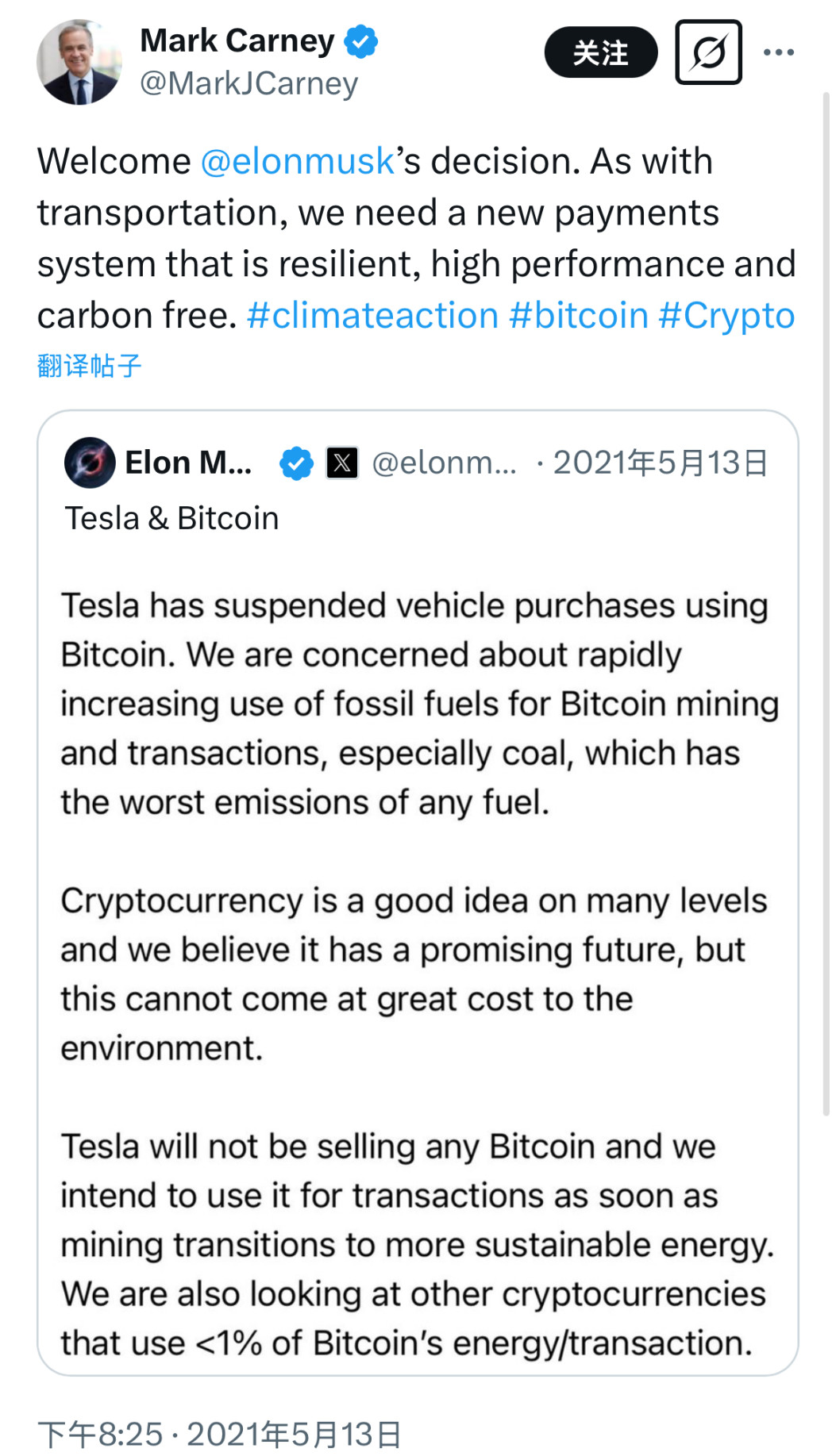
同年 5 月 13 日,他转发马斯克关于比特币支付的推文,呼吁建立「弹性、高性能且无碳的支付系统」,这一看似矛盾的举动实则暗合其政策优先级 — 他支持的是可持续的技术路径,而非特定加密资产。 

与此同时,他公开强调央行数字货币(CBDC)在安全性与可持续性上的优势。这一立场与他长期以来对 CBDC 的推崇一脉相承。早在 2017 年,卡尼便主导英国央行测试数字货币原型,认为其能「重构银行业流动性风险」,但也警告需平衡创新与金融稳定。2020 年卸任英国央行行长前夕,他再次强调 CBDC 的设计需保持审慎的态度,以避免冲击现有货币体系。

这种对「公共数字货币」的持续探索,与他对私营加密货币的保留态度形成鲜明对比 — 在卡尼的愿景中,未来金融系统的核心应由主权背书的数字货币锚定,而非去中心化的加密资产。 


推动加密支付落地

2021 年,卡尼加入美国支付巨头 Stripe 董事会。尽管该公司在 2018 年曾放弃比特币支付,但在其任职期间(2021 至 2025 年),Stripe 于 2022 至 2024 年陆续推出加密支付解决方案,包括支持稳定币结算与 Web3 钱包集成。并于 2024 年 4 月重新开始接受加密货币支付,同年 10 月,Stripe 以 11 亿美元的价格收购了稳定币平台 Bridge,这也是现有公开报道中加密货币行业历史上最大的一笔收购案例。

Stripe 的战略转型恰与卡尼对「高效合规支付系统」的追求不谋而合,也就是既拥抱区块链的效率,又规避监管的不确定性。 

Letture associate

Li Fei-Fei's Latest Long-Form Article: When Video Generation, Robotics, and NVIDIA All Call Themselves World Models, We Need a Taxonomy

In a new article, Dr. Fei-Fei Li addresses the widespread and often inconsistent use of the term "world model" in AI. She proposes a clear, functional taxonomy rooted in the classic Partially Observable Markov Decision Process (POMDP) loop (agent → action → state → observation → agent). According to this framework, current systems called "world models" are different projections of this loop, categorized by their primary output: 1. **Renderers**: Output observations (pixels). Their goal is visual fidelity for human consumption (e.g., video generation models like Sora). They are the most commercially mature but are limited by a focus on appearance over physical accuracy. 2. **Simulators**: Output states (geometric, physical, dynamic representations). They provide a structurally accurate world for both human professionals (e.g., architects) and computational agents (e.g., robots for training). Li argues simulators are the crucial, underappreciated bridge, as they can underpin both rendering and planning. 3. **Planners**: Output actions. Given an observation and a goal, they decide what an agent should do next (e.g., robotic action models). This area is highly promising but remains the least mature for real-world deployment. Li highlights a key trend: the boundaries between these three categories are beginning to blur, as they all rely on a shared underlying understanding of geometry, physics, and dynamics. The logical endpoint is a unified world foundation model capable of switching between rendering, simulation, and planning based on downstream needs. This convergence, she concludes, is central to advancing spatial intelligence—enabling machines not just to talk about the world, but to truly understand, imagine, and interact with it.

marsbit4 h fa

Li Fei-Fei's Latest Long-Form Article: When Video Generation, Robotics, and NVIDIA All Call Themselves World Models, We Need a Taxonomy

marsbit4 h fa

Forbes Feature: Stablecoin Cross-Border Payments Are Faster, But Not Yet Cheaper

A Forbes feature delves into the state of stablecoin-based cross-border payments, noting rapid growth but a key shortfall: while faster and more accessible, they are not yet cheaper. At a recent industry conference in Mexico City, optimism about technology, regulation, and volume was tempered by discussions with practitioners. The core issue is liquidity. Traditional FX brokers charge 60-70 basis points, and stablecoins promise to slash this to 2-5 basis points. However, this theoretical cost advantage cannot be realized until deep liquidity pools are established at scale, requiring significant institutional capital inflow. A major adoption barrier is trust. Businesses often rely on long-standing relationships with traditional brokers, valuing reliability over marginal cost savings. This shift will be gradual. Furthermore, successful companies in the space are not positioning themselves as replacements for legacy systems like SWIFT, but as complements. They leverage stablecoins for speed while using traditional rails for their standardization and reliability in ensuring accurate payment details—a critical factor for supplier payments to avoid customs issues. Companies like Caliza, experiencing high monthly growth, exemplify this hybrid approach. The industry anticipates consolidation, as long-term viability will depend on securing the essential trifecta: proper licensing, robust fiat on/off-ramps, and deep liquidity. Without these, firms risk being mere intermediaries rather than building sustainable businesses.

marsbit4 h fa

Forbes Feature: Stablecoin Cross-Border Payments Are Faster, But Not Yet Cheaper

marsbit4 h fa

Trading

Spot
活动图片