В Мьянме освободили более 300 «рабов криптомошеннических центров»

cryptonews.ruPubblicato 2021-02-12Pubblicato ultima volta 2025-02-12

Совет национальной безопасности Таиланда и власти Мьянмы провели совместную операцию по ликвидации мошеннических криптоцентров в пяти приграничных регионах Мьянмы.

В трех регионах страны, Мьявадди, Паятонзу и Тачилек, ради поимки преступников была прекращена подача электроэнергии, поставка топлива и отключен интернет. Затем сотрудники правоохранительных органов двух стран провели серию рейдов в местах дислокации злоумышленников.

В результате были арестованы несколько организаторов подпольных центров и освобождены 360 человек, которых принуждали к совершению криптовалютных преступлений. Большинство освобожденных «рабов» криптокомплексов были обмануты фальшивыми обещаниями предоставления высокооплачиваемой работы в Мьянме. Помимо граждан Таиланда и Мьянмы, среди освобожденных оказались граждане Китая, Филиппин, Кении, Бразилии, Пакистана, Бангладеш, Непала, Танзании и Эфиопии.

Заместитель премьер-министра и министр обороны Таиланда Пумтам Вечаячай (Phumtham Wechayachai) рассказал журналистам, что вдоль границы Мьянмы и Таиланда функционирует от 300 до 400 преступных конгломератов, управляемых бандами из Китая. Там содержатся тысячи жертв торговли людьми, многие из которых вынуждены заниматься онлайн-мошенничеством.

Пумтам Вечаячай добавил, что среди закрытых силовиками криптокомплексов были такие как KK Park и Shwe Kokko, подозреваемые в краже стейблкоинов Tether на сумму более $100 млн.

«Мы видим, что многие из этих центров мошенничества предпочитают активы Tether и Tron. Стабильность USDT является привлекательным фактором, как и низкие комиссии за транзакции в Tron», — заявила руководитель отдела разведки киберугроз компании Chainalysis Джеки Ковен (Jackie Koven).

Ранее эксперты по безопасности компании Elliptic сообщили, что Huione Guarantee, которую следователи называли «крупнейшей нелегальной торговой площадкой в Интернете из когда-либо существовавших», за последние полгода увеличила ежемесячный оборот на 51%. Согласно отчету Elliptic, многие мошенничества с криптовалютами совершаются участниками транснациональных организованных преступных групп, которые действуют из специально созданных «мошеннических комплексов», расположенных по всей Юго-Восточной Азии, особенно в Мьянме, Лаосе и Камбодже.

В 2023 году достоянием гласности стала история о российской паре фрилансеров, которых пригласили в Мьянму в качестве «моделей для онлайн-продажи элитой одежды» в китайской компании. По приезду россиян продали за $30000 в один из мошеннических криптоцентров. От россиян потребовали стать торговцами криптовалютой, чтобы через интернет и видеосвязь уговаривать богатых иностранцев заняться инвестициями.


Letture associate

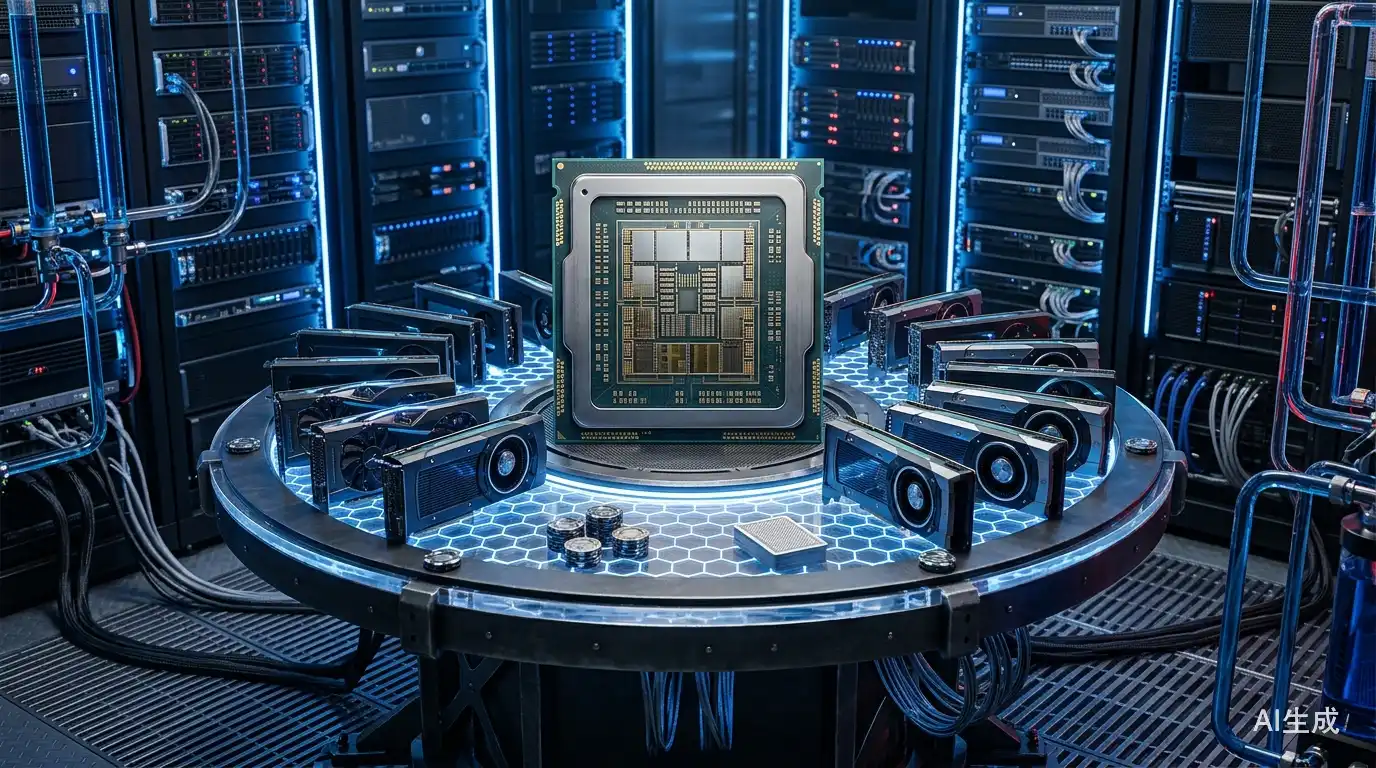
CPU Makes a Comeback to the Table, A $170 Billion "Power Seizure" Drama Begins

A new era is dawning for the server CPU (Central Processing Unit), driven by the shift from AI model training to large-scale reasoning and the rise of Agentic AI. This article explores how the CPU is reclaiming a central role in the AI data center. For years, the focus has been on the GPU (Graphics Processing Unit) for AI training. However, as AI moves to the inference and Agent phase—where tasks involve complex, multi-step reasoning, tool calls, and data management—the workload balance is flipping. Studies show CPUs now handle over 70% of the workload in Agentic AI, up from 10-30% in training. This is because Agent tasks generate massive intermediate data (KV Cache) that exceeds GPU memory, forcing it to be offloaded to the CPU's larger, more scalable memory pools. This increased importance is translating into market changes. Major players are taking note: NVIDIA launched its first standalone CPU line, Vera, based on ARM architecture and optimized for Agent performance. AMD doubled its server CPU market forecast to over $1200 billion by 2030. Analyst reports project the total server CPU market could reach $1700 billion by 2030, with AI-driven demand being a primary driver. Furthermore, the classic ratio of CPUs to GPUs in AI servers is rapidly changing, converging from 1:8 toward 1:1 for Agent deployments. This surge in demand has led to a rare industry-wide price increase of 10-15% for server CPUs from Intel and AMD, breaking a decade-long trend of "more performance for the same price." Demand is bifurcating into high-core-count CPUs for in-rack GPU support and moderate-core CPUs for standalone Agent task orchestration. In China, this global trend presents an opportunity for domestic CPU manufacturers like Hygon (海光信息) and Huawei Kunpeng, who are bolstered by both growing AI infrastructure needs and national policies promoting technological self-reliance ("xin chuang"). The maturity of their software ecosystems is also accelerating, evidenced by faster adaptation to new AI models. In conclusion, the narrative is shifting from a GPU-centric view to one where CPU-GPU synergy is critical. The CPU is no longer a peripheral component but a performance-defining bottleneck and a key growth driver in the AI hardware stack, opening a massive new market estimated in the hundreds of billions of dollars.

marsbit8 h fa

CPU Makes a Comeback to the Table, A $170 Billion "Power Seizure" Drama Begins

marsbit8 h fa

TechFlow Intelligence: AMD AI Director Publicly Criticizes Claude Code for "Becoming Dumber and Lazier", Trump Claims Full Ceasefire in Hormuz But Strait Still Has 80 Unexploded Mines

TechFlow Intelligence Report: This daily digest covers key developments in AI, crypto, hardware, and geopolitics. In AI, SK Telecom faces US export control scrutiny over its partnership with Anthropic, while a Gemini user reports being misled in a scam scenario, sparking safety debates. China's Z.AI launches the GLM-5.2 model, rivaling Claude Opus without NVIDIA chips. In crypto, Bithumb lists ReProtocol, and Upbit delists KernelDAO. On the hardware front, MIT researchers build a custom OS to study chips, ASML denies US claims its advanced lithography machines are in China, and Amazon considers selling its in-house AI chips. Apple's future A21 Pro chip may use TSMC's latest N2P process. Major tech issues include 10,000 GitHub repositories distributing malware and Apple patching a critical eavesdropping flaw in Beats earbuds. US stocks rise, led by semiconductors, with Intel surging 10.6%, while SpaceX falls 3.5%. Geopolitically, despite a US-Iran deal, the Strait of Hormuz remains risky with ~80 uncleared mines, stalling 80M barrels of oil on standby tankers. Iran postpones Switzerland talks, and Trump calls the agreement an "unconditional surrender." The report highlights a contrast: temporary geopolitical calm versus the ongoing, fundamental restructuring of tech supply chains and chip independence.

marsbit8 h fa

TechFlow Intelligence: AMD AI Director Publicly Criticizes Claude Code for "Becoming Dumber and Lazier", Trump Claims Full Ceasefire in Hormuz But Strait Still Has 80 Unexploded Mines

marsbit8 h fa

Trading

Spot
Futures
活动图片