Запуск мемкоина CAR в Центральноафриканской Республике омрачен претензиями к Deepfake и приостановленным доменом

cryptonews.ruPubblicato 2024-07-10Pubblicato ultima volta 2025-02-10

  • Мемкойн $CAR стремится стимулировать национальное развитие, но сталкивается с обвинениями в поддельных видео.
  • Инструменты искусственного интеллекта пометили видео президента как подозрительное, что вызвало сомнения в его легитимности.
  • Домен Memecoin CAR был зарегистрирован незадолго до запуска, что привело к дальнейшему изучению.

Центральноафриканская Республика (ЦАР) представила новую мемкоин $CAR, чтобы стимулировать национальное развитие и привлечь внимание к стране на мировой арене. В официальном заявлении президент Фаустион-Арканж Туадера представил проект, признав его рискованный характер и способность объединять людей.

Today, we are launching $CAR — an experiment designed to show how something as simple as a meme can unite people, support national development, and put the Central African Republic on the world stage in a unique way.

Contract: 7oBYdEhV4GkXC19ZfgAvXpJWp2Rn9pm1Bx2cVNxFpump

— Faustin-Archange Touadéra (@FA_Touadera) February 9, 2025

Туадера, который стал вторым президентом в мире, принявшим биткоин в качестве законного платежного средства, последовательно поддерживает потенциальную прибыль криптовалюты. В своем заявлении он подтвердил свою веру в криптовалюту как инструмент глобального прогресса.

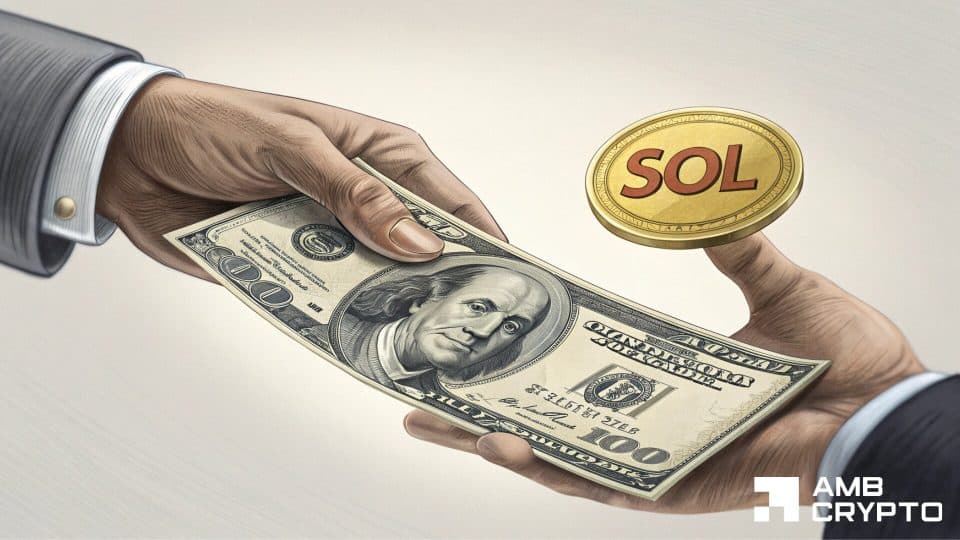
Токен $CAR, который стартовал на стартовой Pump.fun площадке мемкоинов на базе Solana 9 февраля, продемонстрировал скачок стоимости, достигнув пиковой рыночной капитализации в 527 миллионов долларов. Тем не менее, проект намерен использовать мемкоин для поддержки национальных проектов развития, при этом руководство страны надеется добиться международного признания.

По теме: Мемкойны на основе искусственного интеллекта от Solana процветают, но надолго ли хватит ажиотажа?

Запуск проекта Deepfake Doubs Cloud

Однако реальность видео президента Туадеры оказалась под вопросом. Несколько моделей обнаружения дипфейков с использованием искусственного интеллекта указали, что видео потенциально фейковое.

Одна модель, Deepware, указала на 82% вероятность того, что видео было дипфейком. В то время как два других инструмента обнаружения, Avatrify и собственный чекер Deepware, не выявили никаких проблем, критики выразили обеспокоенность по поводу правдивости видео.

Подозрений добавлял тот факт, что домен $CAR проекта мемкойна, car.meme, был зарегистрирован на Namecheap всего за три дня до официального объявления. Регистрация домена обычно занимает больше времени для инициатив, поддерживаемых правительством, что делает это время необычным. После тщательной проверки Namecheap приостановил действие домена, назвав его «неправомерным сервисом».

Правительство гарантирует безопасность перед лицом противоречий

Несмотря на разногласия, правительство ЦАР заверило общественность, что запас токенов мемкоина надежно заблокирован.

На официальном сайте подробно описан план распространения токена, группы эмиссии и график выпуска, что является частью более широкой национальной стратегии развития.

We are working with @X to get @CARMeme_News back as soon as possible.

Meanwhile, the token supply has been securely locked through @streamflow_fi, according to the distribution plan, emission groups, and release schedule detailed on our website.

— Faustin-Archange Touadéra (@FA_Touadera) February 9, 2025

По мере того, как расследование усиливается, будущее мемкойна $CAR и его роль в криптоамбициях Центральноафриканской Республики остаются неопределенными. И подлинность видео, и сомнительная регистрация домена вызывают вопросы по поводу сути проекта.

Letture associate

Unitree's IPO Frenzy: The Real Mystery is How It Will Spend the 42 Billion Raised

Unitree, a Chinese robotics company, is set for a public listing after its IPO registration was approved by regulators. The company, which started with quadruped robots and has expanded into humanoids, plans to raise approximately 4.2 billion yuan through its offering. The article traces Unitree's rapid growth from its founding in 2016 to its current status. It highlights key milestones like the 2021 CCTV Spring Festival Gala performance, the 2023 launch of its affordable Go2 robot dog and the H1 humanoid robot, and a series of subsequent product launches. By 2025, the company reported revenue of 1.71 billion yuan, profitability, and sales exceeding 5,500 humanoid robots. As the first publicly-listed humanoid robot company on China's STAR Market, Unitree's main challenges are sustaining growth and deploying its newly raised capital effectively. The humanoid robot sector in China is crowded, with over 140 companies. Competitors include UBTech (focusing on industrial and consumer markets), Fourier, and international players like Tesla Optimus and 1X NEO. The article outlines three critical challenges for Unitree: establishing a strong second product line beyond its quadruped robots, maintaining its price advantage while ensuring quality, and successfully advancing its embodied AI capabilities through partnerships like the one with NVIDIA for the H2 Plus platform. Unitree's likely strategy involves a "developer tools + industry benchmarks" approach: using low-cost models like the R1 and G1 to build developer adoption and volume, leveraging high-end platforms for AI training, and securing pilot projects in sectors like logistics and manufacturing to build case studies. The company's future success hinges on converting its current momentum in shipments and pilot programs into sustainable, large-scale commercial contracts as the broader market evolves.

marsbit1 h fa

Unitree's IPO Frenzy: The Real Mystery is How It Will Spend the 42 Billion Raised

marsbit1 h fa

Examining the Open USD Partner Lineup: Follow Who's Joining to See Where the Money Flows

**Title: Deciphering the Open USD Partner Roster: Following the Money** The launch of Open USD is notable less for the stablecoin itself and more for its expansive list of over 140 founding partners, which reads like a "who's who" of global finance and tech. This coalition, including asset managers like BlackRock, card networks Visa and Mastercard, banks (BNY Mellon, Standard Chartered, etc.), tech giants (Google, IBM), merchants (Shopify), and crypto firms (Coinbase, Ripple, Aave, MetaMask), signals a strategic shift. The diverse membership reveals that stablecoins are increasingly viewed not as products to compete over, but as shared infrastructure too critical to be left to any single entity. Each partner category has distinct motives. Asset managers like BlackRock seek to manage the large, sticky cash reserves, a lucrative fee-generating opportunity. Merchants like Shopify aim for lower-cost settlement and potential yield on balances. Banks join defensively to retain custody and settlement roles, fearing deposit outflows to stablecoins. Tech companies bet on programmable money for future machine-to-machine commerce. Crypto firms gain mainstream legitimacy and distribution channels. Remarkably, the consortium includes direct competitors (Visa vs. Mastercard, Coinbase vs. Ripple), indicating that the fear of exclusion from this emerging financial layer outweighs competitive rivalries. However, this shared governance could also lead to slow decision-making. The roster's composition is the real message: it represents a collective bet that a widely accepted, consortium-owned stablecoin is preferable to proprietary versions or having none at all. For incumbents like Circle and Tether, this alliance poses a significant threat, as potential clients have collectively chosen to build their own alternative. The absence of major U.S. retail banks (busy with their own tokenized deposit networks) is equally telling. In essence, the partner list maps where the industry believes value and risk will flow in a tokenized dollar future, marking stablecoin's evolution from a product to a utility.

Foresight News1 h fa

Examining the Open USD Partner Lineup: Follow Who's Joining to See Where the Money Flows

Foresight News1 h fa

Trading

Spot
活动图片