Компания-поставщик решений для зарядки электромобилей Nuvve вложит 30% свободных средств в биткоин

investing.ruPubblicato 2025-01-29Pubblicato ultima volta 2025-01-29

GetBlock Magazine - Что произошло? Калифорнийская компания-разработчик технологий для зарядки электромобилей на основе чистой энергии Nuvve заявила о намерении создать биткоин-резерв. В пресс-релизе от 28 января компания, котирующаяся на бирже Nasdaq под тикером NVVE, заявила, что выделит на покупку первой криптовалюты до 30% своих избыточных денежных средств, рассчитанных исходя из предполагаемых шестимесячных операционных расходов.

Пресс-релиз

Что еще известно? Nuvve заявила, что биткоин диверсифицирует ее казначейские активы и будет способствовать достижению одной из целей: прием оплаты в BTC.

«Прием BTC будет способствовать расширению возможностей оплаты для клиентов и поставщиков с присущими цифровым активам потенциально меньшими трудностями при проведении транзакций», — сказал основатель и гендиректор Nuvve Грегори Пойласне.
Nuvve, предоставляющая зарядные станции для электромобилей, которые могут продавать избыточную энергию обратно в сеть, и другие решения для хранения энергии, присоединяется к растущему списку не связанных с криптовалютой публичных компаний, покупающих биткоин с целью укрепления своей казны и цены акций, поскольку криптовалюта выросла на 150% за последний год.

Согласно данным Bitcoin Treasuries, 62 публичные компании владеют 618 615 биткоинами на общую сумму более 62,6 млрд долларов.

С момента выхода на биржу в мае 2020 года акции NVVE упали в цене на 99,93% и в настоящий момент торгуются по $2,81, на фоне анонса прибавив 1,8% за сутки. В январе 2021 года стоимость ценных бумаг достигла рекорда на уровне выше $7300.

В III квартале 2024 года выручка Nuvve составила 1,92 млн долларов, что на 29,3% меньше в сравнении с предыдущим отчетным периодом. Отчет компании за III квартал показал, что у нее есть наличные в размере $325 425. Если бы она сейчас решила использовать 30% из них для покупки биткоина, она могла бы купить чуть менее 1 BTC при актуальном курсе выше $101 800.

Читайте оригинальную статью на сайте GetBlock Magazine

Letture associate

In the AI Era, What's Left for Bitcoin?

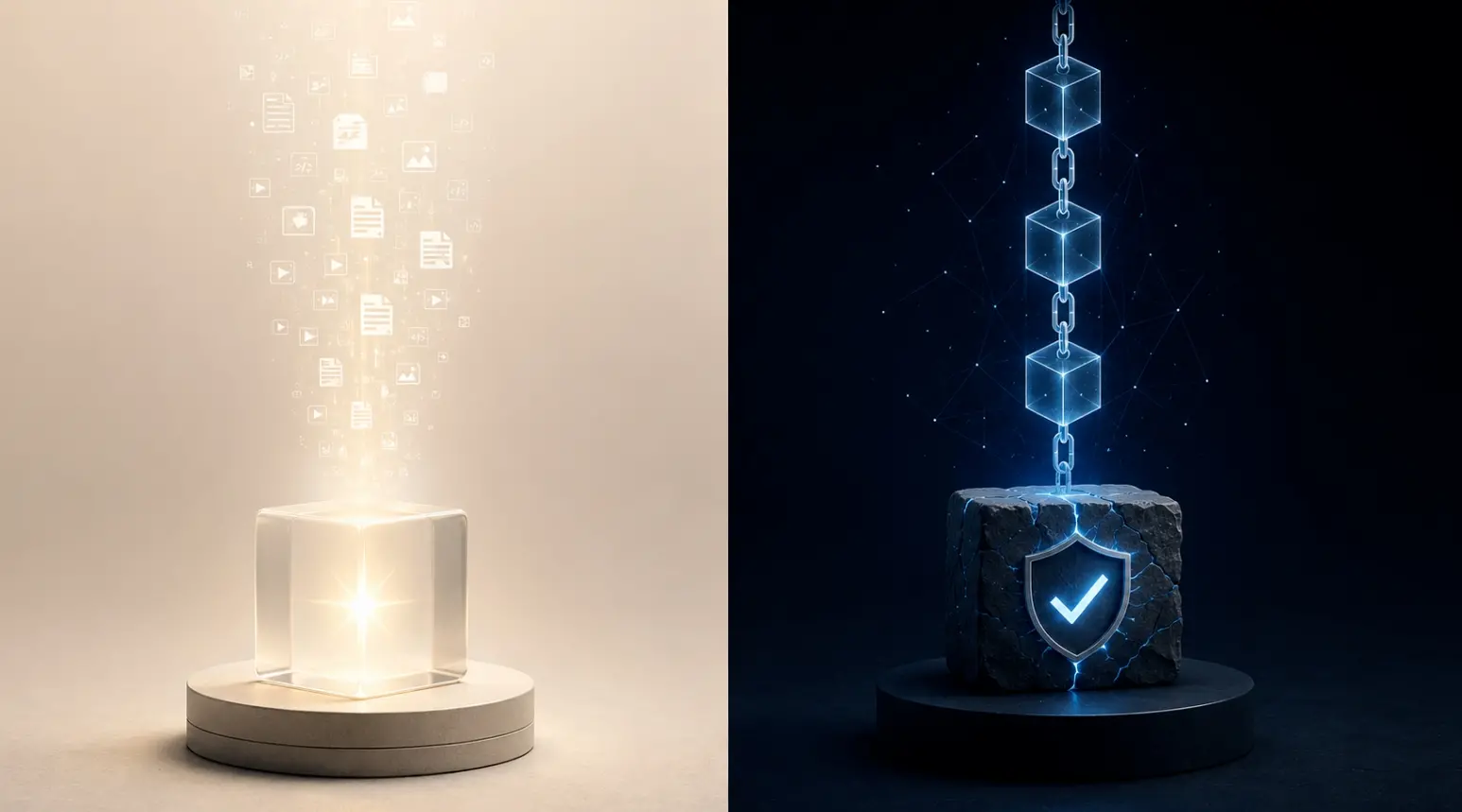
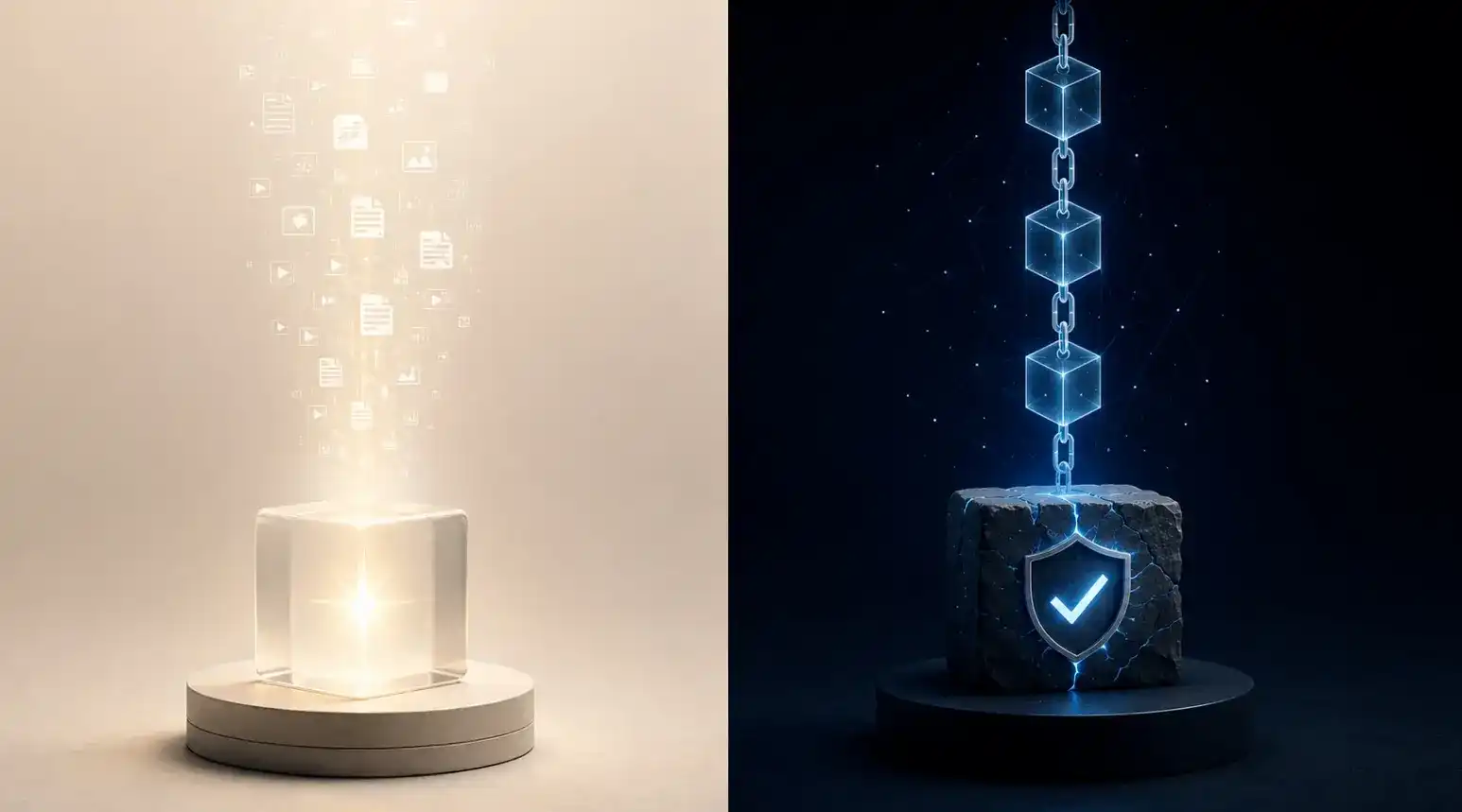
As Bitcoin falls below $60,000, the author reflects on the relationship between AI and Bitcoin, seeing them as two sides of the same coin. In the AI era, the cost of generating content has plummeted, making fake text, images, and videos increasingly easy and cheap to produce. This has led to a fundamental shift: while AI dramatically lowers the cost of information production, it also undermines trust and authenticity online. What becomes truly valuable is not more content, but the ability to verify what is real—"verifiability." This perspective offers a new lens for Bitcoin. Its massive energy consumption, often criticized as wasteful, is reinterpreted. While AI burns energy to enhance "capability" and efficiency, Bitcoin burns energy to produce "verifiability." Its purpose is not to be trusted but to enable a system where no trust in intermediaries—banks, platforms, or developers—is needed. Every transaction and the entire ledger's history is secured by cryptography and a decentralized network of nodes, making it independently verifiable. AI cannot forge a transaction on the Bitcoin network because the system is designed for proof, not generation. The author draws a historical parallel to the Renaissance: the printing press drastically reduced the cost of copying knowledge, while double-entry bookkeeping reduced the cost of trust in commerce. Today, AI is the new printing press, reducing content creation costs to near zero. Blockchain, and Bitcoin as its pioneer, may be the modern equivalent of double-entry bookkeeping—a foundational technology for verifying digital asset ownership and historical records without centralized authorities. Thus, AI and blockchain are not competitors. AI lowers the cost of creation; blockchain lowers the cost of verification. In an age where AI can generate anything, true scarcity may lie not in more content, but in independently verifiable facts. Whether the market will reprice Bitcoin accordingly remains uncertain, but its core value proposition as a "machine for producing verifiability" becomes strikingly relevant.

marsbit18 min fa

In the AI Era, What's Left for Bitcoin?

marsbit18 min fa

In the Age of AI, What's Left for Bitcoin?

Author: Sevclub, Seven Research Amid Bitcoin's recent drop below $60k, the author reflects on a growing sense that AI and Bitcoin are two sides of the same coin. Today, encountering any content triggers a new default question: "Was this made by AI?" The cost of generating convincing text, images, and video is now negligible. While the internet lowered information *distribution* costs, AI is crashing information *production* costs to near zero. The consequence is a flood of content where truth and falsehood are increasingly indistinguishable. In this environment, what becomes truly valuable is not more information, but the ability to verify what is real—"verifiability." This reframes the common criticism that Bitcoin "wastes electricity." AI consumes power to produce "capability" (e.g., more powerful models). Bitcoin consumes power to produce something else: "verifiability." Bitcoin's core purpose isn't about belief or trust in any institution, developer, or even its creator. It's about enabling independent verification. Every bitcoin's origin, every transaction, and the integrity of the entire ledger are secured by mathematics, cryptography, and a global network of nodes. AI can fabricate convincing media, but it cannot falsify a transaction on the Bitcoin network. The expended energy makes篡改历史 (tampering with history) prohibitively expensive, purchasing a globally verifiable ledger. The author draws a historical parallel to the Renaissance. The printing press drastically reduced the cost of copying knowledge, while double-entry bookkeeping reduced the cost of trust in commerce—one enabled creation, the other verification. Today, AI is the new printing press, driving content production costs toward zero. The question becomes: what is this era's "double-entry bookkeeping"? Blockchain appears to be the leading candidate. It doesn't verify which news is true or which image is real, but it provides a foundational layer for independently verifying asset ownership and historical records in the digital realm without centralized authorities. Therefore, AI and blockchain are not in competition. AI lowers the cost of *generation*. Blockchain (and Bitcoin as a prime example) lowers the cost of *verification*. One creates, the other proves. Whether Bitcoin ultimately succeeds remains uncertain, facing potential challenges from quantum computing, regulation, and technical evolution. However, the author now sees it less as a "machine for making bitcoin" and more as a "machine for making verifiability." In an age where AI can generate anything, true scarcity may no longer be "more content," but "more independently verifiable facts." Whether the market will price this accordingly is a separate question.

链捕手27 min fa

In the Age of AI, What's Left for Bitcoin?

链捕手27 min fa

Trading

Spot
活动图片