Solana Trader Makes Over $35 Million From ai16z And Fartcoin, Here’s What He’s Buying Now

bitcoinistPubblicato 2025-01-08Pubblicato ultima volta 2025-01-09

Introduzione

As noted by Lookonchain, a Solana trader has turned heads with profits of almost $20 million each from $ai16z and...

As noted by Lookonchain, a Solana trader has turned heads with profits of almost $20 million each from $ai16z and $Fartcoin, and with an 89.07% win rate over the past 30 days. As shown by on-chain data, these profits have been made through a strategy of buying very early into low market cap cryptocurrencies. Interestingly, on-chain movements in the past 24 hours show that the trader is now making more moves into other low market cap cryptocurrencies.

Solana Trader Makes 6,400x And 1,490x Returns On $ai16z And $Fartcoin

The crypto industry is home to millions of cryptocurrencies, and thousands more are created each day. Identifying the most promising cryptocurrencies to invest in out of the multitude is a daunting task for crypto investors. 

However, a few investors shoot up from time to time with crazy returns and make crypto investments look very easy. Such is the case of this Solana smart trader, who has made quite a return on crypto investments in the past few months. The most notable of these investments are $ai16z and $Fartcoin. 

The Solana trader’s success with $ai16z stands out as one of the most impressive returns in recent months. On October 25, 2024, he identified the token early and purchased 9.16 million $ai16z for just 18 SOL, roughly $3,000. Since then, the value of $ai16z has grown massively, and he has sold a portion of his holdings (1.32 million tokens) for $1.71 million, but he continues to hold 7.85 million $ai16z valued at $17.26 million. His total profit from this trade has reached $19 million, translating to a 6,400x return on his initial investment.

Another significant win for the trader came from $Fartcoin, where he invested $12,200 to acquire 17.31 million $Fartcoin at a market cap of $83,000. At the time of writing, $Fartcoin has a market cap of $1.02 billion, meaning the initial investment has yielded a total profit of more than $18 million. He has since sold 6.71 million tokens for $5.41 million while still holding 10.6 million $Fartcoin worth $12.83 million.

What’s Next? Low-Cap Tokens And A Major Bet On $OPAIUM

As noted by Lookonchain, the trader’s latest moves involve a series of small bets on low-cap tokens such as $eef, $DEAL, $GG, $SXBT, $FARTOLOGY, and $TBOO, which are relatively high-risk, high-reward opportunities. However, the most substantial recent investment is in $OPAIUM, where he has allocated 400 SOL, approximately $86,000.
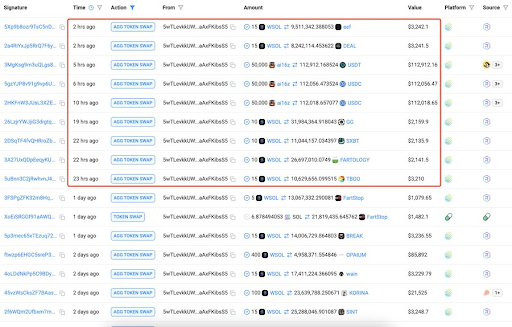
Solana
Source: Etherscan

Given the impressive track record of the Solana trader, these low marketcap cryptocurrencies are some to keep an eye on, especially $OPAIUM.

Solana price chart from Tradingview.com
SOL price struggles with bears | Source: SOLUSDT on Tradingview.com
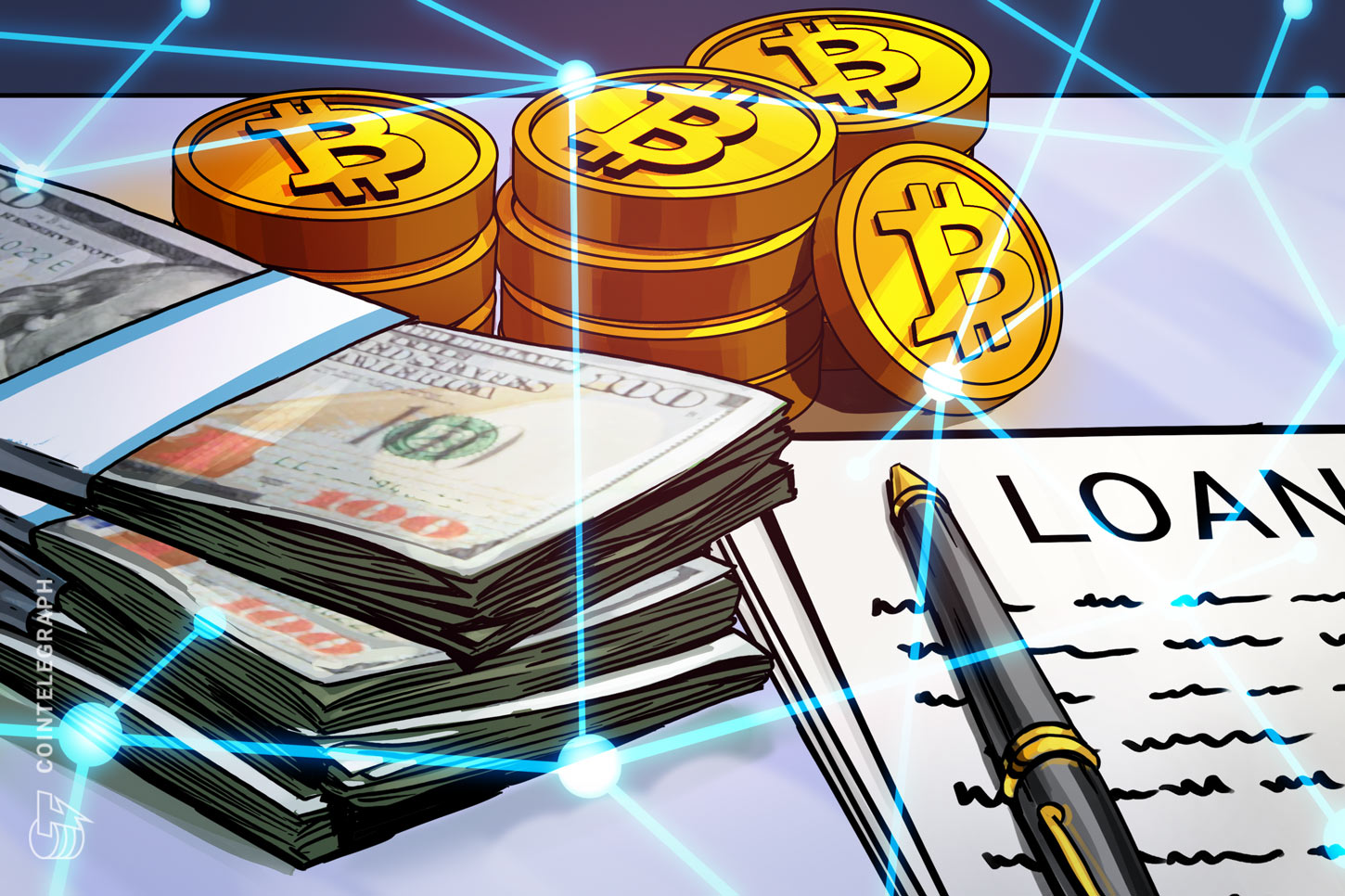
Featured image created with Dall.E, chart from Tradingview.com
Scott Matherson

Scott Matherson

Scott Matherson is a leading crypto writer at Bitcoinist, who possesses a sharp analytical mind and a deep understanding of the digital currency landscape. Scott has earned a reputation for delivering thought-provoking and well-researched articles that resonate with both newcomers and seasoned crypto enthusiasts. Outside of his writing, Scott is passionate about promoting crypto literacy and often works to educate the public on the potential of blockchain.

Crypto di tendenza

Letture associate

Trends in US Stocks (June 22): Strait of Hormuz Agreement Changes Course, Thursday's PCE and Micron to Determine Chip Sector Direction

U.S. Stock Market Outlook (June 22): Strait of Hormuz Deal Falters, Thursday's PCE & Micron to Set Chip Sector Direction. Geopolitical tensions resurged over the weekend as Iran's IRGC announced the closure of the Strait of Hormuz, and its negotiation team walked out after threats from Trump, pausing U.S.-Iran talks. This renewed risk premium is weighing on U.S. equity futures ahead of the open. Last week's market was driven by chip stocks, with the Philly Semiconductor Index hitting a record high. While the Fed's hawkish tone was overshadowed by initial deal optimism, the S&P 500 gained 0.9% for the week. SpaceX debuted strongly but ended with two down days. Key events this week: The status of U.S.-Iran negotiations remains the immediate variable for oil and energy stocks. Monday sees Marvell and Flex added to the S&P 500. Tuesday's MSCI reclassification could benefit South Korean semiconductors and memory stocks. **Thursday, June 25th, is the critical day**, featuring the May Core PCE report and Micron's earnings. Hotter PCE data could solidify expectations for two 2024 rate hikes, while softer data would rapidly reprice rate cut bets. Micron's report is a key test for the AI narrative; the market will scrutinize its 2027 HBM supply visibility, HBM4 progress, and its position in Nvidia's Vera Rubin supply chain. Nvidia's AGM and a potential OpenAI GPT-5.6 release will make Thursday a pivotal 24 hours for AI. Friday concludes with the Russell reconstitution, elevating small-cap volatility. In summary, last week's gains face a true test. The path hinges on two concurrent threads: geopolitical developments with Iran and the AI narrative defined by Micron's guidance and Nvidia's updates. The chip sector's record highs are vulnerable if Thursday brings hot PCE data and conservative guidance from Micron. Conversely, positive outcomes could reaffirm the AI bull case, making this week's volatility a potential entry window.

marsbit29 min fa

Trends in US Stocks (June 22): Strait of Hormuz Agreement Changes Course, Thursday's PCE and Micron to Determine Chip Sector Direction

marsbit29 min fa

OpenAI's "Most Open" Move: Codex No Longer Exclusively Favors GPT

OpenAI has significantly opened up its Codex programming agent by introducing a "model provider" configuration layer that allows users to connect it with various open-source models, not just its proprietary GPT. Through a configuration file or a simple `--oss` command-line flag, Codex can now route requests to local services like Ollama or LM Studio, or to third-party APIs such as Mistral or DeepSeek. This move is seen as one of OpenAI's most "open" steps, potentially lowering costs and enhancing privacy for developers who can run code generation offline. However, integration isn't seamless for all models. Codex primarily uses OpenAI's newer Responses API, while many open-source models rely on the older Chat Completions interface. This creates compatibility issues, especially for advanced features like function calling. The developer community is already building "routing" or adapter layers (e.g., CC Switch, LiteLLM) to translate between these protocols, enabling hybrid setups where GPT handles planning and open-source models handle execution. Analysts interpret this as a strategic shift for OpenAI: from competing solely on model superiority to controlling the platform and interface standards. By making Codex a flexible, pluggable entry point for AI-assisted programming, OpenAI aims to become the central hub in the developer toolchain ecosystem, even as users gain the freedom to switch underlying models.

marsbit1 h fa

OpenAI's "Most Open" Move: Codex No Longer Exclusively Favors GPT

marsbit1 h fa

When 500 Million People Abandon ChatGPT

ChatGPT's Global AI Assistant Market Share Drops Below 50% Three and a half years after its groundbreaking launch, ChatGPT faces a pivotal moment. While it remains the largest AI assistant globally, its market share has fallen below 50% for the first time, reaching 46.4% as of May, according to Sensor Tower's 2026 AI landscape report. Google's Gemini (27.7%) and Anthropic's Claude (10.3%) are now its main competitors, with Grok, Perplexity, and others also gaining ground. The market has evolved from awe and initial adoption into a phase of product comparison, ecosystem integration, and commercialization. User behavior has matured significantly. Loyalty is low; users readily switch between assistants for specific tasks. Gemini benefits from deep integration within Google's ecosystem (Search, Gmail, Android), while Claude has carved a niche among productivity-focused users with strong retention, nearly matching ChatGPT's. User choice is now influenced by a complex mix of capability, ecosystem, price, use case, and even brand trust. Commercialization is accelerating. AI app downloads continue but growth is slowing, while user spending is rising. Over $4.2 billion was spent in-app during H1 2026. Claude leads in premium subscription conversion rates (13%). OpenAI is expanding its revenue streams, testing ads shown to 17% of ChatGPT users daily by May. This shift highlights the immense financial pressure of model training and inference costs. Despite revenue growth, OpenAI's cash burn is intense, reaching $3.7 billion in Q1 2026. The company projects this could rise to $25-57 billion in the coming years, underscoring the industry-wide challenge of scaling profitably. The symbolism is clear: ChatGPT no longer defines the AI assistant market alone. The era of a single dominant product is over. Gemini, Claude, and specialized tools are collectively shaping user habits and business models. As AI assistants move from novelty to utility—judged on accuracy, efficiency, and value—they are becoming embedded in everyday digital life. ChatGPT may have lost its majority, but AI as a whole is winning, entering a mature, competitive, and diverse new phase.

marsbit1 h fa

When 500 Million People Abandon ChatGPT

marsbit1 h fa

Trading

Spot
Futures

Articoli Popolari

Come comprare FARTCOIN

Benvenuto in HTX.com! Abbiamo reso l'acquisto di Fartcoin (FARTCOIN) semplice e conveniente. Segui la nostra guida passo passo per intraprendere il tuo viaggio nel mondo delle criptovalute.Step 1: Crea il tuo Account HTXUsa la tua email o numero di telefono per registrarti il tuo account gratuito su HTX. Vivi un'esperienza facile e sblocca tutte le funzionalità,Crea il mio accountStep 2: Vai in Acquista crypto e seleziona il tuo metodo di pagamentoCarta di credito/debito: utilizza la tua Visa o Mastercard per acquistare immediatamente FartcoinFARTCOIN.Bilancio: Usa i fondi dal bilancio del tuo account HTX per fare trading senza problemi.Terze parti: abbiamo aggiunto metodi di pagamento molto utilizzati come Google Pay e Apple Pay per maggiore comodità.P2P: Fai trading direttamente con altri utenti HTX.Over-the-Counter (OTC): Offriamo servizi su misura e tassi di cambio competitivi per i trader.Step 3: Conserva Fartcoin (FARTCOIN)Dopo aver acquistato Fartcoin (FARTCOIN), conserva nel tuo account HTX. In alternativa, puoi inviare tramite trasferimento blockchain o scambiare per altre criptovalute.Step 4: Scambia Fartcoin (FARTCOIN)Scambia facilmente Fartcoin (FARTCOIN) nel mercato spot di HTX. Accedi al tuo account, seleziona la tua coppia di trading, esegui le tue operazioni e monitora in tempo reale. Offriamo un'esperienza user-friendly sia per chi ha appena iniziato che per i trader più esperti.

538 Totale visualizzazioniPubblicato il 2024.12.10Aggiornato il 2026.06.02

Come comprare FARTCOIN

Discussioni

Benvenuto nella Community HTX. Qui puoi rimanere informato sugli ultimi sviluppi della piattaforma e accedere ad approfondimenti esperti sul mercato. Le opinioni degli utenti sul prezzo di FARTCOIN FARTCOIN sono presentate come di seguito.

活动图片