Агентство АКРА составило список российских регионов с наиболее выгодными условиями для майнинга

investing.ruPubblicato 2024-11-18Pubblicato ultima volta 2024-11-18

В агентстве сослались на установленный кабинетом министров РФ для майнеров-физлиц лимит энергопотребления на уровне 6 000 кВт·ч, не требующий регистрации в реестре Федеральной налоговой службы. Согласно расчетам экспертов, в Иркутской области, Дагестане и Хакасии лимит энергопотребления обходится в 9 000-16 000 рублей в месяц. Для сравнения, в Калмыкии и Тыве аналогичные объемы энергии стоят в 3-5 раз дороже — до 47 000 рублей.

«Такая разница объясняется тем, что в Иркутской области и Хакасии энергопотребление на уровне 6 000 кВт·ч пока попадает в первый диапазон и оплачивается по льготному тарифу, а в Калмыкии и Тыве этот объем выходит за пределы второго диапазона и оплачивается по коммерческому тарифу», — объяснили специалисты АКРА.

По оценкам агентства, объем потребления электроэнергии одного ASIC-майнера в зависимости от модели варьируется от 1 до 5,5 кВт·ч.

«Таким образом, при расчете с использованием усредненного значения 3 кВт·ч потребление одной установки составит 72 кВт·ч в сутки, а в месяц (без учета потребления дополнительной электроэнергии на необходимое кондиционирование воздуха) — 2 160 кВт·ч», — пишут эксперты.

Они подчеркнули, что в таких регионах, как Калмыкия, а также Калининградская, Ивановская, Курская и Воронежская области, вышеуказанный объем потребления тоже будет оплачиваться по повышенному тарифу. По расчетам АКРА, в Иркутской области, в которой граница первой группы тарифов составляет 25 000 кВт·ч и является самой высокой в стране, для превышения действующего лимита необходимо иметь 12 постоянно работающих устройств. В свою очередь, лимит в 6 000 кВт·ч позволяет задействовать для майнинга три устройства, посчитали аналитики.

Ранее издание «Ъ» со ссылкой на проект протокола правительственной Комиссии по развитию электроэнергетики сообщило, что кабинет министров определился со списком регионов, где с 1 декабря может быть запрещен майнинг криптовалют.


Читайте оригинальную статью на сайте Bits.media

Letture associate

Li Fei-Fei's Latest Long-Form Article: When Video Generation, Robotics, and NVIDIA All Call Themselves World Models, We Need a Taxonomy

In a new article, Dr. Fei-Fei Li addresses the widespread and often inconsistent use of the term "world model" in AI. She proposes a clear, functional taxonomy rooted in the classic Partially Observable Markov Decision Process (POMDP) loop (agent → action → state → observation → agent). According to this framework, current systems called "world models" are different projections of this loop, categorized by their primary output: 1. **Renderers**: Output observations (pixels). Their goal is visual fidelity for human consumption (e.g., video generation models like Sora). They are the most commercially mature but are limited by a focus on appearance over physical accuracy. 2. **Simulators**: Output states (geometric, physical, dynamic representations). They provide a structurally accurate world for both human professionals (e.g., architects) and computational agents (e.g., robots for training). Li argues simulators are the crucial, underappreciated bridge, as they can underpin both rendering and planning. 3. **Planners**: Output actions. Given an observation and a goal, they decide what an agent should do next (e.g., robotic action models). This area is highly promising but remains the least mature for real-world deployment. Li highlights a key trend: the boundaries between these three categories are beginning to blur, as they all rely on a shared underlying understanding of geometry, physics, and dynamics. The logical endpoint is a unified world foundation model capable of switching between rendering, simulation, and planning based on downstream needs. This convergence, she concludes, is central to advancing spatial intelligence—enabling machines not just to talk about the world, but to truly understand, imagine, and interact with it.

marsbit3 h fa

Li Fei-Fei's Latest Long-Form Article: When Video Generation, Robotics, and NVIDIA All Call Themselves World Models, We Need a Taxonomy

marsbit3 h fa

Forbes Feature: Stablecoin Cross-Border Payments Are Faster, But Not Yet Cheaper

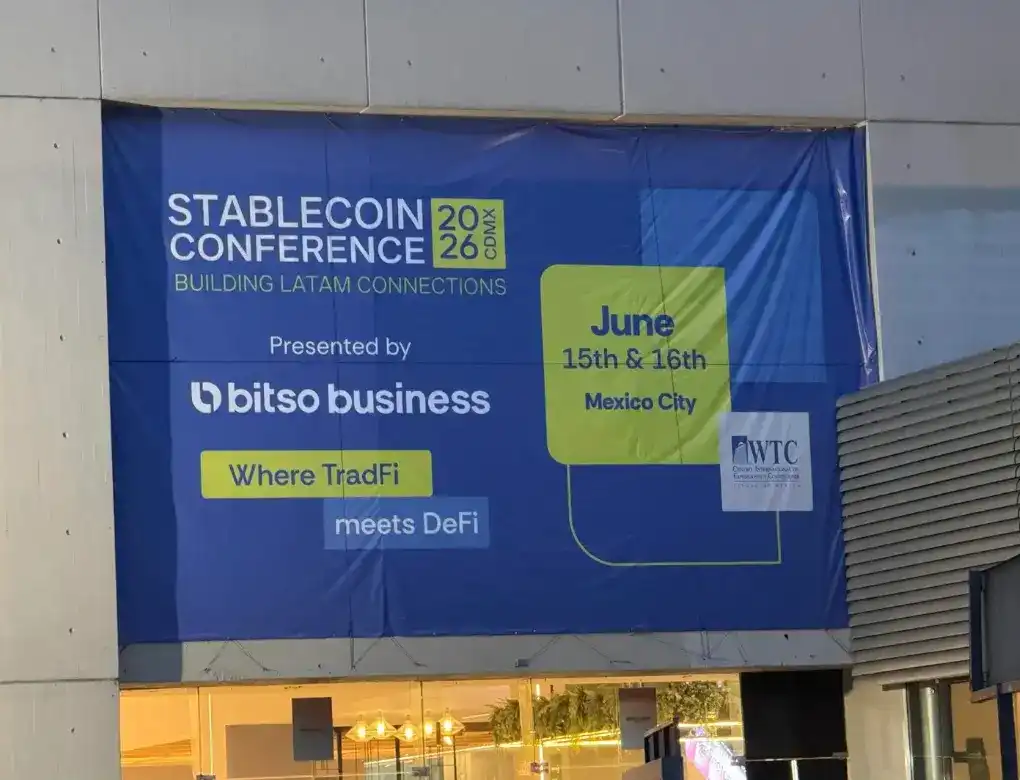
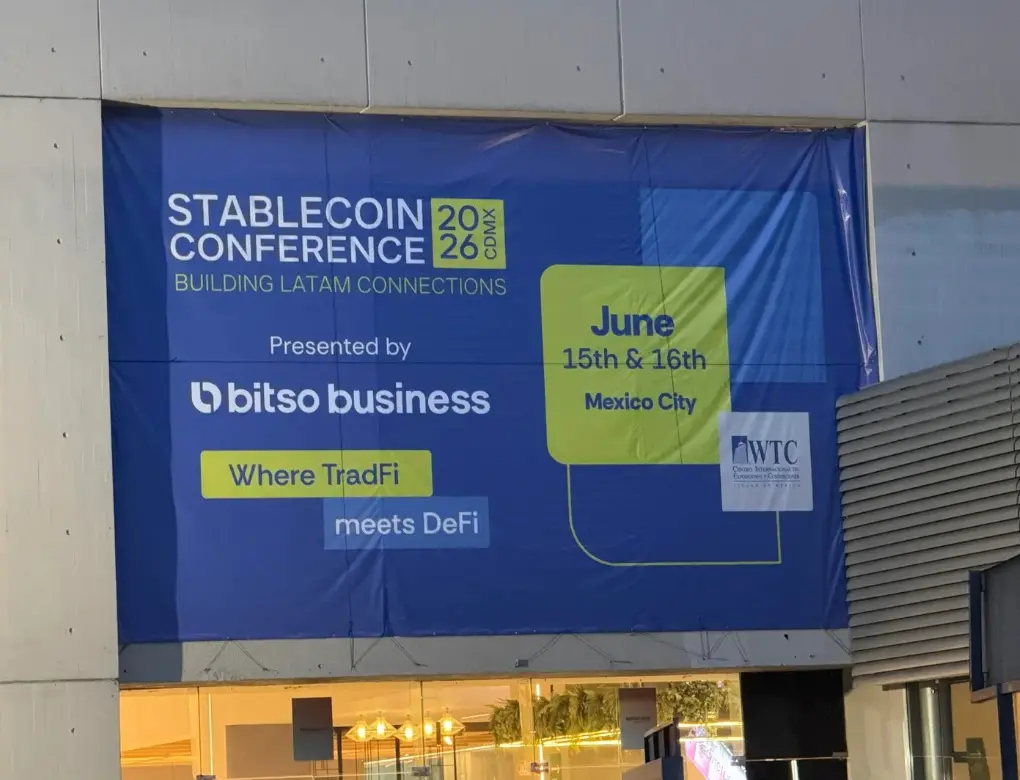
A Forbes feature delves into the state of stablecoin-based cross-border payments, noting rapid growth but a key shortfall: while faster and more accessible, they are not yet cheaper. At a recent industry conference in Mexico City, optimism about technology, regulation, and volume was tempered by discussions with practitioners. The core issue is liquidity. Traditional FX brokers charge 60-70 basis points, and stablecoins promise to slash this to 2-5 basis points. However, this theoretical cost advantage cannot be realized until deep liquidity pools are established at scale, requiring significant institutional capital inflow. A major adoption barrier is trust. Businesses often rely on long-standing relationships with traditional brokers, valuing reliability over marginal cost savings. This shift will be gradual. Furthermore, successful companies in the space are not positioning themselves as replacements for legacy systems like SWIFT, but as complements. They leverage stablecoins for speed while using traditional rails for their standardization and reliability in ensuring accurate payment details—a critical factor for supplier payments to avoid customs issues. Companies like Caliza, experiencing high monthly growth, exemplify this hybrid approach. The industry anticipates consolidation, as long-term viability will depend on securing the essential trifecta: proper licensing, robust fiat on/off-ramps, and deep liquidity. Without these, firms risk being mere intermediaries rather than building sustainable businesses.

marsbit3 h fa

Forbes Feature: Stablecoin Cross-Border Payments Are Faster, But Not Yet Cheaper

marsbit3 h fa

Trading

Spot
活动图片